

Free Hugh's Dale Waterfall Travel Guide & Mobile App
Explore Hugh's Dale Waterfall with free travel guides. Discover regional history, expert tips, proposed trips, and audio guides on web or mobile app.


Hugh's Dale Waterfall offers a rainforest walk, seasonal cascades and a close look at Christmas Island's unusual national-park landscape.
Read more about Hugh's Dale Waterfall
When is the best time to visit Hugh's Dale Waterfall?
Best: August–October · 30°C| Month | High (°C) | Rainfall (mm) |
|---|---|---|
| January | 29 | 250 |
| February | 29 | 230 |
| March | 29 | 210 |
| April | 29 | 190 |
| May | 29 | 170 |
| June | 29 | 150 |
| July | 30 | 130 |
| August (best) | 30 | 110 |
| September (best) | 30 | 90 |
| October (best) | 30 | 110 |
| November | 30 | 130 |
| December | 30 | 150 |
Getting to and around Hugh's Dale Waterfall
How to get there
Transportation
Top city travel guides in Hugh's Dale Waterfall
The cities of Hugh's Dale Waterfall, and the easiest places to base yourself.
-

-

-

-


Swipe for more cities
Destinations in Hugh's Dale Waterfall
Resorts, valleys and scenic spots worth a trip of their own.
-

-


Swipe for more destinations
Best attractions in Hugh's Dale Waterfall
-
National park
Christmas Island National Park
Explore the breathtaking landscapes and unique wildlife of Christmas Island National Park, a tropical paradise in the Indian Ocean.
-
Visitor center
Christmas Island Visitor Centre
Explore the natural beauty and unique wildlife of Christmas Island at the Visitor Centre, your gateway to unforgettable adventures.
-
Tourist attraction
Dolly Beach
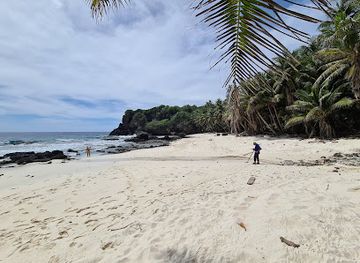
Discover the pristine beauty of Dolly Beach on Christmas Island, where turquoise waters meet lush landscapes, perfect for adventure and relaxation.
-
Tourist attraction
Lily Beach
Experience the tropical charm of Lily Beach in Christmas Island, a perfect destination for relaxation, snorkeling, and stunning views of nature.
Best landmarks in Hugh's Dale Waterfall
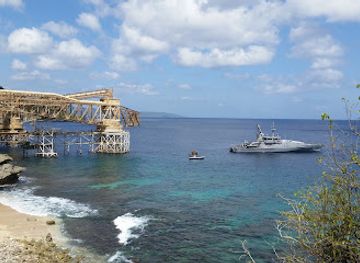
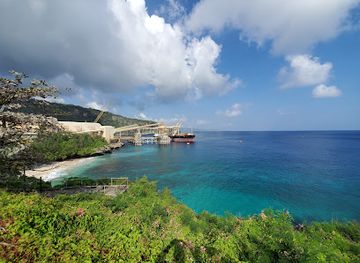
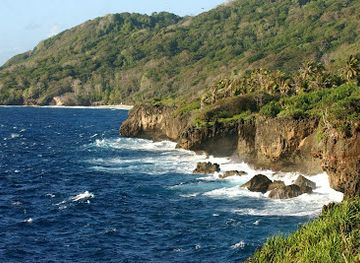
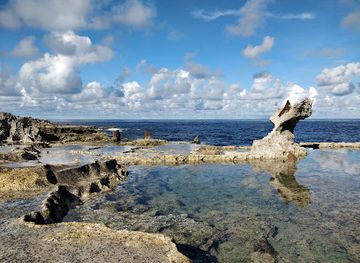
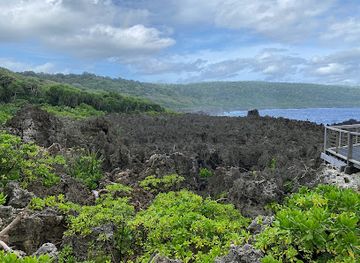
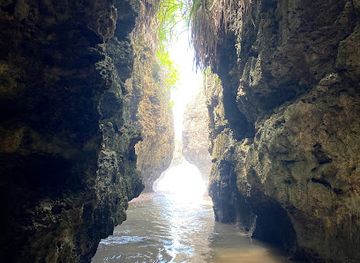
Hugh's Dale Waterfall is a natural landmark defined by its seasonal cascade, shaded stream and location within one of Christmas Island's most accessible rainforest valleys. Its importance lies less in height than in the way it reveals the island's freshwater systems and porous limestone geology. The Dales landscape around it is marked by springs, dense forest and weathered rock, providing a clear contrast with the dry-looking phosphate plateau and steep coastal cliffs found elsewhere. Christmas Island's shoreline itself forms another defining landmark, with high limestone cliffs, ocean caves and narrow coastal inlets shaped by isolation and tropical weather. Human landmarks are concentrated around the settlement and former phosphate infrastructure, where roads, buildings and industrial remains record the island's mining history. Flying Fish Cove is the principal harbour and administrative focus, although it lies away from Hugh's Dale and should not be confused with the waterfall's forest setting. The island's landmarks are best understood as a combination of rainforest, coast, geology and industry rather than as a conventional collection of monumental buildings.
-
Tourist attraction
The Blowholes
Discover the breathtaking natural spectacle of The Blowholes on Christmas Island, where ocean waves create stunning geysers against a backdrop of pristine beauty.
-
Tourist attraction
The Dales
Discover the unspoiled beauty of The Dales on Christmas Island, featuring stunning waterfalls, unique wildlife, and lush tropical landscapes.
-
 Tourist attraction
Hughs Dale Waterfall
Explore Hughs Dale Waterfall on Christmas Island, a hidden gem surrounded by lush nature, perfect for outdoor enthusiasts and peace seekers.
-
Tourist attraction
Anderson Dale
Explore Christmas Island's Anderson Dale: Where rainforest meets coast, offering hiking, wildlife, and breathtaking natural beauty.

Explore Hugh's Dale Waterfall on the map
Plan your trip on one map. See where the top cities, national parks and sights are, and book hotels and experiences in a few clicks.
Best hotels in Hugh's Dale Waterfall
Best restaurants in Hugh's Dale Waterfall
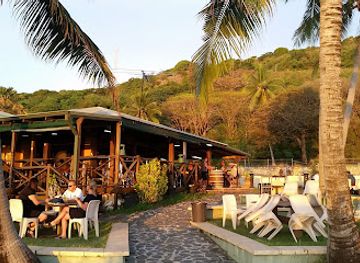
Dining options on Christmas Island are concentrated around the settled areas, especially Flying Fish Cove, rather than at Hugh's Dale itself, so visitors should carry water and plan meals before travelling into the national park. The island's food culture reflects its history as a phosphate-mining community with Chinese, Malay, Indian and Australian influences. Menus and home cooking may include Asian-style noodles, rice dishes, curries, seafood and familiar Australian café or pub fare, though availability can vary with supply deliveries and the small local market. Fresh fish and seafood may appear when local catches and business arrangements allow, but they should not be assumed at every meal. Small shops and accommodation providers can be useful for provisions, while restaurants and cafés may have limited service periods. Booking or confirming arrangements is sensible, particularly outside busier travel periods. Hugh's Dale is a rainforest destination, not a dining precinct, and eating outdoors should be done responsibly without feeding wildlife or leaving food waste behind.
-
Bar
The Golden Bosun
Experience tropical vibes at The Golden Bosun Bar on Christmas Island - your perfect spot for relaxation and fun!
-
Chinese
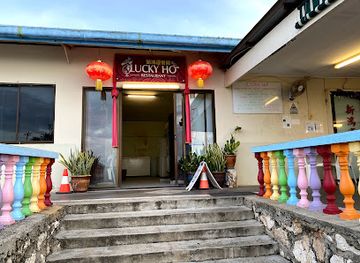
Lucky Ho
Experience authentic Chinese flavors at Lucky Ho in Christmas Island - where every dish tells a story.
-
Chinese
Le CLA Café and Restaurant
Discover Le CLA Café: A culinary haven on Christmas Island offering exquisite Chinese dishes in a serene setting.
-
Restaurant
Idah Kitchen
Discover Idah Kitchen on Christmas Island - where delicious local flavors meet warm hospitality in a stunning coastal setting.

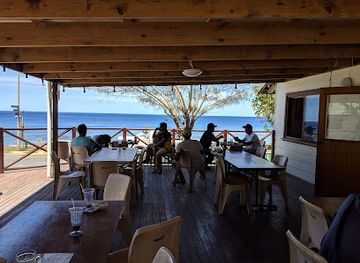
Best bars in Hugh's Dale Waterfall
Christmas Island does not have a large nightclub scene, and Hugh's Dale Waterfall has no evening venues or visitor facilities. Night-time social life generally centres on a modest range of restaurants, community spaces, accommodation venues and local pubs or bars in the settled parts of the island, particularly around Flying Fish Cove and nearby communities. The atmosphere is more suited to conversation, dinner and occasional community activity than late-night clubbing. Opening arrangements can be limited and changeable, so visitors should not assume that a venue will be operating late or that transport will be available after drinking. Remote national-park roads are especially unsuitable for casual night driving because of bends, darkness, wildlife and limited services. The island's natural environment also makes quiet evenings appealing, but visitors should use lights responsibly, avoid disturbing wildlife and follow any restrictions applying to parks and coastal areas.
-
Bar
The Golden Bosun
Discover The Golden Bosun, a lively bar in Christmas Island offering a delightful mix of refreshing drinks, local flavors, and a vibrant atmosphere for travelers.
-
Chinese
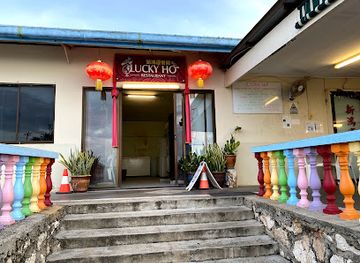
Lucky Ho
Discover the flavors of China at Lucky Ho, a top-rated restaurant in Christmas Island, offering an unforgettable dining experience.
-
Tourist attraction
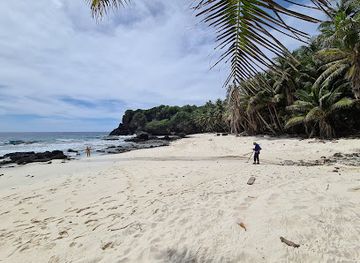
Dolly Beach
Discover the breathtaking beauty of Dolly Beach on Christmas Island, a perfect blend of adventure, relaxation, and stunning natural landscapes.
-
Tourist attraction
Lily Beach
Experience the breathtaking beauty of Lily Beach on Christmas Island, where pristine sands and vibrant waters create an unforgettable tropical escape.
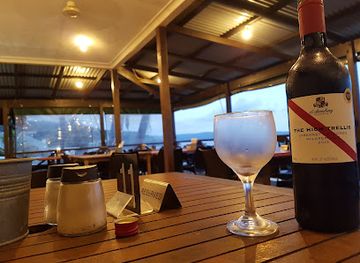
Best nightclubs in Hugh's Dale Waterfall
Christmas Island does not have a large nightclub scene, and Hugh's Dale Waterfall has no evening venues or visitor facilities. Night-time social life generally centres on a modest range of restaurants, community spaces, accommodation venues and local pubs or bars in the settled parts of the island, particularly around Flying Fish Cove and nearby communities. The atmosphere is more suited to conversation, dinner and occasional community activity than late-night clubbing. Opening arrangements can be limited and changeable, so visitors should not assume that a venue will be operating late or that transport will be available after drinking. Remote national-park roads are especially unsuitable for casual night driving because of bends, darkness, wildlife and limited services. The island's natural environment also makes quiet evenings appealing, but visitors should use lights responsibly, avoid disturbing wildlife and follow any restrictions applying to parks and coastal areas.
-
Bar
The Golden Bosun
Experience the lively spirit of The Golden Bosun on Christmas Island, where refreshing drinks and a friendly atmosphere await you.
-
Tourist attraction
Dolly Beach
Explore the pristine shores and vibrant marine life of Dolly Beach, a captivating destination on Christmas Island that promises adventure and relaxation.
-
Tourist attraction
Ethel Beach
Discover the serene beauty of Ethel Beach, a hidden paradise in Christmas Island, perfect for relaxation and adventure by the sea.
-
Tourist attraction
Greta Beach
Discover the serene beauty of Greta Beach, a tropical paradise on Christmas Island, perfect for relaxation, adventure, and nature exploration.

Best shops in Hugh's Dale Waterfall
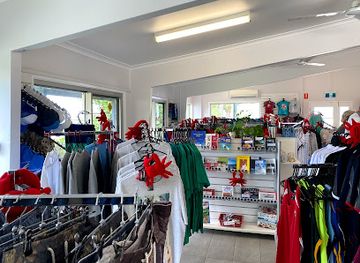
Shopping near Hugh's Dale is effectively limited to what visitors bring with them, as the waterfall has no shops, stalls or visitor centre. Supplies, snacks, drinks and practical outdoor equipment are most readily obtained in the settled areas, particularly around Flying Fish Cove, where the range is shaped by Christmas Island's small population and its dependence on imported goods. Visitors may find locally relevant souvenirs, books, artwork and craft items connected with the island's wildlife, multicultural community and phosphate history, although selection and availability vary. Food products and everyday provisions can be useful purchases before travelling to remote parts of the national park. Do not remove shells, plants, rocks or other natural material from the Dales or the coast; conservation rules protect the island's isolated ecosystems. Shopping on Christmas Island is therefore primarily practical and locally themed rather than centred on large retail complexes, designer brands or extensive market districts.
-
Visitor center
Christmas Island Visitor Centre
Discover the unique beauty and ecology of Christmas Island at the Visitor Centre, your gateway to adventure and exploration.
-
Tourist attraction
Dolly Beach
Explore the breathtaking beauty of Dolly Beach, a tranquil paradise on Christmas Island, perfect for relaxation and adventure amidst stunning natural landscapes.
-
Tourist attraction
Ethel Beach
Discover the untouched beauty of Ethel Beach, a serene escape on Christmas Island, perfect for relaxation and adventure amidst nature's wonders.
-
Cafe
Smash Espresso Bar
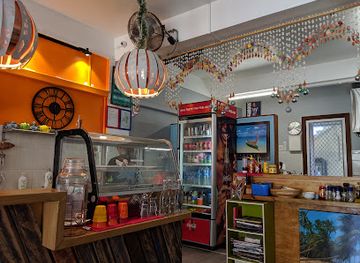
Discover the best coffee and breakfast on Christmas Island at Smash Espresso Bar, where every sip and bite is a taste of paradise.

Get your free copy of our complete guide to Hugh's Dale Waterfall, delivered straight to you.
Everything on this page, from attractions and restaurants to essentials and local phrases, in one PDF you can read offline, print or share.
Already have an account? Sign in
Your Hugh's Dale Waterfall guide is ready.
We'll send it to · Not you? Sign out

Getting your guide ready…
We are putting together a fresh copy of the Hugh's Dale Waterfall guide. This can take up to a minute.
This can take a few moments. If your browser asks, choose Allow so the download can start. You'll find the guide in your Downloads folder.
Nothing happened? Download it again
Sorry, the guide is taking longer than usual. Please try again in a minute, or get it by email instead.
Hugh's Dale Waterfall essentials
Currency and Payment
Safety
Emergency Situations
Do's and Don'ts
Local Tips
From Eve
Local phrases worth knowing
You don't need to get them perfect. A few words go a long way, and locals appreciate the effort.
Basics
| English | Local | Say it |
|---|---|---|
| Hello | Konnichiwa | [kohn-nee-chee-wah] |
| Goodbye | Sayonara | [sah-yoh-nah-rah] |
| Yes | Hai | [high] |
| No | Iie | [ee-eh] |
| Please/You're welcome | Douzo | [doh-zoh] |
| Thank you | Arigatou | [ah-ree-gah-toh] |
| Excuse me/Sorry | Sumimasen | [soo-mee-mah-sen] |
| How are you? | Ogenki desu ka? | [oh-gen-kee dess kah] |
| Fine. And you? | Genki desu. Anata wa? | [gen-kee dess. ah-nah-tah wah?] |
| Do you speak English? | Eigo o hanasemasu ka? | [ay-go oh hah-nah-seh-mah-skah] |
| I don't understand | Wakarimasen | [wah-kah-ree-mah-sen] |
Eating & Drinking
| English | Local | Say it |
|---|---|---|
| I'd like to see the menu, please | Menyuu o misete kudasai | [men-yoo oh mee-seh-teh koo-dah-sigh] |
| I don't eat meat | Niku o tabemasen | [nee-koo oh tah-beh-mah-sen] |
| Cheers! | Kanpai! | [kahn-pie] |
| I would like to pay, please | Okanjou o onegaishimasu | [oh-kahn-joh oh oh-neh-gai-shee-mah-s] |
Emergencies
| English | Local | Say it |
|---|---|---|
| Help! | Tasukete! | [tah-skeh-teh] |
| Go away! | Deteike! | [deh-teh-ee-keh] |
| Call the Police! | Keisatsu o yonde! | [kay-sah-tsu oh yohn-deh] |
| Call a doctor! | Isha o yonde! | [ee-shah oh yohn-deh] |
| I'm lost | Michi ni mayoimashita | [mee-chee nee mah-yoh-ee-mah-shee-tah] |
| I'm ill | Byouki desu | [byoh-kee dess] |
Shopping
| English | Local | Say it |
|---|---|---|
| I'd like to buy... | Kaimasu... | [kai-mah-s] |
| I'm just looking | Mite iru dake desu | [mee-teh ee-roo dah-keh dess] |
| How much is it? | Ikura desu ka? | [ee-koo-rah dess kah] |
| That's too expensive | Sore wa takai desu | [so-reh wah tah-kah-ee dess] |
| Can you lower the price? | Naze nedan o sagete kudasai? | [nah-zeh neh-dahn oh sah-geh-teh koo-dah-sigh] |
Time & Numbers
| English | Local | Say it |
|---|---|---|
| What time is it? | Ima nanji desu ka? | [ee-mah nahn-jee dess kah] |
| It's one o'clock | Ichi ji desu | [ee-chee jee dess] |
| Half past (10) | Juu go fun | [joo goo foon] |
| Morning | Asa | [ah-sah] |
| Afternoon | Hiru | [hee-roo] |
| Evening | Yoru | [yoh-roo] |
| Yesterday | Kinou | [kee-noh] |
| Today | Kyou | [kyoh] |
| Tomorrow | Ashita | [ah-shee-tah] |
| 1 | Ichi | [ee-chee] |
| 2 | Ni | [nee] |
| 3 | San | [sahn] |
| 4 | Shi | [shee] |
| 5 | Go | [goh] |
| 6 | Roku | [roh-koo] |
| 7 | Nana | [nah-nah] |
| 8 | Hachi | [hah-chee] |
| 9 | Kyuu | [kyoo] |
| 10 | Juu | [joo] |
Transport & Directions
| English | Local | Say it |
|---|---|---|
| Where's a/the...? | Doko ni...? | [doh-koh nee] |
| What's the address? | Jusho wa nan desu ka? | [joo-shoh wah nahn dess kah] |
| Can you show me (on the map)? | Chizu de misete kudasai | [chee-zoo deh mee-seh-teh koo-dah-sigh] |
| When's the next (bus)? | Tsugi no basu wa itsu desu ka? | [tsu-gee noh bah-soo wah ee-tsu dess kah] |
| A ticket (to ....) | Kippu (e) kudasai | [kip-poo (eh) koo-dah-sigh] |
History of Hugh's Dale Waterfall
European discovery and naming, 1643–1688
Christmas Island was sighted by the English mariner William Mynors on Christmas Day in 1643, which gave the island its name. The first recorded landing was made by William Dampier's expedition in 1688. For many years the island remained largely unexplored by Europeans, partly because its steep coastline, isolation and lack of an obvious harbour made access difficult. Its rainforest interior, including the streams and valleys of the Dales, remained outside any settled landscape and was shaped primarily by natural processes.
British annexation and phosphate discovery, 1887–1899
British interest increased after phosphate was identified on the island in the late nineteenth century. Christmas Island was annexed to the British Empire in 1888, and the Christmas Island Phosphate Company began commercial mining in 1899. Phosphate deposits formed from accumulated seabird material on the limestone plateau, turning a remote island into an important industrial site. Mining required roads, settlements, port facilities and a large imported workforce, creating the foundations of the communities that still define the island.
Migration and the phosphate economy
The mining industry brought workers from China, Malaya and India, as well as European managers and officials. Their labour and communities gave Christmas Island a more diverse social and cultural character than its small population might suggest. Mining also transformed the landscape around the plateau and settlement areas, while the wetter forested valleys such as the Dales remained distinct from the principal extraction zones. The island's foodways, religious life and community traditions continue to reflect this history of migration and industrial employment.
Japanese occupation during the Second World War, 1942–1945
Japanese forces occupied Christmas Island during the Second World War after the island's phosphate operations and strategic position attracted military attention. Mining and shipping were disrupted, and residents endured wartime shortages, displacement and uncertainty. The occupation forms a significant part of the island's modern history, alongside wartime damage and the later return of civilian administration. Visitors may encounter wartime references in broader island interpretation, although Hugh's Dale itself is primarily valued for its rainforest and freshwater environment.
Transfer to Australian administration, 1958
Christmas Island was transferred from British control to Australia in 1958 under the Christmas Island Act. This change brought the territory into Australia's administrative system while preserving its distinct geographic and social circumstances. Phosphate mining continued to be an important economic activity, and the island's communities developed within a framework different from that of mainland Australia. The Australian connection also shaped later environmental management, infrastructure and the legal status of Christmas Island as an external territory.
National-park protection and nature tourism
Christmas Island National Park was established in 1980, with later expansion helping protect rainforest, coastal habitats, seabird colonies, freshwater springs and other ecosystems. Conservation has become especially important because the island's isolated species are vulnerable to introduced predators, invasive plants and other environmental pressures. Sites such as Hugh's Dale Waterfall now represent the conservation value of the interior as well as its scenic appeal. Visitor access is consequently managed through tracks, boardwalks and local restrictions that may change with weather or ecological conditions.
Hugh's Dale Waterfall in Photos
Browse through our photo collection highlighting the charm and character of the destination.
Neighbouring regions of Hugh's Dale Waterfall
The closest regions to Hugh's Dale Waterfall, if you have time for more than one.
-

-

-
-

-


Swipe for more regions
Explore more

Explore more of Christmas Island
Discover Christmas Island: A tropical paradise with stunning beaches, unique wildlife, and a rich cultural heritage. Perfect for nature lovers and adventure seekers.
Explore Christmas Island