

Free Margaret Knoll Travel Guide & Mobile App
Explore Margaret Knoll with free travel guides. Discover regional history, expert tips, proposed trips, and audio guides on web or mobile app.


Margaret Knoll on Christmas Island offers forested viewpoints, tropical wildlife and a quieter perspective on the island’s dramatic western plateau.
Read more about Margaret Knoll
When is the best time to visit Margaret Knoll?
Best: January–March · 31–32°C| Month | High (°C) | Rainfall (mm) |
|---|---|---|
| January (best) | 31 | 20 |
| February (best) | 32 | 25 |
| March (best) | 32 | 30 |
| April | 33 | 35 |
| May | 32 | 40 |
| June | 32 | 45 |
| July | 31 | 50 |
| August | 31 | 55 |
| September | 32 | 60 |
| October | 32 | 65 |
| November | 33 | 70 |
| December | 32 | 75 |
Getting to and around Margaret Knoll
How to get there
Transportation
Top city travel guides in Margaret Knoll
The cities of Margaret Knoll, and the easiest places to base yourself.
-

-

-

-


Swipe for more cities
Destinations in Margaret Knoll
Resorts, valleys and scenic spots worth a trip of their own.
-

-


Swipe for more destinations
Best attractions in Margaret Knoll
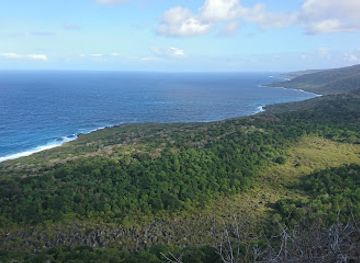
Margaret Knoll’s main attraction is its elevated forest setting and the opportunity to observe the character of Christmas Island’s western plateau without the crowds or built infrastructure found in larger destinations. It is best combined with the island’s wider natural attractions, including rainforest habitats, seasonal red crab movements, coastal cliffs, caves and viewpoints. Christmas Island National Park protects much of the island’s most significant environment, although access to individual sites can depend on weather, road conditions and conservation restrictions. Elsewhere on the island, visitors can explore beaches and shorelines, look for endemic birds, arrange diving or snorkelling, and learn how phosphate extraction shaped the plateau. Former mining landscapes and settlement remains provide a counterpoint to the forest, while cultural and historical sites around Flying Fish Cove explain the island’s Chinese, Malay and Australian connections. Margaret Knoll itself has no substantial visitor complex, so the experience is based on scenery, wildlife awareness and the changing relationship between managed roads, industrial ground and protected forest.
-
Park
Margaret Knoll Lookout
Discover the stunning vistas and diverse wildlife at Margaret Knoll Lookout, a serene park on Christmas Island perfect for nature lovers and photographers alike.

Best landmarks in Margaret Knoll
Margaret Knoll is a natural landmark rather than an architectural monument: its significance comes from its raised position within Christmas Island’s forested plateau and the changing views towards the western coast. The surrounding landscape helps explain the island’s limestone geology, steep coastal relief and long relationship with phosphate mining. Its visual character is defined by rainforest, exposed horizons and the absence of urban development, making it a useful counterpoint to the industrial and residential areas elsewhere on the island. The most important built landmarks are found away from the knoll, including the historic harbour and settlement environment around Flying Fish Cove, surviving phosphate infrastructure and places associated with the island’s multicultural communities. These should be treated as separate stops rather than folded into Margaret Knoll itself. Together, the natural outlook and the island’s industrial and civic traces show how a remote Australian territory has been shaped by geology, migration, mining, war and conservation.
-
Park
Margaret Knoll Lookout
Experience the stunning vistas and serene beauty of Margaret Knoll Lookout on Christmas Island, a paradise for nature lovers and photographers.
Explore Margaret Knoll on the map
Plan your trip on one map. See where the top cities, national parks and sights are, and book hotels and experiences in a few clicks.
Best hotels in Margaret Knoll
Best restaurants in Margaret Knoll
There is no restaurant quarter at Margaret Knoll, and visitors should organise meals and provisions in Christmas Island’s settled areas. Dining on the island reflects its multicultural population, with Chinese and Malay influences visible alongside familiar Australian café, takeaway and pub-style food. Seafood may appear on local menus, but availability is seasonal and dependent on supply, so it should not be treated as a guaranteed feature of every meal. Flying Fish Cove and the Settlement area provide the principal choice of cafés, takeaway food and community-oriented dining, while accommodation providers may offer meals that require advance arrangement. Groceries and snacks should be purchased before heading to remote viewpoints, particularly if spending a full day travelling around the island. Respect local religious and cultural settings when choosing where and when to eat, and confirm payment arrangements because connectivity and opening patterns can vary.
-
Bar
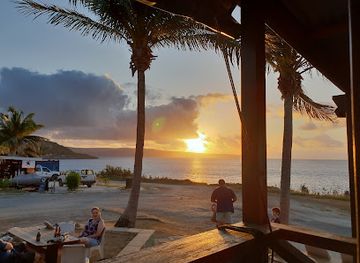
The Golden Bosun
Experience vibrant nightlife at The Golden Bosun on Christmas Island - where breathtaking views meet refreshing drinks in an unforgettable coastal setting.
-
Chinese
Lucky Ho
Experience authentic Chinese cuisine at Lucky Ho on Christmas Island—where every meal is a delightful journey through flavors.
-
Cafe
Smash Espresso Bar
Discover the cozy charm of Smash Espresso Bar on Christmas Island – your go-to spot for exquisite coffee and delicious breakfast delights.
-
Chinese
Le CLA Café and Restaurant
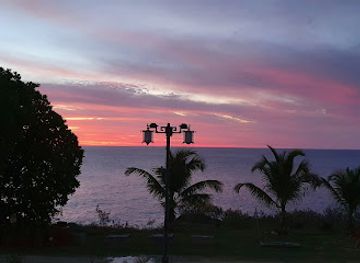
Experience authentic Chinese cuisine at Le CLA Café while enjoying stunning views of Flying Fish Cove on Christmas Island.
Best bars in Margaret Knoll
Margaret Knoll has no nightlife facilities and becomes quiet after daylight hours. Evening activity on Christmas Island is concentrated around accommodation providers, community venues and the settled areas near Flying Fish Cove rather than in a large club district. Visitors are more likely to find a relaxed drink, informal conversation or occasional community entertainment than a late-night nightclub scene. Local evening life is shaped by the island’s small population, working schedules and distance from mainland Australia, so venues and services may operate on limited or changing schedules. Wildlife watching, including carefully planned night observation where permitted, can be an alternative to organised nightlife, but visitors should use established routes and avoid disturbing animals. Arrange transport back to accommodation in advance if drinking, as roadside services and taxis cannot be assumed to be readily available near Margaret Knoll.
-
National park
Christmas Island National Park
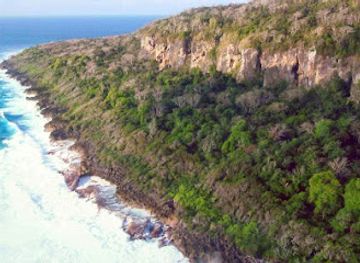
Explore the natural wonders of Christmas Island National Park, a unique destination filled with stunning landscapes and diverse wildlife.
-
International airport
Christmas Island International Airport
Experience the unique charm of Christmas Island International Airport, the gateway to stunning landscapes and extraordinary wildlife adventures.
-
Bar
The Golden Bosun
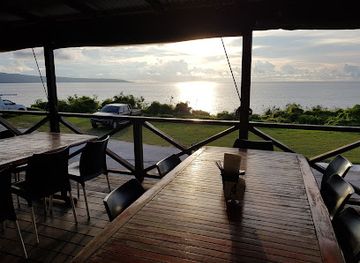
Experience the vibrant atmosphere and stunning views at The Golden Bosun, a tropical bar in the heart of Christmas Island.
-
Chinese
Lucky Ho
Discover the authentic taste of Chinese cuisine at Lucky Ho, a must-visit restaurant on Christmas Island, blending tradition and flavor.
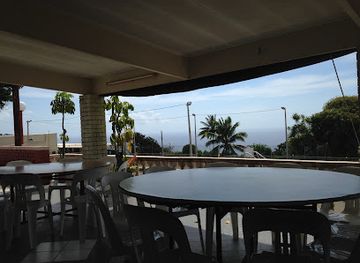
Best nightclubs in Margaret Knoll
Margaret Knoll has no nightlife facilities and becomes quiet after daylight hours. Evening activity on Christmas Island is concentrated around accommodation providers, community venues and the settled areas near Flying Fish Cove rather than in a large club district. Visitors are more likely to find a relaxed drink, informal conversation or occasional community entertainment than a late-night nightclub scene. Local evening life is shaped by the island’s small population, working schedules and distance from mainland Australia, so venues and services may operate on limited or changing schedules. Wildlife watching, including carefully planned night observation where permitted, can be an alternative to organised nightlife, but visitors should use established routes and avoid disturbing animals. Arrange transport back to accommodation in advance if drinking, as roadside services and taxis cannot be assumed to be readily available near Margaret Knoll.
-
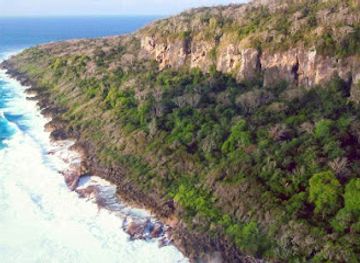
Park
Margaret Knoll Lookout
Experience the breathtaking panoramic views of Margaret Knoll Lookout on Christmas Island, a hidden gem for nature lovers and photographers alike.

Best shops in Margaret Knoll
Margaret Knoll has no shops, markets or commercial craft outlets, so shopping should be completed in Christmas Island’s settled areas. Retail is small-scale and practical, with general stores and community businesses supplying groceries, drinks, basic travel needs and locally useful provisions. Visitors may also find locally themed souvenirs, books, handicrafts or products reflecting the island’s wildlife and multicultural heritage, although selection and availability can change. Shopping is not a principal reason to visit the knoll; its value lies in scenery and access to the natural landscape. Buy food, water, fuel and any specialist outdoor items before setting out, particularly for a day exploring remote roads. As Christmas Island is distant from mainland Australia, imported goods can be limited and more expensive, while locally made items may be produced in small quantities rather than through a permanent tourist retail industry.
-
National park
Christmas Island National Park
Explore the breathtaking landscapes and unique wildlife of Christmas Island National Park, a hidden gem in Australia’s natural wonders.
-
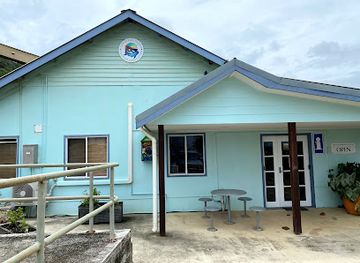
Visitor center
Christmas Island Visitor Centre
Explore the essence of Christmas Island at the Visitor Centre, your gateway to its breathtaking natural wonders and vibrant culture.
-
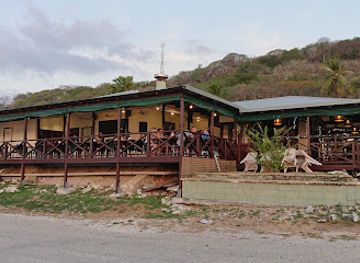
Bar
The Golden Bosun
Discover the vibrant atmosphere of The Golden Bosun, a tropical bar on Christmas Island serving refreshing drinks and local brews.
-
Tourist attraction
Dolly Beach
Explore the natural beauty and serene environment of Dolly Beach on Christmas Island, a perfect getaway for beach lovers and nature enthusiasts.

Get your free copy of our complete guide to Margaret Knoll, delivered straight to you.
Everything on this page, from attractions and restaurants to essentials and local phrases, in one PDF you can read offline, print or share.
Already have an account? Sign in
Your Margaret Knoll guide is ready.
We'll send it to · Not you? Sign out

Getting your guide ready…
We are putting together a fresh copy of the Margaret Knoll guide. This can take up to a minute.
This can take a few moments. If your browser asks, choose Allow so the download can start. You'll find the guide in your Downloads folder.
Nothing happened? Download it again
Sorry, the guide is taking longer than usual. Please try again in a minute, or get it by email instead.
Margaret Knoll essentials
Currency and Payment
Safety
Emergency Situations
Do's and Don'ts
Local Tips
From Eve
Local phrases worth knowing
You don't need to get them perfect. A few words go a long way, and locals appreciate the effort.
Basics
| English | Local | Say it |
|---|---|---|
| Hello | Aloha | [ah-loh-hah] |
| Goodbye | A hui hou | [ah hoo-ee hoh] |
| Yes | Ae | [ah-eh] |
| No | Aole | [ah-oh-leh] |
| Please/You're welcome | E komo mai | [eh koh-moh my] |
| Thank you | Mahalo | [mah-hah-loh] |
| Excuse me/Sorry | E kala mai | [eh kah-lah my] |
| How are you? | Pehea oe? | [peh-heh-ah oh-eh] |
| Fine. And you? | Maika'i. Oe? | [my-kah-ee oh-eh] |
| Do you speak English? | Kau ka ʻōlelo Pelekania? | [kau kah oh-leh-loh peh-leh-kah-nee-ah] |
| I don't understand | Aʻole au i ʻike | [ah-oh-leh ow ee ee-keh] |
Eating & Drinking
| English | Local | Say it |
|---|---|---|
| I'd like to see the menu, please | E makemake ana au e ʻike i ka menu, please | [eh mah-kah-meh ah-nah ow eh ee-keh ee kah meh-noo] |
| I don't eat meat | Aʻole au e ʻai i ka mea ʻai | [ah-oh-leh ow eh eye ee kah meh-ah eye] |
| Cheers! | Ono! | [oh-noh] |
| I would like to pay, please | E makemake ana au e uku, please | [eh mah-kah-meh ah-nah ow eh oo-koo] |
Emergencies
| English | Local | Say it |
|---|---|---|
| Help! | Kōkua! | [koh-koo-ah] |
| Go away! | E hele i loko! | [eh heh-leh ee loh-koh] |
| Call the Police! | Kipa i ka pōtu! | [kee-pah ee kah poh-too] |
| Call a doctor! | Kipa i ke kumu lāʻau! | [kee-pah ee keh koo-moo lah-ah-oo] |
| I'm lost | Aia au i loko o ka pō | [ah-ee-ah ow ee loh-koh oh kah poh] |
| I'm ill | Aia au i ke kūlana | [ah-ee-ah ow ee keh koo-lah-nah] |
Shopping
| English | Local | Say it |
|---|---|---|
| I'd like to buy... | E makemake ana au e kūʻai... | [eh mah-kah-meh ah-nah ow eh koo-eye] |
| I'm just looking | Ke nānā wale aku au | [keh nah-nah vah-leh ah-koo ow] |
| How much is it? | Ehia ka mea? | [eh-hee-ah kah meh-ah] |
| That's too expensive | O nā mea ʻai kēia | [oh nah meh-ah eye keh-ee-ah] |
| Can you lower the price? | E hiki iā ʻoe ke hoʻemi i ka kumukūʻai? | [eh hee-kee ee-ah oh-eh keh hoh-eh-mee ee kah koo-moo-koo-eye] |
Time & Numbers
| English | Local | Say it |
|---|---|---|
| What time is it? | He aha ka manawa? | [heh ah-hah kah mah-nah-wah] |
| It's one o'clock | He ʻekahi o ke hora | [heh eh-kah-hee oh keh hoh-rah] |
| Half past (10) | Pā ʻelima (10) | [pah eh-lee-mah] |
| Morning | Pō ʻākau | [poh ah-kah-oo] |
| Afternoon | Pō ʻākau | [poh ah-kah-oo] |
| Evening | Pō ʻāina | [poh ah-ee-nah] |
| Yesterday | I nehinei | [ee neh-hee-neh] |
| Today | I kēia la | [ee keh-ee-ah lah] |
| Tomorrow | I ka lā ʻapōpō | [ee kah lah ah-poh-poh] |
| 1 | Kahi | [kah-hee] |
| 2 | Elua | [eh-loo-ah] |
| 3 | Ekolu | [eh-koh-loo] |
| 4 | Eha | [eh-hah] |
| 5 | Elima | [eh-lee-mah] |
| 6 | Eono | [eh-oh-no] |
| 7 | Ehiku | [eh-hee-koo] |
| 8 | Ewalu | [eh-wah-loo] |
| 9 | Eiwa | [eh-ee-vah] |
| 10 | ʻUmi | [oo-mee] |
Transport & Directions
| English | Local | Say it |
|---|---|---|
| Where's a/the...? | Aia i hea ka...? | [ah-ee-ah ee heh-ah kah] |
| What's the address? | He aha ka helu? | [heh ah-hah kah heh-loo] |
| Can you show me (on the map)? | E hiki iā ʻoe e hōʻike iaʻu (ma ke ʻāina)? | [eh hee-kee ee-ah oh-eh eh hoh-keh-ee ee-ow] |
| When's the next (bus)? | Kwhen i ka bus aʻe? | [kwhen ee kah bus ah-eh] |
| A ticket (to ....) | He tiket (i ....) | [heh tee-ket ee] |
History of Margaret Knoll
Early maritime knowledge and the island’s isolation
Christmas Island lies in the eastern Indian Ocean, far closer to Java than to mainland Australia. European navigators recorded the island from the seventeenth century, but its steep coasts, dense forest and lack of a good natural harbour discouraged permanent settlement for many years. The island’s isolation allowed distinctive species to evolve, while its position along regional sailing routes connected it indirectly with the wider Indian Ocean world. The forested interior around places such as Margaret Knoll remained largely inaccessible until later exploration and industrial development.
British annexation and phosphate discovery, late nineteenth century
Britain annexed Christmas Island in 1888, and phosphate deposits were identified soon afterwards. The discovery transformed the island’s future: what had been a remote, heavily forested island became a site of international economic interest. Geological formations across the plateau, including the limestone terrain associated with elevated areas such as Margaret Knoll, were linked to the island’s phosphate resources. Mining required roads, settlements, machinery and labour, leaving a lasting contrast between natural forest and industrially altered ground.
Mining, migration and the company settlement
Commercial phosphate mining began in the 1890s and expanded under the Christmas Island Phosphate Company. Workers were recruited from Malaya, China and other parts of Asia, creating the multicultural foundation of the island’s present society. Chinese, Malay and later other communities contributed languages, religious traditions, foodways and family histories that remain important to Christmas Island’s identity. The industry also shaped settlement patterns, transport routes and access across the plateau, even though much of the island’s rainforest was retained.
Japanese occupation during the Second World War
Japanese forces occupied Christmas Island from 1942 until 1945. The island’s phosphate works were disrupted, many residents experienced hardship and forced movement, and the wartime period brought military control to a remote civilian settlement. Damage and labour shortages affected mining after the war, while memories of occupation became an important part of local historical interpretation. The island’s wartime story is distinct from that of mainland Australia because its small population and isolated position made supplies, communications and defence particularly difficult.
Transfer to Australian administration in 1958
Christmas Island was transferred from British administration to Australia in 1958. The change placed the island within Australia’s external-territory system while preserving its distinct geographic setting and multicultural population. Administration, employment and public services continued to be closely connected to phosphate mining for much of the twentieth century. Australian governance also provided the framework for later environmental management, national park protection and the development of tourism centred on the island’s forests, wildlife and maritime surroundings.
National park protection and a broader island economy
Christmas Island National Park was established in 1980, protecting large areas of rainforest, coastal habitat and important wildlife sites. Conservation became increasingly significant as phosphate production declined and the island sought a more varied economic future. Tourism now complements government services, mining and local enterprise, with visitors drawn by red crabs, endemic species, diving, rainforest and industrial history. Places such as Margaret Knoll are valued not for large-scale facilities but for their relationship to the island’s protected natural landscape and changing economic identity.
Margaret Knoll in Photos
Browse through our photo collection highlighting the charm and character of the destination.
Neighbouring regions of Margaret Knoll
The closest regions to Margaret Knoll, if you have time for more than one.
-

-

-

-
-


Swipe for more regions
Explore more

Explore more of Christmas Island
Discover Christmas Island: A tropical paradise with stunning beaches, unique wildlife, and a rich cultural heritage. Perfect for nature lovers and adventure seekers.
Explore Christmas Island