

Free Kampong Travel Guide & Mobile App
Explore Kampong with free travel guides. Discover regional history, expert tips, proposed trips, and audio guides on web or mobile app.


Kampong on Christmas Island offers Malay heritage, rainforest wildlife, phosphate history and access to a distinctive Australian Indian Ocean community.
Read more about Kampong
When is the best time to visit Kampong?
Best: May–July · 31°C| Month | High (°C) | Rainfall (mm) |
|---|---|---|
| January | 30 | 150 |
| February | 31 | 140 |
| March | 31 | 130 |
| April | 31 | 120 |
| May (best) | 31 | 110 |
| June (best) | 31 | 100 |
| July (best) | 31 | 110 |
| August | 31 | 120 |
| September | 30 | 130 |
| October | 30 | 140 |
| November | 30 | 150 |
| December | 31 | 160 |
Getting to and around Kampong
How to get there
Transportation
Top city travel guides in Kampong
The cities of Kampong, and the easiest places to base yourself.
-

-

-

-


Swipe for more cities
Destinations in Kampong
Resorts, valleys and scenic spots worth a trip of their own.
-

-


Swipe for more destinations
Best attractions in Kampong
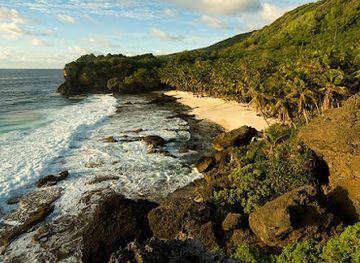
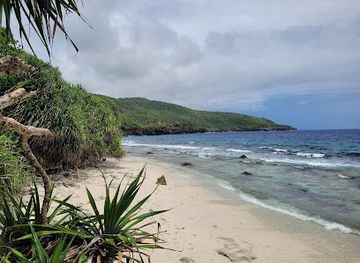
Kampong’s attractions are primarily cultural and environmental, with the settlement providing a perspective on Christmas Island’s Malay heritage and working-community history rather than a conventional catalogue of monuments. Visitors can combine time in Kampong with island-wide rainforest walks, birdwatching and wildlife observation, especially during the red crab migration. Coastal scenery, secluded coves, limestone formations and elevated lookouts reveal the island’s rugged Indian Ocean setting, while former phosphate landscapes show how mining transformed the interior. Nearby settlements and community facilities add context to the multicultural history of Malay, Chinese, Indian and Australian residents. Historical interpretation is spread across the territory, including places associated with phosphate extraction, wartime occupation and administration. Access to tracks, beaches and industrial remains can depend on weather, conservation requirements and local conditions, so advice from accommodation providers or guides is valuable. The strongest experience is a balanced itinerary that treats Kampong as a living community and uses the wider island for nature, history and outdoor exploration.
-
Tourist attraction
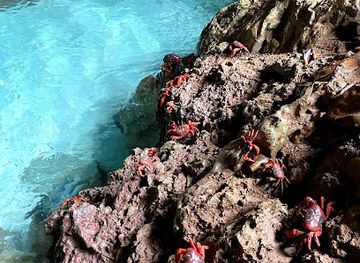
The Grotto
Explore The Grotto, a serene natural attraction on Christmas Island, where stunning rock formations and tranquil waters create a paradise for nature lovers.
Best landmarks in Kampong
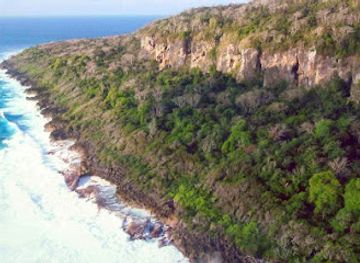
Kampong’s principal landmark is the settlement itself, whose name and community history preserve the Malay dimension of Christmas Island’s development. Its significance is social and historical rather than architectural monumental, and visitors should view residential areas respectfully. Across the surrounding territory, the island’s most recognisable landmarks are its steep limestone coast, dense rainforest and dramatic relationship between natural terrain and former phosphate workings. The coastline’s cliffs and sheltered bays express the island’s isolated Indian Ocean geography, while cleared mining areas and industrial traces mark the economic system that brought permanent communities here. Historic religious and civic buildings in the wider settlements also reflect the island’s multicultural population and Australian administration. Wartime and mining remnants may be important, but not every surviving structure is publicly accessible or safe to enter. The most meaningful landmarks are therefore read as a connected landscape: Kampong’s living community, the forest that surrounds it, and the industrial and coastal features that explain Christmas Island’s past.
-
National park
Christmas Island National Park
Discover the natural wonders and unique wildlife of Christmas Island National Park, a hidden gem in the Indian Ocean perfect for adventure seekers and nature lovers alike.
-
Visitor center
Christmas Island Visitor Centre
Discover the unique wildlife and stunning landscapes of Christmas Island at the Visitor Centre, your starting point for unforgettable adventures.
-
Bar
The Golden Bosun
Discover vibrant nightlife and stunning views at The Golden Bosun, your go-to bar on Christmas Island for relaxation and enjoyment.
-
Tourist attraction
Dolly Beach
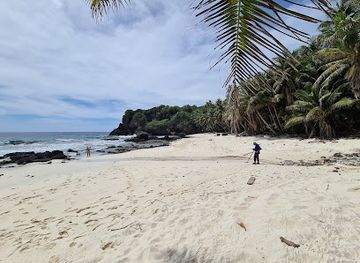
Discover the serene beauty of Dolly Beach, a tropical paradise on Christmas Island that offers pristine waters, vibrant marine life, and lush rainforest adventures.
Explore Kampong on the map
Plan your trip on one map. See where the top cities, national parks and sights are, and book hotels and experiences in a few clicks.
Best hotels in Kampong
Best restaurants in Kampong
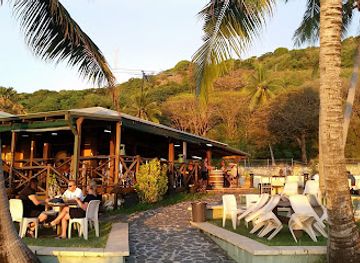
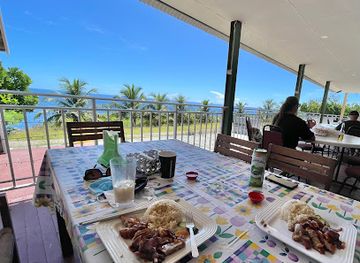
Dining in Kampong and across Christmas Island is limited in scale but notable for the way Australian provisions meet Malay, Chinese, Indian and Southeast Asian influences. Visitors may encounter dishes featuring rice, noodles, spices, seafood and chilli alongside familiar Australian café and takeaway food. Malay culinary traditions are particularly relevant to Kampong’s cultural history, although restaurants and food outlets vary and should not be assumed to operate daily. The island’s tropical waters and multicultural population shape local food preferences, while imported supplies influence what is available. Small eateries, community events and accommodation kitchens can be more significant than a formal restaurant district, so advance planning is sensible. Ask locally about current opening arrangements and whether bookings are needed. Visitors should respect halal practices where indicated and should not treat community food traditions as performances for tourists. Carrying snacks and basic provisions is prudent when travelling to remote parts of the island.
-
Bar
The Golden Bosun
Discover relaxation at The Golden Bosun, a vibrant bar on Christmas Island offering refreshing drinks amidst stunning tropical views.
-
Chinese
Lucky Ho
Discover Lucky Ho: A culinary treasure on Christmas Island serving authentic Chinese dishes with fresh ingredients and warm hospitality.
-
Tourist attraction
Dolly Beach
Explore Dolly Beach: A Tropical Paradise on Christmas Island with Stunning Views and Vibrant Marine Life.
-
Tourist attraction
Ethel Beach
Discover Ethel Beach on Christmas Island - a tropical paradise perfect for relaxation and snorkeling adventures amidst vibrant marine life.
Best bars in Kampong
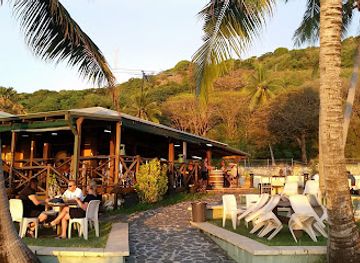
Kampong does not have a major nightclub scene. Evening life on Christmas Island is more likely to centre on private homes, community gatherings, accommodation venues, casual meals and the limited number of licensed places operating in the main settlements. Visitors may find a relaxed pub-style atmosphere or occasional social events, but opening arrangements and entertainment can change, particularly outside busy travel periods. The territory’s most distinctive night-time experiences are often non-commercial: listening to the forest, watching the sky away from settlement lighting or joining an appropriately organised wildlife outing. Drink-driving is especially dangerous on narrow island roads, and alcohol should never be taken into conservation areas or combined with coastal or forest excursions. Respect local residential quiet, religious observance and community events rather than expecting a late-night entertainment district.
-
Bar
The Golden Bosun
Experience the vibrant atmosphere of The Golden Bosun, a must-visit bar in Christmas Island offering local drinks and a friendly vibe.
-
Chinese
Lucky Ho
Experience authentic Chinese cuisine at Lucky Ho, the culinary gem of Christmas Island, where every dish tells a story of tradition and flavor.
-
Chinese
Le CLA Café and Restaurant
Experience the authentic flavors of Chinese cuisine at Le CLA Café and Restaurant, a scenic dining spot in Christmas Island's Flying Fish Cove.
-
Restaurant
Idah Kitchen
Experience the flavors of Christmas Island at Idah Kitchen, where local cuisine meets stunning coastal views in a vibrant atmosphere.
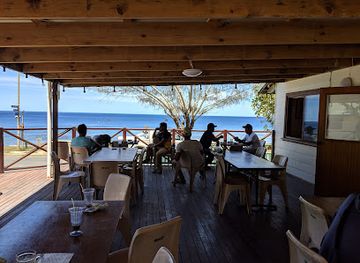
Best nightclubs in Kampong
Kampong does not have a major nightclub scene. Evening life on Christmas Island is more likely to centre on private homes, community gatherings, accommodation venues, casual meals and the limited number of licensed places operating in the main settlements. Visitors may find a relaxed pub-style atmosphere or occasional social events, but opening arrangements and entertainment can change, particularly outside busy travel periods. The territory’s most distinctive night-time experiences are often non-commercial: listening to the forest, watching the sky away from settlement lighting or joining an appropriately organised wildlife outing. Drink-driving is especially dangerous on narrow island roads, and alcohol should never be taken into conservation areas or combined with coastal or forest excursions. Respect local residential quiet, religious observance and community events rather than expecting a late-night entertainment district.
-
Bar
The Golden Bosun
Discover the perfect blend of relaxation and entertainment at The Golden Bosun, your go-to bar on Christmas Island.
-
Chinese
Lucky Ho
Experience authentic Chinese flavors at Lucky Ho, a cozy dining destination in Christmas Island, perfect for food lovers and travelers alike.
-
Tourist attraction
Ethel Beach
Discover the tranquil beauty of Ethel Beach, a hidden gem on Christmas Island, perfect for relaxation and underwater exploration.
-
Restaurant
Idah Kitchen
Experience the vibrant flavors of Idah Kitchen on Christmas Island, where local ingredients meet culinary creativity in a stunning oceanfront setting.
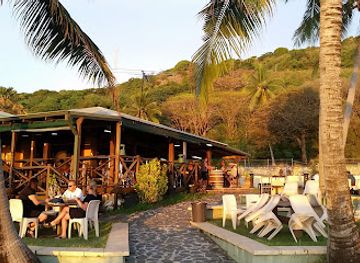
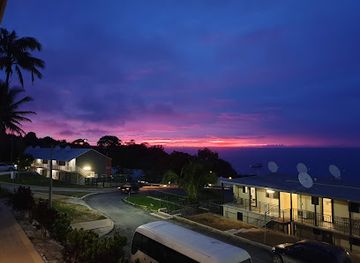
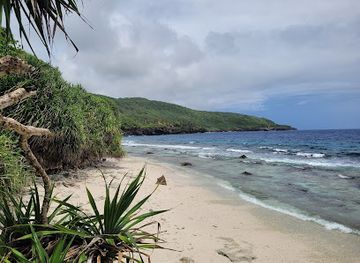
Best shops in Kampong
Shopping in Kampong is local and practical rather than extensive. Visitors should expect a small range of everyday provisions and locally relevant goods rather than a conventional high street or dedicated shopping district. The wider island offers opportunities to purchase snacks, drinks, books, locally themed souvenirs and small items connected with Christmas Island’s wildlife and history, subject to current stock. Food products influenced by Malay, Chinese and broader Southeast Asian traditions may be available through local outlets or community events, but supplies are not guaranteed. Craft and souvenir choices are limited compared with mainland Australian destinations, and many visitors value interpretive material about the island, conservation and phosphate history more than mass-produced merchandise. Buy responsibly: do not purchase coral, protected wildlife, naturally collected specimens or anything whose export status is unclear. Because retail hours and card facilities can vary, obtain essential supplies and keep a modest amount of Australian cash available before travelling around the island.
-
National park
Christmas Island National Park
Discover the breathtaking landscapes and unique wildlife of Christmas Island National Park, a hidden gem in the Indian Ocean for nature lovers and adventurers.
-
Visitor center
Christmas Island Visitor Centre
Explore the unique biodiversity and cultural heritage of Christmas Island at the Visitor Centre, your gateway to this remote paradise.
-
Tourist attraction
Dolly Beach
Explore the serene beauty of Dolly Beach on Christmas Island, a hidden paradise perfect for adventure and relaxation.
-
Tourist attraction
Ethel Beach
Discover the tranquil beauty of Ethel Beach, a hidden gem on Christmas Island, perfect for relaxation and marine adventures amid stunning tropical landscapes.
Get your free copy of our complete guide to Kampong, delivered straight to you.
Everything on this page, from attractions and restaurants to essentials and local phrases, in one PDF you can read offline, print or share.
Already have an account? Sign in
Your Kampong guide is ready.
We'll send it to · Not you? Sign out

Getting your guide ready…
We are putting together a fresh copy of the Kampong guide. This can take up to a minute.
This can take a few moments. If your browser asks, choose Allow so the download can start. You'll find the guide in your Downloads folder.
Nothing happened? Download it again
Sorry, the guide is taking longer than usual. Please try again in a minute, or get it by email instead.
Kampong essentials
Currency and Payment
Safety
Emergency Situations
Do's and Don'ts
Local Tips
From Eve
Local phrases worth knowing
You don't need to get them perfect. A few words go a long way, and locals appreciate the effort.
Basics
| English | Local | Say it |
|---|---|---|
| Hello | Salamat datang | [sah-lah-maht dah-tahng] |
| Goodbye | Selamat tinggal | [sah-lah-maht ting-gahl] |
| Yes | Ya | [yah] |
| No | Tidak | [tee-dahk] |
| Please/You’re welcome | Silakan | [see-lah-kahn] |
| Thank you | Terima kasih | [teh-ree-mah kah-see] |
| Excuse me/Sorry | Maaf | [mah-ahf] |
| How are you? | Apa kabar? | [ah-pah kah-bar] |
| Fine. And you? | Baik. Dan anda? | [bye-eek. dahn ahn-dah] |
| Do you speak English? | Apakah anda berbicara bahasa Inggris? | [ah-pah-kah ahn-dah ber-bee-chah-rah bah-hah-sah een-grees] |
| I don't understand | Saya tidak mengerti | [sah-yah tee-dahk men-ger-tee] |
Eating & Drinking
| English | Local | Say it |
|---|---|---|
| I’d like to see the menu, please | Saya ingin melihat menu, silakan | [sah-yah een-geen meh-lih-hat meh-noo, see-lah-kahn] |
| I don't eat meat | Saya tidak makan daging | [sah-yah tee-dahk mah-kahn dah-ging] |
| Cheers! | Selamat! | [sah-lah-maht] |
| I would like to pay, please | Saya ingin membayar, silakan | [sah-yah een-geen mem-bah-yar, see-lah-kahn] |
Emergencies
| English | Local | Say it |
|---|---|---|
| Help! | Tolong! | [toh-long] |
| Go away! | Pergi! | [per-gee] |
| Call the Police! | Panggil polisi! | [pahn-gil poh-lee-see] |
| Call a doctor! | Panggil dokter! | [pahn-gil dok-ter] |
| I’m lost | Saya tersesat | [sah-yah ter-seh-saht] |
| I’m ill | Saya sakit | [sah-yah sah-kit] |
Shopping
| English | Local | Say it |
|---|---|---|
| I’d like to buy... | Saya ingin membeli... | [sah-yah een-geen mem-beh-lee] |
| I’m just looking | Saya hanya melihat | [sah-yah han-yah meh-lih-hat] |
| How much is it? | Berapa harganya? | [ber-ah-pah har-gah-nya] |
| That’s too expensive | Itu terlalu mahal | [ee-too ter-lah-loo mah-hahl] |
| Can you lower the price? | Bisakah anda menurunkan harga? | [bee-sah-kah ahn-dah meh-noo-run-kahn har-gah] |
Time & Numbers
| English | Local | Say it |
|---|---|---|
| What time is it? | Jam berapa? | [jahm ber-ah-pah] |
| It’s one o’clock | Jam satu | [jahm sah-too] |
| Half past (10) | Setengah (10) | [seh-teng-ah] |
| Morning | Pagi | [pah-gee] |
| Afternoon | Sore | [soh-reh] |
| Evening | Malam | [mah-lahm] |
| Yesterday | Kemarin | [keh-mah-rin] |
| Today | Hari ini | [hah-ree ee-nee] |
| Tomorrow | Besok | [beh-sok] |
| 1 | Satu | [sah-too] |
| 2 | Dua | [doo-ah] |
| 3 | Tiga | [tee-gah] |
| 4 | Empat | [em-paht] |
| 5 | Lima | [lee-mah] |
| 6 | Enam | [eh-nahm] |
| 7 | Tujuh | [too-joo] |
| 8 | Delapan | [deh-lah-pan] |
| 9 | Sembilan | [sem-bee-lahn] |
| 10 | Sepuluh | [seh-poo-looh] |
Transport & Directions
| English | Local | Say it |
|---|---|---|
| Where's a/the...? | Di mana ada...? | [dee mah-nah ah-dah] |
| What's the address? | Apa alamatnya? | [ah-pah ah-lah-maht-nya] |
| Can you show me (on the map)? | Bisakah anda menunjukkan (di peta)? | [bee-sah-kah ahn-dah men-unjuk-kahn (dee peh-tah)] |
| When's the next (bus)? | Kapan bus berikutnya? | [kah-pahn boos ber-ee-koot-nya] |
| A ticket (to ....) | Tiket (ke ....) | [tee-ket (keh)] |
History of Kampong
Early human visits and the island’s natural heritage
Christmas Island had no known permanent Indigenous population before European administration, but its position in the Indian Ocean brought it within wider maritime networks. The island’s forests, cliffs and seabird colonies developed in relative isolation, producing a high level of endemism. Its distinctive red crab population later became one of its best-known natural features. For modern visitors, this biological history is as important as the island’s industrial past, since much of the territory is protected and conservation shapes access to roads, forests and coastal areas.
European discovery and British annexation
European navigators recorded Christmas Island in the seventeenth century, and the island was named after its sighting on Christmas Day in 1643. It was formally annexed by Britain in the late nineteenth century, after the value of its phosphate deposits became apparent. Permanent administration and industrial settlement followed, bringing workers and officials to an island that had previously had no permanent town network. The foundations of later settlements, including communities known as kampongs, were laid during this period.
Phosphate mining and the formation of island communities
Phosphate mining became the central economic force on Christmas Island from the late nineteenth century onwards. Workers were recruited from Malaya, China, India and elsewhere, and their families helped create the island’s multicultural society. Malay communities contributed language, religion, food traditions and social institutions, while Chinese and other migrant communities shaped the island in parallel. Kampong’s name and cultural associations belong to this broader history of labour, settlement and family life connected with the phosphate industry.
Japanese occupation during the Second World War
Japanese forces occupied Christmas Island between 1942 and 1945, disrupting mining operations and displacing much of the population. The island’s strategic position and phosphate resources made it significant during the war, while local residents experienced shortages, forced labour and military rule. Wartime remains and stories form part of Christmas Island’s wider historical landscape, although the island is not presented as a conventional battlefield destination. The occupation also interrupted the earlier pattern of industrial and community development.
Transfer to Australian administration in 1958
Christmas Island was transferred from British to Australian administration in 1958. Phosphate mining continued to dominate employment and public life, while the island’s communities retained strong connections with Southeast Asia as well as Australia. Government services, citizenship arrangements and infrastructure gradually developed within the Australian constitutional framework. This transition helps explain why Christmas Island combines Australian public institutions and currency with a distinctive local history, tropical setting and multicultural population.
Mining decline, conservation and a changing economy
Phosphate extraction altered large sections of Christmas Island, leaving cleared areas, roads and industrial traces among the rainforest. As mining declined in importance, conservation became increasingly central to the island’s future, particularly through protection of rainforest and endemic wildlife. Tourism, public administration, research and environmental management became more prominent, although the legacy of mining remains visible. Settlements such as Kampong are therefore part of a landscape shaped by both working industry and efforts to restore and protect the natural environment.
Contemporary Christmas Island and regional connections
Modern Christmas Island remains an Australian territory with a culturally diverse population and strong links to the wider Indian Ocean region. Its communities, including Kampong, continue to reflect Malay, Chinese, Indian, Australian and other influences. The island has also been affected by national debates about migration and regional detention policy, subjects that are part of its recent political history but should not define everyday community life. Today, environmental protection, limited infrastructure and the relationship between local needs and Australian administration remain important themes.
Kampong in Photos
Browse through our photo collection highlighting the charm and character of the destination.
Neighbouring regions of Kampong
The closest regions to Kampong, if you have time for more than one.
-

-

-
-

-


Swipe for more regions
Explore more

Explore more of Christmas Island
Discover Christmas Island: A tropical paradise with stunning beaches, unique wildlife, and a rich cultural heritage. Perfect for nature lovers and adventure seekers.
Explore Christmas Island