

Free Winifred Beach Travel Guide & Mobile App
Explore Winifred Beach with free travel guides. Discover regional history, expert tips, proposed trips, and audio guides on web or mobile app.


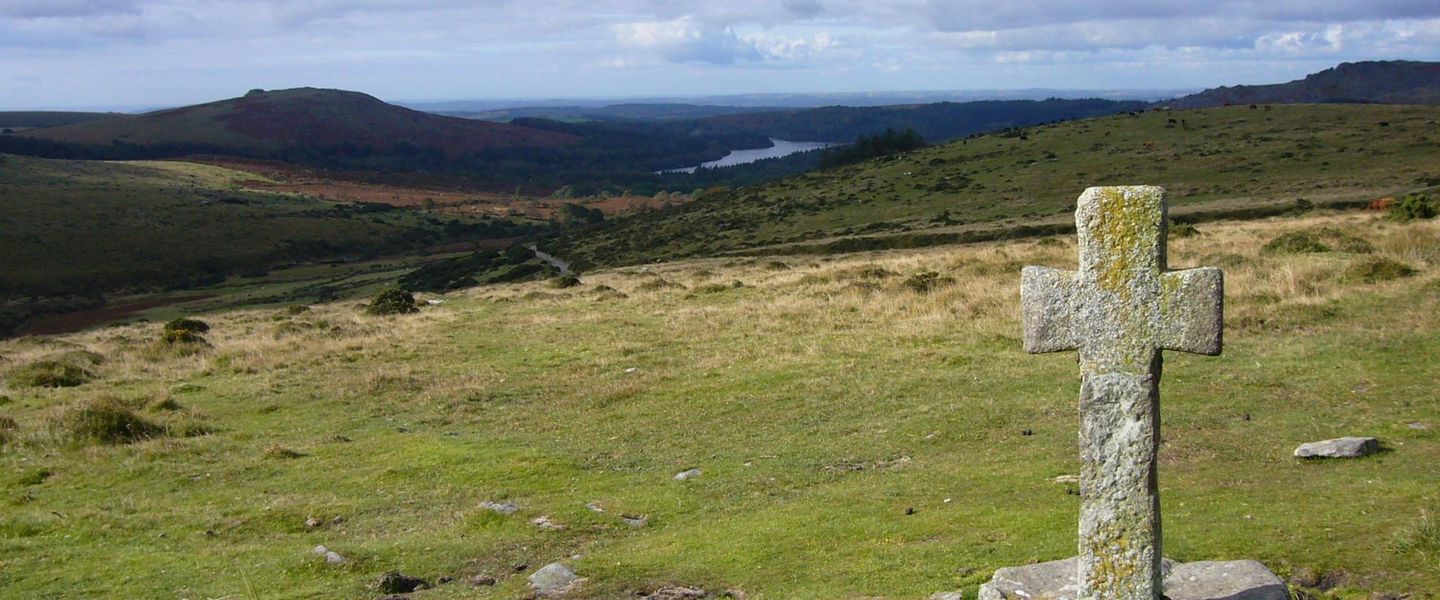


Winifred Beach on Christmas Island offers quiet Indian Ocean scenery, tropical forest, wildlife and a remote coastal setting within a protected landscape.
Read more about Winifred Beach
When is the best time to visit Winifred Beach?
Best: June–August · 31°C| Month | High (°C) | Rainfall (mm) |
|---|---|---|
| January | 30 | 180 |
| February | 30 | 160 |
| March | 31 | 150 |
| April | 31 | 130 |
| May | 31 | 120 |
| June (best) | 31 | 110 |
| July (best) | 31 | 100 |
| August (best) | 31 | 110 |
| September | 30 | 130 |
| October | 30 | 150 |
| November | 30 | 170 |
| December | 30 | 190 |
Getting to and around Winifred Beach
How to get there
Transportation
Top city travel guides in Winifred Beach
The cities of Winifred Beach, and the easiest places to base yourself.
-

-

-

-


Swipe for more cities
Destinations in Winifred Beach
Resorts, valleys and scenic spots worth a trip of their own.
-

-


Swipe for more destinations
Best attractions in Winifred Beach
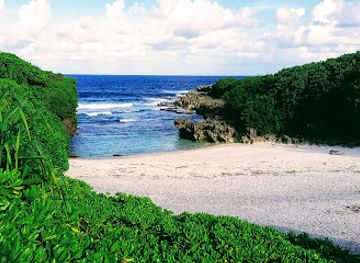
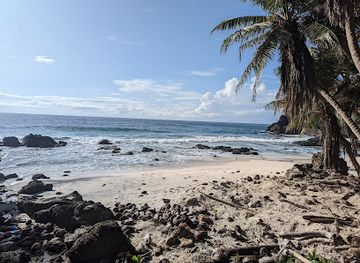
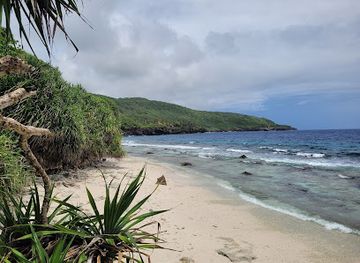
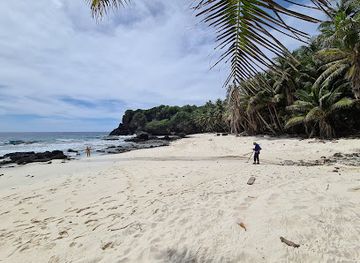
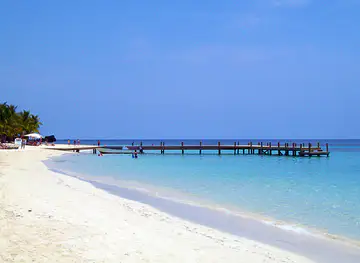
Winifred Beach’s attraction is its natural setting rather than a concentration of visitor facilities. The shore provides a quiet place to observe the meeting of tropical forest and Indian Ocean, while the surrounding national park landscape supports encounters with Christmas Island’s distinctive wildlife. Visitors should explore only permitted access routes and treat the coast as a wild environment, not as a formally supervised swimming pool. There are no established restaurants, museums or entertainment venues at the beach itself. Its main appeal is best combined with separate excursions elsewhere on Christmas Island, such as forest walks, wildlife observation and other authorised coastal viewpoints. Those island-wide experiences should be planned as distinct destinations, since roads and access conditions can make the distances more significant than the island’s compact size suggests. Winifred Beach is particularly suited to travellers interested in geology, ecology, photography and quiet coastal scenery, while anyone seeking guaranteed swimming facilities or a busy family beach should confirm conditions and expectations in advance.
-
Tourist attraction
Lily Beach
Experience the untouched charm of Lily Beach on Christmas Island, a perfect blend of relaxation and adventure amidst stunning natural beauty.
Best landmarks in Winifred Beach
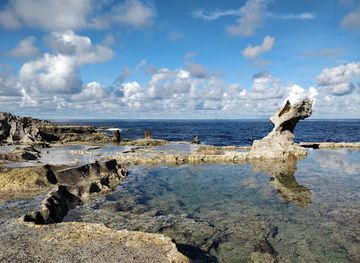
The principal landmark at Winifred Beach is the natural shoreline itself, framed by Christmas Island’s dense tropical forest and the open Indian Ocean. Its significance comes from the way it represents the island’s protected coastal environment rather than from monumental architecture or a constructed viewpoint. Nearby forest and coastal formations should be appreciated without climbing unstable rock, removing natural material or entering restricted areas. Winifred Beach also forms part of the visual contrast that defines Christmas Island: a largely undeveloped shore set against an island whose modern history was heavily shaped by phosphate mining, administration and wartime events. The beach is therefore a modest but meaningful landscape landmark within Christmas Island National Park. It should not be confused with the island’s historic settlement buildings, mining sites or other recognised coastal locations, which are separate places reached by different roads and trails.
-
National park
Christmas Island National Park
Experience the untouched paradise of Christmas Island National Park, where adventure meets tranquility in a unique natural setting.
-
Visitor center
Christmas Island Visitor Centre
Discover the unique wildlife and cultural heritage of Christmas Island at the Visitor Centre, your gateway to unforgettable adventures.
-
Tourist attraction
Dolly Beach
Discover the pristine beauty of Dolly Beach on Christmas Island, a tranquil escape with stunning landscapes and vibrant marine life, perfect for nature lovers.
-
Tourist attraction
Lily Beach
Discover the captivating beauty of Lily Beach on Christmas Island, where pristine waters meet vibrant marine life in a tropical paradise.


Explore Winifred Beach on the map
Plan your trip on one map. See where the top cities, national parks and sights are, and book hotels and experiences in a few clicks.
Best hotels in Winifred Beach
Best restaurants in Winifred Beach
There is no restaurant district at Winifred Beach, so visitors should bring provisions and avoid relying on finding food or drinks at the shore. Dining is concentrated in Christmas Island’s settlements, especially around the main residential and administrative areas, where visitors may find cafés, takeaway food, hotel dining and home-style cooking subject to local opening arrangements. The island’s multicultural population gives its food scene influences from Southeast Asia, China, Malaysia and Australia, with seafood, rice dishes, noodles and simple shared meals commonly encountered. Local produce and supplies can be limited because of the island’s remoteness, so menus and availability may vary. A practical approach is to buy water and snacks before travelling to the beach, then enjoy a meal back in the settled area rather than attempting to picnic without preparation. Take all packaging away and do not leave food for wildlife.
-
Bar
The Golden Bosun
Experience relaxation at The Golden Bosun Bar in Christmas Island with stunning ocean views and a delightful selection of drinks.
-
Chinese
Lucky Ho
Experience the rich flavors of authentic Chinese cuisine at Lucky Ho in beautiful Christmas Island – where every meal is a delightful journey.
-
Tourist attraction
Dolly Beach
Discover Dolly Beach: A serene paradise on Christmas Island known for its stunning landscapes, vibrant marine life, and tranquil atmosphere.
-
Tourist attraction
Lily Beach
Experience tranquility at Lily Beach, Christmas Island's pristine shore with clear waters and vibrant marine life perfect for relaxation and adventure.



Best bars in Winifred Beach
Winifred Beach has no bars, clubs or evening entertainment. Nightlife on Christmas Island is small-scale and centred on licensed venues, hotel areas, community gatherings and occasional social events in the settlements rather than on a dedicated coastal strip. Visitors are more likely to find a quiet drink, informal conversation or a meal than a late-night club scene. After visiting the beach, return before dark unless a local operator has arranged a suitable excursion, as natural-area roads may be unfamiliar and wildlife can be active after sunset. Alcohol should never be mixed with driving, swimming or coastal scrambling. Check current local arrangements in the settled areas because opening patterns and event schedules can change, particularly on a remote island with a small population.
-
National park
Christmas Island National Park
Discover the pristine wilderness and unique wildlife at Christmas Island National Park, a true hidden gem of Australia.
-
International airport
Christmas Island International Airport
Explore the beauty of Christmas Island through its International Airport, your gateway to stunning landscapes and unique wildlife experiences.
-
Bar
The Golden Bosun
Experience the vibrant atmosphere and stunning views at The Golden Bosun, Christmas Island's premier bar destination.
-
Chinese
Lucky Ho
Experience the authentic taste of Chinese cuisine at Lucky Ho on Christmas Island, where flavorful dishes and a welcoming atmosphere await you.


Best nightclubs in Winifred Beach
Winifred Beach has no bars, clubs or evening entertainment. Nightlife on Christmas Island is small-scale and centred on licensed venues, hotel areas, community gatherings and occasional social events in the settlements rather than on a dedicated coastal strip. Visitors are more likely to find a quiet drink, informal conversation or a meal than a late-night club scene. After visiting the beach, return before dark unless a local operator has arranged a suitable excursion, as natural-area roads may be unfamiliar and wildlife can be active after sunset. Alcohol should never be mixed with driving, swimming or coastal scrambling. Check current local arrangements in the settled areas because opening patterns and event schedules can change, particularly on a remote island with a small population.
-
Bar
The Golden Bosun
Experience the vibrant atmosphere and stunning views at The Golden Bosun, an unforgettable bar on Christmas Island.
-
Tourist attraction
Dolly Beach
Discover the breathtaking beauty of Dolly Beach on Christmas Island, a paradise for beach lovers and adventure seekers alike.
-
Tourist attraction
Lily Beach
Lily Beach: A tropical paradise on Christmas Island with pristine sands, crystal-clear waters, and vibrant coral reefs for an unforgettable beach experience.
-
Tourist attraction
Ethel Beach
Discover the serene beauty of Ethel Beach, a hidden gem on Christmas Island with stunning views, vibrant marine life, and tranquil waters.

Best shops in Winifred Beach
There is no shopping at Winifred Beach, and visitors should obtain food, drinking water, insect repellent and other essentials in the island’s settled areas before travelling to the coast. Shopping on Christmas Island is limited in scale, with small general stores and local suppliers serving everyday needs rather than extensive retail streets or shopping centres. Souvenirs may include locally themed crafts, books, art, clothing and products associated with the island’s wildlife and multicultural identity, but stock can be irregular because supplies arrive from Australia and the region. Buy responsibly, avoid collecting shells, coral, plants or other natural objects, and choose reusable containers for a beach visit. For a broader range of purchases, ask locally about current shop locations and opening arrangements rather than assuming that a permanent market operates near Winifred Beach.
-
National park
Christmas Island National Park
Discover the diverse ecosystems and stunning landscapes of Christmas Island National Park, a unique paradise for nature lovers and adventurers.
-
Visitor center
Christmas Island Visitor Centre
Explore the unique biodiversity and cultural heritage of Christmas Island at the Visitor Centre, your essential guide to this tropical paradise.
-
Tourist attraction
Dolly Beach
Explore the natural beauty and tranquility of Dolly Beach on Christmas Island, a paradise for beach lovers and adventure seekers.
-
Tourist attraction
Ethel Beach
Experience the untouched beauty of Ethel Beach, a tranquil paradise on Christmas Island with stunning scenery and abundant marine life.



Get your free copy of our complete guide to Winifred Beach, delivered straight to you.
Everything on this page, from attractions and restaurants to essentials and local phrases, in one PDF you can read offline, print or share.
Already have an account? Sign in
Your Winifred Beach guide is ready.
We'll send it to · Not you? Sign out

Getting your guide ready…
We are putting together a fresh copy of the Winifred Beach guide. This can take up to a minute.
This can take a few moments. If your browser asks, choose Allow so the download can start. You'll find the guide in your Downloads folder.
Nothing happened? Download it again
Sorry, the guide is taking longer than usual. Please try again in a minute, or get it by email instead.
Winifred Beach essentials
Currency and Payment
Safety
Emergency Situations
Do's and Don'ts
Local Tips
From Eve
Local phrases worth knowing
You don't need to get them perfect. A few words go a long way, and locals appreciate the effort.
Basics
| English | Local | Say it |
|---|---|---|
| Hello | Aloha | [ah-loh-hah] |
| Goodbye | Aloha | [ah-loh-hah] |
| Yes | Ioe | [ee-oh-eh] |
| No | Aole | [ah-oh-leh] |
| Please/You're welcome | E komo mai | [eh koh-moh my] |
| Thank you | Mahalo | [mah-hah-loh] |
| Excuse me/Sorry | E kala mai | [eh kah-lah my] |
| How are you? | Pehea oe? | [peh-heh-ah oh-eh] |
| Fine. And you? | Maika'i. A oe? | [mah-ee-kah-ee ah oh-eh] |
| Do you speak English? | Kāu i ʻōlelo Pelekane? | [kah-oo ee oh-leh-loh peh-leh-kah-neh] |
| I don't understand | Aʻole au e ʻike | [ah-oh-leh ah-oo eh ee-keh] |
Eating & Drinking
| English | Local | Say it |
|---|---|---|
| I'd like to see the menu, please | E ʻoluʻolu e hōʻike i ka menu | [eh oh-loo-oh-loo eh hoh-kee ee kah meh-noo] |
| I don't eat meat | Aʻole au e ʻai i ka ʻiʻo | [ah-oh-leh ah-oo eh eye ee kah ee-oh] |
| Cheers! | Ono i ka ʻai! | [oh-no ee kah eye] |
| I would like to pay, please | E ʻoluʻolu e uku | [eh oh-loo-oh-loo eh oo-koo] |
Emergencies
| English | Local | Say it |
|---|---|---|
| Help! | Kōkua! | [koh-koo-ah] |
| Go away! | E hoʻi! | [eh hoh-ee] |
| Call the Police! | Kipa i ka ʻākau! | [kee-pah ee kah ah-kau] |
| Call a doctor! | Kipa i ke kauka! | [kee-pah ee keh kau-kah] |
| I'm lost | Pā ʻole au | [pah oh-leh ah-oo] |
| I'm ill | E nānā ana au i ke ʻano | [eh nah-nah ah-nah ah-oo ee keh ah-noh] |
Shopping
| English | Local | Say it |
|---|---|---|
| I'd like to buy... | E makemake ana au e kūʻai... | [eh mah-kah-meh ah-nah ah-oo eh koo-eye] |
| I'm just looking | Ke nānā wale aku nei au | [keh nah-nah vah-leh ah-koo nay ah-oo] |
| How much is it? | Ehia ka mea? | [eh-hee-ah kah meh-ah] |
| That's too expensive | O nā mea e ʻoi aku ana ka uku | [oh nah meh-ah eh oy ah-koo ah-nah kah oo-koo] |
| Can you lower the price? | E hiki iā ʻoe ke hoʻemi i ke kumukūʻai? | [eh hee-kee ee-ah oh-eh keh hoh-eh-mee ee keh koo-moo-koo-eye] |
Time & Numbers
| English | Local | Say it |
|---|---|---|
| What time is it? | He aha ka manawa? | [he ah-hah kah mah-nah-wah] |
| It's one o'clock | He ʻekahi o ke hola | [he eh-kah-hee oh keh hoh-lah] |
| Half past (10) | Kālua i ka hola ʻumi | [kah-loo-ah ee kah hoh-lah oo-mee] |
| Morning | Kāla | [kah-lah] |
| Afternoon | Popo | [poh-poh] |
| Evening | Pō | [poh] |
| Yesterday | I nehinei | [ee neh-hee-neh] |
| Today | I kēia lā | [ee keh-ee-ah lah] |
| Tomorrow | I ka lā ʻapōpō | [ee kah lah ah-poh-poh] |
| 1 | Kāne | [kah-neh] |
| 2 | Lua | [loo-ah] |
| 3 | Kolu | [koh-loo] |
| 4 | Nā | [nah] |
| 5 | Lima | [lee-mah] |
| 6 | Ono | [oh-no] |
| 7 | Hiku | [hee-koo] |
| 8 | Walu | [wah-loo] |
| 9 | Ikaika | [ee-kah-ee-kah] |
| 10 | ʻUmi | [oo-mee] |
Transport & Directions
| English | Local | Say it |
|---|---|---|
| Where's a/the...? | O nā wahi o ka...? | [oh nah vah-hee oh kah] |
| What's the address? | He aha ka helu? | [he ah-hah kah heh-loo] |
| Can you show me (on the map)? | E hiki iā ʻoe e hōʻike iaʻu (ma ke ʻakau)? | [eh hee-kee ee-ah oh-eh eh hoh-kee ee-ah-oo mah keh ah-kau] |
| When's the next (bus)? | Kāhea ka ʻauʻau aʻe? | [kah-heh-ah kah ah-oo-ah-ah eh] |
| A ticket (to ....) | He pepa (i ...) | [he peh-pah ee] |
History of Winifred Beach
An Oceanic Island and Phosphate Landscape
Christmas Island is a raised coral island whose rainforest and coastline developed in isolation in the Indian Ocean. Its phosphate deposits, created through long periods of seabird activity and geological change, later became the foundation of the island’s modern economic history. The natural environment around Winifred Beach belongs to this wider island landscape, where tropical forest, coastal limestone and highly specialised wildlife occur within a relatively small territory. The island’s isolation also helps explain why several species found here are not encountered in the same combination elsewhere.
British Annexation and Early European Administration, 1888–1890s
Britain formally annexed Christmas Island in 1888, extending imperial administration over an island that had previously been known to navigators but had no permanent settled population. Early interest centred on the presence of phosphate rather than on coastal tourism. Surveying and administrative activity laid the groundwork for later mining and settlement, while the island’s forests and shorelines remained largely undeveloped. Winifred Beach consequently belongs to a coast whose historical importance was shaped indirectly by the island’s mineral wealth and strategic position.
Phosphate Mining and Imported Labour
Commercial phosphate mining began in the late nineteenth century and became the dominant force in Christmas Island’s economy. Workers were recruited from across Asia and the wider region, creating a multicultural society whose legacy remains visible in the island’s communities, religious life and food traditions. Mining altered parts of the interior and required roads, settlements and port infrastructure, but it did not turn every section of the coast into an industrial zone. The relatively natural setting around Winifred Beach provides a contrast with the island’s mining history.
Japanese Occupation During the Second World War, 1942–1945
Japanese forces occupied Christmas Island during the Second World War after the island’s phosphate industry and communications infrastructure became strategically important. The occupation brought shortages, disruption and hardship to the local population, and mining operations were substantially affected. Although Winifred Beach is not principally recognised as a battlefield landmark, the surrounding island carries traces and memories of wartime occupation. The period forms part of the broader historical context for understanding Christmas Island’s strategic significance in the Indian Ocean.
Transfer to Australia and the Christmas Island Act, 1958
Christmas Island was transferred from Singapore to Australian administration in 1958, and the Christmas Island Act established its new constitutional framework. The change linked the island more closely to Australia while retaining its distinct geographic setting and multicultural population. Phosphate mining continued to influence employment and government revenue, but conservation gradually became more prominent in the island’s public identity. Today, Winifred Beach is encountered within this Australian territory as a coastal place shaped by both protected habitat and the legacy of resource extraction.
National Park Protection and Contemporary Conservation
Christmas Island National Park was established in 1980, reflecting growing recognition of the island’s endemic species, rainforest and marine environments. Conservation has since become central to managing visitor access, invasive species, roads and wildlife movement. The island’s red crabs, seabirds and forest ecosystems require visitors to follow local restrictions and avoid disturbing animals. Winifred Beach’s value lies partly in this protected setting: its shore is not an isolated attraction but one element of a wider conservation landscape that must be visited with care.
Winifred Beach in Photos
Browse through our photo collection highlighting the charm and character of the destination.
Neighbouring regions of Winifred Beach
The closest regions to Winifred Beach, if you have time for more than one.
-

-

-
-

-


Swipe for more regions
Explore more

Explore more of Christmas Island
Discover Christmas Island: A tropical paradise with stunning beaches, unique wildlife, and a rich cultural heritage. Perfect for nature lovers and adventure seekers.
Explore Christmas Island