

Free Greta Beach Travel Guide & Mobile App
Plan your Greta Beach trip with Evendo. Get free guides to top attractions, restaurants, hotels, and bars. Web access or download the mobile app.


Greta Beach, Christmas Island, pairs secluded tropical coastline with rainforest, red crabs, wildlife, national park trails and the island’s extraordinary history.
A Remote Coastal Setting
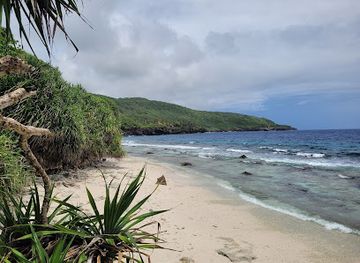
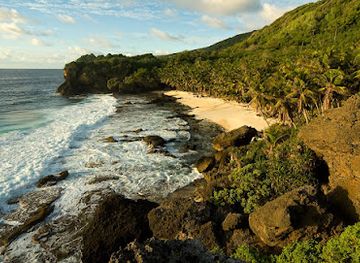
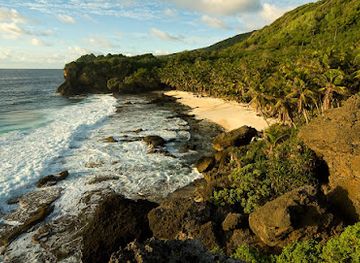
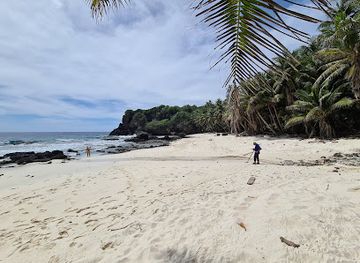
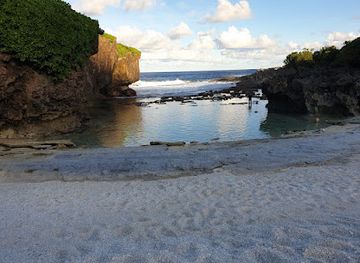
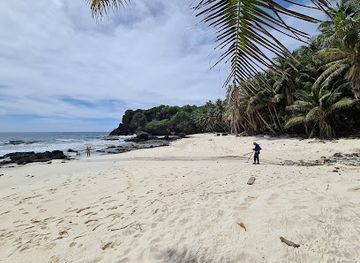
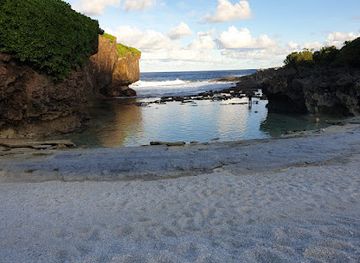
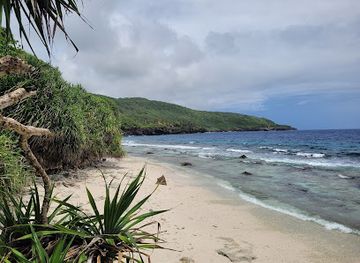
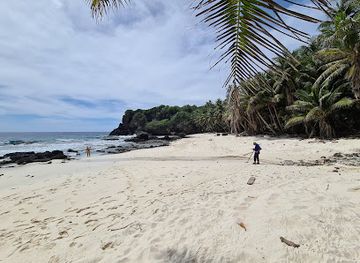
Greta Beach is a small coastal locality on Christmas Island, an Australian territory in the eastern Indian Ocean, where dense tropical forest reaches towards a rugged shoreline. It is not a conventional town with a central street, shops or a substantial visitor infrastructure; rather, it is a quiet base for experiencing the island’s coastal scenery and protected natural environment. The beach and surrounding headlands reflect Christmas Island’s distinctive geology, with limestone cliffs, forested slopes and bright ocean waters shaped by the island’s isolated position.Read more about Greta Beach
Wildlife and Island Landscapes
Life Beyond the Beach
When is the best time to visit Greta Beach?
Best: June–August · 30°C| Month | High (°C) | Rainfall (mm) |
|---|---|---|
| January | 30 | 250 |
| February | 30 | 225 |
| March | 31 | 215 |
| April | 31 | 185 |
| May | 30 | 130 |
| June (best) | 30 | 100 |
| July (best) | 30 | 95 |
| August (best) | 30 | 95 |
| September | 30 | 100 |
| October | 31 | 135 |
| November | 31 | 185 |
| December | 31 | 225 |
Getting to and around Greta Beach
How to get there
Transportation
Best attractions in Greta Beach
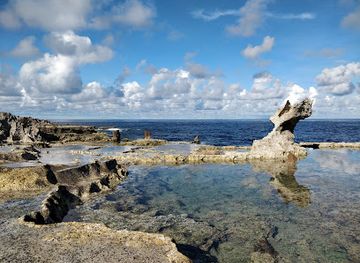
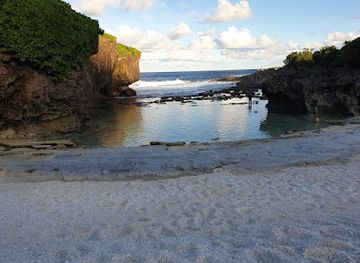
Greta Beach is primarily a natural attraction, offering a quiet coastal setting within Christmas Island’s wider protected landscape rather than a developed resort shoreline. The beach, surrounding forest and ocean-facing rock formations provide opportunities for photography, wildlife observation and a sense of the island’s isolation, although surf and access conditions can limit activities. Nearby Christmas Island National Park is the principal sightseeing setting, with rainforest tracks, caves, coastal lookouts and habitats associated with endemic species. The Dales, on the western side of the island, presents freshwater springs and forest scenery, while the Blowholes demonstrate the force of the Indian Ocean against the limestone coast. Flying Fish Cove offers a more settled counterpoint, with the island’s main harbour, community facilities and a window into its multicultural life. The celebrated red crab migration adds a seasonal dimension across roads and forest tracks, requiring patience and careful driving rather than close interaction.
-
National park
Christmas Island National Park
Explore the natural wonders of Christmas Island National Park, where unique wildlife and stunning landscapes await your discovery.
29 min drive · 9.6 km from city centre
-
Visitor center
Christmas Island Visitor Centre
Explore Christmas Island's rich biodiversity and cultural heritage at the Visitor Centre—your gateway to unforgettable adventures in paradise.
29 min drive · 9.7 km from city centre
-
Tourist attraction
Ethel Beach
Discover the serene beauty of Ethel Beach on Christmas Island, where golden sands meet crystal-clear waters in a tropical paradise.
13 min drive · 4.2 km from city centre
-
Dive shop
Christmas Island Wet 'n' Dry Adventures
Discover the underwater paradise of Christmas Island with Wet 'n' Dry Adventures, where adventure meets unparalleled marine beauty.
30 min drive · 10 km from city centre
Best landmarks in Greta Beach
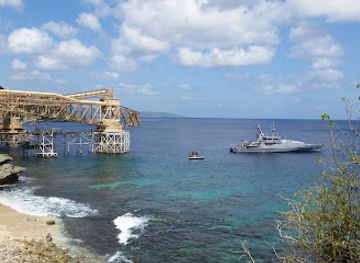
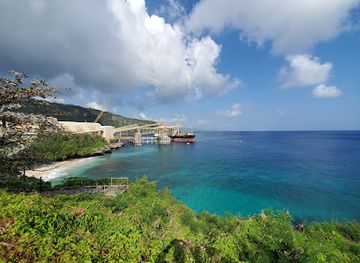
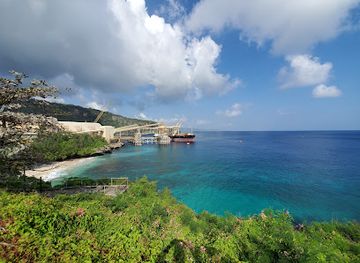
Greta Beach itself is a natural landmark whose significance comes from its rugged coastline and position within Christmas Island’s forested southern and eastern landscapes. Across the island, the Territory’s history is expressed through the phosphate-era remains and settlement fabric around Flying Fish Cove, where the harbour and administration centre connect contemporary life with the island’s mining past. The Tai Jin House heritage precinct, associated with former Chinese administration and community history, reflects the multicultural society created by the phosphate industry. Christmas Island’s limestone cliffs, coastal caves and the Blowholes are geological landmarks as well as scenic sites, shaped by erosion and ocean swell. The Dales, with its springs and forested channels, represents the island’s scarce freshwater environment. Together these places explain why Greta Beach is best understood as part of a wider cultural and natural island landscape rather than as an isolated built landmark.
-
National park
Christmas Island National Park
Explore a unique island ecosystem: rainforests, red crabs, rare birds, and stunning coastlines await in Christmas Island National Park.
29 min drive · 9.6 km from city centre
-
Visitor center
Christmas Island Visitor Centre
Explore the captivating biodiversity and rich culture of Christmas Island at the Visitor Centre, your essential guide to this tropical paradise.
29 min drive · 9.7 km from city centre
-
Tourist attraction
Dolly Beach
Escape to Dolly Beach on Christmas Island: a remote paradise with pristine sands, vibrant coral reefs, and unique wildlife encounters.
15 min drive · 5.1 km from city centre
-
Tourist attraction
Lily Beach
Discover Lily Beach on Christmas Island: a keyhole beach with dramatic cliffs, snorkeling, and unique wildlife encounters.
11 min drive · 3.7 km from city centre
Explore Greta Beach on the map
Plan your Greta Beach trip on one map. See where the top attractions, landmarks, restaurants, bars and hotels are, find what's near where you're staying, and book hotels and experiences in a few clicks.
Best hotels in Greta Beach
Best restaurants in Greta Beach
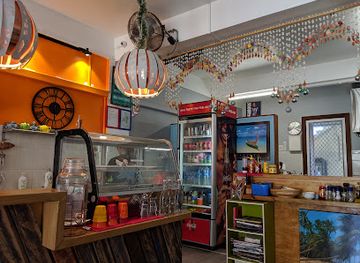
Greta Beach has no established restaurant quarter, so visitors staying or spending time nearby need to plan meals through accommodation, self-catering supplies or the small number of food businesses elsewhere on Christmas Island. Flying Fish Cove and the island’s settlements provide the principal places to eat and shop for provisions. Local food reflects the island’s Chinese and Malay heritage alongside Australian influences, with seafood, rice-based meals, noodles, curries and familiar Australian dishes appearing in different settings. Community gatherings and locally run eateries can offer a more revealing taste of island life than formal dining, though opening patterns and availability may be limited. Fresh supplies depend on shipping and air links, making flexibility important. Bring water and snacks for excursions to Greta Beach, national park tracks and other remote coastal sites, where cafés and food stalls should not be expected.
-
Visitor center
Christmas Island Visitor Centre
Explore Christmas Island through its Visitor Centre – your guide to nature, culture, and unforgettable adventures.
29 min drive · 9.7 km from city centre
-
Chinese
Lucky Ho
Experience authentic Chinese cuisine at Lucky Ho on Christmas Island – a delightful dining spot filled with flavor and warmth.
28 min drive · 9.3 km from city centre
-
Tourist attraction
Dolly Beach
Discover Dolly Beach: A stunning tropical paradise on Christmas Island known for its pristine sands and vibrant marine life.
15 min drive · 5.1 km from city centre
-
Cafe
Smash Espresso Bar
Experience exceptional breakfasts and artisanal coffee at Smash Espresso Bar on Christmas Island – where flavor meets relaxation.
28 min drive · 9.4 km from city centre


Best bars in Greta Beach
Greta Beach is quiet after dark and has no recognised nightlife district, nightclub strip or concentration of late-opening venues. Evening social life on Christmas Island is centred more on local community gatherings, accommodation venues and occasional meals or drinks in the main settlements than on commercial entertainment. Flying Fish Cove and nearby communities are the most likely places to find informal social activity, but schedules and opening arrangements can be limited and changeable. The island’s natural environment offers a different kind of night-time experience: clear skies, forest sounds and the possibility of observing nocturnal wildlife, provided visitors follow park guidance and avoid unsafe coastal areas. Respect residential communities, religious observances and the absence of street-based entertainment. Anyone travelling back from Greta Beach after sunset should plan transport in advance, carry a torch and drive cautiously on forest roads.
-
Bar
The Golden Bosun
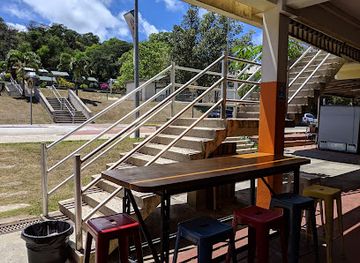
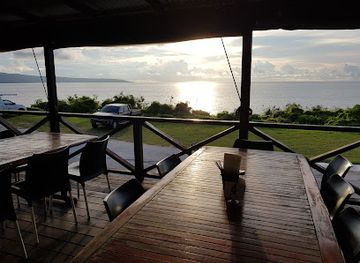
Discover The Golden Bosun, a vibrant bar on Christmas Island offering refreshing drinks and stunning views, perfect for unwinding after your adventures.
30 min drive · 10 km from city centre
-
Chinese
Lucky Ho
Savor the authentic taste of Chinese cuisine at Lucky Ho, Christmas Island's beloved dining destination for delicious flavors and warm hospitality.
28 min drive · 9.3 km from city centre
-
Tourist attraction
Dolly Beach
Discover the untouched beauty of Dolly Beach on Christmas Island, a tropical paradise filled with stunning landscapes and vibrant marine life.
15 min drive · 5.1 km from city centre
-
Tourist attraction
Lily Beach
Explore the breathtaking beauty and vibrant marine life at Lily Beach, Christmas Island's premier destination for nature lovers and adventure seekers.
11 min drive · 3.7 km from city centre
Best nightclubs in Greta Beach
Greta Beach is quiet after dark and has no recognised nightlife district, nightclub strip or concentration of late-opening venues. Evening social life on Christmas Island is centred more on local community gatherings, accommodation venues and occasional meals or drinks in the main settlements than on commercial entertainment. Flying Fish Cove and nearby communities are the most likely places to find informal social activity, but schedules and opening arrangements can be limited and changeable. The island’s natural environment offers a different kind of night-time experience: clear skies, forest sounds and the possibility of observing nocturnal wildlife, provided visitors follow park guidance and avoid unsafe coastal areas. Respect residential communities, religious observances and the absence of street-based entertainment. Anyone travelling back from Greta Beach after sunset should plan transport in advance, carry a torch and drive cautiously on forest roads.
-
Bar
The Golden Bosun
Experience the vibrant atmosphere of The Golden Bosun on Christmas Island, a perfect spot for relaxation and socializing with local drinks and light bites.
30 min drive · 10 km from city centre
-
Tourist attraction
Dolly Beach
Experience the untouched paradise of Dolly Beach on Christmas Island, where pristine sands and vibrant marine life await every traveler.
15 min drive · 5.1 km from city centre
-
Tourist attraction
Lily Beach
Discover the serene beauty of Lily Beach, a tropical paradise on Christmas Island, perfect for relaxation, snorkeling, and breathtaking sunsets.
11 min drive · 3.7 km from city centre
-
Tourist attraction
Ethel Beach
Discover the serene beauty of Ethel Beach, a pristine paradise on Christmas Island, perfect for relaxation and adventure amidst nature's wonders.
13 min drive · 4.2 km from city centre
Best shops in Greta Beach
Shopping around Greta Beach is limited because the locality has no established retail centre. Most visitors obtain food, fuel, practical supplies and locally made items in the island’s settlements, especially around Flying Fish Cove and other community centres. Retail reflects the island’s remote logistics: stock can be modest, delivery timings can vary and specialist outdoor provisions are best arranged before setting out. Souvenirs may include Christmas Island-themed clothing, books, wildlife imagery and locally relevant craft or food products, while the strongest sense of place often comes from community-run events and small businesses rather than large commercial stores. Visitors should not remove coral, shells, plants, rocks or wildlife from beaches or the national park. Shopping is therefore less about browsing a district and more about supporting local services while choosing lawful, lightweight reminders of the island’s natural and multicultural identity.
-
Visitor center
Christmas Island Visitor Centre
Discover the beauty and biodiversity of Christmas Island at the Visitor Centre, your gateway to this tropical paradise and its unique attractions.
29 min drive · 9.7 km from city centre
-
Tourist attraction
Dolly Beach
Explore the pristine beauty of Dolly Beach, a tranquil paradise on Christmas Island, perfect for relaxation and adventure in nature's embrace.
15 min drive · 5.1 km from city centre
-
Tourist attraction
Lily Beach
Explore the stunning beauty of Lily Beach on Christmas Island, where crystal-clear waters meet vibrant coral reefs and lush wildlife.
11 min drive · 3.7 km from city centre
-
Cafe
Smash Espresso Bar
Discover the flavors of Christmas Island at Smash Espresso Bar, where every breakfast is a delightful experience in a tropical paradise.
28 min drive · 9.4 km from city centre

Get your free copy of our complete guide to Greta Beach, delivered straight to you.
Everything on this page, from attractions and restaurants to essentials and local phrases, in one PDF you can read offline, print or share.
Already have an account? Sign in
Your Greta Beach guide is ready.
We'll send it to · Not you? Sign out

Getting your guide ready…
We are putting together a fresh copy of the Greta Beach guide. This can take up to a minute.
This can take a few moments. If your browser asks, choose Allow so the download can start. You'll find the guide in your Downloads folder.
Nothing happened? Download it again
Sorry, the guide is taking longer than usual. Please try again in a minute, or get it by email instead.
Greta Beach essentials
Currency and Payment
Safety
Emergency Situations
Do's and Don'ts
Local Tips
From Eve
Local phrases worth knowing
You don't need to get them perfect. A few words go a long way, and locals appreciate the effort.
Basics
| English | Local | Say it |
|---|---|---|
| Hello | Kamalow | [ka-ma-low] |
| Goodbye | Selamat tinggal | [se-la-mat ting-gal] |
| Yes | Ya | [ya] |
| No | Tidak | [ti-dak] |
| Please/You're welcome | Silakan | [si-la-kan] |
| Thank you | Terima kasih | [te-ri-ma ka-sih] |
| Excuse me/Sorry | Maaf | [ma-af] |
| How are you? | Apa khabar? | [a-pa kha-bar] |
| Fine. And you? | Baik. Dan kamu? | [ba-ik. dan ka-mu] |
| Do you speak English? | Bisa bicara bahasa Inggris? | [bi-sa bi-ca-ra ba-ha-sa ing-gris] |
| I don't understand | Saya tidak faham | [sa-ya ti-dak fa-ham] |
Eating & Drinking
| English | Local | Say it |
|---|---|---|
| I'd like to see the menu, please | Saya ingin melihat menu, tolong | [sa-ya in-gin me-li-hat me-nu, to-long] |
| I don't eat meat | Saya tidak makan daging | [sa-ya ti-dak ma-kan dai-ning] |
| Cheers! | Selamat minum! | [se-la-mat mi-num] |
| I would like to pay, please | Saya ingin membayar, tolong | [sa-ya in-gin mem-ba-yar, to-long] |
Emergencies
| English | Local | Say it |
|---|---|---|
| Help! | Tolong! | [to-long] |
| Go away! | Pergi! | [per-gi] |
| Call the Police! | Panggil polisi! | [pang-gil po-li-si] |
| Call a doctor! | Panggil dokter! | [pang-gil dok-ter] |
| I'm lost | Saya tersesat | [sa-ya ter-se-sat] |
| I'm ill | Saya sakit | [sa-ya sa-kit] |
Shopping
| English | Local | Say it |
|---|---|---|
| I'd like to buy... | Saya ingin membeli... | [sa-ya in-gin mem-be-li] |
| I'm just looking | Saya hanya melihat-lihat | [sa-ya han-ya me-li-hat-li-hat] |
| How much is it? | Berapa harganya? | [be-ra-pa har-ga-nya] |
| That's too expensive | Itu terlalu mahal | [i-tu ter-la-lu ma-hal] |
| Can you lower the price? | Bisa kurangi harganya? | [bi-sa ku-ran-gi har-ga-nya] |
Time & Numbers
| English | Local | Say it |
|---|---|---|
| What time is it? | Sekarang jam berapa? | [se-ka-rang jam be-ra-pa] |
| It's one o'clock | Sekarang pukul satu | [se-ka-rang pu-kul sa-tu] |
| Half past (10) | Setengah (sepuluh) | [se-ten-gah (se-pu-luh)] |
| Morning | Pagi | [pa-gi] |
| Afternoon | Sore | [so-re] |
| Evening | Malam | [ma-lam] |
| Yesterday | Kemarin | [ke-ma-rin] |
| Today | Hari ini | [ha-ri i-ni] |
| Tomorrow | Besok | [be-sok] |
| 1 | Satu | [sa-tu] |
| 2 | Dua | [du-a] |
| 3 | Tiga | [ti-ga] |
| 4 | Empat | [em-pat] |
| 5 | Lima | [li-ma] |
| 6 | Enam | [e-nam] |
| 7 | Tujuh | [tu-juh] |
| 8 | Delapan | [de-la-pan] |
| 9 | Sembilan | [sem-bi-lan] |
| 10 | Sepuluh | [se-pu-luh] |
Transport & Directions
| English | Local | Say it |
|---|---|---|
| Where's a/the...? | Di mana... | [di ma-na] |
| What's the address? | Berapa alamatnya? | [be-ra-pa a-la-mat-nya] |
| Can you show me (on the map)? | Bisa tunjukkan kepada saya (di peta)? | [bi-sa tun-juk-kan ke-pa-da sa-ya (di pe-ta)] |
| When's the next (bus)? | Kapan yang berikutnya (bis)? | [ka-pan yang be-ru-tu-nya (bis)] |
| A ticket (to ....) | Tiket (ke ....) | [ti-ket (ke)] |
History of Greta Beach
An Oceanic Island of Ancient Limestone
Christmas Island is the summit of an ancient submarine mountain in the eastern Indian Ocean, built from coral limestone and raised above the surrounding seabed. Its isolation allowed distinctive species to evolve, including the famous Christmas Island red crab and several endemic birds and plants. Before sustained European administration, the island was known to navigators and visited by seafarers, but its dense rainforest, steep coast and lack of a permanent freshwater supply limited settlement. Greta Beach belongs to this older natural story: its forested shore is part of an island environment shaped more by uplift, erosion and biological isolation than by urban development.
British Possession and Phosphate
Britain formally annexed Christmas Island in 1888, largely because of its phosphate resources. Commercial mining began in 1899, bringing officials, workers and new infrastructure to an island that had previously had no permanent population. The industry transformed the landscape and established settlements, roads and export facilities, while labour was drawn particularly from Chinese and Malay communities. Mining remained central to the island’s economy for much of the twentieth century. Although Greta Beach is a natural coastal place rather than a former industrial centre, the roads, clearings and settlement pattern across Christmas Island reflect the long influence of phosphate extraction.
Wartime Occupation and Disruption
During the Second World War, Japanese forces occupied Christmas Island from 1942 until 1945. The period brought military control, shortages, forced labour and severe disruption to the island’s population and phosphate operations. Damage to infrastructure and the wider hardship of wartime isolation left a lasting mark on community memory. After the Japanese surrender, administration returned to the British authorities and reconstruction gradually resumed. The island’s steep coastline and remote position, including the shores around Greta Beach, form part of a setting where the effects of wartime isolation were especially pronounced.
Transfer to Australian Administration
Christmas Island was transferred from British to Australian administration in 1958. The change placed the island within Australia’s external territories while preserving its distinct geographical and social character. Phosphate mining continued to provide employment and public revenue, and communities with Chinese, Malay and other backgrounds remained important to local identity. Administrative links with Australia brought changes in services, law and infrastructure, but the island’s distance from the mainland continued to shape daily life. Today, Greta Beach is encountered within this Australian-administered but culturally distinctive island landscape rather than within a conventional mainland municipality.
National Park and Conservation
Growing recognition of Christmas Island’s exceptional wildlife led to the establishment of Christmas Island National Park in 1980. The protected area now covers much of the island and safeguards rainforest, caves, cliffs, coastal habitats and species found nowhere else. Conservation has also become closely associated with the annual red crab migration, when millions of crabs move between forest and sea to reproduce. Mining, introduced species and development continue to influence environmental management, but protected areas provide an important framework for the future. Greta Beach’s significance today lies chiefly in its relationship with this wider conservation landscape.
Greta Beach in Photos
Browse through our photo collection highlighting the charm and character of the destination.
Cities near Greta Beach
The closest cities to Greta Beach, if you have time for more than one stop.
-

-

-

-


Swipe for more cities
Explore more

Explore more of Christmas Island
Discover Christmas Island: A tropical paradise with stunning beaches, unique wildlife, and a rich cultural heritage. Perfect for nature lovers and adventure seekers.
Explore Christmas Island