

Free Santanderes Travel Guide & Mobile App
Explore Santanderes with free travel guides. Discover regional history, expert tips, proposed trips, and audio guides on web or mobile app.


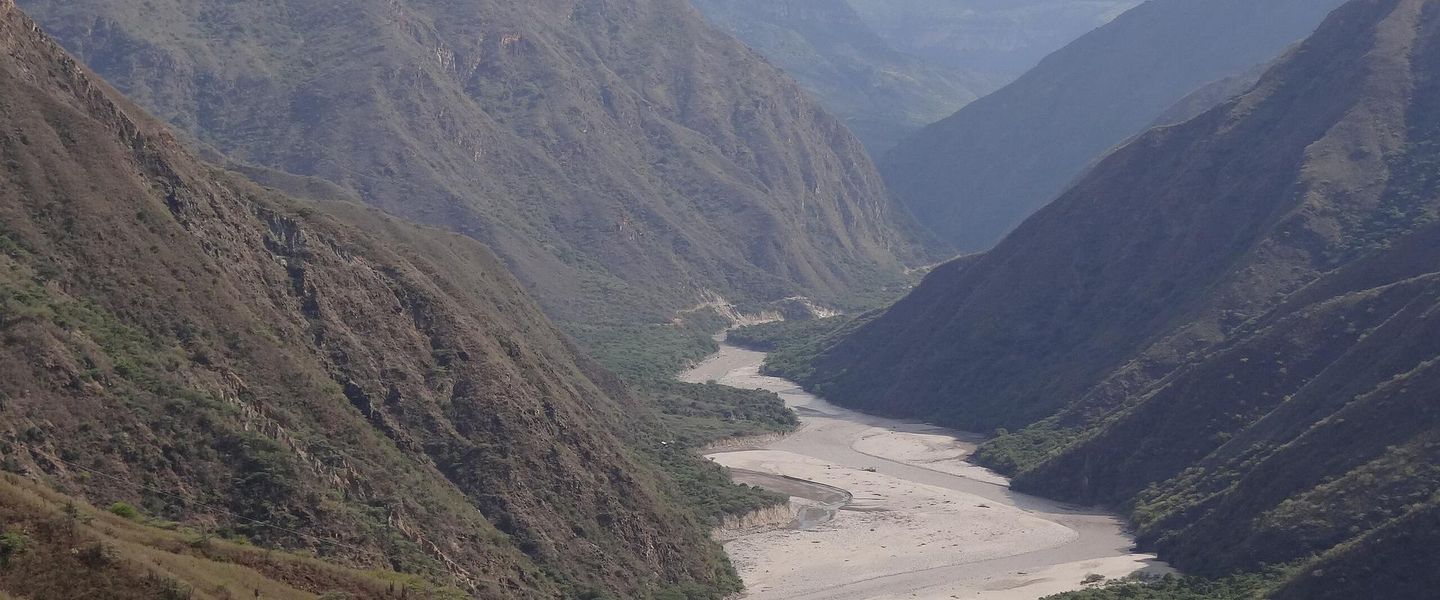


Explore Santanderes in Colombia for canyon roads, colonial towns, adventure sports, highland scenery and the distinctive cultures of Santander and Norte de Santander.
Read more about Santanderes
When is the best time to visit Santanderes?
Best: January–March · 29°C| Month | High (°C) | Rainfall (mm) |
|---|---|---|
| January (best) | 29 | 75 |
| February (best) | 29 | 72 |
| March (best) | 29 | 70 |
| April | 29 | 85 |
| May | 30 | 120 |
| June | 30 | 130 |
| July | 30 | 125 |
| August | 30 | 120 |
| September | 30 | 110 |
| October | 30 | 100 |
| November | 29 | 85 |
| December | 29 | 80 |
Getting to and around Santanderes
How to get there
Transportation
Top city travel guides in Santanderes
The cities of Santanderes, and the easiest places to base yourself.
-

-


Swipe for more cities
Best attractions in Santanderes
Santanderes offers an unusually varied mix of outdoor activity, historic settlement and mountain scenery. The Chicamocha Canyon is the region's defining landscape, with roads, viewpoints and the Parque Nacional del Chicamocha area providing access to its immense slopes and plateaux. Around San Gil, the Río Fonce and surrounding valleys support rafting, canyoning, caving, hiking and paragliding, while Curití and the rural districts near Barichara appeal to visitors interested in walking, craft and agricultural landscapes. Barichara, Girón and Socorro provide contrasting historic environments: carefully conserved streets, colonial and republican architecture, churches and civic spaces reveal different phases of regional development. Bucaramanga and its neighbouring municipalities offer parks, museums, restaurants and urban services, with Mesa de los Santos supplying a more rural highland setting nearby. In Norte de Santander, Pamplona combines religious and educational heritage with a cooler Andean climate; Villa del Rosario presents important republican history; and Ocaña and Playa de Belén lead towards dry valleys, dramatic rock formations and smaller-scale cultural tourism. Remote Catatumbo has ecological importance, but access and security should be assessed locally rather than treated as a conventional sightseeing circuit.
-
Tourist attraction
Gold Museum
Discover Colombia's pre-Hispanic legacy at the Gold Museum in Bogotá, home to the world's largest collection of ancient gold artifacts.
-
Tourist attraction
Plazoleta Chorro de Quevedo
Discover Bogotá's birthplace at Plazoleta Chorro de Quevedo, a vibrant square where history, art, and student life converge in La Candelaria.
-
National park
Parque Nacional del Chicamocha
Experience breathtaking views and thrilling adventures at Chicamocha National Park, nestled in the heart of Santander's stunning canyon landscape.
-
Tourist attraction
Acuaparque de la Caña
Experience thrilling slides, refreshing pools, and fun for the whole family at Cali's premier water park, Acuaparque de la Caña.


Best landmarks in Santanderes
The Chicamocha Canyon is Santanderes' most recognisable natural landmark, its deep, arid valleys and folded mountain walls forming a powerful route through Santander. The historic town of Barichara is distinguished by stone-paved streets, whitewashed walls, tiled roofs and carefully maintained civic and religious buildings, while nearby rural paths reveal how the settlement relates to the surrounding plateau. Girón preserves another important historic townscape, with colonial-era streets and traditional architecture close to the Bucaramanga metropolitan area. Socorro's churches, squares and civic buildings carry the memory of the Comunero Revolt and the town's former regional influence. In Norte de Santander, Villa del Rosario is significant for the historic sites associated with the Congress of Cúcuta and the early Colombian republic. Pamplona's churches, plazas and institutional buildings express its long religious and educational role, while the rock landscape around Playa de Belén provides a striking geological counterpoint to the wetter highlands. These landmarks are dispersed, so visiting several requires planning around mountain roads rather than treating the region as a single urban circuit.
-
Historical landmark
San Felipe de Barajas Fort
Explore the historical grandeur of San Felipe de Barajas Fort, a UNESCO World Heritage Site in Cartagena, Colombia, offering stunning views and rich heritage.
-
Historical landmark
Plazoleta Chorro de Quevedo
Discover the charm of Bogotá at Plazoleta Chorro de Quevedo, where history, culture, and vibrant street life converge in the heart of La Candelaria.
-
Park
Parque de los Novios
Experience tranquility at Parque de los Novios, Bogotá's urban paradise offering beautiful landscapes, cultural events, and serene lakeside strolls.
-
National park
Cocora Valley
Explore the breathtaking landscapes of Cocora Valley, home to Colombia's iconic wax palms, diverse wildlife, and stunning hiking trails.



Explore Santanderes on the map
Plan your trip on one map. See where the top cities, national parks and sights are, and book hotels and experiences in a few clicks.
Best hotels in Santanderes
Best restaurants in Santanderes
The food of Santanderes is hearty, regional and closely connected to mountain farming and cattle-raising. Santander is particularly associated with mute santandereano, a substantial soup made with grains, vegetables and meat, as well as cabro prepared in several local styles, arepas santandereanas and preserved or fried plantain-based accompaniments. Bucaramanga has the region's broadest range of restaurants, from traditional kitchens and bakeries to contemporary Colombian dining, while San Gil, Barichara and Socorro offer cafés, rural restaurants and family-run establishments oriented towards visitors and local produce. Coffee, cacao, fruit, panela and dairy products appear across highland markets, although quality and availability vary by season. Norte de Santander adds its own border-influenced culinary habits, with Cúcuta offering a wide choice of Colombian, Venezuelan and international food. Markets and small shops are useful places to try sweets, breads, arepas and fruit drinks, but visitors should choose busy premises with good food-handling practices, especially in hot lowland areas.
-
Restaurant
Seratta Gourmand Market 114
Experience exquisite flavors at Seratta Gourmand Market 114 in Bogotá, where gourmet dining meets vibrant market charm.
-
Restaurant
Restaurante La Carreta
Experience authentic Colombian cuisine at Restaurante La Carreta - where tradition meets modern culinary excellence in Bucaramanga.
-
Restaurant
Fogón Sangileño
Experience authentic Santanderian cuisine at Fogón Sangileño in Bogotá – where rich flavors meet warm hospitality.
-
Restaurant
Asadero el Gran Rodeo del Santander
Experience authentic Colombian cuisine at Asadero el Gran Rodeo del Santander in Bogotá – where every meal tells a story!


Best bars in Santanderes
Nightlife in Santanderes is concentrated in Bucaramanga, Cúcuta and the larger adventure towns rather than spread evenly across the countryside. Bucaramanga has the region's widest choice of bars, cafés, restaurants, live-music venues and late-night establishments, with activity centred on established commercial and dining areas. Cúcuta's evening culture reflects its large border-city population, including restaurants, social clubs, bars and venues playing Colombian and Latin American music. In San Gil, evenings commonly revolve around restaurants, casual bars and venues serving visitors after outdoor excursions, while Barichara, Socorro, Pamplona and smaller towns are better suited to quiet meals, traditional cafés and sociable plazas than to extensive clubbing. Rural inns and town-centre establishments may close earlier than international visitors expect. Check local advice about transport after dark, use registered taxis or reputable ride services where available, and avoid presenting nightlife near the border or in remote districts as a substitute for current local security information.
-
Pub
BBC PUB BUCARAMANGA
Discover the lively atmosphere of BBC Pub Bucaramanga, where craft beers and delicious cuisine create an unforgettable nightlife experience.
-
Restaurant
Barrio Central
Experience the best of Colombian cuisine at Barrio Central, Bucaramanga's vibrant culinary hotspot, perfect for tourists seeking local flavors.
-
Bar
Rock & Wine
Experience the vibrant nightlife of Bucaramanga at Rock & Wine, an ideal bar for wine and craft beer enthusiasts.
-
Bar
COCKTAILS AND DREAMS rock
Experience the vibrant nightlife at Cocktails and Dreams Rock, Bucaramanga’s top bar for creative cocktails and lively atmosphere.


Best nightclubs in Santanderes
Nightlife in Santanderes is concentrated in Bucaramanga, Cúcuta and the larger adventure towns rather than spread evenly across the countryside. Bucaramanga has the region's widest choice of bars, cafés, restaurants, live-music venues and late-night establishments, with activity centred on established commercial and dining areas. Cúcuta's evening culture reflects its large border-city population, including restaurants, social clubs, bars and venues playing Colombian and Latin American music. In San Gil, evenings commonly revolve around restaurants, casual bars and venues serving visitors after outdoor excursions, while Barichara, Socorro, Pamplona and smaller towns are better suited to quiet meals, traditional cafés and sociable plazas than to extensive clubbing. Rural inns and town-centre establishments may close earlier than international visitors expect. Check local advice about transport after dark, use registered taxis or reputable ride services where available, and avoid presenting nightlife near the border or in remote districts as a substitute for current local security information.
-
Disco club
Macondo Club
Discover the pulsating energy of Bucaramanga's nightlife at Macondo Club, where music and dancing unite in a vibrant atmosphere.
-
Disco club
Makarena Club
Experience Cúcuta's vibrant nightlife at Makarena Club – where the music never stops and the dance floor awaits your moves.
-
Night club
Dubai Night Club
Unleash your nightlife spirit at Dubai Night Club, Bucaramanga's ultimate destination for music, dance, and unforgettable memories.
-
Disco club
El Rodeo - Discoteca
Experience the electrifying nightlife of San Gil at El Rodeo, a disco club where dance and music come alive in a vibrant atmosphere.


Best shops in Santanderes
Shopping in Santanderes ranges from modern retail in Bucaramanga and Cúcuta to market-town commerce, food stalls and small craft workshops. Bucaramanga has the broadest selection of department-style retail, shopping centres, independent boutiques and specialist food shops, while Cúcuta's commercial character reflects its border position and can change with economic conditions. Barichara and nearby towns are associated with handmade goods, woven items, leatherwork, carved wood, stone-related crafts and decorative products, though visitors should ask about materials and production rather than assuming every item is locally made. Regional food products make practical souvenirs: coffee, cacao, panela, sweets, preserves and packaged arepas or baked goods travel more easily than fresh produce. Market areas in San Gil, Socorro, Pamplona and smaller municipalities are useful for seeing everyday commerce and buying snacks, but opening days and individual stalls vary. Bargain politely, carry cash for small purchases and leave room in luggage for fragile craft items.
-
Shopping mall
Cacique Shopping Center
Experience the vibrant shopping and culinary delights at Cacique Shopping Center, Bucaramanga's ultimate destination for retail therapy and local culture.
-
National park
Parque Nacional del Chicamocha
Discover the stunning landscapes and adrenaline-pumping activities at Parque Nacional del Chicamocha, a must-visit national park in Colombia.
-
Shopping mall
Centro Comercial Parque Caracolí
Experience the best of shopping and dining at Centro Comercial Parque Caracolí – a vibrant hub in Floridablanca, Colombia.
-
Shopping mall
Megamall
Experience the ultimate shopping and entertainment destination at Megamall in Bucaramanga, where style meets convenience in a vibrant atmosphere.


Get your free copy of our complete guide to Santanderes, delivered straight to you.
Everything on this page, from attractions and restaurants to essentials and local phrases, in one PDF you can read offline, print or share.
Already have an account? Sign in
Your Santanderes guide is ready.
We'll send it to · Not you? Sign out

Getting your guide ready…
We are putting together a fresh copy of the Santanderes guide. This can take up to a minute.
This can take a few moments. If your browser asks, choose Allow so the download can start. You'll find the guide in your Downloads folder.
Nothing happened? Download it again
Sorry, the guide is taking longer than usual. Please try again in a minute, or get it by email instead.
Santanderes essentials
Currency and Payment
Safety
Emergency Situations
Do's and Don'ts
Local Tips
From Eve
Local phrases worth knowing
You don't need to get them perfect. A few words go a long way, and locals appreciate the effort.
Basics
| English | Local | Say it |
|---|---|---|
| Hello | Hola | [Ola] |
| Goodbye | Adiós | [Adios] |
| Yes | Sí | [Si] |
| No | No | [No] |
| Please/You're welcome | Por favor/De nada | [Por favor/De nada] |
| Thank you | Gracias | [Grasias] |
| Excuse me/Sorry | Perdón | [Perdon] |
| How are you? | ¿Cómo estás? | [Como estas] |
| Fine. And you? | Bien. ¿Y tú? | [Bien. Y tu] |
| Do you speak English? | ¿Hablas inglés? | [Hablas ingles] |
| I don't understand | No entiendo | [No entiendo] |
Eating & Drinking
| English | Local | Say it |
|---|---|---|
| I'd like to see the menu, please | Me gustaría ver el menú, por favor | [Me gustaria ver el menu, por favor] |
| I don't eat meat | No como carne | [No como carne] |
| Cheers! | ¡Salud! | [Salud] |
| I would like to pay, please | Me gustaría pagar, por favor | [Me gustaria pagar, por favor] |
Emergencies
| English | Local | Say it |
|---|---|---|
| Help! | ¡Ayuda! | [Ayuda] |
| Go away! | ¡Vete! | [Vete] |
| Call the Police! | ¡Llama a la policía! | [Llama a la policia] |
| Call a doctor! | ¡Llama a un doctor! | [Llama a un doctor] |
| I'm lost | Estoy perdido | [Estoy perdido] |
| I'm ill | Estoy enfermo | [Estoy enfermo] |
Shopping
| English | Local | Say it |
|---|---|---|
| I'd like to buy... | Me gustaría comprar... | [Me gustaria comprar] |
| I'm just looking | Solo estoy mirando | [Solo estoy mirando] |
| How much is it? | ¿Cuánto cuesta? | [Cuanto cuesta] |
| That's too expensive | Eso es muy caro | [Eso es muy caro] |
| Can you lower the price? | ¿Puedes bajar el precio? | [Puedes bajar el precio] |
Time & Numbers
| English | Local | Say it |
|---|---|---|
| What time is it? | ¿Qué hora es? | [Que hora es] |
| It's one o'clock | Es la una | [Es la una] |
| Half past (10) | Y media (10) | [Y media] |
| Morning | Mañana | [Mañana] |
| Afternoon | Tarde | [Tarde] |
| Evening | Noche | [Noche] |
| Yesterday | Ayer | [Ayer] |
| Today | Hoy | [Hoy] |
| Tomorrow | Mañana | [Mañana] |
| 1 | Uno | [Uno] |
| 2 | Dos | [Dos] |
| 3 | Tres | [Tres] |
| 4 | Cuatro | [Cuatro] |
| 5 | Cinco | [Cinco] |
| 6 | Seis | [Seis] |
| 7 | Siete | [Siete] |
| 8 | Ocho | [Ocho] |
| 9 | Nueve | [Nueve] |
| 10 | Diez | [Diez] |
Transport & Directions
| English | Local | Say it |
|---|---|---|
| Where's a/the...? | ¿Dónde hay un/una...? | [Donde hay un/una] |
| What's the address? | ¿Cuál es la dirección? | [Cual es la direccion] |
| Can you show me (on the map)? | ¿Puedes mostrarme (en el mapa)? | [Puedes mostrarme en el mapa] |
| When's the next (bus)? | ¿Cuándo es el próximo (bus)? | [Cuando es el proximo bus] |
| A ticket (to ....) | Un tiquete (a ....) | [Un tiquete a] |
History of Santanderes
Pre-Hispanic Communities and the Guane Heritage
Before Spanish colonisation, much of present-day Santander was inhabited by Guane communities, while other peoples occupied the valleys and mountain zones of the wider region. Guane society was associated with agriculture, weaving, trade and settlements adapted to the difficult terrain of the Eastern Cordillera. Archaeological and museum collections, place names and surviving craft traditions preserve aspects of this earlier history, although modern accounts should avoid treating the Guane as a vanished curiosity. Norte de Santander also formed part of a wider network of communities connected to the Magdalena basin, the Venezuelan lowlands and Andean routes.
Spanish Settlement and Colonial Trade Routes
Spanish expansion established towns and institutions along routes joining the interior Andes with the Magdalena valley and the lands that are now Venezuela. Pamplona, founded in the sixteenth century, became an important centre in the north-east, while settlements such as Girón and Socorro developed around farming, trade and regional administration. Colonial society relied on Indigenous labour, African slavery and Spanish authority, leaving a complex legacy visible in church architecture, town plans, landholding patterns and religious traditions. Mountain geography made roads difficult, but it also gave strategically placed towns influence over long-distance commerce.
Socorro and the Comunero Revolt, 1781
The Comunero Revolt began in the town of Socorro in 1781 as resistance to new taxes and administrative measures imposed by the Spanish Crown. Women and men from the surrounding region joined a large movement that challenged colonial authority before negotiations and repression brought it to an end. The revolt is remembered as an important precursor to later independence movements, although it was not itself a declaration of independence. Socorro's historic centre, civic memory and public institutions remain closely associated with this episode in the making of modern Colombia.
Independence and the Congress of Cúcuta
The north-eastern region played a major role in the political reorganisation of Spanish South America after independence. The Congress of Cúcuta met in 1821 in the area now represented by Villa del Rosario, adopting the constitution of the Republic of Colombia, then known as Gran Colombia, and confirming Simón Bolívar as president. The meeting reflected the region's strategic position near Venezuela and its established commercial links. The Casa Natal del General Santander and related historic sites commemorate Francisco de Paula Santander, born in Cúcuta and a central figure in the early republican state.
Coffee, Tobacco and Mountain Commerce
During the nineteenth and twentieth centuries, agriculture and regional trade shaped the economies of both departments. Santander became strongly associated with tobacco, coffee, cacao and cattle, while towns such as San Gil, Socorro and Bucaramanga served surrounding rural districts. Roads, mule tracks and later rail and highway connections gradually linked producers to national markets. The built heritage of merchant houses, town squares, warehouses and rural estates reflects periods when agricultural exports brought wealth to selected communities, while difficult transport and unequal landholding continued to influence rural life.
Bucaramanga, Industry and Urban Expansion
Bucaramanga grew from a regional settlement into the principal urban and commercial centre of Santander during the twentieth century. Manufacturing, commerce, public administration and improved road connections encouraged expansion across the high plateau and into neighbouring Floridablanca and Piedecuesta. The metropolitan area today combines dense urban development with parks, universities, hospitals and access routes into the surrounding mountains. This transformation changed the balance of the region, making Bucaramanga an important base for business and services while smaller historic towns retained agricultural, craft and heritage-oriented economies.
The Border Economy and Contemporary Santanderes
Norte de Santander's modern identity has been strongly influenced by its border with Venezuela. Cúcuta and Villa del Rosario have long experienced cycles of legal trade, informal commerce, migration and political change on both sides of the frontier. The border economy has brought opportunity as well as volatility, and its effects are visible in transport, retail and family connections. In the wider Santanderes, tourism, adventure sports, heritage conservation and agricultural production now sit alongside established urban economies, while remote areas continue to face infrastructure and security challenges.
Santanderes in Photos
Browse through our photo collection highlighting the charm and character of the destination.
Neighbouring regions of Santanderes
The closest regions to Santanderes, if you have time for more than one.
-

-

-

-
-


Swipe for more regions
Explore more

Explore more of Colombia
Discover Colombia: A land of diverse beauty, rich heritage, and vibrant culture, offering everything from bustling cities to serene coffee plantations and stunning national parks.
Explore Colombia