

Magdalena River Valley, Colombia Travel Guide
Discover the enchanting Magdalena River Valley in Colombia, a blend of natural beauty, rich history, and vibrant culture stretching over 1,500 kilometers.
The Magdalena River Valley in Colombia is a captivating destination that offers visitors a blend of natural beauty, rich history, and vibrant culture. The valley, carved by the mighty Magdalena River, is Colombia's lifeline, stretching for over 1,500 kilometers. It is surrounded by lush mountains and teeming with diverse wildlife, making it a paradise for nature lovers and adventure seekers alike. One of the highlights of the Magdalena River Valley is its historical significance. The river has been a major trade route since pre-Columbian times, and many towns and cities along its banks are steeped in history. Visit the charming town of Honda, known for its colonial architecture and cobblestone streets. Explore the archaeological sites of San Agustín, where ancient statues and carved rock formations tell the story of Colombia's indigenous cultures. The Magdalena River Valley is also a hub of cultural experiences. The region is known for its traditional festivals, such as the San Pedro Festival in Neiva, which showcases music, dance, and local cuisine. Don't miss the chance to sample delicious Colombian dishes like arepas, tamales, and fresh river fish. The warmth and hospitality of the local people will make your visit truly unforgettable.

Know before you go
Hi, I'm Eve. Here are a few practical things to know before exploring Magdalena River Valley.
- Visit during the dry season (December to March) for the best weather and river conditions.
- Hire a local guide to explore the archaeological sites and learn about their historical significance.
- Try to attend local festivals to experience the unique cultural traditions of the region.
- Stay hydrated and use insect repellent, as the area can be hot and humid.
- Take a riverboat tour to fully appreciate the stunning landscapes and diverse wildlife.
Top City Travel Guides in Magdalena River Valley
The cities of Magdalena River Valley, and the easiest places to base yourself.
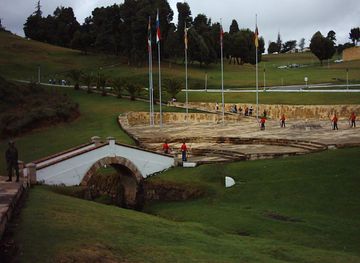

Destinations in Magdalena River Valley
Resorts, valleys and scenic spots worth a trip of their own.

Explore Magdalena River Valley: Things to Do, Places to Eat, Hotels & More
Handpicked recommendations for top attractions, local dining, accommodations, and more

Top Attractions & Sightseeing in Magdalena River Valley
Top-rated picks
Best Attractions

Quinta de San Pedro Alejandrino
Discover the rich history of Simon Bolivar and explore the stunning botanical gardens at Quinta de San Pedro Alejandrino in Santa Marta, Colombia.

Reserva Natural Cañon Del Río Claro
Immerse in nature at Reserva Natural Cańon Del Río Claro, where lush landscapes and exhilarating adventures await in beautiful Antioquia.

Serranía De Los Yariguíes National Natural Park
Discover Colombia's hidden gem: Serranía De Los Yariguíes National Park, a haven of biodiversity and stunning Andean landscapes.

Reserva Rio claro
Discover the breathtaking landscapes and rich biodiversity of Reserva Rio Claro, an essential destination for nature lovers in Antioquia, Colombia.

Best landmarks in Magdalena River Valley
Top-rated picks
Best Landmarks
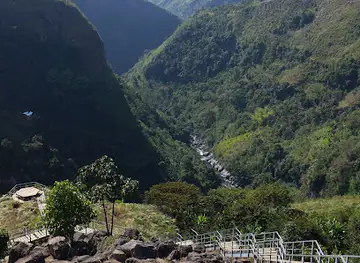
Alto de los Ídolos
Discover the rich cultural heritage and breathtaking landscapes of Alto de los Ídolos in Isnos, Huila, an archaeological gem for every traveler.

Estrecho del Río Magdalena
Discover the breathtaking beauty of Estrecho del Río Magdalena, an iconic natural wonder in San Agustín, Colombia, perfect for adventure and relaxation.

Caño Cristal
Discover Caño Cristales, the stunning 'River of Five Colors' in Colombia, where nature paints a breathtaking canvas of vibrant hues amidst lush landscapes.

Best restaurants in Magdalena River Valley
Top-rated picks
Best Restaurants

Fonda Antioqueña Los Arrieros
Experience authentic Colombian flavors at Fonda Antioqueña Los Arrieros in Gaira, Santa Marta - where every meal tells a story.

Cafetería Y Restaurante El Nevado
Discover authentic Antioquian flavors at Cafetería Y Restaurante El Nevado in Valdivia – a must-visit culinary experience.

Best bars in Magdalena River Valley
Top-rated picks
Best Bars

Alquimico
Discover the vibrant nightlife at Alquimico, Cartagena's premier bar known for its innovative cocktails and stunning rooftop views.

La Brisa Loca
Discover the lively blend of comfort, culture, and nightlife at La Brisa Loca in Santa Marta, a perfect spot for adventurous travelers.

La Puerta
Experience the vibrant nightlife at La Puerta in Santa Marta, Colombia, where great drinks meet an inviting atmosphere.

Caribbean Team
Experience the vibrant taste of the Caribbean at Caribbean Team in Santa Marta, where delicious grilled favorites meet fast food convenience.

Best nightclubs in Magdalena River Valley
Top-rated picks
Best Nightclubs

ESTADERO DONDE FILI
Dive into the vibrant nightlife at Estadero Donde Fili, a premier night club in El Piñón, Magdalena, where music and energy collide for an unforgettable evening.

Estadero Mi Ranchito Rumbero
Discover the heartbeat of Colombian nightlife at Estadero Mi Ranchito Rumbero, a lively dance club in Cerro San Antonio, Magdalena, where music and culture unite.

Music and Beer La Iguana
Discover the ultimate nightlife experience at Music and Beer La Iguana in El Banco, where vibrant music and refreshing drinks await.

Donde rosita
Experience the vibrant nightlife of San Basilio at Donde Rosita, where Colombian rhythms and culture come together for an unforgettable evening.


Explore Magdalena River Valley on the Map
A handpicked selection of must-see spots in Magdalena River Valley, mapped for you.
Magdalena River Valley Essentials
-
The Magdalena River Valley can be accessed via several major cities in Colombia. The closest international airports are El Dorado International Airport in Bogotá and Rafael Núñez International Airport in Cartagena. From these cities, you can take a domestic flight to the cities of Barrancabermeja or Neiva, which are more centrally located in the valley. Alternatively, you can travel by bus or car from Bogotá, Medellín, or Cartagena, which will offer scenic routes through the Colombian landscape.
-
Within the Magdalena River Valley, transportation options include buses, taxis, and rental cars. Buses are the most common form of public transport and connect most towns and cities within the valley. Taxis are available in urban areas and can be hailed on the street or booked via apps. Renting a car is also a viable option for those who prefer to explore the valley at their own pace. Be aware that road conditions can vary, and driving at night is generally not recommended.
-
The official currency in Colombia is the Colombian Peso (COP). Credit cards are widely accepted in larger cities, hotels, and restaurants, but it's advisable to carry cash, especially in smaller towns and rural areas. ATMs are readily available in urban centers, but may be scarce in remote areas. It's a good idea to withdraw sufficient cash before venturing into less populated zones. Currency exchange services are available at airports and major cities.
-
While the Magdalena River Valley is generally safe for tourists, certain areas have higher crime rates. Be cautious in urban centers like Barrancabermeja and avoid walking alone at night. Petty crime, such as pickpocketing, can occur in crowded areas. It is recommended to stay vigilant and avoid displaying valuables. Stick to well-traveled routes and consider using reputable tour operators for excursions. Always check current travel advisories before your trip.
-
In case of emergency, dial 123 for immediate assistance. Major cities in the Magdalena River Valley have hospitals and clinics, but medical facilities may be limited in rural areas. It's advisable to have travel insurance that includes medical coverage. For minor health issues, pharmacies are available in most towns, and many pharmacists can provide advice and medication. It's also useful to carry a basic first-aid kit.
-
Fashion: Do wear lightweight, breathable clothing suitable for the tropical climate. Avoid overly revealing attire, especially in rural and religious areas. Religion: Do respect local customs and traditions, particularly in religious sites. Remove hats and cover shoulders when entering churches. Public Transport: Do be courteous and offer your seat to elderly passengers. Don't eat or drink on public transport. Greetings: Do greet people with a handshake and a friendly 'Hola.' Avoid overly familiar gestures with strangers. Eating & Drinking: Do try local dishes such as 'arepas' and 'sancocho.' Don't refuse food from hosts, as it is considered impolite.
-
To experience the Magdalena River Valley like a local, visit the regional markets where you can buy fresh produce and handmade crafts. Engage with locals, who are often friendly and eager to share stories about their culture and history. Don't miss taking a boat ride on the Magdalena River to enjoy the stunning scenery and observe local wildlife. For an authentic cultural experience, try attending a local festival or event, which often feature traditional music and dance.
When is the best time to visit Magdalena River Valley?
Useful Local Phrases for Magdalena River Valley
You don't need to speak the language perfectly. Even learning a few simple words can make conversations warmer—and locals usually appreciate the effort.
— Eve

Here are the phrases I use most often in Magdalena River Valley. Try a few—you'll be surprised how far they go! 😊
❤️
-
- HelloHola
[o-la] - GoodbyeAdiós
[a-dios] - YesSí
[see] - NoNo
[no] - Please/You're welcomePor favor
[por fa-vor] - Thank youGracias
[gra-sias] - Excuse me/SorryPerdón
[per-don] - How are you?¿Cómo estás?
[co-mo es-tas] - Fine. And you?Bien. ¿Y tú?
[byen. ee tu] - Do you speak English?¿Hablas inglés?
[a-blas in-glez] - I don't understandNo entiendo
[no en-ti-en-do]
- HelloHola
-
- I'd like to see the menu, pleaseMe gustaría ver el menú, por favor
[me gus-ta-ria ver el me-nu, por fa-vor] - I don't eat meatNo como carne
[no co-mo car-ne] - Cheers!¡Salud!
[sa-lud] - I would like to pay, pleaseMe gustaría pagar, por favor
[me gus-ta-ria pa-gar, por fa-vor]
- I'd like to see the menu, pleaseMe gustaría ver el menú, por favor
-
- Help!¡Ayuda!
[a-yu-da] - Go away!¡Vete!
[ve-te] - Call the Police!¡Llama a la policía!
[ya-ma a la po-li-cia] - Call a doctor!¡Llama a un médico!
[ya-ma a un me-di-co] - I'm lostEstoy perdido
[es-toy per-di-do] - I'm illEstoy enfermo
[es-toy en-fer-mo]
- Help!¡Ayuda!
-
- I'd like to buy...Quisiera comprar...
[ki-sie-ra com-prar] - I'm just lookingSolo estoy mirando
[so-lo es-toy mi-ran-do] - How much is it?¿Cuánto cuesta?
[quan-to kwes-ta] - That's too expensiveEso es muy caro
[e-so es muy ca-ro] - Can you lower the price?¿Puedes bajar el precio?
[pwe-des ba-har el pre-cio]
- I'd like to buy...Quisiera comprar...
-
- What time is it?¿Qué hora es?
[ke o-ra es] - It's one o'clockEs la una
[es la u-na] - Half past (10)Y media (10)
[ee me-dia] - MorningMañana
[ma-nya-na] - AfternoonTarde
[tar-de] - EveningNoche
[no-che] - YesterdayAyer
[a-yer] - TodayHoy
[oy] - TomorrowMañana
[ma-nya-na] - 1Uno
[u-no] - 2Dos
[dos] - 3Tres
[tres] - 4Cuatro
[cua-tro] - 5Cinco
[cin-co] - 6Seis
[seis] - 7Siete
[sye-te] - 8Ocho
[o-cho] - 9Nueve
[nwe-ve] - 10Diez
[diez]
- What time is it?¿Qué hora es?
-
- Where's a/the...?¿Dónde está un/una...?
[don-de es-ta un/una] - What's the address?¿Cuál es la dirección?
[kwal es la di-rec-cion] - Can you show me (on the map)?¿Puedes mostrarme (en el mapa)?
[pwe-des mos-trar-me en el ma-pa] - When's the next (bus)?¿Cuándo es el próximo (bus)?
[kwan-do es el pro-xi-mo] - A ticket (to ....)Un boleto (a ....)
[un bo-le-to a]
- Where's a/the...?¿Dónde está un/una...?
History of Magdalena River Valley
-
Before the arrival of the Spanish conquistadors, the Magdalena River Valley was inhabited by various indigenous groups, including the Muisca, Tairona, and Quimbaya. These civilizations were known for their advanced agricultural practices, intricate goldwork, and complex social structures. The river valley served as a crucial trade route, enabling the exchange of goods and ideas among different communities.
-
In the early 16th century, Spanish explorers, led by Gonzalo Jiménez de Quesada, ventured into the Magdalena River Valley. The region quickly became a focal point for Spanish colonization due to its strategic location and fertile lands. Key cities like Santa Marta and Cartagena were established along the river, serving as important colonial outposts. The Spanish introduced new crops, livestock, and technologies, profoundly altering the local way of life.
-
The Magdalena River Valley played a significant role in Colombia's struggle for independence from Spanish rule. The river served as a vital transportation route for revolutionary forces led by Simón Bolívar and other independence leaders. Battles and skirmishes took place along its banks, and key cities in the valley, such as Honda and Barrancabermeja, became strategic locations for both the patriots and the royalists.
-
During the 19th and 20th centuries, the Magdalena River Valley witnessed significant economic development. The river became a major transportation artery for goods such as coffee, tobacco, and cattle. The construction of railways and the introduction of steamships further enhanced its economic importance. Cities like Barrancabermeja emerged as crucial industrial centers, particularly in the oil industry. The river's role in connecting the interior of Colombia with the Caribbean coast was instrumental in the country's economic growth.
-
The Magdalena River Valley is a cultural heartland of Colombia, rich in traditions, music, and folklore. The region is known for its vibrant festivals, such as the Carnival of Barranquilla and the Festival of San Pedro in El Espinal. The river itself is immortalized in numerous songs, poems, and works of art, reflecting its deep emotional and cultural resonance. Additionally, the valley is home to a diverse population that includes Afro-Colombian, indigenous, and mestizo communities, each contributing to the region's rich cultural tapestry.
-
The Magdalena River Valley faces several environmental challenges, including deforestation, pollution, and habitat loss. Industrial activities, agricultural runoff, and urbanization have impacted the river's health and biodiversity. Efforts are underway to address these issues through conservation initiatives and sustainable practices. The river remains a vital lifeline for millions of Colombians, making its preservation a national priority.
Neighbouring Regions of Magdalena River Valley
The closest regions to Magdalena River Valley, if you have time for more than one.



Your all‑in‑one travel companion app
Explore expert travel guides, compare and book tours, experiences, hotels, and more—all from the palm of your hand. Download now for seamless trip planning wherever your wanderlust takes you.


Explore More of Colombia

Looking beyond Magdalena River Valley? Discover Colombia for broader travel guides, local hot-spots, and regional highlights.
Explore ColombiaMagdalena River Valley in Photos
Browse through our photo collection highlighting the charm and character of the destination.


Enchanting Magdalena River Valley: Colombia's Heartland
The Magdalena River Valley in Colombia is a captivating destination that offers visitors a blend of natural beauty, rich history, and vibrant culture. The valley, carved by the mighty Magdalena River, is Colombia's lifeline, stretching for over 1,500 kilometers. It is surrounded by lush mountains and teeming with diverse wildlife, making it a paradise for nature lovers and adventure seekers alike. One of the highlights of the Magdalena River Valley is its historical significance. The river has been a major trade route since pre-Columbian times, and many towns and cities along its banks are steeped in history. Visit the charming town of Honda, known for its colonial architecture and cobblestone streets. Explore the archaeological sites of San Agustín, where ancient statues and carved rock formations tell the story of Colombia's indigenous cultures. The Magdalena River Valley is also a hub of cultural experiences. The region is known for its traditional festivals, such as the San Pedro Festival in Neiva, which showcases music, dance, and local cuisine. Don't miss the chance to sample delicious Colombian dishes like arepas, tamales, and fresh river fish. The warmth and hospitality of the local people will make your visit truly unforgettable.