

Free Insular Region Travel Guide & Mobile App
Explore Insular Region with free travel guides. Discover regional history, expert tips, proposed trips, and audio guides on web or mobile app.


Explore Colombia’s Insular Region through coral reefs, Caribbean island culture, Pacific rainforest, wildlife encounters and carefully managed marine parks.
Read more about Insular Region
When is the best time to visit Insular Region?
Best: December–February · 30–31°C| Month | High (°C) | Rainfall (mm) |
|---|---|---|
| January (best) | 31 | 50 |
| February (best) | 31 | 55 |
| March | 31 | 60 |
| April | 31 | 65 |
| May | 32 | 70 |
| June | 32 | 75 |
| July | 32 | 80 |
| August | 31 | 85 |
| September | 31 | 80 |
| October | 31 | 75 |
| November | 31 | 70 |
| December (best) | 30 | 65 |
Getting to and around Insular Region
How to get there
Transportation
Best attractions in Insular Region
The Insular Region’s attractions are primarily marine, ecological and cultural. San Andrés offers reef trips, snorkelling, diving, beaches, mangrove landscapes and viewpoints such as La Loma, where the island’s history and Creole identity are more apparent than in the principal commercial areas. Providencia and Santa Catalina provide a quieter combination of forested hills, coastal walks, reef excursions and the historic remains associated with Fort Warwick. The Rosario Islands are visited for coral reefs, clear-water activities and marine-park landscapes, while the San Bernardo Islands combine beaches, mangrove channels and small settlements reached by boat from the mainland. Gorgona National Natural Park adds Pacific rainforest, beaches, trails, marine wildlife and the remains of its former prison, with access managed for conservation. Malpelo is a specialist destination for authorised liveaboard diving and pelagic wildlife observation rather than general sightseeing. Across the region, conditions vary greatly: some islands support hotels, restaurants and regular excursions, while others require permits, experienced operators and tolerance for basic facilities.
-
 Historical landmark
Monumento Torre del Reloj
Explore the vibrant history and culture of Cartagena at the iconic Torre del Reloj, a stunning landmark welcoming you to the city's rich heritage.
-
National park
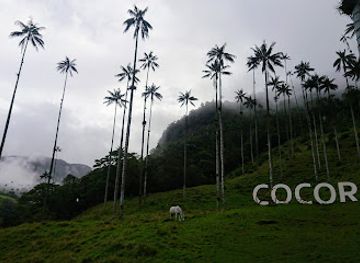
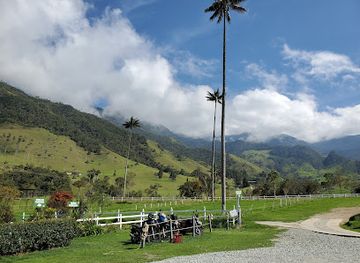
Cocora Valley
Explore Cocora Valley, a breathtaking national park in Colombia known for its iconic wax palms and stunning hiking trails amidst lush landscapes.
-
National park
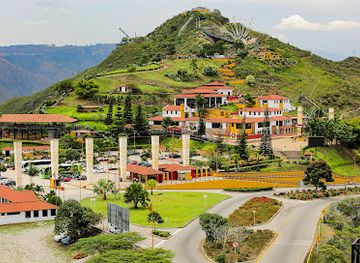
Parque Nacional del Chicamocha
Discover breathtaking landscapes and thrilling adventures at Parque Nacional del Chicamocha, a must-visit national park in Santander, Colombia.
-
Tourist attraction
Salt Cathedral
Discover the breathtaking Salt Cathedral of Zipaquirá, a unique underground church adorned with stunning salt sculptures and rich in history.
Best landmarks in Insular Region
The Insular Region’s landmarks include both cultural structures and natural features that express its maritime setting. On San Andrés, the Baptist Church in La Loma is an important symbol of the archipelago’s Protestant and English-Caribbean heritage, while the island’s elevated central ridge provides broad views over coastal settlements and reef-fringed waters. Providencia’s Fort Warwick area recalls the strategic importance of the island during the era of Caribbean rivalry, and the bridge linking Providencia with Santa Catalina has become a practical and recognisable part of the local landscape. In the Rosario and San Bernardo archipelagos, the defining landmarks are often natural: low coral islands, mangrove channels, shallow reef waters and narrow beaches rather than monumental architecture. Gorgona’s former prison remains a powerful modern historical site within rainforest, contrasting with the island’s marine and terrestrial protection. Far offshore, Malpelo’s steep, isolated rock formations are the visual expression of an oceanic conservation area whose significance lies in its geology, remoteness and wildlife-rich surrounding waters.
-
Historical landmark
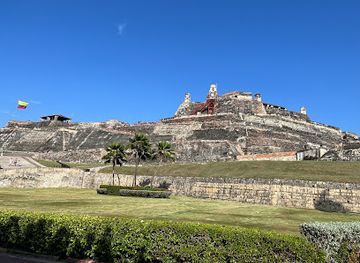
San Felipe de Barajas Fort
Explore the majestic San Felipe de Barajas Fort, a historical fortress in Cartagena that offers breathtaking views and a glimpse into Colombia's rich colonial past.
-
Park
Parque de los Novios
Explore the tranquil beauty of Parque de los Novios in Bogotá, a perfect urban oasis for relaxation, picnics, and nature appreciation in the heart of the city.
-
National park
Cocora Valley
Explore the breathtaking landscapes of Cocora Valley, home to Colombia's tallest wax palms and a paradise for nature lovers and hiking enthusiasts.
-
National park
Parque Nacional Natural Tayrona
Experience the beauty and biodiversity of Parque Nacional Natural Tayrona, a Colombian gem where lush jungles meet stunning Caribbean beaches.

Explore Insular Region on the map
Plan your trip on one map. See where the top cities, national parks and sights are, and book hotels and experiences in a few clicks.
Best hotels in Insular Region
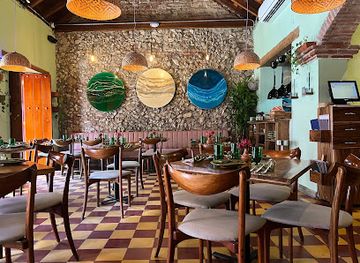
Best restaurants in Insular Region
Island dining reflects Caribbean and Pacific ingredients, maritime trade and the practical limits of importing food. On San Andrés and Providencia, menus commonly feature fish, seafood, coconut, rice, plantain, cassava and locally styled Caribbean preparations; rondón, a coconut-based seafood and root-vegetable dish, is strongly associated with the archipelago’s culinary culture. Crab and other seafood dishes may appear alongside Colombian staples and contemporary restaurant cooking. In the Rosario and San Bernardo islands, meals are often centred on freshly prepared fish, rice, plantain and simple beach or hotel cooking, with availability varying by island and season. Pacific destinations such as Gorgona have more limited dining arrangements and generally rely on organised accommodation or expedition catering. Markets and small shops are useful for fruit, snacks and drinks, but visitors should not assume a broad supply range on remote islands. Seafood should be sourced responsibly, and asking about seasonal or locally caught produce supports both conservation and island livelihoods.
-
Seafood
La Regatta
Discover La Regatta: A premier seafood restaurant in San Andrés offering fresh Caribbean flavors and stunning ocean views.
-
Restaurant
Platillos Voladores
Discover the exquisite flavors of Colombian cuisine at Platillos Voladores in Cali - where every dish tells a story.
-
Restaurant
Hamburguesas El Corral
Experience delicious gourmet burgers at Hamburguesas El Corral, a culinary highlight in San Andrés that captures local flavors perfectly.
-
Caribbean
Restaurante Celele
Experience the vibrant flavors of Caribbean and Colombian cuisine at Restaurante Celele in Cartagena's historic Getsemaní district.

Best bars in Insular Region
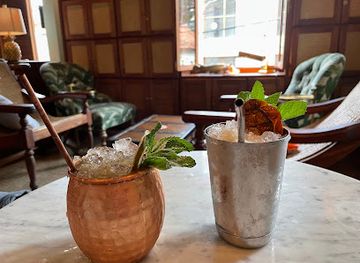
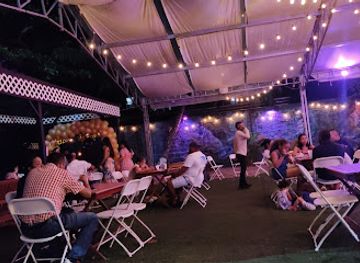
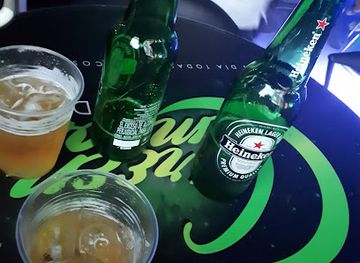
Nightlife is concentrated on San Andrés, where bars, music venues, hotel entertainment and restaurants provide the broadest choice, particularly around the main urban and beachfront areas. Caribbean musical traditions, including reggae, calypso and locally rooted styles, form part of the island’s evening atmosphere, although the exact programme varies between venues and seasons. On Providencia, Santa Catalina and the smaller archipelagos, evenings are generally quieter, centred on family-run restaurants, modest bars, beach settings and conversation rather than a large club scene. Cartagena, outside the Insular Region, is sometimes used as a gateway to the Rosario Islands and has a much broader mainland nightlife offering, but it should not be confused with island nightlife. Gorgona and Malpelo are conservation and expedition destinations where evenings are shaped by guided activities, boat schedules and remote accommodation rather than public entertainment.
-
Bar
Pedro Mandinga Rum Bar Bogota
Discover the authentic taste of the Caribbean at Pedro Mandinga Rum Bar, Bogotá's premier destination for exquisite rum cocktails and vibrant nightlife.
-
Bar
The Lighthouse Lounge Bar
Discover the vibrant ambiance and tropical delights at The Lighthouse Lounge Bar in San Andrés, a top spot for relaxation and nightlife.
-
Bar
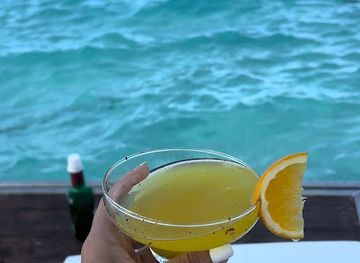
Ibiza (Bar Flotante San Andrés)
Experience the ultimate floating bar atmosphere in San Andrés with refreshing cocktails and stunning Caribbean views.
Best nightclubs in Insular Region
Nightlife is concentrated on San Andrés, where bars, music venues, hotel entertainment and restaurants provide the broadest choice, particularly around the main urban and beachfront areas. Caribbean musical traditions, including reggae, calypso and locally rooted styles, form part of the island’s evening atmosphere, although the exact programme varies between venues and seasons. On Providencia, Santa Catalina and the smaller archipelagos, evenings are generally quieter, centred on family-run restaurants, modest bars, beach settings and conversation rather than a large club scene. Cartagena, outside the Insular Region, is sometimes used as a gateway to the Rosario Islands and has a much broader mainland nightlife offering, but it should not be confused with island nightlife. Gorgona and Malpelo are conservation and expedition destinations where evenings are shaped by guided activities, boat schedules and remote accommodation rather than public entertainment.
-
Disco club
Taboo Disco Club
Explore the electrifying nightlife at Taboo Disco Club in Cartagena, where great music and vibrant energy create unforgettable nights.
-
Night club
THEATRON
Explore Bogotá's nightlife at Theatron, a dynamic night club offering bars, disco vibes, and delicious dining in a lively atmosphere.
-
Disco club
Federal Rooftop | Discoteca abierta 365 días
Discover the vibrant nightlife at Federal Rooftop, Bogotá's premier disco club with stunning views and an energetic atmosphere, open 365 days a year.
-
Disco club
Green Moon Bar Disco
Unleash your inner dancer at Green Moon Bar Disco, Cartagena's ultimate nightlife destination with electrifying music and a vibrant atmosphere.


Best shops in Insular Region
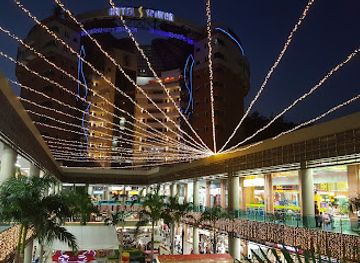
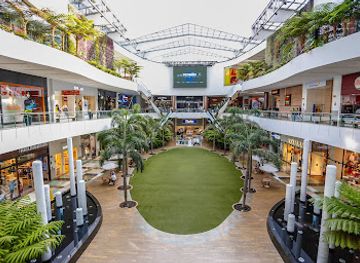
Shopping is most developed on San Andrés, where the island’s free-port tradition has produced concentrations of duty-free shops, perfume and cosmetics retailers, jewellery stores, clothing outlets and souvenir businesses. Visitors should compare prices carefully and retain receipts, since product selection, guarantees and import arrangements can differ from those on the mainland. Local and culturally meaningful purchases include Caribbean food products, crafts, artwork, woven items and music, although not every souvenir sold on the island is locally made. Providencia offers a smaller range of shops, with emphasis on practical supplies, locally produced food, crafts and informal stalls rather than extensive retail. The Rosario and San Bernardo islands have limited shopping, usually consisting of beach goods, snacks, drinks and small crafts supplied through accommodation or local vendors. Sustainable purchasing matters: avoid coral, shells, protected wildlife products and anything whose origin is unclear, and favour goods made by island artisans when provenance can be explained.
-
Shopping mall
Andino
Discover luxury shopping, gourmet dining, and vibrant entertainment at Andino, Bogotá's premier shopping destination.
-
Shopping mall
Santafé Mall
Discover Santafé Mall in Bogotá: A vibrant shopping and entertainment hub with diverse stores, dining, and experiences for all visitors.
-
Shopping mall
Centro Comercial Chipichape
Explore the lively Centro Comercial Chipichape in Cali, offering a unique shopping experience, diverse dining, and vibrant entertainment for all visitors.
-
Shopping mall
El Tesoro Parque Comercial
Discover the vibrant El Tesoro Parque Comercial in Medellín, where shopping, dining, and entertainment come together in a stunning modern setting.


Get your free copy of our complete guide to Insular Region, delivered straight to you.
Everything on this page, from attractions and restaurants to essentials and local phrases, in one PDF you can read offline, print or share.
Already have an account? Sign in
Your Insular Region guide is ready.
We'll send it to · Not you? Sign out

Getting your guide ready…
We are putting together a fresh copy of the Insular Region guide. This can take up to a minute.
This can take a few moments. If your browser asks, choose Allow so the download can start. You'll find the guide in your Downloads folder.
Nothing happened? Download it again
Sorry, the guide is taking longer than usual. Please try again in a minute, or get it by email instead.
Insular Region essentials
Currency and Payment
Safety
Emergency Situations
Do's and Don'ts
Local Tips
From Eve
Local phrases worth knowing
You don't need to get them perfect. A few words go a long way, and locals appreciate the effort.
Basics
| English | Local | Say it |
|---|---|---|
| Hello | Hola | [O-la] |
| Goodbye | Adiós | [A-dee-os] |
| Yes | Sí | [See] |
| No | No | [No] |
| Please/You're welcome | Por favor/De nada | [Por fa-vor/De na-da] |
| Thank you | Gracias | [Gra-see-as] |
| Excuse me/Sorry | Perdón | [Per-don] |
| How are you? | ¿Cómo estás? | [Ko-mo es-tas] |
| Fine. And you? | Bien. ¿Y tú? | [Bee-en. Eee too] |
| Do you speak English? | ¿Hablas inglés? | [A-blas in-glez] |
| I don't understand | No entiendo | [No en-tee-en-do] |
Eating & Drinking
| English | Local | Say it |
|---|---|---|
| I'd like to see the menu, please | Me gustaría ver el menú, por favor | [Me gus-ta-ree-a ver el me-nu, por fa-vor] |
| I don't eat meat | No como carne | [No co-mo car-ne] |
| Cheers! | ¡Salud! | [Sa-lud] |
| I would like to pay, please | Quisiera pagar, por favor | [Kee-see-e-ra pa-gar, por fa-vor] |
Emergencies
| English | Local | Say it |
|---|---|---|
| Help! | ¡Ayuda! | [A-yu-da] |
| Go away! | ¡Vete! | [Ve-te] |
| Call the Police! | ¡Llama a la policía! | [Ya-ma a la po-li-cia] |
| Call a doctor! | ¡Llama a un doctor! | [Ya-ma a un doc-tor] |
| I'm lost | Estoy perdido | [Es-toy per-di-do] |
| I'm ill | Estoy enfermo | [Es-toy en-fer-mo] |
Shopping
| English | Local | Say it |
|---|---|---|
| I'd like to buy... | Quisiera comprar... | [Kee-see-e-ra com-prar] |
| I'm just looking | Solo estoy mirando | [So-lo es-toy mi-ran-do] |
| How much is it? | ¿Cuánto cuesta? | [Kwan-to kwes-ta] |
| That's too expensive | Eso es demasiado caro | [E-so es de-ma-si-a-do ca-ro] |
| Can you lower the price? | ¿Puedes bajar el precio? | [Pwe-des ba-har el pre-cio] |
Time & Numbers
| English | Local | Say it |
|---|---|---|
| What time is it? | ¿Qué hora es? | [Ke o-ra es] |
| It's one o'clock | Es la una | [Es la oo-na] |
| Half past (10) | Diez y media | [Dyez ee me-dia] |
| Morning | Mañana | [Man-ya-na] |
| Afternoon | Tarde | [Tar-de] |
| Evening | Noche | [No-che] |
| Yesterday | Ayer | [A-yer] |
| Today | Hoy | [Oy] |
| Tomorrow | Mañana | [Man-ya-na] |
| 1 | Uno | [Oo-no] |
| 2 | Dos | [Dos] |
| 3 | Tres | [Tres] |
| 4 | Cuatro | [Kwa-tro] |
| 5 | Cinco | [Sin-ko] |
| 6 | Seis | [Says] |
| 7 | Siete | [See-e-te] |
| 8 | Ocho | [O-cho] |
| 9 | Nueve | [Nwe-ve] |
| 10 | Diez | [Dyez] |
Transport & Directions
| English | Local | Say it |
|---|---|---|
| Where's a/the...? | ¿Dónde está un/lo...? | [Don-de es-ta un/lo] |
| What's the address? | ¿Cuál es la dirección? | [Kwal es la di-rec-cion] |
| Can you show me (on the map)? | ¿Puedes mostrarme (en el mapa)? | [Pwe-des mos-trar-me (en el ma-pa)] |
| When's the next (bus)? | ¿Cuándo es el próximo (autobús)? | [Kwan-do es el pro-xi-mo (au-to-bus)] |
| A ticket (to ....) | Un boleto (a....) | [Un bo-le-to (a....)] |
History of Insular Region
Indigenous Caribbean and Pacific Island Heritage
Long before Spanish rule, the islands and coastal waters of today’s Insular Region supported fishing, gathering, navigation and exchange between mainland and maritime communities. Archaeological evidence and oral histories point to changing relationships with the sea rather than isolated island societies. The archipelagos’ location made them part of wider Caribbean and Pacific networks, while the resources of reefs, mangroves, forests and offshore waters shaped settlement. Although much of the original material record has been altered by later colonisation and development, Indigenous heritage remains part of the deeper history of Colombia’s island landscapes.
European Colonisation and the Western Caribbean
The Caribbean islands were drawn into Spanish imperial competition from the sixteenth century onwards, although control of the remote archipelago was contested and uneven. English-speaking settlers and Protestant communities also became influential in the history of San Andrés and Providencia, linking the islands to Jamaica and other parts of the western Caribbean. Enslaved Africans, European settlers and Caribbean migrants contributed to the population and culture that developed there. These overlapping connections help explain why the archipelago’s language, music, architecture and religious history differ in important ways from mainland Colombia.
Pirates, Privateers and Maritime Rivalry
The western Caribbean’s islands occupied strategic positions on routes used by merchant ships, colonial authorities, privateers and pirates. Providencia in particular became associated with English Puritan settlement and regional maritime rivalry during the seventeenth century. Fortifications and defensive positions were established and contested as European powers competed for influence. The period left a political and cultural legacy that still distinguishes the Archipelago of San Andrés, Providencia and Santa Catalina from many mainland regions. Its history is best understood as part of a connected Caribbean world rather than as an isolated Colombian story.
Colombian Sovereignty and Island Identity
The islands’ political status was shaped by the changing map of the Caribbean after independence from Spain. Colombia’s sovereignty over the Archipelago of San Andrés, Providencia and Santa Catalina was recognised through nineteenth-century arrangements, while the region retained strong cultural links with the wider Caribbean. Later administrative integration brought Spanish-language institutions and closer connections with the Colombian mainland. Island communities nevertheless maintained distinctive traditions, including the English-based Creole language known as San Andrés–Providencia Creole. Contemporary debates about development, autonomy, heritage and environmental protection continue to reflect this layered history.
Trade, Coconut and the Growth of San Andrés
For much of the nineteenth and early twentieth centuries, coconut cultivation, maritime trade and small-scale fishing were central to the economy of the Caribbean archipelago. San Andrés gradually became the principal commercial centre, while Providencia retained a more rural and dispersed character. In the twentieth century, tourism and the establishment of a free-port regime transformed San Andrés, bringing new infrastructure, migration and retail activity. The economic shift created opportunities but also placed pressure on freshwater, waste systems, housing and coastal ecosystems, issues that remain central to the islands’ future.
Gorgona: Penal Colony to National Natural Park
Gorgona was used by Colombia as a penal colony from the mid-twentieth century until its closure in the 1980s. The island’s isolation, difficult terrain and prison ruins became part of a complex modern history that is now interpreted alongside its exceptional biodiversity. It was subsequently declared a national natural park, protecting rainforest, beaches and surrounding marine habitats. Today, Gorgona’s significance lies in this transition from institution of confinement to conservation area, while surviving structures and guided visits provide context for the relationship between human history and Pacific ecosystems.
Marine Conservation in the Archipelagos
During the late twentieth and early twenty-first centuries, Colombia expanded the protection of important island and marine environments. The Rosario and San Bernardo area became part of a national natural park, Gorgona received comprehensive terrestrial and marine protection, and Malpelo gained international recognition for its oceanic ecosystems and large pelagic species. Conservation has not removed human pressures: tourism, fishing, climate change, coral decline and waste remain significant concerns. The modern history of the Insular Region is therefore also a history of balancing island livelihoods with the protection of globally important seas.
Insular Region in Photos
Browse through our photo collection highlighting the charm and character of the destination.
Neighbouring regions of Insular Region
The closest regions to Insular Region, if you have time for more than one.
-
-

-

-

-


Swipe for more regions
Explore more

Explore more of Colombia
Discover Colombia: A land of diverse beauty, rich heritage, and vibrant culture, offering everything from bustling cities to serene coffee plantations and stunning national parks.
Explore Colombia