

Guatape Travel Guide - Free Web & App
Your ultimate guide to Guatape. Discover top landmarks, proposed trips, and local tips. Free on the web or via the Evendo companion app.


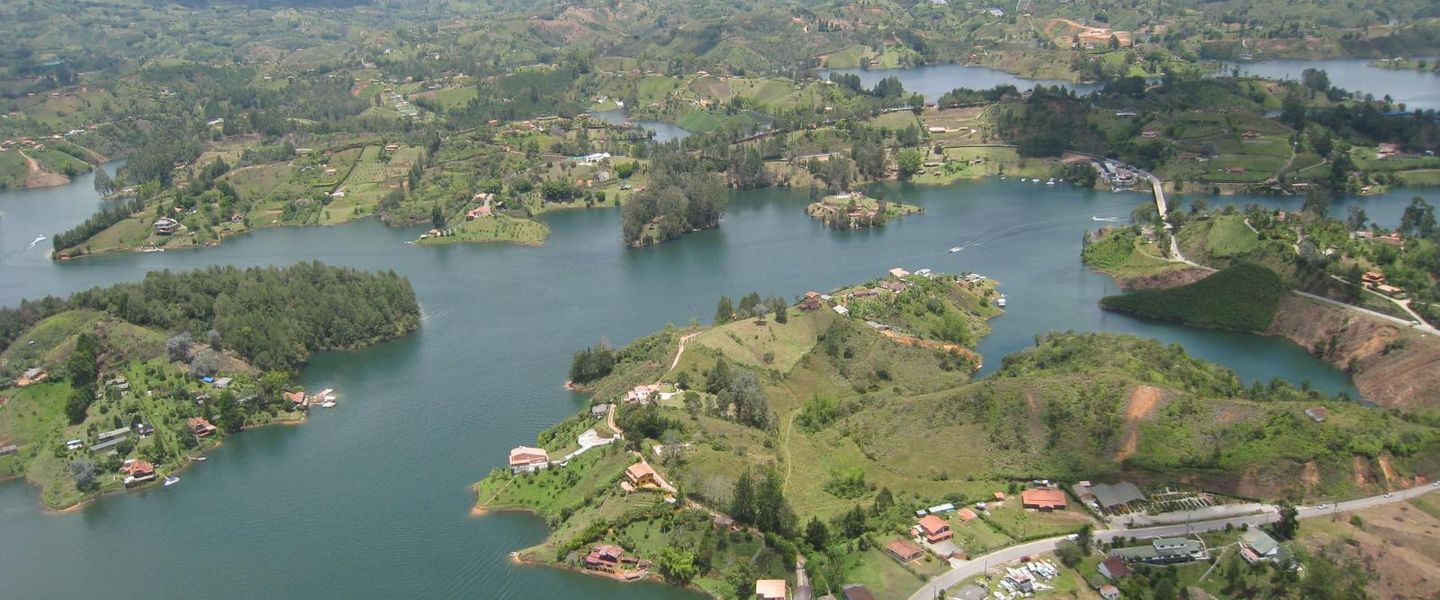


Guatapé, Colombia combines colourful zócalos, the Peñol-Guatapé reservoir, Piedra del Peñol, boat trips and Antioquian heritage near Medellín.
A Reservoir Landscape
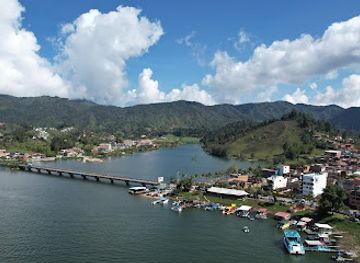
Guatapé lies in eastern Antioquia, around two hours by road from Medellín, in a landscape transformed by the construction of the Peñol-Guatapé reservoir. The broad lake spreads between rounded green hills and wooded peninsulas, creating a changeable shoreline of inlets, coves and partially submerged valleys. Small boats, kayaks and organised lake excursions provide access to a watery landscape that is difficult to understand from the road alone, while viewpoints from the surrounding hills reveal the reservoir’s intricate shape.Read more about Guatape
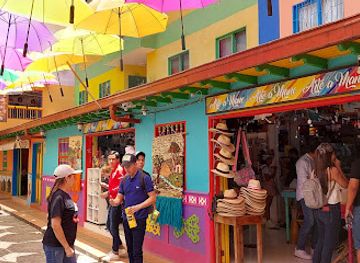
A Town of Zócalos
The Rock and the Old Valley
When is the best time to visit Guatape?
Best: June–August · 28°C| Month | High (°C) | Rainfall (mm) |
|---|---|---|
| January | 28 | 140 |
| February | 28 | 120 |
| March | 28 | 100 |
| April | 28 | 80 |
| May | 28 | 60 |
| June (best) | 28 | 50 |
| July (best) | 28 | 40 |
| August (best) | 28 | 40 |
| September | 29 | 50 |
| October | 29 | 60 |
| November | 29 | 80 |
| December | 29 | 100 |
Getting to and around Guatape
How to get there
Transportation
Best attractions in Guatape
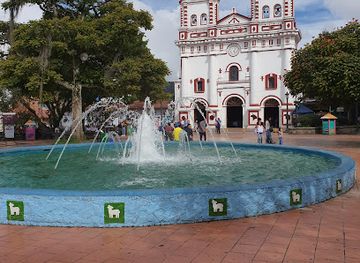
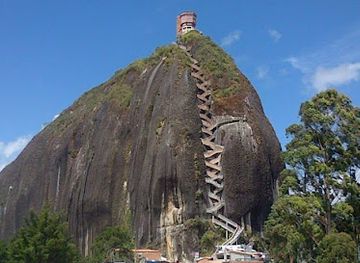
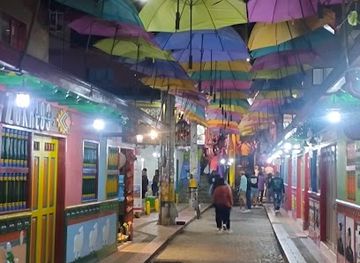
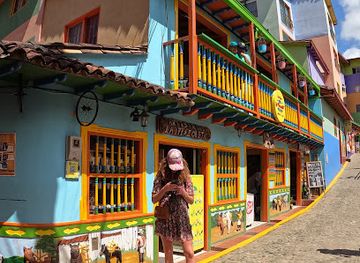
Guatapé’s principal attractions combine a colourful town with a large engineered lake and a dramatic natural monolith. In the centre, the Plazoleta de los Zócalos and the surrounding streets display the town’s characteristic decorated façades, while Calle del Recuerdo offers a particularly recognisable setting for viewing zócalos and local architectural details. Outside the centre, Piedra del Peñol rises above the reservoir and rewards the staircase climb with expansive views across flooded valleys and wooded islands. The Peñol-Guatapé reservoir itself supports boat excursions and other water-based experiences from designated departure points, although conditions and permissions vary. The Réplica del Viejo Peñol provides historical context for the original settlement submerged during construction of the hydroelectric project. Small rural roads, lakeside viewpoints and nearby farms reveal a quieter side of the area, while the town’s church, cafés and craft shops provide a useful base between excursions.
-
Tourist attraction
Parque Comfama Guatapé
Explore Parque Comfama Guatapé, a family-friendly park offering stunning views, fun rides, and cultural experiences near the gorgeous Embalse El Peñol.
-
Tourist attraction
Monasterio Santa Maria De La Epifania.
Experience tranquility and breathtaking views at Monasterio Santa Maria De La Epifania in Guatapé, a serene retreat for spiritual seekers and nature lovers alike.
-
Tourist attraction
Guatapé Guia
Explore Guatapé, Colombia: A colorful town with stunning landscapes, rich culture, and thrilling adventures await your visit.
-
Finca La Manuela: Pablo Escabar
Explore the breathtaking landscapes of Peñol, Antioquia, home to iconic attractions and rich cultural history.


Best landmarks in Guatape
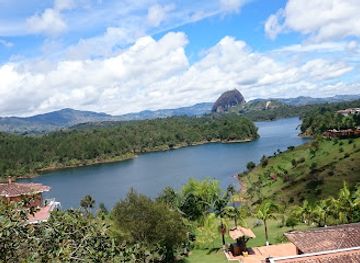
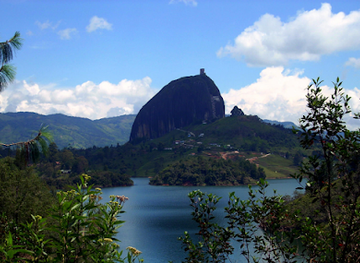
Piedra del Peñol is Guatapé’s most prominent natural landmark, an enormous granite monolith whose isolated form dominates views across the surrounding countryside and reservoir. The staircase cut into the rock leads to elevated viewing areas overlooking the irregular shoreline and hills altered by the hydroelectric project. The Peñol-Guatapé reservoir is itself a defining human-made landscape, occupying valleys that once contained farmland, roads and the former town of El Peñol. The Réplica del Viejo Peñol serves as a cultural landmark connected to that submerged settlement and its displaced community. In Guatapé town, the Plazoleta de los Zócalos and the decorated façades are landmarks of local visual culture rather than isolated monuments, while the parish church and compact central streets express the settlement’s Antioquian civic and religious heritage.
-
Tourist attraction
La Piedra del Peñol
Experience breathtaking views and adventure at La Piedra del Peñol, a natural wonder in Guatapé, Colombia, perfect for all travelers.
-
Park
Parque Principal de Guatapé
Explore the colorful Parque Principal de Guatapé, a serene park in Colombia's charming town, surrounded by vibrant culture and stunning landscapes.
-
Park
Plazoleta de Los Zócalos
Explore the vibrant Plazoleta de Los Zócalos in Guatapé, Colombia, a cultural gem filled with colorful artistry and stunning views.
-
Observation deck
Servicios Náuticos Guatapé
Experience the breathtaking views and thrilling nautical adventures at Guatapé's premier observation deck, a must-visit for every traveler.
Explore Guatape on the map
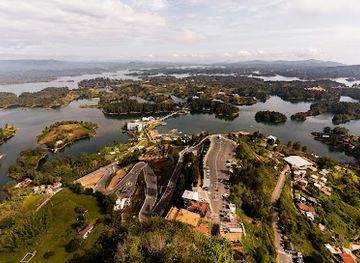
Plan your trip on one map. See where the top attractions, landmarks, restaurants and hotels are, and book hotels and experiences in a few clicks.
Best hotels in Guatape
Best restaurants in Guatape
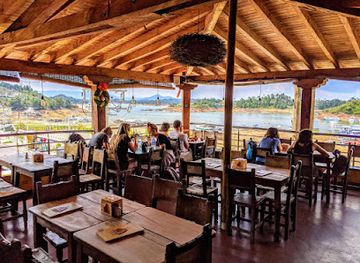
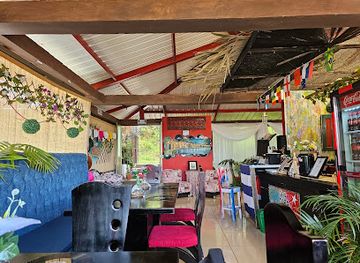
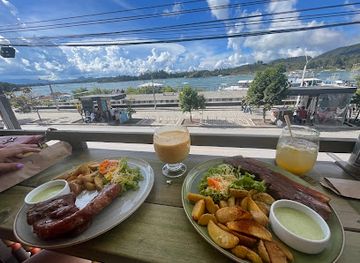
Dining in Guatapé is concentrated in the town centre and around the principal visitor areas, with cafés, casual restaurants, bakeries and small eateries serving residents and day visitors. The wider Antioquian food tradition is evident in dishes such as bandeja paisa, arepas, beans, chicharrón and other hearty combinations associated with the region, alongside familiar Colombian breakfasts, juices and coffee. Restaurants near the reservoir and Piedra del Peñol tend to be more closely linked to sightseeing and may have a practical, informal character. Visitors staying in rural accommodation should not assume that restaurants are nearby, so it is sensible to check meal arrangements and distances in advance. Guatapé’s location near farms and upland countryside also supports locally sourced produce, while larger cafés and restaurants generally provide the broadest choice for vegetarian meals and international dishes.
-
Restaurant
La Fogata
Experience the essence of Colombian cuisine at La Fogata in Guatapé - where grilled perfection meets vibrant atmosphere.
-
Grill
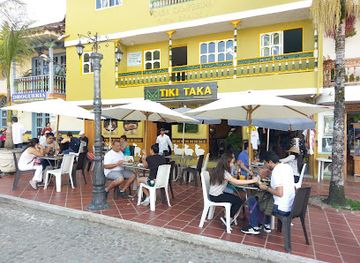
Tiki Taka
Experience authentic Colombian flavors at Tiki Taka, a charming grill restaurant in picturesque Guatapé.
-
Cuban
Casa Cuba
Experience authentic Cuban flavors at Casa Cuba in Guatapé - a delightful destination for food lovers exploring Colombia's vibrant culinary scene.
-
Restaurant
Don Oscar
Experience authentic Colombian cuisine at Don Oscar in Guatapé, where local flavors meet stunning views for an unforgettable dining adventure.
Best bars in Guatape
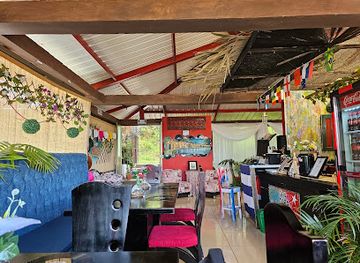
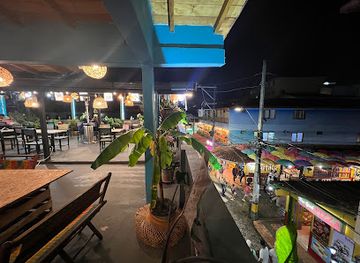
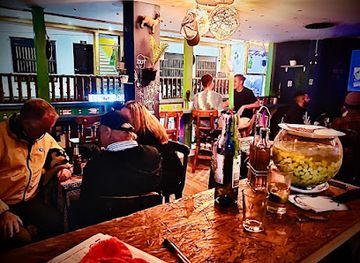
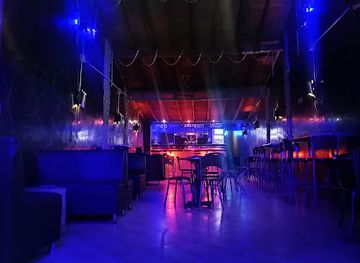
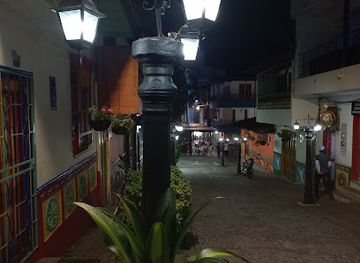
Guatapé has a modest evening scene rather than the late-night scale of Medellín. After the day’s excursions, the central streets offer cafés, casual bars and restaurants where visitors can sit outdoors, listen to music and experience the town’s sociable atmosphere. Some establishments provide dancing or louder entertainment, particularly during busy weekends and holiday periods, but opening patterns and programming are not consistent enough to assume a particular event. Outside the town, evenings are generally quiet, with rural lodgings and lakeside accommodation offering a slower setting rather than a concentration of bars. Visitors seeking extensive clubbing, major concerts or a broad late-night choice will find those facilities in Medellín rather than within Guatapé’s reservoir landscape.
-
Grill
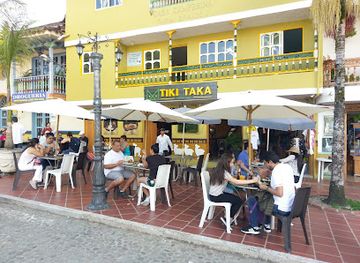
Tiki Taka
Experience the vibrant flavors of Colombia at Tiki Taka, Guatapé's premier grill restaurant, where every meal is a celebration of taste and culture.
-
Cuban
Casa Cuba
Discover the vibrant flavors of Cuba in the heart of Guatapé at Casa Cuba, where authentic dishes and a lively atmosphere await.
-
Bar
Folklore Restaurant Bar
Discover the heart of Colombian flavors at Folklore Restaurant Bar in Guatapé, where culture and cuisine come together in a vibrant setting.
-
Tapas Bar
Brujula Food and Drinks
Discover the vibrant flavors of Guatapé at Brujula Food and Drinks, a must-visit tapas bar offering a delightful culinary experience.
Best nightclubs in Guatape
Guatapé has a modest evening scene rather than the late-night scale of Medellín. After the day’s excursions, the central streets offer cafés, casual bars and restaurants where visitors can sit outdoors, listen to music and experience the town’s sociable atmosphere. Some establishments provide dancing or louder entertainment, particularly during busy weekends and holiday periods, but opening patterns and programming are not consistent enough to assume a particular event. Outside the town, evenings are generally quiet, with rural lodgings and lakeside accommodation offering a slower setting rather than a concentration of bars. Visitors seeking extensive clubbing, major concerts or a broad late-night choice will find those facilities in Medellín rather than within Guatapé’s reservoir landscape.
-
Bar
Bar Baroja
Experience the vibrant nightlife at Bar Baroja, a lively bar in Guatapé offering cocktails, local brews, and a festive atmosphere.
-
Bar
Chronos bar de clasicos del rock en guatape, bar en guatape, lo mejor en cocteles en guatape, licorera en guatape, bar vip,
Explore the vibrant nightlife at Chronos bar in Guatapé, where classic rock meets expertly crafted cocktails in a lively atmosphere.
-
Bar
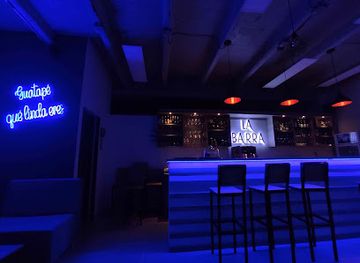
La Barra Guatapé
Discover the lively nightlife of Guatapé at La Barra Guatapé, where vibrant drinks and local culture come together in a picturesque setting.
-
Bar
Contragolpe Resto-Bar
Experience the vibrant nightlife of Guatapé at Contragolpe Resto-Bar, where delicious drinks and lively entertainment await you.
Best shops in Guatape
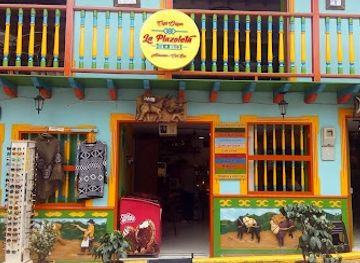
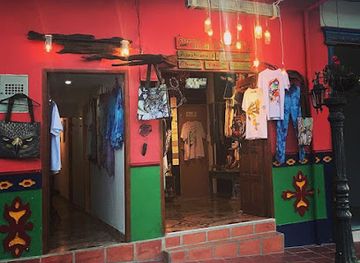
Shopping in Guatapé is centred on the town’s colourful streets, where small independent shops and stalls sell souvenirs, handicrafts, clothing, artwork, decorative objects and locally themed gifts. The zócalo designs are often reproduced on ceramics, textiles and painted items, making them the most recognisable motif associated with the destination. Visitors may also find Colombian coffee, sweets, regional food products and practical outdoor goods, although the selection is smaller than in Medellín and product availability varies. The areas around Piedra del Peñol and the reservoir have visitor-oriented stalls, while the town centre offers the broadest concentration of shops. Purchases should be made from established sellers where possible, and visitors should distinguish locally made crafts from mass-produced souvenirs carrying a regional design.
-
Boot store
Cueros Le Bon
Discover exquisite handcrafted leather boots in Guatapé at Cueros Le Bon, a must-visit for style and comfort enthusiasts.
-
Home goods store
Esencia del SōL
Explore unique artisan treasures at Esencia del SōL, a charming home goods store in Guatapé, Antioquia, celebrating local craftsmanship and culture.
-
Home goods store
ARTE A MANO
Discover unique handcrafted treasures at ARTE A MANO, a must-visit home goods store in the colorful town of Guatapé.
-
Candy store
Guatape es dulce
Experience the sweet side of Guatapé at Guatape es dulce, where traditional Colombian candies await in a colorful candy store.
Get your free copy of our complete guide to Guatape, delivered straight to you.
Everything on this page, from attractions and restaurants to essentials and local phrases, in one PDF you can read offline, print or share.
Already have an account? Sign in
Your Guatape guide is ready.
We'll send it to · Not you? Sign out

Getting your guide ready…
We are putting together a fresh copy of the Guatape guide. This can take up to a minute.
This can take a few moments. If your browser asks, choose Allow so the download can start. You'll find the guide in your Downloads folder.
Nothing happened? Download it again
Sorry, the guide is taking longer than usual. Please try again in a minute, or get it by email instead.
Guatape essentials
Currency and Payment
Safety
Emergency Situations
Do's and Don'ts
Local Tips
From Eve
Local phrases worth knowing
You don't need to get them perfect. A few words go a long way, and locals appreciate the effort.
Basics
| English | Local | Say it |
|---|---|---|
| Hello | Hola | [o-la] |
| Goodbye | Adiós | [a-dios] |
| Yes | Sí | [see] |
| No | No | [no] |
| Please/You're welcome | Por favor/De nada | [por fa-vor/de na-da] |
| Thank you | Gracias | [gra-cias] |
| Excuse me/Sorry | Perdón/Lo siento | [per-don/lo cien-to] |
| How are you? | ¿Cómo estás? | [ko-mo es-tas] |
| Fine. And you? | Bien. ¿Y tú? | [bien. ee too] |
| Do you speak English? | ¿Hablas inglés? | [a-blas in-gles] |
| I don't understand | No entiendo | [no en-tien-do] |
Eating & Drinking
| English | Local | Say it |
|---|---|---|
| I'd like to see the menu, please | Me gustaría ver el menú, por favor | [me gus-ta-ria ver el me-nu, por fa-vor] |
| I don't eat meat | No como carne | [no co-mo car-ne] |
| Cheers! | ¡Salud! | [sa-lud] |
| I would like to pay, please | Me gustaría pagar, por favor | [me gus-ta-ria pa-gar, por fa-vor] |
Emergencies
| English | Local | Say it |
|---|---|---|
| Help! | ¡Ayuda! | [a-yu-da] |
| Go away! | ¡Vete! | [ve-te] |
| Call the Police! | ¡Llama a la Policía! | [ya-ma a la po-li-sia] |
| Call a doctor! | ¡Llama a un doctor! | [ya-ma a un dok-tor] |
| I'm lost | Estoy perdido | [es-toy per-di-do] |
| I'm ill | Estoy enfermo | [es-toy en-fer-mo] |
Shopping
| English | Local | Say it |
|---|---|---|
| I'd like to buy... | Me gustaría comprar... | [me gus-ta-ria com-prar] |
| I'm just looking | Solo estoy mirando | [so-lo es-toy mi-ran-do] |
| How much is it? | ¿Cuánto cuesta? | [kwan-to kues-ta] |
| That's too expensive | Eso es demasiado caro | [e-so es de-ma-sia-do ka-ro] |
| Can you lower the price? | ¿Puedes bajar el precio? | [pwe-des ba-har el pre-sio] |
Time & Numbers
| English | Local | Say it |
|---|---|---|
| What time is it? | ¿Qué hora es? | [ke o-ra es] |
| It's one o'clock | Es la una en punto | [es la u-na en pun-to] |
| Half past (10) | Las diez y media | [las diez ee me-dia] |
| Morning | Mañana | [ma-nya-na] |
| Afternoon | Tarde | [tar-de] |
| Evening | Noche | [no-che] |
| Yesterday | Ayer | [a-yer] |
| Today | Hoy | [hoi] |
| Tomorrow | Mañana | [ma-nya-na] |
| 1 | Uno | [u-no] |
| 2 | Dos | [dos] |
| 3 | Tres | [tres] |
| 4 | Cuatro | [kwa-tro] |
| 5 | Cinco | [sinko] |
| 6 | Seis | [seis] |
| 7 | Siete | [sje-te] |
| 8 | Ocho | [o-cho] |
| 9 | Nueve | [nwe-ve] |
| 10 | Diez | [diez] |
Transport & Directions
| English | Local | Say it |
|---|---|---|
| Where's a/the...? | ¿Dónde está el/la...? | [don-de es-ta el/la] |
| What's the address? | ¿Cuál es la dirección? | [kwal es la di-rec-cion] |
| Can you show me (on the map)? | ¿Puedes mostrarme (en el mapa)? | [pwe-des mos-trar-me (en el ma-pa)] |
| When's the next (bus)? | ¿Cuándo es el próximo (bus)? | [kwan-do es el pro-si-mo (bus)] |
| A ticket (to ....) | Un boleto (a ....) | [un bo-le-to (a)] |
History of Guatape
A Valley Shaped by Water
The hills around Guatapé are part of the Antioquian cordillera, a landscape of weathered rock, steep-sided valleys and fertile uplands shaped over long geological periods. Before the reservoir existed, the area consisted of farms, roads, villages and the settlements of the wider eastern Antioquia region. The most famous geological feature is Piedra del Peñol, an immense granite monolith whose isolated profile became a regional landmark long before the area developed as a major leisure destination. Its prominence reflects the hard rock that resisted erosion while surrounding terrain was lowered and reshaped over time.
Indigenous and Colonial Foundations
The region was inhabited by Indigenous communities, including the Tahamí people, before Spanish colonisation. Spanish settlement and Catholic institutions subsequently altered patterns of landholding, religion and trade across eastern Antioquia. Guatapé became an established colonial-era community, and its name is associated with Indigenous regional history, although interpretations of the name and its precise origins vary. Agriculture, livestock, local commerce and connections between upland settlements formed the practical basis of community life, while the town’s church and central streets became enduring elements of its civic identity.
The Founding of Guatapé
Guatapé is generally dated to 1811 as a formal settlement, although human occupation and religious and agricultural activity in the surrounding area predated that milestone. During the nineteenth century, the town developed within the wider social and economic world of Antioquia, where dispersed farms, mule routes and small trading centres linked rural communities. Its compact urban form and successive changes to domestic façades reflect this local history rather than the monumental architecture associated with Colombia’s larger colonial cities. The town’s later visual character grew from this small-scale regional setting.
Zócalos and Local Identity
The decorative zócalos that now define Guatapé’s streets became an important expression of local identity during the twentieth century. Painted and relief panels on the lower parts of buildings represented occupations, animals, plants, religious themes and household symbols, turning ordinary façades into a record of community life. The tradition developed alongside changes in construction and tourism, helping distinguish Guatapé from other Antioquian settlements. Rehabilitation and continued decoration of façades have made the zócalos central to the town’s cultural image, while also creating a visual language closely associated with local craftsmanship.
The Reservoir and Displaced El Peñol
The construction of the Peñol-Guatapé hydroelectric project in the 1970s brought the largest transformation in the area’s modern history. Water flooded the former town of El Peñol and substantial areas of the surrounding valley, displacing residents and agricultural land while creating the extensive reservoir visible today. A replica of the old settlement, known as the Réplica del Viejo Peñol, preserves elements of its memory above the former valley. The reservoir later became a major setting for recreation and tourism, but its attraction remains inseparable from the social cost and landscape change produced by the dam.
Guatape in Photos
Browse through our photo collection highlighting the charm and character of the destination.
Neighbouring destination travel guides
The closest destinations to Guatape, if you have time for more than one.
-

-

-

-

-


Swipe for more destinations
Explore more
Explore more of Andean Region
Discover the majestic Andean Region of Colombia, where breathtaking landscapes, vibrant culture, and thrilling adventures await every traveler.
Explore Andean Region
Explore more of Colombia
Discover Colombia: A land of diverse beauty, rich heritage, and vibrant culture, offering everything from bustling cities to serene coffee plantations and stunning national parks.
Explore Colombia