

Free Aspen Travel Guide & Mobile App
Plan your Aspen trip with Evendo. Get free guides to top attractions, restaurants, hotels, and bars. Web access or download the mobile app.


Aspen, Colorado blends silver-mining history, Rocky Mountain scenery, world-class skiing, arts, dining and year-round outdoor adventures in every season.
Mountain Town and Mining Legacy
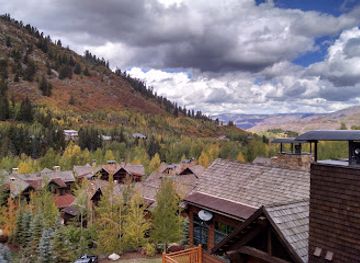
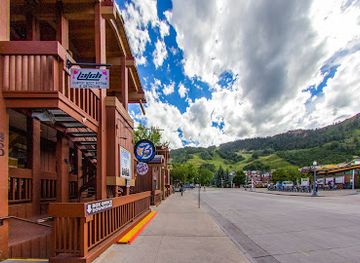
Aspen lies in Colorado’s Roaring Fork Valley, surrounded by the Elk Mountains and shaped by a dramatic transition from silver-mining camp to internationally recognised mountain resort. The town’s compact centre retains a graceful late-nineteenth-century street plan, with Victorian buildings, mature trees and pedestrian-friendly blocks gathered around Main Street and Cooper Avenue. The former mining economy is still visible in the Wheeler-Stallard House, the Holden/Marolt Mining and Ranching Museum and the restored Wheeler Opera House, while the Aspen Historical Society interprets the communities that shaped the valley.Read more about Aspen
Four-Season Mountain Culture
The Roaring Fork Valley
When is the best time to visit Aspen?
Best: June–August · 22–26°C| Month | High (°C) | Rainfall (mm) |
|---|---|---|
| January | 0 | 51 |
| February | 2 | 43 |
| March | 5 | 43 |
| April | 10 | 40 |
| May | 16 | 42 |
| June (best) | 22 | 35 |
| July (best) | 26 | 52 |
| August (best) | 25 | 58 |
| September | 20 | 46 |
| October | 15 | 37 |
| November | 6 | 43 |
| December | 1 | 49 |
Getting to and around Aspen
How to get there
Transportation
Best attractions in Aspen
Aspen’s attractions combine a compact historic centre with an expansive mountain setting. The Aspen Art Museum presents contemporary exhibitions in a distinctive downtown building, while the Wheeler Opera House remains a focal point for performances and civic life. The John Denver Sanctuary, beside the Roaring Fork River, provides landscaped paths and a reflective setting close to the centre. The Silver Queen Gondola rises from Aspen Mountain to high-elevation views and summer walking routes, with skiing in winter. History is interpreted at the Aspen Historical Society’s Wheeler-Stallard House and the Holden/Marolt Mining and Ranching Museum. Outside town, Maroon Bells offers a celebrated alpine landscape and Ashcroft preserves the remains of a former mining settlement; both are nearby excursions rather than attractions within Aspen itself. The Rio Grande Recreation Trail adds an easy, scenic route along the valley floor.
-
Tourist attraction
John Denver Sanctuary
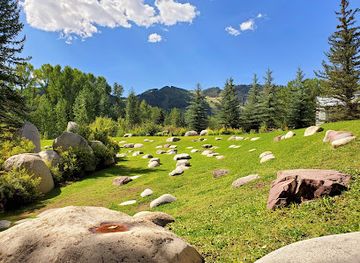
A peaceful sanctuary in Aspen, Colorado, honoring John Denver's life, music, and love for nature. Open dawn to dusk in Rio Grande Park.
2 min walk · 0.2 km from city centre
-
Tourist attraction
John Denver Sanctuary
A serene sanctuary in Aspen, Colorado, honoring John Denver's legacy through nature, music, and community.
2 min walk · 0.2 km from city centre
-
Ski resort
Aspen Highlands Ski Resort
Experience Aspen's maverick mountain: challenging slopes, stunning views, and a local-favorite atmosphere at Aspen Highlands.
10 min drive · 3.5 km from city centre
-
Ski resort
Aspen Mountain Ski Resort
Experience Aspen's legendary slopes: challenging terrain, stunning views, and a rich history await on Aspen Mountain, the heart of Aspen skiing.
7 min walk · 0.5 km from city centre


Best landmarks in Aspen
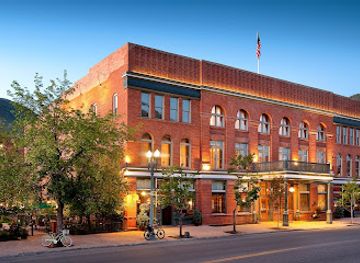
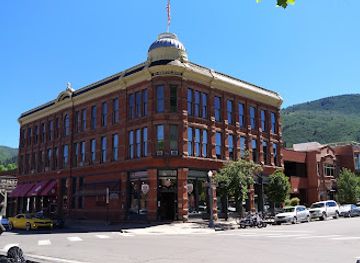
Aspen’s architectural identity is anchored by the Wheeler Opera House, a Romanesque-influenced Victorian-era building opened in 1889 during the silver boom and still used for performances. The Hotel Jerome, completed in 1889, is another survivor of the town’s prosperous mining period and remains one of the most recognisable buildings on Main Street. The Wheeler-Stallard House, now associated with the Aspen Historical Society, represents the grand domestic architecture of the nineteenth-century community. The historic downtown district preserves commercial façades, churches and civic buildings from Aspen’s boom years, while the 1960s Aspen Institute campus reflects the later cultural revival associated with Walter Paepcke. The Ute Cemetery, established in the nineteenth century, is an important place of remembrance and reflects the layered history of the town and valley. Together, these sites connect mining wealth, decline, preservation and cultural reinvention.
-
Cannabis store
Silverpeak Dispensary
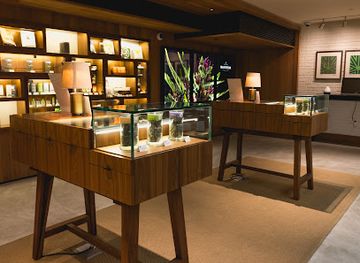
Explore the essence of holistic wellness at Silverpeak Dispensary, Aspen's premier destination for quality cannabis and herbal products.
4 min walk · 0.3 km from city centre
-
Tourist attraction
John Denver Sanctuary
Discover the John Denver Sanctuary, a peaceful retreat in Aspen, Colorado, celebrating the music and spirit of nature through stunning gardens and serene landscapes.
2 min walk · 0.2 km from city centre
-
Hotel
Hotel Jerome, Auberge Resorts Collection
Discover the timeless elegance of Hotel Jerome in Aspen, a luxurious retreat blending historic charm with modern comforts in the heart of the Rockies.
2 min walk · 0.2 km from city centre
-
Live Music
Belly Up Aspen
Experience the electrifying energy of live music at Belly Up Aspen, the premier venue in Colorado's Aspen, blending top-tier performances with a vibrant nightlife scene.
5 min walk · 0.4 km from city centre
Explore Aspen on the map
Plan your Aspen trip on one map. See where the top attractions, landmarks, restaurants, bars and hotels are, find what's near where you're staying, and book hotels and experiences in a few clicks.
Best hotels in Aspen
Best restaurants in Aspen
Aspen’s dining scene reflects its mountain location and affluent resort economy, but it is also shaped by Colorado produce, ranching and the state’s craft-food culture. Menus commonly draw on beef, lamb, trout, seasonal vegetables and regional game, alongside contemporary American cooking, Italian food, sushi, Mexican influences and well-developed bakery and café traditions. Downtown streets around Main Street and Cooper Avenue contain the greatest concentration of restaurants, while the West End offers a more residential setting. Après-ski dining is an important seasonal custom, ranging from informal mountain meals to polished evening restaurants, and summer brings farmers’ markets and a stronger emphasis on fresh local ingredients. Because Aspen serves visitors year-round, reservations and dining patterns can vary sharply between ski season, festival periods and quieter months.
-
Barbecue
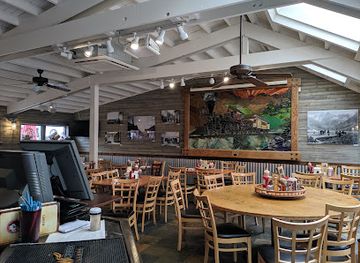
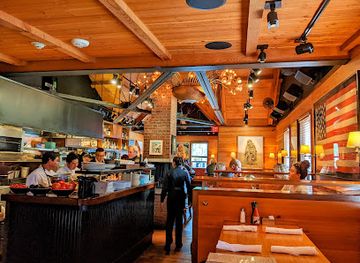
Aspen Hickory House
Experience authentic barbecue at Aspen Hickory House – where hickory-smoked flavors meet mountain hospitality in beautiful Aspen, Colorado.
14 min walk · 1.1 km from city centre
-
American
White House Tavern
Experience the best of American cuisine at White House Tavern in Aspen—where local flavors meet cozy charm.
3 min walk · 0.3 km from city centre
-
Pizza
New York Pizza Aspen
Experience delicious pizza at New York Pizza Aspen – where authentic flavors meet mountain charm.
4 min walk · 0.3 km from city centre
-
Mexican
Mi Chola
Discover authentic Mexican cuisine at Mi Chola in Aspen – where vibrant flavors meet a festive atmosphere.
2 min walk · 0.2 km from city centre
Best bars in Aspen
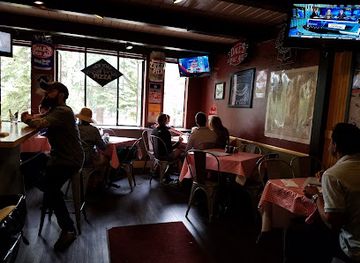
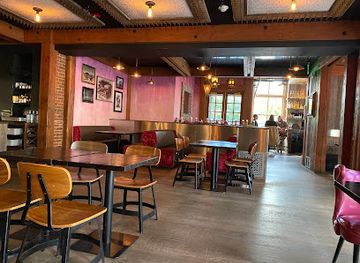
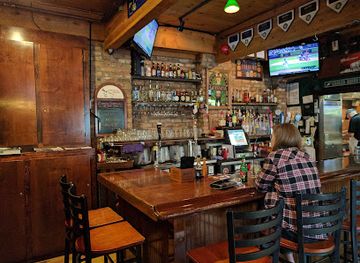
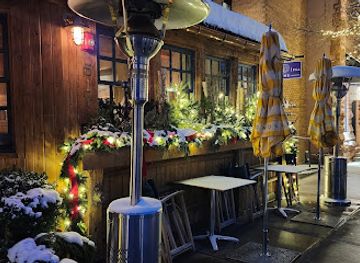
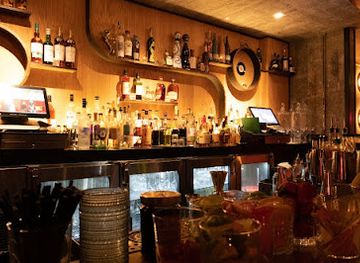
Aspen’s evening scene is centred more on après-ski gatherings, live music and well-established bars than on a large nightclub district. Central Aspen has a concentration of hotel lounges, cocktail bars, casual pubs and venues associated with the ski community, while the historic Hotel Jerome contributes an important piece of the town’s social and architectural character. The Belly Up Aspen is a recognised live-music venue, hosting touring performers and contemporary acts in an intimate setting. The Wheeler Opera House and Aspen Music Festival add theatre, classical music and cultural performances to the evening calendar. Activity is strongest during winter and major summer festival periods, though the town also supports quieter wine bars, restaurant lounges and early-evening socialising suited to a mountain community.
-
American
White House Tavern
Discover the flavors of America at White House Tavern in Aspen, where quality ingredients meet a cozy atmosphere for an unforgettable dining experience.
3 min walk · 0.3 km from city centre
-
Bar
Belly Up Aspen
Experience the nightlife at Belly Up Aspen, where world-class live music meets a vibrant atmosphere and delicious pub fare in the heart of Colorado.
5 min walk · 0.4 km from city centre
-
Grill
Zane's Tavern Aspen
Experience the best of Aspen dining at Zane's Tavern, where delicious grill fare meets a warm, inviting atmosphere.
4 min walk · 0.3 km from city centre
-
Oyster Bar
Clark's Oyster Bar - Aspen
Experience fresh seafood delights at Clark's Oyster Bar in Aspen, where the charm of the Rockies meets the taste of the coast.
4 min walk · 0.3 km from city centre
Best nightclubs in Aspen
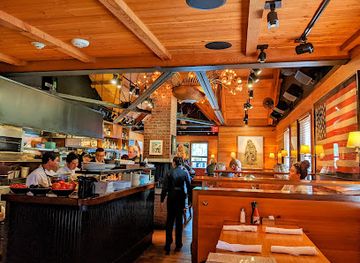
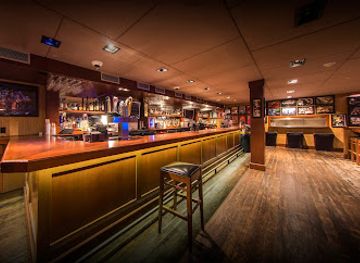
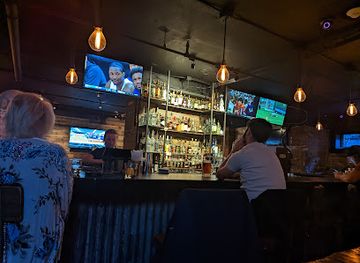
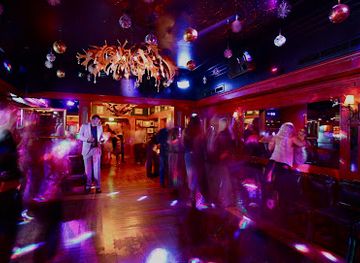
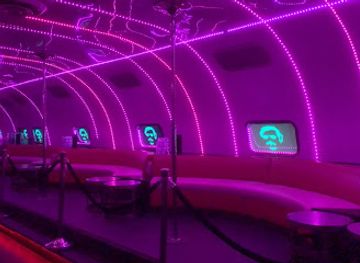
Aspen’s evening scene is centred more on après-ski gatherings, live music and well-established bars than on a large nightclub district. Central Aspen has a concentration of hotel lounges, cocktail bars, casual pubs and venues associated with the ski community, while the historic Hotel Jerome contributes an important piece of the town’s social and architectural character. The Belly Up Aspen is a recognised live-music venue, hosting touring performers and contemporary acts in an intimate setting. The Wheeler Opera House and Aspen Music Festival add theatre, classical music and cultural performances to the evening calendar. Activity is strongest during winter and major summer festival periods, though the town also supports quieter wine bars, restaurant lounges and early-evening socialising suited to a mountain community.
-
Bar
Silver City Aspen
Discover the pulse of Aspen's nightlife at Silver City Aspen, a lively bar with live music, sports excitement, and unforgettable mountain views.
3 min walk · 0.3 km from city centre
-
Night club
Caribou Club
Experience the ultimate nightlife at Caribou Club, Aspen's premier night club and fine dining destination, where elegance meets excitement.
3 min walk · 0.2 km from city centre
-
Night club
Escobar Aspen
Dance the night away at Escobar Aspen, a premier night club and bar offering a vibrant atmosphere, creative cocktails, and unforgettable entertainment.
3 min walk · 0.3 km from city centre
-
Cocktail bar
Ponyboy Aspen
Discover the vibrant nightlife of Ponyboy Aspen, where expertly crafted cocktails and a lively atmosphere create unforgettable evenings in the heart of Colorado.
7 min walk · 0.5 km from city centre
Best shops in Aspen
Shopping in Aspen is concentrated in the walkable downtown grid, particularly along streets such as Galena Street, Cooper Avenue and Main Street. The retail mix includes outdoor equipment, ski and cycling shops, art galleries, jewellery, fashion, homeware and independent boutiques, with a strong emphasis on mountain lifestyle and contemporary design. Visitors can also find Colorado-made food products, books, crafts and practical goods suited to the region’s outdoor culture. The Aspen Saturday Market, held seasonally when scheduled, brings local makers, growers and food producers into the centre and offers a more community-oriented alternative to the permanent retail scene. Shopping in the West End is quieter and more residential, while nearby valley communities provide additional everyday services. Prices and opening patterns vary considerably by season, particularly during winter and major cultural events.
-
Cannabis store
Silverpeak Dispensary
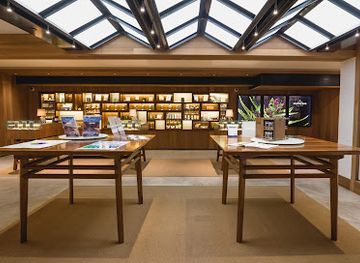
Explore the vibrant cannabis culture at Silverpeak Dispensary, a premier destination for quality products and holistic health in Aspen, Colorado.
4 min walk · 0.3 km from city centre
-
Cannabis store
The Green Joint - Aspen Rec Dispensary
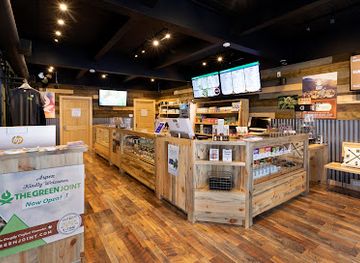
Experience the best of Aspen's cannabis culture at The Green Joint, where quality products meet exceptional service in a stunning mountain setting.
6 min walk · 0.5 km from city centre
-
Outdoor sports store
Ute Mountaineer
Discover Ute Mountaineer in Aspen, the ultimate outdoor sports store for skiing, camping, and adventure gear, surrounded by breathtaking mountain views.
3 min walk · 0.3 km from city centre
-
Watch store
Meridian Jewelers
Discover luxury and craftsmanship at Meridian Jewelers in Aspen, where timeless elegance meets exceptional service.
5 min walk · 0.4 km from city centre

Get your free copy of our complete guide to Aspen, delivered straight to you.
Everything on this page, from attractions and restaurants to essentials and local phrases, in one PDF you can read offline, print or share.
Already have an account? Sign in
Your Aspen guide is ready.
We'll send it to · Not you? Sign out

Getting your guide ready…
We are putting together a fresh copy of the Aspen guide. This can take up to a minute.
This can take a few moments. If your browser asks, choose Allow so the download can start. You'll find the guide in your Downloads folder.
Nothing happened? Download it again
Sorry, the guide is taking longer than usual. Please try again in a minute, or get it by email instead.
Aspen essentials
Currency and Payment
Safety
Emergency Situations
Do's and Don'ts
Local Tips
From Eve
Local phrases worth knowing
You don't need to get them perfect. A few words go a long way, and locals appreciate the effort.
Basics
| English | Local | Say it |
|---|---|---|
| Hello | Howdy | [haw-dee] |
| Goodbye | Catch you later | [ketch yoo lay-tur] |
| Yes | Yep | [yep] |
| No | Nope | [nohp] |
| Please/You're welcome | Please/No worries | [pleez/noh wur-eez] |
| Thank you | Thanks a bunch | [thanks uh bunch] |
| Excuse me/Sorry | Pardon me/My bad | [par-dun me/my bad] |
| How are you? | Howdy partner, how's it goin'? | [haw-dee parrt-nur, howz it go-in] |
| Fine. And you? | Just peachy. How 'bout you? | [just pee-chee. how bout yoo] |
| Do you speak English? | You speak English? | [yoo speak ing-lish] |
| I don't understand | Say what now? | [say what now] |
Eating & Drinking
| English | Local | Say it |
|---|---|---|
| I'd like to see the menu, please | Can I check out the grub list? | [can eye chek out the grub list] |
| I don't eat meat | I'm vegetarian | [im veg-eh-tear-ee-an] |
| Cheers! | Bottoms up! | [bot-ums up] |
| I would like to pay, please | Check, please | [chek, please] |
Emergencies
| English | Local | Say it |
|---|---|---|
| Help! | SOS! | [S-O-S] |
| Go away! | Get lost! | [get lost] |
| Call the Police! | Ring the cops! | [ring the cops] |
| Call a doctor! | Get me a doc! | [get me a doc] |
| I'm lost | I'm all turned around | [im all turn-ed around] |
| I'm ill | I'm under the weather | [im un-dur the weh-thur] |
Shopping
| English | Local | Say it |
|---|---|---|
| I'd like to buy... | I wanna snag... | [i wanna snag] |
| I'm just looking | Just browsing | [just bro-zing] |
| How much is it? | What's the damage? | [whats the dam-ij] |
| That's too expensive | That's a bit steep | [thats a bit steep] |
| Can you lower the price? | Can you cut me a deal? | [can yoo cut me a deal] |
Time & Numbers
| English | Local | Say it |
|---|---|---|
| What time is it? | What's the time? | [whats the time] |
| It's one o'clock | It's one | [its one] |
| Half past (10) | Ten thirty | [ten thur-tee] |
| Morning | Mornin' | [morn-in] |
| Afternoon | Arvo | [ar-vo] |
| Evening | Evenin' | [even-in] |
| Yesterday | Yest'day | [yest-day] |
| Today | Today | [to-day] |
| Tomorrow | Tomorra | [tom-or-ra] |
| 1 | One | [wun] |
| 2 | Two | [too] |
| 3 | Three | [three] |
| 4 | Four | [four] |
| 5 | Five | [five] |
| 6 | Six | [siks] |
| 7 | Seven | [sev-en] |
| 8 | Eight | [ate] |
| 9 | Nine | [nien] |
| 10 | Ten | [ten] |
Transport & Directions
| English | Local | Say it |
|---|---|---|
| Where's a/the...? | Where's the... | [wheres the] |
| What's the address? | What's the addy? | [whats the add-ee] |
| Can you show me (on the map)? | Can you point it out? | [can yoo point it out] |
| When's the next (bus)? | When's the next ride? | [whens the next ride] |
| A ticket (to ....) | A pass (to ...) | [a pass to] |
History of Aspen
Ute Homelands and Early Settlement
The Roaring Fork Valley lies within the traditional homeland of the Ute people, whose communities travelled through and relied upon the central Colorado mountains long before the creation of Aspen. Euro-American settlement accelerated in the nineteenth century as prospectors and entrepreneurs entered the region during the Colorado mining era. The town first developed as Ute City in the late 1870s, near rich deposits of silver along the Roaring Fork. Its location reflected both mineral opportunity and the valley’s difficult mountain geography, which influenced transport, trade and settlement patterns for generations.
Silver Boom and Victorian Aspen
Aspen became one of Colorado’s principal silver towns after the arrival of large-scale mining in the early 1880s. Rail connections and growing investment helped produce banks, hotels, shops, churches and civic buildings, many of which established the architectural character still visible in the downtown district. The silver economy brought workers and business interests from across the United States and beyond, creating a socially varied but sharply unequal community. The Wheeler Opera House, opened in 1889, represented the town’s prosperity and ambition. Aspen’s population and fortunes were closely tied to the price and political status of silver.
The Silver Crash and Long Decline
The repeal of federal support for silver through the Sherman Silver Purchase Act in 1893 contributed to a severe economic collapse in Aspen. Mines closed or reduced operations, businesses struggled and many residents left. The town entered a long period of decline, while the surrounding valley gradually developed more agricultural and ranching activity. Buildings from the boom years survived partly because limited investment and population loss spared much of the historic centre from wholesale redevelopment. The Wheeler-Stallard House and surviving commercial blocks now help explain the contrast between Aspen’s nineteenth-century wealth and its quieter early twentieth-century decades.
Paepcke and the Cultural Revival
A new chapter began in the 1940s, when Chicago industrialist Walter Paepcke and his wife, Elizabeth, helped promote Aspen as a place for intellectual exchange, education and outdoor recreation. The 1949 Goethe Bicentennial, organised with Paepcke’s support, brought international attention and helped inspire the Aspen Institute. At the same time, the Aspen Skiing Corporation developed skiing on Aspen Mountain, with the first lift opening in 1946. This combination of mountain recreation, design, philosophy and cultural programming created the foundations of the modern resort while encouraging preservation of the historic townscape.
A Modern Alpine Community
Post-war Aspen expanded from a small former mining town into a global resort destination, with skiing joined by music, visual art, literary discussion and high-end hospitality. The Aspen Music Festival and School, founded in 1949, became a major summer institution, while the Aspen Institute continued to bring together political, academic and cultural figures. Growth also produced familiar pressures, including housing costs, traffic, seasonal employment and debates about development and environmental protection. Today, Aspen’s identity rests on the coexistence of preserved mining-era architecture, a sophisticated cultural calendar and continuing access to the mountain landscape.
Aspen in Photos
Browse through our photo collection highlighting the charm and character of the destination.
Cities near Aspen
The closest cities to Aspen, if you have time for more than one stop.
-

-

-
-

-


Swipe for more cities
Explore more

Explore more of Colorado
Discover Colorado: A stunning blend of rugged mountains, vibrant cities, and rich history, offering endless adventures and unforgettable experiences.
Explore Colorado