

Free Vail Travel Guide & Mobile App
Plan your Vail trip with Evendo. Get free guides to top attractions, restaurants, hotels, and bars. Web access or download the mobile app.


Vail, Colorado pairs European-inspired mountain architecture with skiing, alpine trails, cultural events, fine dining and year-round Rocky Mountain adventures.
A Purpose-Built Mountain Village
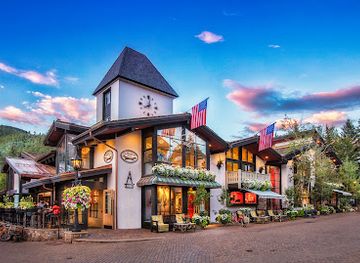
Vail occupies a broad valley beneath the Gore Range, its carefully planned resort centre spread along the southern side of Vail Mountain. Founded as a ski resort in 1962, it is known for Vail Village’s pedestrian lanes, stone-and-timber buildings, covered bridges and European-inspired architectural character. The resort is larger and more varied than its compact village might suggest, extending from East Vail through the central village to Lionshead, with Gore Creek providing a thread of water and woodland through the developed valley.Read more about Vail
Mountain Culture and Outdoor Life
The Valley Around Vail
When is the best time to visit Vail?
Best: June–August · 17–22°C| Month | High (°C) | Rainfall (mm) |
|---|---|---|
| January | -2 | 50 |
| February | 1 | 45 |
| March | 4 | 45 |
| April | 8 | 45 |
| May | 13 | 50 |
| June (best) | 17 | 40 |
| July (best) | 22 | 40 |
| August (best) | 21 | 40 |
| September | 16 | 40 |
| October | 11 | 40 |
| November | 3 | 40 |
| December | 0 | 50 |
Getting to and around Vail
How to get there
Transportation
Best attractions in Vail
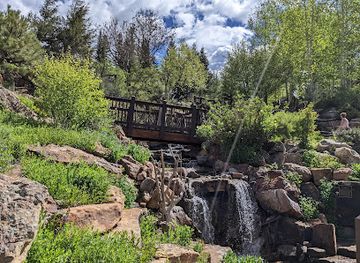
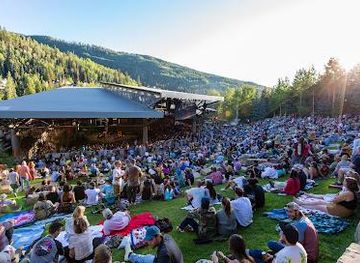
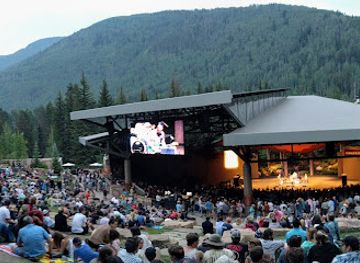
Vail Mountain is the resort’s defining attraction, offering extensive skiing and snowboarding in winter and hiking, scenic lift rides and mountain recreation in summer. At valley level, Vail Village provides a carefully designed pedestrian environment of bridges, lanes and public spaces, while Lionshead has its own shops, restaurants and access to the slopes. The Colorado Snowsports Museum and Hall of Fame traces the development of skiing in the state and the achievements of local athletes. Betty Ford Alpine Gardens introduces high-altitude plants through themed gardens beside Gore Creek, and the Gerald R. Ford Amphitheater hosts concerts and performances in a dramatic outdoor setting. Walking and cycling paths reveal the wooded valley beyond the commercial centre, with aspen stands, rushing water and views towards the Gore Range adding a slower, more spacious dimension to the resort experience.
-
Botanical garden
Betty Ford Alpine Gardens
Discover the beauty of high-altitude flora at the Betty Ford Alpine Gardens, the highest botanical garden in North America, located in Vail, Colorado.
11 min walk · 0.8 km from city centre
-
Botanical garden
Betty Ford Alpine Gardens
Explore the world's highest botanical garden in Vail, Colorado, with stunning alpine flora and breathtaking mountain views.
11 min walk · 0.8 km from city centre
-
Performing arts theater
Gerald R. Ford Amphitheater (The Amp)
Experience world-class performances amidst stunning mountain scenery at Vail's iconic Gerald R. Ford Amphitheater.
11 min walk · 0.9 km from city centre
-
Performing arts theater
Gerald R. Ford Amphitheater (The Amp)
Experience world-class performances amidst stunning scenery at Vail's iconic Gerald R. Ford Amphitheater, a hub for music, dance, and community events.
11 min walk · 0.9 km from city centre

Best landmarks in Vail
Vail Village is itself the resort’s most recognisable architectural landmark, with pedestrian lanes, covered bridges, timber-and-stone façades and a deliberate alpine vocabulary developed after the resort opened in 1962. The adjacent Vail Mountain landscape gives the village its visual setting, while the Lionshead area offers a second, distinct expression of the resort’s European-inspired planning. The Colorado Snowsports Museum and Hall of Fame is significant as an institution preserving Colorado’s skiing history, equipment and competition heritage. Betty Ford Alpine Gardens represents Vail’s interest in high-altitude horticulture and environmental interpretation, and the Gerald R. Ford Amphitheater has become an important cultural structure through its open-air performances. Gore Creek, crossed by footbridges and followed by paths, is a natural feature woven into the physical identity of the developed valley.
-
Botanical garden
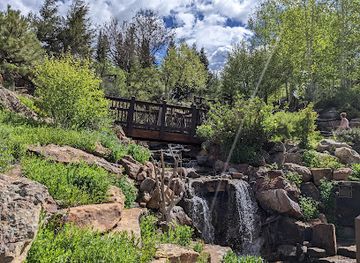
Betty Ford Alpine Gardens
Explore the enchanting Betty Ford Alpine Gardens in Vail, Colorado, a breathtaking botanical retreat showcasing diverse alpine flora and stunning mountain views.
11 min walk · 0.8 km from city centre
-
German
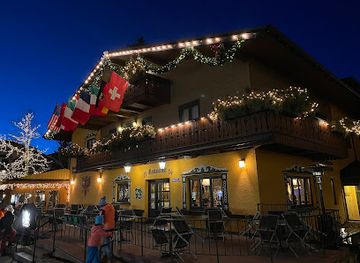
Alpenrose Vail
Experience authentic German cuisine at Alpenrose Vail, where Bavarian tradition meets Colorado's stunning mountain backdrop.
3 min walk · 0.3 km from city centre
-
 Hotel
HotelSonnenalp Vail
Discover the elegance of Sonnenalp Vail, a luxurious mountain hotel offering unparalleled comfort, exquisite dining, and breathtaking scenery in the heart of Colorado.
4 min walk · 0.4 km from city centre
-
Hotel
The Arrabelle at Vail Square
Discover unparalleled luxury and alpine beauty at The Arrabelle at Vail Square, your ultimate mountain retreat in Vail, Colorado.
16 min walk · 1.3 km from city centre
Explore Vail on the map
Plan your Vail trip on one map. See where the top attractions, landmarks, restaurants, bars and hotels are, find what's near where you're staying, and book hotels and experiences in a few clicks.
Best hotels in Vail
Best restaurants in Vail
Vail’s dining scene combines polished resort restaurants with relaxed cafés, après-ski tables, bakeries and bars spread through Vail Village, Lionshead and the surrounding valley. Menus commonly draw on contemporary American cooking, Colorado produce, steaks, seafood and game, alongside European influences that reflect the resort’s alpine design and international clientele. Hearty mountain fare, soups, burgers and wood-fired dishes suit winter days, while summer kitchens make use of seasonal vegetables and outdoor terraces when weather permits. Vail Village has the greatest concentration of dining rooms, from refined experiences to casual counters, while Lionshead offers a similarly walkable evening circuit. Nearby Minturn adds an independent small-town setting to the broader valley food culture, though dining styles and opening patterns are strongly seasonal and reservations can matter during busy periods.
-
Breakfast
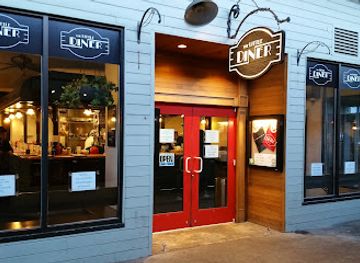
The Little Diner
Experience delightful breakfasts at The Little Diner in Vail - where hearty meals meet charming mountain vibes.
17 min walk · 1.4 km from city centre
-
New American
Mountain Standard
Experience the best of New American cuisine at Mountain Standard in Vail, where local flavors meet modern culinary artistry.
3 min walk · 0.2 km from city centre
-
Pizza
Pazzo's Pizzeria
Experience authentic Italian flavors at Pazzo's Pizzeria in Vail - where every slice tells a delicious story amidst stunning mountain views.
2 min walk · 0.2 km from city centre
-
Restaurant
Garfinkel's
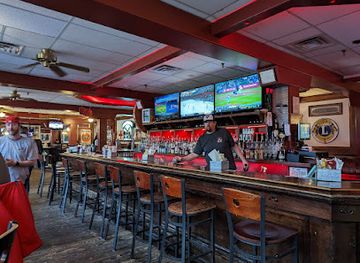
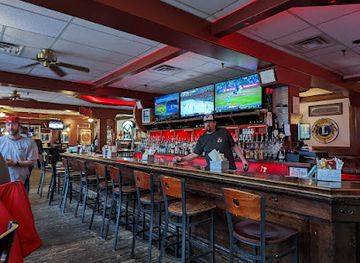
Experience delicious cuisine and exhilarating sports action at Garfinkel's in Vail—your go-to restaurant and bar for fun!
15 min walk · 1.2 km from city centre
Best bars in Vail
Vail’s evening life is centred on après-ski gatherings, restaurant bars, lounges, live music and relaxed social venues rather than a large nightclub scene. Vail Village and Lionshead provide the main concentrations of bars, where the atmosphere shifts from early-afternoon ski conversations to cocktails, craft beer, wine and live performances after dark. The resort also presents concerts and arts programming at the Gerald R. Ford Amphitheater during the warmer months, while seasonal festivals bring music and public events into the villages. Some evenings are quiet, particularly outside holiday and event periods, and venues can follow seasonal schedules. Visitors should account for Colorado alcohol regulations, use the local bus network or a designated driver after drinking, and remember that mountain weather can make late-night travel slower than it appears on a map.
-
Bar
Mountain Standard
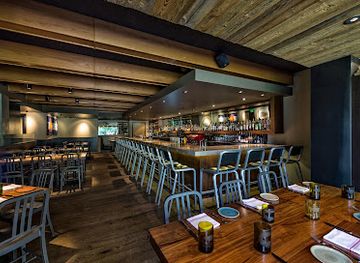
Experience the taste of Vail at Mountain Standard, where New American dishes meet a cozy mountain atmosphere for an unforgettable dining experience.
3 min walk · 0.2 km from city centre
-
Sports bar
Garfinkel's
Discover Garfinkel's in Vail: A sports bar with delicious food and an exciting atmosphere for sports lovers and foodies alike.
15 min walk · 1.2 km from city centre
-
American
The George Restaurant & Pub
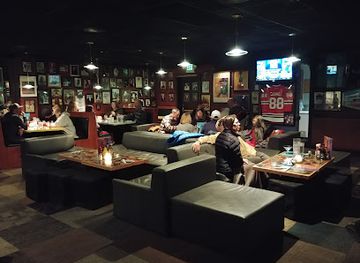
Discover the vibrant atmosphere and delicious American cuisine at The George Restaurant & Pub in Vail, Colorado – a perfect spot for food lovers and adventurers alike.
3 min walk · 0.2 km from city centre
-
Bar
Pepi's Bar & Restaurant
Discover Pepi's Bar & Restaurant in Vail for a delightful blend of American and Austrian cuisine amidst a charming alpine atmosphere.
3 min walk · 0.3 km from city centre
Best nightclubs in Vail
Vail’s evening life is centred on après-ski gatherings, restaurant bars, lounges, live music and relaxed social venues rather than a large nightclub scene. Vail Village and Lionshead provide the main concentrations of bars, where the atmosphere shifts from early-afternoon ski conversations to cocktails, craft beer, wine and live performances after dark. The resort also presents concerts and arts programming at the Gerald R. Ford Amphitheater during the warmer months, while seasonal festivals bring music and public events into the villages. Some evenings are quiet, particularly outside holiday and event periods, and venues can follow seasonal schedules. Visitors should account for Colorado alcohol regulations, use the local bus network or a designated driver after drinking, and remember that mountain weather can make late-night travel slower than it appears on a map.
-
American
The George Restaurant & Pub
Experience the best of American cuisine and vibrant pub culture at The George Restaurant & Pub in Vail, Colorado, a must-visit for food lovers.
3 min walk · 0.2 km from city centre
-
Bar
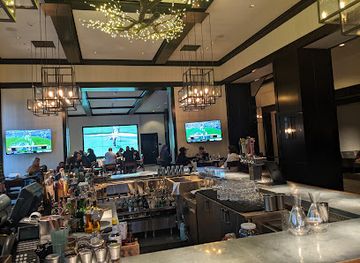
The Remedy Bar at Four Seasons Resort and Residences Vail
Discover The Remedy Bar at Four Seasons Vail, a luxurious blend of relaxation, delightful cuisine, and exquisite drinks in the heart of the Rockies.
5 min walk · 0.4 km from city centre
-
Bar
Bart & Yeti's
Discover the charm of Bart & Yeti's in Vail: a delightful bar and restaurant offering exceptional food and drink in a warm, inviting setting.
15 min walk · 1.2 km from city centre
-
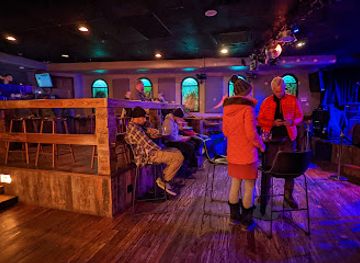
Night club
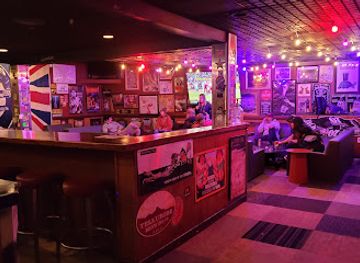
Shakedown Bar
Discover the vibrant nightlife at Shakedown Bar in Vail, where live music, great drinks, and dancing create unforgettable experiences.
4 min walk · 0.3 km from city centre
Best shops in Vail
Shopping in Vail is concentrated in the pedestrian lanes of Vail Village and Lionshead, where independent boutiques, outdoor retailers, galleries, jewellers, clothing shops and specialist stores occupy alpine-style buildings. Visitors will find equipment and apparel suited to skiing, hiking and other mountain activities, alongside art, accessories, homewares and gifts designed for a resort audience. Colorado-themed goods, locally made art and regional food products can provide more distinctive souvenirs than generic ski merchandise, while galleries reflect the wider Rocky Mountain interest in landscape, wildlife and Western subjects. The shopping environment is compact and walkable, with a polished character rather than a traditional open-air market atmosphere. Minturn, a short distance down the valley, offers a more small-town retail setting, including independent businesses and seasonal community events.
-
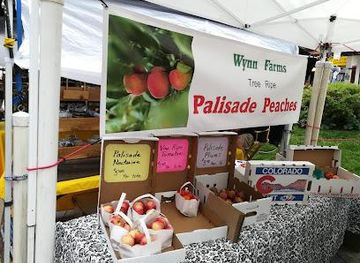
Farmers' market
Vail Farmers' Market
Discover fresh produce, local crafts, and vibrant community spirit at the Vail Farmers' Market in picturesque Vail, Colorado.
2 min walk · 0.2 km from city centre
-
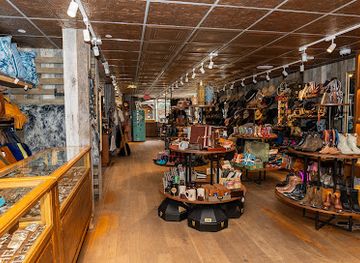
Western apparel store
Kemo Sabe Vail
Explore Kemo Sabe Vail for unique western apparel, stylish boots, and exquisite jewelry that embody the spirit of the American West.
3 min walk · 0.2 km from city centre
-
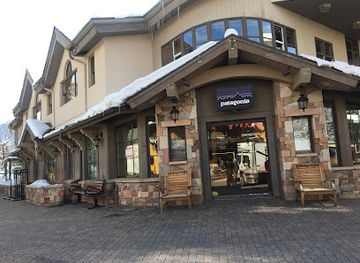
Sportswear store
Patagonia - Vail Village
Discover top-quality outdoor gear at Patagonia in Vail Village, where adventure meets sustainability in the heart of Colorado's stunning landscape.
4 min walk · 0.3 km from city centre
-
Clothing store
Gorsuch
Discover Gorsuch in Vail, where chic women's fashion meets top-notch ski apparel for an unforgettable shopping experience.
3 min walk · 0.2 km from city centre
Get your free copy of our complete guide to Vail, delivered straight to you.
Everything on this page, from attractions and restaurants to essentials and local phrases, in one PDF you can read offline, print or share.
Already have an account? Sign in
Your Vail guide is ready.
We'll send it to · Not you? Sign out

Getting your guide ready…
We are putting together a fresh copy of the Vail guide. This can take up to a minute.
This can take a few moments. If your browser asks, choose Allow so the download can start. You'll find the guide in your Downloads folder.
Nothing happened? Download it again
Sorry, the guide is taking longer than usual. Please try again in a minute, or get it by email instead.
Vail essentials
Currency and Payment
Safety
Emergency Situations
Do's and Don'ts
Local Tips
From Eve
Local phrases worth knowing
You don't need to get them perfect. A few words go a long way, and locals appreciate the effort.
Basics
| English | Local | Say it |
|---|---|---|
| Hello | Howdy | [hahw-dee] |
| Goodbye | See ya | [see yah] |
| Yes | Yep | [yep] |
| No | Nope | [nohp] |
| Please/You're welcome | Please/Thank ya | [pleez/thank yah] |
| Thank you | Thanks | [thanks] |
| Excuse me/Sorry | Pardon me | [pahr-dn mee] |
| How are you? | Howdy | [hahw-dee] |
| Fine. And you? | Doing good. How 'bout you? | [doo-in gud. how 'bout yuh] |
| Do you speak English? | You speak English? | [yuh speek ing-lish] |
| I don't understand | I'm lost | [ahm lost] |
Eating & Drinking
| English | Local | Say it |
|---|---|---|
| I'd like to see the menu, please | Can I check out the menu? | [can eye chek out the men-yoo] |
| I don't eat meat | I'm a veggie | [ahm uh veh-gee] |
| Cheers! | Cheers! | [cheers] |
| I would like to pay, please | Check, please | [chek, pleez] |
Emergencies
| English | Local | Say it |
|---|---|---|
| Help! | Help! | [help] |
| Go away! | Beat it! | [beet it] |
| Call the Police! | Call the cops! | [call the cops] |
| Call a doctor! | Get a doc! | [get a doc] |
| I'm lost | I'm lost | [ahm lost] |
| I'm ill | I'm sick | [ahm sik] |
Shopping
| English | Local | Say it |
|---|---|---|
| I'd like to buy... | I wanna buy... | [eye wa-nuh buy] |
| I'm just looking | Just browsing | [just brow-zing] |
| How much is it? | How much? | [how much] |
| That's too expensive | Too pricey | [too pry-see] |
| Can you lower the price? | Can you do a deal? | [can yuh do a deel] |
Time & Numbers
| English | Local | Say it |
|---|---|---|
| What time is it? | What's the time? | [whats the time] |
| It's one o'clock | It's one | [its one] |
| Half past (10) | Half past ten | [half past ten] |
| Morning | Morning | [morning] |
| Afternoon | Afternoon | [afternoon] |
| Evening | Evening | [evening] |
| Yesterday | Yesterday | [yest-er-day] |
| Today | Today | [to-day] |
| Tomorrow | Tomorrow | [to-mor-row] |
| 1 | One | [wuhn] |
| 2 | Two | [too] |
| 3 | Three | [three] |
| 4 | Four | [for] |
| 5 | Five | [fahyv] |
| 6 | Six | [siks] |
| 7 | Seven | [sev-uhn] |
| 8 | Eight | [ayt] |
| 9 | Nine | [nahyn] |
| 10 | Ten | [ten] |
Transport & Directions
| English | Local | Say it |
|---|---|---|
| Where's a/the...? | Where's the...? | [wheres the] |
| What's the address? | What's the addy? | [whats the addy] |
| Can you show me (on the map)? | Can you show me (on the map)? | [can yuh show me (on the map)] |
| When's the next (bus)? | When's the next (bus)? | [whens the next (bus)] |
| A ticket (to ....) | A ticket (to ....) | [a ticket (to)] |
History of Vail
Ute Homelands and Mountain Territory
The Vail Valley lies within the traditional homeland of the Ute people, who used the central Colorado mountains for seasonal travel, hunting and gathering long before the arrival of Euro-American settlement. The landscape later became part of a changing frontier shaped by mining, ranching, military surveying and expanding transport routes. Federal creation and management of surrounding public lands helped preserve much of the mountainous terrain, although the history of the region also includes the displacement and forced removal of Indigenous communities from Colorado.
The Valley Before the Resort
Before Vail was established, the valley was a sparsely developed mountain environment associated with ranching, forestry and transportation across the Rockies. The pass and valley took the name Vail from Charles Vail, a Colorado highway official connected with early road development in the region. Improved roads and the growing popularity of winter recreation gradually made the area more accessible, creating conditions for a large ski development rather than a traditional mining town or long-established agricultural settlement.
The Resort Opens in 1962
Vail began operations in December 1962, founded by Pete Seibert and Earl Eaton after Seibert, a former ski racer and member of the 1950 United States Alpine Ski Team, identified the mountain’s potential. Its planners drew on European ski-resort ideas while designing a new American resort with a pedestrian village at its centre. The opening transformed the valley’s economy and physical appearance, introducing lifts, hotels, residences and commercial services on a scale that had not previously existed there.
Village Growth and International Recognition
During the later twentieth century, Vail expanded from a pioneering ski area into a major four-season resort. Vail Village and Lionshead developed distinct clusters of lodging, retail and dining, while new lifts and terrain increased access across the mountain. The resort’s reputation grew through major competitions and international winter tourism, including its role alongside Beaver Creek in the 1999 and 2015 FIS Alpine World Ski Championships. Expansion also brought debates about development, traffic, housing and the environmental pressures associated with mountain tourism.
A Four-Season Cultural Resort
Vail’s later identity broadened beyond winter sport through summer festivals, concerts, gardens, museums, hiking and cycling. The Betty Ford Alpine Gardens, established in 1988, reflects the community’s interest in high-altitude horticulture and conservation, while the Gerald R. Ford Amphitheater became an important outdoor performance venue. Today, the resort combines a planned twentieth-century village with protected mountain landscapes, a service economy shaped by global visitors and an ongoing effort to balance recreation, community life and the fragile alpine environment.
Vail in Photos
Browse through our photo collection highlighting the charm and character of the destination.
Cities near Vail
The closest cities to Vail, if you have time for more than one stop.
-

-

-
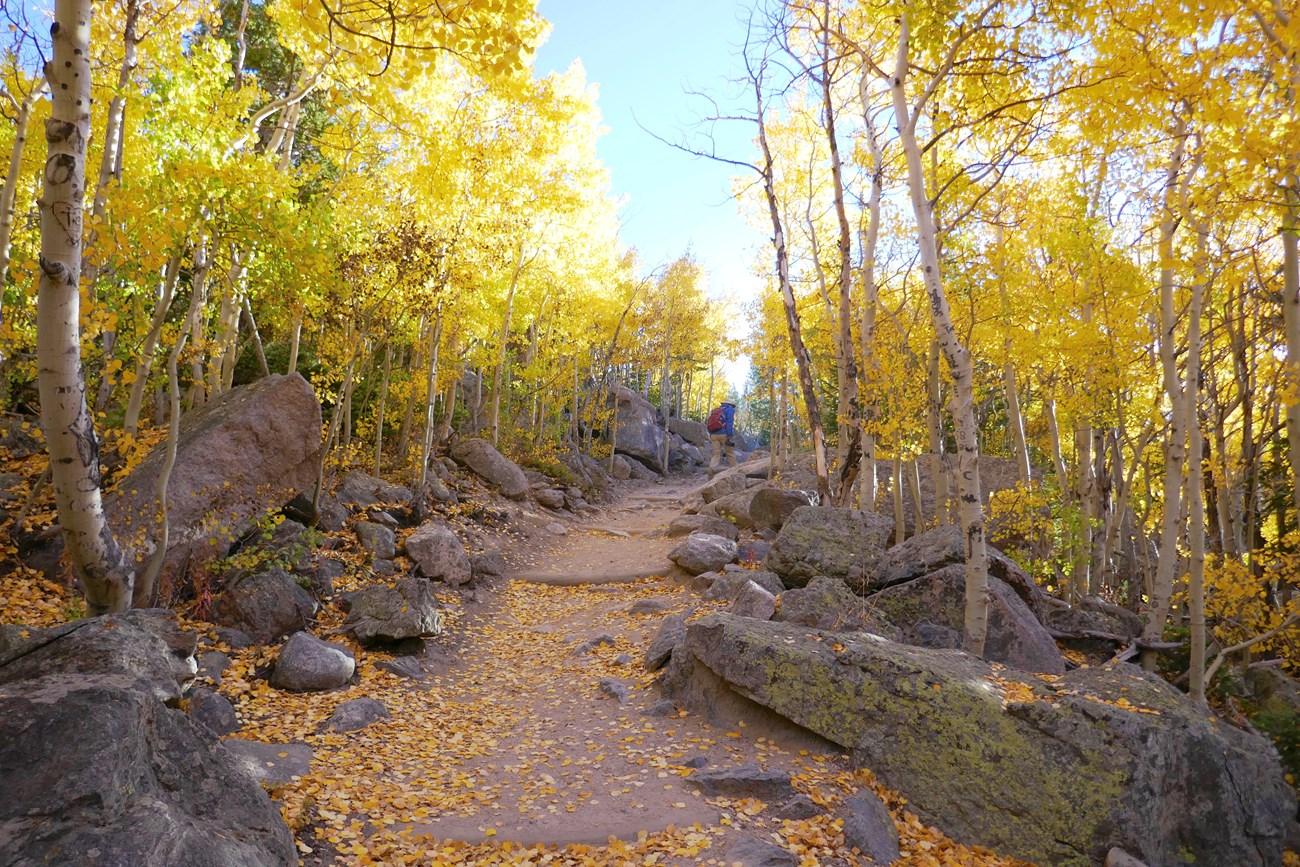 Aspen
Aspen, Colorado blends silver-mining history, Rocky Mountain scenery, world-class skiing, arts, dining and year-round outdoor adventures in every season.
1 h 23 min drive · 63 km from city centre
Aspen
Aspen, Colorado blends silver-mining history, Rocky Mountain scenery, world-class skiing, arts, dining and year-round outdoor adventures in every season.
1 h 23 min drive · 63 km from city centre
-
-


Swipe for more cities
Explore more

Explore more of Colorado
Discover Colorado: A stunning blend of rugged mountains, vibrant cities, and rich history, offering endless adventures and unforgettable experiences.
Explore Colorado