

Free Danbury Travel Guide & Mobile App
Plan your Danbury trip with Evendo. Get free guides to top attractions, restaurants, hotels, and bars. Web access or download the mobile app.


Danbury, Connecticut blends hat-making history, Candlewood Lake scenery, lively Portuguese flavours, museums and New England day-trip appeal.
A City Shaped by Industry
Danbury occupies a meeting point between southwestern Connecticut and New York's Hudson Valley hinterland, with a history that is unusually visible in its civic buildings, museums and older neighbourhoods. The city began as a seventeenth-century inland settlement and later became internationally associated with hat-making. During the nineteenth and early twentieth centuries, factories along the Still River produced felt hats for markets across the United States, attracting workers and families from Europe and helping to create the multicultural character that remains one of Danbury's defining qualities.Read more about Danbury
History, Arts and Local Life
Water and Woodland
When is the best time to visit Danbury?
Best: June, August–September · 23–27°C| Month | High (°C) | Rainfall (mm) |
|---|---|---|
| January | 4 | 85 |
| February | 4 | 75 |
| March | 9 | 100 |
| April | 16 | 105 |
| May | 20 | 100 |
| June (best) | 26 | 105 |
| July | 28 | 110 |
| August (best) | 27 | 105 |
| September (best) | 23 | 95 |
| October | 17 | 100 |
| November | 11 | 100 |
| December | 4 | 95 |
Getting to and around Danbury
How to get there
Transportation
Best attractions in Danbury
Danbury's attractions combine industrial history, arts and outdoor space. The Danbury Railway Museum occupies the city's former Union Station and presents railway equipment and local transport history in a setting that evokes Danbury's manufacturing past. At the Danbury Museum and Historical Society, historic houses and collections explain the community's development, including its famous hatting industry. Tarrywile Park offers woodland trails, meadows, ponds and views around the restored Tarrywile Mansion, providing a substantial green retreat close to the urban centre. The Ives Center for the Arts presents performances in grounds associated with composer Charles Ives, while Candlewood Lake brings boating, swimming and shoreline recreation to the city's western edge. Downtown's Main Street and adjacent streets are worth exploring for civic architecture, independent businesses and the cultural mix that followed successive waves of immigration. The Danbury Fair area adds large-scale retail and entertainment, contrasting with the quieter historic and natural attractions.
-
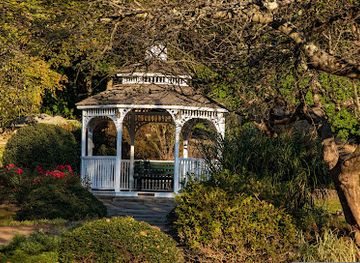
Park
Tarrywile Mansion
Discover Victorian elegance and natural beauty at Tarrywile Mansion and Park in Danbury, CT – a historic landmark with gardens and scenic trails.
9 min drive · 2.9 km from city centre
-
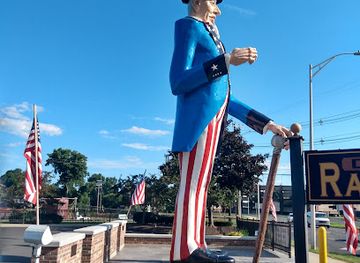
Tourist attraction
Danbury Railway Museum
Explore the rich history of rail transport at the Danbury Railway Museum, featuring vintage trains and engaging exhibits for all ages.
7 min drive · 2.3 km from city centre
-
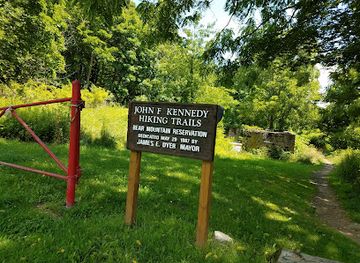
Tourist attraction
Bear Mountain Reservation
Explore scenic trails, lake views, and natural beauty at Danbury's Bear Mountain Reservation, a perfect outdoor escape for all ages and abilities.
16 min drive · 5.4 km from city centre
-
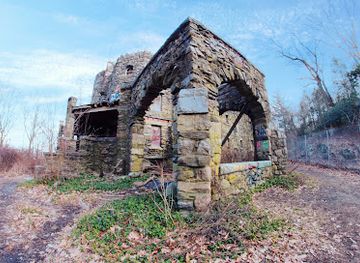
Tourist attraction
Hearthstone Castle
Explore the historical charm and architectural beauty of Hearthstone Castle, a serene landmark in Danbury, Connecticut, surrounded by nature's splendor.
10 min drive · 3.4 km from city centre
Best landmarks in Danbury
Danbury's landmarks tell the story of a town that became an industrial city. The Danbury Museum and Historical Society preserves historic houses and collections linked to local domestic life, civic development and the hat-making era. The former Union Station, now part of the Danbury Railway Museum, represents the railway infrastructure that connected factories and markets beyond western Connecticut. The Danbury City Hall and surrounding downtown civic buildings give Main Street and Deer Hill Avenue a formal municipal character, while the Danbury Library occupies a prominent place in the city's cultural life. Tarrywile Mansion, set within the larger Tarrywile Park, recalls the estates and landscaped properties that survived alongside urban growth. The Ives Center for the Arts marks Danbury's association with composer Charles Ives, and the city's historic churches and neighbourhood institutions reflect the succession of communities that shaped its social and architectural landscape.
-
Shopping mall
Danbury Fair
Discover a shopper's haven at Danbury Fair, Connecticut's premier destination for shopping, dining, and entertainment under one roof.
6 min drive · 2.1 km from city centre
-
Clothing store
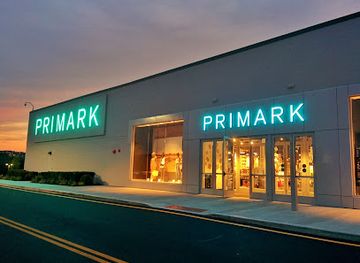
Primark
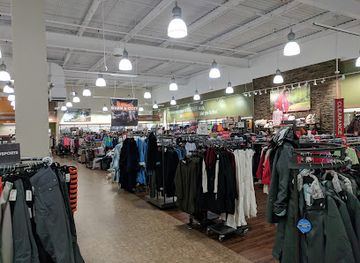
Explore Primark in Danbury Fair Mall for stylish, affordable fashion that suits every taste and budget, perfect for savvy shoppers.
7 min drive · 2.2 km from city centre
-
American
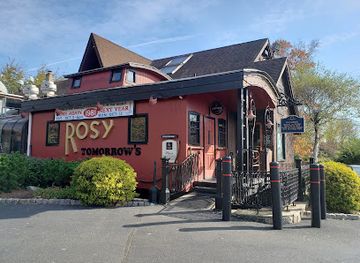
Rosy Tomorrow's
Discover a family-friendly dining experience at Rosy Tomorrow's in Danbury, Connecticut, serving classic American cuisine in a cozy atmosphere.
10 min drive · 3.3 km from city centre
-
Restaurant
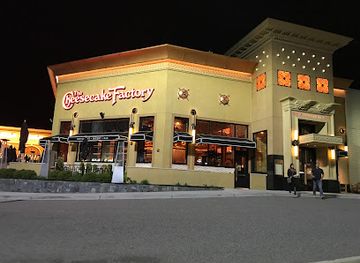
The Cheesecake Factory
Indulge in a diverse menu of American cuisine and decadent desserts at The Cheesecake Factory in Danbury, a must-visit for food lovers.
6 min drive · 2.2 km from city centre


Explore Danbury on the map
Plan your Danbury trip on one map. See where the top attractions, landmarks, restaurants, bars and hotels are, find what's near where you're staying, and book hotels and experiences in a few clicks.
Best hotels in Danbury
Best restaurants in Danbury
Danbury's dining scene reflects its position between coastal Connecticut, the New York region and a city shaped by immigration. Portuguese and Brazilian cooking has a particularly visible presence, with grilled meats, seafood, rice dishes, pastries and strong coffee appearing alongside Latin American, Italian, Indian, Mexican and East Asian food. Main Street and Federal Road contain many of the city's international restaurants and casual eateries, while downtown cafés and bakeries provide simpler daytime options. New England staples are also available, but Danbury's most distinctive culinary character comes from the overlap of old regional traditions and newer communities established during and after the industrial era. The Danbury Farmers' Market and other seasonal local markets, when operating, provide opportunities to encounter produce and prepared foods, though their schedules vary. Dining ranges from family-run establishments to contemporary restaurants rather than forming a single formal food quarter.
-
American
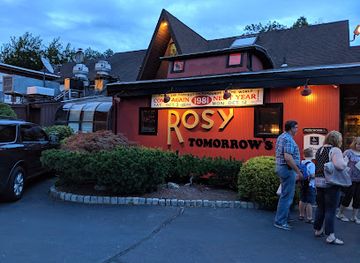
Rosy Tomorrow's
Experience family-friendly dining at Rosy Tomorrow's in Danbury - where comfort food meets warm hospitality.
10 min drive · 3.3 km from city centre
-
Steak
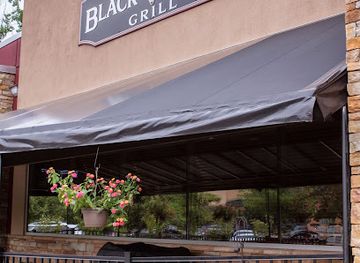
Barbarie's Black Angus Grill
Experience exquisite steaks and diverse American cuisine at Barbarie's Black Angus Grill in Danbury - a culinary delight awaits!
16 min drive · 5.4 km from city centre
-
Restaurant
The Cheesecake Factory
Experience the best of American cuisine and heavenly desserts at The Cheesecake Factory in Danbury – a must-visit for every foodie traveler.
6 min drive · 2.2 km from city centre
-
Italian
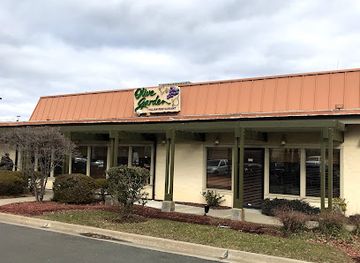
Olive Garden Italian Restaurant
Savor authentic Italian flavors at Olive Garden in Danbury - where every meal feels like family.
8 min drive · 2.8 km from city centre
Best bars in Danbury
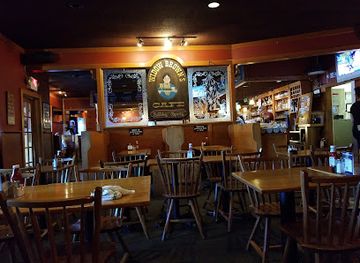
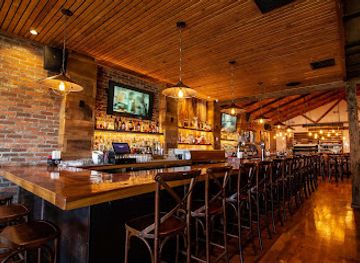
Danbury's evening scene is moderate and locally oriented rather than built around a large nightclub district. Downtown and the Main Street area provide bars, pubs and restaurants where residents meet for drinks, live music or casual evenings, while venues such as the Ives Center for the Arts add concerts and performance-led entertainment. The city's cinemas, cultural programmes and occasional public events broaden the options beyond nightlife centred on alcohol. Some restaurants associated with Portuguese, Brazilian and Latin American communities become social gathering places in the evening, often with a more relaxed atmosphere than a club. Larger entertainment and dining venues are scattered along commercial corridors rather than concentrated in one pedestrian quarter. Visitors should expect American service customs, including identification checks for alcohol, and should plan transport carefully if staying outside downtown because suburban roads are not designed for late-night walking.
-
Sports bar
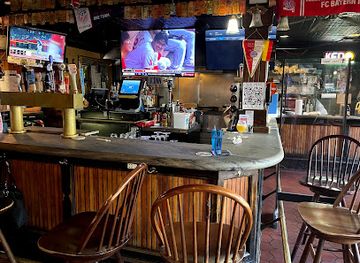
TK's American Cafe
Join the excitement at TK's American Cafe, Danbury's top sports bar for delicious wings, cold drinks, and a vibrant atmosphere!
10 min drive · 3.5 km from city centre
-
Bar
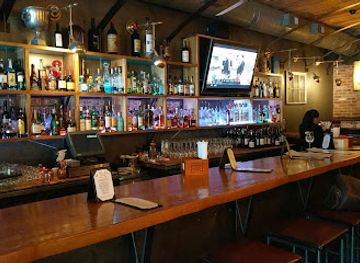
Dolce Restaurant & Wine Bar
Experience the best of Northern Italian and American cuisines at Dolce Restaurant & Wine Bar in Danbury, CT, where every meal is a celebration.
6 min drive · 2.1 km from city centre
-
Grill
Widow Brown's Cafe
Savor delicious grill favorites and enjoy live music at Widow Brown's Cafe, a vibrant sports bar in Danbury.
18 min drive · 6.0 km from city centre
-
Bar
Prime Pub Danbury
Experience craft beers and gourmet dishes at Prime Pub Danbury, the ultimate gastropub for food and beer enthusiasts.
17 min drive · 5.8 km from city centre
Best nightclubs in Danbury
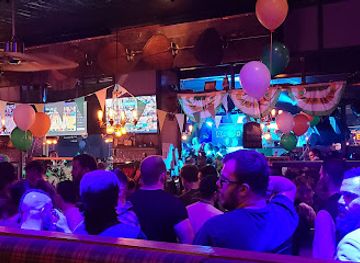
Danbury's evening scene is moderate and locally oriented rather than built around a large nightclub district. Downtown and the Main Street area provide bars, pubs and restaurants where residents meet for drinks, live music or casual evenings, while venues such as the Ives Center for the Arts add concerts and performance-led entertainment. The city's cinemas, cultural programmes and occasional public events broaden the options beyond nightlife centred on alcohol. Some restaurants associated with Portuguese, Brazilian and Latin American communities become social gathering places in the evening, often with a more relaxed atmosphere than a club. Larger entertainment and dining venues are scattered along commercial corridors rather than concentrated in one pedestrian quarter. Visitors should expect American service customs, including identification checks for alcohol, and should plan transport carefully if staying outside downtown because suburban roads are not designed for late-night walking.
-
Pub
Molly Darcy’s Irish Pub & Restaurant
Discover the vibrant atmosphere of Molly Darcy's Irish Pub & Restaurant, where authentic Irish cuisine meets live music and great company.
6 min drive · 2.1 km from city centre
-
Latin American
Parrilla Bar & Restaurant
Experience the vibrant flavors and lively atmosphere of Latin America at Parrilla Bar & Restaurant in Danbury, Connecticut.
6 min drive · 2.1 km from city centre
-
Restaurant
Red House Bar & Café
Experience the vibrant atmosphere at Red House Bar & Café, where delicious food, refreshing drinks, and great music come together for unforgettable nights.
8 min drive · 2.6 km from city centre
-
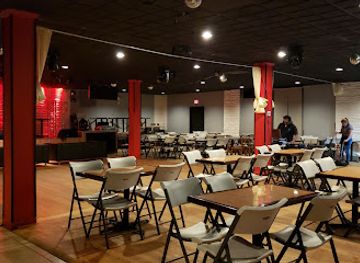
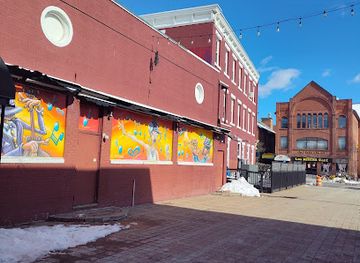
Bar
Joy Lounge
Experience the vibrant nightlife at Joy Lounge in Danbury, Connecticut, where cocktails meet entertainment in a lively atmosphere.
6 min drive · 2.1 km from city centre
Best shops in Danbury
Shopping in Danbury ranges from a major regional mall to independent businesses and specialist food retailers. Danbury Fair, near Interstate 84, is the city's largest organised shopping destination, with a broad selection of national shops, services and dining. Federal Road and nearby commercial corridors contain further retail, while Main Street and downtown offer smaller businesses, cafés, salons and shops serving the city's diverse communities. Visitors interested in local character may find Portuguese and Brazilian groceries, bakeries and imported products particularly distinctive, alongside Latin American food shops and traditional American retailers. Seasonal farmers' markets can provide Connecticut produce and prepared goods when operating. The city is better suited to practical shopping, food discoveries and browsing than to a concentrated historic market experience, and distances between retail areas make driving or local transport more convenient than attempting to cover them all on foot.
-
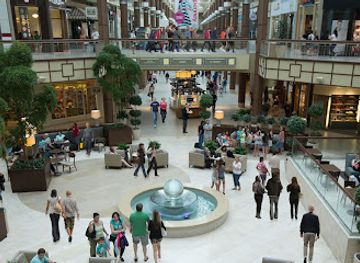
Shopping mall
Danbury Fair
Experience shopping, dining, and entertainment all in one place at Danbury Fair, Connecticut's premier shopping destination.
6 min drive · 2.1 km from city centre
-
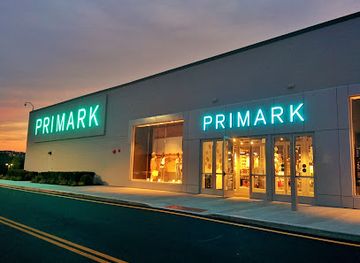
Clothing store
Primark
Explore Primark in Danbury Fair Mall for stylish, affordable fashion that caters to the whole family, making it a shopping paradise for everyone.
7 min drive · 2.2 km from city centre
-
Shopping mall
Berkshire Shopping Center
Discover the vibrant shopping, dining, and entertainment experience at Berkshire Shopping Center in Danbury, Connecticut.
16 min drive · 5.3 km from city centre
-
Shopping mall
Danbury Green
Discover Danbury Green, a lively shopping mall in Connecticut offering diverse shops, delicious dining options, and a welcoming atmosphere for all visitors.
11 min drive · 3.7 km from city centre
Get your free copy of our complete guide to Danbury, delivered straight to you.
Everything on this page, from attractions and restaurants to essentials and local phrases, in one PDF you can read offline, print or share.
Already have an account? Sign in
Your Danbury guide is ready.
We'll send it to · Not you? Sign out

Getting your guide ready…
We are putting together a fresh copy of the Danbury guide. This can take up to a minute.
This can take a few moments. If your browser asks, choose Allow so the download can start. You'll find the guide in your Downloads folder.
Nothing happened? Download it again
Sorry, the guide is taking longer than usual. Please try again in a minute, or get it by email instead.
Danbury essentials
Currency and Payment
Safety
Emergency Situations
Do's and Don'ts
Local Tips
From Eve
Local phrases worth knowing
You don't need to get them perfect. A few words go a long way, and locals appreciate the effort.
Basics
| English | Local | Say it |
|---|---|---|
| Hello | Hey | [hey] |
| Goodbye | See ya | [see ya] |
| Yes | Yup | [yup] |
| No | Nah | [nah] |
| Please/You're welcome | Sure thing | [sure thing] |
| Thank you | Thanks | [thanks] |
| Excuse me/Sorry | Pardon me | [pardon me] |
| How are you? | How you doin'? | [how you doin'] |
| Fine. And you? | Good. You? | [good. you] |
| Do you speak English? | You speak English? | [you speak English] |
| I don't understand | I don't get it | [I don't get it] |
Eating & Drinking
| English | Local | Say it |
|---|---|---|
| I'd like to see the menu, please | Can I see the menu? | [can I see the menu] |
| I don't eat meat | I don't eat meat | [I don't eat meat] |
| Cheers! | Cheers! | [cheers] |
| I would like to pay, please | Can I pay now? | [can I pay now] |
Emergencies
| English | Local | Say it |
|---|---|---|
| Help! | Help! | [help] |
| Go away! | Get lost! | [get lost] |
| Call the Police! | Call the cops! | [call the cops] |
| Call a doctor! | Get a doctor! | [get a doctor] |
| I'm lost | I'm lost | [I'm lost] |
| I'm ill | I'm sick | [I'm sick] |
Shopping
| English | Local | Say it |
|---|---|---|
| I'd like to buy... | I wanna buy... | [I wanna buy] |
| I'm just looking | Just browsing | [just browsing] |
| How much is it? | How much? | [how much] |
| That's too expensive | Too pricey | [too pricey] |
| Can you lower the price? | Can you do better? | [can you do better] |
Time & Numbers
| English | Local | Say it |
|---|---|---|
| What time is it? | What time is it? | [what time is it] |
| It's one o'clock | It's one | [it's one] |
| Half past (10) | Ten thirty | [ten thirty] |
| Morning | Morning | [morning] |
| Afternoon | Afternoon | [afternoon] |
| Evening | Evening | [evening] |
| Yesterday | Yesterday | [yesterday] |
| Today | Today | [today] |
| Tomorrow | Tomorrow | [tomorrow] |
| 1 | One | [one] |
| 2 | Two | [two] |
| 3 | Three | [three] |
| 4 | Four | [four] |
| 5 | Five | [five] |
| 6 | Six | [six] |
| 7 | Seven | [seven] |
| 8 | Eight | [eight] |
| 9 | Nine | [nine] |
| 10 | Ten | [ten] |
Transport & Directions
| English | Local | Say it |
|---|---|---|
| Where's a/the...? | Where's the...? | [where's the] |
| What's the address? | What's the address? | [what's the address] |
| Can you show me (on the map)? | Can you show me (on the map)? | [can you show me on the map] |
| When's the next (bus)? | When's the next bus? | [when's the next bus] |
| A ticket (to ....) | A ticket (to ....) | [a ticket to] |
History of Danbury
Weantinock Country and English Settlement
Before European settlement, the area around present-day Danbury was associated with the Weantinock, an Indigenous people of western Connecticut whose communities and seasonal movements formed part of a wider network in the Housatonic region. English settlers from Norwalk and nearby communities established a permanent settlement in 1685, first known as Pahquioque and later as Danbury. The town was incorporated in 1702. Farming, milling and local trade shaped its early economy, while its inland position placed it on routes connecting coastal Connecticut with the interior. Much of the modern city developed later, but the settlement's location near the Still River helped establish the transport and industrial setting on which Danbury's growth depended.
Revolutionary War Destruction
Danbury became strategically important during the American Revolutionary War because the Continental Army stored large quantities of military supplies there. In April 1777, a British force under Major General William Tryon raided the town, destroying or removing provisions and burning substantial parts of the settlement. American militia resisted during the retreat, and the nearby Battle of Ridgefield followed. The raid left a lasting mark on Danbury's historical identity, although the town recovered and continued to expand after independence. The event also demonstrated the importance of inland supply centres during the conflict, linking Danbury's local story to the military geography of revolutionary Connecticut.
Railways and the Rise of Hatting
The nineteenth century brought major economic change. Rail connections improved Danbury's access to markets, raw materials and labour, and the Still River corridor became associated with factories. Hat-making developed from earlier small-scale production into the city's dominant industry, supported by felt manufacture, finishing workshops and specialist trades. Danbury hats were distributed widely, giving the city an industrial reputation that lasted into the twentieth century. Immigration from Europe and later migration from elsewhere transformed the workforce and social life. Churches, boarding houses, commercial streets and civic institutions grew alongside the factories, establishing the urban framework that can still be traced around downtown.
Industrial Expansion and Cultural Change
By the late nineteenth and early twentieth centuries, Danbury was a manufacturing centre with a population shaped by successive waves of immigration. Hatting remained central, but engineering, textiles, transportation and other industries also contributed to the economy. Labour organisation and changing manufacturing methods influenced working life, while schools, libraries and cultural societies reflected the city's increasingly diverse population. Charles Ives, born in Danbury in 1874, later became one of the most important American composers of the early modern period. His connection belongs to the city's wider cultural history as well as to its industrial story.
From Manufacturing Centre to Regional City
Hat production declined during the twentieth century as fashion, technology and manufacturing patterns changed, and many former industrial buildings found new uses or disappeared. Danbury nevertheless retained an important regional role through transport, healthcare, education, retail and professional services. Suburban development extended beyond the historic centre, while immigration from Portugal, Brazil, Latin America and other regions added new languages, businesses and religious communities to the city's social landscape. Today, Danbury's identity combines the memory of the hat industry with a contemporary economy and access to Candlewood Lake, established parks and the wider Western Connecticut landscape.
Danbury in Photos
Browse through our photo collection highlighting the charm and character of the destination.
Cities near Danbury
The closest cities to Danbury, if you have time for more than one stop.
-

-

-

-

-


Swipe for more cities
Explore more

Explore more of Connecticut
Discover Connecticut: A blend of charming coastal towns, rich history, and scenic landscapes, perfect for nature lovers, history buffs, and cultural enthusiasts.
Explore Connecticut