

Free Bridgeport Travel Guide & Mobile App
Plan your Bridgeport trip with Evendo. Get free guides to top attractions, restaurants, hotels, and bars. Web access or download the mobile app.


Bridgeport, Connecticut blends Long Island Sound waterfronts, industrial history, Barnum heritage, museums, arts and coastal city sightseeing.
A Harbour City with Many Layers
Bridgeport occupies a broad stretch of Connecticut’s coast on Long Island Sound, where the Pequonnock River reaches the water. The state’s largest city developed as a port and manufacturing centre, and its character still reflects that working heritage: nineteenth-century civic buildings, former factory districts, busy transport links and long views across the Sound sit alongside neighbourhoods with distinct identities. Downtown provides the clearest concentration of historic architecture, while Black Rock has a more residential, village-like atmosphere and the East End and East Side reveal the city’s maritime and industrial roots.Read more about Bridgeport
Culture, Green Space and the Sound
When is the best time to visit Bridgeport?
Best: June, August–September · 23–27°C| Month | High (°C) | Rainfall (mm) |
|---|---|---|
| January | 3 | 91 |
| February | 4 | 81 |
| March | 8 | 102 |
| April | 14 | 104 |
| May | 20 | 104 |
| June (best) | 24 | 107 |
| July | 27 | 112 |
| August (best) | 27 | 107 |
| September (best) | 23 | 108 |
| October | 17 | 102 |
| November | 11 | 102 |
| December | 5 | 99 |
Getting to and around Bridgeport
How to get there
Transportation
Best attractions in Bridgeport
Bridgeport’s attractions reveal both its coastal setting and its industrial past. The Barnum Museum, in the Downtown historic district, explores P. T. Barnum, popular entertainment and the city’s nineteenth-century development. At the city’s western edge, Seaside Park provides broad lawns, shoreline paths and views across Long Island Sound, while the adjacent Captain’s Cove Seaport has a more active marina atmosphere. Connecticut’s Beardsley Zoo, in the northern part of the city, is a long-established family attraction set among landscaped grounds, and the Discovery Museum and Planetarium offers interactive science exhibits. The Housatonic Museum of Art presents a notable collection on the college campus, and the Klein Memorial Auditorium hosts concerts, dance and other performances. Together these sites create a varied itinerary of museums, public landscapes, science, wildlife and waterfront scenery.
-
Tourist attraction
Seaside Park
Discover the natural beauty and recreational charm of Seaside Park in Bridgeport, CT, a perfect coastal getaway for tourists and families.
9 min drive · 2.9 km from city centre
-
Tourist attraction
Connecticut's Beardsley Zoo
Discover amazing animals and support conservation at Connecticut's only zoo, nestled in historic Beardsley Park, Bridgeport.
8 min drive · 2.8 km from city centre
-
Arena
Total Mortgage Arena
Experience thrilling hockey games, concerts, and events at Bridgeport's premier entertainment venue, Total Mortgage Arena.
5 min drive · 1.7 km from city centre
-
Tourist attraction
Jennings Beach
Experience the tranquility of Jennings Beach, a beautiful public beach in Fairfield, CT, perfect for relaxation, family outings, and stunning sunsets.
18 min drive · 6.1 km from city centre
Best landmarks in Bridgeport
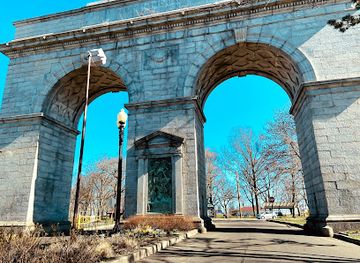
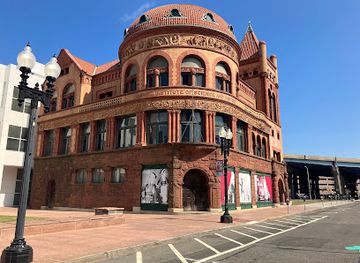
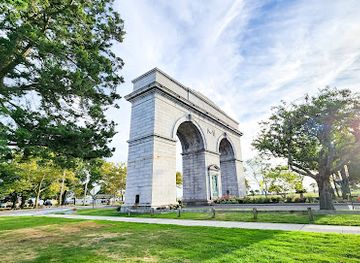
Bridgeport’s landmarks express its ambitions as a nineteenth-century industrial city and its continuing relationship with the sea. The Barnum Museum, built in 1893 as a memorial to P. T. Barnum, is one of the clearest reminders of the showman’s influence and the city’s culture of spectacle. Bridgeport City Hall, designed in the Richardsonian Romanesque manner and completed in 1916, gives McLevy Green a substantial civic focus. The Bridgeport Public Library’s Main Library, the historic Stratford Avenue streetscape and surviving churches in several neighbourhoods add further architectural depth. Seaside Park, laid out in the nineteenth century, is a landmark landscape as much as a recreation space, with shoreline vistas that explain Bridgeport’s coastal identity. The harbour and the ferry terminal also retain practical evidence of the city’s long maritime connections.
-
Park
Seaside Park
Explore the natural beauty and recreational delights of Seaside Park, a stunning coastal park in Bridgeport, Connecticut, perfect for all ages.
9 min drive · 2.9 km from city centre
-
Zoo
Connecticut's Beardsley Zoo
Experience the magic of Connecticut's Beardsley Zoo, where wildlife conservation meets family fun in a beautiful setting.
8 min drive · 2.8 km from city centre
-
Museum
The Barnum Museum
Explore the legacy of P.T. Barnum at The Barnum Museum in Bridgeport, Connecticut, a captivating destination for history and circus enthusiasts alike.
18 min walk · 1.4 km from city centre
-
Historical landmark
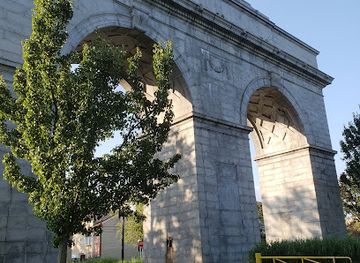
Perry Memorial Arch - Bridgeport
Explore the Perry Memorial Arch, a historical landmark in Bridgeport, CT, surrounded by lush parks and rich cultural heritage.
8 min drive · 2.7 km from city centre
Explore Bridgeport on the map
Plan your Bridgeport trip on one map. See where the top attractions, landmarks, restaurants, bars and hotels are, find what's near where you're staying, and book hotels and experiences in a few clicks.
Best hotels in Bridgeport
Best restaurants in Bridgeport
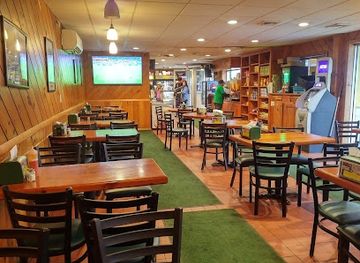
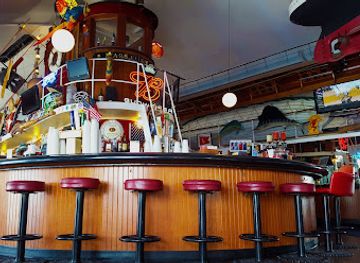
Bridgeport’s dining culture reflects its coastal location, immigrant communities and working-city history. Restaurants and takeaways serve a broad mix of Latin American, Caribbean, Portuguese, Italian and American cooking, with seafood and casual fish dishes drawing on the city’s relationship with Long Island Sound. Black Rock is known for a concentration of independent restaurants and bars, while Downtown and the East Side offer additional choices shaped by local communities, bakeries and family-run businesses. Diners may encounter pizza, fried seafood, shellfish, empanadas, Caribbean specialities and Portuguese-influenced cooking alongside contemporary American menus. The city’s food scene is more neighbourhood-based than centred on one formal culinary quarter, so eating well often means travelling between districts rather than relying solely on the blocks around the railway station.
-
Brazilian
Pantanal Restaurant
Discover the vibrant flavors of Brazil at Pantanal Restaurant in Bridgeport – where every meal is a celebration of authentic cuisine.
2 min walk · 0.2 km from city centre
-
Puerto Rican
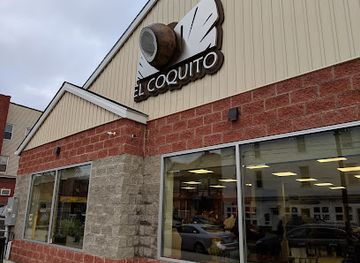
El Coquito
Experience authentic Puerto Rican flavors at El Coquito in Bridgeport – where every dish tells a story.
17 min walk · 1.4 km from city centre
-
Fast Food
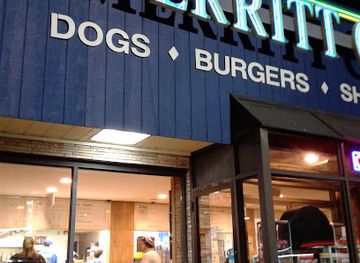
Merritt Canteen
Discover Merritt Canteen in Bridgeport - where fast food meets flavor with an exciting blend of American and Indian cuisine.
12 min drive · 3.9 km from city centre
-
Restaurant
Captain's Cove Seaport (Marina, Restaurant & Bar)
Experience waterfront dining at Captain's Cove Seaport – where fresh seafood meets vibrant nightlife in Bridgeport.
11 min drive · 3.6 km from city centre
Best bars in Bridgeport
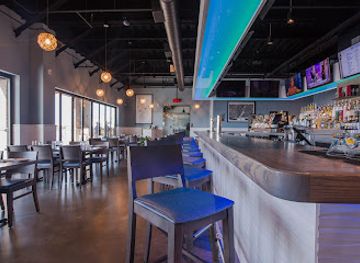
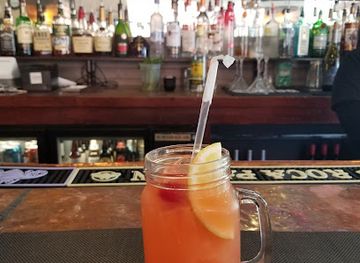
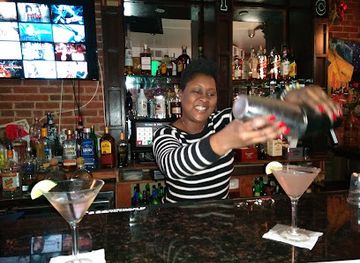
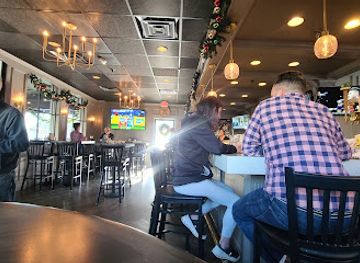
Bridgeport’s evening life is varied but more local and event-led than that of a major club city. Black Rock has the strongest concentration of neighbourhood bars, pubs and restaurants for a relaxed evening, while Downtown provides cultural nights at venues such as the Klein Memorial Auditorium and other performance spaces. Concerts, comedy, theatre and community events can bring activity to the city after dark, and the Hartford HealthCare Amphitheater hosts large-scale outdoor performances near the harbour when its programme is running. Bars and venues may be spread apart, so visitors should plan transport rather than expect a single pedestrian nightlife strip. The atmosphere ranges from informal neighbourhood socialising to ticketed music and performance events, with programming changing according to the season.
-
Seafood
Boca Oyster Bar
Discover Boca Oyster Bar in Bridgeport, CT - where fresh seafood, vibrant atmosphere, and exceptional flavors unite for a memorable dining experience.
6 min drive · 1.8 km from city centre
-
Grill
Rum & Tequilla Fusion
Discover a vibrant culinary experience at Rum & Tequilla Fusion, offering a unique blend of grilled delights and curated spirits in Bridgeport.
16 min walk · 1.3 km from city centre
-
Grill
Metric Bar & Grill
Experience the vibrant Caribbean flavors and lively atmosphere at Metric Bar & Grill in Bridgeport, CT, where every meal is a celebration.
14 min walk · 1.1 km from city centre
-
Bar
The Castle, Black Rock
Experience the vibrant atmosphere and delectable menu at The Castle, Black Rock—where culinary excellence meets a lively bar scene.
14 min drive · 4.6 km from city centre
Best nightclubs in Bridgeport
Bridgeport’s evening life is varied but more local and event-led than that of a major club city. Black Rock has the strongest concentration of neighbourhood bars, pubs and restaurants for a relaxed evening, while Downtown provides cultural nights at venues such as the Klein Memorial Auditorium and other performance spaces. Concerts, comedy, theatre and community events can bring activity to the city after dark, and the Hartford HealthCare Amphitheater hosts large-scale outdoor performances near the harbour when its programme is running. Bars and venues may be spread apart, so visitors should plan transport rather than expect a single pedestrian nightlife strip. The atmosphere ranges from informal neighbourhood socialising to ticketed music and performance events, with programming changing according to the season.
-
Lounge
Taes Lounge
Discover Taes Lounge in Bridgeport, CT - a vibrant bar offering cocktails, live music, and a welcoming atmosphere for all nightlife lovers.
7 min drive · 2.5 km from city centre
-
Night club
Azul Restaurant
Discover the vibrant nightlife at Azul Restaurant, a premier night club and bar in Bridgeport, Connecticut, perfect for unwinding and socializing.
14 min walk · 1.1 km from city centre
-
Social club
Bk Lounge
Discover Bk Lounge, a vibrant social club in Bridgeport, CT, offering a perfect blend of entertainment, music, and friendly vibes for an unforgettable night out.
8 min drive · 2.7 km from city centre
-
Bar
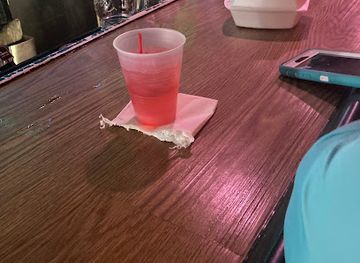
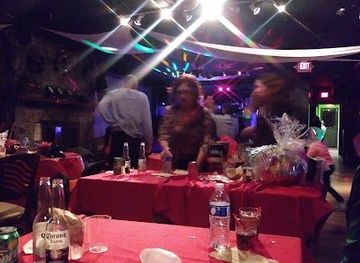
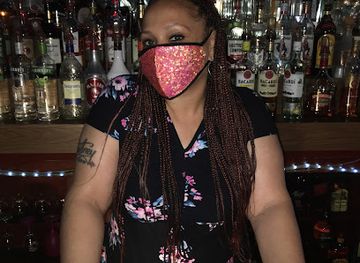
Mystique Bridgeport
Immerse yourself in vibrant nightlife at Mystique Bridgeport, where great drinks and lively music collide for an unforgettable experience.
14 min walk · 1.1 km from city centre

Best shops in Bridgeport
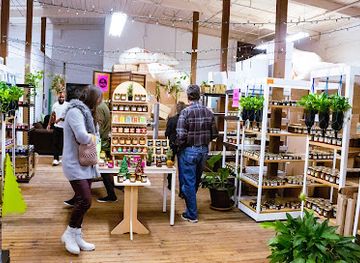
Shopping in Bridgeport is concentrated in neighbourhood commercial strips, local businesses and practical retail rather than a single dominant luxury district. Black Rock’s Fairfield Avenue has independent shops, cafés, galleries and small businesses, while Downtown and the East Side provide everyday retail and services that reflect the city’s diverse communities. Visitors interested in distinctive purchases may find Latin American, Caribbean, Portuguese and international food products, baked goods, speciality groceries and locally made items among the independent businesses. The city is also close to larger suburban shopping areas elsewhere in Fairfield County, but these should be treated as regional excursions rather than central Bridgeport attractions. For a more characterful experience, browse neighbourhood storefronts and food shops instead of expecting one large traditional market or an old-town shopping street.
-
Sporting goods store
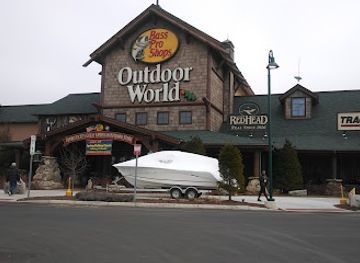
Bass Pro Shops
Discover a world of outdoor adventure at Bass Pro Shops Bridgeport, Connecticut, where your next adventure begins with top-notch sporting goods and gear.
5 min drive · 1.8 km from city centre
-
Gift shop
NaturalAnnie Essentials Candle Making Bar & Shop
Unleash your creativity at NaturalAnnie Essentials Candle Making Bar & Shop in Bridgeport, where every candle tells a story.
10 min drive · 3.4 km from city centre
-
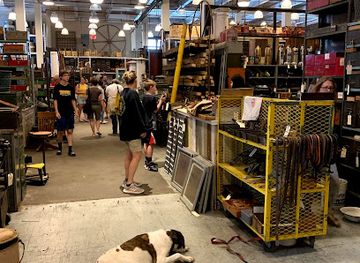
Flea market
Mongers Market
Explore the eclectic treasures at Mongers Market in Bridgeport, CT, where vintage finds and unique items await every treasure hunter.
7 min drive · 2.4 km from city centre
-
Record store
The Archive
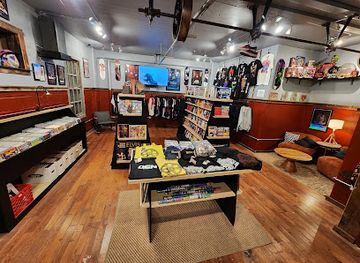
Explore The Archive in Bridgeport, a premier record and video store showcasing a vast collection of vinyl, CDs, and unique music memorabilia.
9 min walk · 0.7 km from city centre
Get your free copy of our complete guide to Bridgeport, delivered straight to you.
Everything on this page, from attractions and restaurants to essentials and local phrases, in one PDF you can read offline, print or share.
Already have an account? Sign in
Your Bridgeport guide is ready.
We'll send it to · Not you? Sign out

Getting your guide ready…
We are putting together a fresh copy of the Bridgeport guide. This can take up to a minute.
This can take a few moments. If your browser asks, choose Allow so the download can start. You'll find the guide in your Downloads folder.
Nothing happened? Download it again
Sorry, the guide is taking longer than usual. Please try again in a minute, or get it by email instead.
Bridgeport essentials
Currency and Payment
Safety
Emergency Situations
Do's and Don'ts
Local Tips
From Eve
Local phrases worth knowing
You don't need to get them perfect. A few words go a long way, and locals appreciate the effort.
Basics
| English | Local | Say it |
|---|---|---|
| Hello | Hey | [hey] |
| Goodbye | Later | [lay-ter] |
| Yes | Yeah | [yeh] |
| No | Nah | [nah] |
| Please/You're welcome | Please | [pleez] |
| Thank you | Thanks | [thanks] |
| Excuse me/Sorry | Sorry | [sor-ee] |
| How are you? | How you doin'? | [how yoo doo-in] |
| Fine. And you? | I'm good. You? | [ahym good. yoo?] |
| Do you speak English? | You speak English? | [yoo speak ing-lish] |
| I don't understand | I don't get it | [ahy don't get it] |
Eating & Drinking
| English | Local | Say it |
|---|---|---|
| I'd like to see the menu, please | Menu, please | [men-yoo pleez] |
| I don't eat meat | No meat for me | [no meet for mee] |
| Cheers! | Cheers! | [cheers] |
| I would like to pay, please | Check, please | [chek pleez] |
Emergencies
| English | Local | Say it |
|---|---|---|
| Help! | Help! | [help] |
| Go away! | Leave me! | [leave mee] |
| Call the Police! | Call the cops! | [call the cops] |
| Call a doctor! | Call a doc! | [call a doc] |
| I'm lost | Lost | [lost] |
| I'm ill | Sick | [sik] |
Shopping
| English | Local | Say it |
|---|---|---|
| I'd like to buy... | I wanna buy... | [ahy wanna buy] |
| I'm just looking | Just looking | [just look-ing] |
| How much is it? | How much? | [how much] |
| That's too expensive | Too much | [too much] |
| Can you lower the price? | Lower the price? | [low-er the price] |
Time & Numbers
| English | Local | Say it |
|---|---|---|
| What time is it? | What's the time? | [whats the time] |
| It's one o'clock | It's one | [its one] |
| Half past (10) | Half past ten | [half past ten] |
| Morning | Morning | [mor-ning] |
| Afternoon | Afternoon | [af-ter-noon] |
| Evening | Evening | [ee-ven-ing] |
| Yesterday | Yesterday | [yess-ter-day] |
| Today | Today | [to-day] |
| Tomorrow | Tomorrow | [to-mor-row] |
| 1 | One | [wun] |
| 2 | Two | [too] |
| 3 | Three | [three] |
| 4 | Four | [for] |
| 5 | Five | [fiv] |
| 6 | Six | [siks] |
| 7 | Seven | [sev-en] |
| 8 | Eight | [ayt] |
| 9 | Nine | [nine] |
| 10 | Ten | [ten] |
Transport & Directions
| English | Local | Say it |
|---|---|---|
| Where's a/the...? | Where's the...? | [wheres the] |
| What's the address? | What's the address? | [whats the address] |
| Can you show me (on the map)? | Show me on the map? | [show mee on the map] |
| When's the next (bus)? | Next bus? | [next bus] |
| A ticket (to ....) | A ticket to ... | [a ticket to] |
History of Bridgeport
Paugussett Territory and English Settlement
The Bridgeport area lies within the traditional territory of the Paugussett, an Indigenous people whose presence in the region predates European settlement. English colonists from Stratford established Fairfield’s western parish in the seventeenth century, gradually transforming the shoreline and river valleys through farming, mills and trade. The Pequonnock River provided access to Long Island Sound, while coastal marshes and the harbour shaped settlement patterns. Indigenous communities faced land loss, displacement and the wider disruptions brought by colonial expansion, developments that formed the earliest layer of the city’s later urban landscape.
From Village to Incorporated City
The settlement grew around the Pequonnock River and became known as Bridgeport, a name connected with a bridge across the waterway. Its harbour encouraged coastal commerce, and the arrival of turnpikes and rail connections strengthened links with New York and New Haven. Bridgeport was incorporated as a borough in 1800 and became a city in 1836, as population growth and commercial activity separated it increasingly from Fairfield. Shipbuilding, trade and small manufacturing helped establish the economic foundations for the industrial expansion that followed.
Barnum and the Industrial Expansion
In the nineteenth century, Bridgeport became an important manufacturing and transportation centre. Factories produced firearms, sewing machines, hardware, carriages and other goods, drawing workers and new immigrant communities to the city. P. T. Barnum, the showman and entrepreneur, moved to Bridgeport in the 1850s, promoted development and served as mayor in 1875. His name remains associated with the Barnum Museum and with the city’s tradition of public spectacle. Victorian civic buildings, churches and commercial blocks expanded as industry and population reshaped the urban core.
War Production and a Diverse City
Bridgeport’s factories supplied equipment and manufactured goods during the Civil War and both world wars, reinforcing its reputation as a centre of American industry. Companies including Remington Arms and sewing-machine manufacturers employed large workforces, while migration from Europe and later from the Caribbean, Latin America and the American South diversified the city’s communities. Neighbourhoods such as the East Side, East End, Downtown and Black Rock developed different social and architectural identities. Schools, churches, civic organisations and businesses established by successive communities remain an important part of Bridgeport’s cultural history.
Deindustrialisation and Urban Renewal
After the Second World War, American manufacturing changed, factories closed or reduced their workforces, and suburban growth altered the region’s economic geography. Bridgeport faced industrial decline, population pressures and difficult urban-renewal decisions, even as its port, transport connections and institutions continued to serve the wider region. Former industrial sites and historic buildings became part of ongoing efforts to restore employment and civic life. Contemporary Bridgeport is therefore shaped by both its manufacturing past and continuing work in arts, education, waterfront access, neighbourhood investment and cultural preservation.
Bridgeport in Photos
Browse through our photo collection highlighting the charm and character of the destination.
Cities near Bridgeport
The closest cities to Bridgeport, if you have time for more than one stop.
-

-

-

-

-


Swipe for more cities
Explore more

Explore more of Connecticut
Discover Connecticut: A blend of charming coastal towns, rich history, and scenic landscapes, perfect for nature lovers, history buffs, and cultural enthusiasts.
Explore Connecticut