

Free Monteverde Cloud Forest Travel Guide & Mobile App
Explore Monteverde Cloud Forest with free travel guides. Discover regional history, expert tips, proposed trips, and audio guides on web or mobile app.


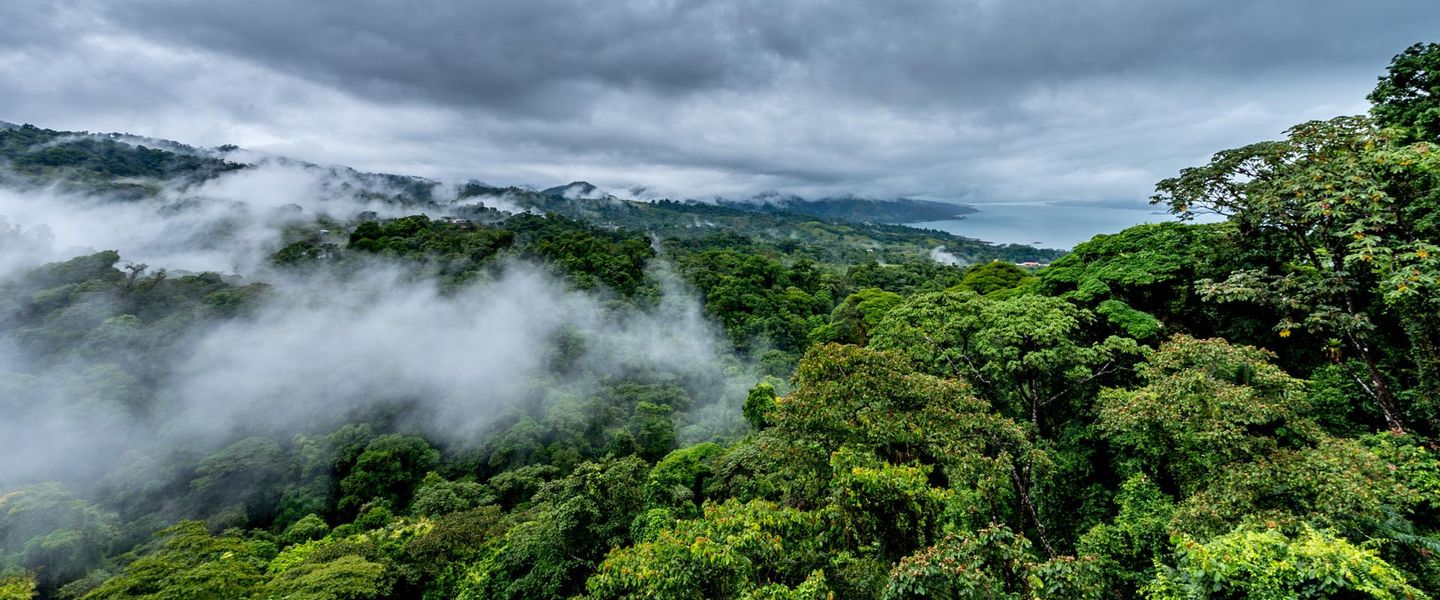


Explore Monteverde Cloud Forest in Costa Rica for misty trails, quetzals, conservation reserves, coffee farms and highland adventure.
Read more about Monteverde Cloud Forest
When is the best time to visit Monteverde Cloud Forest?
Best: February–April · 23–24°C| Month | High (°C) | Rainfall (mm) |
|---|---|---|
| January | 23 | 40 |
| February (best) | 23 | 30 |
| March (best) | 23 | 35 |
| April (best) | 24 | 50 |
| May | 24 | 100 |
| June | 24 | 170 |
| July | 25 | 160 |
| August | 24 | 150 |
| September | 24 | 180 |
| October | 24 | 220 |
| November | 23 | 120 |
| December | 23 | 70 |
Getting to and around Monteverde Cloud Forest
How to get there
Transportation
Top city travel guides in Monteverde Cloud Forest
The cities of Monteverde Cloud Forest, and the easiest places to base yourself.

Swipe for more cities
Destinations in Monteverde Cloud Forest
Resorts, valleys and scenic spots worth a trip of their own.

Swipe for more destinations
Best attractions in Monteverde Cloud Forest
Monteverde’s attractions are centred on protected forest and the ways people interpret, study and work within it. The Monteverde Cloud Forest Reserve offers established trails through some of the region’s best-known montane habitat, while Santa Elena Cloud Forest Reserve provides another perspective on the highland ecosystem, with walks through dense vegetation and viewpoints that can open towards the Gulf of Nicoya on clear days. Curi-Cancha Reserve is valued for guided birdwatching and accessible forest trails, and the Bosque Eterno de los Niños represents a major conservation landscape spanning a broad area around the community. Canopy bridges, zip lines and aerial walks add an adventurous dimension, although they are commercial activities rather than substitutes for quiet forest observation. Visitors can also explore coffee, cacao and sugar-cane production, visit dairy farms, attend natural-history or conservation presentations, and seek out hummingbirds at feeding stations. The strongest experiences often come from combining one guided dawn walk with a slower visit to a reserve, farm or community project rather than trying to cover every attraction in a single day.
-
Tourist attraction
Selvatura Adventure Park
Experience exhilarating adventures and stunning nature at Selvatura Adventure Park in Tilarán, Puntarenas Province, Costa Rica.
-
Tourist attraction
Treetopia Park
Experience Monteverde's cloud forest from above with ziplining, hanging bridges, and aerial trams at Treetopia Park. Adventure for all ages!
-
Tourist attraction
100% Aventura
Discover adventure at 100% Aventura, where zip lines and breathtaking views await in Monteverde, Costa Rica.
-
Tourist attraction
El Tigre Waterfalls Monteverde
Experience the breathtaking beauty of El Tigre Waterfalls in Costa Rica's Guanacaste Province, where adventure meets tranquility in nature's embrace.



Best landmarks in Monteverde Cloud Forest
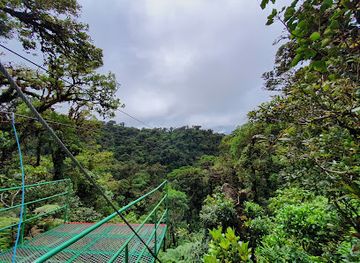
The Monteverde Cloud Forest Reserve is the region’s defining landmark: its protected ridges and perpetually moist vegetation embody the ecological importance that put Monteverde on the international map. Santa Elena Cloud Forest Reserve is another prominent natural reference point, representing community-linked conservation and offering trails through a different section of the highland forest. The Bosque Eterno de los Niños is significant not for a single monument but for the scale and story of the protected landscape created through international youth fundraising. The forested ridgeline itself is a geographical landmark, separating humid Caribbean-facing slopes from drier Pacific-influenced terrain and helping generate the clouds on which the ecosystem depends. Around Santa Elena and Monteverde, dairy farms, pasture and forest edges form a recognisable cultural landscape shaped by settlement and conservation. On clear days, viewpoints towards the Gulf of Nicoya provide a striking reminder of the region’s elevation and its position above Costa Rica’s Pacific lowlands, while misty weather reveals why the cloud forest is best understood as a living atmospheric environment rather than a conventional scenic overlook.
-
Tourist attraction
Selvatura Adventure Park
Experience Monteverde's cloud forest at Selvatura Adventure Park: ziplining, hanging bridges, and unique wildlife encounters await!
-
 Nature preserve
Monteverde Cloud Forest Biological Preserve
Discover Costa Rica's natural treasure: Hike through cloud-kissed trails, witness exotic wildlife, and immerse yourself in the wonders of Monteverde's cloud forest.
-
Tourist attraction
Treetopia Park
Experience Monteverde's cloud forest from above with ziplines, hanging bridges, and aerial trams at Treetopia Park. An unforgettable adventure awaits!
-
Tourist attraction
100% Aventura
Experience Costa Rica's cloud forest with thrilling ziplines, hanging bridges, and the mega Tarzan Swing at 100% Aventura.


Explore Monteverde Cloud Forest on the map
Plan your trip on one map. See where the top cities, national parks and sights are, and book hotels and experiences in a few clicks.
Best hotels in Monteverde Cloud Forest
Best restaurants in Monteverde Cloud Forest
Monteverde’s dining reflects its highland farming economy as well as Costa Rica’s wider culinary traditions. Casado plates, rice and beans, soups, plantains, eggs and fresh fruit are common, while cafés and family-run restaurants make use of dairy products, vegetables, coffee and other Costa Rican ingredients. The area’s Quaker and farming heritage is especially visible in its long-standing association with cheese and dairy production, although menus vary considerably between businesses. Santa Elena has the greatest concentration of places to eat, ranging from casual sodas and bakeries to international restaurants, vegetarian cooking and more polished dining rooms. Rural lodges and farm-based experiences may offer a quieter setting and locally sourced meals. Coffee tours provide context for one of the region’s important crops, while small shops sell roasted beans, chocolate and other produce suitable for taking home. Visitors with dietary requirements should communicate them clearly, particularly when eating at remote lodges or pre-arranged excursion sites.
-
Restaurant
Tree House Restaurante
Discover the enchanting Tree House Restaurante in Monteverde – where culinary delights meet breathtaking views amidst lush nature.
-
Costa Rican
Restaurante Sabor Tico
Experience authentic Costa Rican cuisine at Restaurante Sabor Tico in Monteverde – a must-visit culinary destination for every traveler.
-
Restaurant
Stella's Monteverde
Discover authentic Costa Rican flavors at Stella's Monteverde - a delightful restaurant offering locally sourced dishes and exceptional coffee amidst breathtaking scenery.
-
Restaurant
Morpho's Restaurant
Experience authentic Costa Rican cuisine with stunning views at Morpho's Restaurant in Monteverde.


Best bars in Monteverde Cloud Forest
Monteverde has a modest, community-oriented evening scene rather than a major nightclub circuit. In Santa Elena, evenings generally centre on restaurants, cafés, traditional bars and a limited number of places offering music or drinks, with activity shaped by the tourist season and the day’s weather. Local beers, Costa Rican coffee, fruit-based drinks and the national spirit guaro may appear alongside international options, but alcohol is not central to the region’s appeal. Rural lodges often provide the quietest end to the day, with visitors listening to frogs, insects and rain rather than seeking late-night entertainment. Some restaurants and bars may host live music or informal social events, but schedules change and should be checked locally. Because roads are dark and winding outside the centre, arrange a taxi or accommodation transfer rather than walking long rural distances after nightfall.
-
Restaurant
Tree House Restaurante
Experience the unique Tree House Restaurante in Santa Elena, where local flavors meet breathtaking views, creating unforgettable dining moments.
-
Restaurant
Choco Café Restaurante y Cafetería
Experience the sweet side of Monteverde at Choco Café, where gourmet chocolate meets cozy dining in a breathtaking Costa Rican setting.
-
Grill
Bar Amigos
Experience the vibrant nightlife of Santa Elena at Bar Amigos, a lively grill and live music bar with great food and entertainment.
-
Restaurant
Orchid Coffee & Restaurant
Discover the enchanting flavors of Costa Rica at Orchid Coffee & Restaurant in Monteverde, a culinary gem for every food lover.


Best nightclubs in Monteverde Cloud Forest
Monteverde has a modest, community-oriented evening scene rather than a major nightclub circuit. In Santa Elena, evenings generally centre on restaurants, cafés, traditional bars and a limited number of places offering music or drinks, with activity shaped by the tourist season and the day’s weather. Local beers, Costa Rican coffee, fruit-based drinks and the national spirit guaro may appear alongside international options, but alcohol is not central to the region’s appeal. Rural lodges often provide the quietest end to the day, with visitors listening to frogs, insects and rain rather than seeking late-night entertainment. Some restaurants and bars may host live music or informal social events, but schedules change and should be checked locally. Because roads are dark and winding outside the centre, arrange a taxi or accommodation transfer rather than walking long rural distances after nightfall.
-
Grill
Bar Amigos
Experience the best of Costa Rican nightlife at Bar Amigos, where delicious grill fare meets live music in a vibrant atmosphere in Santa Elena.
-
Tourist attraction
Night Walk Tour
Discover the magic of the cloud forest at night with the Monteverde Night Walk Tour - a must-do for nature lovers and adventurers!
-
Nature preserve
Kinkajou Night Walk
Discover the nocturnal wonders of Monteverde at Kinkajou Night Walk, where adventure meets the enchanting beauty of nature's nightlife.
-
Nature preserve
Night Walk Santamaria´s
Experience the enchantment of nocturnal wildlife at Night Walk Santamaria's, a premier nature preserve and campground in Monteverde, Costa Rica.


Best shops in Monteverde Cloud Forest
Shopping in Monteverde is concentrated around Santa Elena and the neighbouring communities, where small independent shops, galleries and craft outlets serve visitors without creating a large retail district. Typical purchases include Costa Rican coffee, chocolate, local cheese and other packaged farm products, as well as woodwork, ceramics, jewellery, textiles and nature-themed art. Some reserve and conservation organisations sell books, educational material and sustainable souvenirs connected with the forest. Farmers’ and community markets, when operating, provide a more direct way to encounter local produce, but days and arrangements can vary, so check locally rather than relying on a fixed schedule. The area is better suited to meaningful regional products and handmade items than to designer shopping or large commercial centres. Choose goods responsibly, avoid products made from protected wildlife or plants, and remember that fresh or agricultural items may be restricted when taking them across international borders.
-
Tourist attraction
Selvatura Adventure Park
Discover the thrill of zip-lining and the beauty of nature at Selvatura Adventure Park in Tilarán, Costa Rica.
-
Nature preserve
Monteverde Cloud Forest Biological Preserve
Explore the breathtaking biodiversity of Monteverde Cloud Forest Biological Preserve, a natural paradise for nature lovers and adventure seekers in Costa Rica.
-
Tourist attraction
Treetopia Park
Explore the thrilling rides and breathtaking nature at Treetopia Park, a premier theme park in Monteverde's stunning cloud forests.
-
Tourist attraction
100% Aventura
Immerse yourself in adventure and nature at 100% Aventura, Costa Rica's premier destination for zip-lining and outdoor excitement in the cloud forests.


Get your free copy of our complete guide to Monteverde Cloud Forest, delivered straight to you.
Everything on this page, from attractions and restaurants to essentials and local phrases, in one PDF you can read offline, print or share.
Already have an account? Sign in
Your Monteverde Cloud Forest guide is ready.
We'll send it to · Not you? Sign out

Getting your guide ready…
We are putting together a fresh copy of the Monteverde Cloud Forest guide. This can take up to a minute.
This can take a few moments. If your browser asks, choose Allow so the download can start. You'll find the guide in your Downloads folder.
Nothing happened? Download it again
Sorry, the guide is taking longer than usual. Please try again in a minute, or get it by email instead.
Monteverde Cloud Forest essentials
Currency and Payment
Safety
Emergency Situations
Do's and Don'ts
Local Tips
From Eve
Local phrases worth knowing
You don't need to get them perfect. A few words go a long way, and locals appreciate the effort.
Basics
| English | Local | Say it |
|---|---|---|
| Hello | Hola | [OH-lah] |
| Goodbye | Adiós | [ah-DYOS] |
| Yes | Sí | [SEE] |
| No | No | [NO] |
| Please/You're welcome | Por favor/De nada | [por fah-VOR/deh NAH-dah] |
| Thank you | Gracias | [GRAH-syahs] |
| Excuse me/Sorry | Perdón | [pehr-DON] |
| How are you? | ¿Cómo estás? | [KOH-moh es-TAHS] |
| Fine. And you? | Bien. ¿Y tú? | [BYEN. ee TOO] |
| Do you speak English? | ¿Hablas inglés? | [AH-blahs een-GLES] |
| I don't understand | No entiendo | [NO en-TYEN-doh] |
Eating & Drinking
| English | Local | Say it |
|---|---|---|
| I'd like to see the menu, please | Me gustaría ver el menú, por favor | [meh goos-tah-REE-ah BEHR el meh-NOO por fah-VOR] |
| I don't eat meat | No como carne | [NO KOH-moh KAR-neh] |
| Cheers! | ¡Salud! | [sah-LOOD] |
| I would like to pay, please | Me gustaría pagar, por favor | [meh goos-tah-REE-ah pah-GAR por fah-VOR] |
Emergencies
| English | Local | Say it |
|---|---|---|
| Help! | ¡Ayuda! | [ah-YOO-dah] |
| Go away! | ¡Vete! | [VEH-teh] |
| Call the Police! | ¡Llama a la policía! | [YAH-mah ah lah poh-lee-SEE-ah] |
| Call a doctor! | ¡Llama a un doctor! | [YAH-mah ah oon dok-TOR] |
| I'm lost | Estoy perdido | [es-TOY pehr-DEE-doh] |
| I'm ill | Estoy enfermo/a | [es-TOY en-FER-mo/a] |
Shopping
| English | Local | Say it |
|---|---|---|
| I'd like to buy... | Me gustaría comprar... | [meh goos-tah-REE-ah kom-PRAR] |
| I'm just looking | Solo estoy mirando | [SO-lo es-TOY mee-RAN-doh] |
| How much is it? | ¿Cuánto cuesta? | [KWAN-toh KWES-tah] |
| That's too expensive | Es muy caro | [es MOO-ee KAH-roh] |
| Can you lower the price? | ¿Puedes bajar el precio? | [PWEH-des bah-HAR el PREH-syoh] |
Time & Numbers
| English | Local | Say it |
|---|---|---|
| What time is it? | ¿Qué hora es? | [KEH OH-rah es] |
| It's one o'clock | Es la una | [es lah OO-nah] |
| Half past (10) | Y diez y media | [ee DYAS ee MEH-dee-ah] |
| Morning | Mañana | [mah-NYAH-nah] |
| Afternoon | Tarde | [TAR-deh] |
| Evening | Noche | [NOH-cheh] |
| Yesterday | Ayer | [ah-YER] |
| Today | Hoy | [OY] |
| Tomorrow | Mañana | [mah-NYAH-nah] |
| 1 | Uno | [OO-noh] |
| 2 | Dos | [DOS] |
| 3 | Tres | [TRES] |
| 4 | Cuatro | [KWAT-roh] |
| 5 | Cinco | [SEEN-koh] |
| 6 | Seis | [SAYS] |
| 7 | Siete | [SYEH-teh] |
| 8 | Ocho | [OH-choh] |
| 9 | Nueve | [NWEH-beh] |
| 10 | Diez | [DYAS] |
Transport & Directions
| English | Local | Say it |
|---|---|---|
| Where's a/the...? | ¿Dónde está un/una...? | [DON-deh es-TAH oon/OO-nah] |
| What's the address? | ¿Cuál es la dirección? | [KWAL es lah dee-rek-SYOHN] |
| Can you show me (on the map)? | ¿Puedes mostrarme (en el mapa)? | [PWEH-des mos-TRAHR-meh (en el MAH-pah)] |
| When's the next (bus)? | ¿Cuándo viene el próximo (bus)? | [KWAN-doh VYEH-neh el PROK-see-mo (BOOS)] |
| A ticket (to ....) | Un boleto (a ....) | [OON boh-LEH-toh (ah ....)] |
History of Monteverde Cloud Forest
Forest, farming and the Tilarán highlands
Before Monteverde became an international nature destination, the highlands were a rural area of forest, pasture and small-scale farming. The steep terrain and wet climate limited intensive development, while the surrounding Tilarán range remained important for watershed protection. Dairy farming became particularly significant in the settled uplands, creating a landscape in which open pasture sits beside remnant and protected forest. That meeting of agriculture and conservation remains visible around Santa Elena and the Monteverde communities.
Quaker settlement in the 1950s
In the early 1950s, a group of North American Quakers settled in the Monteverde highlands, attracted in part by Costa Rica’s abolition of its army and seeking a rural community consistent with their pacifist principles. They established farms and a dairy cooperative, contributing to the area’s agricultural economy and distinctive international character. Their arrival did not create the region’s landscape, but it became an important chapter in Monteverde’s modern history and helped shape institutions that later supported environmental protection.
The beginnings of organised conservation
Scientific interest in Monteverde’s forests grew during the twentieth century as researchers documented the area’s extraordinary elevation range, moisture regime and biodiversity. Local residents, settlers and conservation organisations increasingly recognised that the forest was vulnerable to clearing and fragmentation. The Monteverde Cloud Forest Reserve was created in the 1970s through the work of local conservationists and the Tropical Science Center, establishing a protected area whose research, education and visitor programmes became central to the region’s identity.
The Bosque Eterno de los Niños
The Bosque Eterno de los Niños, or Children’s Eternal Rainforest, emerged from an international conservation campaign led by children in Sweden during the late 1980s. Donations helped purchase and protect forest in and around the Monteverde area, creating one of Costa Rica’s best-known privately managed conservation projects. Its significance lies not only in the land it safeguards but also in the way it connected schools and young supporters abroad with rainforest protection in Costa Rica.
Research, education and the cloud-forest economy
From the late twentieth century onwards, Monteverde developed as a centre for ecological research and environmental education as well as tourism. Reserve trails, field studies and naturalist guiding helped make cloud-forest ecology accessible to international visitors. Accommodation, restaurants, transport services and outdoor-adventure businesses expanded around Santa Elena and neighbouring communities. This growth brought employment and infrastructure while also creating continuing responsibilities concerning road pressure, water use, waste, forest fragmentation and the protection of wildlife.
Contemporary conservation and sustainable tourism
Monteverde’s modern history is increasingly defined by efforts to balance visitation with ecological limits. Several reserves, farms, community projects and conservation organisations protect connected or complementary habitats across the highlands. Tourism now supports guiding, hospitality, research, agriculture and environmental education, but the region remains sensitive to climate change, shifting rainfall and pressure on mountain ecosystems. The continuing story is therefore not simply one of discovery: it is a local experiment in making a living from a forest while retaining the conditions that sustain it.
Monteverde Cloud Forest in Photos
Browse through our photo collection highlighting the charm and character of the destination.
Neighbouring regions of Monteverde Cloud Forest
The closest regions to Monteverde Cloud Forest, if you have time for more than one.
-
-

-

-

-


Swipe for more regions
Explore more

Explore more of Costa Rica
Discover Costa Rica, where lush rainforests, stunning beaches, and incredible wildlife create a paradise for nature lovers and adventure seekers alike.
Explore Costa Rica