

Free Arenal Volcano Area Travel Guide & Mobile App
Explore Arenal Volcano Area with free travel guides. Discover regional history, expert tips, proposed trips, and audio guides on web or mobile app.


Explore Costa Rica’s Arenal Volcano Area for rainforest trails, hot springs, Lake Arenal views, wildlife and outdoor adventures around La Fortuna.
Read more about Arenal Volcano Area
When is the best time to visit Arenal Volcano Area?
Best: January–March · 28–29°C| Month | High (°C) | Rainfall (mm) |
|---|---|---|
| January (best) | 28 | 150 |
| February (best) | 29 | 130 |
| March (best) | 29 | 140 |
| April | 30 | 160 |
| May | 30 | 200 |
| June | 30 | 230 |
| July | 30 | 220 |
| August | 30 | 230 |
| September | 30 | 270 |
| October | 30 | 290 |
| November | 29 | 250 |
| December | 29 | 210 |
Getting to and around Arenal Volcano Area
How to get there
Transportation
Top city travel guides in Arenal Volcano Area
The cities of Arenal Volcano Area, and the easiest places to base yourself.

Swipe for more cities
Destinations in Arenal Volcano Area
Resorts, valleys and scenic spots worth a trip of their own.
-

-


Swipe for more destinations
Best attractions in Arenal Volcano Area
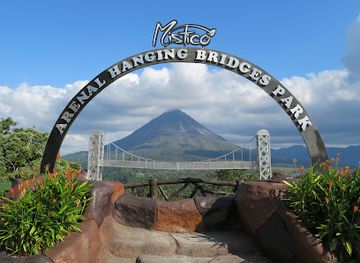
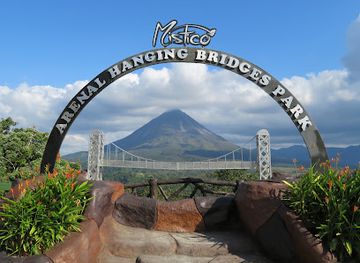
The Arenal Volcano Area offers a concentrated mix of volcanic scenery, rainforest and outdoor activities. Arenal Volcano National Park is the core protected landscape, with trails crossing secondary forest and lava terrain associated with the 1968 eruption and later activity. Near La Fortuna, the waterfall provides a forested walk to a striking cascade, while private reserves such as the Mistico Arenal Hanging Bridges area allow visitors to explore the canopy on suspended walkways and forest trails. Hot springs range from extensively landscaped bathing complexes to smaller, more modest facilities supplied by geothermal heat. Wildlife experiences include guided birdwatching, sloth and frog walks, river excursions and night tours, with sightings dependent on weather and season. Lake Arenal brings a different character, offering broad mountain views, kayaking, windsurfing and scenic drives around its margins. Horse-riding routes, canyoning and rafting are available through specialist operators, generally outside the immediate town. The attraction landscape works best when approached as a series of ecosystems rather than a checklist: volcanic slopes, lowland farms, rainforest reserves, waterways and the lake each reveal a different side of the region.
-
Nature preserve
Místico Arenal Hanging Bridges
Experience the rainforest from above at Místico Arenal Hanging Bridges, a unique eco-tourism destination near Arenal Volcano.
-
Tourist attraction
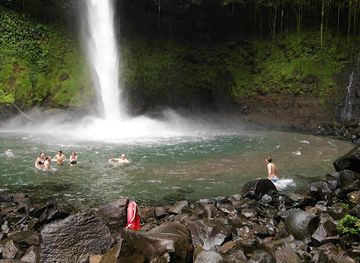
Fortuna Waterfall
Experience the majestic La Fortuna Waterfall, a natural wonder in Costa Rica's Arenal region, offering stunning views and refreshing waters.
-
Hotel
Baldi Hot Springs Resort Hotel & Spa
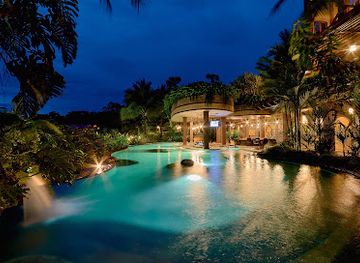
Discover the ultimate relaxation and adventure at Baldi Hot Springs Resort Hotel & Spa, where nature meets luxury in the heart of Costa Rica.
-
National park
Parque Nacional Volcán Arenal
Explore the breathtaking landscapes and rich biodiversity of Parque Nacional Volcán Arenal, an iconic Costa Rican national park with thrilling adventures and serene hot springs.


Best landmarks in Arenal Volcano Area
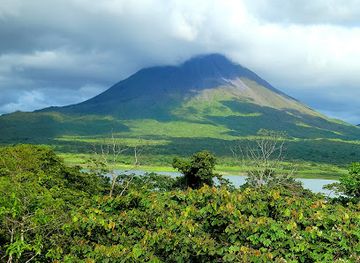
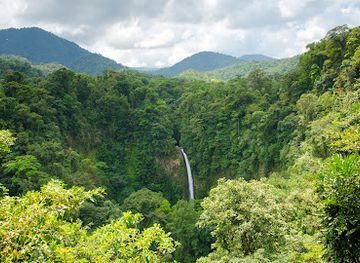
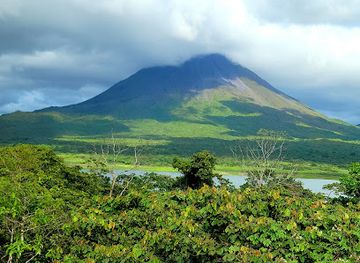
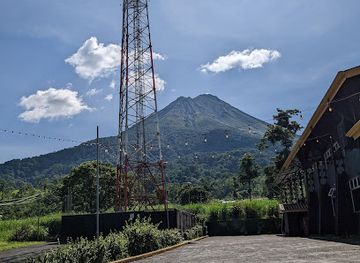
Arenal Volcano is the area’s dominant natural landmark, its symmetrical cone rising above the northern lowlands and remaining visible from many roads and viewpoints when cloud permits. The volcano’s lower slopes and lava fields are protected within Arenal Volcano National Park, where the terrain records the powerful eruption that began in 1968. Lake Arenal forms a second defining landmark: its extensive reservoir, surrounded by green hills and rural settlements, is both an engineering project and a major geographical feature of northern Costa Rica. La Fortuna Waterfall is a prominent local natural site, reached by a steep forest route leading to a cascade and swimming area subject to access and safety rules. The hanging bridges near the park are more recent visitor structures than historic monuments, but their elevated walkways have become recognisable features of the regional landscape and provide a distinctive perspective into the forest canopy. Together these places express Arenal’s character as a meeting point of volcanic geology, managed water, rainforest and small-scale settlement.
-
Nature preserve
Místico Arenal Hanging Bridges
Walk through the treetops of Costa Rica at Místico Arenal Hanging Bridges, where adventure and stunning rainforest views await!
-
Tourist attraction
Fortuna Waterfall
Experience the majestic beauty of La Fortuna Waterfall, a natural wonder nestled in the heart of Costa Rica's rainforest, near Arenal Volcano.
-
National park
Parque Nacional Volcán Arenal
Explore Costa Rica's iconic Arenal Volcano National Park: Hike through lava fields, witness diverse wildlife, and experience the power of nature.
-
Park
Parque de La Fortuna
Discover tranquility in La Fortuna's central park, a green escape with easy access to Arenal's attractions and natural beauty.
Explore Arenal Volcano Area on the map
Plan your trip on one map. See where the top cities, national parks and sights are, and book hotels and experiences in a few clicks.
Best hotels in Arenal Volcano Area
Best restaurants in Arenal Volcano Area
La Fortuna’s dining scene reflects both Costa Rican home cooking and the demands of an international visitor centre. Traditional restaurants and small local cafés serve casado, typically combining rice, beans, salad and a choice of meat, fish or vegetables, as well as gallo pinto, soups, plantain and other familiar Costa Rican dishes. Fresh fruit drinks, coffee and simple breakfasts are useful before early excursions. Around the town and the main roads, visitors will also find pizzerias, international restaurants, vegetarian choices, bakeries and dining rooms attached to hotels and hot-spring resorts. Rural sodas, the country’s informal eateries, usually provide a straightforward way to sample local food at accessible prices. The wider area’s farms and tropical climate support dairy products, fruit, vegetables and cattle, although menus are not uniformly farm-to-table and regional provenance should not be assumed. Dining near the lake and in smaller communities is generally quieter and more limited than in La Fortuna, so plan ahead when travelling beyond the main tourism centre.
-
Restaurant
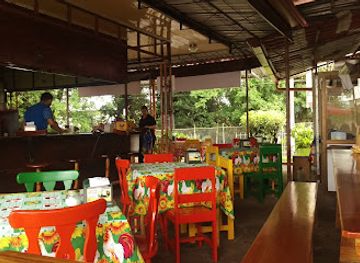
Soda la Hormiga
Discover authentic Costa Rican flavors at Soda la Hormiga in La Fortuna – a local favorite for delicious and budget-friendly meals.
-
Fine Dining
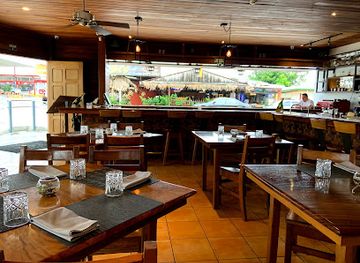
Don Rufino
Experience exquisite Latin American cuisine in La Fortuna at Don Rufino - where flavor meets breathtaking views.
-
Restaurant
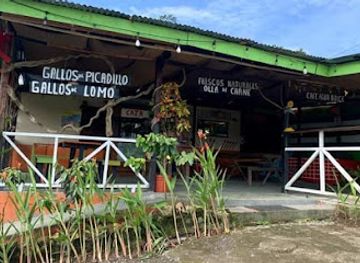
SODA El Turnito
Experience authentic Costa Rican flavors at SODA El Turnito in La Fortuna - a must-visit eatery for every traveler.
-
Peruvian
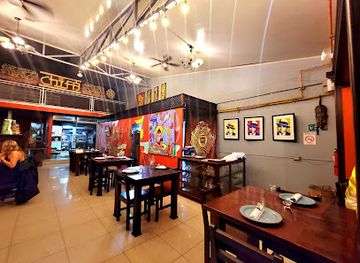
Chifa La Familia Feliz
Experience exquisite Peruvian cuisine at Chifa La Familia Feliz in La Fortuna – where flavor meets freshness amidst Costa Rica's stunning landscapes.
Best bars in Arenal Volcano Area
Evenings in the Arenal Volcano Area centre on La Fortuna rather than on a large nightclub district. The town has casual bars, hotel lounges, cafés and restaurants where visitors gather after hiking or hot-spring visits, with some venues offering music and televised sport. Craft beer, cocktails and Costa Rican rum-based drinks appear alongside the national beer brands, but alcohol is not the only focus of local evening life. Night walks, hot-spring bathing and early starts for wildlife tours often shape visitors’ schedules more than late-night entertainment. Outside La Fortuna, the atmosphere becomes rural and facilities are widely dispersed, with small bars and restaurants serving local communities rather than a dedicated nightlife scene. Lake Arenal settlements offer occasional places for a quiet drink or meal, but opening arrangements and entertainment can be seasonal or changeable. Arrange transport in advance if staying away from the centre, particularly after drinking, and use licensed taxis or an organised transfer rather than driving unfamiliar rural roads at night.
-
Volcano
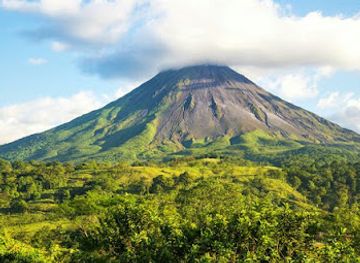
Arenal Volcano
Discover the awe-inspiring Arenal Volcano, a must-visit natural wonder in Costa Rica, surrounded by lush landscapes and thrilling adventures.
-
Pizza
La Cava
Discover La Cava in San Carlos for a unique fusion of pizza and Costa Rican flavors, perfect for families and food lovers alike.
-
Restaurant
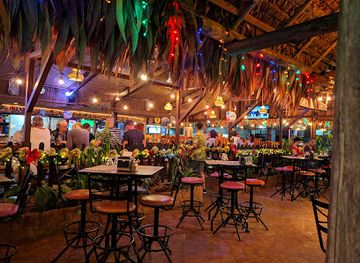
Nanku Restaurant - Tropical Bar and Grill
Discover the flavors of Costa Rica at Nanku Restaurant - a tropical bar and grill with live music and a vibrant atmosphere.
-
Restaurant
Lava Lounge
Discover the lively atmosphere and delicious cuisine at Lava Lounge in La Fortuna, Costa Rica, a perfect blend of local culture and culinary delights.
Best nightclubs in Arenal Volcano Area
Evenings in the Arenal Volcano Area centre on La Fortuna rather than on a large nightclub district. The town has casual bars, hotel lounges, cafés and restaurants where visitors gather after hiking or hot-spring visits, with some venues offering music and televised sport. Craft beer, cocktails and Costa Rican rum-based drinks appear alongside the national beer brands, but alcohol is not the only focus of local evening life. Night walks, hot-spring bathing and early starts for wildlife tours often shape visitors’ schedules more than late-night entertainment. Outside La Fortuna, the atmosphere becomes rural and facilities are widely dispersed, with small bars and restaurants serving local communities rather than a dedicated nightlife scene. Lake Arenal settlements offer occasional places for a quiet drink or meal, but opening arrangements and entertainment can be seasonal or changeable. Arrange transport in advance if staying away from the centre, particularly after drinking, and use licensed taxis or an organised transfer rather than driving unfamiliar rural roads at night.
-
Disco club
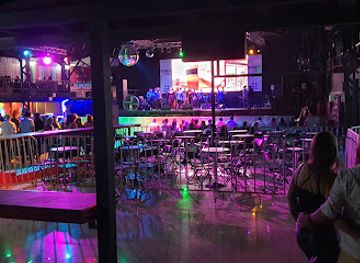
Pepper Disco Club
Discover the energetic vibe of Pepper Disco Club, a premier nightlife destination in Curridabat, offering music, dancing, and vibrant fun.
-
Volcano
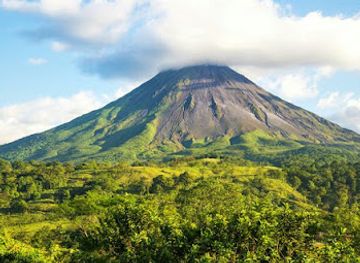
Arenal Volcano
Explore Arenal Volcano, Costa Rica's iconic natural wonder, where adventure, lush wildlife, and rejuvenating hot springs await.
-
Night club
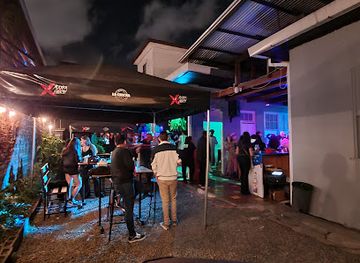
La Chicha
Discover the energetic nightlife of San José at La Chicha, a vibrant night club where unforgettable memories are made with every dance.
-
Bar
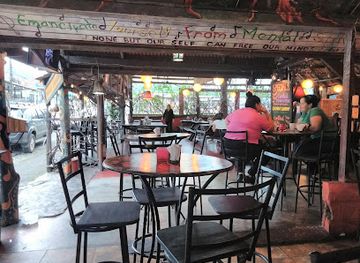
Volcán Look Disco
Discover the heart of Costa Rica's nightlife at Volcán Look Disco, a vibrant bar near La Fortuna with great music and cocktails.
Best shops in Arenal Volcano Area
Shopping in the Arenal Volcano Area is concentrated in La Fortuna, where souvenir shops, small galleries, clothing stores, pharmacies and convenience outlets serve visitors preparing for outdoor activities. Typical purchases include Costa Rican coffee, chocolate, locally made soaps, wood or painted crafts, wildlife-themed gifts and practical rainwear or walking equipment. The quality and provenance of handicrafts vary, so ask whether an item was made locally rather than assuming every volcanic or rainforest design is regional. Small supermarkets and bakeries are useful for water, fruit and snacks before excursions, while farmers’ stalls and local shops provide a more everyday view of the community than the souvenir trade. Around the lake and in rural settlements, retail choices are limited and primarily serve residents. La Fortuna does not function as a luxury shopping destination; its appeal lies in independent small businesses, edible gifts and practical outdoor supplies. Carry purchases securely during transfers and remember that many rural attractions have no substantial retail facilities on site.
-
Tourist attraction
Místico Arenal Hanging Bridges
Discover the beauty of Costa Rica at Místico Arenal Hanging Bridges, a premier eco-tourism attraction showcasing stunning rainforest views and diverse wildlife.
-
Hotel
The Springs Resort & Spa at Arenal
Experience unparalleled luxury and adventure at The Springs Resort & Spa, nestled in the heart of Arenal's breathtaking landscapes.
-
Tourist attraction
Bogarin Trail
Discover the vibrant wildlife and breathtaking landscapes of Bogarin Trail, a premier tourist attraction in La Fortuna, Costa Rica.
-
Tour operator
Sloth Watching Trail La Fortuna, Arenal Volcano Private Trail
Experience the enchanting Sloth Watching Trail in La Fortuna, a prime destination for nature lovers seeking to encounter Costa Rica's unique wildlife.
Get your free copy of our complete guide to Arenal Volcano Area, delivered straight to you.
Everything on this page, from attractions and restaurants to essentials and local phrases, in one PDF you can read offline, print or share.
Already have an account? Sign in
Your Arenal Volcano Area guide is ready.
We'll send it to · Not you? Sign out

Getting your guide ready…
We are putting together a fresh copy of the Arenal Volcano Area guide. This can take up to a minute.
This can take a few moments. If your browser asks, choose Allow so the download can start. You'll find the guide in your Downloads folder.
Nothing happened? Download it again
Sorry, the guide is taking longer than usual. Please try again in a minute, or get it by email instead.
Arenal Volcano Area essentials
Currency and Payment
Safety
Emergency Situations
Do's and Don'ts
Local Tips
From Eve
Local phrases worth knowing
You don't need to get them perfect. A few words go a long way, and locals appreciate the effort.
Basics
| English | Local | Say it |
|---|---|---|
| Hello | Hola | [OH-lah] |
| Goodbye | Adiós | [ah-DYOS] |
| Yes | Sí | [SEE] |
| No | No | [NO] |
| Please/You're welcome | Por favor | [por fah-VOR] |
| Thank you | Gracias | [GRAH-syahs] |
| Excuse me/Sorry | Perdón | [pehr-DON] |
| How are you? | ¿Cómo estás? | [KOH-moh es-TAS] |
| Fine. And you? | Bien. ¿Y tú? | [BYEN. ee TOO?] |
| Do you speak English? | ¿Hablas inglés? | [AH-blahs een-GLES?] |
| I don't understand | No entiendo | [NO en-TYEN-doh] |
Eating & Drinking
| English | Local | Say it |
|---|---|---|
| I'd like to see the menu, please | Me gustaría ver el menú, por favor | [meh goos-tah-REE-ah BEHR el meh-NOO, por fah-VOR] |
| I don't eat meat | No como carne | [NO KOH-mo KAR-neh] |
| Cheers! | ¡Salud! | [sah-LOOD] |
| I would like to pay, please | Me gustaría pagar, por favor | [meh goos-tah-REE-ah pah-GAR, por fah-VOR] |
Emergencies
| English | Local | Say it |
|---|---|---|
| Help! | ¡Ayuda! | [ah-YOO-dah] |
| Go away! | ¡Vete! | [VEH-teh] |
| Call the Police! | ¡Llama a la policía! | [YAH-mah ah lah poh-lee-SEE-ah] |
| Call a doctor! | ¡Llama a un doctor! | [YAH-mah ah oon dok-TOR] |
| I'm lost | Estoy perdido | [es-TOY pehr-DEE-doh] |
| I'm ill | Estoy enfermo | [es-TOY en-FER-mo] |
Shopping
| English | Local | Say it |
|---|---|---|
| I'd like to buy... | Me gustaría comprar... | [meh goos-tah-REE-ah kom-PRAR...] |
| I'm just looking | Solo estoy mirando | [SO-lo es-TOY mee-RAN-do] |
| How much is it? | ¿Cuánto cuesta? | [KWAN-toh KWES-tah?] |
| That's too expensive | Eso es muy caro | [EH-so es MOOY KAR-o] |
| Can you lower the price? | ¿Puedes bajar el precio? | [PWEH-des bah-HAR el PREH-syo?] |
Time & Numbers
| English | Local | Say it |
|---|---|---|
| What time is it? | ¿Qué hora es? | [KEH OH-rah es?] |
| It's one o'clock | Es la una | [es lah OO-nah] |
| Half past (10) | Y media (10) | [ee MEH-dyah (10)] |
| Morning | Mañana | [mah-NYAH-nah] |
| Afternoon | Tarde | [TAR-deh] |
| Evening | Noche | [NOH-cheh] |
| Yesterday | Ayer | [ah-YER] |
| Today | Hoy | [OY] |
| Tomorrow | Mañana | [mah-NYAH-nah] |
| 1 | Uno | [OO-no] |
| 2 | Dos | [DOS] |
| 3 | Tres | [TRES] |
| 4 | Cuatro | [KWAT-roh] |
| 5 | Cinco | [SEEN-koh] |
| 6 | Seis | [SAYS] |
| 7 | Siete | [SYEH-teh] |
| 8 | Ocho | [OH-choh] |
| 9 | Nueve | [NWEH-beh] |
| 10 | Diez | [DYEZ] |
Transport & Directions
| English | Local | Say it |
|---|---|---|
| Where's a/the...? | ¿Dónde está un/una...? | [DON-deh es-TAH oon/OO-nah...?] |
| What's the address? | ¿Cuál es la dirección? | [KWAL es lah dee-rek-SYON?] |
| Can you show me (on the map)? | ¿Puedes mostrarme (en el mapa)? | [PWEH-des mos-TRAR-me (en el MAH-pah)?] |
| When's the next (bus)? | ¿Cuándo sale el próximo (bus)? | [KWAN-doh SAH-leh el PROK-see-mo (boos)?] |
| A ticket (to ....) | Un boleto (a ....) | [OON bo-LEH-to (ah ....)] |
History of Arenal Volcano Area
Indigenous Landscapes Before Spanish Rule
The northern plains and volcanic foothills around modern Arenal were used by Indigenous communities long before the arrival of the Spanish. Archaeological evidence from the wider northern Costa Rican region points to settled communities, cultivation, exchange and distinctive ceramic traditions. The area’s rivers, forests and fertile volcanic soils supported movement and subsistence, while the volcano formed part of a landscape understood through Indigenous knowledge and belief. Modern tourism infrastructure sits within this older human geography, although many visitors encounter its natural features primarily through geological and ecological explanations.
Early Colonial and Frontier Development
Spanish colonial influence was stronger in Costa Rica’s central highlands than in the remote northern lowlands, where forests, rivers and difficult travel limited permanent colonial settlement. Over subsequent centuries, the region remained comparatively sparsely populated and was connected more closely to frontier agriculture and river routes than to the colonial centres. Small-scale farming gradually expanded, but the area around Arenal retained a rural character well into the twentieth century. This relative isolation helped preserve extensive forest and shaped the dispersed settlement pattern visible beyond La Fortuna.
Agriculture and the Growth of La Fortuna
La Fortuna developed as an agricultural community in the twentieth century, supported by cattle, crops and increasing road connections with other parts of northern Costa Rica. Its location near the volcano and fertile countryside eventually gave it a strategic role in regional commerce. The town’s later transformation into a tourism centre followed the growing recognition of the area’s scenery and geothermal resources. Hotels, restaurants, guiding services and transport businesses expanded around the existing community rather than replacing its agricultural setting altogether.
The 1968 Arenal Eruption
On 29 July 1968, Arenal erupted violently after a long period in which it had been regarded locally as an inactive mountain. The eruption destroyed or severely affected several settlements, including Pueblo Nuevo and Tabacón, and caused loss of life and extensive damage in the surrounding countryside. Lava flows, ash and explosive activity continued for decades, repeatedly reshaping the landscape. The event remains central to the region’s history and explains the lava fields, buried vegetation and hazard-conscious management found around the volcano today.
Hydroelectric Development at Lake Arenal
The expansion of hydroelectric power became another major transformation in the Arenal area. The Arenal Reservoir, created in the late twentieth century, flooded earlier settlements and landscapes but established a large water body that now supports electricity generation, scenic travel and water-based recreation. The project formed part of Costa Rica’s wider national investment in renewable energy. Lake Arenal’s broad surface and surrounding hills contrast with the dense rainforest near the volcano, giving the region a second major geographical identity beyond its volcanic cone.
From Volcanic Frontier to Nature-Tourism Centre
As eruptions and scientific interest drew attention to Arenal, the region developed into one of Costa Rica’s principal centres for nature-based tourism. Protected areas, private reserves, hot-spring facilities and adventure operators created a varied visitor economy around La Fortuna. Arenal’s eruptive activity declined markedly and ceased producing visible lava in 2010, but the volcanic landscape continued to attract visitors. Tourism now provides employment and infrastructure while also creating pressure to manage water, traffic, waste, wildlife encounters and development in a sensitive tropical environment.
Arenal Volcano Area in Photos
Browse through our photo collection highlighting the charm and character of the destination.
Neighbouring regions of Arenal Volcano Area
The closest regions to Arenal Volcano Area, if you have time for more than one.
-

-
-

-

-


Swipe for more regions
Explore more

Explore more of Costa Rica
Discover Costa Rica, where lush rainforests, stunning beaches, and incredible wildlife create a paradise for nature lovers and adventure seekers alike.
Explore Costa Rica