

Free North Zone Travel Guide & Mobile App
Explore North Zone with free travel guides. Discover regional history, expert tips, proposed trips, and audio guides on web or mobile app.


Explore Costa Rica’s North Zone for Arenal’s volcanic landscapes, rainforest rivers, blue waters, wetlands and wildlife-rich rural scenery.
Read more about North Zone
When is the best time to visit North Zone?
Best: November–January · 29°C| Month | High (°C) | Rainfall (mm) |
|---|---|---|
| January (best) | 29 | 75 |
| February | 30 | 70 |
| March | 30 | 65 |
| April | 31 | 60 |
| May | 31 | 55 |
| June | 32 | 50 |
| July | 31 | 55 |
| August | 31 | 60 |
| September | 30 | 65 |
| October | 30 | 70 |
| November (best) | 29 | 75 |
| December (best) | 29 | 80 |
Getting to and around North Zone
How to get there
Transportation
Top city travel guides in North Zone
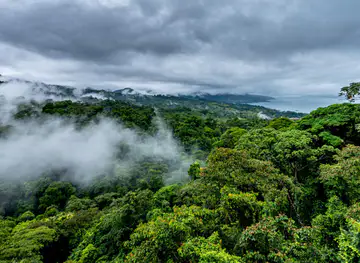
The cities of North Zone, and the easiest places to base yourself.
-
-


Swipe for more cities
Destinations in North Zone
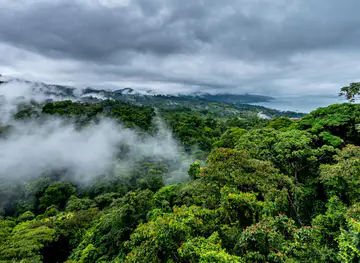
Resorts, valleys and scenic spots worth a trip of their own.
-

-

-
-


Swipe for more destinations
Best attractions in North Zone
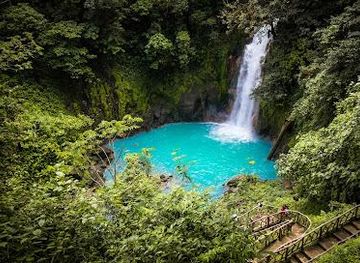
The North Zone’s attractions are built around living landscapes rather than a dense collection of historic monuments. Around La Fortuna, Arenal Volcano National Park and neighbouring reserves offer lava-field viewpoints, forest trails and opportunities to see birds, monkeys and other wildlife, while hot springs and adventure facilities make the area accessible to a wide range of visitors. Tenorio Volcano National Park is known for the Río Celeste and its forest watershed, though the walk to the river involves uneven, often wet ground. Sarapiquí provides lowland rainforest, birdwatching, cacao and agricultural visits, white-water rafting and quieter river excursions. Farther north, Caño Negro Wildlife Refuge is a seasonal wetland of lagoons, marshes and waterways best explored by boat with an experienced guide. Juan Castro Blanco National Park offers a more rugged, less developed highland setting near the San Carlos basin. Family-oriented activity parks, hanging bridges and farm visits are concentrated around La Fortuna, while smaller communities elsewhere provide access to rural scenery and local conservation projects. The variety lies in the change from cool volcanic foothills to steamy rainforest and open northern wetlands.
-
Museum
Pre-Columbian Gold Museum
Explore the Pre-Columbian Gold Museum in San José, where history and artistry intertwine through ancient treasures and cultural exhibits.
-
Tourist attraction
Rio Celeste y Los Teñideros
Discover the celestial beauty of Rio Celeste, where turquoise waters and lush rainforests create an unforgettable Costa Rican experience.
-
National park
Parque Nacional Volcán Tenorio
Explore the breathtaking landscapes and vibrant wildlife of Parque Nacional Volcán Tenorio, Costa Rica's hidden gem for nature lovers and adventure seekers.
-
 Hotel
HotelBuena Vista Del Rincon Eco Adventure Park, Hotel & Spa
Experience the thrill of adventure and the serenity of nature at Buena Vista Del Rincon Eco Adventure Park, Hotel & Spa in Guanacaste, Costa Rica.


Best landmarks in North Zone
Arenal Volcano is the North Zone’s defining natural landmark, its near-symmetrical cone rising above the plains and remaining visible from viewpoints around La Fortuna when cloud permits. The mountain’s 1968 eruption altered the surrounding valleys and left lava fields that help explain the area’s geology. The Río Celeste, within Tenorio Volcano National Park, is another recognisable feature: its blue water is created by a natural alteration in suspended minerals where streams meet, rather than by artificial colouring. In the northern lowlands, the broad waterways and wetlands of Caño Negro form a landscape landmark of a different kind, changing visibly with seasonal water levels. The Sarapiquí River represents the region’s historic and ecological connection between forest, farming communities and downstream routes. Around Ciudad Quesada and La Fortuna, rural church squares and town-centre buildings provide modest civic landmarks, but the region’s most significant visual symbols remain volcanoes, rivers, forest canopies and flooded plains rather than monumental architecture.
-
National park
Parque Nacional Manuel Antonio
Discover Costa Rica's paradise: stunning beaches, lush rainforest, and incredible wildlife in Manuel Antonio National Park. A natural gem!
-
National park
Parque Nacional Cahuita
Explore Costa Rica's Caribbean paradise: pristine beaches, lush rainforest, and vibrant coral reefs teeming with wildlife in Cahuita National Park.
-
Nature preserve
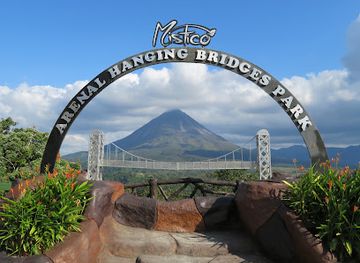
Místico Arenal Hanging Bridges
Experience Costa Rica's rainforest from above: walk across suspension bridges, spot unique wildlife, and admire Arenal Volcano.
-
Tourist attraction
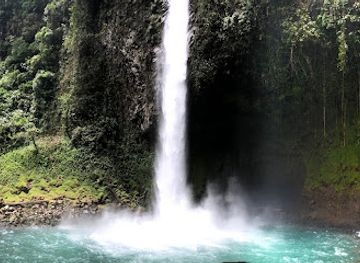
Fortuna Waterfall
Experience the majestic La Fortuna Waterfall: Swim in turquoise pools and hike through lush Costa Rican rainforest near Arenal Volcano.
Explore North Zone on the map
Plan your trip on one map. See where the top cities, national parks and sights are, and book hotels and experiences in a few clicks.
Best hotels in North Zone
Best restaurants in North Zone
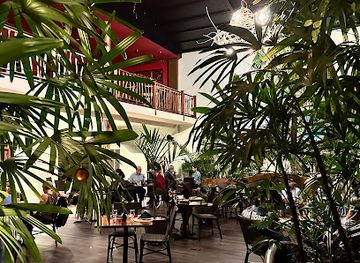
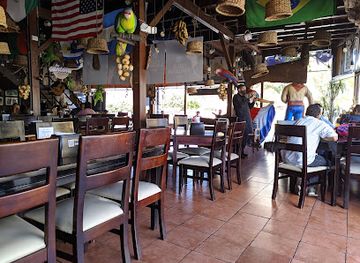
Dining in the North Zone reflects Costa Rica’s rural and agricultural character. Casados of rice, beans, salad, plantain and meat or fish, along with gallo pinto, soups, grilled dishes and corn-based foods, are widely available in sodas, family restaurants and cafés. Around La Fortuna, menus broaden to include international dishes, vegetarian cooking and restaurants serving visitors visiting Arenal, while Ciudad Quesada and smaller towns retain a more local, practical dining culture. Sarapiquí’s food identity is shaped by tropical produce, cacao farms, fruit, coffee from nearby highlands and river-country agriculture; farm visits may offer tastings rather than full restaurant meals. In the northern plains, dairy products, beef, sugar cane and plantain are important parts of the regional food economy. Small bakeries, roadside eateries and farmers’ stalls can be useful for breakfast and packed lunches, but rural opening hours vary. Expect fresh fruit drinks, Costa Rican coffee and straightforward portions rather than a single dish exclusive to the North Zone.
-
Restaurant
El Avion
Experience breathtaking views and delicious cuisine at El Avion, where history meets tropical paradise in Puntarenas Province.
-
Argentinian
La Esquina de Buenos Aires
Discover the best of Argentinian cuisine at La Esquina de Buenos Aires – where every dish tells a flavorful story.
-
Pan Asian
Tin Jo Restaurant
Discover the exquisite flavors of Pan Asian cuisine at Tin Jo Restaurant in San José – where culinary tradition meets modern flair.
-
Costa Rican
Restaurante Nuestra Tierra
Experience authentic Costa Rican flavors at Restaurante Nuestra Tierra in San José – where tradition meets taste.

Best bars in North Zone
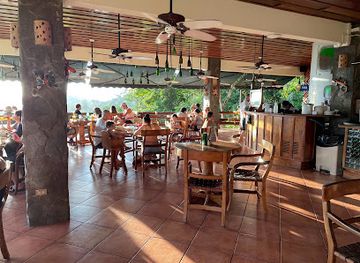
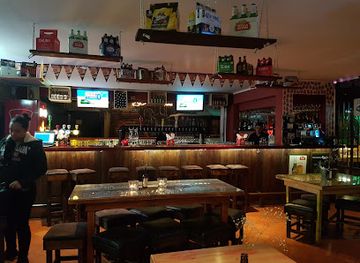
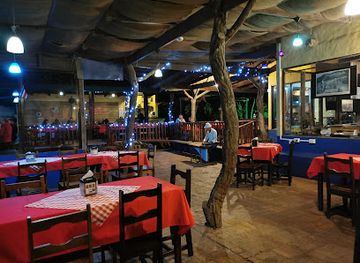
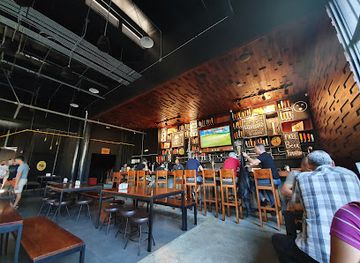
Nightlife is concentrated in La Fortuna, where visitors find casual bars, hotel lounges, restaurants, small venues with music and places serving Costa Rican beer, cocktails and tropical drinks. The atmosphere is generally oriented towards travellers returning from volcano walks, rafting or hot springs rather than towards a large club scene. Ciudad Quesada has the broadest local evening economy outside the main tourism centre, with restaurants, traditional bars and occasional live entertainment, while Sarapiquí’s evenings are more commonly spent at lodges, rural restaurants or modest town bars. In Upala, Los Chiles and other northern communities, social life is primarily local and tends to centre on cafés, restaurants and familiar neighbourhood establishments. Night-time options may be limited in forest and wetland areas, where accommodation is valued for quiet, wildlife sounds and early starts. Check transport arrangements before drinking, as rural taxis and late services can be limited.
-
Restaurant
El Avion
Discover El Avion in Aguirre, where dining meets adventure inside a historic airplane, offering stunning views and delicious cuisine.
-
Grill
Costa Rica Beer Factory
Experience the vibrant brewing culture at Costa Rica Beer Factory, where craft beer meets local flavors in an inviting atmosphere.
-
Restaurant
Mirador Tiquicia
Experience the best of Costa Rican cuisine with breathtaking views at Mirador Tiquicia in San Antonio.
-
Restaurant
República Casa Cervecera
Experience the best of Costa Rican cuisine and craft beer at República Casa Cervecera, a must-visit gastropub in San José.
Best nightclubs in North Zone
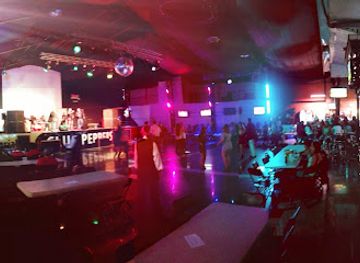
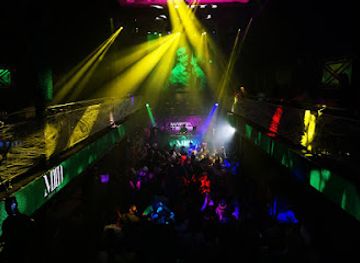
Nightlife is concentrated in La Fortuna, where visitors find casual bars, hotel lounges, restaurants, small venues with music and places serving Costa Rican beer, cocktails and tropical drinks. The atmosphere is generally oriented towards travellers returning from volcano walks, rafting or hot springs rather than towards a large club scene. Ciudad Quesada has the broadest local evening economy outside the main tourism centre, with restaurants, traditional bars and occasional live entertainment, while Sarapiquí’s evenings are more commonly spent at lodges, rural restaurants or modest town bars. In Upala, Los Chiles and other northern communities, social life is primarily local and tends to centre on cafés, restaurants and familiar neighbourhood establishments. Night-time options may be limited in forest and wetland areas, where accommodation is valued for quiet, wildlife sounds and early starts. Check transport arrangements before drinking, as rural taxis and late services can be limited.
-
Disco club
Pepper Disco Club
Dive into the pulsating nightlife of Pepper Disco Club in Curridabat, where great music and vibrant energy create an unforgettable experience.
-
Night club
Republik Lounge
Discover the vibrant nightlife at Republik Lounge in Jaco, Costa Rica – a premier destination for dancing, dining, and unforgettable experiences.
-
Disco club
Cuban Republik Disco Lounge
Discover the lively Cuban Republik Disco Lounge in Quepos, where dancing, cocktails, and vibrant nightlife come together for an unforgettable party experience.
-
Disco club
Mood Club
Discover vibrant nightlife at Mood Club, San José's premier disco club offering electrifying music and an unforgettable atmosphere.


Best shops in North Zone
Shopping in the North Zone is strongest in La Fortuna, Ciudad Quesada, Sarapiquí’s town centres and the smaller communities along the main roads. La Fortuna has the greatest concentration of craft shops, galleries and visitor-oriented outlets, with carved wood, painted objects, jewellery, textiles, coffee and packaged foods among the common choices; quality and provenance vary, so ask where an item was made. Farmers’ markets and local produce stalls are useful for tropical fruit, vegetables, dairy products, baked goods and other everyday food rather than formal souvenirs. Sarapiquí is associated with cacao and rainforest-related products, and some farms combine demonstrations with tastings or small retail areas. Ciudad Quesada offers more practical shopping, including supermarkets, pharmacies, clothing and local services. In rural settlements, retail choice is limited and shops may close earlier than visitors expect. Choose responsibly made crafts, avoid products made from protected wildlife or plants, and remember that agricultural products may be subject to Costa Rican and international customs restrictions.
-
Shopping mall
Multiplaza Escazú
Discover the ultimate shopping experience at Multiplaza Escazú, where luxury meets local culture in Costa Rica's vibrant retail scene.
-
Shopping mall
Multiplaza Curridabat
Explore Multiplaza Curridabat, a premier shopping mall in Costa Rica featuring international brands, delicious dining, and vibrant entertainment options.
-
Shopping mall
Paseo de las Flores
Experience the best of shopping, dining, and entertainment at Paseo de las Flores in Heredia, Costa Rica, a vibrant hub for tourists.
-
Home goods store
Decasa
Shop at Decasa in San Vicente for unique home goods, stylish bedding, and quality kitchen supplies that capture the essence of Costa Rican living.

Get your free copy of our complete guide to North Zone, delivered straight to you.
Everything on this page, from attractions and restaurants to essentials and local phrases, in one PDF you can read offline, print or share.
Already have an account? Sign in
Your North Zone guide is ready.
We'll send it to · Not you? Sign out

Getting your guide ready…
We are putting together a fresh copy of the North Zone guide. This can take up to a minute.
This can take a few moments. If your browser asks, choose Allow so the download can start. You'll find the guide in your Downloads folder.
Nothing happened? Download it again
Sorry, the guide is taking longer than usual. Please try again in a minute, or get it by email instead.
North Zone essentials
Currency and Payment
Safety
Emergency Situations
Do's and Don'ts
Local Tips
From Eve
Local phrases worth knowing
You don't need to get them perfect. A few words go a long way, and locals appreciate the effort.
Basics
| English | Local | Say it |
|---|---|---|
| Hello | Hola | [O-la] |
| Goodbye | Adiós | [A-dee-os] |
| Yes | Sí | [See] |
| No | No | [No] |
| Please/You're welcome | Por favor | [Por fa-vor] |
| Thank you | Gracias | [Gra-thi-as] |
| Excuse me/Sorry | Perdón | [Per-don] |
| How are you? | ¿Cómo estás? | [Ko-mo es-tas] |
| Fine. And you? | Bien. ¿Y tú? | [Bee-en. Ee tu] |
| Do you speak English? | ¿Hablas inglés? | [A-blas in-glés] |
| I don't understand | No entiendo | [No en-tyen-do] |
Eating & Drinking
| English | Local | Say it |
|---|---|---|
| I'd like to see the menu, please | Me gustaría ver el menú, por favor | [Me gus-ta-ria ver el me-nu, por fa-vor] |
| I don't eat meat | No como carne | [No ko-mo kar-ne] |
| Cheers! | ¡Salud! | [Sa-lud] |
| I would like to pay, please | Me gustaría pagar, por favor | [Me gus-ta-ria pa-gar, por fa-vor] |
Emergencies
| English | Local | Say it |
|---|---|---|
| Help! | ¡Ayuda! | [A-yu-da] |
| Go away! | ¡Vete! | [Ve-te] |
| Call the Police! | ¡Llama a la policía! | [Ya-ma a la po-li-cia] |
| Call a doctor! | ¡Llama a un médico! | [Ya-ma a un me-di-co] |
| I'm lost | Estoy perdido | [Es-toy per-di-do] |
| I'm ill | Estoy enfermo | [Es-toy en-fer-mo] |
Shopping
| English | Local | Say it |
|---|---|---|
| I'd like to buy... | Me gustaría comprar... | [Me gus-ta-ria kom-prar] |
| I'm just looking | Solo estoy mirando | [So-lo es-toy mi-ran-do] |
| How much is it? | ¿Cuánto cuesta? | [Kwan-to kwes-ta] |
| That's too expensive | Eso es muy caro | [E-so es muy ka-ro] |
| Can you lower the price? | ¿Puedes bajar el precio? | [Pwe-des ba-har el pre-cio] |
Time & Numbers
| English | Local | Say it |
|---|---|---|
| What time is it? | ¿Qué hora es? | [Ke o-ra es] |
| It's one o'clock | Es la una | [Es la u-na] |
| Half past (10) | Y media (10) | [Y me-dia] |
| Morning | Mañana | [Ma-nya-na] |
| Afternoon | Tarde | [Tar-de] |
| Evening | Noche | [No-che] |
| Yesterday | Ayer | [A-yer] |
| Today | Hoy | [Oy] |
| Tomorrow | Mañana | [Ma-nya-na] |
| 1 | Uno | [U-no] |
| 2 | Dos | [Dos] |
| 3 | Tres | [Tres] |
| 4 | Cuatro | [Kua-tro] |
| 5 | Cinco | [Sin-co] |
| 6 | Seis | [Says] |
| 7 | Siete | [Sye-te] |
| 8 | Ocho | [O-cho] |
| 9 | Nueve | [Nwe-ve] |
| 10 | Diez | [Dyez] |
Transport & Directions
| English | Local | Say it |
|---|---|---|
| Where's a/the...? | ¿Dónde hay un/una...? | [Don-de ai un/una] |
| What's the address? | ¿Cuál es la dirección? | [Kwal es la di-rec-ción] |
| Can you show me (on the map)? | ¿Puedes mostrarme (en el mapa)? | [Pwe-des mos-trar-me en el ma-pa] |
| When's the next (bus)? | ¿Cuándo es el próximo (bus)? | [Kwan-do es el pro-xi-mo] |
| A ticket (to ....) | Un boleto (a ....) | [Un bo-le-to a] |
History of North Zone
Indigenous Cultures of the Northern Lowlands
Long before modern tourism, the northern plains and river corridors were occupied and used by Indigenous peoples whose movement followed waterways, forests and fertile land. The Maleku, whose territory lies around Guatuso, remain particularly important to the region’s cultural identity. Their traditions, language and relationship with the surrounding environment have endured despite colonial pressure and later land loss. Archaeological evidence elsewhere in northern Costa Rica also indicates earlier patterns of settlement and exchange, although many lowland sites remain less visible to visitors than the region’s volcanic landscapes.
Colonial Frontier and River Routes
Spanish colonial settlement was limited in the wet northern lowlands compared with the Central Valley. Dense forest, seasonal flooding and difficult transport restricted permanent expansion, while rivers remained important routes through the region. The San Carlos and Sarapiquí river systems connected inland communities with the Caribbean-facing side of the country and, more broadly, with commercial networks reaching towards Nicaragua. Colonial influence was therefore uneven: stronger in settled agricultural areas and lighter in remote forest and Indigenous territories.
Agricultural Settlement and the Opening of the North
During the nineteenth and twentieth centuries, roads, cattle ranching and agricultural colonisation transformed parts of the Northern Plains. San Carlos developed as a major rural economy, with dairy farming, cattle, sugar cane and other crops shaping both settlement and landscape. New transport links encouraged migration from more crowded parts of Costa Rica and connected Ciudad Quesada and surrounding communities with the Central Valley. The resulting countryside remains a mixture of pasture, commercial agriculture, small farms, rivers and surviving forest.
Sarapiquí’s Rainforest Economy
Sarapiquí became associated with river transport, timber, agriculture and lowland rainforest rather than with a single historic town. In the twentieth century, banana and other export-oriented farming contributed to economic change, while scientific and conservation organisations later made the area an important centre for tropical research and environmental education. Today, lodges, research facilities, cacao farms and river operators reflect a gradual shift towards nature-based tourism, while agriculture continues to influence the region’s everyday economy.
The 1968 Arenal Eruption
Arenal Volcano erupted dramatically on 29 July 1968, devastating settlements around the volcano and killing people in the surrounding area. The event reshaped local geography, livelihoods and scientific understanding of the volcano, while its repeated activity over subsequent decades made the mountain internationally recognisable. Arenal entered a quiescent phase in 2010, but the cooled lava fields, altered valleys and volcanic deposits remain central to the landscape around La Fortuna. The eruption also helped establish the area’s later identity as a major nature and adventure destination.
Conservation and Nature Tourism
From the late twentieth century onwards, national parks, wildlife refuges, private reserves and research initiatives changed how the northern region was valued. Arenal, Tenorio, Juan Castro Blanco and Caño Negro protect contrasting volcanic, forest and wetland environments, while Sarapiquí developed a strong tradition of guided rainforest tourism. Conservation has not removed tensions involving farming, roads, water use and habitat fragmentation, but it has created a significant economic role for guides, lodges and community businesses linked to landscape protection.
North Zone in Photos
Browse through our photo collection highlighting the charm and character of the destination.
Neighbouring regions of North Zone
The closest regions to North Zone, if you have time for more than one.
-

-

-

-

-


Swipe for more regions
Explore more

Explore more of Costa Rica
Discover Costa Rica, where lush rainforests, stunning beaches, and incredible wildlife create a paradise for nature lovers and adventure seekers alike.
Explore Costa Rica