

Free Puntarenas Travel Guide & Mobile App
Explore Puntarenas with free travel guides. Discover regional history, expert tips, proposed trips, and audio guides on web or mobile app.


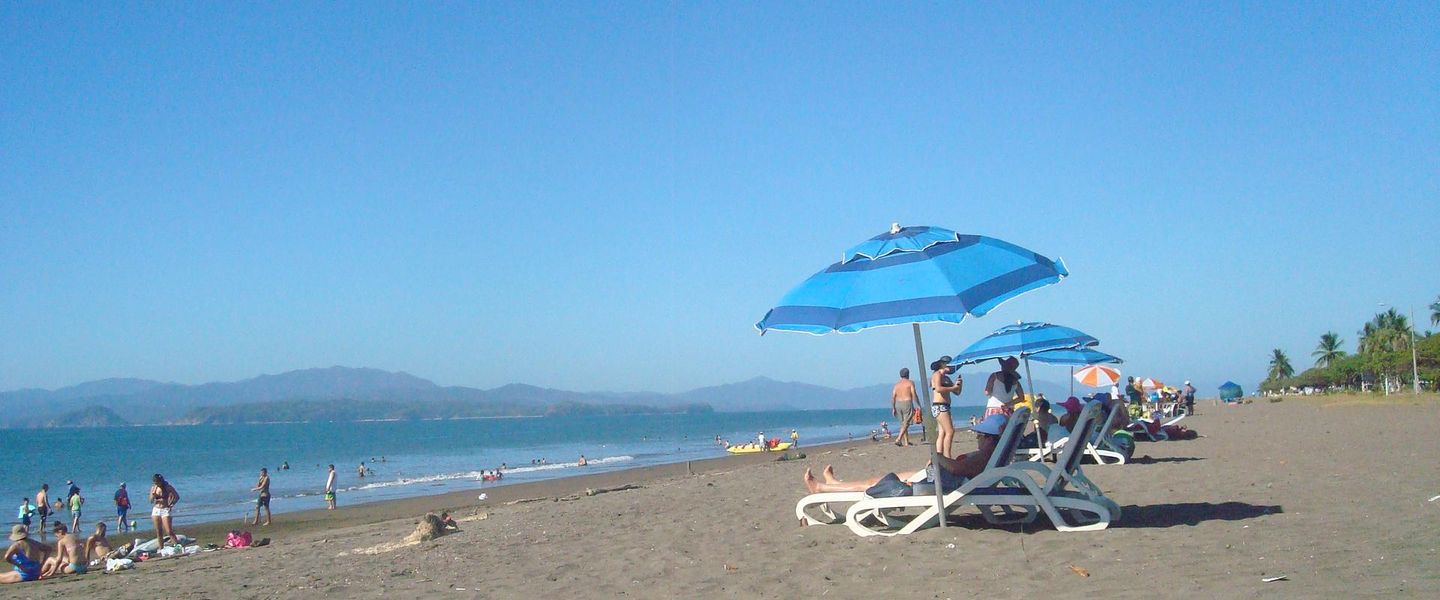


Explore Puntarenas for Pacific beaches, cloud forests, wildlife-rich parks, seafood towns and Costa Rica’s remote southern coast.
Read more about Puntarenas
When is the best time to visit Puntarenas?
Best: December–February · 30–31°C| Month | High (°C) | Rainfall (mm) |
|---|---|---|
| January (best) | 31 | 5 |
| February (best) | 31 | 8 |
| March | 32 | 12 |
| April | 32 | 42 |
| May | 31 | 200 |
| June | 31 | 300 |
| July | 31 | 250 |
| August | 31 | 300 |
| September | 30 | 350 |
| October | 30 | 400 |
| November | 30 | 200 |
| December (best) | 30 | 20 |
Getting to and around Puntarenas
How to get there
Transportation
Top city travel guides in Puntarenas
The cities of Puntarenas, and the easiest places to base yourself.
-
-

-

-

-
-


Swipe for more cities
Destinations in Puntarenas
Resorts, valleys and scenic spots worth a trip of their own.
-

-

-

-
-


Swipe for more destinations
Best attractions in Puntarenas
Puntarenas offers an unusually broad range of attractions, from the seafront and ferry activity of the provincial capital to rainforest, cloud forest, beaches and offshore marine reserves. Manuel Antonio National Park is known for its accessible trails, forested hills, beaches and frequent wildlife sightings, while Corcovado National Park on the Osa Peninsula provides a more demanding, guide-led immersion in lowland rainforest. Monteverde’s reserves focus on cloud-forest ecology, hanging bridges, birdwatching and guided walks. Along the central Pacific, Jacó and surrounding beaches support surfing, boating and other coastal activities, while the quieter southern coast and Golfo Dulce suit kayaking, mangrove trips and wildlife observation. Isla del Coco, far offshore, is a specialist destination reached mainly by liveaboard dive boats. The province also includes archaeological heritage linked to the Diquís region, coffee landscapes in the uplands, fishing communities and river or estuary environments. Conditions, access and conservation rules vary considerably, so a nature excursion should be chosen according to season, fitness, transport and the level of remoteness involved.
-
Theme park
Ponderosa Adventure Park
Experience an African safari in Costa Rica with exotic animals, zip-lining, and waterfall adventures near Liberia, Guanacaste.
-
Cultural landmark
El Faro de Puntarenas
Explore El Faro de Puntarenas - Costa Rica's iconic lighthouse, a cultural landmark with breathtaking views and rich maritime history.
-
Beach
Playa Conchal
Discover the pristine beauty of Playa Conchal, where golden sands meet crystal-clear waters in Guanacaste's tropical paradise.
-
National park
Parque Nacional Marino Las Baulas
Discover the natural wonders of Costa Rica at Parque Nacional Marino Las Baulas, a sanctuary for leatherback turtles and diverse wildlife.


Best landmarks in Puntarenas
The Paseo de los Turistas and the long urban peninsula of Puntarenas are among the province’s most recognisable civic and maritime landmarks, expressing the capital’s history as a Pacific port and passenger gateway. In the southern Pacific, the Osa Peninsula and the forested shores of the Golfo Dulce form a major natural landmark system, where rainforest reaches close to beaches, mangroves and tidal waters. Manuel Antonio’s steep green headlands and offshore islets create one of the central coast’s most familiar landscapes. Monteverde’s cloud-forest ridges are less monumental in a conventional architectural sense, but their misty elevations and protected forest have become strongly associated with Costa Rica’s conservation movement. Far offshore, Isla del Coco is the province’s most remote and symbolically powerful landmark: an isolated volcanic island surrounded by deep Pacific waters and protected marine ecosystems. In the southern interior, Diquís archaeological heritage, including the tradition of carved stone spheres, provides an important cultural counterpoint to the province’s better-known natural scenery.
-
National park
Parque Nacional Manuel Antonio
Discover Costa Rica's natural beauty in Manuel Antonio National Park: rainforests, beaches, and abundant wildlife await your adventure.
-
Tourist attraction
Crocodile Bridge
Witness massive crocodiles in their natural habitat from the famous Crocodile Bridge on Costa Rica's Pacific Coast.
-
Cultural landmark
El Faro de Puntarenas
Discover El Faro de Puntarenas, a historic lighthouse offering stunning ocean views and a glimpse into Costa Rica's maritime heritage.
-
Tourist attraction
Tortuga Island Tour
Discover Tortuga Island: Costa Rica's idyllic paradise with white sands, turquoise waters, and vibrant marine life. Perfect for a day of sun and adventure.

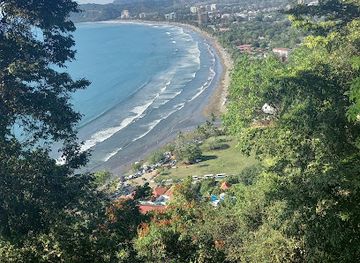


Explore Puntarenas on the map
Plan your trip on one map. See where the top cities, national parks and sights are, and book hotels and experiences in a few clicks.
Best hotels in Puntarenas
Best restaurants in Puntarenas
Puntarenas’s food culture is closely tied to the Pacific, with fresh fish, prawns, ceviche and other seafood appearing in beach cafés, family restaurants and market-oriented eateries. The provincial capital is particularly associated with casual coastal food and the seafront tradition of ceviche and vigorón, a dish of cabbage, tomato, cassava and pork that is also found elsewhere in Costa Rica. In Quepos, Jacó, Golfito and Puerto Jiménez, menus often combine local catches with rice, beans, plantain and international dishes shaped by tourism. Inland and highland areas add dairy products, coffee, fruit and farm produce to the culinary landscape. Soda restaurants offer straightforward Costa Rican meals, while larger resorts and tourist centres provide more elaborate dining. Seafood is best chosen from established establishments with good refrigeration and a busy local clientele, especially during hot weather. Farmers’ stalls and small bakeries provide useful provisions for road journeys and excursions.
-
 Hotel
Hotel Riu Palace Costa Rica
All-inclusive luxury on Playa Matapalo: pools, water park, spa, gourmet dining, and Pacific adventures in Costa Rica's biodiverse Guanacaste paradise.
-
Restaurant
La Luna Restaurant
Experience exquisite dining at La Luna Restaurant in Puntarenas Province - where local flavors meet breathtaking views.
-
Restaurant
Restaurante El Jorón
Experience authentic Costa Rican cuisine at Restaurante El Jorón in Puntarenas – where flavor meets affordability.
-
Grill
Isla Coco's Bar and Grill
Discover Isla Coco's Bar and Grill in Puntarenas for authentic Costa Rican flavors in a vibrant setting that captures the essence of local culture.
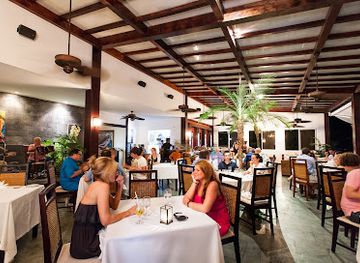


Best bars in Puntarenas
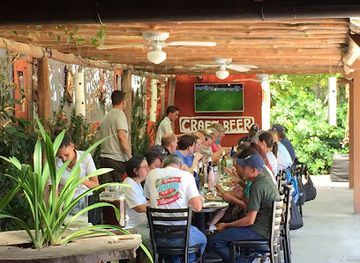
Evening life varies sharply across Puntarenas Province. Jacó has the most developed late-night scene, with bars, casual restaurants, live music and venues aimed at both residents and visitors, while Quepos offers a smaller concentration of waterfront and town-centre establishments. The provincial capital has traditional bars, eateries and seafront activity, although its character is more local and relaxed than that of a major resort city. In Monteverde, evenings generally centre on restaurants, cafés, low-key bars and occasional live music rather than nightclubs. Puerto Jiménez, Golfito and other southern communities favour informal bars, hotel lounges and early starts for wildlife excursions. Seasonal demand can affect opening patterns, particularly outside the main beach towns. Visitors should arrange transport after drinking, avoid isolated beaches at night and remember that the province’s strongest evening experiences often involve food, conversation and music rather than a large club circuit.
-
Grill
Isla Coco's Bar and Grill
Discover the coastal flavors of Costa Rica at Isla Coco's Bar and Grill, a vibrant dining destination in Puntarenas, perfect for every taste.
-
Bar
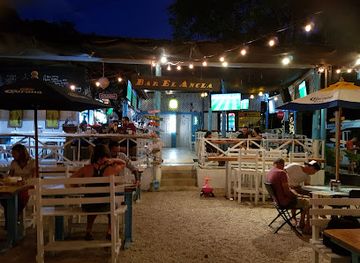
Bar El Ancla
Discover the lively spirit of Costa Rica at Bar El Ancla, where refreshing drinks and vibrant atmosphere await every visitor.
-
Grill
Mariajuana Restobar
Experience authentic Costa Rican cuisine at Mariajuana Restobar in Liberia, where grilled delights and local flavors meet in a vibrant atmosphere.
-
Bar
The Shack
Experience the vibrant atmosphere of The Shack in Potrero, Guanacaste, where delicious food, live music, and beach vibes come together.

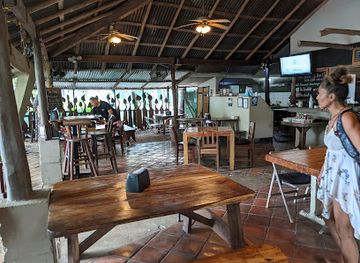
Best nightclubs in Puntarenas
Evening life varies sharply across Puntarenas Province. Jacó has the most developed late-night scene, with bars, casual restaurants, live music and venues aimed at both residents and visitors, while Quepos offers a smaller concentration of waterfront and town-centre establishments. The provincial capital has traditional bars, eateries and seafront activity, although its character is more local and relaxed than that of a major resort city. In Monteverde, evenings generally centre on restaurants, cafés, low-key bars and occasional live music rather than nightclubs. Puerto Jiménez, Golfito and other southern communities favour informal bars, hotel lounges and early starts for wildlife excursions. Seasonal demand can affect opening patterns, particularly outside the main beach towns. Visitors should arrange transport after drinking, avoid isolated beaches at night and remember that the province’s strongest evening experiences often involve food, conversation and music rather than a large club circuit.
-
Bar
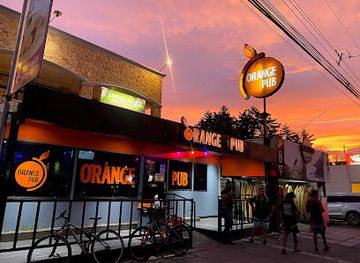
Orange Pub
Discover the pulsating nightlife at Orange Pub in Jaco, where great drinks, dancing, and fun await every night of the week.
-
Night club
Republik Lounge
Dive into the vibrant nightlife at Republik Lounge in Jaco, where great food, music, and a welcoming atmosphere combine for an unforgettable experience.
-
Disco club
Cuban Republik Disco Lounge
Dance to the rhythms of Latin America at Cuban Republik Disco Lounge in Quepos, where unforgettable nights by the beach await you.
-
Bar
CATA Agave Bar
Discover the lively CATA Agave Bar in Tamarindo, where vibrant nightlife meets exquisite agave cocktails in an unforgettable atmosphere.



Best shops in Puntarenas
Shopping in Puntarenas is generally practical and locally oriented rather than centred on large luxury retail. The capital’s seafront and town shops sell beachwear, snacks, souvenirs and everyday goods, while Jacó and Quepos have a more tourism-focused mix of surf equipment, clothing, crafts and small galleries. Monteverde is a useful place to look for locally produced coffee, dairy goods, chocolate, handmade items and nature-themed crafts, although product quality and origin vary between sellers. In the Osa and Golfo Dulce areas, small shops and markets are more important than formal shopping districts, and supplies may be limited outside the main settlements. Coastal produce stalls can offer fruit and prepared food for journeys, while fish markets serve local rather than souvenir trade. Choose responsibly made crafts, ask about materials and provenance, and avoid purchasing shells, coral, archaeological objects or products made from protected wildlife. Carry cash for small markets and rural businesses, where card terminals and connectivity may be unreliable.
-
Department store
Pequeño Mundo • Puntarenas
Discover the vibrant shopping experience at Pequeño Mundo in Puntarenas, where local culture meets diverse products for every traveler.
-
Shopping mall
Santa Rosa Plaza
Explore diverse shopping, dining, and entertainment at Santa Rosa Plaza in Liberia, a unique shopping experience in Guanacaste, Costa Rica.
-
Supermarket
Auto Mercado - El Coco
Discover the vibrant flavors of Costa Rica at Auto Mercado - El Coco, your ultimate supermarket for fresh and local ingredients.
-
Supermarket
Palí
Explore Palí in Puntarenas: Your one-stop-shop for local groceries and authentic Costa Rican flavors.




Get your free copy of our complete guide to Puntarenas, delivered straight to you.
Everything on this page, from attractions and restaurants to essentials and local phrases, in one PDF you can read offline, print or share.
Already have an account? Sign in
Your Puntarenas guide is ready.
We'll send it to · Not you? Sign out

Getting your guide ready…
We are putting together a fresh copy of the Puntarenas guide. This can take up to a minute.
This can take a few moments. If your browser asks, choose Allow so the download can start. You'll find the guide in your Downloads folder.
Nothing happened? Download it again
Sorry, the guide is taking longer than usual. Please try again in a minute, or get it by email instead.
Puntarenas essentials
Currency and Payment
Safety
Emergency Situations
Do's and Don'ts
Local Tips
From Eve
Local phrases worth knowing
You don't need to get them perfect. A few words go a long way, and locals appreciate the effort.
Basics
| English | Local | Say it |
|---|---|---|
| Hello | Hola | [OH-lah] |
| Goodbye | Adiós | [ah-DYOS] |
| Yes | Sí | [SEE] |
| No | No | [NO] |
| Please/You're welcome | Por favor | [por fah-VOR] |
| Thank you | Gracias | [GRAH-syahs] |
| Excuse me/Sorry | Disculpe | [dees-KOOL-peh] |
| How are you? | ¿Cómo está? | [KOH-moh es-TAH] |
| Fine. And you? | Bien. ¿Y usted? | [BYEN. ee oos-TED] |
| Do you speak English? | ¿Habla inglés? | [AH-blah een-GLES] |
| I don't understand | No entiendo | [NO en-TYEN-doh] |
Eating & Drinking
| English | Local | Say it |
|---|---|---|
| I'd like to see the menu, please | Me gustaría ver el menú, por favor | [meh goos-tah-REE-ah BEHR el meh-NOO, por fah-VOR] |
| I don't eat meat | No como carne | [NO KOH-mo KAR-neh] |
| Cheers! | ¡Salud! | [sah-LOOD] |
| I would like to pay, please | Me gustaría pagar, por favor | [meh goos-tah-REE-ah pah-GAR, por fah-VOR] |
Emergencies
| English | Local | Say it |
|---|---|---|
| Help! | ¡Ayuda! | [ah-YOO-dah] |
| Go away! | ¡Vete! | [VEH-teh] |
| Call the Police! | ¡Llame a la Policía! | [YAH-meh ah lah poh-lee-SEE-ah] |
| Call a doctor! | ¡Llame a un doctor! | [YAH-meh ah oon dok-TOR] |
| I'm lost | Estoy perdido | [es-TOY pehr-DEE-doh] |
| I'm ill | Estoy enfermo/enferma | [es-TOY en-FER-mo/en-FER-ma] |
Shopping
| English | Local | Say it |
|---|---|---|
| I'd like to buy... | Me gustaría comprar... | [meh goos-tah-REE-ah kom-PRAHR] |
| I'm just looking | Solo estoy mirando | [SOH-lo es-TOY mee-RAN-doh] |
| How much is it? | ¿Cuánto cuesta? | [KWAN-toh KWES-tah] |
| That's too expensive | Es muy caro | [es MOO-ee KAH-roh] |
| Can you lower the price? | ¿Puede bajar el precio? | [PWEH-deh bah-HAR el PREH-syo] |
Time & Numbers
| English | Local | Say it |
|---|---|---|
| What time is it? | ¿Qué hora es? | [KEH OH-rah es] |
| It's one o'clock | Es la una | [es lah OO-nah] |
| Half past (10) | Y media (10) | [ee MEH-dyah (diez)] |
| Morning | Mañana | [mah-NYAH-nah] |
| Afternoon | Tarde | [TAR-deh] |
| Evening | Noche | [NOH-cheh] |
| Yesterday | Ayer | [ah-YER] |
| Today | Hoy | [OY] |
| Tomorrow | Mañana | [mah-NYAH-nah] |
| 1 | Uno | [OO-no] |
| 2 | Dos | [DOS] |
| 3 | Tres | [TRES] |
| 4 | Cuatro | [KWAH-tro] |
| 5 | Cinco | [SEEN-koh] |
| 6 | Seis | [SAYS] |
| 7 | Siete | [SYEH-teh] |
| 8 | Ocho | [OH-choh] |
| 9 | Nueve | [NWEH-beh] |
| 10 | Diez | [DYEZ] |
Transport & Directions
| English | Local | Say it |
|---|---|---|
| Where's a/the...? | ¿Dónde está un/una...? | [DON-deh es-TAH oon/OO-nah] |
| What's the address? | ¿Cuál es la dirección? | [KWAL es lah dee-rek-SYON] |
| Can you show me (on the map)? | ¿Puede mostrarme (en el mapa)? | [PWEH-deh mos-TRAR-me (en el MAH-pah)] |
| When's the next (bus)? | ¿Cuándo sale el próximo (bus)? | [KWAN-doh SAH-leh el PROK-see-mo (boos)] |
| A ticket (to ....) | Un boleto (a ...) | [oon boh-LEH-toh (ah ...)] |
History of Puntarenas
Diquís societies and the stone spheres
Long before Spanish colonisation, the southern Pacific region was home to complex Indigenous societies associated with the Diquís cultural tradition. Their territory included parts of present-day Puntarenas, especially the Osa and Diquís areas. The celebrated stone spheres, carefully shaped from hard rock and discovered in settlement and burial contexts, demonstrate skilled craftsmanship and organised social activity. Their exact meanings remain debated, but they are widely understood as markers of status, identity or ceremonial order rather than simple decoration. The objects and archaeological sites of the southern Pacific remain among Costa Rica’s most important pre-Columbian legacies.
Spanish conquest and the colonial Gulf of Nicoya
Spanish expeditions reached the Pacific side of Costa Rica in the sixteenth century, encountering established Indigenous communities around the Gulf of Nicoya and further south. Colonial control developed unevenly, and the Pacific coast remained less densely settled than the Central Valley. The gulf nevertheless became an important zone of movement, fishing and small-scale trade, linking mainland settlements with the Nicoya Peninsula and coastal islands. Spanish institutions, Christianity, new crops and forced labour systems altered Indigenous societies, while disease and colonial disruption caused profound demographic losses. Many later coastal routes and settlements grew from this long relationship with the gulf.
Puntarenas as a nineteenth-century port
Puntarenas grew into Costa Rica’s principal Pacific port during the nineteenth century, particularly as coffee exports from the Central Valley expanded. Coffee was transported overland to the port and shipped onwards, making the narrow peninsula an important commercial link between inland producers and international markets. Warehouses, customs activity, passenger traffic and maritime services shaped the town’s economy and identity. The railway connection from the Central Valley strengthened this role later in the century. Although port functions have changed, the seafront, ferry connections and historic urban form still reflect Puntarenas’s importance in Costa Rica’s export and travel networks.
Railways, plantations and coastal enterprise
During the late nineteenth and twentieth centuries, railways, roads and commercial agriculture transformed parts of the province. Banana cultivation became particularly important in the southern Pacific, while cattle ranching, fishing and later African palm shaped other districts. Golfito developed as a company town associated with the United Fruit Company’s banana operations, leaving a distinctive built and social legacy. These industries created employment and new settlements but also produced dependence on volatile export markets and significant environmental pressures. Their decline or restructuring helped prompt economic diversification into tourism, conservation, transport and small-scale coastal enterprise.
Monteverde’s Quaker settlement and conservation movement
In the early 1950s, a group of American Quakers settled in the Monteverde highlands, attracted partly by Costa Rica’s pacifist political direction and favourable farming conditions. They established a dairy community and helped protect upland forest, later contributing to the development of conservation and nature-based tourism. Monteverde’s cloud forests became internationally known not simply because of scenery, but because local residents, scientists and conservation organisations developed institutions that linked research, forest protection and visitor access. The area remains one of Puntarenas’s clearest examples of community influence on a modern regional identity.
National parks and the conservation of the Pacific
From the 1970s onwards, Costa Rica expanded protected areas across Puntarenas, including Manuel Antonio, Corcovado and Isla del Coco. These parks safeguarded rainforests, beaches, mangroves, coral and deep-water ecosystems while changing the province’s economic direction. Conservation made wildlife research, guiding and ecotourism central to many local economies, though it also brought debates about visitor pressure, land use and access. Corcovado and the Osa Peninsula are especially important for protecting lowland rainforest, while Isla del Coco’s isolation gives it exceptional marine significance. Present-day tourism in the province is therefore inseparable from this conservation history.
Puntarenas in Photos
Browse through our photo collection highlighting the charm and character of the destination.
Neighbouring regions of Puntarenas
The closest regions to Puntarenas, if you have time for more than one.
-
-
-

-

-


Swipe for more regions
Explore more

Explore more of Costa Rica
Discover Costa Rica, where lush rainforests, stunning beaches, and incredible wildlife create a paradise for nature lovers and adventure seekers alike.
Explore Costa Rica