

Free Tilarán Range Travel Guide & Mobile App
Explore Tilarán Range with free travel guides. Discover regional history, expert tips, proposed trips, and audio guides on web or mobile app.


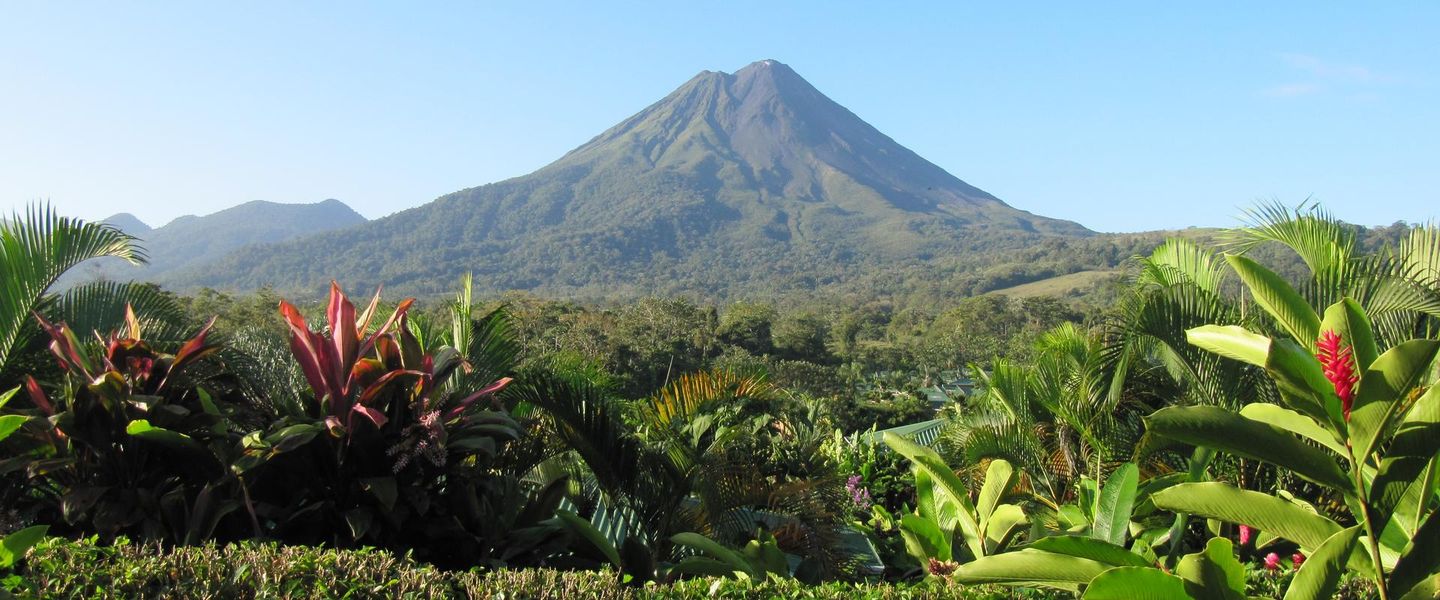


Explore Costa Rica’s Tilarán Range for cloud forests, Lake Arenal, volcanic scenery, wildlife reserves and distinctive highland communities.
Read more about Tilarán Range
When is the best time to visit Tilarán Range?
Best: January–March · 25°C| Month | High (°C) | Rainfall (mm) |
|---|---|---|
| January (best) | 25 | 20 |
| February (best) | 25 | 15 |
| March (best) | 25 | 30 |
| April | 25 | 60 |
| May | 26 | 120 |
| June | 26 | 220 |
| July | 26 | 200 |
| August | 26 | 190 |
| September | 26 | 210 |
| October | 25 | 250 |
| November | 25 | 120 |
| December | 24 | 70 |
Getting to and around Tilarán Range
How to get there
Transportation
Top city travel guides in Tilarán Range
The cities of Tilarán Range, and the easiest places to base yourself.
-
-


Swipe for more cities
Destinations in Tilarán Range
Resorts, valleys and scenic spots worth a trip of their own.
-

-
-


Swipe for more destinations
Best attractions in Tilarán Range
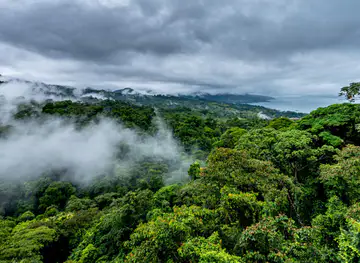
The Tilarán Range’s attractions are built around ecosystems and landscapes rather than a dense sequence of urban sights. Monteverde Cloud Forest Reserve, Santa Elena Cloud Forest Reserve, Curi-Cancha Reserve and the Bosque Eterno de los Niños offer trails through different forms of high-elevation forest, with guided walks, birdwatching and night excursions among the principal experiences. Around Monteverde, suspension bridges, small-scale dairy farms and specialist gardens add an educational dimension to the forest visit. Lake Arenal provides a contrasting setting for kayaking, sailing, fishing, windsurfing and lakeside scenery, with Tilarán and Nuevo Arenal serving as practical bases. The eastern end of the range leads towards the Arenal Volcano and the wider La Fortuna area, which is commonly visited in combination but should be treated as a separate regional focus. On the western slopes, the Abangares Mining Ecomuseum presents the area’s industrial past. Hiking, mountain biking, horse riding and rural farm visits are available in several districts, although conditions and access vary, making local guidance valuable.
-
Nature preserve
Monteverde Cloud Forest Biological Preserve
Explore Costa Rica's iconic Monteverde Cloud Forest: Hike lush trails, spot rare wildlife, and experience breathtaking views in a unique ecosystem.
-
Museum
Pre-Columbian Gold Museum
Explore the enchanting history of Costa Rica at the Pre-Columbian Gold Museum, showcasing exquisite artifacts and cultural narratives of ancient civilizations.
-
Tourist attraction
Centro de Rescate Las Pumas
Discover Costa Rica's wildlife at Las Pumas Rescue Center, a sanctuary dedicated to rescuing, rehabilitating, and conserving native species.
-
Lake
Lake Arenal
Discover Lake Arenal: Costa Rica's largest lake, offering stunning views, water sports, and abundant wildlife in a breathtaking natural setting.

Best landmarks in Tilarán Range
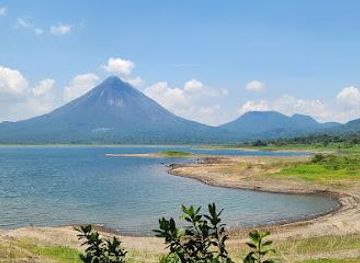
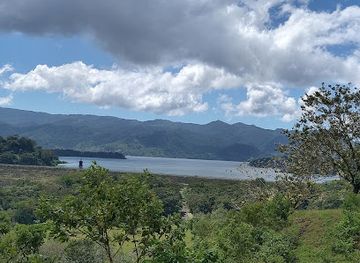
Lake Arenal is the Tilarán Range’s most recognisable geographical landmark, its broad reservoir occupying a mountain basin below forested slopes and forming a striking transition between the highlands and the volcanic east. Arenal Volcano rises at the lake’s eastern end and is commonly viewed or visited from the neighbouring La Fortuna tourism area; it is closely connected to the range’s landscape but lies beyond the principal Monteverde and Tilarán travel circuit. The cloud-forest ridges around Monteverde and Santa Elena are landmarks of ecological rather than monumental importance, defined by persistent mist, epiphyte-covered trees and steep green slopes. In Monteverde, the historic Quaker community and its dairy tradition provide a cultural point of reference, while the Abangares Mining Ecomuseum and surviving mining infrastructure represent the western foothills’ industrial past. Tilarán’s church and town centre serve as local civic landmarks, but the wider region is best recognised through its combination of lake, forest, pasture and volcanic horizons rather than through a single grand architectural monument.
-
National park
Parque Nacional Cahuita
Explore Costa Rica's Caribbean paradise: Cahuita National Park, where rainforests meet coral reefs and vibrant wildlife thrives.
-
Nature preserve
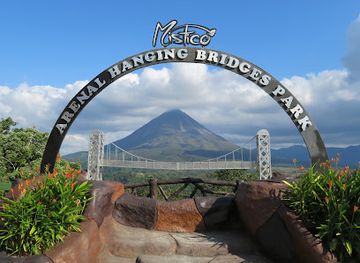
Místico Arenal Hanging Bridges
Walk among the treetops and discover Costa Rica's rainforest biodiversity on the stunning Místico Arenal Hanging Bridges.
-
 Tourist attraction
Fortuna Waterfall
Experience the majestic La Fortuna Waterfall: a natural wonder nestled in Costa Rica's lush rainforest, offering beauty and adventure.
-
National park
Parque Nacional Volcán Arenal
Explore Costa Rica's iconic Arenal Volcano National Park: Hike through lava fields, discover rainforests, and witness breathtaking views.
Explore Tilarán Range on the map
Plan your trip on one map. See where the top cities, national parks and sights are, and book hotels and experiences in a few clicks.
Best hotels in Tilarán Range
Best restaurants in Tilarán Range
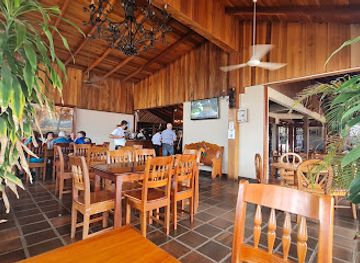
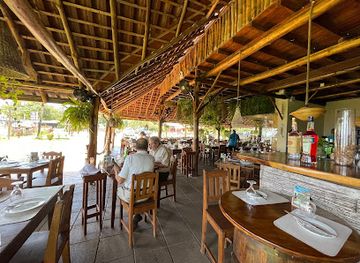
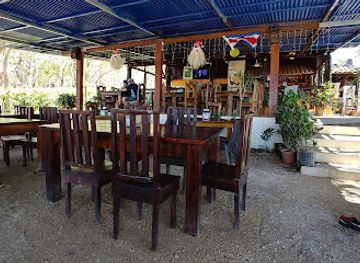
Food in the Tilarán Range reflects Costa Rica’s rural highlands, lake communities and international ecotourism scene. Typical meals include rice and beans, meat, chicken, plantains, salads and corn-based dishes, while roadside cafés and family-run sodas provide practical, informal dining in towns and along major routes. Monteverde is particularly associated with dairy farming, and cheese, milk-based products and baked goods are prominent local specialities, alongside coffee from the surrounding highlands. Restaurants in Monteverde and around Lake Arenal range from Costa Rican home cooking and pizza to vegetarian dishes and more internationally influenced menus created for visitors. Tilarán and Nuevo Arenal offer a more everyday local dining atmosphere, with sodas, bakeries and small cafés serving residents as well as travellers. Farmers’ produce, tropical fruit and locally made preserves may appear in markets and farm shops, although the range changes seasonally. Coffee is widely available, but its exact origin and production methods should be checked rather than assumed from the broad highland setting.
-
Costa Rican
Restaurante Mi Finca
Savor authentic Costa Rican breakfast delights at Restaurante Mi Finca in beautiful Guanacaste Province.
-
Restaurant
Patagonia del Mar
Discover exquisite dining at Patagonia del Mar in Brasilito – where local flavors meet stunning ocean views.
-
Grill
La Casita Del Marisco
Experience authentic Costa Rican seafood at La Casita Del Marisco in Playa Hermosa – where flavor meets paradise.
-
Restaurant
Moya's Place
Discover authentic Costa Rican flavors at Moya's Place in Nuevo Arenal - a delightful dining experience amidst stunning natural beauty.
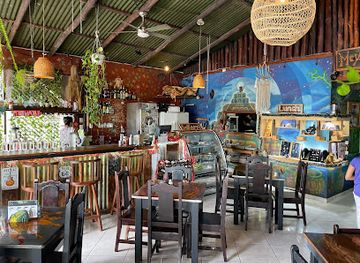
Best bars in Tilarán Range
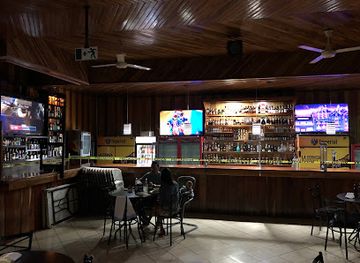
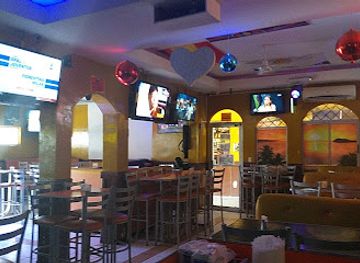
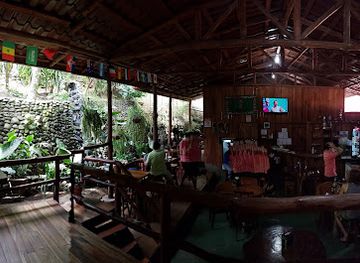
Evenings in the Tilarán Range are generally quiet and social rather than centred on large nightclubs. Monteverde has the region’s most established visitor-oriented evening scene, with casual bars, restaurants, live music on some nights and venues associated with hostels or hotels. Around Lake Arenal and in Nuevo Arenal, evenings tend to focus on relaxed restaurants, local bars and occasional music rather than late-night entertainment. Tilarán has a more local, town-based atmosphere, with informal bars and cafés serving residents. Breweries and craft-drink venues may feature in the tourism economy, but offerings and opening arrangements can change, so current local advice is useful. Night walks and guided wildlife tours are an important alternative to bar culture, allowing visitors to experience the forest after dark without treating alcohol as the region’s main form of evening recreation. Roads can be poorly lit, so arrange transport before drinking or returning from rural venues.
-
Restaurant
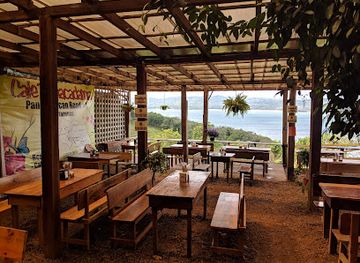
Café & Macadamia
Experience the rich flavors of Costa Rica at Café & Macadamia, a culinary jewel in Tilarán, perfect for relaxation and delightful dining.
-
Grill
Bar Amigos
Experience the vibrant atmosphere at Bar Amigos, Santa Elena's top grill and live music venue, where food and fun come together!
-
Sports bar
Solo Bueno!
Experience the excitement of live sports and vibrant nightlife at Solo Bueno!, San José's premier sports bar with a local touch.
-
Seafood
Marisqueria Guayo
Experience the best of Costa Rican seafood at Marisqueria Guayo, a beloved restaurant in Tilarán, Guanacaste Province, known for its fresh and flavorful dishes.
Best nightclubs in Tilarán Range
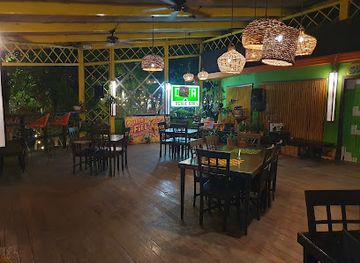
Evenings in the Tilarán Range are generally quiet and social rather than centred on large nightclubs. Monteverde has the region’s most established visitor-oriented evening scene, with casual bars, restaurants, live music on some nights and venues associated with hostels or hotels. Around Lake Arenal and in Nuevo Arenal, evenings tend to focus on relaxed restaurants, local bars and occasional music rather than late-night entertainment. Tilarán has a more local, town-based atmosphere, with informal bars and cafés serving residents. Breweries and craft-drink venues may feature in the tourism economy, but offerings and opening arrangements can change, so current local advice is useful. Night walks and guided wildlife tours are an important alternative to bar culture, allowing visitors to experience the forest after dark without treating alcohol as the region’s main form of evening recreation. Roads can be poorly lit, so arrange transport before drinking or returning from rural venues.
-
Disco club
Pepper Disco Club
Discover the electrifying atmosphere of Pepper Disco Club in Curridabat – a must-visit destination for nightlife lovers!
-
Night club
Republik Lounge
Discover the vibrant nightlife of Jaco at Republik Lounge, a premier destination for dining, dancing, and unforgettable entertainment experiences.
-
Disco club
Cuban Republik Disco Lounge
Discover the lively ambiance of Cuban Republik Disco Lounge, where the nightlife in Quepos comes alive with music, dancing, and tropical vibes.
-
Bar
CATA Agave Bar
Discover the essence of tropical relaxation at CATA Agave Bar in Tamarindo, where exquisite cocktails meet an inviting atmosphere.



Best shops in Tilarán Range
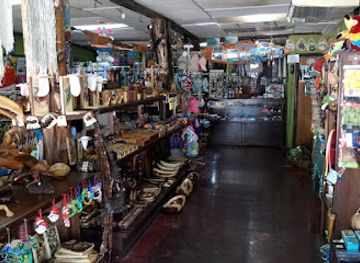
Shopping in the Tilarán Range is concentrated in practical town centres, small galleries, farm shops and visitor-oriented outlets rather than large retail districts. Monteverde offers the broadest selection of souvenirs, including locally made woodwork, ceramics, textiles, jewellery, paintings, coffee and products inspired by cloud-forest wildlife. Cheese and other dairy goods reflect the area’s farming history, although visitors should follow advice on transport and storage for perishable products. Around Lake Arenal and in Nuevo Arenal, small shops and galleries sell crafts, artwork, clothing and food products, while Tilarán provides everyday supplies and a more local high-street atmosphere. Produce varies by season, and roadside stalls may offer fruit, vegetables or preserves from nearby farms. Craft purchases are most meaningful when sellers can explain where materials were sourced and how goods were made; avoid buying products made from protected wildlife, dubious plant materials or illegally collected natural specimens. Markets and individual opening arrangements can change, so ask locally for current locations and trading days.
-
Supermarket
Palí Tilarán
Explore the flavors of Costa Rica at Palí Tilarán, where local produce meets international favorites in a vibrant supermarket experience.
-
Appliance store
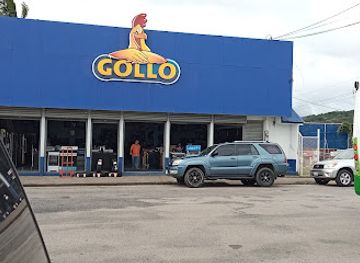
Gollo Tilarán
Discover Gollo Tilarán, a vibrant appliance and home goods store in Guanacaste, offering a wide selection of quality products and local treasures.
-
Souvenir store
Sea Star Souvenir
Explore Sea Star Souvenir in Brasilito for unique Costa Rican gifts and handcrafted treasures that celebrate the beauty of the tropics.
-
Store
La Gran Nicoya
Experience the authentic culture of Costa Rica at La Gran Nicoya in Guardia, where local treasures and warm hospitality await.

Get your free copy of our complete guide to Tilarán Range, delivered straight to you.
Everything on this page, from attractions and restaurants to essentials and local phrases, in one PDF you can read offline, print or share.
Already have an account? Sign in
Your Tilarán Range guide is ready.
We'll send it to · Not you? Sign out

Getting your guide ready…
We are putting together a fresh copy of the Tilarán Range guide. This can take up to a minute.
This can take a few moments. If your browser asks, choose Allow so the download can start. You'll find the guide in your Downloads folder.
Nothing happened? Download it again
Sorry, the guide is taking longer than usual. Please try again in a minute, or get it by email instead.
Tilarán Range essentials
Currency and Payment
Safety
Emergency Situations
Do's and Don'ts
Local Tips
From Eve
Local phrases worth knowing
You don't need to get them perfect. A few words go a long way, and locals appreciate the effort.
Basics
| English | Local | Say it |
|---|---|---|
| Hello | Hola | [OH-lah] |
| Goodbye | Adiós | [ah-DYOS] |
| Yes | Sí | [SEE] |
| No | No | [NO] |
| Please/You’re welcome | Por favor/De nada | [por fah-VOR/deh NAH-dah] |
| Thank you | Gracias | [GRAH-syahs] |
| Excuse me/Sorry | Disculpe/Lo siento | [dis-KOOL-peh/lo SYEN-toh] |
| How are you? | ¿Cómo está? | [KOH-moh eh-STA] |
| Fine. And you? | Bien. ¿Y usted? | [byen. ee oos-TED] |
| Do you speak English? | ¿Habla inglés? | [AH-blah een-GLES] |
| I don't understand | No entiendo | [no en-TYEN-doh] |
Eating & Drinking
| English | Local | Say it |
|---|---|---|
| I’d like to see the menu, please | Me gustaría ver el menú, por favor | [meh goos-tah-REE-ah vehr el meh-NOO, por fah-VOR] |
| I don't eat meat | No como carne | [no KOH-moh KAR-neh] |
| Cheers! | ¡Salud! | [sah-LOOD] |
| I would like to pay, please | Me gustaría pagar, por favor | [meh goos-tah-REE-ah pah-GAR, por fah-VOR] |
Emergencies
| English | Local | Say it |
|---|---|---|
| Help! | ¡Ayuda! | [ah-YOO-dah] |
| Go away! | ¡Vete! | [VEH-teh] |
| Call the Police! | ¡Llama a la policía! | [YAH-mah ah lah poh-lee-SIA] |
| Call a doctor! | ¡Llama a un doctor! | [YAH-mah ah oon dok-TOR] |
| I’m lost | Estoy perdido | [es-TOY per-DI-doh] |
| I’m ill | Estoy enfermo | [es-TOY en-FER-mo] |
Shopping
| English | Local | Say it |
|---|---|---|
| I’d like to buy... | Me gustaría comprar... | [meh goos-tah-REE-ah kom-PRAR...] |
| I’m just looking | Solo estoy mirando | [SO-lo es-TOY mee-RAIN-doh] |
| How much is it? | ¿Cuánto cuesta? | [KWAN-toh KWES-tah] |
| That’s too expensive | Eso es muy caro | [EH-so es mooy KAH-roh] |
| Can you lower the price? | ¿Puede bajar el precio? | [PWEH-deh bah-HAR el PREH-syo] |
Time & Numbers
| English | Local | Say it |
|---|---|---|
| What time is it? | ¿Qué hora es? | [keh OH-rah es] |
| It’s one o'clock | Es la una | [es lah OO-nah] |
| Half past (10) | Y media (10) | [ee MEH-dyah (10)] |
| Morning | Mañana | [ma-NYAH-nah] |
| Afternoon | Tarde | [TAR-deh] |
| Evening | Noche | [NOH-cheh] |
| Yesterday | Ayer | [ah-YER] |
| Today | Hoy | [OY] |
| Tomorrow | Mañana | [ma-NYAH-nah] |
| 1 | Uno | [OO-noh] |
| 2 | Dos | [DOS] |
| 3 | Tres | [TRES] |
| 4 | Cuatro | [KWAT-roh] |
| 5 | Cinco | [SEEN-koh] |
| 6 | Seis | [SAYS] |
| 7 | Siete | [SYEH-teh] |
| 8 | Ocho | [OH-choh] |
| 9 | Nueve | [NWEH-beh] |
| 10 | Diez | [DYEZ] |
Transport & Directions
| English | Local | Say it |
|---|---|---|
| Where's a/the...? | ¿Dónde está un/una...? | [DON-deh es-TA oon/OO-nah...?] |
| What's the address? | ¿Cuál es la dirección? | [KWAL es lah dee-rek-SYON] |
| Can you show me (on the map)? | ¿Puede mostrarme (en el mapa)? | [PWEH-deh mos-TRAR-meh (en el MAH-pah)?] |
| When's the next (bus)? | ¿Cuándo es el próximo (autobús)? | [KWAN-doh es el PROK-si-mo (au-toh-BOOS)?] |
| A ticket (to ....) | Un boleto (a ....) | [oon bo-LEH-toh (ah ....)] |
History of Tilarán Range
Indigenous Landscapes Before European Rule
Before Spanish colonisation, the mountain and lake country now associated with the Tilarán Range was occupied and used by Indigenous communities whose territories and trade networks extended across the north-western and central parts of Costa Rica. The region’s forests, rivers and upland clearings supported hunting, gathering, cultivation and movement between the Pacific and interior zones. Archaeological evidence from the wider Guanacaste and north-central regions records long-standing settlement and exchange, although the modern mountain boundaries do not correspond neatly to pre-Columbian territories. Indigenous place names and surviving cultural influences remain part of Costa Rica’s broader regional heritage.
Spanish Colonisation and Highland Settlement
Spanish control transformed the lowlands and intermontane routes around the range from the sixteenth century onwards, although the steep, wet mountains were less densely settled than more accessible parts of Costa Rica. Colonial agriculture, livestock raising and the movement of goods gradually linked upland communities with Pacific settlements. Much of the present-day settlement pattern developed later, as roads, farms and small towns expanded into the interior. The range’s topography continued to shape this process: valleys and lake margins were more readily occupied than the cloud-forest ridges.
Gold Mining in Abangares
Gold mining became an important force on the western side of the Tilarán Range during the late nineteenth and early twentieth centuries, particularly in the Abangares area. British and North American investment helped establish mines, processing works and transport infrastructure, while workers arrived from different parts of Costa Rica and abroad. Mining created a distinctive industrial society in a largely rural region, but difficult working conditions and fluctuating gold production limited its long-term stability. The Abangares Mining Ecomuseum preserves aspects of this history and helps explain the machinery, labour and settlement patterns left by the industry.
The Monteverde Quaker Settlement
In 1951, a group of American Quakers settled in the Monteverde highlands, attracted partly by pacifist convictions and Costa Rica’s abolition of the army. They established farms and a cheese-making enterprise, adapting to the cool, wet conditions of the ridge. The community’s presence later contributed to conservation efforts as residents and neighbouring supporters recognised the ecological importance of the surrounding forest. Monteverde’s contemporary identity therefore comes from both its agricultural history and the environmental movement that developed around the protection of cloud-forest habitats.
Lake Arenal and Hydroelectric Development
The creation of Lake Arenal in the 1970s was one of Costa Rica’s major infrastructure projects. The reservoir submerged the original settlement of Arenal and altered local roads, farms and communities, while providing water storage and hydroelectric capacity for the national electricity system. A new town, also called Nuevo Arenal, developed elsewhere on the lake’s shore. The reservoir changed the visual and economic character of the Tilarán Range, creating a large inland water landscape that now supports recreation as well as energy production.
From Pastureland to Conservation Landscape
During the late twentieth century, the Tilarán highlands became increasingly associated with forest conservation, ecological research and nature-based tourism. Reserves around Monteverde and Santa Elena protected fragments of cloud forest that had come under pressure from farming and settlement, while the Bosque Eterno de los Niños expanded the protected landscape through international conservation support. Scientific work on birds, amphibians, plants and forest ecology gave the area global significance. Tourism subsequently became an important part of the local economy, although agriculture and dairy farming remain visible in the surrounding countryside.
Contemporary Highland Communities
Today the Tilarán Range combines protected forests, working farms, hydroelectric infrastructure, lake communities and tourism services. Monteverde is internationally known for ecological travel, while Tilarán and smaller settlements around Lake Arenal retain stronger connections with agriculture and regional commerce. The area has also experienced road improvements, new accommodation and growing interest in adventure activities, creating economic opportunities alongside pressure on water, land and fragile habitats. Managing visitor numbers, road access and forest conservation remains central to the region’s future.
Tilarán Range in Photos
Browse through our photo collection highlighting the charm and character of the destination.
Neighbouring regions of Tilarán Range
The closest regions to Tilarán Range, if you have time for more than one.
-
-

-

-
-


Swipe for more regions
Explore more

Explore more of Costa Rica
Discover Costa Rica, where lush rainforests, stunning beaches, and incredible wildlife create a paradise for nature lovers and adventure seekers alike.
Explore Costa Rica