

Free Northern Plains Travel Guide & Mobile App
Explore Northern Plains with free travel guides. Discover regional history, expert tips, proposed trips, and audio guides on web or mobile app.


Explore Costa Rica's Northern Plains for Arenal Volcano, rainforest rivers, wildlife wetlands, hot springs and farms stretching across the northern lowlands.
Read more about Northern Plains
When is the best time to visit Northern Plains?
Best: December–February · 28–29°C| Month | High (°C) | Rainfall (mm) |
|---|---|---|
| January (best) | 28 | 15 |
| February (best) | 29 | 12 |
| March | 29 | 10 |
| April | 30 | 15 |
| May | 30 | 20 |
| June | 30 | 25 |
| July | 30 | 30 |
| August | 30 | 30 |
| September | 30 | 25 |
| October | 29 | 20 |
| November | 29 | 15 |
| December (best) | 28 | 12 |
Getting to and around Northern Plains
How to get there
Transportation
Top city travel guides in Northern Plains
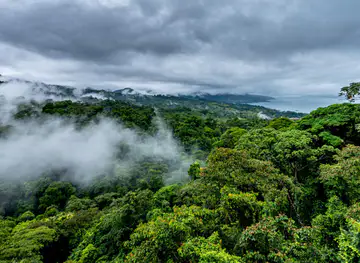
The cities of Northern Plains, and the easiest places to base yourself.
-

-

-
-


Swipe for more cities
Destinations in Northern Plains
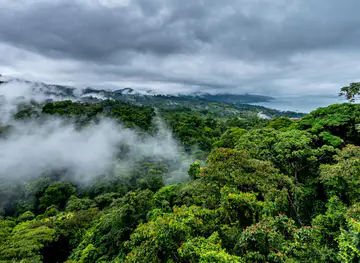
Resorts, valleys and scenic spots worth a trip of their own.
-

-
-


Swipe for more destinations
Best attractions in Northern Plains
The Northern Plains offer a concentrated mix of volcanic, rainforest, agricultural and wetland attractions. Around La Fortuna, Arenal Volcano National Park combines old lava flows, forest trails and views towards the volcano, while Lake Arenal provides opportunities for boating, kayaking and wind-based activities subject to local conditions. The area is also known for geothermal hot springs, waterfall visits, hanging bridges and guided walks through regenerating forest. Sarapiquí presents a more riverine rainforest experience, with boat trips, private reserves, birdwatching, wildlife walks and educational stations devoted to tropical ecology. In the north, Caño Negro Wildlife Refuge is valued for its seasonal lagoons, marshes and abundant birdlife; boat excursions are especially dependent on water levels and weather. Rural attractions include chocolate and cacao gardens, coffee or farm experiences, dairies and small-scale conservation projects. The region suits travellers who prefer active or nature-focused days, but its attractions are often separated by significant driving distances. Arenal is the most developed visitor centre, whereas Sarapiquí and the northern wetlands reward slower travel, early starts and locally guided excursions.
-
Tourist attraction
La Paz Waterfall Gardens Nature Park
Immerse yourself in the stunning beauty of La Paz Waterfall Gardens Nature Park, a tropical paradise of waterfalls, wildlife, and lush gardens in Costa Rica.
-
Park
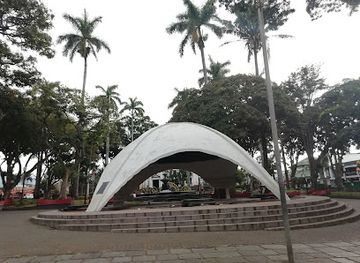
Central Park Alajuela
Discover a vibrant urban oasis in Alajuela, Costa Rica, offering relaxation, culture, and a glimpse into local life.
-
National park
Parque Nacional Volcán Poás
Experience the breathtaking landscapes and vibrant biodiversity of Parque Nacional Volcán Poás, Costa Rica's stunning national park and active volcano.
-
National park
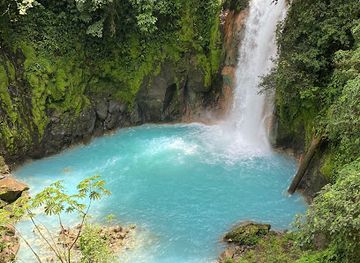
Parque Nacional Volcán Tenorio
Experience the breathtaking landscapes and enchanting blue waters of Parque Nacional Volcán Tenorio in Costa Rica's Guanacaste Province.


Best landmarks in Northern Plains
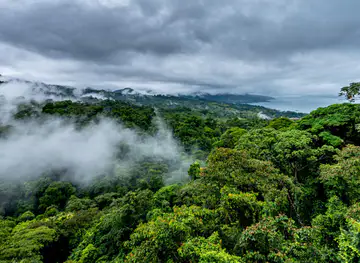
Arenal Volcano is the Northern Plains' most recognisable natural landmark, a prominent cone rising above La Fortuna and the surrounding lowlands. Its lava fields and eruption landscapes also mark the geological force that shaped modern settlement and tourism in the area. Lake Arenal forms a second defining feature: the large reservoir spreads between wooded volcanic hills and is both an energy infrastructure site and a major visual element of the region. In Sarapiquí, the broad Sarapiquí River is a geographical and historical landmark, linking rainforest communities and agricultural districts while supporting boat-based wildlife observation. The marshes and lagoons of Caño Negro are less dramatic in outline but highly significant as a seasonal wetland landscape for birds and aquatic wildlife. The forested slopes and volcanic terrain around Arenal, together with the lowland plains near San Carlos and Guatuso, create a strong contrast between mountains, open farmland and flood-prone habitats. These places matter not only for scenery but also for the region's ecological history, water management, agriculture and conservation efforts.
-
National park
Parque Nacional Manuel Antonio
Discover Costa Rica's natural beauty in Manuel Antonio National Park: rainforest trails, pristine beaches, and abundant wildlife await!
-
Tourist attraction
La Paz Waterfall Gardens Nature Park
Discover Costa Rica's natural beauty at La Paz Waterfall Gardens: cascading waterfalls, diverse wildlife, and lush rainforest trails await!
-
Tourist attraction
La Paz Waterfall
Discover Costa Rica's natural beauty at La Paz Waterfall Gardens: majestic waterfalls, diverse wildlife, and lush rainforest trails await!
-
Tourist attraction
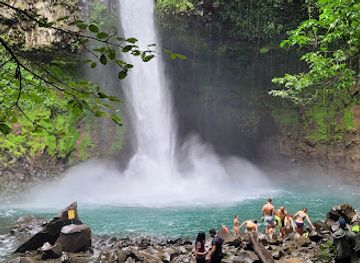
Fortuna Waterfall
Experience the majesty of La Fortuna Waterfall, a stunning natural wonder in Costa Rica's lush rainforest, offering breathtaking views and refreshing waters.
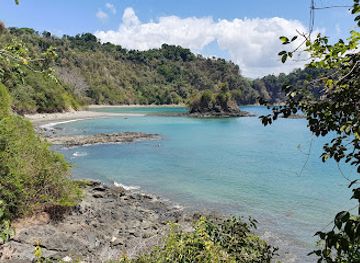

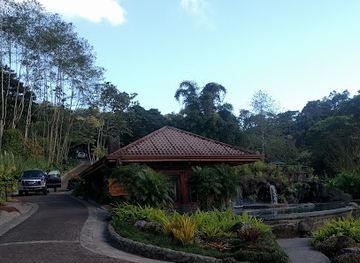
Explore Northern Plains on the map
Plan your trip on one map. See where the top cities, national parks and sights are, and book hotels and experiences in a few clicks.
Best hotels in Northern Plains
Best restaurants in Northern Plains
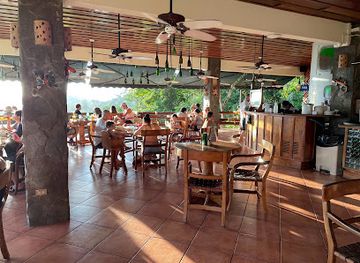
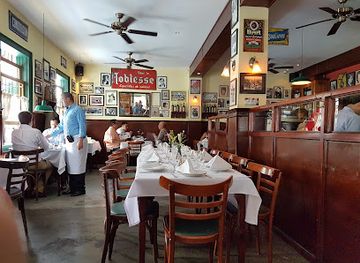
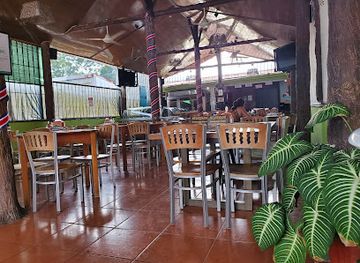
Dining in the Northern Plains reflects Costa Rica's agricultural economy and tropical climate. In La Fortuna, restaurants range from traditional sodas serving casado, rice and beans, plantains, soups and grilled meats to international kitchens catering for a large visitor base. The surrounding countryside contributes dairy products, sugar cane, tropical fruit, citrus, cacao and other farm produce, while fish and seafood are available but are not the defining food tradition of this inland region. Sarapiquí and San Carlos have roadside eateries, bakeries, family-run cafés and rural establishments where portions are generally substantial and menus may change with local supply. Cacao tours introduce visitors to chocolate production, while fruit drinks, coffee and fresh juices are widely available. In smaller communities, meal times and payment options can be less flexible than in La Fortuna, so carrying some colones is sensible. Responsible travellers should favour businesses that explain their local sourcing and treat farm, Indigenous and community-based food experiences as working cultural settings rather than staged attractions.
-
Restaurant
El Avion
Discover El Avion: A unique restaurant set inside a historic aircraft offering stunning views and delectable cuisine in Puntarenas Province.
-
Argentinian
La Esquina de Buenos Aires
Experience authentic Argentinian cuisine at La Esquina de Buenos Aires in San José – where flavors meet tradition.
-
Restaurant
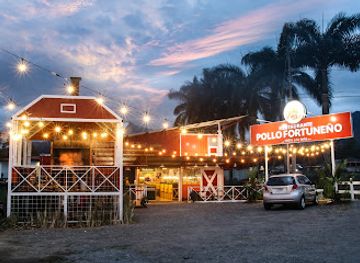
Pollo Fortuneño
Discover the rich flavors of Costa Rican cuisine at Pollo Fortuneño, where every bite tells a story.
-
Restaurant
Soda Víquez
Experience the authentic taste of Costa Rica at Soda Víquez - where delicious meets affordable!
Best bars in Northern Plains
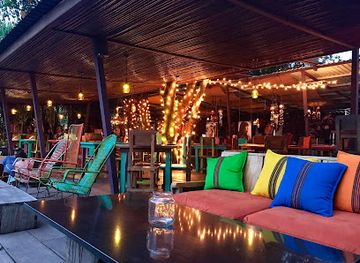
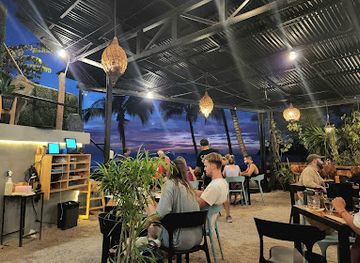
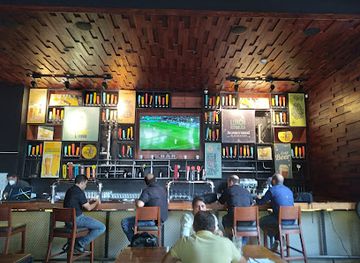
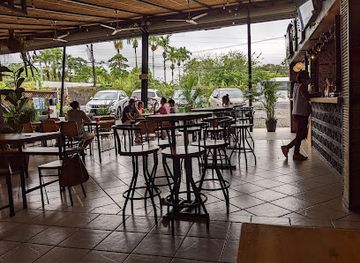
Nightlife in the Northern Plains is concentrated in La Fortuna, where visitors find relaxed bars, hotel lounges, casual restaurants, sports bars and occasional live music rather than a large-scale club scene. Evenings often revolve around dinner, views of the volcano when skies are clear, or drinks after an outdoor excursion. Ciudad Quesada provides a more local urban evening scene, with cafés, bars and restaurants serving surrounding communities, while Sarapiquí and the northern lowlands are quieter and more accommodation-based. Some lodges offer evening nature walks or informal social spaces, but rural areas generally close earlier and should not be approached as nightlife destinations. Craft beer, rum-based drinks and Costa Rican lagers appear in tourist-oriented venues, though drinking is not necessary to experience the region. Arrange transport in advance after visiting remote establishments, as taxis and ride availability are more limited outside the main towns.
-
Restaurant
KOKi Beach Restaurant & Bar
Discover a vibrant coastal culinary experience at KOKi Beach Restaurant & Bar in Puerto Viejo, where delicious food meets stunning oceanfront views.
-
Restaurant
Restaurante Coco Loco
Experience the vibrant flavors of Costa Rica at Restaurante Coco Loco, a culinary paradise in Playa Flamingo, renowned for its fresh seafood and warm hospitality.
-
Restaurant
República Casa Cervecera
Experience the vibrant flavors of craft beer and local cuisine at República Casa Cervecera, San José's premier brewery and gastropub.
-
Restaurant
Mercadito Arenal
Explore Mercadito Arenal in La Fortuna, Costa Rica - where diverse cuisines meet vibrant culture in a delightful culinary experience.
Best nightclubs in Northern Plains
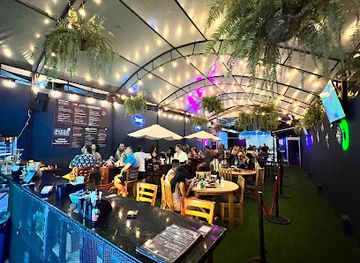
Nightlife in the Northern Plains is concentrated in La Fortuna, where visitors find relaxed bars, hotel lounges, casual restaurants, sports bars and occasional live music rather than a large-scale club scene. Evenings often revolve around dinner, views of the volcano when skies are clear, or drinks after an outdoor excursion. Ciudad Quesada provides a more local urban evening scene, with cafés, bars and restaurants serving surrounding communities, while Sarapiquí and the northern lowlands are quieter and more accommodation-based. Some lodges offer evening nature walks or informal social spaces, but rural areas generally close earlier and should not be approached as nightlife destinations. Craft beer, rum-based drinks and Costa Rican lagers appear in tourist-oriented venues, though drinking is not necessary to experience the region. Arrange transport in advance after visiting remote establishments, as taxis and ride availability are more limited outside the main towns.
-
Disco club
Pepper Disco Club
Discover the Pulse of Costa Rica's Nightlife at Pepper Disco Club - Dance, Drink, and Enjoy Unforgettable Nights!
-
Night club
Republik Lounge
Discover Jaco's premier nightlife destination at Republik Lounge, where great music, delicious drinks, and a vibrant atmosphere come together for an unforgettable night.
-
Disco club
Cuban Republik Disco Lounge
Unleash your spirit at the Cuban Republik Disco Lounge, a premier nightlife destination in Quepos, where the rhythm never stops and memories are made.
-
Disco club
Mood Club
Discover the pulse of San José's nightlife at Mood Club, a must-visit disco club with vibrant music, stunning lights, and exhilarating dance floors.



Best shops in Northern Plains
Shopping in the Northern Plains is practical and locally oriented rather than centred on major retail districts. La Fortuna has the widest selection of souvenir shops, galleries and small stores selling Costa Rican coffee, chocolate, clothing, woodwork, jewellery and volcano-themed gifts. Around Sarapiquí and the agricultural towns, visitors may find farm products, cacao, fruit preserves, handmade goods and locally produced foods through community projects or direct sales. Markets and small shops in Ciudad Quesada serve residents as well as visitors, offering a more everyday view of northern commerce than the dedicated souvenir outlets around Arenal. Indigenous Maleku crafts may be available through community-linked initiatives near Guatuso; buy directly and ask about the meaning and production of items rather than treating them as generic souvenirs. Rural areas have fewer shops and irregular opening arrangements, so purchase essentials before heading to remote lodges or wetlands. Cash in Costa Rican colones remains useful for small producers, craft sellers and roadside businesses.
-
Shopping mall
Multiplaza Escazú
Discover luxury shopping, exquisite dining, and vibrant entertainment at Multiplaza Escazú in Costa Rica.
-
 National park
Parque Nacional Volcán Arenal
Explore the stunning landscapes and unique wildlife of Parque Nacional Volcán Arenal, a breathtaking national park in Costa Rica.
-
Cafe
Caribeans Chocolate and Coffee
Discover the sweet side of Puerto Viejo with artisanal chocolates and aromatic coffee at Caribeans Chocolate and Coffee.
-
Gift shop
Pura Vida Souvenirs
Discover the heart of Costa Rican culture at Pura Vida Souvenirs, where unique gifts and local artistry meet.

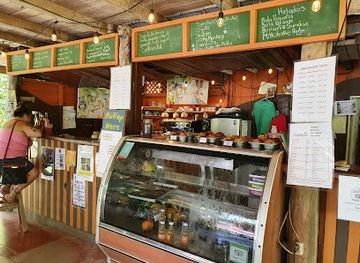

Get your free copy of our complete guide to Northern Plains, delivered straight to you.
Everything on this page, from attractions and restaurants to essentials and local phrases, in one PDF you can read offline, print or share.
Already have an account? Sign in
Your Northern Plains guide is ready.
We'll send it to · Not you? Sign out

Getting your guide ready…
We are putting together a fresh copy of the Northern Plains guide. This can take up to a minute.
This can take a few moments. If your browser asks, choose Allow so the download can start. You'll find the guide in your Downloads folder.
Nothing happened? Download it again
Sorry, the guide is taking longer than usual. Please try again in a minute, or get it by email instead.
Northern Plains essentials
Currency and Payment
Safety
Emergency Situations
Do's and Don'ts
Local Tips
From Eve
Local phrases worth knowing
You don't need to get them perfect. A few words go a long way, and locals appreciate the effort.
Basics
| English | Local | Say it |
|---|---|---|
| Hello | Howdy | [haʊdi] |
| Goodbye | See ya | [si jə] |
| Yes | Yep | [jɛp] |
| No | Nah | [nɑ] |
| Please/You're welcome | Sure thing | [ʃʊr θɪŋ] |
| Thank you | Thanks | [θæŋks] |
| Excuse me/Sorry | Pardon me | [ˈpɑrdən mi] |
| How are you? | How's it going? | [haʊz ɪt ˈgoʊɪŋ] |
| Fine. And you? | Good. You? | [gʊd. ju?] |
| Do you speak English? | You speak English? | [ju spiːk ˈɪŋɡlɪʃ?] |
| I don't understand | I don't get it | [aɪ doʊnt ɡɛt ɪt] |
Eating & Drinking
| English | Local | Say it |
|---|---|---|
| I'd like to see the menu, please | Can I see the menu? | [kæn aɪ si ðə ˈmɛnju] |
| I don't eat meat | I don't do meat | [aɪ doʊnt du mit] |
| Cheers! | Cheers! | [ʧɪrz] |
| I would like to pay, please | Can I get the bill? | [kæn aɪ ɡɛt ðə bɪl?] |
Emergencies
| English | Local | Say it |
|---|---|---|
| Help! | Help! | [hɛlp] |
| Go away! | Get lost! | [ɡɛt lɔst] |
| Call the Police! | Call the cops! | [kɔl ðə kɑps] |
| Call a doctor! | Get a doctor! | [ɡɛt ə ˈdɑktər] |
| I'm lost | I can't find my way | [aɪ kænt faɪnd maɪ weɪ] |
| I'm ill | I'm not feeling well | [aɪm nɑt ˈfiːlɪŋ wɛl] |
Shopping
| English | Local | Say it |
|---|---|---|
| I'd like to buy... | I want to buy... | [aɪ wɑnt tu baɪ...] |
| I'm just looking | Just browsing | [dʒʌst ˈbraʊzɪŋ] |
| How much is it? | What's the price? | [wʌts ðə praɪs?] |
| That's too expensive | That's too pricey | [ðæts tu ˈpraɪsi] |
| Can you lower the price? | Can you bring it down? | [kæn ju brɪŋ ɪt daʊn?] |
Time & Numbers
| English | Local | Say it |
|---|---|---|
| What time is it? | What time is it? | [wʌt taɪm ɪt?] |
| It's one o'clock | It's one | [ɪts wʌn] |
| Half past (10) | Ten-thirty | [tɛn-ˈθɜrti] |
| Morning | Morning | [ˈmɔrnɪŋ] |
| Afternoon | Afternoon | [ˌæf.tɚˈnun] |
| Evening | Evening | [ˈivnɪŋ] |
| Yesterday | Yesterday | [ˈjɛstərdeɪ] |
| Today | Today | [təˈdeɪ] |
| Tomorrow | Tomorrow | [təˈmɔroʊ] |
| 1 | One | [wʌn] |
| 2 | Two | [tu] |
| 3 | Three | [θri] |
| 4 | Four | [fɔr] |
| 5 | Five | [faɪv] |
| 6 | Six | [sɪks] |
| 7 | Seven | [sɛvən] |
| 8 | Eight | [eɪt] |
| 9 | Nine | [naɪn] |
| 10 | Ten | [tɛn] |
Transport & Directions
| English | Local | Say it |
|---|---|---|
| Where's a/the...? | Where's the...? | [wɛrz ðə...?] |
| What's the address? | What's the address? | [wʌts ðə əˈdrɛs?] |
| Can you show me (on the map)? | Can you point it out? | [kæn ju pɔɪnt ɪt aʊt?] |
| When's the next (bus)? | When's the next bus? | [wɛn z ðə nɛkst bʌs?] |
| A ticket (to ....) | One ticket to... | [wʌn ˈtɪkɪt tu...] |
History of Northern Plains
Indigenous Maleku Heritage
Long before modern roads and farms reached the northern interior, Indigenous communities used the region's rivers, forests and plains for settlement, travel and trade. The Maleku, whose communities are centred around Guatuso, retain a particularly important cultural presence in northern Costa Rica. Their language, crafts, stories and relationship with the natural world form part of the region's living heritage. Visitors should approach cultural experiences through community-led initiatives and with respect for traditions that are not simply tourist performances.
Colonial-Era Northern Frontier
Spanish colonial settlement was relatively limited in the wet, forested northern plains compared with Costa Rica's central highlands. Rivers, difficult terrain and the distance from colonial centres all restricted permanent development. The northern frontier nevertheless connected different communities through waterways and overland routes, while Indigenous populations maintained greater continuity than in many more intensively settled parts of the country. This history helps explain why large areas remained forested and sparsely populated into the modern period.
Agricultural Colonisation and San Carlos
The San Carlos plain underwent major change during the twentieth century as roads, drainage works and migration encouraged agricultural settlement. Forest was cleared for cattle, crops and smallholdings, and towns such as Ciudad Quesada became service centres for a growing rural economy. Dairy farming, sugar cane, citrus, pineapple and other commercial activities reshaped the landscape. The region's present mixture of pasture, plantations, secondary forest and protected land reflects this long process of frontier colonisation rather than a purely untouched tropical landscape.
Arenal Volcano and the 1968 Eruption
Arenal Volcano became one of Costa Rica's most closely studied and recognisable volcanoes after a major eruption began on 29 July 1968. The event devastated settlements and farmland near the volcano and transformed the surrounding landscape with lava flows, ash and new hazards. For decades Arenal remained visibly active, influencing local livelihoods, scientific research and tourism. Its activity declined sharply in 2010, but the eruption fields, volcanic soils and monitoring history remain central to the identity of La Fortuna and the wider Northern Plains.
Lake Arenal and Hydroelectric Development
The creation of Lake Arenal in the late twentieth century flooded the original lake basin and required the relocation of communities as part of a major hydroelectric project. The enlarged reservoir became an important source of renewable electricity and an influential feature of the regional landscape. Today its broad waters, forested hills and exposed wind conditions support recreation as well as energy production. The lake also illustrates how Costa Rica's modern development combined infrastructure with a continuing effort to manage water, agriculture and environmental protection.
Rainforest Conservation and Ecotourism
From the late twentieth century onwards, protected areas, private reserves, biological research and community-based tourism altered the economic direction of parts of the Northern Plains. Arenal Volcano National Park, Caño Negro Wildlife Refuge and forest reserves in Sarapiquí helped conserve habitats that had come under pressure from farming and timber extraction. Lodges, guides and activity providers created new employment linked to wildlife, rivers and volcanic scenery. Tourism has not replaced agriculture, but it has made conservation an important part of the region's contemporary identity.
Northern Plains in Photos
Browse through our photo collection highlighting the charm and character of the destination.
Neighbouring regions of Northern Plains
The closest regions to Northern Plains, if you have time for more than one.
-

-

-

-

-


Swipe for more regions
Explore more

Explore more of Costa Rica
Discover Costa Rica, where lush rainforests, stunning beaches, and incredible wildlife create a paradise for nature lovers and adventure seekers alike.
Explore Costa Rica