

Nicoya Peninsula, Costa Rica Travel Guide
Explore the Nicoya Peninsula in Costa Rica: A pristine paradise of stunning beaches, lush forests, vibrant local culture, and adventure for every traveler.
The Nicoya Peninsula in Costa Rica is a gem of natural beauty and cultural richness. Known for its stunning beaches, lush forests, and vibrant local communities, it offers an unforgettable experience for every type of traveler. Whether you are looking to surf the waves of the Pacific Ocean, explore untouched tropical landscapes, or immerse yourself in the tranquil lifestyle of the local 'ticos', Nicoya Peninsula has it all. The region is renowned for its biodiversity, making it a haven for nature lovers. Visitors can explore the Cabo Blanco Nature Reserve, which boasts an array of wildlife including monkeys, coatis, and exotic birds. The beaches, such as Playa Santa Teresa and Playa Samara, are perfect for both relaxation and adventure, offering opportunities for surfing, snorkeling, and sunbathing. Apart from its natural allure, the Nicoya Peninsula is also known for its unique culture. The area's inhabitants are some of the longest-living people in the world, attributed to their healthy diets, active lifestyles, and strong sense of community. Visitors can enjoy local cuisine, which features fresh seafood, tropical fruits, and traditional Costa Rican dishes. The small towns and villages offer a glimpse into slow-paced, authentic Costa Rican life, making the Nicoya Peninsula not just a destination, but an experience to cherish.

Know before you go
Hi, I'm Eve. Here are a few practical things to know before exploring Nicoya Peninsula.
- Visit during the dry season (December to April) for the best weather conditions and clearer skies.
- Rent a 4x4 vehicle to navigate the peninsula’s rugged terrain and reach more remote areas.
- Pack insect repellent and sunscreen to protect yourself while exploring both beaches and forests.
- Try the local 'casado' dish for a traditional Costa Rican meal that includes rice, beans, salad, and a choice of protein.
- Learn a few Spanish phrases to enhance your interaction with the friendly local residents.
Top City Travel Guides in Nicoya Peninsula
The cities of Nicoya Peninsula, and the easiest places to base yourself.

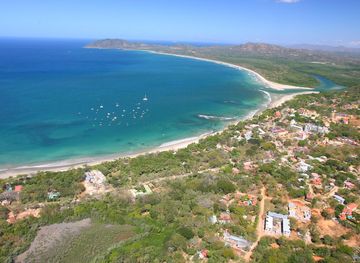
Explore Nicoya Peninsula: Things to Do, Places to Eat, Hotels & More
Handpicked recommendations for top attractions, local dining, accommodations, and more

Top Attractions & Sightseeing in Nicoya Peninsula
Top-rated picks
Best Attractions

Bernabela Ramos Park
Explore the lush beauty and vibrant culture at Bernabela Ramos Park in Santa Cruz, Guanacaste, a perfect urban oasis for relaxation and recreation.

Parque Nacional Palo Verde
Explore the breathtaking biodiversity of Parque Nacional Palo Verde, where lush landscapes and vibrant wildlife await every nature enthusiast.

Playa Montezuma
Playa Montezuma: A Hidden Gem in Costa Rica’s Coastal Paradise, Perfect for Sunbathing, Exploring Nature, and Enjoying Local Culture.

Black Stallion Eco Park & Estates
Experience the beauty of Costa Rica at Black Stallion Eco Park & Estates, where adventure meets tranquility in a stunning natural setting.

Best landmarks in Nicoya Peninsula
Top-rated picks
Best Landmarks

Reserva Natural Monte Alto
Discover cool mountain trails, diverse wildlife, and stunning orchids at this refreshing Guanacaste nature escape near Hojancha.

Cristo Redentor. Cerro La Cruz. Nicoya
Discover the iconic Cristo Redentor statue on Cerro La Cruz in Nicoya, Costa Rica, offering stunning views and a glimpse into local culture.

Best restaurants in Nicoya Peninsula
Top-rated picks
Best Restaurants

Chari's Bar Y Restaurante
Discover the flavors of Costa Rica at Chari's Bar Y Restaurante in Nicoya—where local cuisine meets vibrant atmosphere.

Cevicheria Marisqueria RAFITAS #2.
Experience authentic Costa Rican seafood at Cevicheria Marisqueria RAFITAS #2 in Pueblo Viejo de Nicoya - where fresh meets flavor.

Restaurante El Presidente
Experience authentic Chinese cuisine at Restaurante El Presidente in Nicoya; where flavor meets hospitality amidst Costa Rica's scenic beauty.

Cuatro Estaciones
Experience authentic Chinese flavors at Cuatro Estaciones in Nicoya - where every dish tells a story.

Best bars in Nicoya Peninsula
Top-rated picks
Best Bars

Kooks Smokehouse and Bar
Experience the vibrant flavors and lively atmosphere of Kooks Smokehouse and Bar in Puntarenas, where every meal is a celebration of local cuisine.

Chari's Bar Y Restaurante
Discover the authentic flavors of Costa Rica at Chari's Bar Y Restaurante in Nicoya, where local cuisine meets vibrant atmosphere.

Bar & Marisquería Kukis
Discover the flavors of the Pacific at Bar & Marisquería Kukis, where fresh seafood meets Costa Rican hospitality.

Crazy Monkey Bar
Dive into the lively dining experience at Crazy Monkey Bar in Tamarindo, where delicious cuisine meets an unforgettable nightlife atmosphere.

Best nightclubs in Nicoya Peninsula
Top-rated picks
Best Nightclubs

Night Club Garden
Unleash your spirit at Night Club Garden, a vibrant nightlife haven in Guanacaste, where music, dance, and excitement come together.

Club Ricuras
Experience the vibrant nightlife at Club Ricuras in Nicoya, Guanacaste, where music, dance, and fun come together in an unforgettable atmosphere.

Hacienda el $
Discover the electrifying atmosphere of Hacienda el $, a premier night club in Nicoya, Guanacaste, perfect for an unforgettable night out.

Lotus Night Club
Discover the electrifying nightlife at Lotus Night Club in Tamarindo, where vibrant music and unforgettable experiences await.

Best shops in Nicoya Peninsula
Top-rated picks
Best Shops

Super Rio Ora
Explore the vibrant Super Rio Ora in Puerto Carrillo for fresh local products and essentials to enhance your Costa Rican adventure.

Supermercado Grupo Económico • Mansión
Explore the vibrant flavors of Costa Rica at Supermercado Grupo Económico • Mansión in Nicoya, offering local produce and international products.

Super Estrada
Discover the charm of Super Estrada in Guanacaste, where local flavors and vibrant shopping come together in a delightful experience.

Musmanni Hojancha
Experience the best of Costa Rican pastries at Musmanni Hojancha, where every bite is a delicious journey into local flavors and traditions.

Explore Nicoya Peninsula on the Map
A handpicked selection of must-see spots in Nicoya Peninsula, mapped for you.
Nicoya Peninsula Essentials
-
The Nicoya Peninsula is accessible by multiple modes of transportation. The nearest major airport is Daniel Oduber Quirós International Airport (LIR) in Liberia, which is approximately a 2-hour drive from the peninsula. From San José, the capital of Costa Rica, you can take a domestic flight to the smaller Tambor Airport (TMU) or Nosara Airport (NOB). Alternatively, you can drive from San José, which takes roughly 4-5 hours depending on your destination within the peninsula. There are also ferry services from Puntarenas to Paquera and Naranjo, which offer a scenic route to the peninsula.
-
Once on the Nicoya Peninsula, you have several options for getting around. Renting a car is highly recommended for the freedom and flexibility it provides. 4x4 vehicles are advisable due to the condition of some rural roads. Public buses operate between larger towns and are a budget-friendly option, although they may not be as frequent or as comfortable. Taxis and ride-sharing services are also available but can be more expensive. For shorter distances, many tourists opt for renting bicycles or scooters.
-
The official currency in Costa Rica is the Costa Rican Colón (CRC). Credit cards are widely accepted in hotels, restaurants, and larger shops, but it is advisable to carry cash for smaller establishments, local markets, and rural areas. ATMs are available in most towns, but fees can be high for international withdrawals, so plan accordingly. Some places may also accept US dollars, but the exchange rate may not be favorable.
-
The Nicoya Peninsula is generally a safe destination for tourists. However, standard precautions should be taken. Avoid walking alone at night in unfamiliar areas and keep an eye on your belongings in crowded places. While the peninsula is relatively safe, areas like Santa Teresa and Malpais have seen occasional petty theft targeting tourists, so remain vigilant. Always use reputable transportation services and avoid isolated areas, especially after dark.
-
In case of an emergency, dial 911 for immediate assistance. Medical facilities are available in larger towns like Nicoya, Santa Cruz, and Cobano. It is advisable to have travel insurance that covers medical emergencies. For minor health issues, pharmacies are readily available in most towns. In coastal areas, be aware of strong ocean currents and heed local warnings to ensure water safety.
-
Fashion: Do dress comfortably and casually, but modestly. Avoid wearing overly revealing clothing, especially in rural areas. Religion: Do respect local customs and traditions. When visiting churches, dress modestly and behave respectfully. Public Transport: Do be courteous and offer your seat to elderly passengers. Don't eat or drink on public transport. Greetings: Do greet people with a warm handshake. A friendly 'Hola' or 'Pura Vida' is appreciated. Eating & Drinking: Do try local delicacies and accept food offerings graciously. Don't refuse hospitality, as it is considered impolite.
-
To experience the Nicoya Peninsula like a local, visit the local markets where you can buy fresh produce and traditional Costa Rican goods. Engage with locals, who are often friendly and willing to share stories about the area's history and culture. Don't miss the chance to explore hidden beaches and less touristy spots like Playa San Miguel and Playa Coyote. Participate in local festivals and events to immerse yourself in the vibrant culture of the peninsula.
When is the best time to visit Nicoya Peninsula?
Useful Local Phrases for Nicoya Peninsula
You don't need to speak the language perfectly. Even learning a few simple words can make conversations warmer—and locals usually appreciate the effort.
— Eve

Here are the phrases I use most often in Nicoya Peninsula. Try a few—you'll be surprised how far they go! 😊
❤️
-
- HelloHola
[O-la] - GoodbyeAdiós
[A-dee-os] - YesSí
[See] - NoNo
[No] - Please/You're welcomePor favor
[Por fa-vor] - Thank youGracias
[Gra-see-as] - Excuse me/SorryPerdón
[Per-don] - How are you?¿Cómo estás?
[Ko-mo es-tas] - Fine. And you?Bien. ¿Y tú?
[Bee-en. Ee tu] - Do you speak English?¿Hablas inglés?
[A-blas in-glez] - I don't understandNo entiendo
[No en-tee-en-do]
- HelloHola
-
- I'd like to see the menu, pleaseMe gustaría ver el menú, por favor
[Me gus-ta-ree-a ver el me-nu, por fa-vor] - I don't eat meatNo como carne
[No ko-mo car-ne] - Cheers!¡Salud!
[Sa-lud] - I would like to pay, pleaseMe gustaría pagar, por favor
[Me gus-ta-ree-a pa-gar, por fa-vor]
- I'd like to see the menu, pleaseMe gustaría ver el menú, por favor
-
- Help!¡Ayuda!
[A-yu-da] - Go away!¡Vete!
[Ve-te] - Call the Police!¡Llama a la policía!
[Ya-ma a la po-li-ci-a] - Call a doctor!¡Llama a un doctor!
[Ya-ma a un doc-tor] - I'm lostEstoy perdido
[Es-toy per-di-do] - I'm illEstoy enfermo/enferma
[Es-toy en-fer-mo/en-fer-ma]
- Help!¡Ayuda!
-
- I'd like to buy...Me gustaría comprar...
[Me gus-ta-ree-a com-prar] - I'm just lookingSolo estoy mirando
[So-lo es-toy mi-ran-do] - How much is it?¿Cuánto cuesta?
[Kwan-to kwes-ta] - That's too expensiveEso es muy caro
[E-so es mwee ca-ro] - Can you lower the price?¿Puedes bajar el precio?
[Pwe-des ba-har el pre-cio]
- I'd like to buy...Me gustaría comprar...
-
- What time is it?¿Qué hora es?
[Ke o-ra es] - It's one o'clockEs la una
[Es la u-na] - Half past (10)Diez y media
[Dyes ee me-dia] - MorningMañana
[Ma-nya-na] - AfternoonTarde
[Tar-de] - EveningNoche
[No-che] - YesterdayAyer
[A-yer] - TodayHoy
[Oy] - TomorrowMañana
[Ma-nya-na] - 1Uno
[U-no] - 2Dos
[Dos] - 3Tres
[Tres] - 4Cuatro
[Kwa-tro] - 5Cinco
[Sin-ko] - 6Seis
[Says] - 7Siete
[Sye-te] - 8Ocho
[O-cho] - 9Nueve
[Nwe-ve] - 10Diez
[Dyes]
- What time is it?¿Qué hora es?
-
- Where's a/the...?¿Dónde está...?
[Don-de es-ta] - What's the address?¿Cuál es la dirección?
[Kwal es la di-rec-cion] - Can you show me (on the map)?¿Puedes mostrarme (en el mapa)?
[Pwe-des mos-trar-me (en el ma-pa)] - When's the next (bus)?¿Cuándo es el próximo (bus)?
[Kwan-do es el prox-i-mo (bus)] - A ticket (to ....)Un boleto (a....)
[Un bo-le-to (a....)]
- Where's a/the...?¿Dónde está...?
History of Nicoya Peninsula
-
The Nicoya Peninsula was inhabited by indigenous peoples long before the arrival of the Spanish. The Chorotega were the dominant group, known for their complex social structures and advanced agricultural practices. They built impressive settlements and created intricate pottery, much of which has been discovered through archaeological excavations.
-
In the early 16th century, Spanish conquistadors arrived on the Nicoya Peninsula. The region was officially claimed for Spain by Gil González Dávila in 1523. The Spanish established several settlements and missions in the area, including the town of Nicoya, which became an important administrative and religious center.
-
During the colonial period, the Nicoya Peninsula was part of the Spanish Viceroyalty of New Spain, which included much of present-day Central America. The town of Nicoya grew as a center of trade, especially in cattle ranching and agriculture. The region was relatively isolated, which allowed indigenous cultures to survive longer than in other parts of Costa Rica.
-
In 1824, the Nicoya Peninsula voted to annex itself to Costa Rica rather than Nicaragua. This decision was driven by economic and political considerations. The annexation is celebrated annually on July 25th as the 'Anexión del Partido de Nicoya,' a significant holiday in Costa Rica, marked by parades, cultural events, and traditional festivities.
-
In the latter half of the 20th century, the Nicoya Peninsula began to develop as a tourist destination. Its pristine beaches, rich biodiversity, and traditional culture attracted visitors from around the world. Today, it is known for its eco-tourism, surf spots, and as a 'Blue Zone,' where people live longer and healthier lives than average.
Neighbouring Regions of Nicoya Peninsula
The closest regions to Nicoya Peninsula, if you have time for more than one.


Your all‑in‑one travel companion app
Explore expert travel guides, compare and book tours, experiences, hotels, and more—all from the palm of your hand. Download now for seamless trip planning wherever your wanderlust takes you.


Explore More of Costa Rica

Looking beyond Nicoya Peninsula? Discover Costa Rica for broader travel guides, local hot-spots, and regional highlights.
Explore Costa RicaNicoya Peninsula in Photos
Browse through our photo collection highlighting the charm and character of the destination.



Nicoya Peninsula: Costa Rica's Pristine Paradise
The Nicoya Peninsula in Costa Rica is a gem of natural beauty and cultural richness. Known for its stunning beaches, lush forests, and vibrant local communities, it offers an unforgettable experience for every type of traveler. Whether you are looking to surf the waves of the Pacific Ocean, explore untouched tropical landscapes, or immerse yourself in the tranquil lifestyle of the local 'ticos', Nicoya Peninsula has it all. The region is renowned for its biodiversity, making it a haven for nature lovers. Visitors can explore the Cabo Blanco Nature Reserve, which boasts an array of wildlife including monkeys, coatis, and exotic birds. The beaches, such as Playa Santa Teresa and Playa Samara, are perfect for both relaxation and adventure, offering opportunities for surfing, snorkeling, and sunbathing. Apart from its natural allure, the Nicoya Peninsula is also known for its unique culture. The area's inhabitants are some of the longest-living people in the world, attributed to their healthy diets, active lifestyles, and strong sense of community. Visitors can enjoy local cuisine, which features fresh seafood, tropical fruits, and traditional Costa Rican dishes. The small towns and villages offer a glimpse into slow-paced, authentic Costa Rican life, making the Nicoya Peninsula not just a destination, but an experience to cherish.