

Free Central Pacific Travel Guide & Mobile App
Explore Central Pacific with free travel guides. Discover regional history, expert tips, proposed trips, and audio guides on web or mobile app.


Explore Central Pacific Costa Rica for rainforest parks, Pacific beaches, wildlife, surf towns, seafood and easy coastal adventures from Puntarenas to Quepos.
Read more about Central Pacific
When is the best time to visit Central Pacific?
Best: December–February · 30–31°C| Month | High (°C) | Rainfall (mm) |
|---|---|---|
| January (best) | 30 | 20 |
| February (best) | 31 | 25 |
| March | 31 | 30 |
| April | 32 | 45 |
| May | 31 | 70 |
| June | 31 | 90 |
| July | 30 | 100 |
| August | 30 | 100 |
| September | 30 | 90 |
| October | 30 | 80 |
| November | 30 | 60 |
| December (best) | 30 | 30 |
Getting to and around Central Pacific
How to get there
Transportation
Top city travel guides in Central Pacific
The cities of Central Pacific, and the easiest places to base yourself.
-

-

-

-


Swipe for more cities
Destinations in Central Pacific
Resorts, valleys and scenic spots worth a trip of their own.
-

-


Swipe for more destinations
Best attractions in Central Pacific
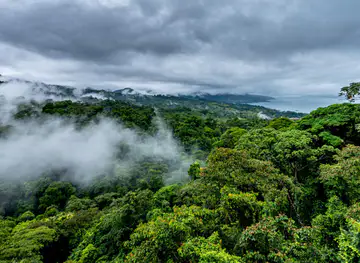
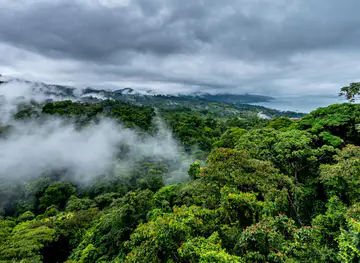
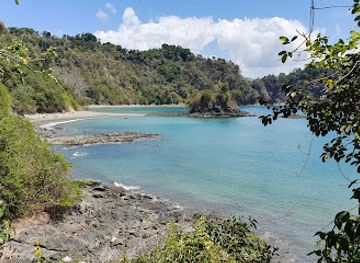
The Central Pacific’s attractions combine protected forest, open coastline and working maritime communities. Manuel Antonio National Park is the region’s signature destination, with rainforest trails, coastal viewpoints and beaches within a compact protected area near Quepos. Carara National Park, close to the Tárcoles River, offers a different forest experience and is an important place for observing tropical birds. Around Tárcoles, mangrove and estuary excursions reveal crocodiles, wading birds and aquatic habitats, while boat trips in the Gulf of Nicoya connect the mainland with islands and quieter coastal scenery. Jacó and Herradura provide accessible beaches, surfing and water-based activities, with additional opportunities for sport fishing and sailing. Puntarenas offers seaside recreation, ferry connections and a window onto the gulf’s port culture. Inland foothills and rural roads bring viewpoints, small farms and forested landscapes, although access can be weather-dependent. The region is best approached as a sequence of contrasting environments rather than a single beach resort: busy leisure centres, protected rainforest, estuarine wetlands and traditional coastal settlements all occupy the same broad corridor.
-
Tourist attraction
Crocodile Bridge
Witness massive crocodiles in their natural habitat from the famous Crocodile Bridge on Costa Rica's Pacific Coast.
-
Tourist attraction
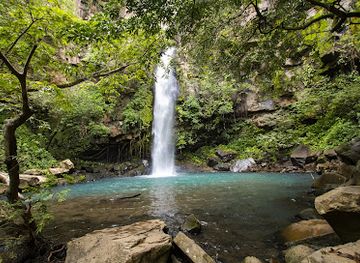
Fortuna Waterfall
Experience the majestic La Fortuna Waterfall: a natural wonder nestled in Costa Rica's lush rainforest, near the iconic Arenal Volcano.
-
Tourist attraction
Parque Nacional Rincón de la Vieja
Explore the breathtaking Parque Nacional Rincón de la Vieja, where lush landscapes, geothermal wonders, and rich biodiversity await in Guanacaste Province.
-
Tourist attraction
Pre-Columbian Gold Museum
Explore the captivating world of ancient Costa Rican cultures at the Pre-Columbian Gold Museum, a treasure trove of history and artistry.

Best landmarks in Central Pacific
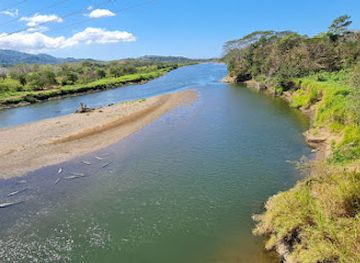
Puntarenas’s elongated peninsula is one of the Central Pacific’s most recognisable geographical features, projecting into the Gulf of Nicoya and reflecting the city’s historic role as a Pacific port. The Tárcoles River and its broad estuarine setting form another defining landscape, linking inland forests with mangrove and coastal habitats. Near Quepos, the steep green coastline around Manuel Antonio National Park creates a particularly recognisable meeting of rainforest, headlands and Pacific beaches. Carara National Park is significant less for monumental architecture than for its protected transitional forest and the ecological contrast it represents within the coastal corridor. Jacó’s broad bay and surrounding hills are central to the modern visual identity of the region, while Herradura’s sheltered harbour landscape has encouraged boating and resort development. Across the coast, ferry terminals, fishing facilities, bridges and seaside promenades provide reminders that the Central Pacific is not simply a leisure landscape but also a maritime working region shaped by transport, trade and coastal livelihoods.
-
National park
Parque Nacional Manuel Antonio
Explore Costa Rica's iconic Manuel Antonio National Park: stunning beaches, lush rainforests, and incredible wildlife await near Quepos.
-
Park
Plaza de la Cultura
Experience the heart of San José at Plaza de la Cultura, a vibrant hub surrounded by museums, theaters, and the pulse of Costa Rican life.
-
National park
Parque Nacional Cahuita
Discover Cahuita National Park: Where rainforest meets the reef on Costa Rica's stunning Caribbean coast.
-
Nature preserve
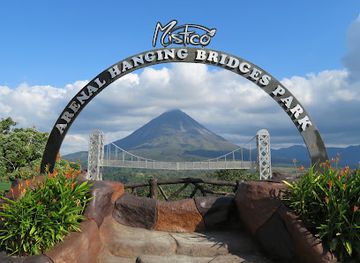
Místico Arenal Hanging Bridges
Walk through the treetops and discover Costa Rica's rainforest biodiversity on the famous Místico Arenal Hanging Bridges. Book your adventure today!
Explore Central Pacific on the map
Plan your trip on one map. See where the top cities, national parks and sights are, and book hotels and experiences in a few clicks.
Best hotels in Central Pacific
Best restaurants in Central Pacific
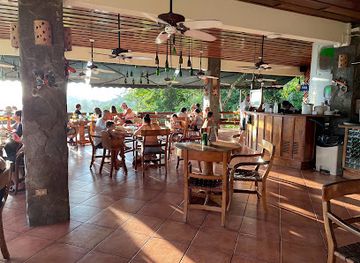
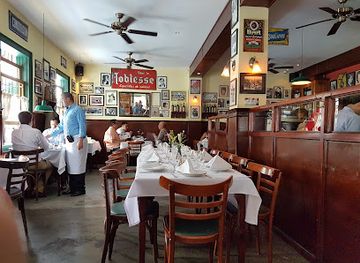
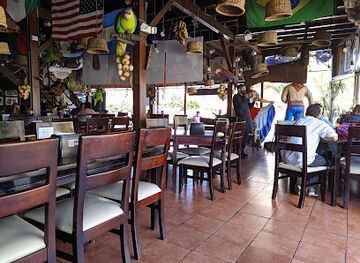
Dining in the Central Pacific is strongly influenced by the Pacific catch and the produce of Costa Rica’s tropical lowlands. Fish and prawns appear in ceviche, grilled dishes, seafood rice and soups, while roadside cafés and family restaurants commonly serve casado with rice, beans, salad, plantain and a choice of meat or fish. Puntarenas has a long association with port life and seaside food, whereas Jacó, Herradura, Quepos and Manuel Antonio offer a wider international restaurant selection alongside Costa Rican cooking. Fresh fruit drinks, coconut-based flavours and snacks made with plantain or corn are easy to find, and farmers’ stalls provide mangoes, papaya, pineapple and other seasonal produce. Traditional cafés and open-sided restaurants are useful for inexpensive meals, while hotel dining and contemporary coastal restaurants cater to visitors seeking a more polished setting. Seafood should be sourced responsibly where possible, and menus can vary with weather, fishing conditions and seasonal availability.
-
Restaurant
El Avion
Experience dining like never before at El Avion - savor delicious Costa Rican cuisine in a historic military plane with breathtaking ocean views.
-
Argentinian
La Esquina de Buenos Aires
Experience authentic Argentinian cuisine at La Esquina de Buenos Aires in San José - a true culinary gem for every food lover.
-
Costa Rican
Restaurante Nuestra Tierra
Savor authentic Costa Rican flavors at Restaurante Nuestra Tierra in San José—where every dish is a celebration of local culture.
-
Costa Rican
Restaurante y Mirador Ram Luna
Experience breathtaking views and authentic Costa Rican cuisine at Restaurante y Mirador Ram Luna in Aserrí.

Best bars in Central Pacific
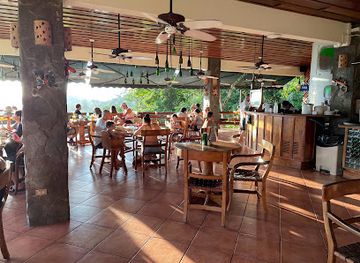
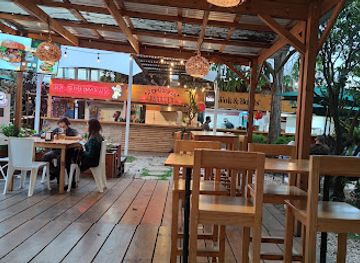
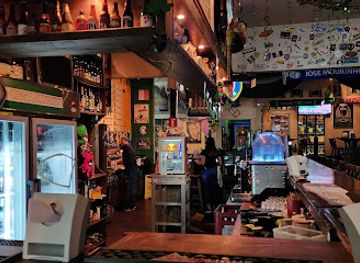
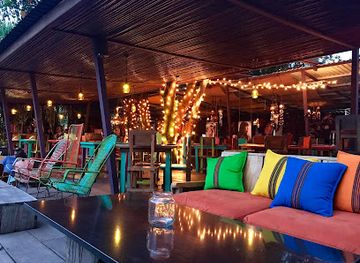
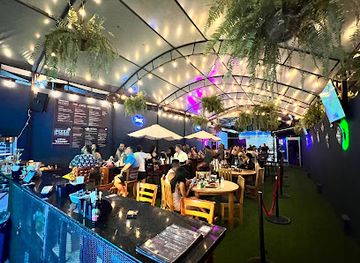
Nightlife is concentrated in Jacó, Quepos and the Manuel Antonio area, with the largest choice of bars, casual restaurants, live-music settings and late-evening venues found in these established visitor centres. Jacó has the region’s clearest surf-town nightlife profile, while Quepos combines local bars with restaurants and accommodation serving visitors before or after excursions. Manuel Antonio is more dispersed along the coastal road, so checking transport arrangements is sensible at night. Herradura tends towards resort dining and quieter evening drinks, and Puntarenas has a more local, seaside social atmosphere than a major club scene. Outside the principal towns, evenings generally revolve around restaurants, small bars and accommodation rather than large nightclubs. Seasonal demand, weather and business changes can affect opening arrangements, so visitors should confirm current details locally and take normal precautions around alcohol, valuables and late-night transport.
-
Restaurant
El Avion
Experience dining like never before at El Avion, a restaurant housed in a historic airplane with breathtaking ocean views and delicious local cuisine.
-
Grill
Costa Rica Beer Factory
Discover the vibrant craft beer culture at Costa Rica Beer Factory, where flavor meets creativity in a lively setting.
-
Irish pub
Craic Irish Pub
Discover the essence of Irish hospitality at Craic Irish Pub, where authentic dishes, vibrant atmosphere, and great drinks await in San José.
-
Restaurant
KOKi Beach Restaurant & Bar
Discover the flavors of the Caribbean at KOKi Beach Restaurant & Bar, where oceanfront dining meets vibrant nightlife in Puerto Viejo.
Best nightclubs in Central Pacific
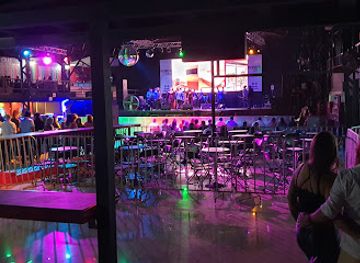
Nightlife is concentrated in Jacó, Quepos and the Manuel Antonio area, with the largest choice of bars, casual restaurants, live-music settings and late-evening venues found in these established visitor centres. Jacó has the region’s clearest surf-town nightlife profile, while Quepos combines local bars with restaurants and accommodation serving visitors before or after excursions. Manuel Antonio is more dispersed along the coastal road, so checking transport arrangements is sensible at night. Herradura tends towards resort dining and quieter evening drinks, and Puntarenas has a more local, seaside social atmosphere than a major club scene. Outside the principal towns, evenings generally revolve around restaurants, small bars and accommodation rather than large nightclubs. Seasonal demand, weather and business changes can affect opening arrangements, so visitors should confirm current details locally and take normal precautions around alcohol, valuables and late-night transport.
-
Disco club
Pepper Disco Club
Dance the night away at Pepper Disco Club in Curridabat, Costa Rica’s premier destination for vibrant nightlife and unforgettable experiences.
-
Bar
Orange Pub
Discover the vibrant nightlife at Orange Pub in Jaco, Costa Rica—a lively bar serving up cocktails and fun for all visitors.
-
Night club
Republik Lounge
Discover the electrifying nightlife of Jaco at Republik Lounge, where dining, dancing, and vibrant entertainment await you.
-
Disco club
Cuban Republik Disco Lounge
Discover the vibrant nightlife of Quepos at Cuban Republik Disco Lounge, where music and tropical vibes create unforgettable experiences.


Best shops in Central Pacific
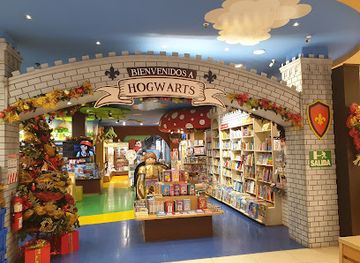
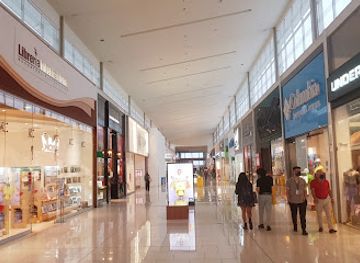
Shopping in the Central Pacific ranges from practical town markets to tourist-oriented craft stalls and small independent shops. Puntarenas is the best place to experience a more established local retail environment, with everyday shops, food sellers and seaside vendors serving residents as well as visitors. Jacó, Herradura, Quepos and Manuel Antonio have boutiques, galleries, surf-related stores and shops selling beachwear, jewellery, woodwork, paintings and other Costa Rican handicrafts, though quality and provenance vary. Look for locally produced coffee, chocolate, spices, tropical preserves and packaged snacks as useful gifts, and buy food products from reputable shops. Quepos also provides supermarkets and services for travellers staying in self-catering accommodation. Farmers’ stalls and roadside stands are good for seasonal fruit, but visitors should respect local prices and avoid purchasing items made from protected wildlife, coral, archaeological material or unsustainably harvested wood.
-
Shopping mall
Multiplaza Escazú
Discover luxury shopping, diverse dining, and entertainment at Multiplaza Escazú, the ultimate destination for tourists in Costa Rica.
-
Shopping mall
Multiplaza Curridabat
Experience the best of shopping, dining, and entertainment at Multiplaza Curridabat in San José, Costa Rica.
-
Shopping mall
Lincoln Plaza
Discover Lincoln Plaza, the ultimate shopping and dining destination in San José, Costa Rica's vibrant capital.
-
Shopping mall
Centro Comercial Montegeneral
Discover a vibrant shopping experience at Centro Comercial Montegeneral, where local culture meets modern retail in the heart of San Isidro de El General.

Get your free copy of our complete guide to Central Pacific, delivered straight to you.
Everything on this page, from attractions and restaurants to essentials and local phrases, in one PDF you can read offline, print or share.
Already have an account? Sign in
Your Central Pacific guide is ready.
We'll send it to · Not you? Sign out

Getting your guide ready…
We are putting together a fresh copy of the Central Pacific guide. This can take up to a minute.
This can take a few moments. If your browser asks, choose Allow so the download can start. You'll find the guide in your Downloads folder.
Nothing happened? Download it again
Sorry, the guide is taking longer than usual. Please try again in a minute, or get it by email instead.
Central Pacific essentials
Currency and Payment
Safety
Emergency Situations
Do's and Don'ts
Local Tips
From Eve
Local phrases worth knowing
You don't need to get them perfect. A few words go a long way, and locals appreciate the effort.
Basics
| English | Local | Say it |
|---|---|---|
| Hello | Hola | [OH-lah] |
| Goodbye | Adiós | [ah-DYOS] |
| Yes | Sí | [SEE] |
| No | No | [NO] |
| Please/You're welcome | Por favor | [por fah-VOR] |
| Thank you | Gracias | [GRAH-syahs] |
| Excuse me/Sorry | Perdón | [pehr-DON] |
| How are you? | ¿Cómo estás? | [KOH-moh es-TAS] |
| Fine. And you? | Bien. ¿Y tú? | [byen. ee TOO] |
| Do you speak English? | ¿Hablas inglés? | [AH-blahs een-GLES] |
| I don't understand | No entiendo | [NO en-TYEN-doh] |
Eating & Drinking
| English | Local | Say it |
|---|---|---|
| I'd like to see the menu, please | Me gustaría ver el menú, por favor | [meh goo-stah-REE-ah vehr el meh-NOO, por fah-VOR] |
| I don't eat meat | No como carne | [NO KOH-moh KAR-neh] |
| Cheers! | ¡Salud! | [sah-LOOD] |
| I would like to pay, please | Me gustaría pagar, por favor | [meh goo-stah-REE-ah pah-GAR, por fah-VOR] |
Emergencies
| English | Local | Say it |
|---|---|---|
| Help! | ¡Ayuda! | [ah-YOO-dah] |
| Go away! | ¡Vete! | [VEH-teh] |
| Call the Police! | ¡Llama a la policía! | [YAH-mah ah lah poh-lee-SIA] |
| Call a doctor! | ¡Llama a un doctor! | [YAH-mah ah oon dok-TOR] |
| I'm lost | Estoy perdido | [es-TOY pehr-DI-do] |
| I'm ill | Estoy enfermo | [es-TOY en-FER-mo] |
Shopping
| English | Local | Say it |
|---|---|---|
| I'd like to buy... | Me gustaría comprar... | [meh goo-stah-REE-ah kom-PRAHR] |
| I'm just looking | Solo estoy mirando | [SO-lo es-TOY mee-RAHN-doh] |
| How much is it? | ¿Cuánto cuesta? | [KWAN-toh KWES-tah] |
| That's too expensive | Es demasiado caro | [es deh-mah-SYA-do KA-roh] |
| Can you lower the price? | ¿Puedes bajar el precio? | [PWEH-des bah-HAR el PREH-syo] |
Time & Numbers
| English | Local | Say it |
|---|---|---|
| What time is it? | ¿Qué hora es? | [KEH OH-rah es] |
| It's one o'clock | Es la una | [es lah OO-nah] |
| Half past (10) | Y diez y media | [ee DYESS ee MEH-diah] |
| Morning | Mañana | [mah-NYAH-nah] |
| Afternoon | Tarde | [TAR-deh] |
| Evening | Noche | [NO-cheh] |
| Yesterday | Ayer | [ah-YER] |
| Today | Hoy | [OY] |
| Tomorrow | Mañana | [mah-NYAH-nah] |
| 1 | Uno | [OO-noh] |
| 2 | Dos | [DOS] |
| 3 | Tres | [TRES] |
| 4 | Cuatro | [KWAH-troh] |
| 5 | Cinco | [SEEN-koh] |
| 6 | Seis | [SAYS] |
| 7 | Siete | [SYEH-teh] |
| 8 | Ocho | [OH-choh] |
| 9 | Nueve | [NWEH-beh] |
| 10 | Diez | [DYESS] |
Transport & Directions
| English | Local | Say it |
|---|---|---|
| Where's a/the...? | ¿Dónde está un/una...? | [DON-deh es-TAH oon/OO-nah] |
| What's the address? | ¿Cuál es la dirección? | [KWAL es lah dee-rek-SYON] |
| Can you show me (on the map)? | ¿Puedes mostrarme (en el mapa)? | [PWEH-des mohs-TRAR-meh (en el MAH-pah)] |
| When's the next (bus)? | ¿Cuándo sale el próximo (bus)? | [KWAN-doh SAH-leh el PROK-see-mo (boos)] |
| A ticket (to ....) | Un boleto (a ...) | [OON boh-LEH-toh (ah ...)] |
History of Central Pacific
Indigenous Coastal Societies Before European Contact
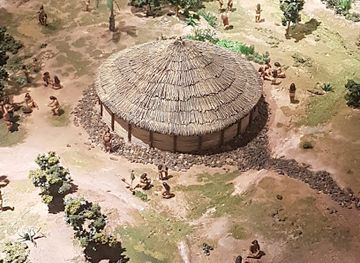
Long before the arrival of Europeans, the Central Pacific was occupied by Indigenous communities connected to the wider cultural world of southern Central America. Archaeological evidence from the Pacific lowlands includes settlements, cemeteries, ceramics and distinctive stone spheres associated with the Diquís cultural tradition farther south, while the Gulf of Nicoya and central coast supported fishing, farming and regional exchange. The coastline’s rivers, mangroves and estuaries provided transport routes and food resources. Many archaeological objects from the broader Pacific area are held in Costa Rican museums, although the surviving landscape has been altered by later settlement.
Spanish Conquest and Colonial Coastal Routes
Spanish expeditions explored Costa Rica’s Pacific coast during the sixteenth century, but the region’s humid lowlands, difficult terrain and limited mineral wealth discouraged dense colonial settlement compared with parts of the country’s interior. The Gulf of Nicoya became an important maritime route, linking coastal communities with colonial settlements and shipping networks. Indigenous populations suffered from disease, forced labour and displacement, while colonial influence was expressed through new political, religious and economic structures. The Central Pacific remained relatively lightly urbanised for centuries, with small ports and rural settlements developing gradually.
Puntarenas and the Growth of Pacific Trade
Puntarenas became Costa Rica’s principal Pacific port during the nineteenth century, benefiting from its position on a long sandspit projecting into the Gulf of Nicoya. It handled exports, imports and passenger traffic connected with the expanding coffee economy of the Central Valley. Steamships and coastal boats linked the port with other settlements around the gulf, and Puntarenas developed a distinctive maritime society of dockworkers, sailors, traders and fishing families. Its historic importance remains visible in the city’s port-oriented identity, seaside promenades and enduring relationship with the gulf.
Railways, Steamships and National Integration
During the nineteenth and early twentieth centuries, improvements to roads, shipping and rail connections helped tie the Pacific coast more closely to Costa Rica’s political and commercial centre. Puntarenas served as a gateway for passengers travelling between the Central Valley and the coast, while steamship services connected gulf communities and Pacific ports. Transport did not erase the region’s geographical challenges: rivers, seasonal flooding and steep coastal foothills continued to shape settlement. Later road construction and improved bridges made beach and rainforest destinations increasingly accessible to domestic and international travellers.
Banana Agriculture and the Quepos Economy
The area around Quepos was transformed in the twentieth century by banana cultivation and the arrival of the United Fruit Company, later associated with the United Brands era. Plantations, roads, port facilities and company infrastructure reshaped the local economy and attracted workers and families from different parts of Costa Rica and the wider Caribbean world. Banana production eventually declined because of disease, labour and commercial pressures, but its legacy survives in Quepos’s urban development, port history and social memory. The region subsequently turned increasingly towards tourism, sport fishing and protected-area visitation.
Road Access and the Rise of Coastal Tourism
From the second half of the twentieth century, improved road access from the Central Valley accelerated the growth of Jacó, Herradura, Quepos and other Pacific communities. Surfing, recreational fishing, second homes and beach holidays attracted both Costa Rican visitors and international travellers. Tourism brought hotels, restaurants and new services, but also generated debates over land use, water, traffic, waste and the protection of coastal forests. The Central Pacific’s present character reflects this mixture of long-established port and fishing communities, rapidly expanding leisure centres and smaller settlements adapting to a visitor economy.
Protected Areas and Contemporary Conservation
The creation and strengthening of protected areas changed the way the Central Pacific’s forests and wildlife were managed. Carara National Park protects an important transition between ecological zones, while Manuel Antonio National Park conserves coastal rainforest, beaches and marine environments beside one of Costa Rica’s most visited shores. Conservation has supported research, guiding and nature-based tourism, but visitor pressure requires careful management. The region’s modern identity therefore depends not only on beaches and development, but also on national parks, mangroves, wildlife corridors and efforts to maintain functioning coastal ecosystems.
Central Pacific in Photos
Browse through our photo collection highlighting the charm and character of the destination.
Neighbouring regions of Central Pacific
The closest regions to Central Pacific, if you have time for more than one.
-

-
-

-

-


Swipe for more regions
Explore more

Explore more of Costa Rica
Discover Costa Rica, where lush rainforests, stunning beaches, and incredible wildlife create a paradise for nature lovers and adventure seekers alike.
Explore Costa Rica