

Free Osa Peninsula Travel Guide & Mobile App
Explore Osa Peninsula with free travel guides. Discover regional history, expert tips, proposed trips, and audio guides on web or mobile app.


Explore Costa Rica’s Osa Peninsula for rainforest wildlife, Corcovado trails, Pacific beaches, Golfo Dulce boat trips and remote ecolodges.
Read more about Osa Peninsula
When is the best time to visit Osa Peninsula?
Best: January–March · 31–32°C| Month | High (°C) | Rainfall (mm) |
|---|---|---|
| January (best) | 31 | 100 |
| February (best) | 31 | 90 |
| March (best) | 32 | 110 |
| April | 32 | 150 |
| May | 31 | 250 |
| June | 31 | 300 |
| July | 31 | 300 |
| August | 31 | 300 |
| September | 31 | 350 |
| October | 30 | 400 |
| November | 30 | 250 |
| December | 30 | 150 |
Getting to and around Osa Peninsula
How to get there
Transportation
Best attractions in Osa Peninsula
The Osa Peninsula’s attractions are primarily ecological and experiential rather than urban. Corcovado National Park is the centrepiece, with protected rainforest, rivers, wetlands and coastal habitats explored through designated sectors and guided walks. Access arrangements differ between areas, so visitors should plan with an authorised guide and accommodation provider. Around Puerto Jiménez, forest trails, mangrove waterways and rural landscapes offer opportunities for birdwatching and wildlife observation. Drake Bay provides access to rainforest excursions, boat trips and marine activities, while the Golfo Dulce side of the peninsula is suited to kayaking, fishing, dolphin watching and quieter coastal exploration. Beaches near Carate and along the western coast are valued for their isolation, though many lack facilities and can have powerful surf. Seasonal whale sightings, sea turtles and migrating birds add to the marine calendar, but wildlife encounters are never guaranteed. Private reserves, research-oriented lodges and community conservation projects broaden the choice beyond the national park. The peninsula is best suited to visitors who enjoy walking, early starts, humid conditions and a degree of logistical uncertainty rather than those seeking dense concentrations of conventional attractions.
-
Tourist attraction
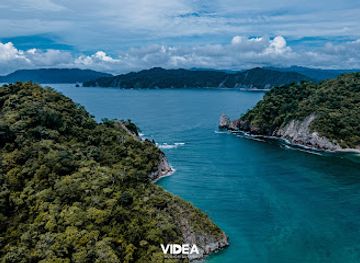
Tortuga Island Tour
Experience the breathtaking beauty and adventure of Tortuga Island, a must-visit paradise for tourists in Costa Rica.
-
Visitor center
Sirena Ranger Station
Explore Costa Rica's wildest rainforest: Unparalleled wildlife viewing at Corcovado National Park's Sirena Ranger Station.
-
Museum
Parque de Las Esferas
Explore the ancient stone spheres at Parque de Las Esferas, a unique museum showcasing Costa Rica's rich cultural heritage and history.
-
Tourist attraction
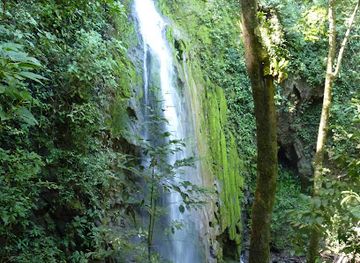
King Louis Waterfall
Experience the breathtaking beauty of King Louis Waterfall, a captivating natural wonder in the heart of Costa Rica, surrounded by vibrant wildlife and lush landscapes.
Best landmarks in Osa Peninsula
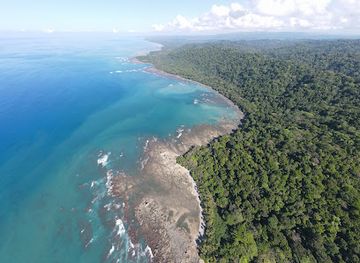
Corcovado National Park is the Osa Peninsula’s defining landmark, not a single monument but a vast protected landscape whose rainforest, rivers and Pacific shore represent one of Costa Rica’s most important remaining lowland ecosystems. The forested ridges and beaches around Carate provide a memorable southern edge to the peninsula, where roads, vegetation and ocean meet in a remote setting. Golfo Dulce forms another major geographical landmark: its sheltered waters cut deeply into the southern Pacific coast and create a striking contrast with the open ocean beaches on the western side. Río Claro and other rainforest rivers are important physical features within the protected landscape, although access must follow park regulations and local guidance. Puerto Jiménez’s waterfront and small-town streets are significant less for grand architecture than for showing how a former frontier settlement has become a service and conservation centre. Around Drake Bay, steep green slopes descending towards coves and ocean channels form a characteristic coastal scene. The peninsula’s most important landmarks are therefore ecological, geological and living, with their significance inseparable from conservation.
-
National park
Parque Nacional Los Quetzales
Discover Costa Rica's cloud forest in Los Quetzales National Park, a birdwatcher's paradise and home to the Resplendent Quetzal.
-
National park
Parque Nacional Corcovado
Explore Costa Rica's largest park, a biodiverse paradise with rainforests, beaches, and rare wildlife on the Osa Peninsula.
-
Nature preserve
Reserva Forestal Golfo Dulce
Explore the Golfo Dulce Forest Reserve in Costa Rica: a biodiverse paradise with ancient trees, vibrant wildlife, and stunning natural beauty.
-
Visitor center
Sirena Ranger Station
Discover Costa Rica's wild heart at Sirena Ranger Station, where unparalleled biodiversity and raw rainforest experiences await in Corcovado National Park.
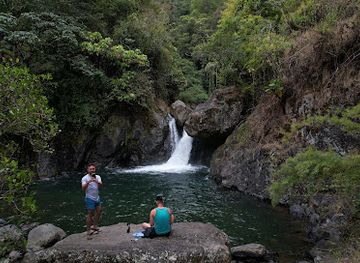
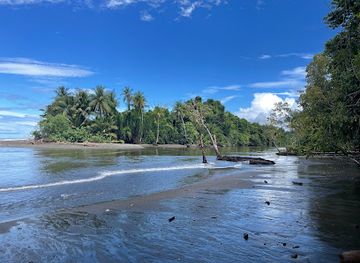
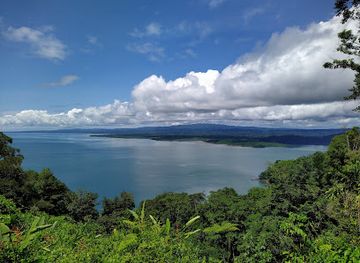
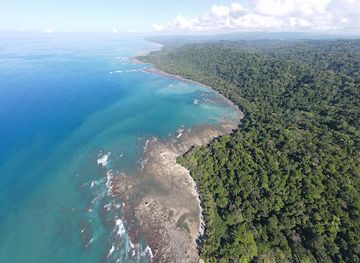
Explore Osa Peninsula on the map
Plan your trip on one map. See where the top cities, national parks and sights are, and book hotels and experiences in a few clicks.
Best hotels in Osa Peninsula
Best restaurants in Osa Peninsula
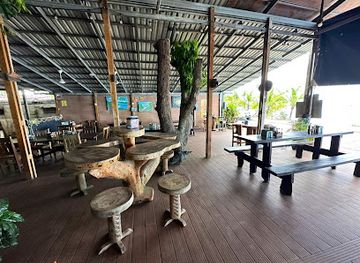
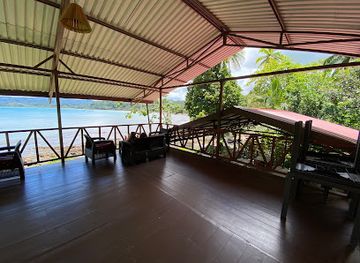
Dining on the Osa Peninsula is shaped by its small settlements, remote lodges and access to local produce rather than by a large restaurant scene. Puerto Jiménez has the broadest choice of simple restaurants, cafés and takeaway counters, with Costa Rican staples such as rice and beans, plantains, eggs, chicken, fish and casado plates commonly available. Fresh seafood appears in coastal menus, although supply and selection vary with weather and local catches. Drake Bay and smaller communities rely heavily on lodge dining, family-run eateries and pre-arranged meals, so visitors staying in remote accommodation should check meal arrangements before arrival. Tropical fruit, coconut, cassava and locally grown ingredients feature in some menus, while coffee and fresh fruit drinks reflect wider Costa Rican habits. Vegetarian and other dietary requirements should be communicated in advance, particularly for boat-based or jungle lodges. Food is generally informal, and the most memorable meals often come from simple local kitchens rather than elaborate dining rooms.
-
Seafood
Marisquería Corcovado Seafood
Discover the freshest seafood in Puerto Jiménez at Marisquería Corcovado Seafood – where every dish tells a story of Costa Rican coastal culture.
-
Restaurant
Kalaluna Bistro
Experience authentic Costa Rican cuisine at Kalaluna Bistro with stunning ocean views in Puntarenas Province.
-
Restaurant
Casa El Tortugo Drakes Kitchen
Discover authentic Costa Rican flavors at Casa El Tortugo Drakes Kitchen in Osa Peninsula - where every meal tells a story.
-
Restaurant
Soda Leila
Experience authentic Costa Rican cuisine at Soda Leila in Puerto Jiménez – where every dish tells a story.
Best bars in Osa Peninsula
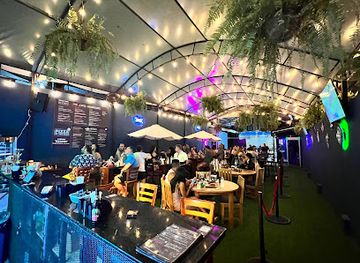
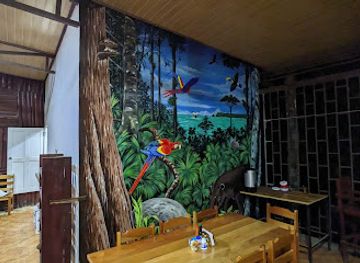
Nightlife on the Osa Peninsula is low-key and concentrated in Puerto Jiménez, Drake and individual lodges rather than organised around clubs. Small bars, casual restaurants and hotel terraces provide places for a drink after a forest excursion, while some venues offer occasional music or social events without a fixed entertainment programme. In remote areas, evenings are more likely to involve a lodge meal, conversation, stargazing or listening to the rainforest than late-night activity. Puerto Jiménez has the greatest choice of informal evening venues, but opening arrangements can vary seasonally and by day. Drake Bay’s atmosphere is similarly relaxed, with nightlife linked to accommodation and the arrival of boats. Visitors should avoid loud behaviour near wildlife habitat and local homes, and should arrange transport rather than walking unfamiliar rural roads late at night. The peninsula’s evening character is defined by darkness, distance and nature, not by a large club circuit.
-
Restaurant
Kalaluna Bistro
Experience the authentic taste of Costa Rica at Kalaluna Bistro, where fresh ingredients meet breathtaking views in the heart of the Osa Peninsula.
-
Seafood
Soda Marbella
Experience authentic Costa Rican seafood at Soda Marbella in Puerto Jiménez, where freshness meets flavor in a vibrant dining atmosphere.
-
Restaurant
Casa El Tortugo Drakes Kitchen
Discover the authentic flavors of Costa Rica at Casa El Tortugo, a charming restaurant and lodging in the heart of Bahía Drake.
-
Costa Rican
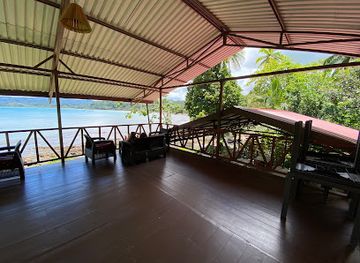
Mirador Osa
Experience the beauty of Costa Rica at Mirador Osa, where delicious cuisine meets breathtaking views in the heart of the Osa Peninsula.
Best nightclubs in Osa Peninsula
Nightlife on the Osa Peninsula is low-key and concentrated in Puerto Jiménez, Drake and individual lodges rather than organised around clubs. Small bars, casual restaurants and hotel terraces provide places for a drink after a forest excursion, while some venues offer occasional music or social events without a fixed entertainment programme. In remote areas, evenings are more likely to involve a lodge meal, conversation, stargazing or listening to the rainforest than late-night activity. Puerto Jiménez has the greatest choice of informal evening venues, but opening arrangements can vary seasonally and by day. Drake Bay’s atmosphere is similarly relaxed, with nightlife linked to accommodation and the arrival of boats. Visitors should avoid loud behaviour near wildlife habitat and local homes, and should arrange transport rather than walking unfamiliar rural roads late at night. The peninsula’s evening character is defined by darkness, distance and nature, not by a large club circuit.
-
Night club
Republik Lounge
Discover the exhilarating nightlife of Jaco at Republik Lounge, where music, food, and fun collide in a vibrant atmosphere.
-
Disco club
Cuban Republik Disco Lounge
Cuban Republik Disco Lounge in Quepos offers an electrifying dance atmosphere with cumbias and salsa, perfect for an unforgettable night out.
-
 Resort hotel
Copa De Arbol Beach & Rainforest Resort
Discover the ultimate blend of luxury and nature at Copa De Arbol Beach & Rainforest Resort in Costa Rica's stunning Osa Peninsula.
-
Bar
Bar La Jungla
Discover the vibrant atmosphere and authentic flavors of Costa Rica at Bar La Jungla, your go-to bar in Rancho Quemado.

Best shops in Osa Peninsula
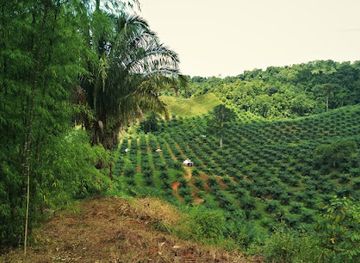
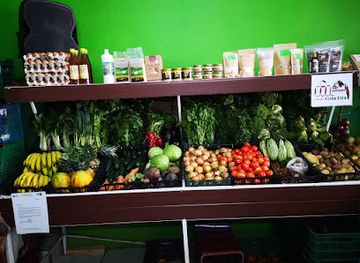
Shopping on the Osa Peninsula is modest and practical, centred on Puerto Jiménez, Drake and the small businesses serving visitors. Local shops stock food, drinks, basic outdoor supplies and everyday necessities, while souvenir stalls and lodge shops may offer rainforest-themed crafts, clothing, jewellery and locally made gifts. Visitors may find woodwork, handmade ornaments, paintings or other craft products, but availability varies and provenance should be checked before buying. Costa Rican coffee, chocolate, dried fruit and other packaged foods make useful gifts, although remote accommodation may have limited retail space. Puerto Jiménez generally provides the widest choice of small shops and services, while Drake and rural communities offer a more scattered selection. Farmers’ produce and locally prepared foods may be available through informal community channels rather than a permanent large market. Do not buy shells, feathers, wildlife products, archaeological objects or plants collected from the forest, and avoid purchasing items that encourage the removal of natural material from protected areas.
-
Non-profit organization
OSACOOP R.L.
Explore OSACOOP R.L. in Puerto Jiménez: A unique non-profit store supporting local communities through eco-friendly products and artisanal crafts.
-
Grocery store
Verdulería El mercadito de osa
Explore the rich flavors of Costa Rica at Verdulería El Mercadito de Osa, where fresh produce meets local culture in the heart of Puerto Jiménez.
-
Store
Super mercado la violeta #2
Experience the vibrant local culture at Super Mercado La Violeta #2, your one-stop shop in beautiful Drake Bay, Costa Rica.
-
Kiosk
Coco osa Carate
Explore the vibrant flavors of Costa Rica at Coco Osa Carate, a charming kiosk in Madrigal offering refreshing drinks and local snacks.
Get your free copy of our complete guide to Osa Peninsula, delivered straight to you.
Everything on this page, from attractions and restaurants to essentials and local phrases, in one PDF you can read offline, print or share.
Already have an account? Sign in
Your Osa Peninsula guide is ready.
We'll send it to · Not you? Sign out

Getting your guide ready…
We are putting together a fresh copy of the Osa Peninsula guide. This can take up to a minute.
This can take a few moments. If your browser asks, choose Allow so the download can start. You'll find the guide in your Downloads folder.
Nothing happened? Download it again
Sorry, the guide is taking longer than usual. Please try again in a minute, or get it by email instead.
Osa Peninsula essentials
Currency and Payment
Safety
Emergency Situations
Do's and Don'ts
Local Tips
From Eve
Local phrases worth knowing
You don't need to get them perfect. A few words go a long way, and locals appreciate the effort.
Basics
| English | Local | Say it |
|---|---|---|
| Hello | Hola | [OH-lah] |
| Goodbye | Adiós | [ah-DYOS] |
| Yes | Sí | [SEE] |
| No | No | [NO] |
| Please/You’re welcome | Por favor | [por fah-VOR] |
| Thank you | Gracias | [GRAH-sias] |
| Excuse me/Sorry | Disculpe | [dis-KOOL-peh] |
| How are you? | ¿Cómo está? | [KOH-moh es-TAH] |
| Fine. And you? | Bien. ¿Y usted? | [BYEN. ee oos-TED] |
| Do you speak English? | ¿Habla inglés? | [AH-blah een-GLES] |
| I don't understand | No entiendo | [NO en-TIEN-do] |
Eating & Drinking
| English | Local | Say it |
|---|---|---|
| I’d like to see the menu, please | Me gustaría ver el menú, por favor | [meh goos-ta-REE-ah BEHR el meh-NOO, por fah-VOR] |
| I don’t eat meat | No como carne | [NO KOH-mo KAR-neh] |
| Cheers! | ¡Salud! | [sah-LOOD] |
| I would like to pay, please | Me gustaría pagar, por favor | [meh goos-ta-REE-ah pah-GAR, por fah-VOR] |
Emergencies
| English | Local | Say it |
|---|---|---|
| Help! | ¡Ayuda! | [ah-YOO-dah] |
| Go away! | ¡Vete! | [VEH-teh] |
| Call the Police! | ¡Llame a la policía! | [YAH-meh ah lah poh-lee-SEE-ah] |
| Call a doctor! | ¡Llame a un doctor! | [YAH-meh ah oon dok-TOR] |
| I’m lost | Estoy perdido | [es-TOY per-DEE-do] |
| I’m ill | Estoy enfermo | [es-TOY en-FER-mo] |
Shopping
| English | Local | Say it |
|---|---|---|
| I’d like to buy... | Me gustaría comprar... | [meh goos-ta-REE-ah kom-PRAR] |
| I’m just looking | Solo estoy mirando | [SO-lo es-TOY mee-RAN-do] |
| How much is it? | ¿Cuánto cuesta? | [KWAN-toh KWES-ta] |
| That’s too expensive | Eso es muy caro | [EH-so es MOOY KAH-ro] |
| Can you lower the price? | ¿Puede bajar el precio? | [PWEH-deh bah-HAR el PREH-syo] |
Time & Numbers
| English | Local | Say it |
|---|---|---|
| What time is it? | ¿Qué hora es? | [KEH OH-rah es] |
| It’s one o’clock | Es la una | [es lah OO-nah] |
| Half past (10) | Y diez y media | [ee DYAS ee MEH-dyah] |
| Morning | Mañana | [mah-NYAH-nah] |
| Afternoon | Tarde | [TAR-deh] |
| Evening | Noche | [NO-cheh] |
| Yesterday | Ayer | [ah-YER] |
| Today | Hoy | [OY] |
| Tomorrow | Mañana | [mah-NYAH-nah] |
| 1 | Uno | [OO-no] |
| 2 | Dos | [DOS] |
| 3 | Tres | [TRES] |
| 4 | Cuatro | [KWAH-tro] |
| 5 | Cinco | [SEEN-koh] |
| 6 | Seis | [SAYS] |
| 7 | Siete | [SYEH-teh] |
| 8 | Ocho | [OH-cho] |
| 9 | Nueve | [NWEH-beh] |
| 10 | Diez | [DYAS] |
Transport & Directions
| English | Local | Say it |
|---|---|---|
| Where's a/the...? | ¿Dónde está un/una...? | [DON-deh es-TA oon/OO-na] |
| What's the address? | ¿Cuál es la dirección? | [KWAL es lah dee-rek-SEE-ohn] |
| Can you show me (on the map)? | ¿Me puede mostrar (en el mapa)? | [meh PWEH-deh mos-TRAR (en el MAH-pah)] |
| When's the next (bus)? | ¿Cuándo es el próximo (bus)? | [KWAN-doh es el PROK-see-mo (boos)] |
| A ticket (to ....) | Un boleto (a ....) | [oon bo-LEH-to (ah ....)] |
History of Osa Peninsula
Diquís cultures and the southern Pacific past
The southern Pacific region, including the Osa area, was inhabited by Indigenous peoples long before European arrival. Archaeological evidence associated with the Diquís cultural tradition includes settlements, ceramics, metalwork and the celebrated stone spheres found across the wider region. These societies farmed, traded and organised communities in ways adapted to wet tropical environments. Although many of the best-known archaeological discoveries lie outside the peninsula itself, the Osa forms part of the same cultural landscape. Indigenous knowledge and continuing communities remain important to understanding southern Costa Rica beyond its later history of forests, mining and conservation.
Colonial-era isolation and frontier settlement
During the Spanish colonial period, the Osa Peninsula remained remote from the principal centres of administration and commerce in Costa Rica. Dense rainforest, rivers and difficult coastal travel limited permanent colonial settlement, while Indigenous communities retained importance in the broader southern Pacific. For centuries, the peninsula’s economy was based mainly on small-scale agriculture, forest resources, fishing and maritime links rather than large towns. This relative isolation helped preserve extensive natural habitats, but it also meant that roads, public services and formal markets developed much later than in the Central Valley.
Gold prospecting and the Osa frontier
Gold became a major influence on the peninsula during the twentieth century, particularly around the Río Tigre, Río Madrigal and other remote areas. Prospectors worked alluvial deposits using labour-intensive methods, creating temporary camps and tracks through the forest. Gold mining provided income for local families but also brought environmental pressure, including sedimentation, forest clearance and disturbance of river systems. Small-scale prospecting has continued in parts of the Osa, although conservation rules restrict mining within protected areas. The traces of this frontier economy help explain the region’s settlement pattern and the continuing tension between livelihoods and environmental protection.
Roads, air links and the growth of Puerto Jiménez
Improved roads, small airstrips and boat connections gradually linked the peninsula more closely with the rest of Costa Rica. Puerto Jiménez developed from a modest coastal settlement into the area’s principal service centre, supplying communities, farms, lodges and visitors. Drake Bay and other coastal settlements likewise became more connected through small-scale tourism and marine transport. Access remains physically demanding in places, but these changes transformed the peninsula from a largely isolated frontier into a destination with a growing conservation and hospitality economy.
Corcovado National Park and the conservation turn
Corcovado National Park was established in 1975, protecting a substantial area of rainforest, rivers, wetlands and Pacific coastline on the western Osa. Its creation reflected growing recognition that the peninsula contained exceptionally valuable ecosystems threatened by logging, settlement and gold mining. Conservation has since expanded through neighbouring reserves, biological research stations and private forest protection. The park also changed the local economy, encouraging guiding, accommodation and environmental education. Access and activities are regulated because the forest is ecologically sensitive and can be hazardous without preparation.
Contemporary ecotourism and community livelihoods
Since the late twentieth century, ecotourism has become central to the Osa Peninsula’s identity and economy. Lodges, guides, transport providers, researchers and community initiatives connect visitors with rainforest and marine habitats while generating alternatives to more damaging land uses. Tourism has not removed economic pressures, and the benefits are uneven, particularly in remote communities. The region’s contemporary story is therefore one of ongoing negotiation: protecting Corcovado and the Golfo Dulce, maintaining local livelihoods, managing visitor numbers and preserving the cultural character of settlements such as Puerto Jiménez and Drake.
Osa Peninsula in Photos
Browse through our photo collection highlighting the charm and character of the destination.
Neighbouring regions of Osa Peninsula
The closest regions to Osa Peninsula, if you have time for more than one.
-

-

-
-

-


Swipe for more regions
Explore more

Explore more of Costa Rica
Discover Costa Rica, where lush rainforests, stunning beaches, and incredible wildlife create a paradise for nature lovers and adventure seekers alike.
Explore Costa Rica