

Free Brunca Region Travel Guide & Mobile App
Explore Brunca Region with free travel guides. Discover regional history, expert tips, proposed trips, and audio guides on web or mobile app.


Explore Costa Rica’s Brunca Region for rainforest, whales, Indigenous heritage, mountain trails and the wildlife-rich southern Pacific coast.
Read more about Brunca Region
When is the best time to visit Brunca Region?
Best: January–March · 32°C| Month | High (°C) | Rainfall (mm) |
|---|---|---|
| January (best) | 32 | 50 |
| February (best) | 32 | 45 |
| March (best) | 32 | 55 |
| April | 32 | 100 |
| May | 33 | 150 |
| June | 32 | 250 |
| July | 32 | 200 |
| August | 32 | 250 |
| September | 32 | 300 |
| October | 31 | 350 |
| November | 31 | 200 |
| December | 31 | 100 |
Getting to and around Brunca Region
How to get there
Transportation
Top city travel guides in Brunca Region
The cities of Brunca Region, and the easiest places to base yourself.

Swipe for more cities
Destinations in Brunca Region
Resorts, valleys and scenic spots worth a trip of their own.
-

-


Swipe for more destinations
Best attractions in Brunca Region
Brunca’s attractions range from rainforest and marine habitats to archaeological sites and highland trails. Corcovado National Park on the Osa Peninsula is the region’s most celebrated wilderness area, with guided routes through lowland forest where visitors may encounter scarlet macaws, monkeys, tapirs and other wildlife, subject to conditions and park rules. Marino Ballena National Park near Uvita combines beaches, mangroves and protected coastal waters, while seasonal boat trips offer opportunities to see humpback whales and dolphins. Golfo Dulce supports kayaking, boating, fishing and wildlife-focused excursions, and Piedras Blancas National Park protects forest near Golfito. Inland, the Pérez Zeledón area provides access to the Talamanca mountains and routes associated with Mount Chirripó. The archaeological landscape around Palmar Sur includes Finca 6 and other Diquís sites connected with Costa Rica’s pre-Columbian stone spheres. Boruca and Térraba communities offer opportunities to learn about Indigenous art and history through respectful, community-based visits. Surfing beaches, birdwatching, diving around Isla del Caño and rural farms add further variety, but many experiences depend on guides, tides, weather and advance transport arrangements.
-
National park
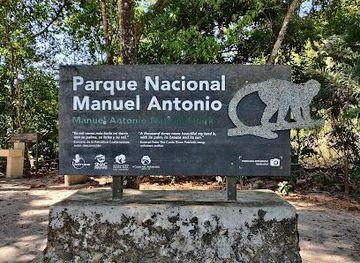
Parque Nacional Manuel Antonio
Explore the stunning biodiversity and breathtaking beaches of Parque Nacional Manuel Antonio, a tropical paradise in Costa Rica's Puntarenas Province.
-
Tourist attraction
Ruinas de Ujarrás
Discover Costa Rica's colonial past at the Ruinas de Ujarrás, a serene historical site nestled in the stunning Orosí Valley.
-
National park
Parque Nacional Marino Ballena
Explore the breathtaking beauty of Parque Nacional Marino Ballena, a national park in Costa Rica known for its stunning landscapes and diverse marine life.
-
Tourist attraction
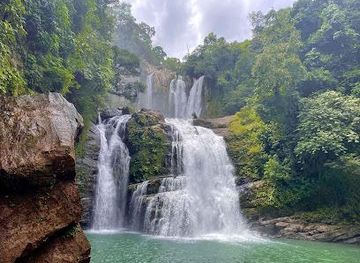
Nauyaca Waterfall Nature Park
Discover the breathtaking beauty of Nauyaca Waterfall Nature Park, where lush landscapes and stunning waterfalls await in Costa Rica.

Best landmarks in Brunca Region
The Whale Tail at Uvita is Brunca’s most recognisable natural landmark, a broad, tide-shaped formation where two beaches meet within Marino Ballena National Park; it should be viewed only with attention to tides, surf and park guidance. Mount Chirripó, rising in the Talamanca range near Pérez Zeledón, is Costa Rica’s highest summit and a powerful symbol of the region’s mountain geography, although reaching it requires a regulated, demanding trek. On the Osa Peninsula, the heavily forested coastline and Golfo Dulce create a landmark landscape rather than a single monument, with Puerto Jiménez and Golfito serving as important gateways to it. Finca 6 near Palmar Sur is the most accessible of the region’s Diquís archaeological landmarks, preserving evidence of settlements associated with the famous stone spheres. Golfito’s former company-town setting and port remain visible reminders of the banana era, while the Indigenous communities of Boruca and Térraba represent living cultural landmarks whose significance rests in continuing community life, artistic traditions and territorial history rather than in isolated buildings.
-
National park
Parque Nacional Manuel Antonio
Explore Costa Rica's iconic Manuel Antonio National Park: rainforest trails, pristine beaches, and abundant wildlife await!
-
National park
Parque Nacional Cahuita
Discover Costa Rica's Caribbean paradise: pristine beaches, lush rainforest, and vibrant coral reefs teeming with wildlife in Cahuita National Park.
-
Nature preserve
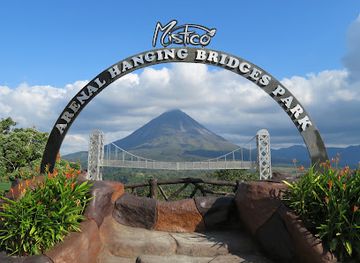
Místico Arenal Hanging Bridges
Walk through the rainforest canopy on suspension bridges at Místico Arenal, a unique nature experience near the Arenal Volcano in Costa Rica.
-
 Tourist attraction
Fortuna Waterfall
Experience the majestic beauty of La Fortuna Waterfall, a natural wonder in Costa Rica's Arenal region. Hike, swim, and explore the rainforest.

Explore Brunca Region on the map
Plan your trip on one map. See where the top cities, national parks and sights are, and book hotels and experiences in a few clicks.
Best hotels in Brunca Region
Best restaurants in Brunca Region
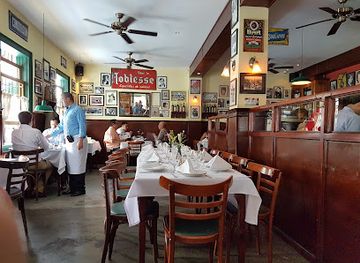
Dining in Brunca reflects its coastal climate, agricultural valleys and working towns. Along the Pacific, seafood is central: fish, prawns, ceviche and simple grilled catches appear in family-run restaurants and coastal cafés, while rice-and-beans, plantain, picadillo and other Costa Rican staples provide everyday meals throughout the region. Inland towns such as San Isidro de El General and San Vito have a broader selection of sodas, bakeries, cafés and restaurants serving produce from surrounding farms. The southern valleys are associated with bananas, plantains, coffee in higher districts, sugar cane and other tropical crops, although availability varies by season and locality. In tourism centres on the Osa Peninsula and around Uvita, menus may combine local ingredients with international cooking, vegetarian food and dishes suited to visitors staying in lodges. Small markets and roadside stalls can be useful for fruit, snacks and fresh juices, while rural accommodation sometimes offers home-style meals that need to be arranged in advance.
-
Argentinian
La Esquina de Buenos Aires
Discover authentic Argentinian flavors at La Esquina de Buenos Aires in San José - where every dish is crafted with passion.
-
Costa Rican
Restaurante y Mirador Ram Luna
Experience authentic Costa Rican cuisine with stunning views at Restaurante y Mirador Ram Luna in Aserrí.
-
Restaurant
El Patio de Café Milagro
Discover authentic Costa Rican flavors at El Patio de Café Milagro—where culinary artistry meets local charm in Quepos.
-
Restaurant
Furca
Discover Furca: A top-tier restaurant in San José offering an unforgettable dining experience with local flavors and modern flair.
Best bars in Brunca Region
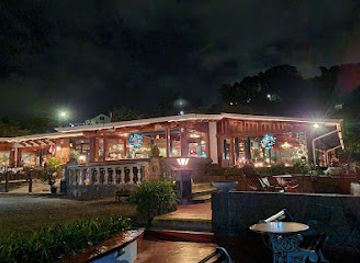
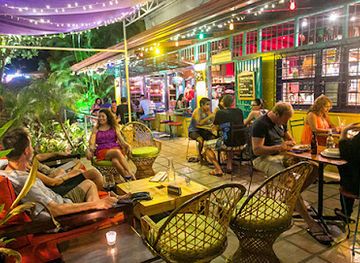
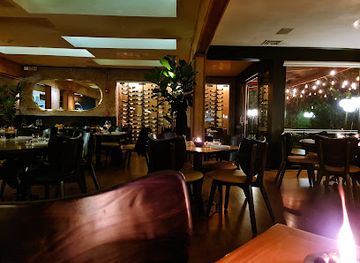
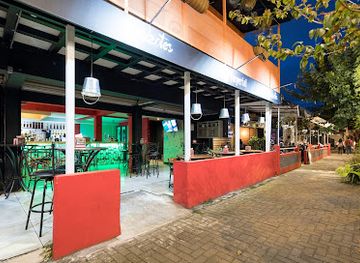
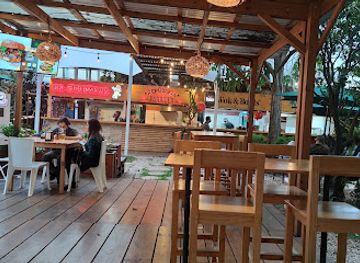
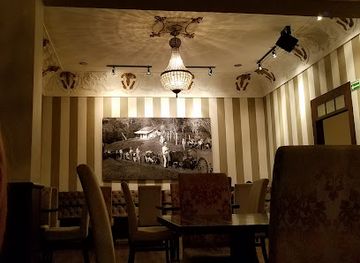
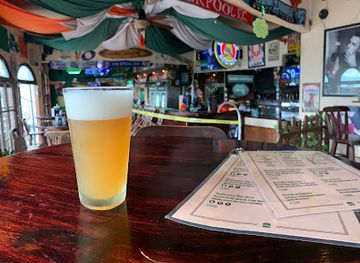
Evening life in Brunca is generally informal and concentrated in a few coastal towns and larger inland centres rather than organised around a major club circuit. Dominical, near the northern edge of the region, and Uvita have the most developed visitor-oriented selection of bars, restaurants, occasional live music and relaxed late-evening venues, while Puerto Jiménez offers small bars and waterfront restaurants serving residents, guides and travellers preparing for or returning from the Osa. Golfito and San Isidro de El General provide local bars, cafés and restaurants, with busier periods often linked to weekends and holidays. In smaller communities, the evening usually centres on a family restaurant, neighbourhood bar or social gathering rather than nightlife tourism. Opening patterns can be seasonal and changeable, so ask locally and arrange transport back to remote accommodation before drinking.
-
Grill
Agüizotes Gastro Pub
Discover Agüizotes Gastro Pub, where local flavors meet innovative grill cuisine in the vibrant Barrio Escalante of San José.
-
Grill
Costa Rica Beer Factory
Discover the heart of Costa Rica's craft beer scene at Costa Rica Beer Factory in San José, where every sip tells a story.
-
Bar
Antik Restaurant + Bar
Discover the vibrant Antik Restaurant + Bar in San José, where delicious cuisine meets an electrifying nightlife experience.
-
Irish pub
Craic Irish Pub
Discover the authentic Irish experience at Craic Irish Pub in La California, San José, with lively atmosphere, delicious food, and great drinks.
Best nightclubs in Brunca Region
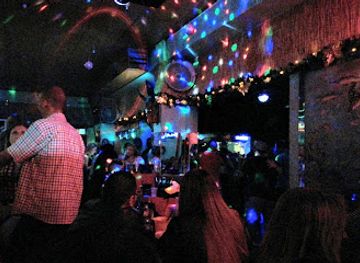
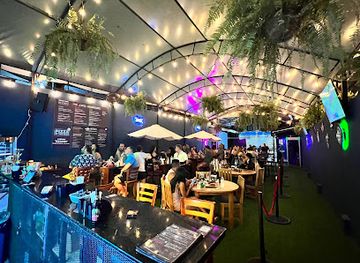
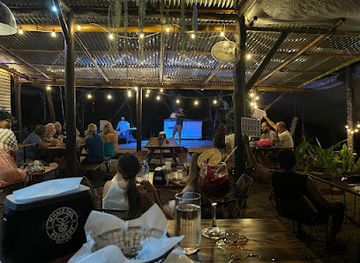
Evening life in Brunca is generally informal and concentrated in a few coastal towns and larger inland centres rather than organised around a major club circuit. Dominical, near the northern edge of the region, and Uvita have the most developed visitor-oriented selection of bars, restaurants, occasional live music and relaxed late-evening venues, while Puerto Jiménez offers small bars and waterfront restaurants serving residents, guides and travellers preparing for or returning from the Osa. Golfito and San Isidro de El General provide local bars, cafés and restaurants, with busier periods often linked to weekends and holidays. In smaller communities, the evening usually centres on a family restaurant, neighbourhood bar or social gathering rather than nightlife tourism. Opening patterns can be seasonal and changeable, so ask locally and arrange transport back to remote accommodation before drinking.
-
Disco club
Pepper Disco Club
Discover the exhilarating nightlife at Pepper Disco Club in Curridabat, where music, dance, and fun create unforgettable memories.
-
Disco club
Bar The Caribbean.
Dive into the vibrant nightlife of San José at Bar The Caribbean, where music, dance, and unforgettable experiences await.
-
Night club
Republik Lounge
Discover the electrifying nightlife at Republik Lounge, Jaco's premier destination for music, dance, and culinary delights in Costa Rica.
-
Brewpub
Whale Tail Brewery CR
Discover the flavorful world of craft beer at Whale Tail Brewery CR in Uvita, Costa Rica – a must-visit brewpub for every beer lover.

Best shops in Brunca Region
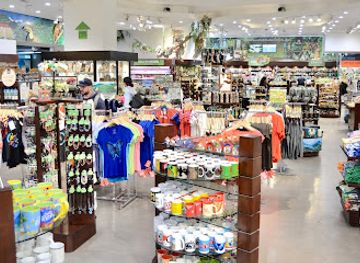
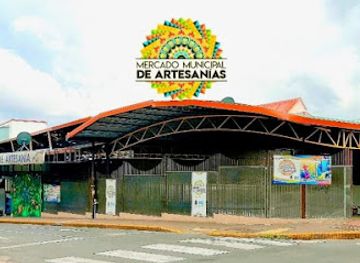
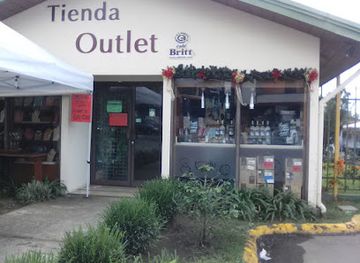
Shopping in Brunca is strongest in working towns and community markets rather than large retail districts. San Isidro de El General is the principal inland commercial centre, with supermarkets, practical shops, cafés and services for the surrounding mountain communities. Uvita, Dominical, Golfito and Puerto Jiménez have small concentrations of tourism-oriented shops, galleries and stalls selling beachwear, locally made crafts, artwork and outdoor equipment. Boruca is particularly associated with carved and painted masks, textiles and other crafts connected with Indigenous artistic traditions; buy directly from recognised community makers where possible and ask about the meaning and production of items. Fresh fruit, coffee from higher districts, chocolate, preserves and other food products can make more useful regional souvenirs than generic beach merchandise. Markets and roadside stands are often seasonal or subject to changing locations, so confirm details locally and carry cash for small vendors.
-
Gift shop
Britt Shop
Discover the essence of Costa Rica at Britt Shop, your go-to destination for unique gifts, chocolates, and local souvenirs.
-
Gift shop
Municipal Crafts Market
Discover authentic Costa Rican handicrafts and immerse yourself in local culture at the vibrant Municipal Crafts Market in San José.
-
Gift shop
Pura Vida Souvenirs
Explore the essence of Costa Rican culture at Pura Vida Souvenirs, where every purchase supports local artisans and vibrant traditions.
-
Gift shop
Britt Shop Outlet
Discover the essence of Costa Rica at Britt Shop Outlet, your go-to destination for unique souvenirs, chocolates, and local crafts in Santa Bárbara.

Get your free copy of our complete guide to Brunca Region, delivered straight to you.
Everything on this page, from attractions and restaurants to essentials and local phrases, in one PDF you can read offline, print or share.
Already have an account? Sign in
Your Brunca Region guide is ready.
We'll send it to · Not you? Sign out

Getting your guide ready…
We are putting together a fresh copy of the Brunca Region guide. This can take up to a minute.
This can take a few moments. If your browser asks, choose Allow so the download can start. You'll find the guide in your Downloads folder.
Nothing happened? Download it again
Sorry, the guide is taking longer than usual. Please try again in a minute, or get it by email instead.
Brunca Region essentials
Currency and Payment
Safety
Emergency Situations
Do's and Don'ts
Local Tips
From Eve
Local phrases worth knowing
You don't need to get them perfect. A few words go a long way, and locals appreciate the effort.
Basics
| English | Local | Say it |
|---|---|---|
| Hello | Hola | [O-la] |
| Goodbye | Adiós | [A-dios] |
| Yes | Sí | [See] |
| No | No | [No] |
| Please/You're welcome | Por favor/De nada | [Por fa-vor/De na-da] |
| Thank you | Gracias | [Gra-sias] |
| Excuse me/Sorry | Disculpe/Lo siento | [Dis-cul-pe/Lo sien-to] |
| How are you? | ¿Cómo está? | [Co-mo es-ta] |
| Fine. And you? | Bien. ¿Y usted? | [Bien. Ee us-ted] |
| Do you speak English? | ¿Habla inglés? | [A-bla in-gles] |
| I don't understand | No entiendo | [No en-tien-do] |
Eating & Drinking
| English | Local | Say it |
|---|---|---|
| I'd like to see the menu, please | Me gustaría ver el menú, por favor | [Me gus-ta-ri-a ver el me-nu, por fa-vor] |
| I don't eat meat | No como carne | [No co-mo car-ne] |
| Cheers! | ¡Salud! | [Sa-lud] |
| I would like to pay, please | Me gustaría pagar, por favor | [Me gus-ta-ri-a pa-gar, por fa-vor] |
Emergencies
| English | Local | Say it |
|---|---|---|
| Help! | ¡Ayuda! | [A-yu-da] |
| Go away! | ¡Vete! | [Ve-te] |
| Call the Police! | ¡Llame a la policía! | [Ya-me a la po-li-cia] |
| Call a doctor! | ¡Llame a un doctor! | [Ya-me a un doc-tor] |
| I'm lost | Estoy perdido/a | [Es-toy per-di-do/a] |
| I'm ill | Estoy enfermo/a | [Es-toy en-fer-mo/a] |
Shopping
| English | Local | Say it |
|---|---|---|
| I'd like to buy... | Me gustaría comprar... | [Me gus-ta-ri-a com-prar] |
| I'm just looking | Solo estoy mirando | [So-lo es-toy mi-ran-do] |
| How much is it? | ¿Cuánto cuesta? | [Cuan-to cues-ta] |
| That's too expensive | Eso es muy caro | [E-so es muy ca-ro] |
| Can you lower the price? | ¿Puede bajar el precio? | [Pue-de ba-har el pre-cio] |
Time & Numbers
| English | Local | Say it |
|---|---|---|
| What time is it? | ¿Qué hora es? | [Ke o-ra es] |
| It's one o'clock | Es la una | [Es la u-na] |
| Half past (10) | Y media (10) | [Ee me-dia] |
| Morning | Mañana | [Ma-ña-na] |
| Afternoon | Tarde | [Tar-de] |
| Evening | Noche | [No-che] |
| Yesterday | Ayer | [A-yer] |
| Today | Hoy | [Oy] |
| Tomorrow | Mañana | [Ma-ña-na] |
| 1 | 1 | [1] |
| 2 | 2 | [2] |
| 3 | 3 | [3] |
| 4 | 4 | [4] |
| 5 | 5 | [5] |
| 6 | 6 | [6] |
| 7 | 7 | [7] |
| 8 | 8 | [8] |
| 9 | 9 | [9] |
| 10 | 10 | [10] |
Transport & Directions
| English | Local | Say it |
|---|---|---|
| Where's a/the...? | ¿Dónde está un/una...? | [Don-de es-ta un/una] |
| What's the address? | ¿Cuál es la dirección? | [Cual es la di-rec-cion] |
| Can you show me (on the map)? | ¿Me puede mostrar (en el mapa)? | [Me pue-de mos-trar (en el ma-pa)] |
| When's the next (bus)? | ¿Cuándo es el próximo (bus)? | [Cuan-do es el pro-xi-mo] |
| A ticket (to ....) | Un boleto (a ....) | [Un bo-le-to] |
History of Brunca Region
Diquís societies and the stone spheres
Long before Spanish colonisation, communities of the Diquís cultural area developed agricultural settlements, exchange networks and distinctive forms of social organisation in the southern Pacific lowlands. Their best-known legacy is the production and placement of carefully rounded stone spheres, made mainly from local gabbro and other hard rock. Sites around the Térraba-Sierpe delta and Palmar Sur reveal planned settlements and ceremonial or residential arrangements. Finca 6, El Silencio, Batambal and Grijalba-2 form part of the Precolumbian Chiefdom Settlements with Stone Spheres of the Diquís, inscribed on the UNESCO World Heritage List in 2014.
Boruca and Térraba cultural continuity
The Brunca highlands and southern Pacific valleys remain home to Indigenous communities, including the Boruca and Térraba peoples. Their histories were shaped by pre-Columbian chiefdoms, Spanish colonial expansion and later pressure on land and resources, yet cultural continuity has persisted through language work, community organisation, agriculture, ceremonies and artistic practice. Boruca is especially associated with carved and painted masks used in the annual Fiesta de los Diablitos, while Térraba communities maintain distinctive cultural and territorial identities. Visitors should approach these traditions through community-led initiatives rather than treating them as staged folklore.
Colonial-era frontier and changing trade routes
Compared with Costa Rica’s central highlands and Caribbean ports, the southern Pacific remained relatively remote during the colonial period. Mountain barriers, extensive forests and difficult river and coastal routes limited Spanish settlement and encouraged the survival of Indigenous communities. The area nevertheless formed part of wider regional networks connecting the Central American isthmus with the Pacific coast. Many modern towns developed much later, as roads, agricultural colonisation and government infrastructure linked Pérez Zeledón and the southern lowlands more closely with San José and the rest of Costa Rica.
Bananas, Golfito and the company-town era
During the twentieth century, banana cultivation transformed parts of the southern Pacific. Golfito became a significant port and company town associated with the United Fruit Company, later United Brands, whose operations shaped employment, housing, transport and the local economy. Plantations and export infrastructure expanded in the lowlands, while workers arrived from across Costa Rica and beyond. The company’s withdrawal in the 1980s brought major economic disruption, but traces of the period remain in Golfito’s layout, former administrative buildings, port history and collective memory.
The Inter-American Highway and regional integration
Road construction changed the practical geography of southern Costa Rica. The Inter-American Highway connected the interior valleys, the Panamanian border and the Pacific south more reliably with the Central Valley, encouraging settlement, trade and agricultural expansion. Pérez Zeledón became a major service and distribution centre, while towns such as Buenos Aires, Palmar Norte, Ciudad Neily and Paso Canoas gained importance along the transport corridor. The road also made the region more accessible to visitors, although coastal and peninsula destinations still require slower local journeys.
Conservation and the protection of the southern Pacific
From the mid-twentieth century onwards, Costa Rica increasingly protected the region’s forests, wetlands and marine environments. Corcovado National Park, established in 1975, safeguarded a large tract of Osa Peninsula rainforest, while Marino Ballena and Piedras Blancas national parks protected coastal, marine and lowland habitats. Conservation has supported wildlife tourism and scientific research, but it has also created continuing debates about land use, local livelihoods and access. The modern Brunca identity is therefore shaped jointly by agricultural history, Indigenous rights, rural communities and the global importance of its biodiversity.
Brunca Region in Photos
Browse through our photo collection highlighting the charm and character of the destination.
Neighbouring regions of Brunca Region
The closest regions to Brunca Region, if you have time for more than one.
-

-
-

-

-


Swipe for more regions
Explore more

Explore more of Costa Rica
Discover Costa Rica, where lush rainforests, stunning beaches, and incredible wildlife create a paradise for nature lovers and adventure seekers alike.
Explore Costa Rica