

Free South Pacific Travel Guide & Mobile App
Explore South Pacific with free travel guides. Discover regional history, expert tips, proposed trips, and audio guides on web or mobile app.


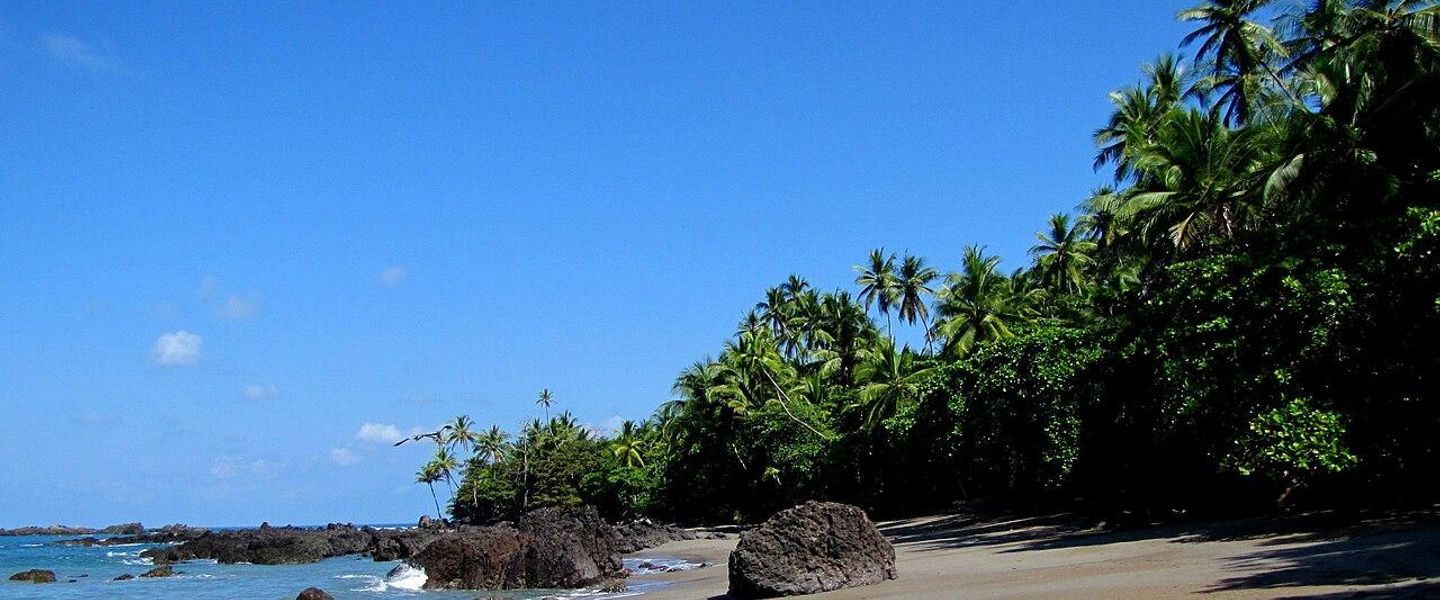


Explore South Pacific Costa Rica for Corcovado rainforest, Golfo Dulce, whale watching, Pacific beaches and wildlife-rich coastal adventures.
Read more about South Pacific
When is the best time to visit South Pacific?
Best: December–February · 30–31°C| Month | High (°C) | Rainfall (mm) |
|---|---|---|
| January (best) | 30 | 10 |
| February (best) | 31 | 15 |
| March | 31 | 25 |
| April | 32 | 50 |
| May | 31 | 150 |
| June | 31 | 300 |
| July | 30 | 300 |
| August | 30 | 300 |
| September | 31 | 300 |
| October | 31 | 300 |
| November | 30 | 150 |
| December (best) | 30 | 30 |
Getting to and around South Pacific
How to get there
Transportation
Top city travel guides in South Pacific
The cities of South Pacific, and the easiest places to base yourself.
-

-

-

-

-
-


Swipe for more cities
Destinations in South Pacific
Resorts, valleys and scenic spots worth a trip of their own.
-

-

-

-

-
-


Swipe for more destinations
Best attractions in South Pacific
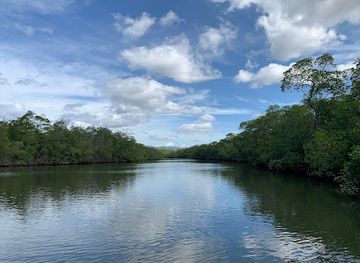
The South Pacific’s attractions are primarily ecological and outdoor, but they also include archaeological, maritime and cultural experiences. Corcovado National Park is the major draw for guided rainforest walks, with access organised through designated sectors and strict conservation rules. On the Osa Peninsula, the forests around Puerto Jiménez and Drake Bay offer wildlife watching, birding and river or coastal excursions. Caño Island Biological Reserve provides opportunities for diving and snorkelling in protected marine waters, subject to conditions and authorised access. The mangrove channels around Sierpe reveal a tidal landscape of creeks and mudflats best explored by boat. Golfito is a base for trips across Golfo Dulce and for walks in surrounding forest reserves, while Uvita and Dominical support surfing, kayaking, hiking and seasonal whale-watching excursions. Beaches vary considerably: some are suitable for swimming in calm conditions, while others are exposed, remote or better appreciated for walking and wildlife. The region rewards guided interpretation, since its significance lies not only in scenery but also in the relationships between rainforest, rivers, mangroves, coral and open Pacific waters.
-
National park
Parque Nacional Marino Las Baulas
Discover Costa Rica's Parque Nacional Marino Las Baulas, a vital sanctuary for leatherback turtles and a haven for diverse wildlife and coastal beauty.
-
Historical place
Hacienda Santa Rosa
Explore Costa Rican history at Hacienda Santa Rosa, a national monument within a biodiverse national park in Guanacaste Province.
-
National park
Parque Nacional Santa Rosa
Explore the beauty of Parque Nacional Santa Rosa, a national park in Guanacaste, Costa Rica, known for its diverse ecosystems and rich wildlife.
-
Wildlife refuge
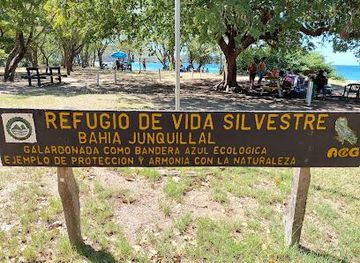
Refugio de Vida Silvestre Junquillal
Explore the rich biodiversity and stunning landscapes of Refugio de Vida Silvestre Junquillal, a must-visit wildlife refuge in Guanacaste, Costa Rica.


Best landmarks in South Pacific
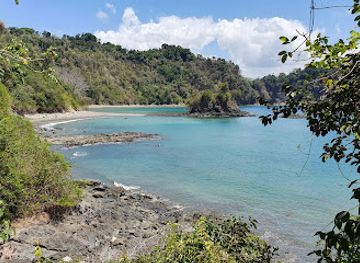
Corcovado National Park is the South Pacific’s foremost natural landmark, representing one of Costa Rica’s most intact lowland rainforest landscapes and extending from forested mountains towards the Pacific coast. Golfo Dulce is another defining geographical feature: its sheltered waters, mangrove edges and surrounding hills create a striking contrast with the exposed outer coast of the Osa Peninsula. Golfito’s former company-town layout and harbour recall the banana economy that once dominated southern Costa Rica, giving the settlement historical significance beyond its role as a transport centre. The Diquís stone spheres, associated with Indigenous societies of the southern Pacific and displayed at archaeological sites and museums in the wider Diquís region, are among the country’s most important pre-Columbian symbols; individual examples should be checked locally because collections and locations vary. Uvita’s distinctive coastal landform, commonly known as the Whale’s Tail because of its shape at low tide, is part of the Marino Ballena coastal landscape. The mangrove waterways at Sierpe and the forested slopes around Drake Bay complete a regional landmark network defined by water, rainforest and human adaptation to a demanding environment.
-
National park
Parque Nacional Manuel Antonio
Discover Costa Rica's paradise: stunning beaches, lush rainforests, and abundant wildlife in Manuel Antonio National Park.
-
National park
Parque Nacional Cahuita
Discover pristine beaches, vibrant coral reefs, and lush rainforest teeming with wildlife in Costa Rica's captivating Cahuita National Park.
-
Nature preserve
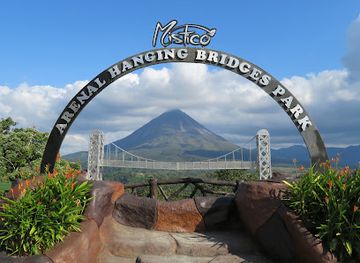
Místico Arenal Hanging Bridges
Walk among the treetops and discover the wonders of the rainforest at Místico Arenal Hanging Bridges, near the majestic Arenal Volcano.
-
National park
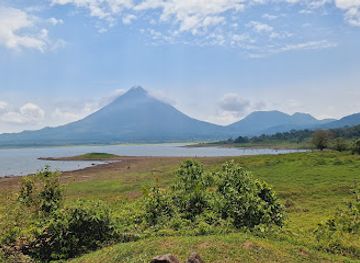
Parque Nacional Volcán Arenal
Explore Costa Rica's iconic Arenal Volcano National Park: Hike through lava fields, discover rainforests, and witness stunning volcanic views.
Explore South Pacific on the map
Plan your trip on one map. See where the top cities, national parks and sights are, and book hotels and experiences in a few clicks.
Best hotels in South Pacific
Best restaurants in South Pacific
Food in the South Pacific is shaped by Costa Rican staples, tropical agriculture and the coast’s fishing communities. Casados, rice and beans, plantains, tortillas, soups and grilled meats are common, while fresh fish and seafood appear widely in settlements such as Golfito, Puerto Jiménez, Sierpe, Uvita and Dominical. Small sodas remain useful for straightforward local meals, fruit drinks and generous plates at accessible prices, although menus and supplies can be more limited in remote areas. Coastal restaurants may serve ceviche, prawns, fish dishes and coconut-influenced preparations, but availability depends on the catch and season. In the more developed surf communities, cafés and contemporary restaurants add international, vegetarian and plant-based options. Local markets and small shops are practical places to buy tropical fruit, pastries, snacks and basic provisions before boat journeys or rainforest excursions. Dining is generally informal; advance planning matters more for isolated lodges, where meals may be included and supplies arrive by road or boat.
-
Restaurant
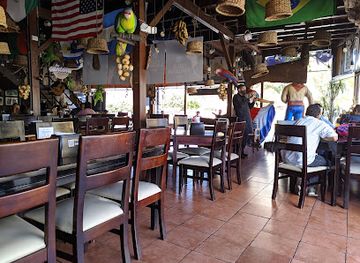
El Avion
Experience dining like never before at El Avion—a vintage plane restaurant offering breathtaking ocean views and delicious Costa Rican cuisine.
-
Argentinian
La Esquina de Buenos Aires
Experience authentic Argentinian cuisine at La Esquina de Buenos Aires in San José - where tradition meets taste.
-
Costa Rican
Restaurante Nuestra Tierra
Experience authentic Costa Rican cuisine at Restaurante Nuestra Tierra – where every dish tells a story.
-
Costa Rican
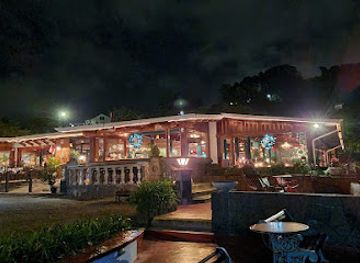
Restaurante y Mirador Ram Luna
Experience authentic Costa Rican cuisine with stunning views at Restaurante y Mirador Ram Luna in Aserrí.
Best bars in South Pacific
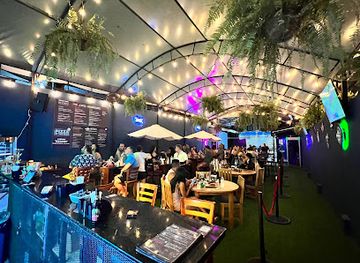
Evening life in the South Pacific is generally social and low-key rather than centred on large nightclubs. Dominical has the region’s most recognisable concentration of casual bars, music venues and late-evening restaurants, with activity influenced by the surfing and visitor seasons. Uvita offers a smaller selection of bars, cafés and restaurants, while Golfito and Puerto Jiménez provide relaxed waterfront or town-centre places for drinks and conversation. In Drake Bay and remote parts of the Osa Peninsula, nightlife usually means a lodge bar, an early dinner or listening to forest sounds after dark. Local breweries, cocktails, rum-based drinks and Costa Rican beer may appear alongside non-alcoholic fruit beverages. Visitors should not expect reliable late-night transport outside the main settlements, and alcohol should never be combined with swimming, boating, isolated trail walks or driving on rough roads.
-
Grill
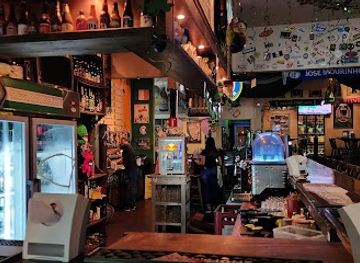
Costa Rica Beer Factory
Experience the essence of Costa Rican craft beer at Costa Rica Beer Factory in San José's vibrant Barrio Escalante, where flavor meets fun.
-
Irish pub
Craic Irish Pub
Immerse yourself in Irish culture at Craic Irish Pub, a lively spot in San José serving delicious food and a wide selection of drinks.
-
Bar
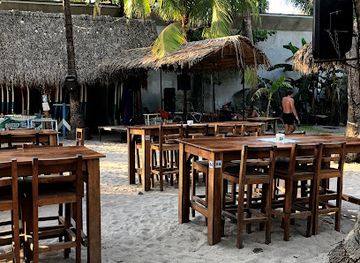
KOKi Beach Restaurant & Bar
Experience the vibrant flavors of the Caribbean at KOKi Beach Restaurant & Bar, an oceanfront gem in Puerto Viejo de Talamanca.
-
Restaurant
Banana Beach Restaurant
Experience the vibrant flavors of Costa Rica at Banana Beach Restaurant, where fresh ingredients meet stunning ocean views in Santa Teresa.


Best nightclubs in South Pacific
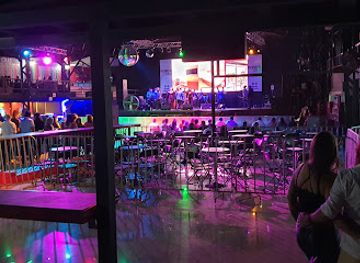
Evening life in the South Pacific is generally social and low-key rather than centred on large nightclubs. Dominical has the region’s most recognisable concentration of casual bars, music venues and late-evening restaurants, with activity influenced by the surfing and visitor seasons. Uvita offers a smaller selection of bars, cafés and restaurants, while Golfito and Puerto Jiménez provide relaxed waterfront or town-centre places for drinks and conversation. In Drake Bay and remote parts of the Osa Peninsula, nightlife usually means a lodge bar, an early dinner or listening to forest sounds after dark. Local breweries, cocktails, rum-based drinks and Costa Rican beer may appear alongside non-alcoholic fruit beverages. Visitors should not expect reliable late-night transport outside the main settlements, and alcohol should never be combined with swimming, boating, isolated trail walks or driving on rough roads.
-
Disco club
Pepper Disco Club
Discover the heart of Costa Rica's nightlife at Pepper Disco Club, where vibrant music and an electric atmosphere create unforgettable moments.
-
Night club
Republik Lounge
Discover the electrifying nightlife at Republik Lounge, Jaco's premier destination for music, food, and fun.
-
Disco club
Cuban Republik Disco Lounge
Discover the energetic vibe of Cuban Republik Disco Lounge in Quepos, where dance, music, and fun blend seamlessly for an unforgettable nightlife experience.
-
Disco club
Mood Club
Discover the electrifying nightlife of Mood Club in San José, where unforgettable music and vibrant energy await every weekend.


Best shops in South Pacific
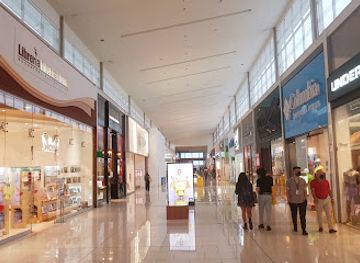
Shopping in the South Pacific is practical and locally oriented rather than focused on large retail centres. Uvita, Dominical, Golfito and Puerto Jiménez have small clusters of shops, galleries, cafés and outdoor-gear businesses, while Sierpe serves travellers preparing for boat journeys. Visitors can look for handmade jewellery, carved wood, woven goods, paintings, surfwear and small gifts, but should ask about materials and provenance to avoid buying items made from protected wildlife or plants. Farmers’ markets and local produce stalls offer tropical fruit, vegetables, baked goods and Costa Rican pantry staples, with schedules varying by settlement. In Golfito, the former commercial importance of the company town is more apparent in its urban history than in extensive modern shopping. Remote lodges and peninsula communities have limited supplies, so purchase medication, toiletries, snacks and cash before travelling onward. Regional souvenirs are best chosen for their craftsmanship or connection to local food and culture rather than for generic wildlife imagery.
-
Shopping mall
Multiplaza Escazú
Discover the ultimate shopping experience at Multiplaza Escazú, where luxury meets local flavor in a vibrant atmosphere.
-
Shopping mall
Multiplaza Curridabat
Discover a vibrant shopping experience at Multiplaza Curridabat, featuring international brands, local boutiques, and diverse dining options.
-
Shopping mall
Lincoln Plaza
Explore Lincoln Plaza in San Vicente, a vibrant shopping mall offering diverse retail, dining, and entertainment options for all tourists.
-
Gift shop
Municipal Crafts Market
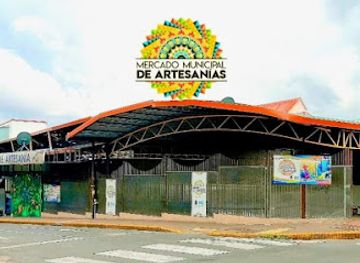
Explore the Municipal Crafts Market in San José for unique handicrafts and souvenirs that embody the spirit of Costa Rica's vibrant culture.


Get your free copy of our complete guide to South Pacific, delivered straight to you.
Everything on this page, from attractions and restaurants to essentials and local phrases, in one PDF you can read offline, print or share.
Already have an account? Sign in
Your South Pacific guide is ready.
We'll send it to · Not you? Sign out

Getting your guide ready…
We are putting together a fresh copy of the South Pacific guide. This can take up to a minute.
This can take a few moments. If your browser asks, choose Allow so the download can start. You'll find the guide in your Downloads folder.
Nothing happened? Download it again
Sorry, the guide is taking longer than usual. Please try again in a minute, or get it by email instead.
South Pacific essentials
Currency and Payment
Safety
Emergency Situations
Do's and Don'ts
Local Tips
From Eve
Local phrases worth knowing
You don't need to get them perfect. A few words go a long way, and locals appreciate the effort.
Basics
| English | Local | Say it |
|---|---|---|
| Hello | Hola | [OH-lah] |
| Goodbye | Adiós | [ah-DYOS] |
| Yes | Sí | [SEE] |
| No | No | [NO] |
| Please/You're welcome | Por favor | [por fah-VOR] |
| Thank you | Gracias | [GRAH-syahs] |
| Excuse me/Sorry | Perdón | [per-DON] |
| How are you? | ¿Cómo estás? | [KOH-moh es-TAS] |
| Fine. And you? | Bien. ¿Y tú? | [BYEN. ee TOO?] |
| Do you speak English? | ¿Hablas inglés? | [AH-blas een-GLES] |
| I don't understand | No entiendo | [NO en-TYEN-doh] |
Eating & Drinking
| English | Local | Say it |
|---|---|---|
| I'd like to see the menu, please | Me gustaría ver el menú, por favor | [meh goos-TAH-ree-ah vehr el meh-NOO, por fah-VOR] |
| I don't eat meat | No como carne | [NO KOH-mo KAR-neh] |
| Cheers! | ¡Salud! | [sah-LOOD] |
| I would like to pay, please | Quisiera pagar, por favor | [kee-SYEH-rah pah-GAR, por fah-VOR] |
Emergencies
| English | Local | Say it |
|---|---|---|
| Help! | ¡Ayuda! | [ah-YOO-dah] |
| Go away! | ¡Vete! | [VEH-teh] |
| Call the Police! | ¡Llama a la Policía! | [YAH-mah ah lah poh-lee-SEE-ah] |
| Call a doctor! | ¡Llama a un doctor! | [YAH-mah ah oon dok-TOR] |
| I'm lost | Estoy perdido | [es-TOY per-DID-oh] |
| I'm ill | Estoy enfermo/a | [es-TOY en-FER-mo/a] |
Shopping
| English | Local | Say it |
|---|---|---|
| I'd like to buy... | Me gustaría comprar... | [meh goos-TAH-ree-ah kom-PRAR...] |
| I'm just looking | Solo estoy mirando | [SO-lo es-TOY mee-RAN-do] |
| How much is it? | ¿Cuánto cuesta? | [KWAN-toh KWEH-stah] |
| That's too expensive | Eso es muy caro | [EH-so es MOO-ee KAH-ro] |
| Can you lower the price? | ¿Puedes bajar el precio? | [PWEH-des bah-HAR el PREH-syo] |
Time & Numbers
| English | Local | Say it |
|---|---|---|
| What time is it? | ¿Qué hora es? | [KEH OH-rah es?] |
| It's one o'clock | Es la una | [es lah OO-nah] |
| Half past (10) | Y media (10) | [ee MEH-diah (10)] |
| Morning | Mañana | [mah-NYAH-nah] |
| Afternoon | Tarde | [TAR-deh] |
| Evening | Noche | [NO-cheh] |
| Yesterday | Ayer | [ah-YER] |
| Today | Hoy | [OY] |
| Tomorrow | Mañana | [mah-NYAH-nah] |
| 1 | Uno | [OO-no] |
| 2 | Dos | [DOS] |
| 3 | Tres | [TRES] |
| 4 | Cuatro | [KWA-tro] |
| 5 | Cinco | [SEEN-koh] |
| 6 | Seis | [SAYS] |
| 7 | Siete | [SYEH-teh] |
| 8 | Ocho | [OH-cho] |
| 9 | Nueve | [NWEH-beh] |
| 10 | Diez | [DYEZ] |
Transport & Directions
| English | Local | Say it |
|---|---|---|
| Where's a/the...? | ¿Dónde está un/una...? | [DON-deh es-TAH oon/OO-nah...?] |
| What's the address? | ¿Cuál es la dirección? | [KWAL es lah dee-rek-SYON?] |
| Can you show me (on the map)? | ¿Puedes mostrarme (en el mapa)? | [PWEH-des mos-TRAR-me (en el MAH-pah)?] |
| When's the next (bus)? | ¿Cuándo viene el próximo (bus)? | [KWAN-do VYEH-neh el PROK-see-mo (bus)?] |
| A ticket (to ....) | Un boleto (a ....) | [OON bo-LEH-to (ah ....)] |
History of South Pacific
Diquís Chiefdoms and Stone Spheres
Before European colonisation, the southern Pacific lowlands were home to complex Indigenous societies associated with the Diquís cultural tradition. Their settlements, chiefly centres and cemeteries extended across the Diquís Delta and neighbouring parts of the region. The famous stone spheres, carefully shaped from hard rock, are the most recognisable surviving expression of this culture, although their meaning remains debated and should not be reduced to a single explanation. Many objects were removed or displaced during later development, while archaeological research and heritage protection have helped clarify the region’s importance as a centre of social organisation, craft production and long-distance exchange.
Spanish Rule and a Marginal Pacific Frontier
After Spanish incursions in the sixteenth century, the southern Pacific remained relatively remote from the colonial centres of Costa Rica. Dense forests, difficult travel and limited mineral wealth restricted permanent Spanish settlement compared with the Central Valley. Indigenous communities experienced disruption, disease and pressure from colonial expansion, but the coast and lowlands did not develop into a densely populated administrative heartland. For centuries, the region’s settlements were linked more closely to small-scale agriculture, fishing and coastal trade than to the institutions that shaped San José and the country’s central highlands.
Banana Expansion and the Company Town of Golfito
The twentieth-century banana economy brought a profound transformation to the South Pacific. The United Fruit Company developed plantations, transport links and port facilities around Golfito from the 1930s, turning the settlement into a planned company town and an important export centre. Workers arrived from different parts of Costa Rica and beyond, creating a multicultural local society. The company controlled much of the town’s employment and infrastructure, while plantation production altered forests, waterways and patterns of land ownership. Golfito’s layout and surviving buildings still provide evidence of this corporate agricultural era.
Labour Conflict and the End of the Banana Era
Banana work in southern Costa Rica was marked by demanding conditions, labour organisation and disputes over wages, housing and company control. The plantation system faced disease, economic pressures and changing corporate strategies, and large-scale operations in the Golfito area eventually declined before ending in the 1980s. The withdrawal of the major employer caused severe economic hardship and encouraged local efforts to diversify into fishing, small business, agriculture and tourism. The period remains central to the region’s identity, particularly in Golfito, where the physical townscape recalls both the prosperity and dependence created by the company economy.
Gold Mining on the Osa Peninsula
Gold extraction has a long and controversial history on the Osa Peninsula. Small-scale miners worked river deposits and forest areas, sometimes using labour-intensive methods and, at different periods, mercury or other damaging practices. Mining provided income in a remote region but also caused erosion, sedimentation and pressure on forest habitats. Its legacy can be seen in stories, abandoned workings and continuing debates about livelihoods and conservation. The tension between mineral extraction and rainforest protection helped shape national attention on the Osa and strengthened the case for safeguarding its exceptionally biodiverse landscapes.
National Parks and the Conservation Transition
Costa Rica’s conservation policies reshaped the South Pacific during the second half of the twentieth century. Corcovado National Park was established in 1975, followed by further protection for forests, mangroves, marine areas and watersheds. These designations did not eliminate conflict: local communities have continued to debate access, employment, land rights and the consequences of restrictions on farming, fishing and mining. Nevertheless, protected areas became the foundation for research, guided tourism and a regional economy increasingly connected to wildlife and natural landscapes. The South Pacific is now one of the clearest examples of Costa Rica’s transition from extractive development towards conservation-based tourism.
The Growth of Nature and Marine Tourism
From the late twentieth century onwards, improved roads, small air services, lodges and conservation initiatives made the South Pacific more accessible to visitors. Puerto Jiménez, Drake Bay, Golfito, Uvita and Dominical developed different tourism profiles, ranging from rainforest expeditions and birdwatching to surfing, diving and whale watching. Tourism has brought employment and conservation funding but also raises questions about waste, freshwater, coastal development and pressure on wildlife. The region’s contemporary character therefore depends on balancing visitor access with the protection of forests, reefs, mangroves and the communities that live beside them.
South Pacific in Photos
Browse through our photo collection highlighting the charm and character of the destination.
Neighbouring regions of South Pacific
The closest regions to South Pacific, if you have time for more than one.
-

-

-

-

-


Swipe for more regions
Explore more

Explore more of Costa Rica
Discover Costa Rica, where lush rainforests, stunning beaches, and incredible wildlife create a paradise for nature lovers and adventure seekers alike.
Explore Costa Rica