

Southern Zone, Costa Rica Travel Guide
Discover the Southern Zone of Costa Rica, where lush rainforests, pristine beaches, and rich biodiversity create an unforgettable adventure for nature lovers.
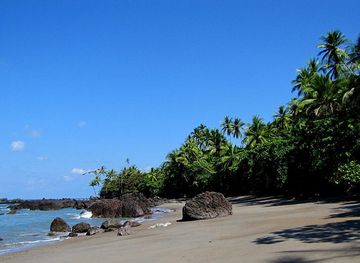
The Southern Zone of Costa Rica is a hidden gem, offering a unique blend of lush rainforests, stunning beaches, and rich biodiversity. This region, less frequented by tourists, provides an ideal escape for those seeking tranquility, adventure, and a deep connection with nature. One of the highlights of the Southern Zone is the Osa Peninsula, home to the Corcovado National Park. Often referred to as the most biologically intense place on Earth, the park is a haven for wildlife enthusiasts. Visitors can spot jaguars, tapirs, and an array of bird species, making it a paradise for photographers and nature lovers alike. The Southern Zone is also known for its pristine beaches, such as those found in the coastal towns of Dominical and Uvita. These spots are perfect for surfing, whale watching, and simply soaking up the sun. The annual Envision Festival in Uvita attracts visitors from around the globe, blending music, art, and environmental awareness in a vibrant celebration. For those interested in cultural experiences, the indigenous Boruca community offers insights into their traditional crafts and way of life. The region's culinary scene, featuring fresh seafood and local produce, ensures that foodies will not be disappointed. Whether you're exploring the dense rainforests, relaxing on unspoiled beaches, or immersing yourself in local culture, the Southern Zone of Costa Rica promises an unforgettable adventure.

Know before you go
Hi, I'm Eve. Here are a few practical things to know before exploring Southern Zone.
- Visit during the dry season (December to April) for the best weather and access to all activities.
- Bring waterproof gear and insect repellent, as the region is known for its rain and diverse insect life.
- Hire a local guide for wildlife tours in Corcovado National Park to enhance your experience and safety.
- Consider renting a 4x4 vehicle as some roads in the Southern Zone can be challenging, especially during the rainy season.
- Don't miss the chance to participate in a whale-watching tour in Uvita; the best time is between July and October.
Top City Travel Guides in Southern Zone
The cities of Southern Zone, and the easiest places to base yourself.


Destinations in Southern Zone
Resorts, valleys and scenic spots worth a trip of their own.


Explore Southern Zone: Things to Do, Places to Eat, Hotels & More
Handpicked recommendations for top attractions, local dining, accommodations, and more

Top Attractions & Sightseeing in Southern Zone
Top-rated picks
Best Attractions

Plaza de la Cultura
Discover the vibrant Plaza de la Cultura in San José, Costa Rica, where art, history, and nature converge in a beautiful urban park.

Costa Rican Center of Science and Culture
Explore the Costa Rican Center of Science and Culture - A vibrant museum showcasing the rich heritage and scientific advancements of Costa Rica.

Pre-Columbian Gold Museum
Explore the Pre-Columbian Gold Museum in San José, Costa Rica - a treasure trove of ancient artifacts revealing the rich history of indigenous cultures.

Hacienda y Beneficio La Chimba
Explore the stunning landscapes and vibrant flavors of Hacienda y Beneficio La Chimba, a unique oasis in Costa Rica combining hiking, dining, and relaxation.

Best landmarks in Southern Zone
Top-rated picks
Best Landmarks

Parque Nacional Manuel Antonio
Explore the breathtaking beauty and rich biodiversity of Parque Nacional Manuel Antonio, a must-visit national park in Costa Rica's Puntarenas Province.

Cocos Island National Park Costa Rica
Discover Cocos Island National Park: A remote Costa Rican paradise for world-class diving and unique biodiversity.

Parque Nacional Corcovado
Explore Corcovado National Park: A Costa Rican paradise of unparalleled biodiversity, rainforests, and wildlife on the Osa Peninsula.

Místico Arenal Hanging Bridges
Walk among the treetops in this stunning rainforest preserve, offering breathtaking views of Arenal Volcano and a unique perspective on Costa Rican biodiversity.

Best restaurants in Southern Zone
Top-rated picks
Best Restaurants

La Esquina de Buenos Aires
Experience authentic Argentinian cuisine at La Esquina de Buenos Aires in San José, where every meal tells a story.

Restaurante Nuestra Tierra
Discover authentic Costa Rican flavors at Restaurante Nuestra Tierra in San José – where tradition meets taste in a vibrant setting.

Mirador Tiquicia
Experience authentic Costa Rican cuisine at Mirador Tiquicia while enjoying breathtaking views over San Antonio's lush landscape.

Jardín de Lolita
Discover the vibrant flavors of Costa Rica at Jardín de Lolita, where fresh ingredients meet innovative cuisine in a beautiful garden setting.

Best bars in Southern Zone
Top-rated picks
Best Bars

Costa Rica Beer Factory
Discover the vibrant flavors of craft beer and delicious grilled dishes at Costa Rica Beer Factory in Barrio Escalante, San José.

Antik Restaurant + Bar
Discover the heartbeat of San José nightlife at Antik Restaurant + Bar, where dance, music, and delicious drinks come together.
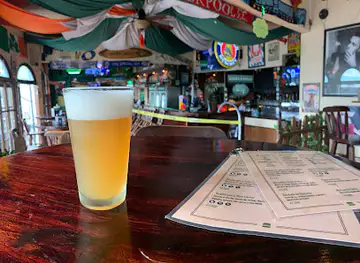
Craic Irish Pub
Discover the authentic taste of Ireland at Craic Irish Pub in San José, where lively atmosphere meets delightful cuisine and craft beers.

Bar La Cali
Discover the vibrant nightlife of San José at Bar La Cali, a lively bar known for its extensive drinks menu and energetic atmosphere.

Best nightclubs in Southern Zone
Top-rated picks
Best Nightclubs

Pepper Disco Club
Dive into the vibrant nightlife at Pepper Disco Club, where dance, music, and energy create unforgettable moments in Curridabat, Costa Rica.

Republik Lounge
Unleash your nightlife spirit at Republik Lounge, Jaco's premier destination for dancing, dining, and unforgettable entertainment.

Cuban Republik Disco Lounge
Discover the electrifying nightlife of Quepos at Cuban Republik Disco Lounge, where Latin rhythms and vibrant energy create unforgettable experiences.

Mood Club
Discover the heart of San José's nightlife at Mood Club, where music, dancing, and unforgettable memories await.

Best shops in Southern Zone
Top-rated picks
Best Shops

Municipal Crafts Market
Explore the Municipal Crafts Market in San José for unique handcrafted souvenirs that capture the essence of Costa Rican culture.

Almacén Jerusalem de Costa Rica
Explore the vibrant fashion scene at Almacén Jerusalem de Costa Rica, where local craftsmanship meets modern style.

Offer Shop
Experience the charm of sustainable shopping at Offer Shop, Desamparados' premier thrift store with unique treasures and unbeatable prices.

OFFER STORE
Explore the eclectic wonders of OFFER STORE, a thrift shop treasure trove in San Rafael de Escazú, perfect for unique finds and budget-friendly shopping.

Explore Southern Zone on the Map
A handpicked selection of must-see spots in Southern Zone, mapped for you.
Southern Zone Essentials
-
The Southern Zone of Costa Rica can be reached via several routes. The closest international airport is Juan Santamaría International Airport (SJO) in San José. From there, you can take a domestic flight to Palmar Sur Airport (PMZ) or Puerto Jiménez Airport (PJM). Alternatively, you can drive from San José to the Southern Zone, which takes approximately 4 to 6 hours. Buses are also available from San José to major towns in the Southern Zone like Dominical, Uvita, and Puerto Jiménez.
-
Transportation options in the Southern Zone include rental cars, taxis, and buses. Renting a car is recommended for flexibility in exploring the region. Taxis are available but can be more expensive. Public buses are a budget-friendly option and connect most towns and villages, though they may be less frequent in remote areas. For those seeking adventure, horseback riding and biking are also popular means of transportation.
-
The official currency of Costa Rica is the Costa Rican Colón (CRC). Credit cards are widely accepted in hotels, restaurants, and larger shops, but it is advisable to carry cash for smaller establishments and rural areas. ATMs are available in major towns, but it is wise to withdraw enough cash in advance, especially when traveling to more remote areas.
-
The Southern Zone is generally safe for tourists, but standard precautions should be taken. Avoid isolated areas after dark and keep your belongings secure. While the region has a lower crime rate compared to other parts of Costa Rica, petty theft can occur, particularly in tourist-heavy areas like Uvita and Dominical. Always be aware of your surroundings and avoid displaying valuables.
-
In case of emergency, dial 911 for immediate assistance. Medical facilities are available in larger towns like Ciudad Cortés and Puerto Jiménez. It is advisable to have travel insurance that covers medical emergencies. Pharmacies are also available for minor health issues. For natural disasters such as earthquakes, follow local guidelines and seek shelter in designated safe areas.
-
Fashion: Do wear lightweight and breathable clothing due to the tropical climate. Avoid overly revealing attire. Religion: Do respect local customs, especially in areas with indigenous communities. Public Transport: Do be polite and offer your seat to elderly passengers. Don't eat or drink on public transport. Greetings: Do greet people with a friendly 'hola' or 'buenos días'. A handshake is common, especially in formal settings. Eating & Drinking: Do try local cuisine and fresh tropical fruits. Don't refuse food or drink offerings, as it can be considered impolite.
-
To experience the Southern Zone like a local, visit the weekly farmers markets (ferias) in towns such as Uvita and Puerto Jiménez. Engage with locals who are often friendly and eager to share their culture. Don't miss out on trying traditional dishes like gallo pinto and ceviche. For a unique experience, explore the Corcovado National Park and the Osa Peninsula, which offer unparalleled biodiversity. Participate in local festivals and events to immerse yourself in the community's vibrant culture.
When is the best time to visit Southern Zone?
Useful Local Phrases for Southern Zone
You don't need to speak the language perfectly. Even learning a few simple words can make conversations warmer—and locals usually appreciate the effort.
— Eve

Here are the phrases I use most often in Southern Zone. Try a few—you'll be surprised how far they go! 😊
❤️
-
- HelloHola
[OH-lah] - GoodbyeAdiós
[ah-DYOS] - YesSí
[SEE] - NoNo
[NO] - Please/You're welcomePor favor/De nada
[por fah-VOR/deh NAH-dah] - Thank youGracias
[GRAH-syahs] - Excuse me/SorryPerdón
[pehr-DON] - How are you?¿Cómo estás?
[KOH-moh es-TAS] - Fine. And you?Bien. ¿Y tú?
[BYEN. ee TOO] - Do you speak English?¿Hablas inglés?
[AH-blahs een-GLES] - I don't understandNo entiendo
[NO en-TYEN-doh]
- HelloHola
-
- I'd like to see the menu, pleaseMe gustaría ver el menú, por favor
[meh goos-tah-REE-ah BEHR el meh-NOO, por fah-VOR] - I don't eat meatNo como carne
[NO KOH-moh KAR-neh] - Cheers!¡Salud!
[sah-LOOD] - I would like to pay, pleaseMe gustaría pagar, por favor
[meh goos-tah-REE-ah pah-GAR, por fah-VOR]
- I'd like to see the menu, pleaseMe gustaría ver el menú, por favor
-
- Help!¡Ayuda!
[ah-YOO-dah] - Go away!¡Vete!
[VEH-teh] - Call the Police!¡Llame a la policía!
[YAH-meh ah lah poh-lee-SEE-ah] - Call a doctor!¡Llame a un doctor!
[YAH-meh ah oon dok-TOR] - I'm lostEstoy perdido
[es-TOY pehr-DEE-doh] - I'm illEstoy enfermo
[es-TOY en-FER-mo]
- Help!¡Ayuda!
-
- I'd like to buy...Me gustaría comprar...
[meh goos-tah-REE-ah kom-PRAR] - I'm just lookingSolo estoy mirando
[SO-lo es-TOY mee-RAN-do] - How much is it?¿Cuánto cuesta?
[KWAN-toh KWES-tah] - That's too expensiveEs muy caro
[es MOO-ee KAH-ro] - Can you lower the price?¿Puedes bajar el precio?
[PWEH-des bah-HAR el PREH-syo]
- I'd like to buy...Me gustaría comprar...
-
- What time is it?¿Qué hora es?
[KEH OH-rah es] - It's one o'clockEs la una
[es lah OO-nah] - Half past (10)Y media (10)
[ee MEH-diah (diez)] - MorningMañana
[mah-NYAH-nah] - AfternoonTarde
[TAR-deh] - EveningNoche
[NO-cheh] - YesterdayAyer
[ah-YER] - TodayHoy
[OY] - TomorrowMañana
[mah-NYAH-nah] - 1Uno
[OO-noh] - 2Dos
[DOS] - 3Tres
[TRES] - 4Cuatro
[KWA-tro] - 5Cinco
[SEEN-koh] - 6Seis
[SAYS] - 7Siete
[SYEH-teh] - 8Ocho
[OH-choh] - 9Nueve
[NWEH-veh] - 10Diez
[DIEZ]
- What time is it?¿Qué hora es?
-
- Where's a/the...?¿Dónde está un/una...?
[DON-de es-TAH oon/OO-nah] - What's the address?¿Cuál es la dirección?
[KWAL es lah dee-rek-SYON] - Can you show me (on the map)?¿Puedes mostrarme (en el mapa)?
[PWEH-des mos-TRAR-meh (en el MAH-pah)] - When's the next (bus)?¿Cuándo es el próximo (bus)?
[KWAN-doh es el PROK-see-mo (boos)] - A ticket (to ....)Un boleto (a ....)
[OON bo-LEH-toh (ah ....)]
- Where's a/the...?¿Dónde está un/una...?
History of Southern Zone
-
Before European contact, the Southern Zone of Costa Rica was inhabited by various indigenous groups, including the Boruca, Bribri, and Cabécar peoples. These societies were known for their complex social structures, skilled craftsmanship, and vibrant cultural traditions. They left behind important archaeological sites, such as the mysterious stone spheres of the Diquís Delta, which continue to intrigue researchers to this day.
-
The arrival of Spanish colonizers in the 16th century marked a significant turning point in the history of the Southern Zone. The region was initially explored by Spanish conquistadors like Juan Vázquez de Coronado. Despite the resistance from indigenous populations, the Spanish established settlements and missions, leading to the gradual integration of the area into the colonial economy. The introduction of new crops, livestock, and technologies fundamentally transformed the local way of life.
-
In the late 19th and early 20th centuries, the Southern Zone saw significant economic development due to the establishment of banana plantations. American companies, such as the United Fruit Company, played a major role in this transformation. The construction of railways and ports facilitated the export of bananas, creating new job opportunities but also leading to social and environmental challenges. The legacy of this period is still visible in the region's infrastructure and cultural landscape.
-
The Southern Zone is home to some of Costa Rica’s most important national parks, including Corcovado National Park and Piedras Blancas National Park. Established in the latter half of the 20th century, these parks have played a crucial role in preserving the region's rich biodiversity. Efforts to protect endangered species and ecosystems have attracted global attention, making the Southern Zone a key destination for eco-tourism and conservation research.
-
In recent decades, there has been a resurgence of interest in indigenous culture and traditions in the Southern Zone. Indigenous communities, such as the Boruca and Bribri, have actively worked to preserve their languages, crafts, and rituals. Festivals, such as the annual Boruca Festival, showcase traditional masks and dances, drawing both locals and tourists. These efforts have strengthened cultural identity and promoted greater appreciation of the region's indigenous heritage.
-
The Southern Zone has experienced significant growth and modernization in recent years, driven largely by the tourism industry. The region's stunning landscapes, from the pristine beaches of the Osa Peninsula to the lush rainforests of the Talamanca Mountains, attract visitors from around the world. Investments in infrastructure, such as improved roads and accommodations, have enhanced accessibility while efforts continue to balance development with environmental conservation.
Neighbouring Regions of Southern Zone
The closest regions to Southern Zone, if you have time for more than one.



Your all‑in‑one travel companion app
Explore expert travel guides, compare and book tours, experiences, hotels, and more—all from the palm of your hand. Download now for seamless trip planning wherever your wanderlust takes you.


Explore More of Costa Rica

Looking beyond Southern Zone? Discover Costa Rica for broader travel guides, local hot-spots, and regional highlights.
Explore Costa RicaSouthern Zone in Photos
Browse through our photo collection highlighting the charm and character of the destination.


Exploring the Untamed Beauty of Costa Rica's Southern Zone
The Southern Zone of Costa Rica is a hidden gem, offering a unique blend of lush rainforests, stunning beaches, and rich biodiversity. This region, less frequented by tourists, provides an ideal escape for those seeking tranquility, adventure, and a deep connection with nature. One of the highlights of the Southern Zone is the Osa Peninsula, home to the Corcovado National Park. Often referred to as the most biologically intense place on Earth, the park is a haven for wildlife enthusiasts. Visitors can spot jaguars, tapirs, and an array of bird species, making it a paradise for photographers and nature lovers alike. The Southern Zone is also known for its pristine beaches, such as those found in the coastal towns of Dominical and Uvita. These spots are perfect for surfing, whale watching, and simply soaking up the sun. The annual Envision Festival in Uvita attracts visitors from around the globe, blending music, art, and environmental awareness in a vibrant celebration. For those interested in cultural experiences, the indigenous Boruca community offers insights into their traditional crafts and way of life. The region's culinary scene, featuring fresh seafood and local produce, ensures that foodies will not be disappointed. Whether you're exploring the dense rainforests, relaxing on unspoiled beaches, or immersing yourself in local culture, the Southern Zone of Costa Rica promises an unforgettable adventure.