

Free Sarapiquí Travel Guide & Mobile App
Explore Sarapiquí with free travel guides. Discover regional history, expert tips, proposed trips, and audio guides on web or mobile app.


Sarapiquí, Costa Rica, combines rainforest reserves, wildlife-rich rivers, cacao farms and adventure near the Caribbean lowlands.
Read more about Sarapiquí
When is the best time to visit Sarapiquí?
Best: January–March · 30–31°C| Month | High (°C) | Rainfall (mm) |
|---|---|---|
| January (best) | 30 | 200 |
| February (best) | 31 | 150 |
| March (best) | 31 | 150 |
| April | 32 | 200 |
| May | 32 | 300 |
| June | 31 | 350 |
| July | 31 | 300 |
| August | 31 | 300 |
| September | 31 | 350 |
| October | 30 | 350 |
| November | 30 | 300 |
| December | 30 | 250 |
Getting to and around Sarapiquí
How to get there
Transportation
Best attractions in Sarapiquí
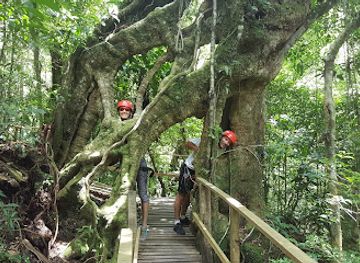
Sarapiquí’s attractions are centred on living rainforest, working farms and the waterways that connect them. La Selva Biological Station offers guided access to one of Costa Rica’s best-known tropical research landscapes, while Tirimbina Biological Reserve combines forest trails, suspension bridges and interpretation focused on ecosystems and chocolate production. Other private reserves and environmental projects around Puerto Viejo, La Virgen and Horquetas provide opportunities for birdwatching, amphibian observation, butterfly walks and guided nocturnal excursions. The Sarapiquí River is the setting for rafting on suitable stretches and for calmer boat-based wildlife viewing. In the southern part of the region, forested areas associated with Braulio Carrillo National Park introduce steeper terrain and a cooler mountain environment. Farm visits add a different perspective, showing how cacao, heart of palm and other tropical crops are cultivated. The region’s appeal lies in the variety of ways to encounter nature, from scientific interpretation and carefully managed trails to active river journeys and quiet observation in lodge gardens.
-
National park
Braulio Carrillo National Park
Discover the breathtaking biodiversity and scenic beauty of Braulio Carrillo National Park, a must-visit natural paradise in Costa Rica.
-
 Volcano
Poás Volcano
Experience the breathtaking beauty of Poás Volcano, a stunning natural landmark in Alajuela, Costa Rica, known for its vibrant crater and rich biodiversity.
-
Hiking area
Canopy Adventure Volcan Barva
Discover adventure and nature at Canopy Adventure Volcan Barva, where zip lines and hiking trails reveal the beauty of Costa Rica's lush landscapes.
-
Hotel
Hacienda Pozo Azul
Experience Costa Rican adventure at Hacienda Pozo Azul: ziplining, rafting, horseback riding, and nature immersion in the heart of Sarapiquí's rainforest.
Best landmarks in Sarapiquí
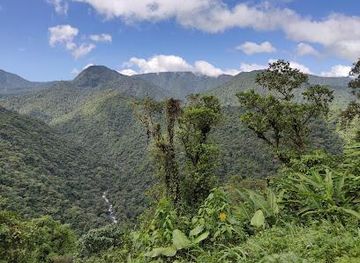
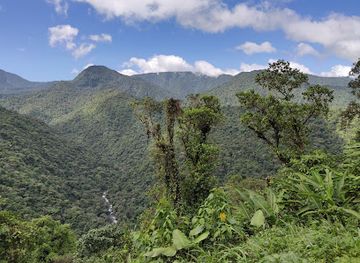
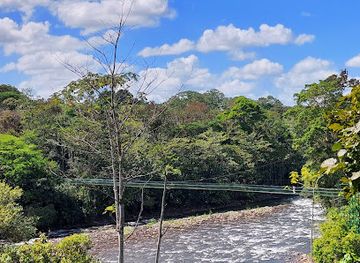
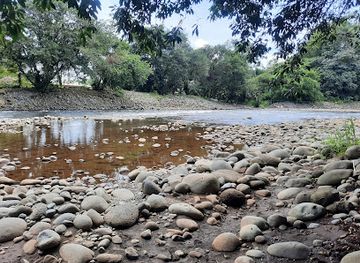
The Sarapiquí River is the region’s defining geographical landmark, shaping settlement, transport, recreation and the visual identity of the lowlands. Puerto Viejo’s riverside setting reflects its historical role as a local gateway through the northern Caribbean foothills, even though the town is more functional than monumental. La Selva Biological Station is another landmark of regional significance: its importance lies in decades of tropical research and conservation as much as in its forest trails. Tirimbina’s crossing structures and forest reserve have become recognisable symbols of Sarapiquí’s nature-based tourism. To the south, the densely forested mountain slopes of Braulio Carrillo National Park mark the transition from the warm river basin to the Central Volcanic Range. Rural bridges, cultivated plains and surviving forest corridors complete the region’s distinctive landscape. These places matter less as isolated architectural monuments than as visible expressions of the forces that have shaped Sarapiquí: rivers, rainforest science, conservation and agricultural settlement.
-
Tourist attraction
La Paz Waterfall Gardens Nature Park
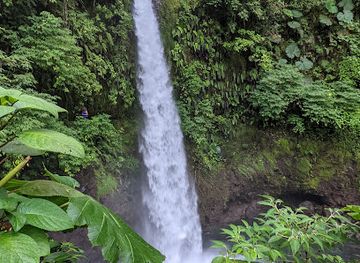
Discover Costa Rica's natural beauty at La Paz Waterfall Gardens: five stunning waterfalls and diverse wildlife in a lush rainforest setting.
-
National park
Braulio Carrillo National Park
Explore Costa Rica's largest national park: Hike through diverse ecosystems, spot exotic wildlife, and experience breathtaking natural beauty.
-
Hotel
Hacienda Pozo Azul
Experience thrilling adventures and tranquil escapes at Hacienda Pozo Azul, a premier destination for rafting, horseback riding, and relaxation in Costa Rica.
-
Nature preserve
Reserva biológica Tirimbina
Discover Costa Rica's biodiversity at Tirimbina Biological Reserve: rainforest trails, cacao plantations, and stunning suspension bridge views.
Explore Sarapiquí on the map
Plan your trip on one map. See where the top cities, national parks and sights are, and book hotels and experiences in a few clicks.
Best hotels in Sarapiquí
Best restaurants in Sarapiquí
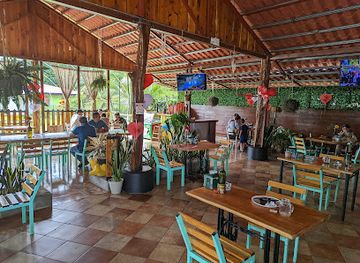
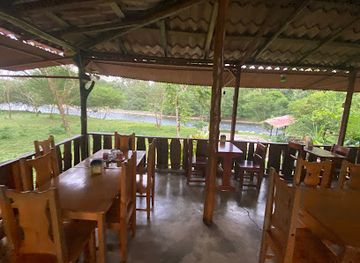
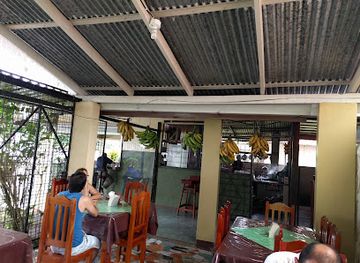
Dining in Sarapiquí reflects the agricultural lowlands and the wider Costa Rican tradition of fresh, straightforward cooking. Local sodas and family restaurants commonly serve rice-and-beans combinations, chicken, beef, fish, plantains, tortillas and casado-style plates, while tropical fruit such as pineapple, papaya and bananas appears in drinks, breakfasts and desserts. Cacao is particularly relevant to the region’s visitor economy, and chocolate and farm tours often explain cultivation and processing rather than simply offering a tasting. Heart of palm and other locally grown produce may feature in salads and cooked dishes. Puerto Viejo has the broadest choice of cafés, casual restaurants and international-style menus, while rural lodges often serve set meals based on available produce. River communities and farm areas are better suited to informal dining than to a formal restaurant circuit. Visitors should expect practical opening patterns in smaller settlements and carry a little cash for roadside cafés, bakeries and family-run eateries.
-
Restaurant
Rústiticos
Discover authentic Costa Rican cuisine at Rústiticos in Chilamate Sarapiquí—where flavors meet tradition in an inviting setting.
-
Family-friendly
Restaurante Magallanes
Experience authentic Costa Rican cuisine at Restaurante Magallanes—family-friendly dining in Sarapiquí surrounded by nature's beauty.
-
Restaurant
Soda Marielos
Discover authentic Costa Rican flavors at Soda Marielos in Puerto Viejo de Sarapiqui - where every dish tells a story.
-
Restaurant
Soda la Casita Tipica
Experience authentic Costa Rican flavors at Soda la Casita Tipica in Puerto Viejo de Sarapiqui - delicious food at affordable prices!
Best bars in Sarapiquí
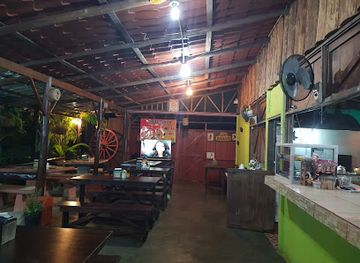
Nightlife in Sarapiquí is low-key and concentrated around Puerto Viejo and the region’s lodges rather than organised around a large club scene. Local bars and casual restaurants provide places for a beer, a rum-based drink or conversation, while some accommodation offers a small bar or communal evening area for guests. In rural districts, evenings are more often spent dining, listening to music or joining a guided night walk than moving between venues. Occasional live music and social events may appear in the larger settlements, but schedules are changeable and should be checked locally. The region’s breweries, cafés and farm-based enterprises may offer tastings or evening activities when operating, though these are not a substitute for a permanent nightlife district. Visitors should arrange transport back to rural accommodation in advance and avoid walking along poorly lit roads after dark.
-
Hotel
Hotel El Bambú
Experience the charm of Costa Rica at Hotel El Bambú, a serene hotel surrounded by lush nature and close to thrilling outdoor adventures.
-
Restaurant
Ara Ambigua Lodge
Explore the beauty of Ara Ambigua Lodge, where nature meets comfort in Puerto Viejo de Sarapiquí, Costa Rica.
-
Restaurant
Rústiticos
Discover the authentic taste of Costa Rica at Rústiticos, a charming restaurant in Chilamate Sarapiquí, known for its local flavors and warm hospitality.
-
Restaurant
Soda la Casita Tipica
Discover the heart of Costa Rican cuisine with traditional dishes and a warm atmosphere at Soda la Casita Tipica in Puerto Viejo.
Best nightclubs in Sarapiquí
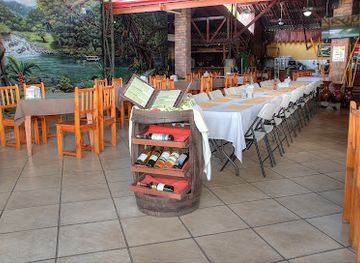
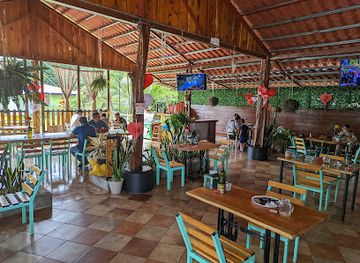
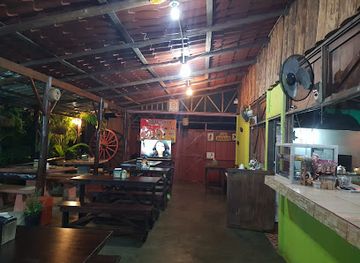
Nightlife in Sarapiquí is low-key and concentrated around Puerto Viejo and the region’s lodges rather than organised around a large club scene. Local bars and casual restaurants provide places for a beer, a rum-based drink or conversation, while some accommodation offers a small bar or communal evening area for guests. In rural districts, evenings are more often spent dining, listening to music or joining a guided night walk than moving between venues. Occasional live music and social events may appear in the larger settlements, but schedules are changeable and should be checked locally. The region’s breweries, cafés and farm-based enterprises may offer tastings or evening activities when operating, though these are not a substitute for a permanent nightlife district. Visitors should arrange transport back to rural accommodation in advance and avoid walking along poorly lit roads after dark.
-
Disco club
Pepper Disco Club
Discover the vibrant energy of Pepper Disco Club in Curridabat, where Latin rhythms come alive and unforgettable nights await.
-
Night club
Republik Lounge
Discover the lively nightlife of Jaco at Republik Lounge, where dance, music, and delicious dining come together for an unforgettable experience.
-
Disco club
Cuban Republik Disco Lounge
Dive into the pulsating nightlife of Quepos at the Cuban Republik Disco Lounge, where vibrant music and dance await you in a tropical paradise.
-
Night club
Típico Latino
Discover the vibrant nightlife at Típico Latino in Heredia, where Latin music and dancing create unforgettable moments.




Best shops in Sarapiquí
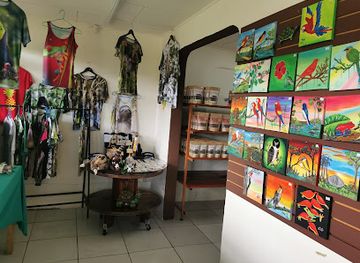
Shopping in Sarapiquí is practical and locally oriented, with Puerto Viejo providing the broadest selection of supermarkets, small shops, pharmacies, cafés and everyday services. Visitors are more likely to find regional products through reserve shops, farm tours and lodge displays than in a dedicated luxury retail district. Cacao and chocolate are natural purchases, particularly where a farm or conservation project explains their production; coffee, tropical preserves, sauces, honey and packaged fruit products may also be available. Small craft stalls and souvenir displays often focus on wildlife, rainforest imagery and handmade goods, although stock varies by season and business. Farmers’ markets and local produce sellers are useful for seeing the agricultural character of the region and buying fruit for the road. Carry cash for independent vendors and do not assume that rural shops accept cards. The best souvenirs are generally compact food products or responsibly made crafts with clear information about their origin.
-
Tourist attraction
Costa Rica Best Chocolate
Discover the art of chocolate making at Costa Rica Best Chocolate in Puerto Viejo de Sarapiqui, where flavor and education blend seamlessly.
-
Supermarket
Súper Mercado La Viña
Experience the local flavors and vibrant culture at Súper Mercado La Viña, Puerto Viejo de Sarapiquí's quintessential supermarket.
-
Supermarket
Palí
Discover Palí, the vibrant supermarket in Puerto Viejo offering local products and essentials for every traveler’s need.
-
Interior door shop
Horquetas de Sarapiqui
Experience the natural beauty and vibrant culture of Horquetas de Sarapiqui, a hidden gem in Costa Rica's Heredia Province.


Get your free copy of our complete guide to Sarapiquí, delivered straight to you.
Everything on this page, from attractions and restaurants to essentials and local phrases, in one PDF you can read offline, print or share.
Already have an account? Sign in
Your Sarapiquí guide is ready.
We'll send it to · Not you? Sign out

Getting your guide ready…
We are putting together a fresh copy of the Sarapiquí guide. This can take up to a minute.
This can take a few moments. If your browser asks, choose Allow so the download can start. You'll find the guide in your Downloads folder.
Nothing happened? Download it again
Sorry, the guide is taking longer than usual. Please try again in a minute, or get it by email instead.
Sarapiquí essentials
Currency and Payment
Safety
Emergency Situations
Do's and Don'ts
Local Tips
From Eve
Local phrases worth knowing
You don't need to get them perfect. A few words go a long way, and locals appreciate the effort.
Basics
| English | Local | Say it |
|---|---|---|
| Hello | Hola | [O-la] |
| Goodbye | Adiós | [A-dee-os] |
| Yes | Sí | [See] |
| No | No | [No] |
| Please/You're welcome | Por favor | [Por fa-vor] |
| Thank you | Gracias | [Gra-sias] |
| Excuse me/Sorry | Disculpe | [Dis-kul-pe] |
| How are you? | ¿Cómo está? | [Ko-mo es-ta] |
| Fine. And you? | Bien. ¿Y usted? | [Bee-en. Ees-ted] |
| Do you speak English? | ¿Habla inglés? | [A-bla een-gles] |
| I don't understand | No entiendo | [No en-tee-en-do] |
Eating & Drinking
| English | Local | Say it |
|---|---|---|
| I'd like to see the menu, please | Me gustaría ver el menú, por favor | [Me gus-ta-ree-a ver el me-nu, por fa-vor] |
| I don't eat meat | No como carne | [No ko-mo car-ne] |
| Cheers! | ¡Salud! | [Sa-lud] |
| I would like to pay, please | Me gustaría pagar, por favor | [Me gus-ta-ree-a pa-gar, por fa-vor] |
Emergencies
| English | Local | Say it |
|---|---|---|
| Help! | ¡Ayuda! | [A-yu-da] |
| Go away! | ¡Vete! | [Ve-te] |
| Call the Police! | ¡Llame a la policía! | [Ya-me a la po-li-ci-a] |
| Call a doctor! | ¡Llame a un doctor! | [Ya-me a un doc-tor] |
| I'm lost | Estoy perdido | [Es-toy per-di-do] |
| I'm ill | Estoy enfermo/a | [Es-toy en-fer-mo/a] |
Shopping
| English | Local | Say it |
|---|---|---|
| I'd like to buy... | Me gustaría comprar... | [Me gus-ta-ree-a kom-prar] |
| I'm just looking | Solo estoy mirando | [So-lo es-toy mi-ran-do] |
| How much is it? | ¿Cuánto cuesta? | [Kwan-to kwes-ta] |
| That's too expensive | Eso es muy caro | [E-so es muy ka-ro] |
| Can you lower the price? | ¿Puede bajar el precio? | [Pwe-de ba-har el pre-sio] |
Time & Numbers
| English | Local | Say it |
|---|---|---|
| What time is it? | ¿Qué hora es? | [Ke o-ra es] |
| It's one o'clock | Es la una | [Es la u-na] |
| Half past (10) | Y media (10) | [Y me-dia] |
| Morning | Mañana | [Ma-ña-na] |
| Afternoon | Tarde | [Tar-de] |
| Evening | Noche | [No-che] |
| Yesterday | Ayer | [A-yer] |
| Today | Hoy | [Oy] |
| Tomorrow | Mañana | [Ma-ña-na] |
| 1 | Uno | [U-no] |
| 2 | Dos | [Dos] |
| 3 | Tres | [Tres] |
| 4 | Cuatro | [Kua-tro] |
| 5 | Cinco | [Sin-co] |
| 6 | Seis | [Seis] |
| 7 | Siete | [Sye-te] |
| 8 | Ocho | [O-cho] |
| 9 | Nueve | [Nue-ve] |
| 10 | Diez | [Dyez] |
Transport & Directions
| English | Local | Say it |
|---|---|---|
| Where's a/the...? | ¿Dónde está un/una...? | [Don-de es-ta un/una] |
| What's the address? | ¿Cuál es la dirección? | [Kwal es la di-rec-cion] |
| Can you show me (on the map)? | ¿Me puede mostrar (en el mapa)? | [Me pwe-de mos-trar (en el ma-pa)] |
| When's the next (bus)? | ¿Cuándo es el próximo (bus)? | [Kwan-do es el pro-xim-o] |
| A ticket (to ....) | Un boleto (a ....) | [Un bo-le-to (a)] |
History of Sarapiquí
Indigenous Landscapes Before European Settlement
Before Spanish colonisation, the Sarapiquí basin was inhabited and used by Indigenous peoples associated with the wider Caribbean and northern Costa Rican lowlands, including communities generally described in historical sources as Huetar. Rivers, forest products, hunting areas and cultivated clearings formed part of a connected landscape rather than a wilderness without human history. Archaeological evidence from the region and surrounding lowlands indicates long-standing settlement and exchange, although many details of local pre-Columbian life remain less documented than those of Costa Rica’s Pacific regions. Contemporary visitors should understand that Sarapiquí’s forests have cultural as well as ecological depth.
Colonial Routes and River Transport
During the colonial period and after independence, the Sarapiquí River provided one of the few practical routes between Costa Rica’s interior settlements and the northern Caribbean lowlands. Travel through the wet forest was difficult, so rivers became important for moving people, supplies and agricultural products. Puerto Viejo developed as a local river settlement and transport point. The region remained relatively remote compared with the Central Valley, and its geography continued to shape settlement patterns, commerce and communications well into the nineteenth century.
Agricultural Expansion in the Lowlands
From the nineteenth century onwards, improved roads and growing connections with the Caribbean encouraged the gradual expansion of agriculture in Sarapiquí. Cattle, bananas, cacao and other tropical products became part of the regional economy, while later commercial farming brought pineapple, heart of palm and other crops to the lowland plains. This transformation produced jobs and new settlements but also altered forest cover and waterways. The mixture of farms, pasture, plantations and remaining forest that visitors see today reflects this long economic transition rather than a landscape untouched by development.
La Selva and the Rise of Tropical Research
A decisive modern development began in 1954, when American ecologist Leslie R. Holdridge established La Selva as a private agricultural and forestry property. The site later became a major tropical research station under the Organisation for Tropical Studies, founded in 1963 by a consortium of universities. La Selva’s long-running studies of rainforest ecology helped make Sarapiquí an important centre for international biological research and environmental education. Its trails and scientific legacy have also influenced the region’s conservation-based tourism.
Conservation and the Protection of Forest Corridors
During the second half of the twentieth century, Costa Rica expanded protected areas and encouraged private conservation in response to deforestation and habitat loss. Sarapiquí benefited from this national shift through reserves, biological stations and forest restoration projects that protect connections between lowland rainforest and the mountains of the Central Volcanic Range. Braulio Carrillo National Park, established in 1978, safeguards extensive forest and steep upland terrain to the south of the region. Conservation tourism, research and environmental education now form an important complement to agriculture.
Sarapiquí as an Ecotourism and Adventure Region
Since the late twentieth century, lodges, naturalist guides, rafting operators, reserves and farm-based projects have expanded the local visitor economy. The region’s combination of accessible rainforest, the Sarapiquí River and established scientific institutions allowed it to develop a distinctive form of ecotourism rather than relying on large resort complexes. Tourism has created incentives for habitat protection and community enterprise, while also making responsible water use, wildlife management and careful development important continuing concerns.
Sarapiquí in Photos
Browse through our photo collection highlighting the charm and character of the destination.
Neighbouring regions of Sarapiquí
The closest regions to Sarapiquí, if you have time for more than one.
-

-

-

-

-


Swipe for more regions
Explore more

Explore more of Costa Rica
Discover Costa Rica, where lush rainforests, stunning beaches, and incredible wildlife create a paradise for nature lovers and adventure seekers alike.
Explore Costa Rica