

Free San Carlos Travel Guide & Mobile App
Explore San Carlos with free travel guides. Discover regional history, expert tips, proposed trips, and audio guides on web or mobile app.


Explore San Carlos in Costa Rica for Arenal Volcano, rainforest trails, hot springs, wildlife, dairy country and the northern plains.
Read more about San Carlos
When is the best time to visit San Carlos?
Best: December–February · 29–30°C| Month | High (°C) | Rainfall (mm) |
|---|---|---|
| January (best) | 29 | 5 |
| February (best) | 30 | 6 |
| March | 30 | 10 |
| April | 31 | 15 |
| May | 31 | 25 |
| June | 31 | 35 |
| July | 31 | 30 |
| August | 31 | 30 |
| September | 30 | 35 |
| October | 30 | 35 |
| November | 30 | 20 |
| December (best) | 29 | 10 |
Getting to and around San Carlos
How to get there
Transportation
Top city travel guides in San Carlos
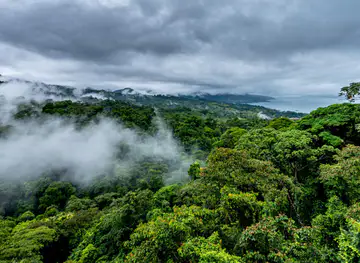
The cities of San Carlos, and the easiest places to base yourself.
-
-


Swipe for more cities
Destinations in San Carlos
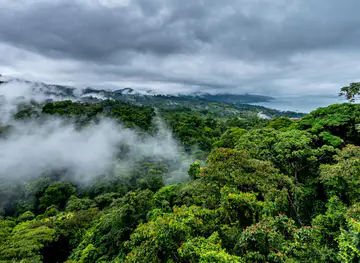
Resorts, valleys and scenic spots worth a trip of their own.
-

-
-


Swipe for more destinations
Best attractions in San Carlos
San Carlos offers a broad range of attractions, from highly organised nature tourism around La Fortuna to quieter forest and agricultural experiences elsewhere in the canton. Arenal Volcano National Park provides trails through rainforest and volcanic terrain, with views towards lava fields and the volcano when weather permits. Around La Fortuna, visitors can also find waterfalls, hanging-bridge walks, horseback routes, wildlife excursions, river activities and geothermal bathing facilities. These experiences vary considerably in intensity, from accessible forest paths to guided canyoning and more demanding outdoor adventures. In the uplands north of Ciudad Quesada, Juan Castro Blanco National Park protects wet mountain forest, springs and important watersheds, although access requires more planning and is less resort-oriented. The city itself is useful for markets, local services and a glimpse of San Carlos’s dairy and agricultural economy. Throughout the canton, farms, gardens and rural viewpoints provide a different perspective on the region, where cattle, sugar cane and tropical crops share space with forest corridors. Visitors should distinguish between activities inside protected areas and private commercial properties, checking access, weather and current conditions before setting out.
-
Tourist attraction
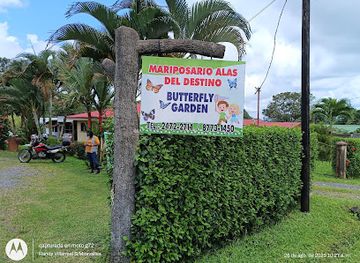
Mariposario Alas del Destino Butterfly Garden
Explore the breathtaking Mariposario Alas del Destino Butterfly Garden, a vibrant sanctuary of colorful butterflies and lush vegetation in Costa Rica.
-
Farmstay
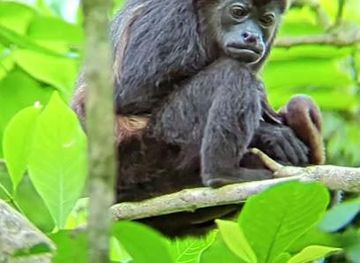
Mundo de Perezosos - Sloth and Monkey Tour
Discover sloths and monkeys in their natural habitat at this unique La Fortuna farmstay. An unforgettable wildlife adventure awaits!
-
Tourist attraction
Rainforest Explorers CR
Explore Costa Rica's rainforest with local guides, discover hidden waterfalls, and experience thrilling adventures in La Fortuna's natural paradise.
-
Park
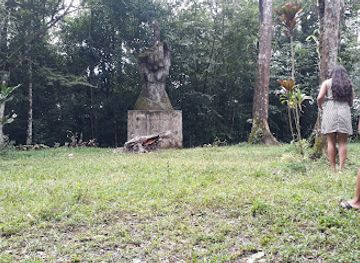
La Mano De Dios
Experience the tranquil beauty of La Mano De Dios, a serene park in Alajuela Province, perfect for nature lovers and adventure seekers.
Best landmarks in San Carlos
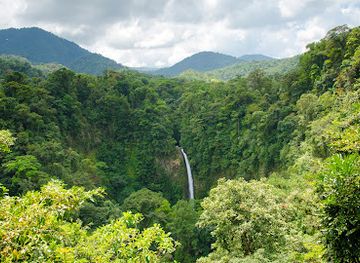
Arenal Volcano is San Carlos’s defining natural landmark, rising above the forests and settlements around La Fortuna as a near-symmetrical volcanic cone. Its form is associated with the 1968 eruption and the lava landscapes now protected within Arenal Volcano National Park, although cloud frequently obscures the summit. The park’s forested slopes and lava fields provide a visible reminder that the area remains a volcanic environment rather than simply a tropical resort. La Fortuna Waterfall is another prominent natural feature, where water drops through rainforest below a viewpoint and swimming area managed within a protected setting; access involves a steep route and local rules. In the northern mountains, the forests and watershed landscapes of Juan Castro Blanco National Park are significant landmarks of a quieter kind, representing San Carlos’s high, wet interior rather than its tourist centre. Ciudad Quesada’s urban form and public spaces reflect the canton’s role as a regional agricultural and commercial capital. Together, these places show the contrast between volcanic foothills, mountain forest and working town that defines San Carlos.
-
Park
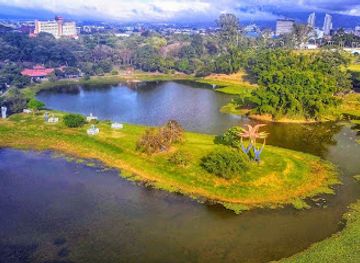
Parque Metropolitano La Sabana
Escape to San José's largest urban park: a green oasis with gardens, sports, culture, and a rich history as the city's first airport.
-
Nature preserve
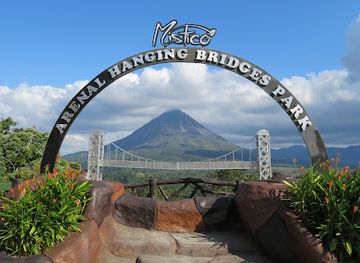
Místico Arenal Hanging Bridges
Walk among the treetops and discover the wonders of Costa Rica's rainforest at Místico Arenal Hanging Bridges Park. A unique eco-tourism experience.
-
Tourist attraction
Fortuna Waterfall
Experience the breathtaking beauty of La Fortuna Waterfall, a natural wonder nestled in the heart of Costa Rica's Arenal region.
-
National park
Parque Nacional Volcán Arenal
Explore Costa Rica's iconic Arenal Volcano National Park: Hike through lava fields, discover diverse wildlife, and witness the beauty of this natural wonder.
Explore San Carlos on the map
Plan your trip on one map. See where the top cities, national parks and sights are, and book hotels and experiences in a few clicks.
Best hotels in San Carlos
Best restaurants in San Carlos
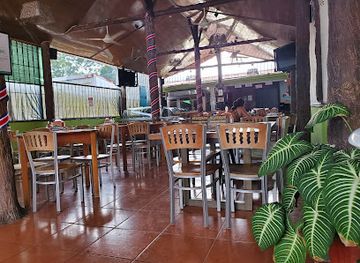
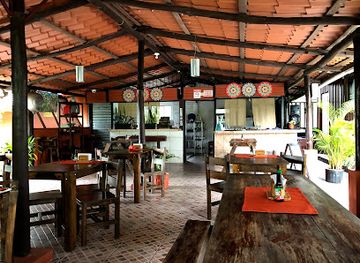
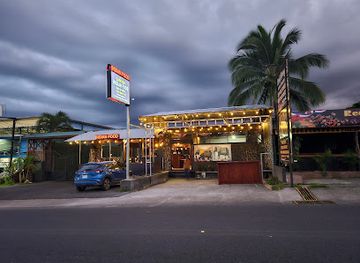
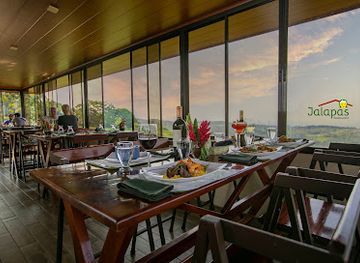
Dining in San Carlos reflects the meeting of Costa Rica’s everyday home cooking, agricultural production and an international tourism scene concentrated around La Fortuna. Casados, rice-and-beans combinations, plantains, soups, grilled meats and fresh fruit are widely available, while cafés and bakeries in Ciudad Quesada and La Fortuna serve practical breakfasts and snacks. The canton’s dairy economy is particularly visible in milk, cheese, cream and other farm products, and roadside or market-based businesses may offer locally made foods alongside tropical produce. Around La Fortuna, restaurants range from simple sodas, the name commonly used in Costa Rica for informal eateries, to establishments catering for visitors with vegetarian, international and contemporary menus. Rural inns and farm-based venues can provide a closer connection with local ingredients, but opening arrangements vary. Coffee is part of the national food culture, even though San Carlos is better known locally for pasture, dairy and tropical agriculture than for being a principal coffee-growing region. Prices and choice are generally greater in tourist centres than in outlying communities.
-
Restaurant
Soda Víquez
Experience authentic Costa Rican cuisine at Soda Víquez in Pérez Zeledón – a local favorite for delicious dishes and welcoming vibes.
-
Restaurant
Tiquicia Restaurant
Discover authentic Costa Rican cuisine at Tiquicia Restaurant in San Carlos – a must-visit dining destination for every traveler.
-
Indian
SAFFRON INDIAN FOOD BAR AND GRILL
Discover authentic Indian cuisine at Saffron Indian Food Bar and Grill in San Carlos—where every dish tells a flavorful story.
-
Restaurant
Jalapas restaurant
Discover Jalapas Restaurant in San Carlos - where Costa Rican flavors meet innovative cuisine in a warm and welcoming atmosphere.
Best bars in San Carlos
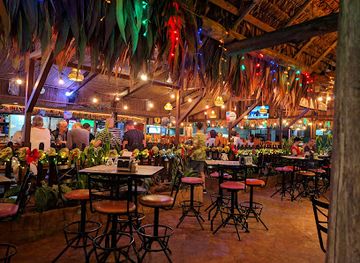
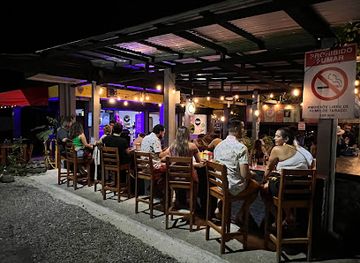
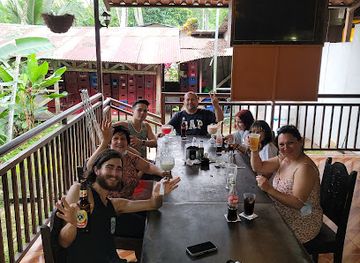
San Carlos has an evening culture rather than a region-wide club scene. In La Fortuna, the largest concentration of nightlife is around the town centre, where visitors find casual bars, restaurants, hotel lounges and places offering music after the day’s outdoor activities. Some venues cater to international travellers, while local establishments provide a more everyday setting for residents and visitors from elsewhere in Costa Rica. Ciudad Quesada has bars, cafés and restaurants serving as social meeting places, but its nightlife is more closely tied to local commerce than to tourism. In smaller communities, evenings generally centre on family-run restaurants, neighbourhood bars or occasional live music rather than late-night dancing. Hot-spring resorts and larger hotels may offer relaxed evening facilities without functioning as nightlife districts. Check current arrangements locally, and use registered taxis or pre-arranged transport when returning from rural accommodation, where roads may be dark and services sparse.
-
Pizza
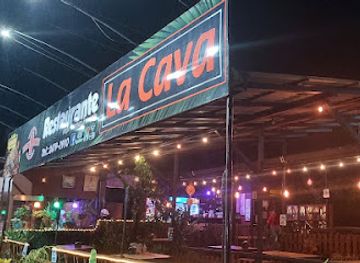
La Cava
Discover La Cava in San Carlos for a delightful mix of Costa Rican and Italian cuisine, featuring renowned pizzas and a lively atmosphere.
-
Restaurant
Nanku Restaurant - Tropical Bar and Grill
Experience the vibrant flavors of Costa Rica at Nanku Restaurant, where tropical cuisine meets live music in a welcoming atmosphere.
-
Pub
La Fortuna Pub
Experience Costa Rica's craft beer scene at La Fortuna Pub, where local flavors and a vibrant atmosphere await every visitor.
-
Bar
Bar Y Restaurante El Higueron
Discover the vibrant nightlife and local flavors at Bar Y Restaurante El Higueron in Muelle San Carlos, Costa Rica.
Best nightclubs in San Carlos
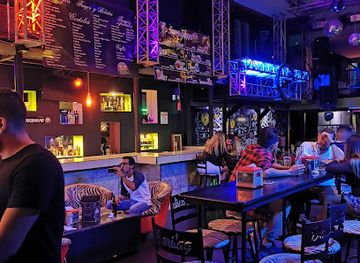
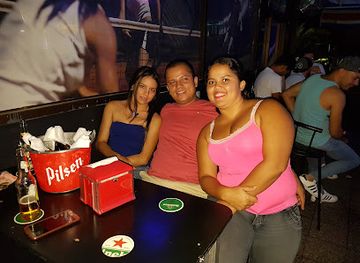
San Carlos has an evening culture rather than a region-wide club scene. In La Fortuna, the largest concentration of nightlife is around the town centre, where visitors find casual bars, restaurants, hotel lounges and places offering music after the day’s outdoor activities. Some venues cater to international travellers, while local establishments provide a more everyday setting for residents and visitors from elsewhere in Costa Rica. Ciudad Quesada has bars, cafés and restaurants serving as social meeting places, but its nightlife is more closely tied to local commerce than to tourism. In smaller communities, evenings generally centre on family-run restaurants, neighbourhood bars or occasional live music rather than late-night dancing. Hot-spring resorts and larger hotels may offer relaxed evening facilities without functioning as nightlife districts. Check current arrangements locally, and use registered taxis or pre-arranged transport when returning from rural accommodation, where roads may be dark and services sparse.
-
Disco club
El Lago
El Lago in Grecia offers a vibrant disco experience with electrifying music, a lively atmosphere, and a taste of Costa Rican nightlife.
-
Disco club
DiscobarEvolution Holiday
Experience the vibrant nightlife at DiscobarEvolution Holiday, a top disco club in San Francisco, Alajuela, blending local culture with electrifying dance vibes.
-
Bar
Volcán Look Disco
Discover the lively nightlife at Volcán Look Disco, a premier bar in San Carlos offering an energetic atmosphere and delicious drinks.
-
Disco club
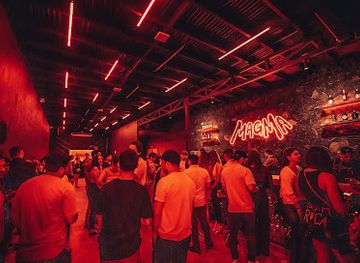
Magma Club
Magma Club: The heart of La Fortuna's nightlife, where vibrant beats and electrifying atmosphere create unforgettable nights.

Best shops in San Carlos
Shopping in San Carlos is divided between visitor-oriented purchases in La Fortuna and everyday commerce in Ciudad Quesada and the surrounding market communities. La Fortuna offers shops selling Costa Rican coffee, chocolate, locally produced foods, clothing, artwork, jewellery, wood items and practical outdoor equipment, although product quality and provenance vary. Look for clear information about where food and crafts were produced rather than assuming that every souvenir is regional. Ciudad Quesada has a broader local retail range, including supermarkets, bakeries, clothing shops, household businesses and markets serving residents and farmers from across the canton. Dairy products, tropical fruit, sauces and packaged agricultural goods can make useful, easy-to-carry purchases, subject to airline and customs rules. Small rural shops are more likely to have limited stock and cash requirements. Gifts should respect Costa Rica’s wildlife-protection laws: do not buy products made from protected animals, plants or archaeological material. Independent galleries and craft outlets around the tourism corridor provide more distinctive alternatives to mass-produced souvenirs.
-
Shopping mall
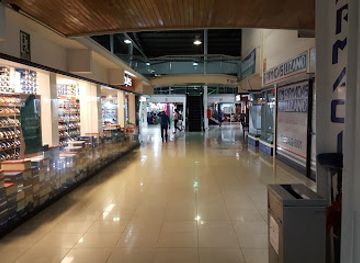
Plaza San Carlos
Explore Plaza San Carlos, a vibrant shopping mall in Quesada, Costa Rica, offering diverse retail, dining, and entertainment options for every visitor.
-
Tour operator
Don Juan Tours La Fortuna
Experience the rich culture and breathtaking adventures at Don Juan Tours La Fortuna, where chocolate, coffee, and nature await you.
-
Shopping mall
Plaza El Encuentro
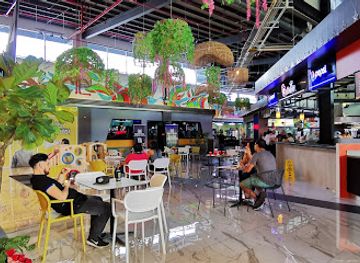
Discover Plaza El Encuentro, the vibrant shopping mall in Quesada, Costa Rica, offering a unique blend of shopping, dining, and entertainment.
-
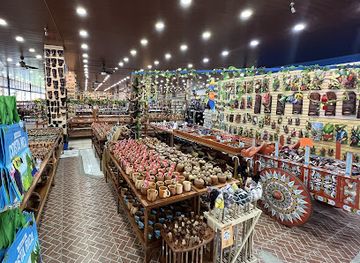
Souvenir store
Souvenir store
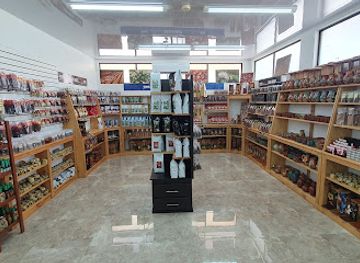
Explore a vibrant souvenir store in San Carlos, Costa Rica, featuring unique handcrafted treasures and local artisan goods.
Get your free copy of our complete guide to San Carlos, delivered straight to you.
Everything on this page, from attractions and restaurants to essentials and local phrases, in one PDF you can read offline, print or share.
Already have an account? Sign in
Your San Carlos guide is ready.
We'll send it to · Not you? Sign out

Getting your guide ready…
We are putting together a fresh copy of the San Carlos guide. This can take up to a minute.
This can take a few moments. If your browser asks, choose Allow so the download can start. You'll find the guide in your Downloads folder.
Nothing happened? Download it again
Sorry, the guide is taking longer than usual. Please try again in a minute, or get it by email instead.
San Carlos essentials
Currency and Payment
Safety
Emergency Situations
Do's and Don'ts
Local Tips
From Eve
Local phrases worth knowing
You don't need to get them perfect. A few words go a long way, and locals appreciate the effort.
Basics
| English | Local | Say it |
|---|---|---|
| Hello | Hola | [OH-lah] |
| Goodbye | Adiós | [ah-DYOS] |
| Yes | Sí | [SEE] |
| No | No | [NO] |
| Please/You're welcome | Por favor | [por fah-VOR] |
| Thank you | Gracias | [GRAH-syahs] |
| Excuse me/Sorry | Disculpe | [dis-KOOL-peh] |
| How are you? | ¿Cómo está? | [KOH-moh es-TAH] |
| Fine. And you? | Bien. ¿Y usted? | [BYEN. ee oos-TED] |
| Do you speak English? | ¿Habla inglés? | [AH-blah een-GLES] |
| I don't understand | No entiendo | [NO en-TIEN-doh] |
Eating & Drinking
| English | Local | Say it |
|---|---|---|
| I'd like to see the menu, please | Me gustaría ver el menú, por favor | [meh goos-tah-REE-ah vehr el meh-NOO, por fah-VOR] |
| I don't eat meat | No como carne | [NO KOH-moh KAR-neh] |
| Cheers! | ¡Salud! | [sah-LOOD] |
| I would like to pay, please | Me gustaría pagar, por favor | [meh goos-tah-REE-ah pah-GAR, por fah-VOR] |
Emergencies
| English | Local | Say it |
|---|---|---|
| Help! | ¡Ayuda! | [ah-YOO-dah] |
| Go away! | ¡Vete! | [VEH-teh] |
| Call the Police! | ¡Llame a la policía! | [YAH-meh ah lah poh-lee-SEE-ah] |
| Call a doctor! | ¡Llame a un doctor! | [YAH-meh ah oon dok-TOR] |
| I'm lost | Estoy perdido | [es-TOY per-DI-doh] |
| I'm ill | Estoy enfermo | [es-TOY en-FER-mo] |
Shopping
| English | Local | Say it |
|---|---|---|
| I'd like to buy... | Me gustaría comprar... | [meh goos-tah-REE-ah kom-PRAR] |
| I'm just looking | Solo estoy mirando | [SO-lo es-TOY mee-RAN-do] |
| How much is it? | ¿Cuánto cuesta? | [KWAN-toh KWES-tah] |
| That's too expensive | Es muy caro | [es mwee KAH-roh] |
| Can you lower the price? | ¿Puede bajar el precio? | [PWEH-deh bah-HAR el PREH-syo] |
Time & Numbers
| English | Local | Say it |
|---|---|---|
| What time is it? | ¿Qué hora es? | [KEH OH-rah es] |
| It's one o'clock | Es la una | [es lah OO-nah] |
| Half past (10) | Y diez y media | [ee DYAS ee MEH-dee-ah] |
| Morning | Mañana | [mah-NYAH-nah] |
| Afternoon | Tarde | [TAR-deh] |
| Evening | Noche | [NO-cheh] |
| Yesterday | Ayer | [ah-YER] |
| Today | Hoy | [OY] |
| Tomorrow | Mañana | [mah-NYAH-nah] |
| 1 | Uno | [OO-no] |
| 2 | Dos | [DOS] |
| 3 | Tres | [TRES] |
| 4 | Cuatro | [KWAH-tro] |
| 5 | Cinco | [SEEN-koh] |
| 6 | Seis | [SAYS] |
| 7 | Siete | [SYEH-teh] |
| 8 | Ocho | [OH-choh] |
| 9 | Nueve | [NWEH-beh] |
| 10 | Diez | [DYAS] |
Transport & Directions
| English | Local | Say it |
|---|---|---|
| Where's a/the...? | ¿Dónde está un/una...? | [DON-deh es-TAH oon/OO-nah] |
| What's the address? | ¿Cuál es la dirección? | [KWAL es lah dee-rek-SYON] |
| Can you show me (on the map)? | ¿Puede mostrarme (en el mapa)? | [PWEH-deh mos-TRAR-meh (en el MAH-pah)] |
| When's the next (bus)? | ¿Cuándo viene el próximo (bus)? | [KWAN-doh VYEH-neh el PROK-see-mo (boos)] |
| A ticket (to ....) | Un boleto (a ....) | [OON bo-LEH-toh (ah ....)] |
History of San Carlos
Indigenous Northern Lowlands Before Colonisation
Long before the modern canton existed, northern Costa Rica was inhabited and used by Indigenous peoples whose territories and trading networks extended across the plains and foothills. The region’s rivers, forests and fertile soils supported hunting, fishing, cultivation and movement between the central highlands and the northern frontier. Indigenous communities, including peoples associated with the wider Maleku cultural area, remain part of the historical context of northern Alajuela, although San Carlos should not be presented as culturally uniform or as exclusively Indigenous territory. Archaeological evidence across northern Costa Rica points to settlement and exchange before Spanish colonial expansion.
A Colonial Frontier Beyond the Main Settlements
During the Spanish colonial period, the deep valleys and wet lowlands of present-day San Carlos remained distant from the principal settlements of the Central Valley. Difficult terrain, rivers and forest limited permanent colonial penetration, while the northern frontier was connected more readily to Indigenous territories and scattered routes than to major urban centres. Spanish influence expanded gradually through religious, administrative and agricultural networks, but San Carlos did not develop as a dense colonial landscape of grand churches and central plazas. This relative distance helped preserve extensive forests and kept the area on the margins of Costa Rica’s early export economy.
Settlement Routes and the Founding of Ciudad Quesada
Modern settlement accelerated in the nineteenth and early twentieth centuries as migrants from the Central Valley and other parts of Costa Rica moved into the northern plains. La Unión, the settlement that became Ciudad Quesada, was established in the late nineteenth century as routes were opened through difficult terrain. The town was renamed Ciudad Quesada in 1911, the same year San Carlos was created as a canton. Roads, bridges and river crossings gradually connected the area with the central highlands, allowing farms and trading settlements to expand.
Agriculture, Cattle and the Northern Frontier Economy
Throughout the twentieth century, San Carlos was transformed by agricultural development. Cattle ranching, dairy farming, sugar cane and later commercial crops became major parts of the local economy, supported by fertile volcanic soils and a warm, humid climate. Cooperative dairy production helped give the canton an enduring agricultural identity, while improvements in roads and markets encouraged closer links with the rest of Costa Rica. Forest clearance brought economic opportunity but also environmental costs, contributing to later efforts to protect watersheds, wildlife habitat and mountain ecosystems.
Arenal’s 1968 Eruption and a Changed Landscape
The eruption of Arenal Volcano in July 1968 was one of the defining modern events in the history of the La Fortuna area. Previously regarded as dormant, the volcano produced explosions, lava flows and ash that affected nearby communities and permanently altered the surrounding landscape. The event caused fatalities and extensive damage in settlements close to the volcano, while also creating new lava fields and attracting scientific interest. Over subsequent decades, volcanic scenery, hot springs and rainforest became the foundation of a major nature-tourism economy around La Fortuna, alongside agriculture and other local livelihoods.
Protected Forests and Nature Tourism
Late twentieth-century conservation policy changed the relationship between San Carlos’s forests and its economy. Arenal Volcano National Park protects major areas of volcanic forest and lava terrain near La Fortuna, while Juan Castro Blanco National Park safeguards high-elevation forest and important watersheds in the canton’s northern mountains. Nature tourism expanded alongside these protected areas, bringing guided walks, wildlife viewing, hot-spring facilities and outdoor adventure businesses. The result is a region where conservation, farming and tourism coexist, sometimes uneasily, and where water, land use and visitor pressure remain important contemporary concerns.
San Carlos in Photos
Browse through our photo collection highlighting the charm and character of the destination.
Neighbouring regions of San Carlos
The closest regions to San Carlos, if you have time for more than one.
-

-

-

-

-


Swipe for more regions
Explore more

Explore more of Costa Rica
Discover Costa Rica, where lush rainforests, stunning beaches, and incredible wildlife create a paradise for nature lovers and adventure seekers alike.
Explore Costa Rica