Croatian Museum of Naïve Art: A World of Untutored Brilliance
Discover a world of whimsical creativity at Zagreb's Croatian Museum of Naïve Art, showcasing self-taught 20th-century masters.
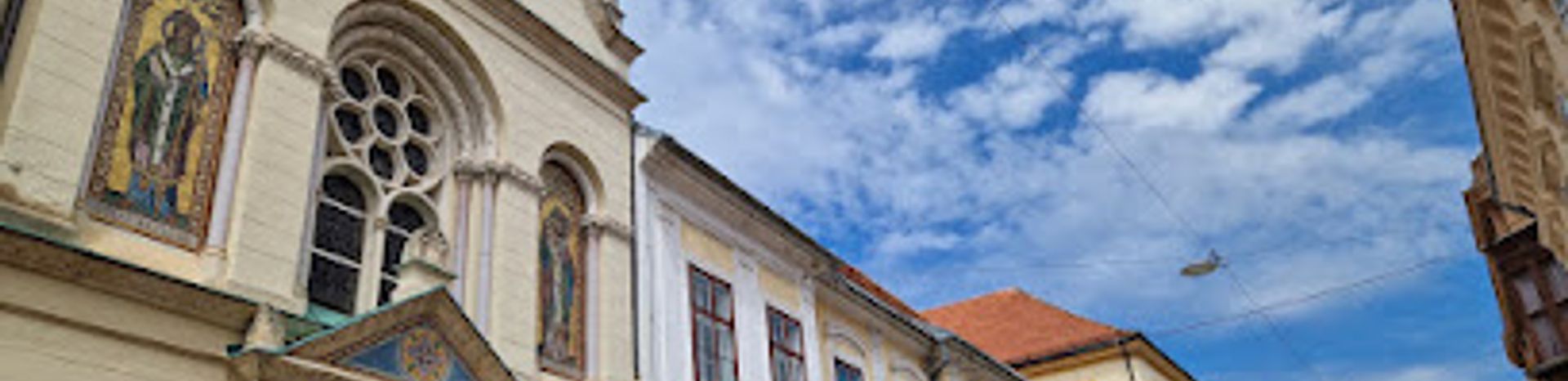
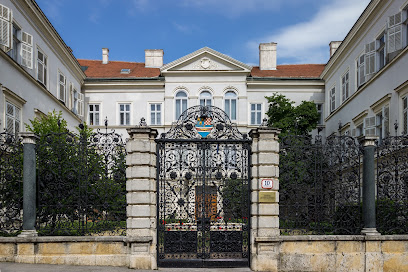
Discover the charming and often whimsical world of self-taught artists at Zagreb's Croatian Museum of Naïve Art. Housed in the 18th-century Raffay Palace, the museum showcases a unique collection of 20th-century paintings, sculptures, drawings, and prints, primarily by Croatian artists.
A brief summary to Croatian Museum of Naïve Art
- Ćirilometodska ul. 3, Zagreb, 10000, HR
- +38514851911
- Visit website
Local tips
- Visit during the week to avoid crowds and fully appreciate the artworks.
- Check the museum's website for information on upcoming exhibitions and events.
- Combine your visit with the nearby Museum of Broken Relationships.

Getting There
-
Walking
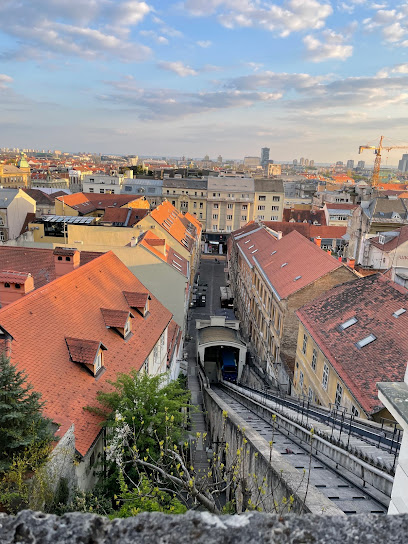
The Croatian Museum of Naïve Art is located in Zagreb's Upper Town, a short walk from many central landmarks. From Ban Jelačić Square, walk north towards the Upper Town. You can take the funicular up to Upper Town, or walk up the steps. The museum is located near St. Mark's Church and opposite the Museum of Broken Relationships.
-
Public Transport
To reach the museum via public transport, take a tram or bus to the city center. From there, transfer to another tram or bus that goes to the Upper Town (Gornji Grad). The museum is within walking distance from the tram/bus stop. A single fare for public transport in Zagreb is around €0.53-€1.50.
-
Taxi
Taxis are readily available in Zagreb. A short taxi ride from the city center to the Upper Town, where the museum is located, will cost approximately €8-€10. Consider using apps like Zagreb Taxi, Wizi, or Eko Taxi.
Discover more about Croatian Museum of Naïve Art
Iconic landmarks you can’t miss

City Assembly Of The City Of Zagreb
0.0 km
Discover the architectural beauty and cultural significance of the City Assembly of Zagreb in the heart of Croatia's vibrant capital.
Mala vrata Dverce
0.1 km
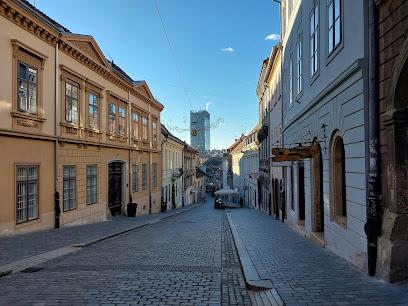
Explore the historical charm of Mala vrata Dverce in Zagreb, a gateway to the city's captivating medieval heritage and vibrant local culture.

Gornji Grad Zagreb
0.1 km
Explore the historic Gornji Grad in Zagreb, a blend of medieval charm, vibrant culture, and stunning panoramic views.
Franjo Marković Square
0.1 km
Discover a peaceful historical square in Zagreb's Upper Town, named after Croatian philosopher Franjo Marković, offering a serene escape.
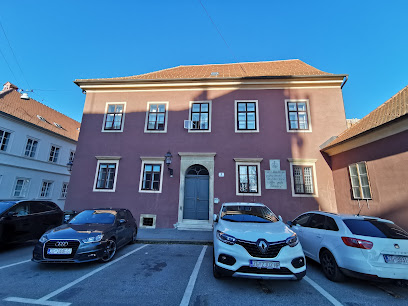
Church of St. Catherine
0.1 km
Discover the beauty of the Church of St. Catherine in Zagreb, a stunning Baroque masterpiece brimming with history and spiritual significance.
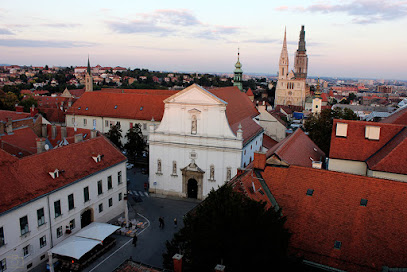
Trg Sv. Marka 1
0.1 km
Explore Trg Sv. Marka, a historic square in Zagreb, known for its stunning architecture, vibrant culture, and charming atmosphere.
Hrvatski sabor
0.1 km
Explore the Hrvatski Sabor in Zagreb, a stunning architectural gem that embodies Croatia's democratic spirit and rich political heritage.
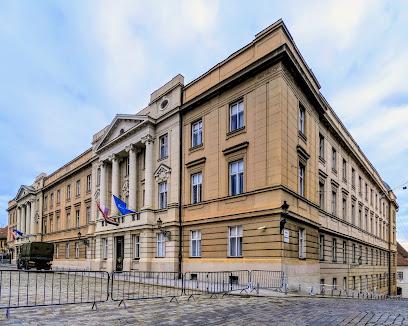
Grlećić-Jelačić Palace
0.1 km
Explore the historical elegance of Grlečić-Jelačić Palace in Zagreb, a stunning landmark reflecting Croatia's rich architectural heritage.
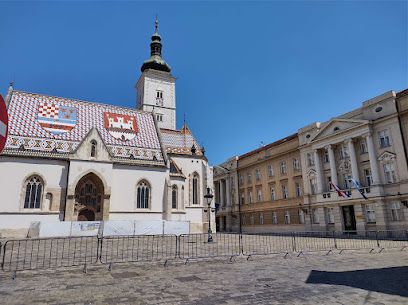
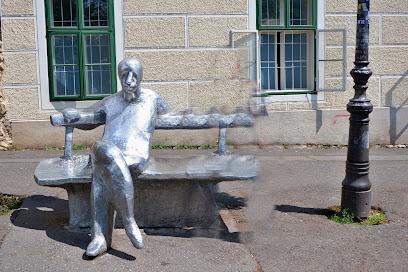
Antun Gustav Matoš Monument
0.1 km
Explore the Antun Gustav Matoš Monument in Zagreb, a stunning sculpture honoring one of Croatia's literary greats amid beautiful gardens and scenic views.
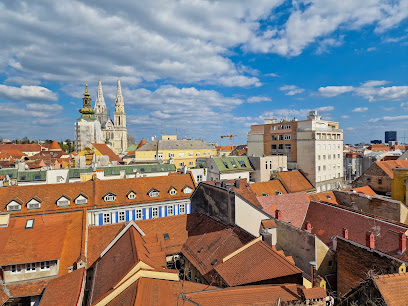
Love Rails
0.2 km
Capture Zagreb's heart from Love Rails: panoramic views, romantic ambiance, and a touch of history on Strossmayer Promenade.
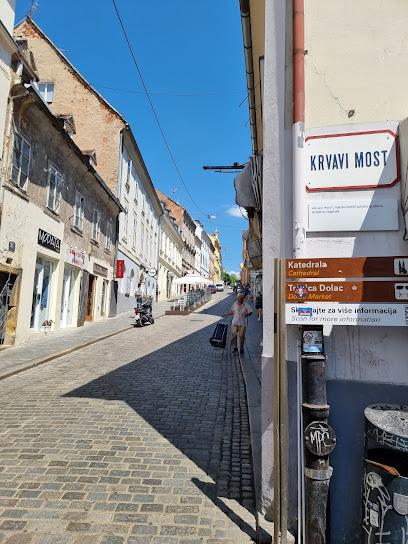
Krvavi Most
0.2 km
Explore Krvavi Most, the Bloody Bridge, a stunning blend of history and architecture in Zagreb's enchanting Gornji Grad.
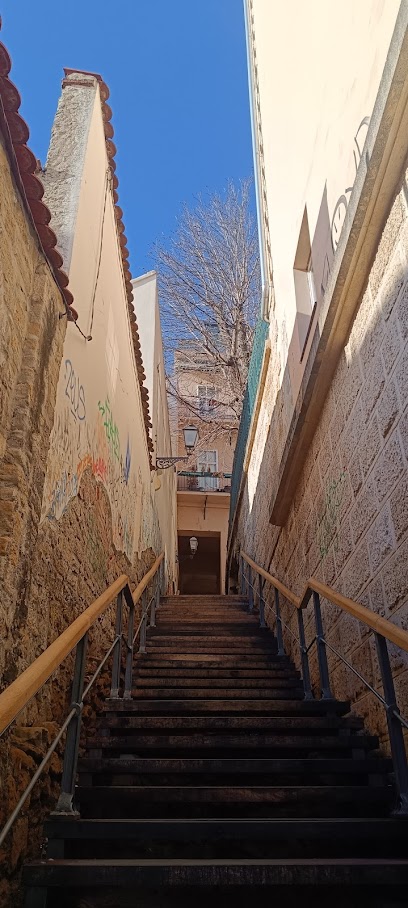
The Small Steps
0.2 km
Uncover Zagreb's vibrant history at The Small Steps, a captivating historical landmark reflecting the city's rich cultural heritage.
Croatian Institute of History
0.3 km
Explore Croatia's rich past at the Croatian Institute of History in Zagreb, a leading research center housed in a beautiful historic palace.
Church of the Transfiguration of the Lord
0.3 km
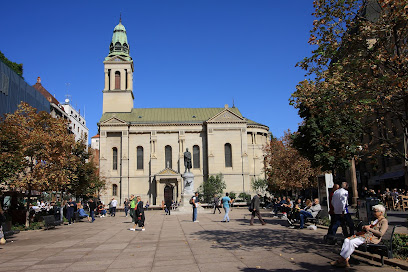
Explore the breathtaking beauty and rich history of the Church of the Transfiguration of the Lord in Zagreb, a spiritual gem of Orthodox architecture.
Statue of Kumica Barica
0.3 km
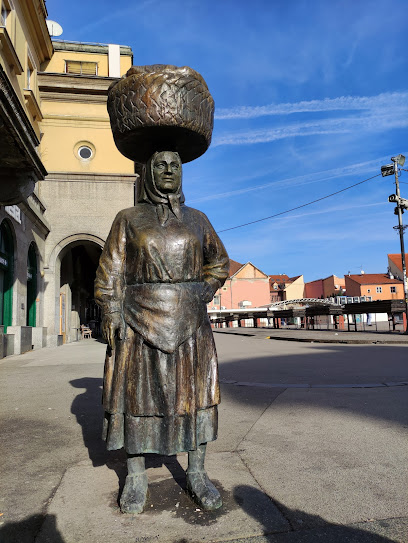
Explore the iconic Statue of Kumica Barica in Zagreb, a symbol of Croatian culture set in a vibrant market atmosphere.
Unmissable attractions to see

Museum of Broken Relationships
0.0 km
Discover the poignant stories of love and loss at the Museum of Broken Relationships, a unique Zagreb attraction that invites emotional exploration.
Upper Town
0.1 km
Explore the charming streets and historical landmarks of Zagreb's Upper Town, where history and culture meet in a picturesque urban landscape.
Guía de Zagreb
0.1 km
Explore Zagreb's rich history, vibrant culture, and captivating architecture in Croatia's charming capital city.
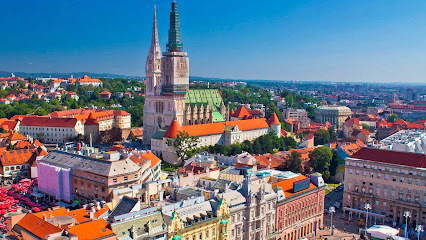
Lotrščak Tower
0.1 km
Discover the historic Lotrščak Tower in Zagreb, a fortress with breathtaking views and rich cultural heritage, perfect for every tourist's itinerary.
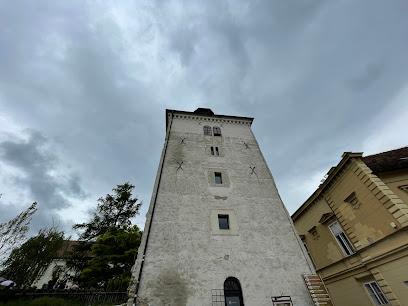
Strossmayerovo šetalište 7
0.1 km
Discover the beauty of Strossmayerovo Šetalište, a scenic promenade in Zagreb, offering stunning views, vibrant culture, and a perfect spot for relaxation.
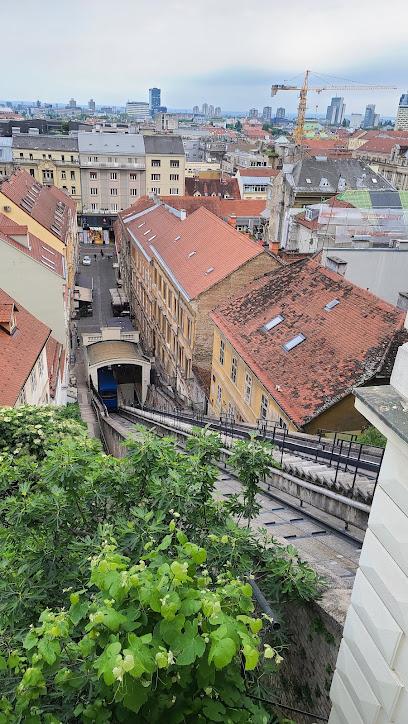
Strossmayerovo šetalište
0.1 km
Explore Strossmayerovo Šetalište, a picturesque promenade in Zagreb offering stunning views, historical charm, and a vibrant cultural scene.
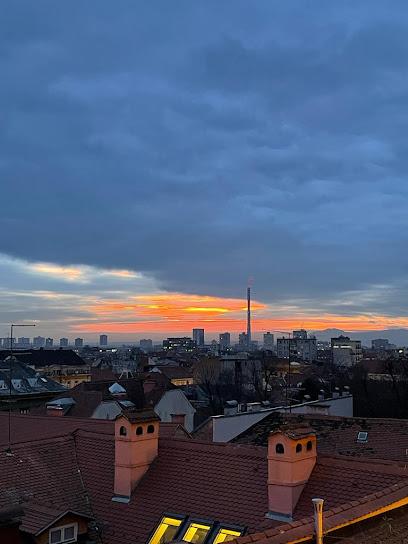
Saint Catherine’s Church
0.1 km
Explore the rich history and stunning baroque architecture of Saint Catherine’s Church, a must-see tourist attraction in the heart of Zagreb.
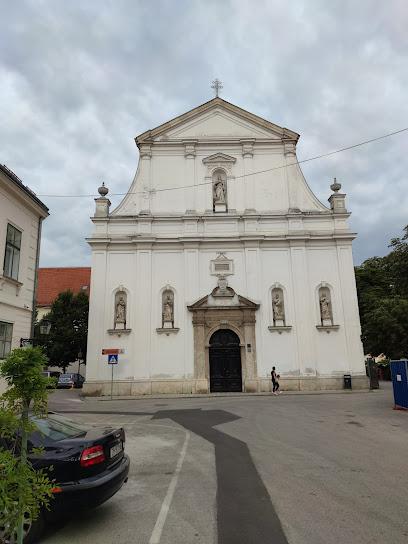
Croatian History Museum
0.1 km
Explore Croatia's rich history at the Croatian History Museum in Zagreb, showcasing a diverse array of artifacts and exhibitions.
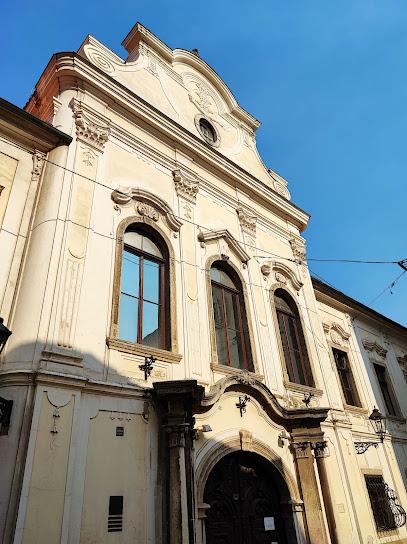
Klovićevi Dvori Gallery
0.1 km
Explore Klovićevi Dvori Gallery, a cultural gem in Zagreb featuring stunning art exhibitions and a rich tapestry of Croatian and international artistry.
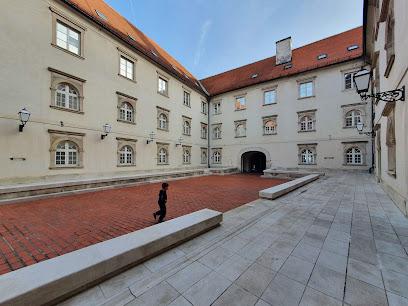
Strossmayer Promenade
0.1 km
Explore the picturesque Strossmayer Promenade in Zagreb, where stunning views, vibrant culture, and delightful local cuisine await every visitor.
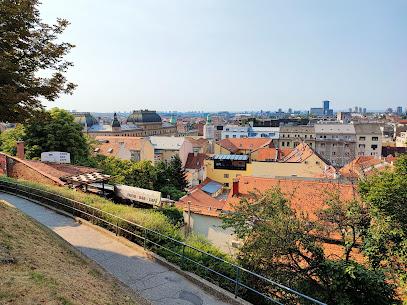
Saint Mark’s Church
0.1 km
Explore the architectural marvel of Saint Mark’s Church in Zagreb, a historical basilica known for its colorful tiled roof and cultural significance.
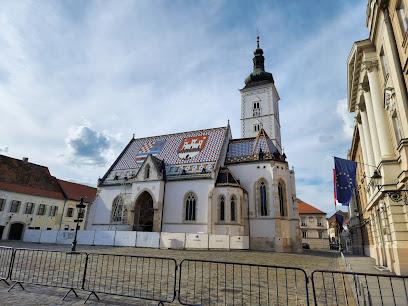
Zakmardi Steps
0.2 km
Explore the enchanting Zakmardi Steps in Zagreb, a vibrant staircase adorned with art, history, and stunning views of Croatia's capital city.
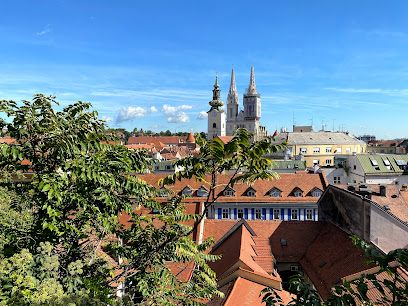
Stone Gate
0.2 km
Experience the historic Stone Gate in Zagreb, a captivating gateway reflecting the city's medieval charm and cultural heritage.
Tunel Grič
0.2 km
Discover the captivating history and unique artistry of Tunel Grič, Zagreb's hidden underground gem that offers a surreal experience beneath the city.
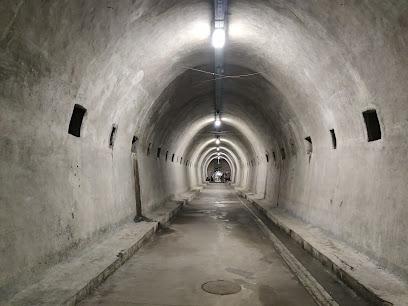
Art park
0.2 km
Explore the vibrant Art Park in Zagreb, where creativity and nature combine to create a unique cultural experience for all visitors.

Essential places to dine

Bistro Vještica
0.1 km
Experience authentic Croatian cuisine at Bistro Vještica in Zagreb, where local flavors meet a cozy atmosphere for an unforgettable dining experience.
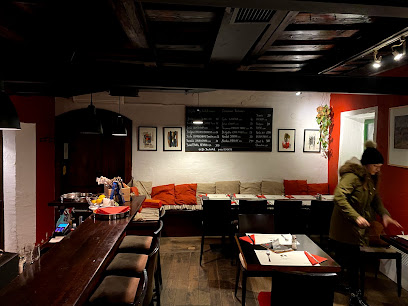
Restaurant Konoba Time4wine Zagreb Gornji Grad (Tradicional food/Sea food/Pasta/Pizza/Grill)
0.1 km
Experience authentic Croatian flavors with traditional dishes and exquisite wines at Restaurant Konoba Time4wine in Zagreb's historic Gornji Grad.
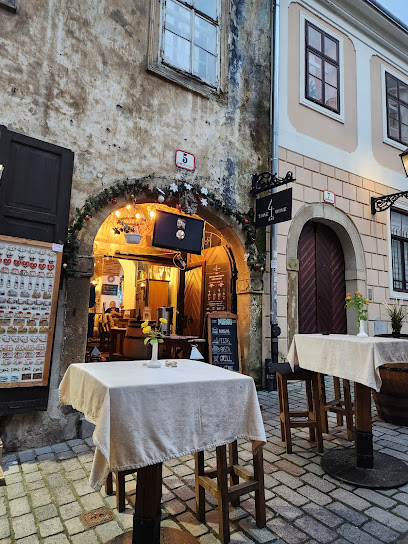
Restoran Uspinjača
0.2 km
Discover Restoran Uspinjača in Zagreb - where traditional Croatian flavors meet modern culinary excellence in a charming atmosphere.
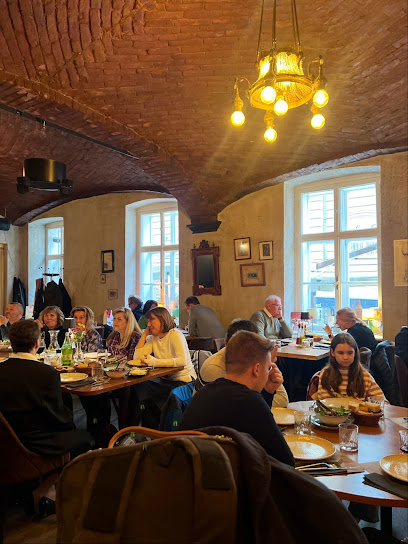
Mio Corazon
0.2 km
Discover Mio Corazon in Zagreb: where vibrant atmosphere meets delicious cuisine and handcrafted cocktails.
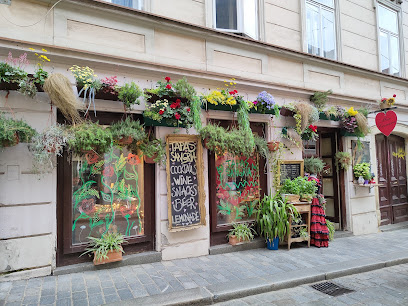
Restaurant All Saints
0.2 km
Experience the culinary delight at Restaurant All Saints - where tradition meets modern cuisine in the heart of Zagreb.
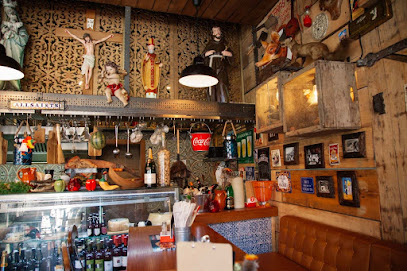
Konoba Didov san
0.2 km
Experience authentic Croatian flavors at Konoba Didov san in Zagreb—where tradition meets taste in every dish.
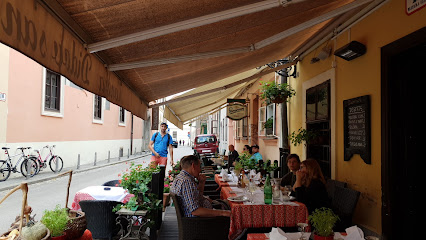
Submarine Burger Tkalčićeva
0.2 km
Experience gourmet burgers at Submarine Burger Tkalčićeva in Zagreb - where quality meets flavor in every bite.
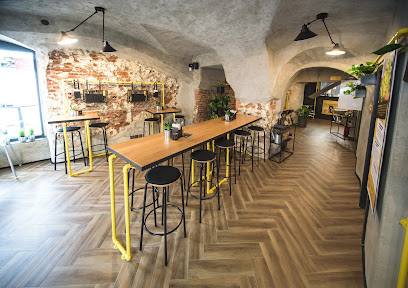
Otto & Frank
0.2 km
Discover Zagreb's culinary delight at Otto & Frank Bistro - perfect for breakfast, brunch and experiencing authentic Croatian flavors.
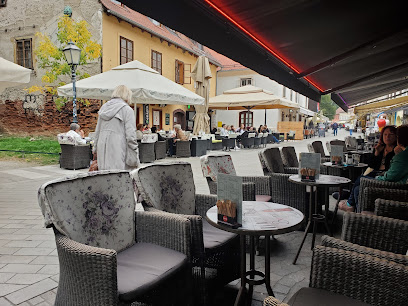
L' oro di Napoli
0.3 km
Discover authentic Neapolitan cuisine at L' oro di Napoli in Zagreb - where every dish tells a story.
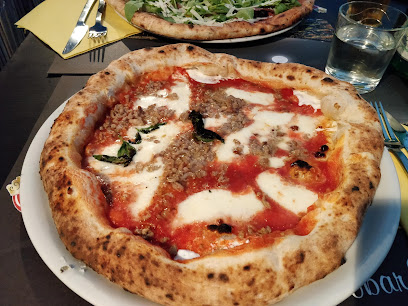
Stari Fijaker
0.3 km
Experience authentic Croatian cuisine at Stari Fijaker in Zagreb – where every dish tells a story.
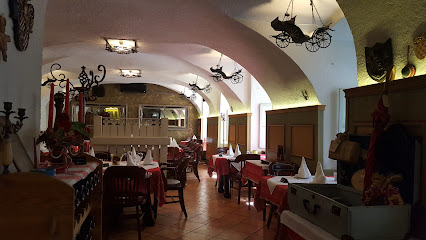
Curry Bowl
0.3 km
Experience authentic Sri Lankan cuisine at Curry Bowl in Zagreb – where every dish tells a story.
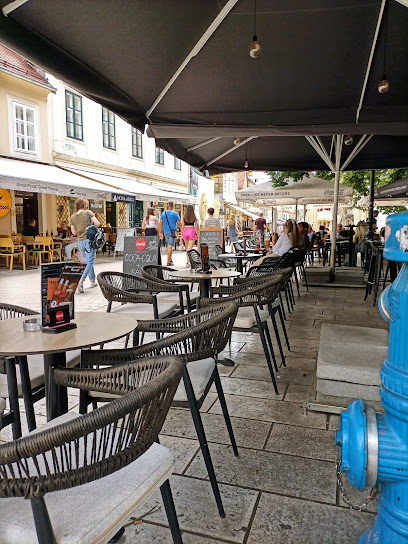
Nokturno
0.3 km
Experience authentic Croatian cuisine at Nokturno in Zagreb – where every dish tells a story of local tradition.
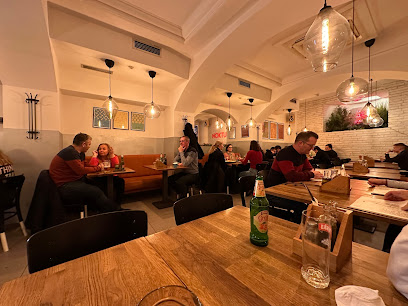
La Štruk
0.3 km
Discover authentic Croatian cuisine at La Štruk in Zagreb, where traditional flavors meet modern dining experiences.
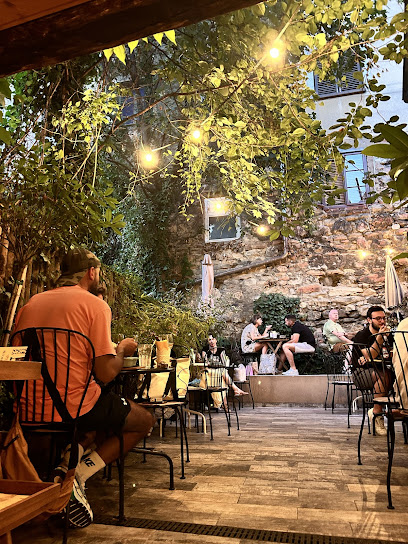
Amfora
0.3 km
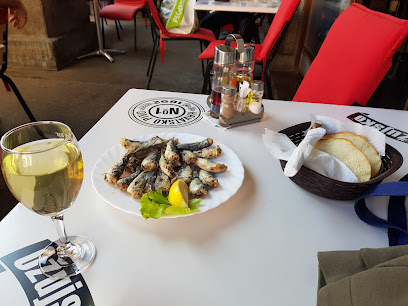
Experience the finest seafood at Amfora in Zagreb's Dolac market - where tradition meets taste in every dish.
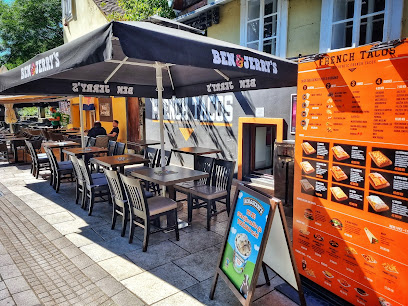
French Tacos
0.3 km
Discover the delightful fusion of French cuisine and Mexican flavors at French Tacos in Zagreb's bustling heart.
Markets, malls and hidden boutiques

Style IQ
0.2 km
Experience the essence of Zagreb's fashion scene at Style IQ, a boutique offering unique styles and personalized service in the heart of the city.

Take Me Home - Croatian Design Shop -
0.2 km
Discover unique Croatian gifts at Take Me Home - a vibrant shop in Zagreb showcasing local craftsmanship and creativity.
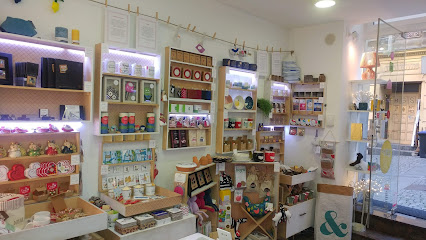
Brix Zagreb - House of Spirits
0.2 km
Explore the exquisite offerings of Brix Zagreb - House of Spirits, your go-to destination for artisan chocolates, cigars, and unique Croatian souvenirs.
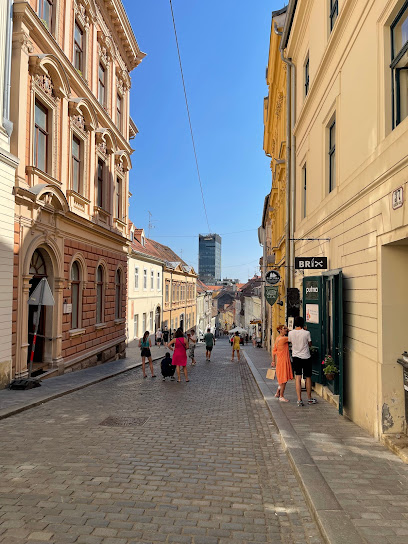
Galerie Ana
0.2 km
Discover a shopping paradise at Galerie Ana, where local charm meets global style in the heart of Zagreb.
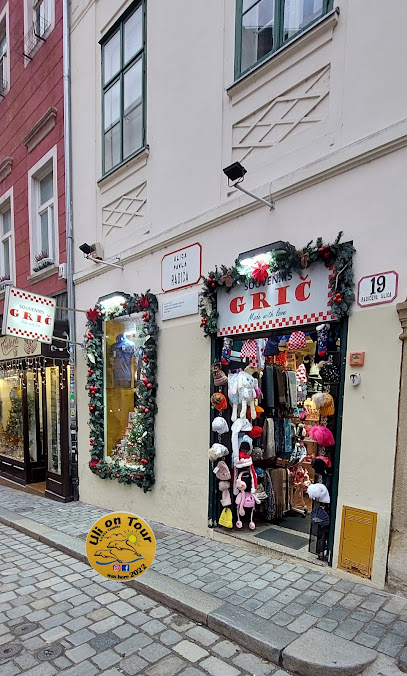
Souvenirs Gric
0.2 km
Explore Souvenirs Gric in Zagreb for unique and authentic Croatian gifts, perfect keepsakes from your travels.
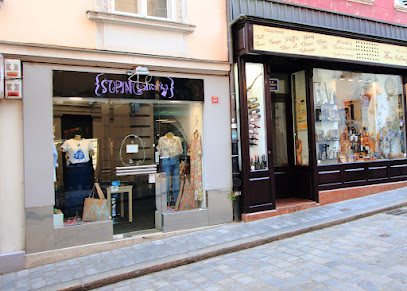
Šopingholičarka
0.2 km
Discover the unique fashion offerings at Šopingholičarka, a trendy clothing store in Zagreb that captures the essence of local fashion culture.
Ornament
0.2 km
Explore a unique blend of local and oriental products at Ornament, the must-visit store in Zagreb for unforgettable souvenirs.
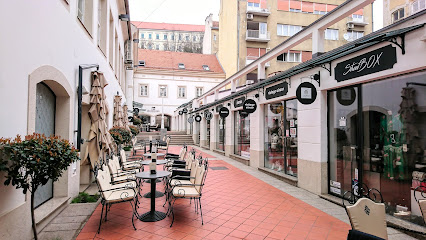
Kredenca Zagreb
0.2 km
Explore Kredenca Zagreb, a hidden gem offering local delicacies and unique gifts, encapsulating the spirit of Croatia in every visit.
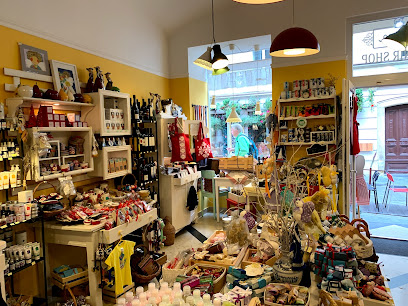
Souvenir Store
0.2 km
Explore unique souvenirs and local crafts in Zagreb's charming souvenir store, perfect for capturing the essence of your Croatian adventure.
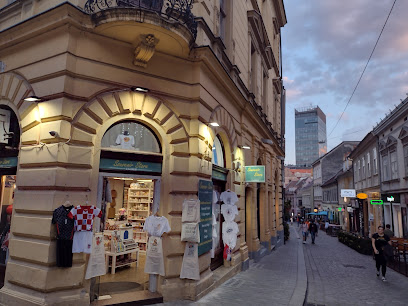
Souvenirs & more ZAGREB
0.2 km
Explore the heart of Zagreb at Souvenirs & more ZAGREB, your destination for unique gifts and local treasures that embody Croatian culture.
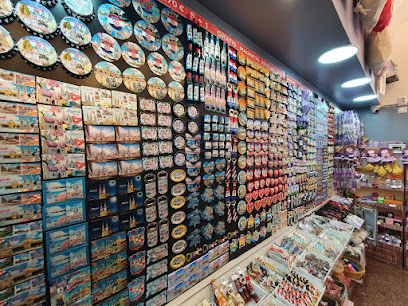
Dida Boža Gift Shop
0.2 km
Explore the charm of Croatia through authentic gifts at Dida Boža Gift Shop, where local crafts meet warm hospitality.
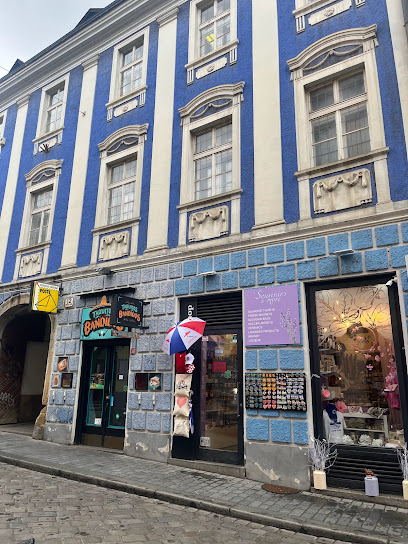
Chypka
0.2 km
Explore Chypka, the premier clothing store in Zagreb, featuring unique Croatian designs and a modern shopping experience.
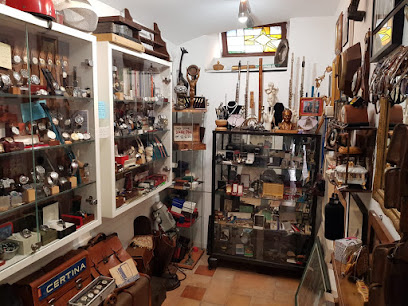
Small Antique Shop Sarađen
0.2 km
Explore a treasure trove of unique antiques and collectibles at Small Antique Shop Sarađen in Zagreb, where history and craftsmanship come alive.
Mašenka
0.2 km
Explore Mašenka in Zagreb for unique gifts and authentic Croatian souvenirs that capture the essence of local craftsmanship.
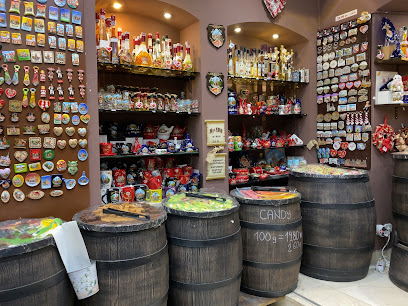
Candy & Souvenir Shop
0.3 km
Explore Zagreb's Candy & Souvenir Shop for delightful treats and unique keepsakes that celebrate the flavors and culture of Croatia.
Essential bars & hidden hideouts

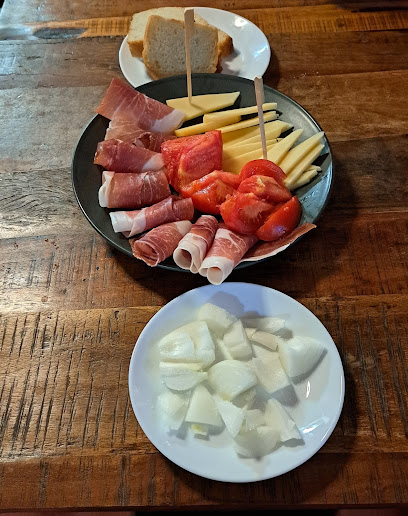
Tava Pub - Bar & Bistro
0.1 km
Discover the charm of Tava Pub in Zagreb, a vibrant bar and bistro with a cozy atmosphere, serving delicious local cuisine and drinks.
K' Štrossu
0.1 km
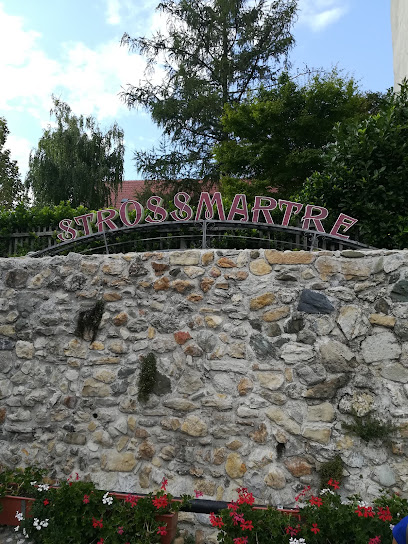
Discover K' Štrossu, a charming bar in Zagreb offering stunning views, local drinks, and a perfect atmosphere for unwinding after exploring the city.
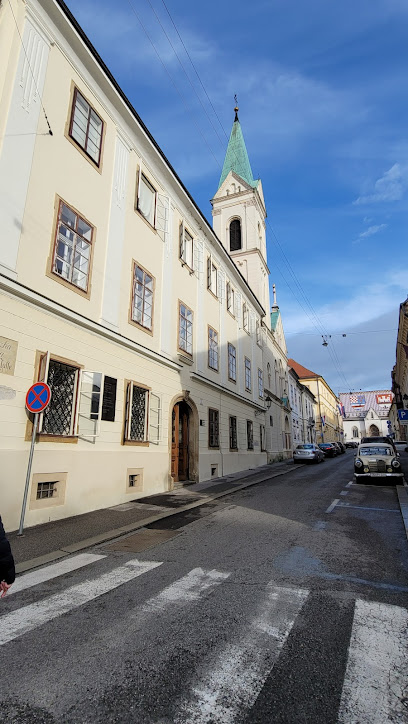
ROOTS
0.2 km
Explore ROOTS, Zagreb's vibrant cocktail bar and vegan restaurant, where creative drinks and delicious dishes await in a lively atmosphere.
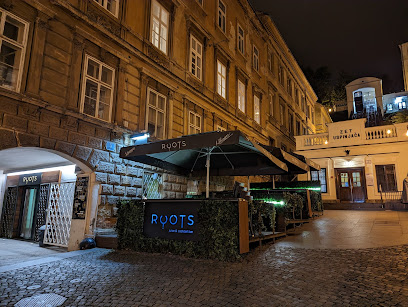
Valhalla beer bar
0.2 km
Experience the best of Zagreb's craft beer scene at Valhalla Beer Bar, where unique brews meet vibrant nightlife.
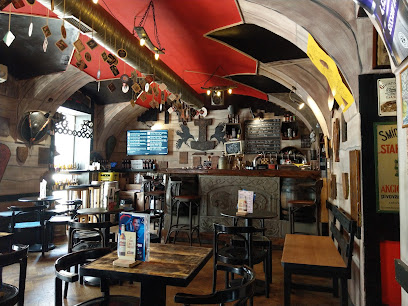
Caffe bar Crni mačak
0.2 km
Experience the vibrant local culture at Caffe Bar Crni Mačak in Zagreb, where great drinks and live music create an unforgettable atmosphere.
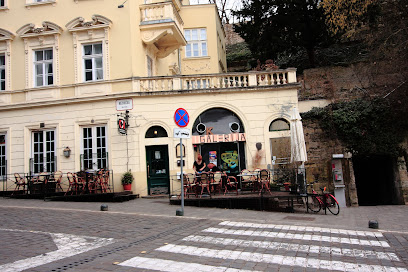
Rock&beer club Alcatraz
0.2 km
Experience the electrifying nightlife of Zagreb at Rock&Beer Club Alcatraz, where live music and cabaret come together for unforgettable evenings.
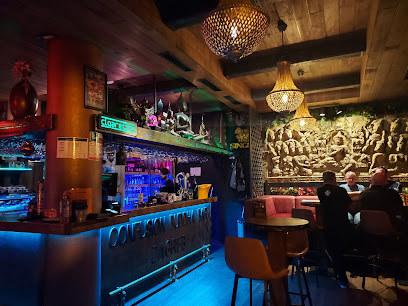
Caffe & Coktail bar Enigma
0.2 km
Discover the vibrant nightlife at Caffe & Cocktail bar Enigma, where delicious drinks and a cozy atmosphere await in the heart of Zagreb.
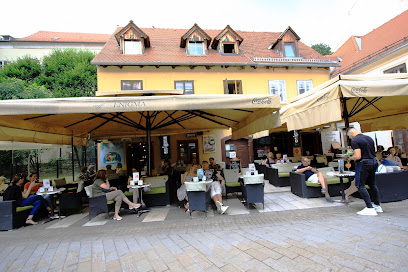
Krolo
0.2 km
Discover Krolo, a vibrant bar in Zagreb, where locals and tourists meet to enjoy a fine selection of drinks and a lively atmosphere.
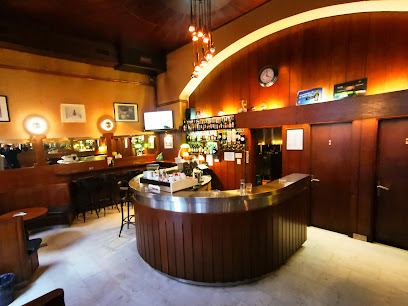
OUT Rooftop
0.2 km
Discover the breathtaking views and vibrant nightlife at OUT Rooftop, Zagreb's premier cocktail bar, perfect for unforgettable moments.
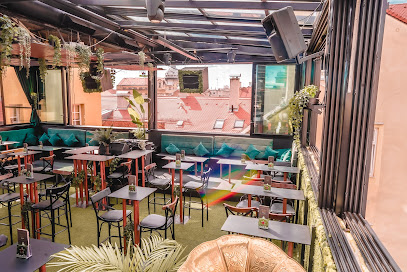
Ožujsko Pub Tkalča
0.2 km
Experience the vibrant nightlife of Zagreb at Ožujsko Pub Tkalča, where local brews and a lively atmosphere await.
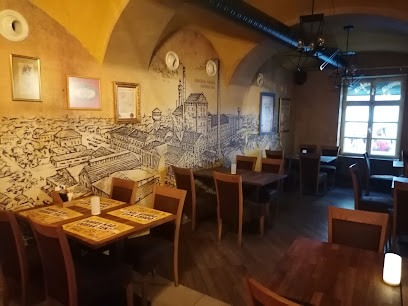
Pivnica Pinta
0.3 km
Experience the best of local brews and a welcoming atmosphere at Pivnica Pinta, Zagreb's beloved pub and beer garden.
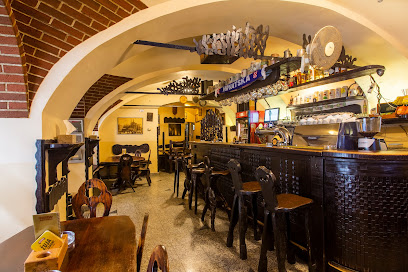
Doma Bar
0.3 km
Discover Doma Bar in Zagreb - where local charm meets vibrant nightlife with exquisite drinks and a lively atmosphere.
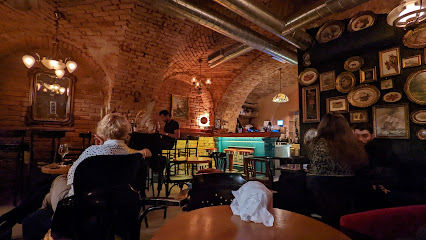
A’e Craft Bar
0.3 km
Discover the vibrant cocktail scene at A’e Craft Bar in Zagreb, where innovative drinks and a charming atmosphere await every visitor.
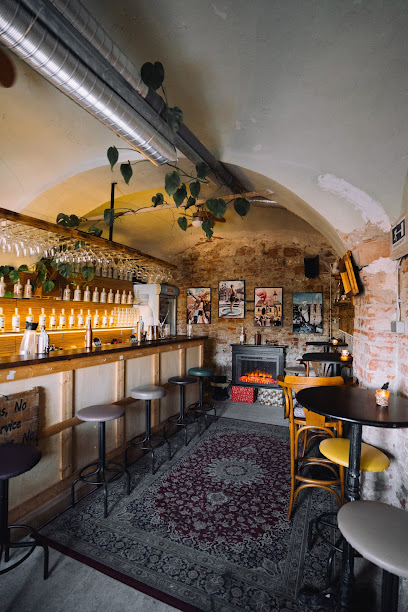
Diplomatico Gin & Rum Bar
0.3 km
Explore the vibrant nightlife of Zagreb at Diplomatico Gin & Rum Bar, a haven for gin and rum lovers with a chic atmosphere.
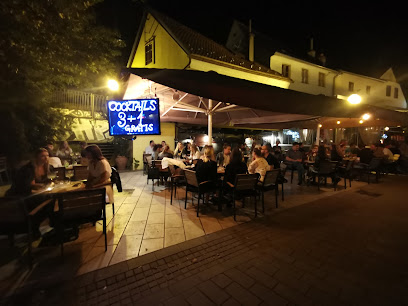
Rakhia Bar
0.3 km
Experience the vibrant nightlife of Zagreb at Rakhia Bar, where local spirits and a lively atmosphere await.