

Free Posavina Travel Guide & Mobile App
Explore Posavina with free travel guides. Discover regional history, expert tips, proposed trips, and audio guides on web or mobile app.


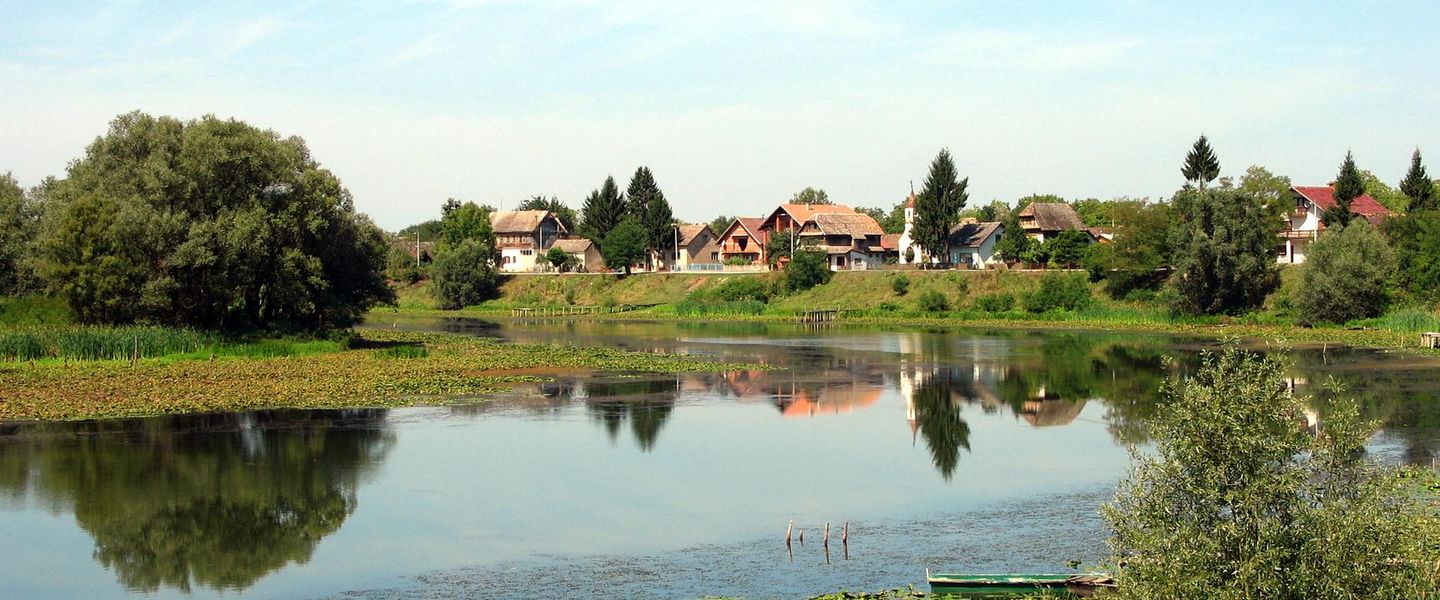


Discover Croatian Posavina through Sava landscapes, wetland villages, timber houses, Sisak heritage and Slavonian food traditions.
Read more about Posavina
Getting to and around Posavina
How to get there
Transportation
Best attractions in Posavina
Posavina’s attractions are shaped by the Sava floodplain and the communities that have adapted to it. Lonjsko polje Nature Park is the region’s principal natural draw, offering wet meadows, oxbow waters, riparian woodland and important bird habitats rather than conventional amusement-style attractions. The villages of Krapje and Čigoč provide access to traditional timber architecture, local rural history and the stork-rich landscape for which the area is known. Sisak offers a more urban combination of Roman archaeology, riverside history, museums and the surviving fortress, while Slavonski Brod contributes a major military and civic heritage setting. Across the countryside, visitors can find cycling roads, birdwatching locations, walking opportunities and seasonal boating or fishing experiences where conditions and regulations permit. Family farms and rural households add insight into food production and lowland customs. The attraction landscape is dispersed, so the most satisfying itineraries combine one or two principal sites with smaller villages, landscape viewpoints and time outdoors rather than relying on a single compact sightseeing centre.
-
Tourist attraction
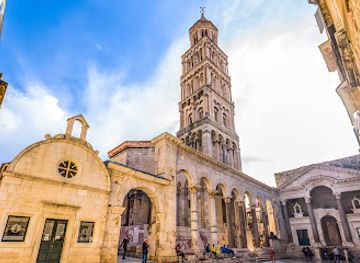
Diocletian's Palace
Explore the magnificent Diocletian's Palace in Split, Croatia, a UNESCO World Heritage site rich in history, architecture, and vibrant culture.
-
Tourist attraction
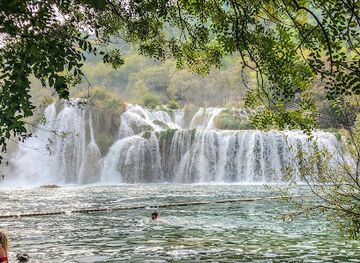
Skradinski Buk waterfall
Experience the breathtaking beauty of Skradinski Buk waterfall, a must-see gem in Krka National Park, Croatia.
-
Tourist attraction
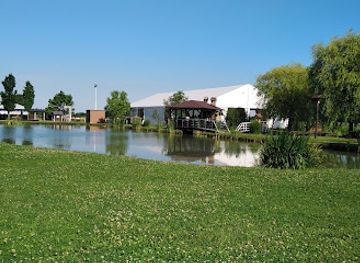
Ranč Ramarin
Explore the natural beauty and cultural heritage of Croatia at Ranč Ramarin, a captivating tourist attraction in Garčin.
-
Tourist attraction
"Old Village" Kumrovec
Explore the historical essence of Croatia at Old Village Kumrovec, a captivating open-air museum showcasing traditional rural life and culture.
Best landmarks in Posavina
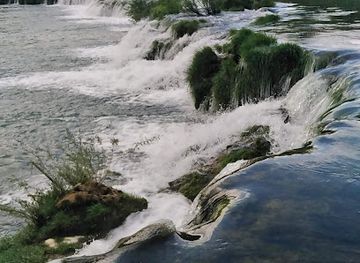
The Sava, Kupa and Odra waterways are Posavina’s defining natural landmarks, creating the low, shifting landscape that governs settlement, farming and wildlife. In Sisak, the sixteenth-century Sisak Fortress is the region’s most important defensive monument and a reminder of the Ottoman–Habsburg frontier; the town’s river confluence also explains its long strategic and commercial importance. Lonjsko polje is a landmark on a larger scale, its open floodplain and wooded channels representing a distinctive European wetland landscape. Krapje’s timber houses are significant examples of traditional Posavina architecture, while Čigoč is closely associated with the region’s stork population and village setting. Farther east, the seventeenth- and eighteenth-century Brod Fortress in Slavonski Brod is one of Croatia’s major preserved military complexes, with ramparts and bastions that reflect the planned frontier town of the Habsburg era. These places are linked by the Sava corridor but are separated by enough distance to merit separate visits.
-
National park
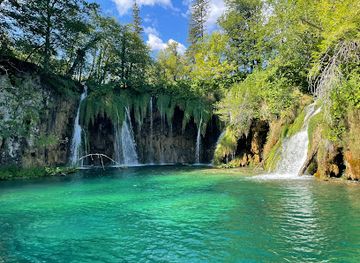
Plitvice Lakes National Park
Discover Plitvice Lakes National Park: a mesmerizing landscape of turquoise lakes, cascading waterfalls, and lush forests in the heart of Croatia.
-
Historical landmark
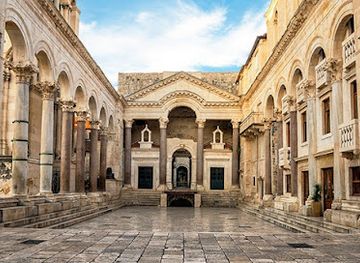
Diocletian's Palace
Explore Diocletian's Palace in Split: a unique blend of ancient Roman history and vibrant modern life within a UNESCO World Heritage site.
-
Tourist attraction
Sea Organ
Experience the enchanting melodies of the Adriatic Sea as the waves create unique harmonies at Zadar's one-of-a-kind Sea Organ.
-
National park
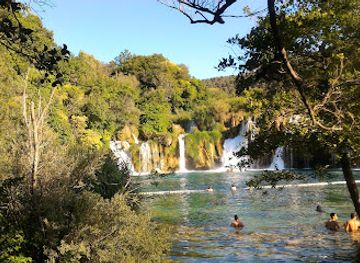
Krka National Park
Experience the breathtaking beauty of Krka National Park, Croatia's stunning national park known for its waterfalls, rich biodiversity, and serene landscapes.

Explore Posavina on the map
Plan your trip on one map. See where the top cities, national parks and sights are, and book hotels and experiences in a few clicks.
Best hotels in Posavina
Best restaurants in Posavina
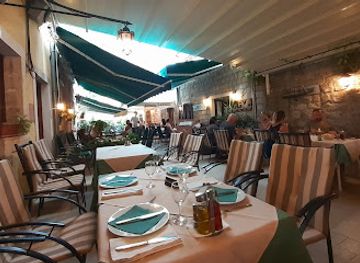
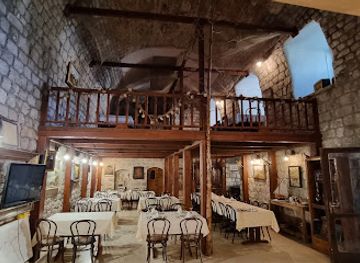
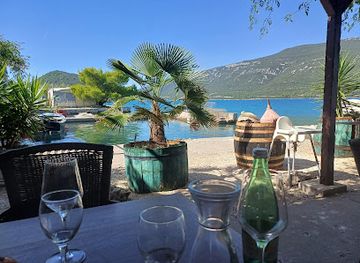
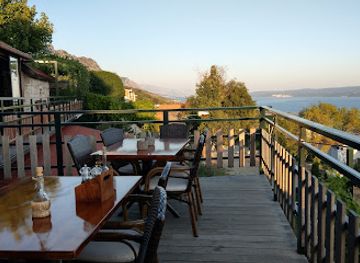
Dining in Posavina reflects the Sava valley’s agricultural and riverine setting. Menus in towns, rural inns and family-run households may include freshwater fish, carp, pork, sausages, beans, cabbage, paprika-based stews and seasonal vegetables. In the eastern part of the region, Slavonian and Šokac influences are especially apparent in substantial meat dishes, cured products, homemade noodles and festive pastries. Around Sisak and the villages of Lonjsko polje, simple meals based on local produce and fish are a useful complement to visits through the wetlands. Croatian staples such as čobanac, a slow-cooked meat stew, and various grilled or baked dishes are also encountered, although their presence is not exclusive to Posavina. Look for farmers’ products, preserves, honey, spirits and traditional cakes at rural households and markets, while town restaurants offer a wider choice of contemporary Croatian and international cooking. Menus can be seasonal, and smaller establishments may require advance arrangements.
-
Restaurant
Konoba Bakus
Discover the flavors of Croatia at Konoba Bakus in Ston - a culinary gem showcasing local ingredients and traditional recipes.
-
Restaurant
Bota Šare Mali Ston restaurant & oyster bar
Experience exquisite seafood at Bota Šare in Mali Ston – where fresh oysters meet stunning bay views.
-
Restaurant
Seosko domaćinstvo Ficović
Discover authentic Croatian cuisine at Seosko domaćinstvo Ficović in Ston, where fresh ingredients meet traditional recipes.
-
Restaurant
Konoba Bajso
Discover authentic Dalmatian cuisine at Konoba Bajso in Jesenice - where fresh ingredients meet warm hospitality.
Best bars in Posavina
Evening life in Posavina is centred on cafés, traditional pubs, restaurants and local social events rather than a large club circuit. Sisak has the broadest urban choice, with riverside and town-centre venues where residents meet for coffee, conversation, beer or live music. Slavonski Brod provides a more substantial evening scene, including cafés, bars and occasional cultural or music programming, while smaller Sava settlements generally become quiet after dinner. Rural inns and family farms may offer a convivial evening when hosting meals or seasonal celebrations, but arrangements and hours vary. Tambura music and folk events can be more important locally than formal nightlife venues, particularly in communities with strong Slavonian traditions. Visitors should not expect late-night entertainment in wetland villages, where the appeal lies in dark skies, quiet river landscapes and early-morning nature excursions.
-
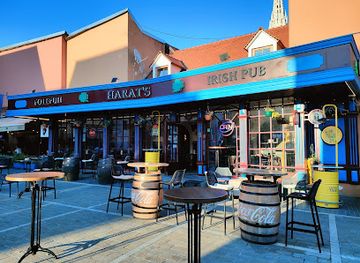
Irish pub
Harat's Pub
Discover the warmth of Irish culture in the heart of Zagreb at Harat's Pub, where great food, drinks, and friendly faces await.
-
Pub
The Beertija
Experience the vibrant nightlife of Zagreb at The Beertija, a lively pub offering diverse drinks and entertainment in a welcoming atmosphere.
-
Bar
The Swanky Bar
Experience the vibrant nightlife of Zagreb at The Swanky Bar, where expertly crafted cocktails meet a chic atmosphere.
-
Jazz
Bacchus jazz bar
Experience the vibrant atmosphere and live jazz music at Bacchus Jazz Bar, the heart of Zagreb's nightlife with an affordable drink selection.
Best nightclubs in Posavina
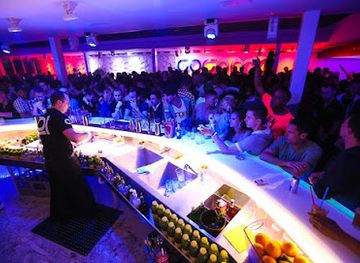
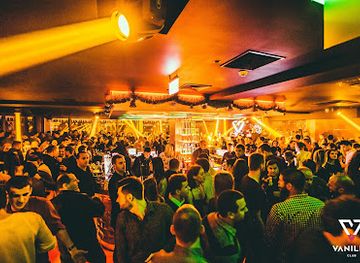
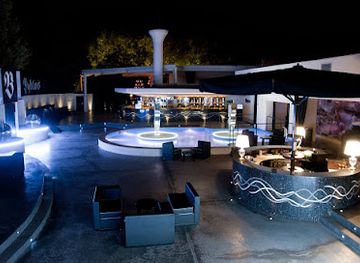
Evening life in Posavina is centred on cafés, traditional pubs, restaurants and local social events rather than a large club circuit. Sisak has the broadest urban choice, with riverside and town-centre venues where residents meet for coffee, conversation, beer or live music. Slavonski Brod provides a more substantial evening scene, including cafés, bars and occasional cultural or music programming, while smaller Sava settlements generally become quiet after dinner. Rural inns and family farms may offer a convivial evening when hosting meals or seasonal celebrations, but arrangements and hours vary. Tambura music and folk events can be more important locally than formal nightlife venues, particularly in communities with strong Slavonian traditions. Visitors should not expect late-night entertainment in wetland villages, where the appeal lies in dark skies, quiet river landscapes and early-morning nature excursions.
-
Night club
Noa Beach Club
Experience electrifying nightlife at Noa Beach Club on Zrce Beach, blending stunning views with vibrant music and a lively crowd.
-
Disco club
Cocomo Club
Discover the electrifying nightlife at Cocomo Club in Novalja, where music, dancing, and vibrant energy create unforgettable evenings.
-
Night club
Vanilla Club
Discover the electrifying nightlife of Split at Vanilla Club, where vibrant music, a lively atmosphere, and unforgettable moments await.
-
Night club
Byblos - Porec - Croatia
Byblos Poreč: Your Gateway to an Unforgettable Night of Music and Dance on the Adriatic Coast.

Best shops in Posavina
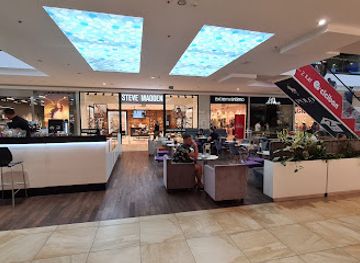
Shopping in Posavina is primarily local and practical rather than centred on large designer districts. Sisak and Slavonski Brod have the widest selection of high-street shops, supermarkets, galleries and everyday services, while smaller market towns and village markets are better for seasonal produce and direct contact with local growers. In and around Lonjsko polje, look for honey, preserves, spirits, dried foods and other farm products when available through established households or visitor facilities. Traditional wooden architecture, folk costumes and rural crafts provide inspiration for locally made souvenirs, although stock varies considerably by season. Regional food products are often more distinctive purchases than mass-produced memorabilia: paprika products, sausages, cakes, honey and pantry goods travel well when packaged appropriately. Do not assume every nature-park village has regular retail facilities; carry essentials with you and check arrangements before travelling into the more remote floodplain.
-
Shopping mall
Mall of Split
Explore the Mall of Split: your ultimate shopping and dining destination in Croatia, offering a blend of local charm and global brands.
-
Shopping mall
Supernova Zadar
Experience the best of shopping and dining at Supernova Zadar, a must-visit destination for tourists in Croatia.
-
Outlet mall
Designer Outlet Croatia
Discover unbeatable deals on international brands at Designer Outlet Croatia, the ultimate shopping destination near Zagreb.
-
Shopping mall
K Centar Sub City
Discover the ultimate shopping experience at K Centar Sub City in Srebreno, Croatia, where fashion, dining, and entertainment come together.

Get your free copy of our complete guide to Posavina, delivered straight to you.
Everything on this page, from attractions and restaurants to essentials and local phrases, in one PDF you can read offline, print or share.
Already have an account? Sign in
Your Posavina guide is ready.
We'll send it to · Not you? Sign out

Getting your guide ready…
We are putting together a fresh copy of the Posavina guide. This can take up to a minute.
This can take a few moments. If your browser asks, choose Allow so the download can start. You'll find the guide in your Downloads folder.
Nothing happened? Download it again
Sorry, the guide is taking longer than usual. Please try again in a minute, or get it by email instead.
Posavina essentials
Currency and Payment
Safety
Emergency Situations
Do's and Don'ts
Local Tips
From Eve
Local phrases worth knowing
You don't need to get them perfect. A few words go a long way, and locals appreciate the effort.
Basics
| English | Local | Say it |
|---|---|---|
| Hello | Bok | [Bok] |
| Goodbye | Doviđenja | [Doviđenja] |
| Yes | Da | [Da] |
| No | Ne | [Ne] |
| Please/You're welcome | Molim | [Molim] |
| Thank you | Hvala | [Hvala] |
| Excuse me/Sorry | Oprostite | [Oprostite] |
| How are you? | Kako ste? | [Kako ste?] |
| Fine. And you? | Dobro. A vi? | [Dobro. A vi?] |
| Do you speak English? | Govoriš li engleski? | [Govoriš li engleski?] |
| I don't understand | Ne razumijem | [Ne razumijem] |
Eating & Drinking
| English | Local | Say it |
|---|---|---|
| I'd like to see the menu, please | Mogu li vidjeti meni, molim? | [Mogu li vidjeti meni, molim?] |
| I don't eat meat | Ne jedem meso | [Ne jedem meso] |
| Cheers! | Živjeli! | [Živjeli!] |
| I would like to pay, please | Želio bih platiti, molim | [Želio bih platiti, molim] |
Emergencies
| English | Local | Say it |
|---|---|---|
| Help! | Upomoć! | [Upomoć!] |
| Go away! | Ode! | [Ode!] |
| Call the Police! | Zovite policiju! | [Zovite policiju!] |
| Call a doctor! | Zovite doktora! | [Zovite doktora!] |
| I'm lost | Izgubio/la sam se | [Izgubio/la sam se] |
| I'm ill | Bolestan/na sam | [Bolestan/na sam] |
Shopping
| English | Local | Say it |
|---|---|---|
| I'd like to buy... | Želim kupiti... | [Želim kupiti...] |
| I'm just looking | Samo gledam | [Samo gledam] |
| How much is it? | Koliko to košta? | [Koliko to košta?] |
| That's too expensive | To je previše skupo | [To je previše skupo] |
| Can you lower the price? | Možeš li smanjiti cijenu? | [Možeš li smanjiti cijenu?] |
Time & Numbers
| English | Local | Say it |
|---|---|---|
| What time is it? | Koliko je sati? | [Koliko je sati?] |
| It's one o'clock | Jedan je sat | [Jedan je sat] |
| Half past (10) | Pola (11) | [Pola (11)] |
| Morning | Jutro | [Jutro] |
| Afternoon | Poslijepodne | [Poslijepodne] |
| Evening | Večer | [Večer] |
| Yesterday | Juče | [Juče] |
| Today | Danas | [Danas] |
| Tomorrow | Sutra | [Sutra] |
| 1 | 1 | [1] |
| 2 | 2 | [2] |
| 3 | 3 | [3] |
| 4 | 4 | [4] |
| 5 | 5 | [5] |
| 6 | 6 | [6] |
| 7 | 7 | [7] |
| 8 | 8 | [8] |
| 9 | 9 | [9] |
| 10 | 10 | [10] |
Transport & Directions
| English | Local | Say it |
|---|---|---|
| Where's a/the...? | Gdje je...? | [Gdje je...?] |
| What's the address? | Koja je adresa? | [Koja je adresa?] |
| Can you show me (on the map)? | Možeš li mi pokazati (na karti)? | [Možeš li mi pokazati (na karti)?] |
| When's the next (bus)? | Kada je sljedeći (autobus)? | [Kada je sljedeći (autobus)?] |
| A ticket (to ....) | Jedna karta (do ...) | [Jedna karta (do ...)] |
History of Posavina
Prehistoric and Roman River Settlements
The Sava corridor has attracted settlement since prehistoric times because its water, fertile soils and transport possibilities connected the interior of the Balkans with the wider Danube basin. The Roman town of Siscia, at modern Sisak, became one of the most important settlements in the area. Positioned near the confluence of the Sava, Kupa and Odra, it developed as a military, administrative and commercial centre. Archaeological remains and museum collections in Sisak preserve evidence of Roman urban life, coinage, craft production and river commerce, establishing a historical pattern that continued through later periods.
Medieval Borderlands and River Trade
During the medieval period, the Sava lowlands were divided among changing political and ecclesiastical authorities, with settlements shaped by agriculture, river crossings and trade routes. Sisak retained strategic importance, while villages and market centres developed around estates, churches and transport links. The flood-prone landscape encouraged dispersed settlement and practical building traditions. Although much of the medieval fabric has been altered, the region’s later fortifications, town plans and rural customs retain traces of its position between central Croatian lands, Slavonia and the wider frontier zone.
The Ottoman Frontier and the Defence of Sisak
From the sixteenth century, much of the Sava basin lay close to the military frontier between Habsburg and Ottoman territories. The Battle of Sisak in 1593, fought near the confluence of the Kupa and Sava, was a major Habsburg victory over Ottoman forces and became an important episode in Croatian and wider European frontier history. The Sisak Fortress, built in the sixteenth century, reflects the era’s defensive pressures. Fortified settlements, military roads and population movements reshaped the region for generations.
Habsburg Administration and Posavina Rural Society
Under Habsburg rule, the Sava valley was increasingly integrated into administrative, military and commercial systems linking Croatia with Slavonia and the wider Monarchy. Rural communities combined crop cultivation, livestock keeping, fishing and the use of floodplain resources. The distinctive wooden houses of Posavina developed within this agricultural society, using timber and adaptable layouts suited to local conditions. In eastern areas, Šokac cultural traditions became especially visible through dialect, costume, music and village customs that remain part of the region’s cultural identity.
Nineteenth-Century Transport and Industrial Change
The nineteenth century brought stronger connections between Posavina’s river settlements and the expanding transport network of the Habsburg lands. Roads, railways and improved river navigation encouraged the growth of trade and helped towns such as Sisak develop industrial functions. Sisak became associated with metalworking, food processing, river transport and later oil-related industry, while Slavonski Brod grew in importance on the major route between central Europe and the eastern Adriatic hinterland. These changes introduced urban employment and new social institutions alongside established rural life.
Twentieth-Century War and Reconstruction
Posavina was affected by the political upheavals and wars that accompanied the dissolution of Yugoslavia in the 1990s. Sisak and other settlements in the Sava basin experienced wartime disruption, while Slavonski Brod was exposed to shelling because of its position near the Bosnian border. Infrastructure, homes and public services required reconstruction after the conflict. Contemporary visitors may encounter memorials and local historical interpretations, but the region’s present identity also reflects environmental conservation, cultural heritage work and the gradual renewal of river towns and rural communities.
Wetland Conservation and Living Heritage
The late twentieth and early twenty-first centuries brought growing recognition of the ecological and architectural value of the Sava floodplain. Lonjsko polje became a protected nature park, while villages such as Krapje and Čigoč gained wider attention for their traditional houses and stork populations. Conservation efforts seek to maintain both habitats and the human practices that shaped them, including grazing and low-intensity agriculture. This approach has made Posavina an important example of landscape heritage in which wildlife, historic buildings and working villages are considered part of the same environment.
Posavina in Photos
Browse through our photo collection highlighting the charm and character of the destination.
Neighbouring regions of Posavina
The closest regions to Posavina, if you have time for more than one.
-

-

-

-

-


Swipe for more regions
Explore more

Explore more of Croatia
Discover Croatia: A Mediterranean paradise with stunning coastlines, ancient cities, and rich cultural heritage. Perfect for beach lovers, history buffs, and nature enthusiasts.
Explore Croatia