
Sta. Catharina, Curacao Travel Guide
Discover the serene beauty and cultural richness of Sta. Catharina in Curaçao, where nature meets heritage in a tranquil village setting.
Sta. Catharina, nestled in the heart of Curaçao, is a charming and tranquil escape from the bustling tourist hubs. This quaint village offers a unique blend of natural beauty and cultural richness, making it a perfect destination for those looking to experience the authentic side of the island. The village is known for its stunning landscapes, including rolling hills, lush greenery, and picturesque views that are ideal for hiking and exploring. Nature enthusiasts will find joy in the local flora and fauna, with several trails leading to breathtaking vantage points. The serene environment also provides a perfect backdrop for relaxation and rejuvenation. Sta. Catharina is also steeped in history and culture. Visitors can explore local heritage sites, traditional architecture, and charming streets that tell the story of the island's past. The warm and welcoming locals add to the village's charm, offering a glimpse into the daily life and traditions of Curaçao. Whether you're seeking adventure, relaxation, or cultural immersion, Sta. Catharina promises a memorable and enriching experience.

Know before you go
Hi, I'm Eve. Here are a few practical things to know before exploring Sta. Catharina.
- Visit during the cooler months between December and April for the best weather.
- Wear comfortable shoes for walking and hiking to explore the scenic trails.
- Bring a camera to capture the stunning landscapes and picturesque views.
- Engage with the locals to learn about the village's history and culture.
- Pack a picnic to enjoy in one of the many serene spots around the village.
Top City Travel Guides in Sta. Catharina
The cities of Sta. Catharina, and the easiest places to base yourself.

Destinations in Sta. Catharina
Resorts, valleys and scenic spots worth a trip of their own.



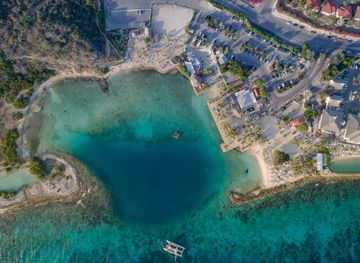
Explore Sta. Catharina: Things to Do, Places to Eat, Hotels & More
Handpicked recommendations for top attractions, local dining, accommodations, and more

Top Attractions & Sightseeing in Sta. Catharina
Top-rated picks
Best Attractions

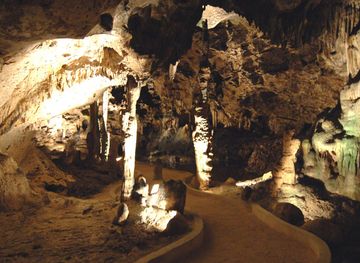
Hato Caves
Explore the mesmerizing Hato Caves in Curaçao: Discover ancient rock formations, hidden pools, and the island's rich history in this stunning subterranean world, easily accessible near the airport.

Curaçao Ostrich Farm
Explore the unique Curaçao Ostrich Farm, where you can interact with ostriches and savor delicious local cuisine in a beautiful natural setting.

Fort Beekenburg
Explore Fort Beekenburg in Curaçao, a historic 18th-century Dutch fort offering panoramic views of Caracas Bay and a glimpse into the island's colonial past, free for all to discover.

The Aloe Vera Farm Curacao
Explore the lush Aloe Vera Farm Curacao, a unique attraction in Willemstad offering educational tours and natural products amidst stunning landscapes.

Best landmarks in Sta. Catharina
Top-rated picks
Best Landmarks

Queen Emma Bridge
Discover the charm of Queen Emma Bridge in Willemstad, Curaçao, a floating bridge connecting cultures and offering stunning views of the vibrant city.

Cas Abao Beach
Experience the pristine beauty of Cas Abao Beach in Curaçao, a tropical paradise with clear waters, vibrant marine life, and perfect relaxation spots.

Curaçao Sea Aquarium
Explore Curaçao's underwater world: diverse marine life, interactive exhibits, and conservation efforts await at the Sea Aquarium.

Hato Caves
Explore the captivating Hato Caves in Curacao, where nature's beauty meets rich cultural history in a breathtaking underground adventure.

Best restaurants in Sta. Catharina
Top-rated picks
Best Restaurants

Zanzibar Beach & Restaurant
Savor exquisite Caribbean cuisine while enjoying breathtaking ocean views at Zanzibar Beach & Restaurant in Curaçao.

Pirate Bay Curaçao Beach Club and Restaurant
Experience tropical bliss at Pirate Bay Curaçao Beach Club – where stunning views meet delectable dining in paradise.
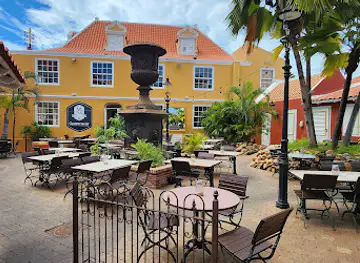
Restaurant & Café Gouverneur De Rouville
Experience culinary excellence at Restaurant & Café Gouverneur De Rouville in Willemstad - where Caribbean flavors meet breathtaking views.

Karakter Beach - Lounge - Restaurant
Experience exquisite dining and breathtaking views at Karakter Beach - your go-to destination for relaxation and culinary delights in Curaçao.

Best bars in Sta. Catharina
Top-rated picks
Best Bars

Hemingway
Experience the vibrant culinary scene at Hemingway in Curaçao, where delicious food, refreshing drinks, and live music await you by the Caribbean shores.

Chill Beach Bar & Grill
Experience the best of Caribbean dining at Chill Beach Bar & Grill in Curaçao, where flavors meet stunning ocean views.

Wet & Wild Beach Club
Discover the ultimate beach experience at Wet & Wild Beach Club in Curaçao, where relaxation meets vibrant entertainment and stunning ocean views.

Netto Bar
Discover the historic charm and lively atmosphere of Netto Bar in Otrobanda, the perfect spot for cocktails and local culture in Curaçao.

Best nightclubs in Sta. Catharina
Top-rated picks
Best Nightclubs

Wet & Wild Beach Club
Experience the lively atmosphere and stunning views at Wet & Wild Beach Club, the perfect spot for relaxation and vibrant nightlife in Curaçao.

Netto Bar
Discover the lively spirit of Netto Bar in Willemstad, where refreshing cocktails and friendly vibes create unforgettable Caribbean nights.

Captain's Sportsbar & Grill
Experience the thrill of live sports, delicious food, and vibrant entertainment at Captain's Sportsbar & Grill in Willemstad.

Sauc'é Curaçao Bar
Experience the lively nightlife of Curaçao at Sauc'é Bar, where creative cocktails and a vibrant atmosphere await every visitor.

Best shops in Sta. Catharina
Top-rated picks
Best Shops

Renaissance Mall & Rif Fort
Discover the Renaissance Mall & Rif Fort, a vibrant shopping and dining destination in Willemstad, Curaçao, blending culture and commerce.

Mambo Beach Boulevard
Discover the vibrant shopping, dining, and nightlife experiences at Mambo Beach Boulevard, your ultimate destination in Curaçao.

Sambil Curacao
Experience the ultimate shopping and dining adventure at Sambil Curacao, your gateway to retail bliss in Willemstad.

Zuikertuin Mall
Explore the best of shopping and dining at Zuikertuin Mall in Willemstad, Curaçao, where local charm meets modern convenience.

Explore Sta. Catharina on the Map
A handpicked selection of must-see spots in Sta. Catharina, mapped for you.
Sta. Catharina Essentials
-
Sta. Catharina is located on the eastern side of Curaçao. The nearest international airport is Hato International Airport (CUR), approximately 25 kilometers away. From the airport, you can take a taxi or rent a car to reach Sta. Catharina. The journey typically takes around 30 to 40 minutes by road. Public transportation options, such as buses, are available but may require transfers, making a taxi or rental car the more convenient choice.
-
Sta. Catharina is well-connected by road, and renting a car is highly recommended for exploring the area at your own pace. Taxis are also readily available but can be expensive for longer trips. Public buses operate within Curaçao, but schedules can be irregular. Biking is an option, especially for shorter distances. Be sure to check the local bus routes and timings if you prefer public transport.
-
The official currency in Curaçao is the Netherlands Antillean Guilder (ANG), although US dollars are widely accepted. Credit cards are accepted in most hotels, restaurants, and shops, but it is advisable to carry some cash for smaller establishments and local markets. ATMs are available in Sta. Catharina, but it is wise to have enough cash for emergencies and small purchases.
-
Sta. Catharina is generally safe for tourists, but it is always important to take standard precautions. Avoid walking alone at night in secluded areas and keep your belongings secure. While Sta. Catharina is not known for high crime rates targeting tourists, it is always best to stay vigilant. Areas to avoid after dark include certain parts of Willemstad and Punda, where petty crimes like pickpocketing can occur.
-
In case of emergency, dial 911 for immediate assistance. Curaçao has a reliable emergency service that includes police, fire, and medical assistance. The closest medical facility to Sta. Catharina is the Curaçao Medical Center in Willemstad. It is recommended to have travel insurance that covers medical emergencies. For minor health issues, there are pharmacies in the area where you can purchase over-the-counter medications.
-
Fashion: Do dress comfortably and casually, but avoid overly revealing clothing, especially when visiting religious sites. Religion: Do respect local customs and traditions. When visiting churches, modest clothing is appreciated. Public Transport: Do be courteous and respectful to other passengers. Don't play loud music or eat on public transport. Greetings: Do greet people with a friendly 'Bon dia' (Good morning) or 'Bon tardi' (Good afternoon). A handshake is common. Eating & Drinking: Do try the local cuisine, including dishes like Keshi Yena and Stoba. Don't refuse food or drink offerings as it is considered impolite.
-
To experience Sta. Catharina like a local, visit the local markets and try fresh produce and traditional Curaçaoan goods. Engage with locals; they are often friendly and willing to share stories about the area's history and culture. Don't miss visiting the Aloe Vera plantation for a unique experience. For a true taste of the local flavor, try dining at small, family-owned restaurants.
When is the best time to visit Sta. Catharina?
Useful Local Phrases for Sta. Catharina
You don't need to speak the language perfectly. Even learning a few simple words can make conversations warmer—and locals usually appreciate the effort.
— Eve

Here are the phrases I use most often in Sta. Catharina. Try a few—you'll be surprised how far they go! 😊
❤️
-
- HelloHalo
[ha-lo] - GoodbyeAyo
[ah-yo] - YesSi
[see] - NoNo
[no] - Please/You're welcomePor fabor
[por fah-bor] - Thank youMasha danki
[masha dan-ki] - Excuse me/SorryDisculpa
[dis-kul-pa] - How are you?Kiko ta bai?
[kee-ko ta bye] - Fine. And you?Bon. I tu?
[bon. i tu] - Do you speak English?Bo ta papia Ingles?
[bo ta pah-pia in-gles] - I don't understandMi no ta komprondé
[mi no ta kom-pron-de]
- HelloHalo
-
- I'd like to see the menu, pleaseMi ke mira e menu, por fabor
[mi ke mi-ra e men-u, por fah-bor] - I don't eat meatMi no ta come carne
[mi no ta co-me car-ne] - Cheers!Salud
[sa-lud] - I would like to pay, pleaseMi ke paga, por fabor
[mi ke pa-ga, por fah-bor]
- I'd like to see the menu, pleaseMi ke mira e menu, por fabor
-
- Help!Yuda!
[yu-da] - Go away!Hala for di!
[ha-la for di] - Call the Police!Yama e Polisia!
[ya-ma e po-li-si-a] - Call a doctor!Yama un doctor!
[ya-ma un doc-tor] - I'm lostMi ta perde
[mi ta per-de] - I'm illMi ta mal
[mi ta mal]
- Help!Yuda!
-
- I'd like to buy...Mi ke compra...
[mi ke com-pra] - I'm just lookingMi ta solamente ta mira
[mi ta so-la-men-te ta mi-ra] - How much is it?Kantu ta e?
[kan-tu ta e] - That's too expensiveEs ta demasiado caro
[es ta de-ma-si-a-do ca-ro] - Can you lower the price?Bo por baja e precio?
[bo por ba-ja e pre-cio]
- I'd like to buy...Mi ke compra...
-
- What time is it?Kiko ora ta?
[kee-ko o-ra ta] - It's one o'clockTa un ora
[ta un o-ra] - Half past (10)Medi (10)
[me-di (10)] - MorningMañan
[ma-nan] - AfternoonTarde
[tar-de] - EveningAnoche
[a-no-che] - YesterdayAyer
[a-yer] - TodayHoya
[ho-ya] - TomorrowMañana
[ma-nya-na] - 1Un
[un] - 2Dos
[dos] - 3Tres
[tres] - 4Cuatro
[cua-tro] - 5Cinco
[cin-co] - 6Seis
[seis] - 7Siete
[sie-te] - 8Ocho
[o-cho] - 9Nueve
[nue-ve] - 10Diez
[diez]
- What time is it?Kiko ora ta?
-
- Where's a/the...?Unda ta un/ e...?
[un-da ta un/ e] - What's the address?Kiko ta e adres?
[kee-ko ta e a-dres] - Can you show me (on the map)?Bo por mustra mi (riba e mapa)?
[bo por mus-tra mi (ri-ba e ma-pa)] - When's the next (bus)?Cuando ta e siguiente (bus)?
[quan-do ta e si-gien-te (bus)] - A ticket (to ....)Un bilhete (pa....)
[un bi-lhe-te (pa....)]
- Where's a/the...?Unda ta un/ e...?
History of Sta. Catharina
-
Long before European colonization, Sta. Catharina was home to the Arawak people. These early inhabitants left behind petroglyphs and other archaeological evidence of their vibrant culture, which can still be found in the region.
-
In 1499, Spanish explorer Alonso de Ojeda arrived in Curaçao, marking the beginning of European interest in the island. Though the Spanish did not settle permanently, they left a lasting impact on the island's history and culture.
-
The Dutch West India Company took control of Curaçao in 1634, and Sta. Catharina became an important agricultural area. The fertile land was used for growing crops such as maize, beans, and various fruits, contributing to the island's economy.
-
During the 18th and 19th centuries, Sta. Catharina was home to several plantations that utilized enslaved African labor. These plantations produced crops like aloe, which was a significant export product. The remnants of these plantations, including old structures and tools, can still be explored today.
-
The abolition of slavery in 1863 brought significant changes to Sta. Catharina. Freed slaves established their own communities and contributed to the vibrant Afro-Caribbean culture that is evident in the area's music, dance, and culinary traditions.
-
In the 20th century, Sta. Catharina saw infrastructural development with the establishment of schools, healthcare facilities, and residential areas. This period also marked the growth of tourism, with visitors drawn to the area's historical landmarks and natural beauty.
-
Sta. Catharina hosts several cultural festivals throughout the year, such as the harvest festival 'Seú,' which celebrates the island's agrarian past. These events are characterized by traditional music, dance, and costumes, offering a glimpse into the rich cultural heritage of the region.
-
The natural landscape of Sta. Catharina includes beautiful hiking trails, limestone caves, and scenic vistas. The area's flora and fauna, including unique species of birds and plants, are a testament to its ecological significance.
Neighbouring Regions of Sta. Catharina
The closest regions to Sta. Catharina, if you have time for more than one.


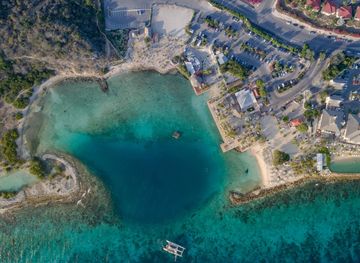


Your all‑in‑one travel companion app
Explore expert travel guides, compare and book tours, experiences, hotels, and more—all from the palm of your hand. Download now for seamless trip planning wherever your wanderlust takes you.


Explore More of Curacao

Looking beyond Sta. Catharina? Discover Curacao for broader travel guides, local hot-spots, and regional highlights.
Explore Curacao