

Machairas Forest Travel Guide - Free Web & App
Your ultimate guide to Machairas Forest. Discover top landmarks, proposed trips, and local tips. Free on the web or via the Evendo companion app.


Machairas Forest in Cyprus offers pine-covered mountains, monastery heritage, village walks, scenic viewpoints and peaceful escapes from the island’s coast.
Highlands of Eastern Troodos
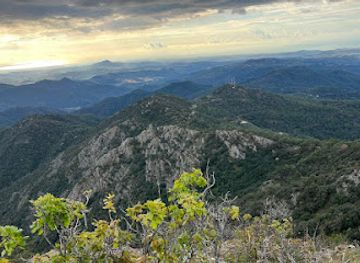
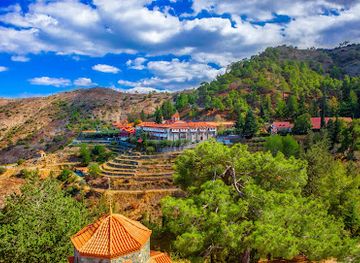
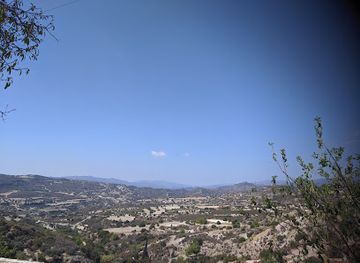
Machairas Forest occupies a wooded section of the eastern Troodos range, inland from Nicosia and extending across steep valleys, ridges and upland slopes. The area is quieter and less developed than the central Troodos resorts, with forest roads, picnic sites, walking trails and scattered mountain villages providing the main framework for exploration. Aleppo pine and black pine woodland cover much of the landscape, while rocky clearings and open viewpoints reveal the folded terrain of central Cyprus.Read more about Machairas Forest
Monastery, Villages and Living Heritage
Walking and Woodland Landscapes
When is the best time to visit Machairas Forest?
Best: May, September–October · 26–31°C| Month | High (°C) | Rainfall (mm) |
|---|---|---|
| January | 15 | 83 |
| February | 16 | 73 |
| March | 18 | 60 |
| April | 22 | 40 |
| May (best) | 27 | 20 |
| June | 31 | 10 |
| July | 34 | 0 |
| August | 34 | 0 |
| September (best) | 31 | 11 |
| October (best) | 26 | 31 |
| November | 21 | 54 |
| December | 17 | 73 |
Getting to and around Machairas Forest
How to get there
Transportation
Best attractions in Machairas Forest
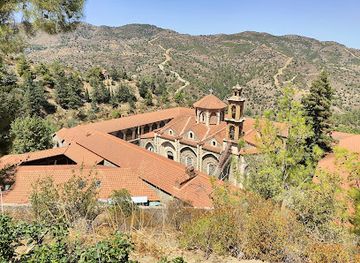
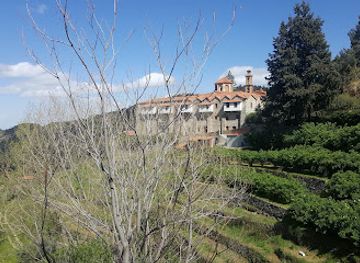
Machairas Monastery is the area’s principal cultural attraction, occupying a secluded mountain site associated with the Panagia Machairiotissa icon and Orthodox pilgrimage. Around it, the forest offers pine-covered slopes, ravines and quiet roads leading to picnic and recreation areas such as Kionia, where marked walks provide an accessible introduction to the woodland landscape. The village of Fikardou, on the forest’s edge, is valued for its conserved traditional houses and rural character, while Gouri and Lazanias offer further glimpses of mountain settlement. Scenic drives through the eastern Troodos hills reveal changing views across valleys and ridges, though the experience is shaped more by natural quiet than by a dense collection of visitor facilities. Walkers should consult current forestry information before choosing a route, as heat, rain, fire precautions and local access conditions can affect the practical experience.
-
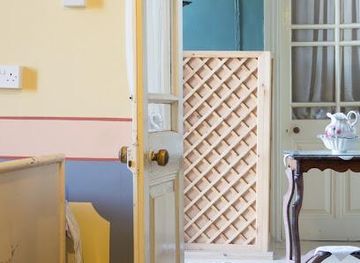
Museum
Bee & Embroidery Museum
Discover traditional Cypriot village life through exhibits of beekeeping, embroidery, and local crafts in a historic setting.
-
Tourist attraction
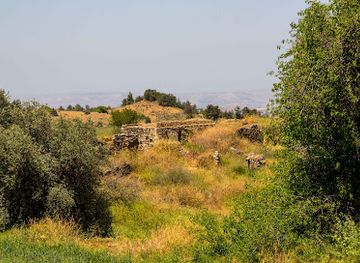
Filani (Ruins)
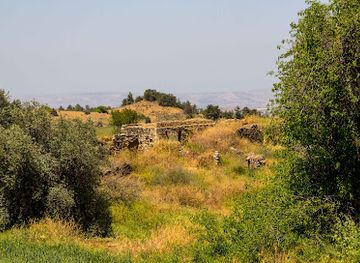
Discover the haunting beauty of Filani Ruins near Klirou, Cyprus: an abandoned village whispering tales of rural life and a devastating past.
-
National park
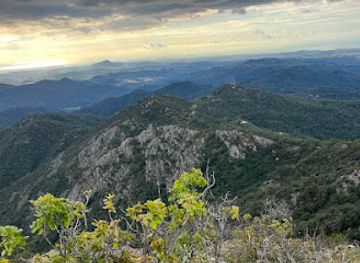
The Machairas National Forest Park
Discover Cyprus's natural beauty at Machairas National Forest Park: hiking, diverse flora & fauna, and serene landscapes await!
-
Hiking area
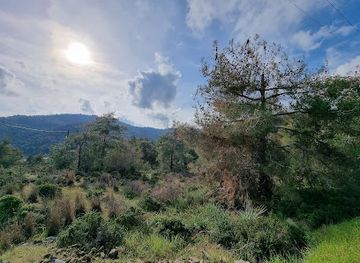
Μονοπάτι Φύσης Μαχαιράς - Λαζανιάς Machairas - Lazania Nature Trail
Hike through Cyprus's natural beauty on the Machairas-Lazania Nature Trail, exploring diverse ecosystems and historical landmarks in Machairas National Forest.
Best landmarks in Machairas Forest
Machairas Monastery is the defining man-made landmark, its religious importance centred on the revered icon of the Virgin of Machairas and its long association with Orthodox life in Cyprus. The forest itself is a major natural landmark, marked by pine woodland, steep Troodos terrain and elevated ridges rather than by a single dramatic summit. Kionia and its surrounding recreation landscape provide recognisable points within the woodland, while Fikardou is distinguished by traditional stone houses and the survival of a historic mountain-village plan. The area also contains memorial associations with Grigoris Afxentiou and the 1950s resistance, connecting the forest to modern Cypriot history. Together, monastery, village architecture, woodland and mountain roads create a cultural landscape in which natural seclusion and human heritage are closely intertwined.
-
Monastery
Holy Monastery of Panagia Machaira
Discover the Holy Monastery of Panagia Machaira, a historic Cypriot monastery nestled in the Troodos Mountains, offering spiritual solace and cultural insights.
-
Tourist attraction
Bee & Embroidery Museum
Explore Cyprus' rich traditions at the Bee & Embroidery Museum in Kato Drys, where craftsmanship and nature come together in a delightful cultural experience.
-
Monastery
Holy Monastery of Agios Minas
Explore the serene beauty and rich history of the Holy Monastery of Agios Minas in Vavla, a cherished spiritual retreat in Cyprus.
-
National park
The Machairas National Forest Park
Discover the natural beauty and tranquility of Machairas National Forest Park in Cyprus, perfect for nature lovers and adventurers seeking serenity.
Explore Machairas Forest on the map
Plan your trip on one map. See where the top attractions, landmarks, restaurants and hotels are, and book hotels and experiences in a few clicks.
Best hotels in Machairas Forest
Best restaurants in Machairas Forest
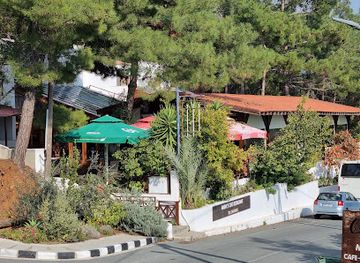
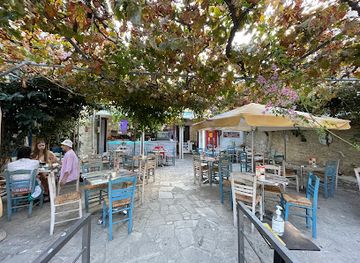
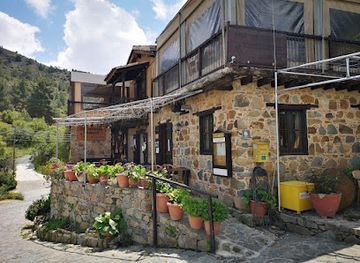
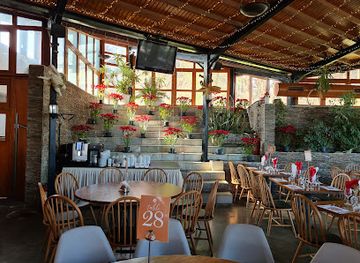
Dining within Machairas Forest is limited, with food most often found in nearby villages rather than beside trails or deep in the woodland. Traditional tavernas and family-run establishments in settlements around the forest may serve Cypriot dishes such as grilled meats, seasonal vegetables, pulses, halloumi and village salads, while rural meals often reflect produce from the surrounding hills. Gouri, Lazanias, Fikardou and other nearby villages can provide useful stopping points, although opening patterns and availability vary. Visitors spending a full day walking should carry water and provisions rather than assume that a café or restaurant will be operating at every attraction. Larger selections of restaurants, bakeries and supermarkets are available in Nicosia and other towns beyond the forest, making them practical places to stock up before entering the mountain area.
-
Restaurant
Marias Restaurant
Experience authentic Cypriot cuisine at Marias Restaurant in Vavatsinia—where tradition meets flavor in a charming setting.
-
Restaurant
Coffee Yard Cafe-Restaurant
Experience authentic Cypriot flavors at Coffee Yard Cafe-Restaurant in Pano Lefkara - a cozy spot for food lovers.
-
Restaurant
Yiannakos Restaurant
Discover authentic Cypriot flavors at Yiannakos Restaurant in Phicardou - where tradition meets taste!
-
Restaurant
Acropolis Hill Restaurant
Experience authentic Cypriot cuisine with stunning views at Acropolis Hill Restaurant in Kapedes.
Best nightclubs in Machairas Forest
Machairas Forest has no concentrated nightlife scene, and evenings are generally quiet once visitors leave the monastery, villages and forest roads. The most characteristic social setting is a traditional village taverna or coffeehouse, where the atmosphere is local and unhurried rather than oriented towards late-night entertainment. Some accommodation and dining businesses in surrounding settlements may offer drinks with meals, but visitors should not expect nightclubs, specialist bars or regular live entertainment within the forest. Those seeking a broader choice of pubs, bars and evening venues will find it in Nicosia or larger towns outside the destination, while rural bases around Machairas are better suited to stargazing, conversation and the stillness of the mountain landscape after dark.
-
 Night club
Akropolis Hills
Discover the exhilarating nightlife of Akropolis Hills, Kapedes, where music, dance, and socializing create unforgettable moments.
Best shops in Machairas Forest
Shopping in Machairas Forest is modest and concentrated in nearby villages rather than in a dedicated retail centre. Visitors may find local produce, preserves, wine, sweets and other Cypriot foodstuffs through village businesses or rural producers, while craft and souvenir purchases are more likely around established cultural and religious visitor sites than on forest trails. Fikardou’s heritage setting is primarily cultural rather than commercial, so it should not be approached as a large shopping destination. Larger supermarkets, bakeries, pharmacies and outdoor supplies are easier to find in Nicosia and other towns on the approach routes. Buying food from small local businesses where available can support the surrounding communities, but product ranges and opening arrangements should not be assumed in remote settlements.
-
Monastery
Holy Monastery of Panagia Machaira
Explore the serene Holy Monastery of Panagia Machaira, a historic site in the heart of Cyprus' lush landscapes, perfect for spiritual reflection and natural beauty.
-
Tourist attraction
Bee & Embroidery Museum
Explore the enchanting fusion of beekeeping and traditional embroidery at the captivating Bee & Embroidery Museum in Kato Drys, Cyprus.
-
Monastery
Holy Monastery of Agios Minas
Experience the serene beauty and spiritual heritage of the Holy Monastery of Agios Minas in Vavla, Cyprus, a unique destination for reflection and discovery.
-
Tourist attraction
Filani (Ruins)
Explore the captivating Filani Ruins in Klirou, Cyprus, and immerse yourself in a rich tapestry of ancient history and natural beauty.
Get your free copy of our complete guide to Machairas Forest, delivered straight to you.
Everything on this page, from attractions and restaurants to essentials and local phrases, in one PDF you can read offline, print or share.
Already have an account? Sign in
Your Machairas Forest guide is ready.
We'll send it to · Not you? Sign out

Getting your guide ready…
We are putting together a fresh copy of the Machairas Forest guide. This can take up to a minute.
This can take a few moments. If your browser asks, choose Allow so the download can start. You'll find the guide in your Downloads folder.
Nothing happened? Download it again
Sorry, the guide is taking longer than usual. Please try again in a minute, or get it by email instead.
Machairas Forest essentials
Currency and Payment
Safety
Emergency Situations
Do's and Don'ts
Local Tips
From Eve
Local phrases worth knowing
You don't need to get them perfect. A few words go a long way, and locals appreciate the effort.
Basics
| English | Local | Say it |
|---|---|---|
| Hello | Γεια σας | [Ya sas] |
| Goodbye | Αντίο | [Andio] |
| Yes | Ναι | [Ne] |
| No | Όχι | [Ohi] |
| Please/You're welcome | Παρακαλώ | [Parakalo] |
| Thank you | Ευχαριστώ | [Efharisto] |
| Excuse me/Sorry | Συγγνώμη | [Signomi] |
| How are you? | Πώς είσαι; | [Pos eisai?] |
| Fine. And you? | Καλά. Εσύ; | [Kala. Esi?] |
| Do you speak English? | Μιλάς αγγλικά; | [Milas anglika?] |
| I don't understand | Δεν καταλαβαίνω | [Den katalaveno] |
Eating & Drinking
| English | Local | Say it |
|---|---|---|
| I'd like to see the menu, please | Θα ήθελα να δω το μενού, παρακαλώ | [Tha ithela na do to menou, parakalo] |
| I don't eat meat | Δεν τρώω κρέας | [Den troo kreas] |
| Cheers! | Υγεία! | [Ygeia!] |
| I would like to pay, please | Θα ήθελα να πληρώσω, παρακαλώ | [Tha ithela na plirosi, parakalo] |
Emergencies
| English | Local | Say it |
|---|---|---|
| Help! | Βοήθεια! | [Voithia!] |
| Go away! | Φύγε! | [Fiye!] |
| Call the Police! | Καλέστε την αστυνομία! | [Kaleste tin astynomia!] |
| Call a doctor! | Καλέστε για γιατρό! | [Kaleste ya yatro!] |
| I'm lost | Έχω χαθεί | [Eho hathi] |
| I'm ill | Είμαι άρρωστος | [Eimai arrostos] |
Shopping
| English | Local | Say it |
|---|---|---|
| I'd like to buy... | Θα ήθελα να αγοράσω... | [Tha ithela na agorasoo...] |
| I'm just looking | Απλώς κοιτάω | [Aplws kitao] |
| How much is it? | Πόσο κοστίζει; | [Poso kostizi?] |
| That's too expensive | Αυτό είναι πάρα πολύ ακριβό | [Afto ine para poli akribo] |
| Can you lower the price? | Μπορείτε να χαμηλώσετε την τιμή; | [Borite na hamilosete tin timi?] |
Time & Numbers
| English | Local | Say it |
|---|---|---|
| What time is it? | Τι ώρα είναι; | [Ti ora ine?] |
| It's one o'clock | Είναι μία ώρα | [Ine mia ora] |
| Half past (10) | Μισή (10) | [Misi (dekha)] |
| Morning | Πρωί | [Proi] |
| Afternoon | Απόγευμα | [Apoyevma] |
| Evening | Βράδυ | [Vradi] |
| Yesterday | Χθες | [Hthes] |
| Today | Σήμερα | [Simera] |
| Tomorrow | Αύριο | [Avrio] |
| 1 | Ένα | [Ena] |
| 2 | Δύο | [Dio] |
| 3 | Τρία | [Tria] |
| 4 | Τέσσερα | [Tessera] |
| 5 | Πέντε | [Pente] |
| 6 | Έξι | [Exi] |
| 7 | Επτά | [Epta] |
| 8 | Οκτώ | [Okto] |
| 9 | Εννιά | [Ennia] |
| 10 | Δέκα | [Deka] |
Transport & Directions
| English | Local | Say it |
|---|---|---|
| Where's a/the...? | Πού είναι ένα/το...; | [Pou ine ena/to...?] |
| What's the address? | Ποια είναι η διεύθυνση; | [Pia ine i diefthinsi?] |
| Can you show me (on the map)? | Μπορείτε να μου δείξετε (στο χάρτη); | [Borite na mou deksete (sto charti)?] |
| When's the next (bus)? | Πότε είναι το επόμενο (λεωφορείο); | [Pote ine to epomeno (leoforeio)?] |
| A ticket (to ....) | Ένα εισιτήριο (για ....) | [Ena isitirio (ya ....)] |
History of Machairas Forest
Mountain Landscape and Early Use
Machairas Forest forms part of the Troodos mountain system, whose rocks and deeply eroded valleys were shaped over geological timescales rather than by human history. The uplands supported small-scale settlement, grazing and woodland use, while their relative isolation encouraged religious communities and scattered villages to develop in sheltered valleys. Forest resources were historically valuable for fuel, building material and grazing, although the intensity of use changed over time as Cyprus’s population, agriculture and transport networks developed.
The Foundation of Machairas Monastery
Machairas Monastery traces its tradition to the Byzantine period, when hermits are said to have discovered a concealed icon of the Virgin Mary in the forest. The icon, known as the Panagia Machairiotissa, became the focus of a monastery that grew into one of Cyprus’s major Orthodox religious foundations. Its secluded mountain position helped the community maintain a distinct spiritual identity, while the monastery became a destination for pilgrims from across the island.
Villages and Mountain Society
The villages around the forest developed within a rural economy based on agriculture, livestock, woodland resources and local exchange. Their stone-built houses, narrow lanes and terraced surroundings reflect the practical adaptation of mountain communities to steep terrain and limited productive land. Fikardou is especially important for the survival of traditional architecture and has been conserved as a heritage settlement, providing an unusually clear view of the domestic and agricultural character of an older Cypriot mountain village.
Conflict and Resistance in the Forest
Machairas Forest also occupies a place in the modern political history of Cyprus. During the struggle against British colonial rule in the 1950s, the remote woodland offered cover to members of EOKA, and the area is associated with the resistance leader Grigoris Afxentiou, who was killed at Machairas in 1957. Memorials and local historic references preserve this episode, although visitors should distinguish the forest’s broader landscape from the specific sites connected with the conflict.
Forestry, Conservation and Recreation
Modern management has given the forest a more clearly defined role in protecting woodland, habitats and mountain scenery while accommodating carefully managed recreation. The establishment and maintenance of forest roads, picnic areas and marked trails made the area more accessible without turning it into a conventional resort. Today, Machairas is valued simultaneously as a religious landscape, a heritage region and a protected forest environment, with visitor use balanced against fire risk, erosion and the needs of native habitats.
Machairas Forest in Photos
Browse through our photo collection highlighting the charm and character of the destination.
Neighbouring destination travel guides
The closest destinations to Machairas Forest, if you have time for more than one.
-

-

-

-
-


Swipe for more destinations
Explore more

Explore more of Nicosia District
Discover the unique blend of history and modern living in Nicosia District, the heart of Cyprus, where ancient landmarks meet vibrant contemporary culture.
Explore Nicosia District
Explore more of Cyprus
Discover Cyprus: A Mediterranean paradise with a rich tapestry of history, culture, and breathtaking landscapes, offering a perfect blend of relaxation and adventure.
Explore Cyprus