

Machairas Mountains Travel Guide - Free Web & App
Your ultimate guide to Machairas Mountains. Discover top landmarks, proposed trips, and local tips. Free on the web or via the Evendo companion app.


Machairas Mountains in Cyprus offer pine forests, Kionia views, village heritage, monastery visits, scenic walks and a quieter escape from the coast.
Mountain Landscapes and Forest Paths
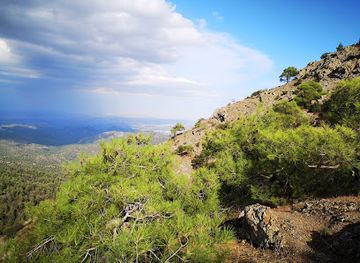
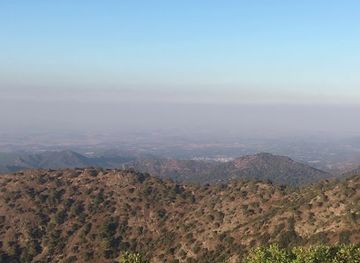
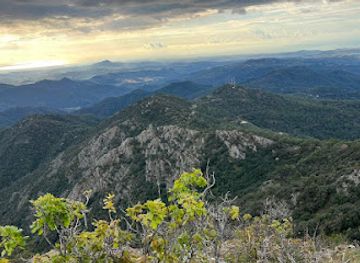
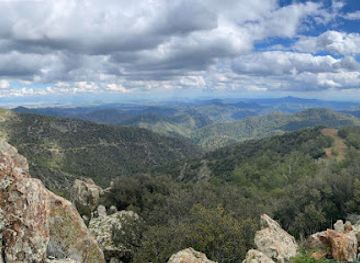
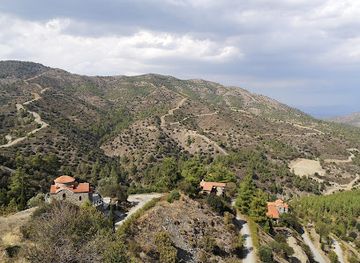
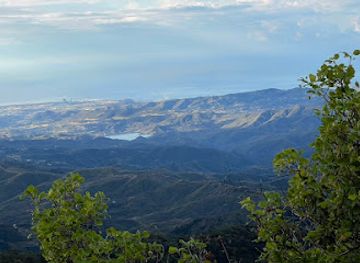
The Machairas Mountains rise across the forested interior of Cyprus, east of the main Troodos massif and within reach of Nicosia, Limassol and Larnaca. Their character is markedly rural: ridges of dark volcanic rock, limestone slopes, winding country roads and extensive stands of black pine and other Mediterranean woodland create a quieter landscape than the island’s coastal resorts. The Machairas National Forest Park forms the geographical heart of the area, with the summit of Kionia reaching approximately 1,423 metres and providing one of the region’s principal highland viewpoints. Seasonal streams, shaded woodland and open slopes support a range of Cyprus’s upland flora, while birds of prey and other wildlife may be seen by patient observers.Read more about Machairas Mountains
Monastic and Village Heritage
Exploring the Interior
When is the best time to visit Machairas Mountains?
Best: May–June, October · 26–30°C| Month | High (°C) | Rainfall (mm) |
|---|---|---|
| January | 16 | 75 |
| February | 17 | 72 |
| March | 18 | 66 |
| April | 22 | 56 |
| May (best) | 26 | 46 |
| June (best) | 30 | 40 |
| July | 32 | 38 |
| August | 32 | 40 |
| September | 29 | 49 |
| October (best) | 26 | 58 |
| November | 21 | 68 |
| December | 17 | 76 |
Getting to and around Machairas Mountains
How to get there
Transportation
Best attractions in Machairas Mountains
The principal attraction is Machairas National Forest Park, where black pine woodland, mountain ridges and shaded paths create a marked contrast with Cyprus’s coastal landscapes. Kionia, at approximately 1,423 metres, is the highest point of the park and an important destination for walkers and panoramic views, subject to weather and access conditions. Machairas Monastery combines religious significance with a secluded forest setting, while the nearby villages of Lazanias and Gourri offer stone houses, churches and a slower rural atmosphere. Fikardou is valued for its carefully preserved traditional village character and provides a strong sense of historic mountain settlement. Scenic roads through the forest and surrounding valleys are attractions in their own right, although some are narrow and require unhurried driving. The region also appeals to birdwatchers and nature observers, with woodland habitats and open slopes supporting Cyprus’s upland wildlife without guaranteeing sightings.
-
Hiking area
Kakokefalos trail
Hike the challenging Kakokefalos Trail in Cyprus's Machairas Mountains for panoramic views and a rewarding connection with nature.
-
Hiking area
Thanos Trail
Escape into Cyprus's natural splendor on the Thanos Trail: hike through diverse landscapes, enjoy panoramic views, and discover local flora and fauna.
Best landmarks in Machairas Mountains
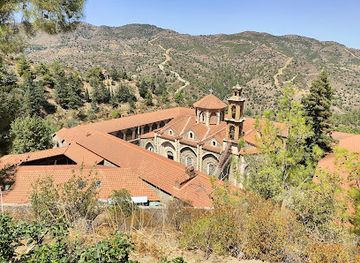
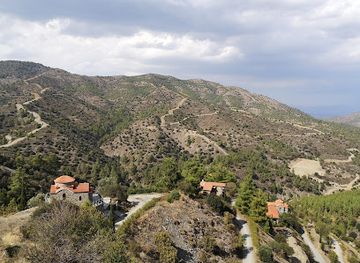
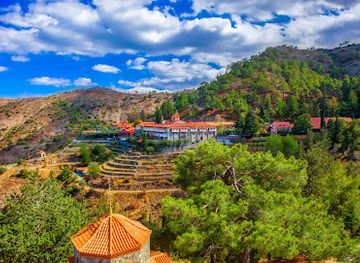
Machairas Monastery is the defining cultural landmark of the mountains, a long-established Orthodox foundation associated with the revered icon of the Virgin Mary and set within a secluded forest landscape. The woodland itself is a major natural landmark, particularly around the high ridges and black pine stands of Machairas National Forest Park. Kionia forms the area’s principal high point and a significant geographical reference, with views shaped by weather, vegetation and the folds of the central Cypriot interior. The traditional village of Fikardou is an important architectural landmark for its preserved stone houses, tiled roofs and compact lanes, while Lazanias and Gourri retain further examples of mountain settlement and religious architecture. Modern historical memory is represented by sites connected with Grigoris Afxentiou and the 1950s struggle, which should be approached as commemorative places with significance for Cyprus rather than simply as scenic viewpoints.
-
Monastery
Holy Monastery of Panagia Machaira
Discover a serene mountain retreat at this historic Cypriot monastery, home to a miraculous icon and breathtaking views.
-
Mountain peak
Makheras
Explore the stunning heights of Makheras, a majestic mountain peak in Cyprus, offering breathtaking views and rich cultural history.
-
National park
The Machairas National Forest Park
Discover Cyprus's natural beauty at Machairas National Forest Park: trails, wildlife, and serene landscapes await!
-
Hiking area
Spilia Tis Athasias'' Hiking Trail
Discover the enchanting Spilia Tis Athasias Hiking Trail near Vavatsinia, Cyprus, for a tranquil escape into nature's beauty and a glimpse into history.
Explore Machairas Mountains on the map
Plan your trip on one map. See where the top attractions, landmarks, restaurants and hotels are, and book hotels and experiences in a few clicks.
Best hotels in Machairas Mountains
Best restaurants in Machairas Mountains
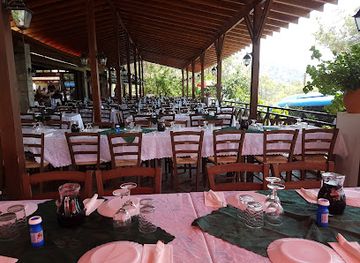
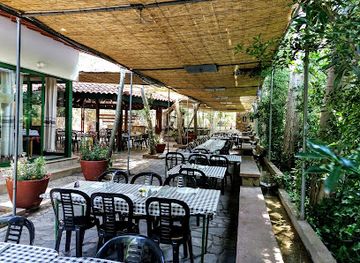
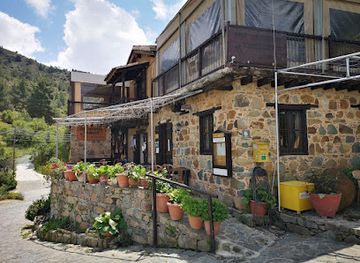
Machairas Mountains do not have a dense restaurant scene, and eating opportunities are generally concentrated in villages and settlements on the approaches rather than within the forest itself. In Gourri, Fikardou, Lazanias and nearby rural communities, visitors may encounter traditional tavernas, cafés and family-run establishments serving Cypriot dishes such as meze, grilled meats, salads, pulses, bread, local cheeses and seasonal produce, though opening patterns vary. Village cooking reflects the agricultural interior, where fruit, olives, herbs and livestock have long shaped everyday food traditions. The monastery is primarily a religious site rather than a restaurant centre, so visitors should not expect extensive catering there. It is sensible to carry water and a picnic for longer walks, while larger selections of food and supplies are available in towns outside the mountain area.
-
Restaurant
Marias Restaurant
Discover authentic Cypriot cuisine at Marias Restaurant in Vavatsinia—where every dish tells a story.
-
Restaurant
Potamos - Restaurant, Tavern
Discover authentic Cypriot flavors at Potamos Tavern - where great food meets warm hospitality in picturesque Cyprus.
-
Restaurant
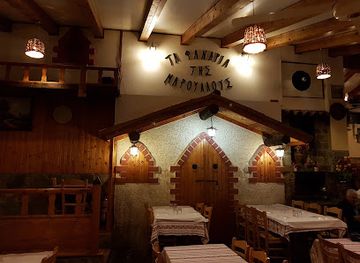
Ta Fanaria tis Maroullous
Experience authentic Cypriot cuisine at Ta Fanaria tis Maroullous - where tradition meets taste in a charming setting.
-
Restaurant
Yiannakos Restaurant
Discover authentic Cypriot cuisine at Yiannakos Restaurant in Phicardou, where tradition meets breathtaking views.
Best shops in Machairas Mountains
Shopping in the Machairas Mountains is modest and locally oriented, with opportunities concentrated in villages and towns on the surrounding roads rather than in a dedicated retail centre. Small village businesses and rural producers may offer Cypriot foods, preserves, wine, spirits, honey, herbs or seasonal agricultural products, although what is available varies and should not be assumed at every stop. Fikardou’s traditional architecture and village setting provide a context for appreciating local craft and domestic building traditions, while larger settlements outside the forest offer a broader choice of provisions, outdoor goods and everyday shopping. Visitors interested in souvenirs should favour genuinely local produce or handmade items from established businesses and avoid removing plants, stones or archaeological material from the protected landscape.
-
Monastery
Holy Monastery of Panagia Machaira
Discover the serene beauty and spiritual heritage of the Holy Monastery of Panagia Machaira, a hidden gem in the Machairas Mountains of Cyprus.
-
Mountain peak
Makheras
Discover the breathtaking views and serene beauty of Makheras, a stunning mountain peak in Cyprus perfect for nature lovers and adventurers.
-
National park
The Machairas National Forest Park
Immerse yourself in nature's beauty at Machairas National Forest Park, a serene escape in Cyprus with stunning landscapes and rich wildlife.
-
National park
National Forest Park of Machairas
Immerse yourself in the tranquil beauty of Machairas National Forest Park, a must-visit destination for nature lovers in Cyprus.

Get your free copy of our complete guide to Machairas Mountains, delivered straight to you.
Everything on this page, from attractions and restaurants to essentials and local phrases, in one PDF you can read offline, print or share.
Already have an account? Sign in
Your Machairas Mountains guide is ready.
We'll send it to · Not you? Sign out

Getting your guide ready…
We are putting together a fresh copy of the Machairas Mountains guide. This can take up to a minute.
This can take a few moments. If your browser asks, choose Allow so the download can start. You'll find the guide in your Downloads folder.
Nothing happened? Download it again
Sorry, the guide is taking longer than usual. Please try again in a minute, or get it by email instead.
Machairas Mountains essentials
Currency and Payment
Safety
Emergency Situations
Do's and Don'ts
Local Tips
From Eve
Local phrases worth knowing
You don't need to get them perfect. A few words go a long way, and locals appreciate the effort.
Basics
| English | Local | Say it |
|---|---|---|
| Hello | Γεια σας | [Yia sas] |
| Goodbye | Αντίο | [Adio] |
| Yes | Ναι | [Ne] |
| No | Όχι | [Ohi] |
| Please/You're welcome | Παρακαλώ | [Parakalo] |
| Thank you | Ευχαριστώ | [Efharisto] |
| Excuse me/Sorry | Συγνώμη | [Signomi] |
| How are you? | Πώς είστε; | [Pos iste?] |
| Fine. And you? | Καλά. Εσείς; | [Kala. Esis?] |
| Do you speak English? | Μιλάτε αγγλικά; | [Milate anglika?] |
| I don't understand | Δεν καταλαβαίνω | [Den katalaveno] |
Eating & Drinking
| English | Local | Say it |
|---|---|---|
| I'd like to see the menu, please | Θα ήθελα να δω το μενού, παρακαλώ | [Tha ithela na do to menu, parakalo] |
| I don't eat meat | Δεν τρώω κρέας | [Den trio kreas] |
| Cheers! | ΥΓΕΙΑ! | [Yia!] |
| I would like to pay, please | Θα ήθελα να πληρώσω, παρακαλώ | [Tha ithela na plirosso, parakalo] |
Emergencies
| English | Local | Say it |
|---|---|---|
| Help! | Βοήθεια! | [Voithia!] |
| Go away! | Φύγε! | [Fiye!] |
| Call the Police! | Καλέστε την Αστυνομία! | [Kaleste tin Astinomia!] |
| Call a doctor! | Καλέστε έναν γιατρό! | [Kaleste enan giatro!] |
| I'm lost | Έχω χαθεί | [Eho hathi] |
| I'm ill | Είμαι άρρωστος | [Eimai arrostos] |
Shopping
| English | Local | Say it |
|---|---|---|
| I'd like to buy... | Θα ήθελα να αγοράσω... | [Tha ithela na agoraso...] |
| I'm just looking | Απλά κοιτάω | [Apla kitao] |
| How much is it? | Πόσο κοστίζει; | [Poso kostizi?] |
| That's too expensive | Αυτό είναι πολύ ακριβό | [Afto ine poli akrivo] |
| Can you lower the price? | Μπορείτε να μειώσετε την τιμή; | [Borite na miosete tin timi?] |
Time & Numbers
| English | Local | Say it |
|---|---|---|
| What time is it? | Τι ώρα είναι; | [Ti ora ine?] |
| It's one o'clock | Είναι μία ώρα | [Ine mia ora] |
| Half past (10) | Μισή (10) | [Misi (10)] |
| Morning | Πρωί | [Proi] |
| Afternoon | Απόγευμα | [Apoyevma] |
| Evening | Βράδυ | [Vradi] |
| Yesterday | Χθες | [Hthes] |
| Today | Σήμερα | [Simera] |
| Tomorrow | Αύριο | [Afrio] |
| 1 | Ένα | [Ena] |
| 2 | Δύο | [Dio] |
| 3 | Τρία | [Tria] |
| 4 | Τέσσερα | [Tessera] |
| 5 | Πέντε | [Pente] |
| 6 | Έξι | [Exi] |
| 7 | Εφτά | [Efta] |
| 8 | Οχτώ | [Ochto] |
| 9 | Εννιά | [Ennia] |
| 10 | Δέκα | [Deka] |
Transport & Directions
| English | Local | Say it |
|---|---|---|
| Where's a/the...? | Πού είναι ένας/η... | [Pou ine enas/i...] |
| What's the address? | Ποια είναι η διεύθυνση; | [Pia ine i diefthinsi?] |
| Can you show me (on the map)? | Μπορείτε να μου δείξετε (στο χάρτη); | [Borite na mou dixete (sto charti)?] |
| When's the next (bus)? | Πότε είναι το επόμενο (λεωφορείο); | [Pote ine to epomeno (leoforeio)?] |
| A ticket (to ....) | Ένα εισιτήριο (για ....) | [Ena isitirio (ya ....)] |
History of Machairas Mountains
A Upland Landscape of Pine and Stone
The Machairas Mountains form part of the elevated interior of Cyprus, where geology, erosion and Mediterranean climate have produced a varied mosaic of ridges, ravines and forested slopes. Over centuries, the upland environment was shaped not only by natural processes but also by grazing, woodland use, small-scale cultivation and the movement of people between central villages. The black pine forests are especially important to the character of the area, providing shade and a distinctive highland setting within an island better known internationally for its beaches and dry lowlands.
The Foundation of Machairas Monastery
Machairas Monastery is traditionally associated with the discovery of an icon of the Virgin Mary, believed in Orthodox tradition to have been painted by Saint Luke. Monastic life developed at the site during the Byzantine period, and the monastery became one of Cyprus’s notable religious institutions. Its secluded position helped preserve a strong spiritual connection with the surrounding mountains. The present complex reflects successive periods of rebuilding and care rather than a single moment of construction, while the monastery continues to function as a place of worship and pilgrimage.
Villages, Agriculture and Mountain Trade
The settlements around Machairas developed within a landscape of small fields, orchards, woodland and upland grazing. Villages such as Lazanias, Gourri and Fikardou retain elements of the traditional rural architecture of Cyprus, including stone construction, tiled roofs and compact streets adapted to sloping ground. Their inhabitants historically depended on agriculture, livestock, woodland resources and local exchange rather than on large urban industries. The surviving buildings and church traditions provide evidence of a settled mountain culture that was closely linked to the seasons and to the practical limits of the terrain.
The Mountains in Modern Cypriot History
The remoteness of the Machairas forest gave it strategic importance during the anti-colonial struggle of the 1950s. The area is associated particularly with Grigoris Afxentiou, an EOKA fighter who was killed at a hideout near Machairas in 1957 after British forces located him. The event remains part of the historical memory of Cyprus and is commemorated at the Machairas region. Visitors should distinguish these modern historical associations from the much older religious history of the monastery and from the broader landscape history of the forest.
Forest Protection and Contemporary Access
In the modern period, the Machairas woodland has increasingly been managed as a protected recreational and ecological landscape. The Machairas National Forest Park safeguards important forest habitats while accommodating carefully managed recreation, including walking and scenic visits. Conservation concerns include wildfire prevention, protection of woodland habitats and responsible use of rural roads and trails. Tourism remains relatively low-density compared with Cyprus’s coastal centres, and the area’s identity continues to depend on the balance between religious visitation, village life, forestry management and outdoor recreation.
Machairas Mountains in Photos
Browse through our photo collection highlighting the charm and character of the destination.
Neighbouring destination travel guides
The closest destinations to Machairas Mountains, if you have time for more than one.
-

-

-

-

-


Swipe for more destinations
Explore more

Explore more of Nicosia District
Discover the unique blend of history and modern living in Nicosia District, the heart of Cyprus, where ancient landmarks meet vibrant contemporary culture.
Explore Nicosia District
Explore more of Cyprus
Discover Cyprus: A Mediterranean paradise with a rich tapestry of history, culture, and breathtaking landscapes, offering a perfect blend of relaxation and adventure.
Explore Cyprus