

Free Morphou Bay Travel Guide & Mobile App
Explore Morphou Bay with free travel guides. Discover regional history, expert tips, proposed trips, and audio guides on web or mobile app.


Explore Morphou Bay in Cyprus for citrus country, ancient Soli, hilltop Vouni Palace and a quietly historic Mediterranean coastline.
Read more about Morphou Bay
When is the best time to visit Morphou Bay?
Best: April–May, October · 24–28°C| Month | High (°C) | Rainfall (mm) |
|---|---|---|
| January | 15 | 70 |
| February | 16 | 60 |
| March | 20 | 50 |
| April (best) | 24 | 30 |
| May (best) | 28 | 20 |
| June | 32 | 10 |
| July | 35 | 5 |
| August | 35 | 5 |
| September | 32 | 10 |
| October (best) | 27 | 30 |
| November | 20 | 50 |
| December | 16 | 60 |
Getting to and around Morphou Bay
How to get there
Transportation
Top city travel guides in Morphou Bay
The cities of Morphou Bay, and the easiest places to base yourself.
-

-


Swipe for more cities
Destinations in Morphou Bay
Resorts, valleys and scenic spots worth a trip of their own.
-

-

-
-

-

-


Swipe for more destinations
Best attractions in Morphou Bay
Morphou Bay is best explored as a combination of archaeology, agricultural landscape and lightly developed coast. The ancient city of Soli is the principal archaeological attraction, with its theatre, Christian basilica mosaics and coastal setting revealing the area's importance from antiquity into late Roman times. Vouni Palace, set above the bay, offers a very different experience: its hilltop terraces and surviving rooms make the surrounding landscape part of the historical interpretation. In Güzelyurt, the Saint Mamas church and local museums provide an introduction to regional religious history, archaeology and rural life. The plain itself is an attraction, particularly during citrus blossom and harvest periods, when orchards and produce stalls explain the town's agricultural identity. Along the shoreline, Gemikonağı and the western coast offer fishing activity, open sea views and quieter stretches of sand or rock rather than a continuous resort scene. Birdwatching, short rural walks and photography suit the broad fields and exposed coastal terrain, while the Kyrenia foothills provide changing views across the bay. Visitors should expect limited facilities outside Güzelyurt and should treat archaeological remains and private agricultural land with care.
-
Tourist attraction
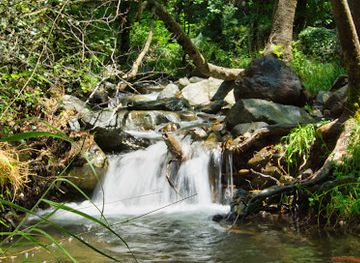
Caledonian Waterfall
Hike through Cyprus' Troodos Mountains to discover the breathtaking Caledonian Waterfall, a cool and shady natural escape.
-
Tourist attraction
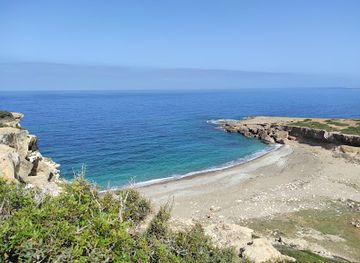
White River Beach
Discover White River Beach in Peyia, Cyprus: a tranquil escape with golden sands, clear waters, and stunning natural beauty.
-
Tourist attraction
Island Cove Adventure Mini Golf
Escape to a tropical paradise with challenging holes at Island Cove Adventure Mini Golf in Yeroskipou, perfect for family fun and relaxation.
-
Tourist attraction
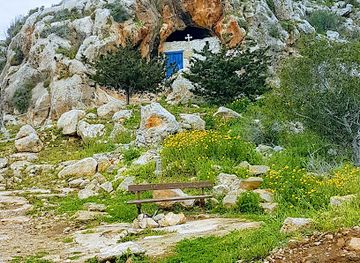
Agioi Saranta Cave Church
Discover a serene cave church in Protaras, Cyprus, blending natural beauty and spiritual significance in a unique and tranquil setting.

Best landmarks in Morphou Bay
The most recognisable landmark of Morphou Bay is Vouni Palace, whose elevated ruins command a broad view across the water and the fertile plain. Its terraces and monumental plan make the relationship between political power, agriculture and maritime access especially clear. At sea level, the archaeological remains of Soli form another defining landmark: the theatre and basilica mosaics mark a city that connected western Cyprus with the ancient Mediterranean. In Güzelyurt, the Church of Saint Mamas is a major religious and architectural reference point, associated with the town's long Christian history and local identity. The broad sweep of the bay itself is also significant, framed by the western coast and the Kyrenia range rather than by dense resort construction. Citrus orchards around the town are less monumental but equally characteristic, creating a cultivated landscape that distinguishes Morphou from the drier and more heavily developed parts of Cyprus. Visitors should distinguish these regional landmarks from politically sensitive military or buffer-zone sites, where photography and access may be restricted.
-
 Historical landmark
Petra tou Romiou (Aphrodite's Rock)
Discover the mythical birthplace of Aphrodite, a stunning coastal landmark steeped in ancient legends and breathtaking beauty on the island of Cyprus.
-
Historical landmark
Archaeological Site of Nea Paphos
Experience the ancient wonders of Nea Paphos, a UNESCO World Heritage site filled with stunning mosaics and rich history.
-
Historical landmark
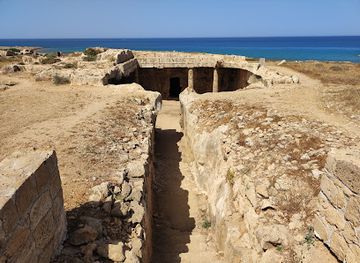
Archaeological Site of the Tombs of the Kings
Explore the Tombs of the Kings, a UNESCO World Heritage Site in Cyprus, showcasing ancient rock-cut tombs and captivating history.
-
Greek Orthodox church
Holy Church of Saint Lazarus
Discover the spiritual heart of Larnaca at this stunning Byzantine church built over the tomb of Saint Lazarus, a revered religious site.


Explore Morphou Bay on the map
Plan your trip on one map. See where the top cities, national parks and sights are, and book hotels and experiences in a few clicks.
Best hotels in Morphou Bay
Best restaurants in Morphou Bay
Dining around Morphou Bay is grounded in northern Cypriot home cooking, agricultural produce and the social life of cafés and village restaurants. In Güzelyurt, menus commonly draw on seasonal vegetables, pulses, grilled meats, meze, breads and yoghurt-based dishes, while citrus appears in drinks, preserves and desserts. Village eateries and traditional restaurants tend to offer substantial shared plates rather than elaborate courses, and local produce is often more distinctive than a single dish associated exclusively with the bay. Fish and seafood can be found near the coast, although availability depends on the day's catch and season. Turkish coffee, tea and pastries are part of the everyday café culture, while local wines and spirits may appear alongside imported drinks. Farmers' stalls and small shops are useful for citrus, olives, fruit, nuts and other provisions. Dining choices become noticeably fewer away from Güzelyurt, so visitors exploring Soli, Vouni Palace or remote beaches should carry water and snacks rather than assuming that a restaurant will be nearby.
-
Restaurant
Oniro By The Sea
Experience exquisite Cypriot cuisine with breathtaking views at Oniro By The Sea in Peyia.
-
Restaurant
The Harbour
Discover The Harbour in Paphos - where stunning sea views meet exquisite Mediterranean dining experiences.
-
Restaurant
Moustakallis Tavern
Experience the best of Cypriot flavors at Moustakallis Tavern in Poli Crysochous - a must-visit culinary destination for all tourists.
-
Restaurant
PORTO ANTICO RESTAURANT
Experience exquisite Mediterranean cuisine with stunning views at Porto Antico Restaurant in Coral Bay, Cyprus.


Best bars in Morphou Bay
Evening life around Morphou Bay is modest and concentrated in Güzelyurt rather than spread across a dedicated nightlife strip. Traditional cafés, tea gardens, meze restaurants and neighbourhood bars provide the main social settings, with evenings often built around conversation and food rather than late-night clubbing. Some restaurants serve local wine, beer and spirits, while occasional live music may feature in larger venues or during seasonal celebrations, but programmes and opening arrangements are changeable. Coastal villages are generally quiet after dinner, and rural accommodation may have little nightlife beyond an on-site bar or nearby restaurant. Visitors seeking a substantial nightclub scene usually need to travel towards larger urban centres outside the bay, subject to transport and crossing considerations. Respect local residential surroundings when returning late, particularly in small villages where roads and services are quiet at night.
-
Bar
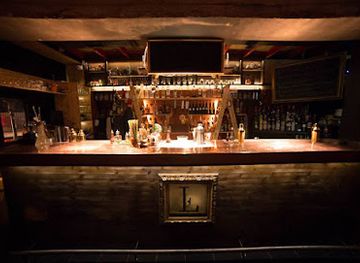
Lost + Found Drinkery
Discover the vibrant nightlife of Nicosia at Lost + Found Drinkery, where expertly crafted cocktails and a lively atmosphere await.
-
Cocktail bar
Patio Cocktail Bar
Discover the lively spirit of Nicosia at Patio Cocktail Bar, where top-notch cocktails and delightful tapas create unforgettable nights.
-
Cocktail bar
The Old Powerhouse Chill Bar
Experience the vibrant nightlife of Nicosia at The Old Powerhouse Chill Bar, where creative cocktails meet a cozy atmosphere.
-
Bar
New Division
Discover New Division in Nicosia, a vibrant bar offering a delightful mix of drinks, outdoor seating, and a lively atmosphere perfect for socializing.


Best nightclubs in Morphou Bay
Evening life around Morphou Bay is modest and concentrated in Güzelyurt rather than spread across a dedicated nightlife strip. Traditional cafés, tea gardens, meze restaurants and neighbourhood bars provide the main social settings, with evenings often built around conversation and food rather than late-night clubbing. Some restaurants serve local wine, beer and spirits, while occasional live music may feature in larger venues or during seasonal celebrations, but programmes and opening arrangements are changeable. Coastal villages are generally quiet after dinner, and rural accommodation may have little nightlife beyond an on-site bar or nearby restaurant. Visitors seeking a substantial nightclub scene usually need to travel towards larger urban centres outside the bay, subject to transport and crossing considerations. Respect local residential surroundings when returning late, particularly in small villages where roads and services are quiet at night.
-
Night club
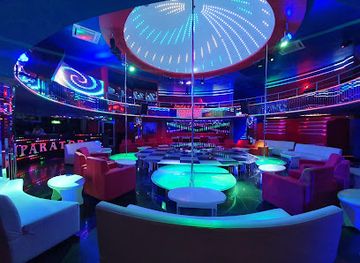
Lipstick Night Club
Discover the heart of Alayköy's nightlife at Lipstick Night Club, where the beats never stop and the fun never ends.
-
Night club
Harem Night Club
Experience the nightlife at Harem Night Club in Alayköy, where music, dance, and vibrant ambiance create unforgettable memories.
-
Night club
Kıbrıs Night Club
Dive into the heart of Nicosia's nightlife at Kıbrıs Night Club, where music, dancing, and unforgettable memories await.
-
Night club
Emperor Night Club
Discover the electrifying nightlife at Emperor Night Club in Μόρφου, where unforgettable music and vibrant crowds come together.


Best shops in Morphou Bay
Shopping around Morphou Bay is primarily local and practical, with Güzelyurt serving as the main centre for groceries, household goods, clothing and everyday market trade. The town's agricultural setting makes citrus, seasonal fruit, olives, nuts, preserves and other farm products the most characteristic purchases, particularly from roadside stalls and small food shops. Market days and produce availability can vary, so visitors should ask locally rather than rely on a fixed timetable. Villages around the bay offer fewer retail choices but may have traditional cafés, bakeries and small stores selling regional provisions. Craft shopping is limited compared with Cyprus's major urban and resort centres, although ceramics, woven items and food gifts may be found in local shops or at cultural events. Saint Mamas-related religious souvenirs and archaeological publications are more appropriate keepsakes than collecting anything from ancient sites. Carry Turkish lira for small purchases, and remember that retail hours, payment methods and product ranges differ across the island's two administrations.
-
Supermarket
Erülkü Süpermarket
Explore Erülkü Süpermarket in Minareliköy for a unique shopping experience with local flavors, fresh produce, and everyday essentials.
-
Shopping mall
Mall Of Cyprus
Experience the ultimate shopping and dining destination at the Mall of Cyprus, where retail therapy meets culinary delights in Strovolos.
-
Shopping mall
City Mall
Explore City Mall in Famagusta, a vibrant shopping destination offering diverse stores, delightful dining, and entertainment for all ages.
-
Shopping mall
Nicosia Mall
Experience the ultimate shopping and dining adventure at Nicosia Mall, Cyprus's premier retail destination.


Get your free copy of our complete guide to Morphou Bay, delivered straight to you.
Everything on this page, from attractions and restaurants to essentials and local phrases, in one PDF you can read offline, print or share.
Already have an account? Sign in
Your Morphou Bay guide is ready.
We'll send it to · Not you? Sign out

Getting your guide ready…
We are putting together a fresh copy of the Morphou Bay guide. This can take up to a minute.
This can take a few moments. If your browser asks, choose Allow so the download can start. You'll find the guide in your Downloads folder.
Nothing happened? Download it again
Sorry, the guide is taking longer than usual. Please try again in a minute, or get it by email instead.
Morphou Bay essentials
Currency and Payment
Safety
Emergency Situations
Do's and Don'ts
Local Tips
From Eve
Local phrases worth knowing
You don't need to get them perfect. A few words go a long way, and locals appreciate the effort.
Basics
| English | Local | Say it |
|---|---|---|
| Hello | Howdy | [haʊdi] |
| Goodbye | See ya | [siː jə] |
| Yes | Yup | [jʌp] |
| No | Nope | [noʊp] |
| Please/You're welcome | Sure thing | [ʃʊr θɪŋ] |
| Thank you | Thanks | [θæŋks] |
| Excuse me/Sorry | Pardon me | [ˈpɑrdən mi] |
| How are you? | How's it going? | [haʊz ɪt ˈɡoʊɪŋ] |
| Fine. And you? | Good. You? | [ɡʊd. ju?] |
| Do you speak English? | You speak English? | [ju spiːk ˈɪŋɡlɪʃ?] |
| I don't understand | I don't get it | [aɪ doʊnt ɡɛt ɪt] |
Eating & Drinking
| English | Local | Say it |
|---|---|---|
| I'd like to see the menu, please | Can I see the menu? | [kæn aɪ si ðə ˈmɛnju] |
| I don't eat meat | I'm vegetarian | [aɪm ˌvɛdʒɪˈtɛriən] |
| Cheers! | Cheers! | [ʧɪrz] |
| I would like to pay, please | Can I get the bill? | [kæn aɪ ɡɛt ðə bɪl] |
Emergencies
| English | Local | Say it |
|---|---|---|
| Help! | Help! | [hɛlp] |
| Go away! | Leave me alone! | [liːv mi əˈloʊn] |
| Call the Police! | Call the cops! | [kɔl ðə kɑps] |
| Call a doctor! | Get a doctor! | [ɡɛt ə ˈdɑktər] |
| I'm lost | I'm turned around | [aɪm tɜrnd əˈraʊnd] |
| I'm ill | I'm not feeling well | [aɪm nɑt ˈfiːlɪŋ wɛl] |
Shopping
| English | Local | Say it |
|---|---|---|
| I'd like to buy... | I want to buy... | [aɪ wɑnt tə baɪ...] |
| I'm just looking | Just browsing | [dʒʌst ˈbraʊzɪŋ] |
| How much is it? | What's the price? | [wʌts ðə praɪs?] |
| That's too expensive | That's pricey | [ðæts ˈpraɪsi] |
| Can you lower the price? | Can you give me a deal? | [kæn ju ɡɪv mi ə dil?] |
Time & Numbers
| English | Local | Say it |
|---|---|---|
| What time is it? | What time? | [wʌt taɪm?] |
| It's one o'clock | It's one | [ɪts wʌn] |
| Half past (10) | Half past (10) | [hæf pæst (10)] |
| Morning | Morning | [ˈmɔrnɪŋ] |
| Afternoon | Afternoon | [ˌæftərˈnun] |
| Evening | Evening | [ˈivnɪŋ] |
| Yesterday | Yesterday | [ˈjɛstərdeɪ] |
| Today | Today | [təˈdeɪ] |
| Tomorrow | Tomorrow | [təˈmɔroʊ] |
| 1 | One | [wʌn] |
| 2 | Two | [tu] |
| 3 | Three | [θri] |
| 4 | Four | [fɔr] |
| 5 | Five | [faɪv] |
| 6 | Six | [sɪks] |
| 7 | Seven | [ˈsɛvən] |
| 8 | Eight | [eɪt] |
| 9 | Nine | [naɪn] |
| 10 | Ten | [tɛn] |
Transport & Directions
| English | Local | Say it |
|---|---|---|
| Where's a/the...? | Where's the...? | [wɛrz ðə...?] |
| What's the address? | What's the address? | [wʌts ði əˈdrɛs?] |
| Can you show me (on the map)? | Can you point it out? | [kæn ju pɔɪnt ɪt aʊt?] |
| When's the next (bus)? | When's the next bus? | [wɛn ðə nɛkst bʌs?] |
| A ticket (to ....) | One ticket to... | [wʌn ˈtɪkɪt tə...] |
History of Morphou Bay
Prehistoric settlement and the fertile western plain
The plains around Morphou Bay have long benefited from fertile soils, seasonal water and access to the sea. Archaeological evidence from western Cyprus records settlement and farming communities from prehistoric periods, although the surviving remains are dispersed rather than concentrated in a single monumental site. Agriculture continued to shape the area through later centuries, with cereals, olives, vines and eventually citrus becoming important to local livelihoods. The combination of productive lowlands, coastal resources and routes across western Cyprus explains why communities repeatedly established themselves around the bay.
The ancient city of Soli
Soli, on the eastern side of Morphou Bay, became one of the important city-kingdoms of ancient Cyprus. Its position beside the coast supported maritime contact, while the surrounding plain supplied agricultural resources. The city was associated in antiquity with the Athenian lawgiver Solon, though the details of that tradition belong partly to later historical memory. Excavated remains include a theatre, civic structures and a Christian basilica decorated with mosaics, showing that the settlement remained significant after the classical city-kingdom period and into the Roman and early Christian eras.
Vouni Palace and the classical kingdoms
The remains known as Vouni Palace stand on a hill overlooking Morphou Bay. Built during the fifth century BC and substantially altered during the fourth, the complex reflects the political rivalry of the Cypriot city-kingdoms and the influence of the Persian Empire. Its terraces, rooms, courtyards and commanding views demonstrate the importance of controlling both the coastal approaches and the productive plain below. The palace was destroyed in the early fourth century BC, but its surviving plan remains one of the most revealing archaeological landscapes in western Cyprus.
Roman, Byzantine and medieval transformations
After the ancient kingdoms disappeared, the region remained connected to the wider Mediterranean under Roman rule. Soli developed as a Christian centre, and the basilica remains at the site record the spread and institutional growth of Christianity in late antiquity. Earthquakes, changing trade patterns and political shifts affected the coastal settlements over subsequent centuries. Under Byzantine, Lusignan and Venetian rule, western Cyprus was linked to changing systems of landholding, ecclesiastical administration and defence. Churches and village traditions around Morphou preserve fragments of this long religious and agrarian history.
Ottoman rule and the growth of Morphou
The Ottoman conquest of Cyprus in 1571 brought the island into a new imperial framework. Morphou developed as an agricultural and trading centre serving the western plain, with communities of different religious and linguistic backgrounds living in the surrounding district. The Church of Saint Mamas became an important local landmark, and the town's market role grew through the movement of farm produce. During the later Ottoman and British periods, land use, administration and commercial agriculture continued to shape the settlement more than heavy industry or large-scale urbanisation.
British Cyprus, citrus agriculture and modern division
Under British rule from 1878 and formally from 1914, infrastructure, administration and commercial agriculture changed across Cyprus. Morphou became particularly associated with citrus orchards, an identity that remains central to the district's landscape and economy. Cyprus gained independence in 1960, but intercommunal conflict and the events of 1974 divided the island. Morphou and the surrounding bay have since been administered by the Turkish Cypriot authorities, while the Republic of Cyprus retains its internationally recognised claim to the whole island. Displacement, abandoned property and the continuing division remain part of the region's modern history.
Morphou Bay in Photos
Browse through our photo collection highlighting the charm and character of the destination.
Neighbouring regions of Morphou Bay
The closest regions to Morphou Bay, if you have time for more than one.
-

-
-

-

-


Swipe for more regions
Explore more

Explore more of Cyprus
Discover Cyprus: A Mediterranean paradise with a rich tapestry of history, culture, and breathtaking landscapes, offering a perfect blend of relaxation and adventure.
Explore Cyprus