
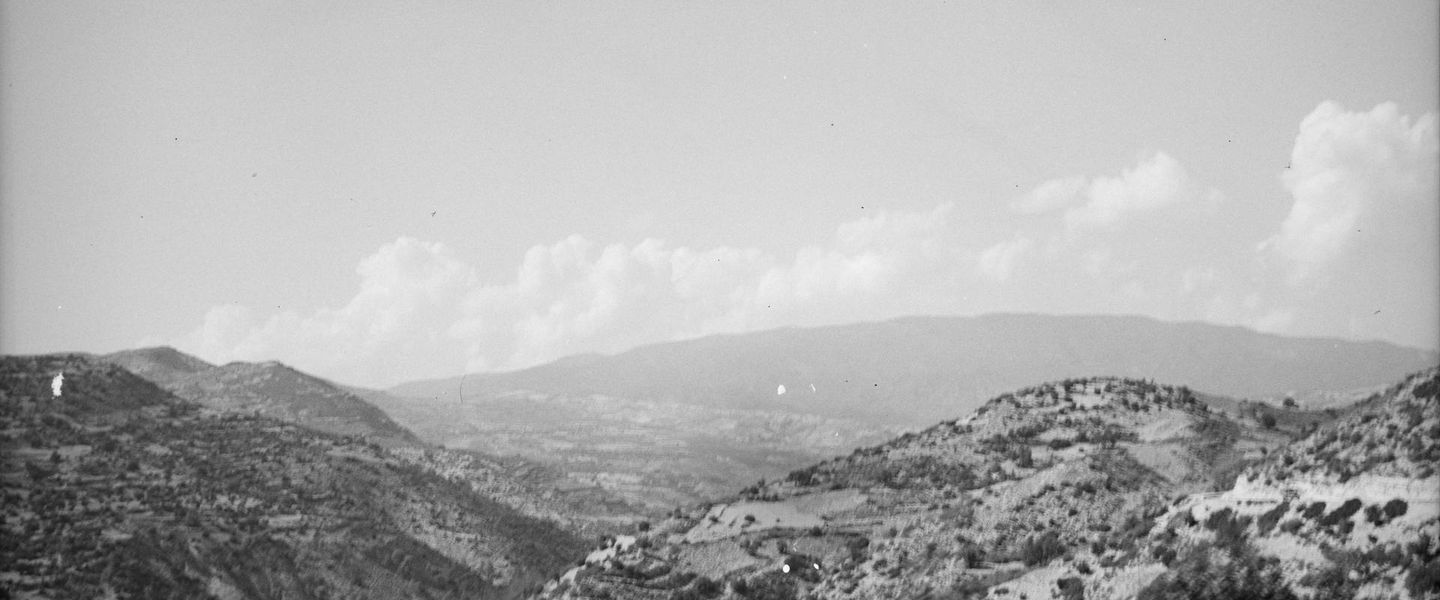
Troodos Mountains, Cyprus Travel Guide
Explore the Troodos Mountains in Cyprus: A blend of natural beauty, rich history, and charming villages. Perfect for nature enthusiasts, history buffs, and adventure seekers.
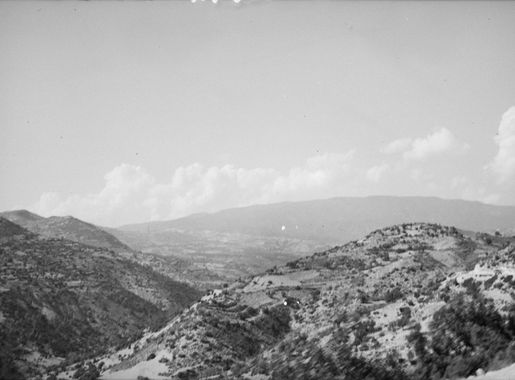
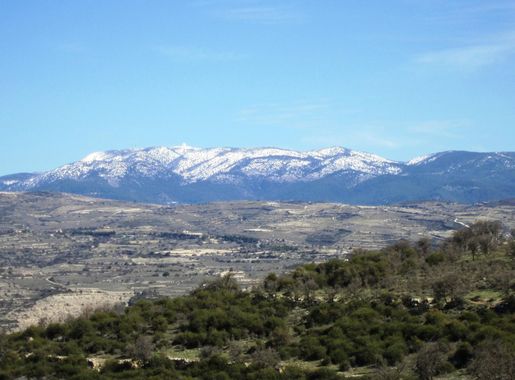
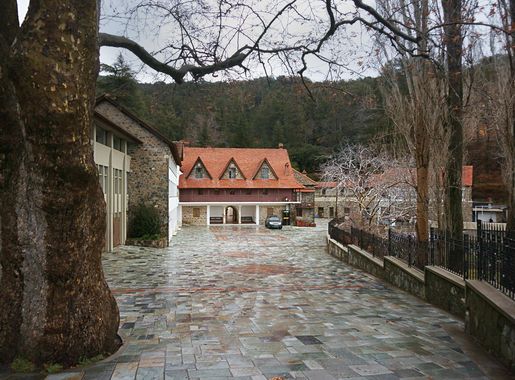
Nestled in the heart of Cyprus, the Troodos Mountains offer a serene escape from the hustle and bustle of city life. These majestic mountains are adorned with lush forests, charming villages, and ancient monasteries, creating a picturesque landscape that captivates visitors. The cool, fresh air and breathtaking views make it an ideal destination for nature lovers and adventurers alike. The Troodos Mountains are home to some of the island's most significant cultural and historical sites. The UNESCO World Heritage-listed Painted Churches, with their stunning frescoes, are a must-visit for history enthusiasts. Each church tells a unique story through its intricate artwork, offering a glimpse into the island's rich past. Additionally, the Kykkos Monastery, one of the wealthiest and most famous monasteries in Cyprus, is an architectural marvel that houses an impressive collection of religious artifacts. For those who enjoy outdoor activities, the Troodos Mountains provide numerous hiking trails that cater to all levels of experience. The Caledonia Waterfalls trail is particularly popular, leading hikers through lush forests to the stunning cascades. During winter, the Troodos Mountains transform into a winter wonderland, offering skiing and snowboarding opportunities at the island's only ski resort. The charming villages scattered throughout the mountains, such as Omodos and Kakopetria, offer a glimpse into traditional Cypriot life. Visitors can wander through narrow, cobbled streets, visit local wineries, and sample delicious Cypriot cuisine at quaint tavernas. The warm hospitality of the locals adds to the enchanting experience, making the Troodos Mountains a destination that leaves a lasting impression.

Know before you go
Hi, I'm Eve. Here are a few practical things to know before exploring Troodos Mountains.
- Visit the Painted Churches early in the morning to avoid crowds and enjoy a peaceful experience.
- Pack layers of clothing as the weather can be unpredictable, especially at higher altitudes.
- Don't miss out on local delicacies like 'loukoumades' (honey doughnuts) and 'halloumi' cheese in village tavernas.
- Rent a car to explore the area at your own pace, as public transport options are limited.
- If visiting in winter, check weather conditions and road closures before heading to the ski resort.
Top City Travel Guides in Troodos Mountains
The cities of Troodos Mountains, and the easiest places to base yourself.
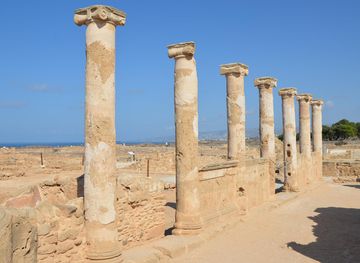


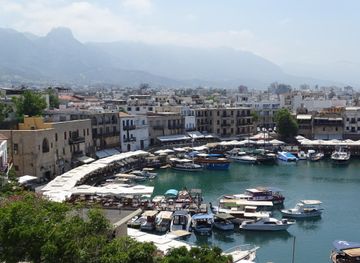
Destinations in Troodos Mountains
Resorts, valleys and scenic spots worth a trip of their own.


Explore Troodos Mountains: Things to Do, Places to Eat, Hotels & More
Handpicked recommendations for top attractions, local dining, accommodations, and more

Top Attractions & Sightseeing in Troodos Mountains
Top-rated picks
Best Attractions

Troodos Mountains
Cyprus’ highest peaks, forested slopes, ancient monasteries, and charming villages—all converge in the enchanting Troodos Mountains, the island’s legendary highlands.

Petra tou Romiou (Aphrodite's Rock)
Discover the mythical birthplace of Aphrodite, a stunning coastal landmark steeped in legend and natural beauty on the Paphos coast.

Kalopanayiotis
Discover Kalopanayiotis, Cyprus: A timeless mountain village offering UNESCO World Heritage sites, therapeutic springs, and authentic Cypriot charm in the heart of the Troodos Mountains.

Kykkos Monastery
Discover Cyprus's spiritual heart at Kykkos Monastery, a mountaintop haven of Byzantine art, rich history, and breathtaking views in the Troodos Mountains.

Best landmarks in Troodos Mountains
Top-rated picks
Best Landmarks

Petra tou Romiou (Aphrodite's Rock)
Explore the legendary beauty of Petra tou Romiou, the mythical birthplace of Aphrodite, and uncover the enchanting stories of Cyprus.

Kykkos Monastery
Explore Kykkos Monastery: a spiritual haven in Cyprus with stunning architecture, rich history, and breathtaking mountain views.

Avakas Gorge Nature Trail
Discover the breathtaking Avakas Gorge Nature Trail in Cyprus, where stunning rock formations and diverse flora create a hiker's paradise in the heart of nature.

Caledonian Waterfall
Experience the breathtaking beauty of Caledonian Waterfall in Cyprus, a serene oasis surrounded by lush greenery and stunning mountain views.

Best restaurants in Troodos Mountains
Top-rated picks
Best Restaurants

Symposio tavern
Discover the heart of Cypriot culture through authentic flavors at Symposio Tavern in Limassol.

Skylight
Discover Skylight in Pano Platres: A delightful blend of traditional Cypriot cuisine amidst stunning mountain views.

The Village Restaurant (Tavern)
Experience authentic Cypriot cuisine at The Village Restaurant in Pano Platres, where every dish tells a story amidst stunning mountain views.

Psilo Dendro
Discover authentic Cypriot flavors at Psilo Dendro in Pano Platres - a delightful dining experience amidst nature's beauty.

Best bars in Troodos Mountains
Top-rated picks
Best Bars

Symposio tavern
Experience authentic Cypriot cuisine at Symposio Tavern, a beloved traditional restaurant in Limassol, Cyprus, where every meal is a celebration of flavor.

Skylight
Experience the flavors of Cyprus at Skylight in Pano Platres, where culinary excellence meets breathtaking views.

Psilo Dendro
Discover the culinary magic of Cyprus at Psilo Dendro, a restaurant offering authentic flavors amidst breathtaking mountain views.

Lost + Found Drinkery
Discover Nicosia's vibrant nightlife at Lost + Found Drinkery, where craft cocktails and a cozy atmosphere create unforgettable evenings.

Best nightclubs in Troodos Mountains
Top-rated picks
Best Nightclubs

Metropole Retro Club
Experience the electrifying nightlife at Metropole Retro Club in Limassol, where great music, vibrant atmosphere, and dancing await you.

Summer Breeze Club
Discover the vibrant nightlife at Summer Breeze Club, where electrifying music and unforgettable vibes await in Yermasoyias, Cyprus.

Club Teez
Discover the pulsating nightlife of Nicosia at Club Teez, where music, drinks, and energy collide for an unforgettable experience.

Central Night Club
Discover the electrifying nightlife of Nicosia at Central Night Club, where vibrant music and a lively atmosphere await you.

Best shops in Troodos Mountains
Top-rated picks
Best Shops

Kykkos Monastery
Discover the spiritual heart of Cyprus at Kykkos Monastery, a stunning blend of natural beauty and rich heritage nestled in the Troodos Mountains.

Caledonian Waterfall
Immerse yourself in the natural beauty of the Caledonian Waterfall, a tranquil oasis in the heart of Cyprus's lush mountains.

Timios Stavros Monastery
Explore the serene beauty of Timios Stavros Monastery in Omodos, a historical gem showcasing Cyprus's rich religious heritage.

Tzelefos Bridge
Discover the enchanting Tzelefos Bridge in Cyprus, a stunning historical landmark offering breathtaking views and a glimpse into the Venetian era.

Explore Troodos Mountains on the Map
A handpicked selection of must-see spots in Troodos Mountains, mapped for you.
Troodos Mountains Essentials
-
The Troodos Mountains are located in the heart of Cyprus. The nearest international airport is Larnaca International Airport (LCA), approximately 100 kilometers away. From Larnaca, you can rent a car or take a taxi to reach the Troodos Mountains. Alternatively, you can take a bus from Larnaca to Limassol and then transfer to a bus heading to the Troodos area. The entire journey may take around 2 to 3 hours by road.
-
Once in the Troodos Mountains, renting a car is the most convenient way to explore the area at your own pace. Local buses operate between the main villages, but schedules can be infrequent. Taxis are available but can be expensive for longer trips. Cycling is another popular way to explore the scenic routes, although be prepared for uphill climbs.
-
The official currency in Cyprus is the Euro (EUR). Credit cards are widely accepted in hotels, restaurants, and shops, but it's advisable to carry some cash, especially when visiting smaller villages. ATMs are available in larger villages like Platres and Troodos Square, but it's a good idea to withdraw sufficient cash before venturing into more remote areas.
-
The Troodos Mountains are generally very safe for tourists. However, it's always wise to take standard precautions. Avoid leaving valuables in your car and be cautious when hiking on less-traveled trails. There are no specific high-crime areas targeting tourists, but it's best to stay alert and aware of your surroundings, especially in crowded places.
-
In case of an emergency, dial 112 for immediate assistance, which will connect you to police, fire, and medical services. The nearest medical facilities are in Limassol, about an hour away by car. It's recommended to have travel insurance that covers medical emergencies. Pharmacies are available in larger villages for minor health issues.
-
Fashion: Do dress in layers as the weather can change quickly in the mountains. Avoid wearing overly revealing clothing. Religion: Do respect local customs and traditions. When visiting monasteries, cover your shoulders and legs. Public Transport: Do be respectful and offer your seat to elderly passengers. Don't eat or drink on public transport. Greetings: Do greet people with a handshake. A friendly 'Yia sou' (Hello) is always appreciated. Eating & Drinking: Do try local delicacies and accept food offerings graciously. Don't refuse hospitality, as it is considered impolite.
-
To experience the Troodos Mountains like a local, visit the weekly markets where you can buy fresh produce and traditional Cypriot goods. Engage with locals, who are often friendly and willing to share stories about the area's history and culture. Don't miss visiting the painted churches, which are UNESCO World Heritage Sites. For a unique experience, hike the Artemis Trail for breathtaking views and a chance to see the endemic flora and fauna.
When is the best time to visit Troodos Mountains?
Useful Local Phrases for Troodos Mountains
You don't need to speak the language perfectly. Even learning a few simple words can make conversations warmer—and locals usually appreciate the effort.
— Eve

Here are the phrases I use most often in Troodos Mountains. Try a few—you'll be surprised how far they go! 😊
❤️
-
- HelloHowdy
[haʊdi] - GoodbyeSee ya
[si jə] - YesYup
[jʌp] - NoNah
[nɑ] - Please/You're welcomeNo problem
[noʊ ˈprɒbləm] - Thank youThanks
[θæŋks] - Excuse me/SorrySorry 'bout that
[ˈsɔri baʊt ðæt] - How are you?How's it going?
[haʊz ɪt ˈgoʊɪŋ] - Fine. And you?Good. You?
[gʊd ju] - Do you speak English?Do ya speak English?
[du jə spiːk ˈɪŋɡlɪʃ] - I don't understandI ain't following
[aɪ eɪnt ˈfɑloʊɪŋ]
- HelloHowdy
-
- I'd like to see the menu, pleaseCan I see the menu?
[kæn aɪ si ðə ˈmɛnju] - I don't eat meatI'm a vegetarian
[aɪm ə ˌvɛdʒɪˈtɛriən] - Cheers!Cheers!
[tʃɪrz] - I would like to pay, pleaseCan I get the check?
[kæn aɪ ɡɛt ðə tʃɛk]
- I'd like to see the menu, pleaseCan I see the menu?
-
- Help!Help!
[hɛlp] - Go away!Leave me alone!
[liv mi əˈloʊn] - Call the Police!Call the cops!
[kɔl ðə kɑps] - Call a doctor!Get a doctor!
[ɡɛt ə ˈdɑktər] - I'm lostI'm turned around
[aɪm tɜrnd əˈraʊnd] - I'm illI'm not feeling well
[aɪm nɑt ˈfiːlɪŋ wɛl]
- Help!Help!
-
- I'd like to buy...I'm looking to buy...
[aɪm ˈlʊkɪŋ tə baɪ] - I'm just lookingJust browsing
[dʒʌst ˈbraʊzɪŋ] - How much is it?What's the price?
[wʌts ðə praɪs] - That's too expensiveThat's a bit pricey
[ðæts ə bɪt ˈpraɪsi] - Can you lower the price?Can you drop the price?
[kæn jə drɑp ðə praɪs]
- I'd like to buy...I'm looking to buy...
-
- What time is it?What time ya got?
[wʌt taɪm jə ɡɑt] - It's one o'clockIt's one
[ɪts wʌn] - Half past (10)Half past ten
[hæf pæst tɛn] - MorningMorning
[ˈmɔrnɪŋ] - AfternoonAfternoon
[ˌæftərˈnun] - EveningEvening
[ˈivnɪŋ] - YesterdayYesterday
[ˈjɛstərdeɪ] - TodayToday
[təˈdeɪ] - TomorrowTomorrow
[təˈmɑroʊ] - 1One
[wʌn] - 2Two
[tu] - 3Three
[θri] - 4Four
[fɔr] - 5Five
[faɪv] - 6Six
[sɪks] - 7Seven
[ˈsɛvən] - 8Eight
[eɪt] - 9Nine
[naɪn] - 10Ten
[tɛn]
- What time is it?What time ya got?
-
- Where's a/the...?Where's the...?
[wɛrz ðə] - What's the address?What's the address?
[wʌts ði əˈdrɛs] - Can you show me (on the map)?Can you point it out?
[kæn jə pɔɪnt ɪt aʊt] - When's the next (bus)?When's the next bus?
[wɛn z ðə nɛkst bʌs] - A ticket (to ....)One ticket to...
[wʌn ˈtɪkɪt tə]
- Where's a/the...?Where's the...?
History of Troodos Mountains
-
The Troodos Mountains are renowned for their rich deposits of copper, which have been mined since antiquity. The copper from these mines, particularly around the area of Skouriotissa, was highly prized in the ancient world and played a significant role in the island’s economy and trade. Archaeological evidence suggests that the mining activity dates back to the Bronze Age, around 2500 BC, making it one of the oldest known mining sites in the world.
-
The Troodos Mountains are home to some of the most important Byzantine churches and monasteries in Cyprus, many of which are UNESCO World Heritage Sites. These include the Monastery of Kykkos, founded in the late 11th century, and the Agios Nikolaos tis Stegis church, known for its exquisite frescoes dating back to the 11th and 12th centuries. These religious sites offer a glimpse into the rich ecclesiastical history and artistic heritage of the Byzantine period.
-
During the Venetian rule of Cyprus from 1489 to 1571, several stone bridges were constructed in the Troodos region to facilitate the transportation of goods, particularly timber. The Elia, Roudia, and Kelefos bridges are among the most well-preserved examples of this period’s engineering. These bridges not only served a practical purpose but also stand as architectural marvels that have withstood the test of time.
-
The Ottoman Empire ruled Cyprus from 1571 until 1878, and the Troodos Mountains played a significant role as a refuge for those resisting Ottoman control. The rugged terrain provided a natural hideout for rebels and fighters. During the EOKA struggle for independence from British rule in the 1950s, the mountains again became a strategic stronghold for Cypriot fighters. The dense forests and secluded villages provided cover and support for guerrilla warfare against the British forces.
-
The Troodos region has a long history of viticulture and agriculture, dating back to ancient times. The fertile slopes and unique microclimate of the mountains are ideal for growing vineyards, and the area is known for producing some of Cyprus’s best wines, including the famed Commandaria, which is one of the oldest named wines in the world. Traditional villages like Omodos and Platres are famous for their wine production and agricultural heritage, offering a glimpse into the island’s rural life and customs.
Neighbouring Regions of Troodos Mountains
The closest regions to Troodos Mountains, if you have time for more than one.



Your all‑in‑one travel companion app
Explore expert travel guides, compare and book tours, experiences, hotels, and more—all from the palm of your hand. Download now for seamless trip planning wherever your wanderlust takes you.


Explore More of Cyprus

Looking beyond Troodos Mountains? Discover Cyprus for broader travel guides, local hot-spots, and regional highlights.
Explore CyprusTroodos Mountains in Photos
Browse through our photo collection highlighting the charm and character of the destination.





The Enchanting Troodos Mountains: Cyprus' Hidden Gem
Nestled in the heart of Cyprus, the Troodos Mountains offer a serene escape from the hustle and bustle of city life. These majestic mountains are adorned with lush forests, charming villages, and ancient monasteries, creating a picturesque landscape that captivates visitors. The cool, fresh air and breathtaking views make it an ideal destination for nature lovers and adventurers alike. The Troodos Mountains are home to some of the island's most significant cultural and historical sites. The UNESCO World Heritage-listed Painted Churches, with their stunning frescoes, are a must-visit for history enthusiasts. Each church tells a unique story through its intricate artwork, offering a glimpse into the island's rich past. Additionally, the Kykkos Monastery, one of the wealthiest and most famous monasteries in Cyprus, is an architectural marvel that houses an impressive collection of religious artifacts. For those who enjoy outdoor activities, the Troodos Mountains provide numerous hiking trails that cater to all levels of experience. The Caledonia Waterfalls trail is particularly popular, leading hikers through lush forests to the stunning cascades. During winter, the Troodos Mountains transform into a winter wonderland, offering skiing and snowboarding opportunities at the island's only ski resort. The charming villages scattered throughout the mountains, such as Omodos and Kakopetria, offer a glimpse into traditional Cypriot life. Visitors can wander through narrow, cobbled streets, visit local wineries, and sample delicious Cypriot cuisine at quaint tavernas. The warm hospitality of the locals adds to the enchanting experience, making the Troodos Mountains a destination that leaves a lasting impression.