

Free Tylliria Region Travel Guide & Mobile App
Explore Tylliria Region with free travel guides. Discover regional history, expert tips, proposed trips, and audio guides on web or mobile app.


Explore Cyprus’s Tylliria Region for rugged coastlines, mountain villages, divided-island history, Cypriot food and quiet rural journeys.
Read more about Tylliria Region
When is the best time to visit Tylliria Region?
Best: May, September–October · 24–29°C| Month | High (°C) | Rainfall (mm) |
|---|---|---|
| January | 15 | 80 |
| February | 16 | 70 |
| March | 18 | 60 |
| April | 21 | 40 |
| May (best) | 26 | 20 |
| June | 29 | 10 |
| July | 31 | 5 |
| August | 31 | 5 |
| September (best) | 29 | 10 |
| October (best) | 24 | 30 |
| November | 19 | 50 |
| December | 15 | 70 |
Getting to and around Tylliria Region
How to get there
Transportation
Destinations in Tylliria Region
Resorts, valleys and scenic spots worth a trip of their own.
-

-


Swipe for more destinations
Best attractions in Tylliria Region
Tylliria’s attractions are primarily landscape-based and historical rather than built for mass tourism. Kato Pyrgos offers a useful introduction to the region, with a small coastal settlement, mountain backdrop and views across the divided peninsula. The road towards Pachyammos and Pomos leads through rugged scenery, orchards, pine-covered slopes and stretches of coast where swimming, photography and quiet walks are possible when conditions are suitable. Inland villages provide traditional churches, rural architecture and glimpses of a slower agricultural rhythm. The region’s most unusual historical interest lies in the visible consequences of Cyprus’s division: the buffer zone, the former Kokkina enclave and military features should be viewed only from permitted public locations and never approached or photographed where prohibited. Woodland and ravines offer opportunities for walking and birdwatching, although formal facilities are limited and routes require self-sufficiency. Tylliria is best understood as a destination for gradual exploration, combining village food, coastal observation, religious heritage and uncrowded countryside rather than a sequence of major ticketed attractions.
-
Park
Camel Park
Discover Camel Park in Mazotos, Cyprus – a delightful family attraction featuring camel rides, a petting zoo, and beautiful picnic areas.
-
Archaeological museum
The Cyprus Museum
Explore the rich history of Cyprus at The Cyprus Museum, where ancient artifacts reveal the island's vibrant cultural heritage.
-
Beach
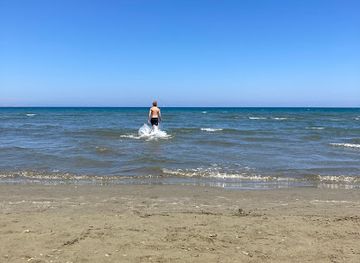
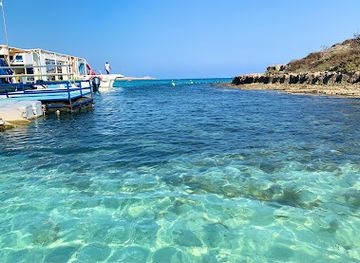
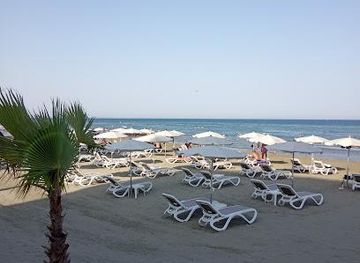
Mackenzie Beach
Discover the vibrant energy and stunning beauty of Mackenzie Beach, a top destination in Cyprus for sun, sea, and unforgettable experiences.
-
Historical place
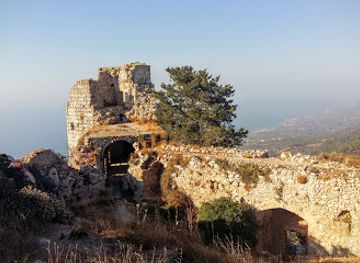
Kantara Castle
Discover the enchanting beauty and rich history of Kantara Castle, a stunning historical site in Cyprus offering breathtaking views and captivating stories.
Best landmarks in Tylliria Region
The most distinctive landmarks of Tylliria are tied to its geography and divided history. Kato Pyrgos is the principal southern settlement and a visual reference point on the coast, backed by steep wooded hills and facing the separated northern part of the peninsula. Pachyammos Church, associated with the village of Pachyammos, is an important local religious landmark and reflects the enduring role of Orthodox churches in rural Cypriot communities. The Limnitis crossing and the nearby buffer-zone landscape are historically significant, although they are controlled locations rather than conventional sightseeing sites. Across the divide, Kokkina remains a powerful reference in the region’s history but is not freely accessible from the Republic-controlled south. The coast around Pomos and the rocky headlands towards the western end of Tylliria provide natural landmarks shaped by cliffs, coves and open sea. These places are valuable precisely because they combine physical scenery with the region’s layered political and cultural past; visitors must observe all restrictions and avoid treating sensitive areas as photographic viewpoints.
-
 Historical landmark
Petra tou Romiou (Aphrodite's Rock)
Explore the legendary beauty of Aphrodite's Rock, a historical landmark in Cyprus, where myth and nature converge in breathtaking harmony.
-
Historical landmark
Archaeological Site of Nea Paphos
Explore the Archaeological Site of Nea Paphos, a UNESCO World Heritage Site showcasing stunning Roman mosaics and rich ancient history in Cyprus.
-
Historical landmark
Archaeological Site of the Tombs of the Kings
Discover the ancient wonders of the Tombs of the Kings, an archaeological masterpiece in Cyprus with breathtaking views and rich history.
-
Monument
Κourion Ancient Amphitheater
Discover the Kourion Ancient Amphitheater, a breathtaking monument revealing the rich history and stunning coastal views of Cyprus.
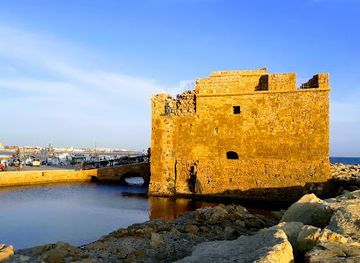
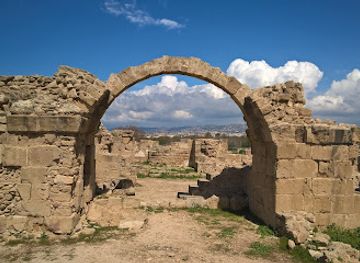
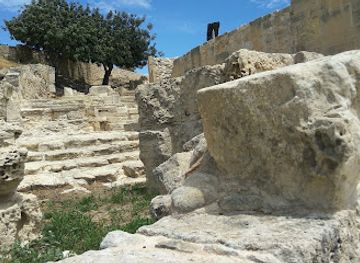
Explore Tylliria Region on the map
Plan your trip on one map. See where the top cities, national parks and sights are, and book hotels and experiences in a few clicks.
Best hotels in Tylliria Region
Best restaurants in Tylliria Region
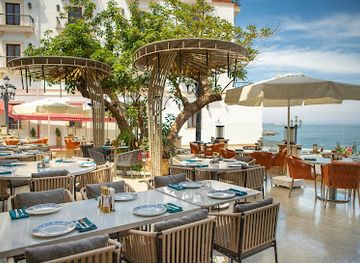
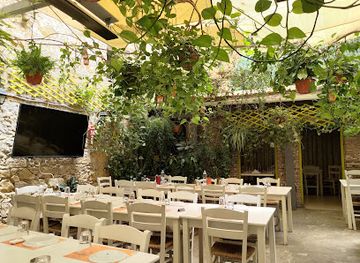
Dining in Tylliria is centred on village tavernas, family-run cafés and modest coastal establishments rather than a large restaurant industry. Menus typically draw on the wider Cypriot tradition: meze, grilled meat, halloumi, olives, seasonal vegetables, pulses, potatoes, bread and sweets such as loukoumades may appear alongside locally available fish on the coast. Kato Pyrgos, Pachyammos and Pomos are the places most likely to offer food for visitors, though choice and opening arrangements can be limited outside busier periods. Meals are generally unhurried and suited to sharing, with local wine, zivania or soft drinks complementing the food. Markets and small shops provide opportunities to buy fruit, preserves and other Cypriot produce, but visitors should not expect a continuous chain of cafés or supermarkets between villages. Calling ahead or asking locally is sensible when planning a meal in the more remote parts of the region.
-
Restaurant
Nima Restaurant & Lounge Bar
Discover Nima Restaurant & Lounge Bar in Kyrenia for an unforgettable culinary experience blending Mediterranean flavors with stunning views.
-
Restaurant
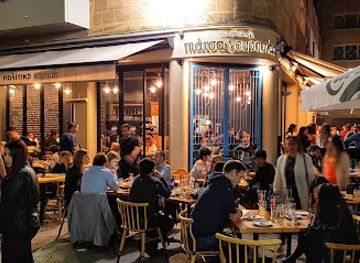
Piatsa Gourounaki
Discover authentic Cypriot flavors at Piatsa Gourounaki in Nicosia - where grilled meats meet warm hospitality in a charming setting.
-
Lebanese
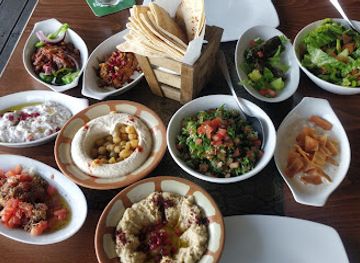
Maqam Al-Sultan Restaurant
Experience authentic Lebanese cuisine at Maqam Al-Sultan Restaurant in Larnaca - where rich flavors meet warm hospitality.
-
Greek
To Anamma Traditional Restaurant
Experience authentic Greek cuisine at To Anamma Traditional Restaurant in Nicosia—where every dish tells a story of tradition and flavor.
Best bars in Tylliria Region
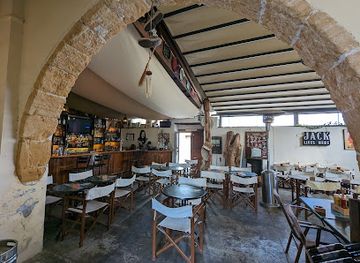
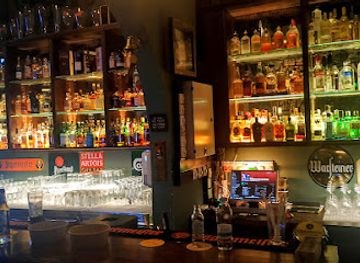
Tylliria does not have a major nightclub scene. Evening life is concentrated in village cafés, traditional coffeehouses, taverna terraces and a small number of bars attached to local accommodation, particularly around Kato Pyrgos and the coastal communities. The emphasis is on conversation, food and an evening outdoors rather than late-opening entertainment, while live music may occur occasionally as part of local social or seasonal gatherings. Pomos and Pachyammos can offer a relaxed coastal setting in warmer months, but services are dispersed and quieter outside summer. Visitors should not rely on finding a late-night venue or frequent taxis in the hills. Local wine, beer and zivania are available in appropriate settings, but alcohol is not central to experiencing the region’s culture.
-
Restaurant
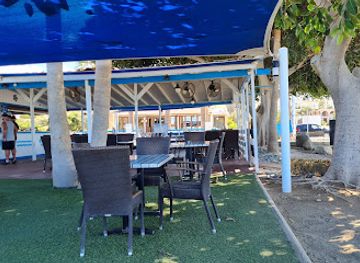
Santa Barbara Resto & Beach Bar
Discover the flavors of Greece at Santa Barbara Resto & Beach Bar, where Mediterranean cuisine meets stunning sea views in Argaka, Cyprus.
-
Bar
Lost + Found Drinkery
Experience the vibrant atmosphere and innovative cocktails at Lost + Found Drinkery, a must-visit bar in Nicosia, Cyprus.
-
Pub
Raw Pub
Experience the vibrant nightlife of North Nicosia at Raw Pub, where delicious drinks and a welcoming atmosphere await every visitor.
-
Grill
Babylon Bar
Discover the vibrant nightlife and delicious grill cuisine at Babylon Bar in Nicosia, Cyprus, an essential stop for any traveler.

Best nightclubs in Tylliria Region
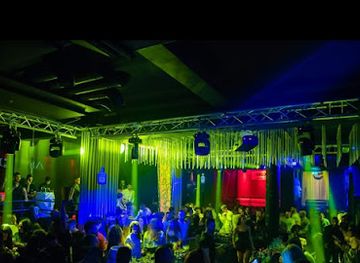
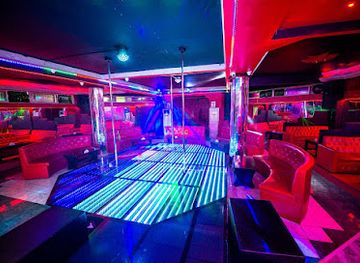
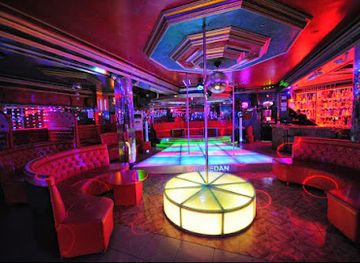
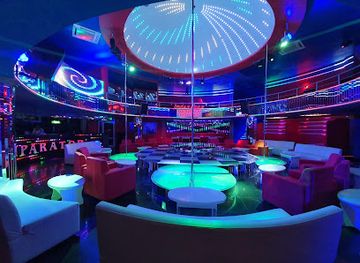
Tylliria does not have a major nightclub scene. Evening life is concentrated in village cafés, traditional coffeehouses, taverna terraces and a small number of bars attached to local accommodation, particularly around Kato Pyrgos and the coastal communities. The emphasis is on conversation, food and an evening outdoors rather than late-opening entertainment, while live music may occur occasionally as part of local social or seasonal gatherings. Pomos and Pachyammos can offer a relaxed coastal setting in warmer months, but services are dispersed and quieter outside summer. Visitors should not rely on finding a late-night venue or frequent taxis in the hills. Local wine, beer and zivania are available in appropriate settings, but alcohol is not central to experiencing the region’s culture.
-
Night club
Central Night Club
Experience the vibrant nightlife of Nicosia at Central Night Club, where music, dance, and unforgettable moments await you.
-
Night club
Harem Night Club
Experience the vibrant nightlife of Cyprus at Harem Night Club, where music, dance, and unforgettable moments come alive!
-
Night club
Kıbrıs Night Club
Experience the vibrant nightlife of Nicosia at Kıbrıs Night Club, where electrifying music and a lively atmosphere create unforgettable memories.
-
Night club
Emperor Night Club
Explore the vibrant nightlife at Emperor Night Club in Mórfou, where electrifying music and a lively atmosphere await.
Best shops in Tylliria Region
Shopping in Tylliria is small-scale and practical, with village shops, bakeries, cafés and occasional roadside sellers providing everyday supplies rather than extensive retail choice. Kato Pyrgos is the most useful southern base for basic purchases, while Pomos and Pachyammos may offer local food products and modest souvenirs. Visitors can look for Cypriot staples such as olive oil, olives, preserves, honey, wine, sweets and packaged halloumi, subject to availability and transport requirements. Traditional crafts and religious items may be found near churches or in village businesses, but specialist galleries and large shopping centres are absent. For a wider selection of clothing, books, crafts and groceries, travellers generally need to shop in Polis or another larger Cypriot town outside Tylliria. Carry enough cash for small rural transactions and do not assume that every seasonal stall or village business will operate year-round.
-
Shopping mall
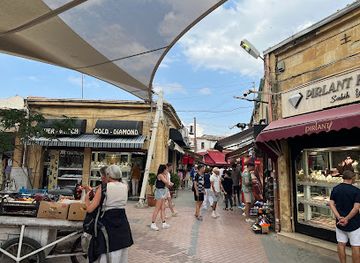
Turkish Bazaar
Discover the charm of the Turkish Bazaar in North Nicosia, where shopping meets cultural immersion in a vibrant market atmosphere.
-
Gift shop
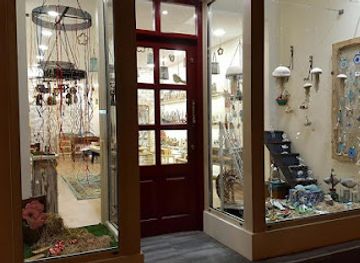
Le Monde d'Amélie
Explore the artistic charm of Le Monde d'Amélie, a unique gift shop in Nicosia offering exquisite jewelry, decor, and paintings.
-
Gift shop
Groovy The Store (Larnakos Shop)
Explore Groovy The Store in Nicosia for unique gifts and souvenirs that embody the spirit of Cyprus, perfect for all ages and tastes.
-
Antique store
Skoulli House of Treasures
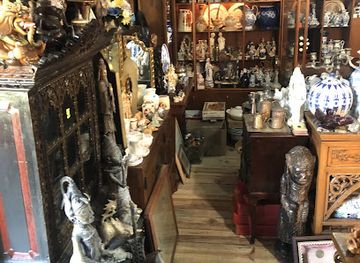
Explore a unique antique store in Skoulli, Cyprus, showcasing a delightful array of second-hand treasures and vintage finds.
Get your free copy of our complete guide to Tylliria Region, delivered straight to you.
Everything on this page, from attractions and restaurants to essentials and local phrases, in one PDF you can read offline, print or share.
Already have an account? Sign in
Your Tylliria Region guide is ready.
We'll send it to · Not you? Sign out

Getting your guide ready…
We are putting together a fresh copy of the Tylliria Region guide. This can take up to a minute.
This can take a few moments. If your browser asks, choose Allow so the download can start. You'll find the guide in your Downloads folder.
Nothing happened? Download it again
Sorry, the guide is taking longer than usual. Please try again in a minute, or get it by email instead.
Tylliria Region essentials
Currency and Payment
Safety
Emergency Situations
Do's and Don'ts
Local Tips
From Eve
Local phrases worth knowing
You don't need to get them perfect. A few words go a long way, and locals appreciate the effort.
Basics
| English | Local | Say it |
|---|---|---|
| Hello | Γειά σου | [Yia sou] |
| Goodbye | Αντίο | [Adio] |
| Yes | Ναι | [Ne] |
| No | Όχι | [Ochi] |
| Please/You're welcome | Παρακαλώ | [Parakalo] |
| Thank you | Ευχαριστώ | [Efharisto] |
| Excuse me/Sorry | Συγγνώμη | [Signomi] |
| How are you? | Πώς είσαι; | [Pos ise?] |
| Fine. And you? | Καλά. Εσύ; | [Kala. Esy?] |
| Do you speak English? | Μιλάς αγγλικά; | [Milas agglika?] |
| I don't understand | Δεν καταλαβαίνω | [Den katalaveno] |
Eating & Drinking
| English | Local | Say it |
|---|---|---|
| I'd like to see the menu, please | Θα ήθελα να δω το μενού, παρακαλώ | [Tha ithela na do to menu, parakalo] |
| I don't eat meat | Δεν τρώω κρέας | [Den troo kreas] |
| Cheers! | Στην υγειά μας! | [Stin ygeia mas!] |
| I would like to pay, please | Θα ήθελα να πληρώσω, παρακαλώ | [Tha ithela na pliroso, parakalo] |
Emergencies
| English | Local | Say it |
|---|---|---|
| Help! | Βοήθεια! | [Voitheia!] |
| Go away! | Φύγε! | [Fyge!] |
| Call the Police! | Καλέστε την Αστυνομία! | [Kaleste tin Astynomia!] |
| Call a doctor! | Καλέστε έναν γιατρό! | [Kaleste enan giatro!] |
| I'm lost | Έχω χαθεί | [Eho chathei] |
| I'm ill | Είμαι άρρωστος/άρρωστη | [Ime arrostos/arrosti] |
Shopping
| English | Local | Say it |
|---|---|---|
| I'd like to buy... | Θα ήθελα να αγοράσω... | [Tha ithela na agoraso...] |
| I'm just looking | Απλώς κοιτάω | [Aplos kitao] |
| How much is it? | Πόσο κοστίζει; | [Poso kostizei?] |
| That's too expensive | Είναι πολύ ακριβό | [Ine poly akrivo] |
| Can you lower the price? | Μπορείς να ρίξεις την τιμή; | [Boreis na rixis tin timi?] |
Time & Numbers
| English | Local | Say it |
|---|---|---|
| What time is it? | Τι ώρα είναι; | [Ti ora ine?] |
| It's one o'clock | Είναι μία η ώρα | [Ine mia i ora] |
| Half past (10) | Δέκα και μισή | [Deka kai misi] |
| Morning | Πρωί | [Proi] |
| Afternoon | Απόγευμα | [Apogeuma] |
| Evening | Βράδυ | [Vrady] |
| Yesterday | Χθες | [Chthes] |
| Today | Σήμερα | [Simera] |
| Tomorrow | Αύριο | [Avrio] |
| 1 | 1 | [1] |
| 2 | 2 | [2] |
| 3 | 3 | [3] |
| 4 | 4 | [4] |
| 5 | 5 | [5] |
| 6 | 6 | [6] |
| 7 | 7 | [7] |
| 8 | 8 | [8] |
| 9 | 9 | [9] |
| 10 | 10 | [10] |
Transport & Directions
| English | Local | Say it |
|---|---|---|
| Where's a/the...? | Πού είναι το...; | [Pou ine to...?] |
| What's the address? | Ποια είναι η διεύθυνση; | [Poia ine i diefthinsi?] |
| Can you show me (on the map)? | Μπορείς να μου δείξεις (στο χάρτη); | [Boreis na mou deikseis (sto charti)?] |
| When's the next (bus)? | Πότε είναι το επόμενο (λεωφορείο); | [Pote ine to epomeno (leoforio)?] |
| A ticket (to ....) | Ένα εισιτήριο (για ....) | [Ena eisitirio (gia ....)] |
History of Tylliria Region
Ancient and Byzantine Cyprus
Tylliria’s hills and coast formed part of the wider historical landscape of western Cyprus from antiquity onwards. The area’s valleys, springs and sheltered coastal points supported small rural communities, although it never developed into a major urban centre comparable with ancient Paphos or Salamis. During the Byzantine period, Christianity became firmly established across the island, leaving a legacy reflected in village churches and religious traditions that continued through later Lusignan, Venetian and Ottoman rule.
Venetian and Ottoman Rural Society
Cyprus became a Venetian possession in 1489 and was conquered by the Ottoman Empire in 1571. In remote Tylliria, these changes were experienced mainly through alterations in administration, landholding and taxation rather than through the creation of large monuments. Agriculture, livestock rearing, small-scale trade and coastal activity remained central to local life. The settlement pattern of scattered mountain and coastal villages, together with churches and traditional houses, reflects the long continuity of rural Cypriot society.
British Rule and Modern Administration
Britain assumed control of Cyprus in 1878 and formally annexed the island in 1914, with colonial rule ending in 1960. Roads, public administration and communications gradually connected remote districts such as Tylliria more closely with the rest of the island, although the region remained comparatively isolated. The period also contributed to the modern administrative identification of villages around the peninsula. Traditional agriculture continued, but emigration and movement to larger towns began to alter the rural population.
The Tylliria Conflict of 1964
Tylliria became one of the principal theatres of intercommunal violence in Cyprus in 1964. Fighting between Greek Cypriot and Turkish Cypriot forces centred on the Kokkina area and neighbouring communities, and military action affected villages, roads and civilians across the peninsula. Kokkina subsequently became a Turkish Cypriot enclave supplied from the north. The conflict left a lasting mark on local memory and explains much of the region’s military landscape and restricted-access geography.
The 1974 Division of Cyprus
The political crisis and military events of 1974 divided Cyprus, creating the United Nations buffer zone that still crosses Tylliria. Communities, farmland and transport routes were separated, and Kokkina remained under the administration of the internationally unrecognised Turkish Republic of Northern Cyprus. The southern part of Tylliria remained under the effective control of the Republic of Cyprus, while the region’s historic connections were disrupted. The Limnitis crossing, opened to facilitate movement across the divide, restored some travel possibilities without removing the political reality.
Rural Continuity and Contemporary Tylliria
In recent decades Tylliria has remained one of Cyprus’s less intensively developed regions. Agriculture, fishing, small hospitality businesses and public-sector employment continue to support local communities, while younger residents often seek education and work elsewhere. Visitors now encounter a landscape in which village life, churches, coastal recreation and woodland coexist with the visible legacy of division. Conservation concerns, water scarcity, wildfire risk and the preservation of rural services are increasingly important to the region’s future.
Tylliria Region in Photos
Browse through our photo collection highlighting the charm and character of the destination.
Neighbouring regions of Tylliria Region
The closest regions to Tylliria Region, if you have time for more than one.
-

-

-

-

-


Swipe for more regions
Explore more

Explore more of Cyprus
Discover Cyprus: A Mediterranean paradise with a rich tapestry of history, culture, and breathtaking landscapes, offering a perfect blend of relaxation and adventure.
Explore Cyprus