

Free Czech Forest Travel Guide & Mobile App
Explore Czech Forest with free travel guides. Discover regional history, expert tips, proposed trips, and audio guides on web or mobile app.


Explore the Czech Forest in Czechia for wooded border ridges, Chod culture, medieval castles, cycling routes and peaceful rural towns.
Read more about Czech Forest
When is the best time to visit Czech Forest?
Best: June–August · 21–23°C| Month | High (°C) | Rainfall (mm) |
|---|---|---|
| January | 2 | 25 |
| February | 3 | 25 |
| March | 7 | 30 |
| April | 11 | 35 |
| May | 17 | 40 |
| June (best) | 21 | 45 |
| July (best) | 23 | 50 |
| August (best) | 23 | 50 |
| September | 19 | 45 |
| October | 13 | 40 |
| November | 7 | 30 |
| December | 2 | 25 |
Getting to and around Czech Forest
How to get there
Transportation
Best attractions in Czech Forest
The Czech Forest’s attractions are dispersed through a protected border landscape rather than concentrated in a single resort. Walking and cycling routes lead through spruce and beech woods, upland meadows, former border roads and quiet valleys, with Čerchov providing the best-known high point in the southern range. The Czech Forest Protected Landscape Area is valuable for its habitats and cultural landscape as much as for conventional sightseeing. Historic towns add variety: Domažlice is associated with Chod culture and traditional architecture, while Tachov and Přimda provide access to the northern and central sections. Castle remains, village churches, small museums and traces of vanished settlements reveal the region’s layered past. Visitors interested in twentieth-century history can look for former Iron Curtain sites and border infrastructure, always respecting access restrictions and conservation rules. The area is suited to hiking, touring by bicycle, wildlife observation and landscape photography, with cross-border excursions into Germany possible where routes and border arrangements permit. Services are deliberately modest in the uplands, so the experience is shaped by self-guided exploration, historic market towns and the changing character of the forest rather than by a dense programme of commercial attractions.
-
National forest
Slavkov forest
Discover Slavkov Forest: A Natural Paradise of Biodiversity and Scenic Trails in the Czech Republic.
-
National forest
Český les Protected Landscape Area
Explore the breathtaking beauty of Česky Les Protected Landscape Area, a national forest and nature preserve in the Czech Republic, perfect for outdoor adventures.


Best landmarks in Czech Forest
Čerchov is the Czech Forest’s defining natural landmark, rising to 1,042 metres and forming a prominent wooded summit above the southern range. Its elevated position and border setting have given it both scenic and strategic importance, although military associations mean that visitors should follow current access arrangements around summit facilities. The ruins of Přimda Castle occupy an equally significant historic position above the town of Přimda. Dating from the early twelfth century, the castle is among the oldest stone castles in the Czech lands and demonstrates the medieval importance of the route through the western frontier. Domažlice’s long central square, lined with arcaded historic houses and dominated by the town’s tower, is the architectural heart of the Chod region. Elsewhere, modest churches, village chapels and surviving farm buildings give the settled landscape its character. Former Iron Curtain structures and border roads form a less monumental but important modern landmark network, recording the decades when this part of Czechia was a controlled military frontier.
-
Historical landmark
Royal Forest Dam
Explore the Royal Forest Dam - a historical landmark in the Czech Republic offering stunning views, hiking trails, and a peaceful retreat into nature.
-
National forest
Slavkov forest
Discover the breathtaking landscapes and rich biodiversity of Slavkov Forest, an ideal destination for nature lovers and outdoor enthusiasts in the Czech Republic.
-
Nature preserve
Chráněná krajinná oblast Český kras
Discover the stunning landscapes and rich biodiversity of Český Kraj, a national reserve perfect for nature lovers and adventurers in the Czech Republic.
-
Nature preserve
Železné hory
Experience the serene beauty and diverse wildlife of Železné Hory, a nature preserve perfect for hiking and outdoor adventures in the Czech Republic.


Explore Czech Forest on the map
Plan your trip on one map. See where the top cities, national parks and sights are, and book hotels and experiences in a few clicks.
Best hotels in Czech Forest
Best restaurants in Czech Forest
Dining in the Czech Forest is rooted in the food culture of western Bohemia, with hearty soups, pork, poultry, game, potatoes, cabbage, dumplings and seasonal mushrooms appearing in traditional cooking. Around Domažlice, visitors can encounter Chod-associated specialities and locally made baked goods, while rural inns and town restaurants provide familiar Czech meals alongside increasingly varied contemporary menus. Small breweries and regional drinks may complement dishes, although availability differs from one settlement to another. Domažlice and Tachov offer the broadest choice of cafés, bakeries and restaurants; in smaller villages, opening days and evening service can be limited. Farmers’ markets and local shops are useful for bread, cheeses, preserves and other provisions for a walking or cycling day. Dining is generally informal, but reservations may be sensible for popular establishments at weekends or during local events. The region’s culinary identity is best understood through its links with western Bohemian farming, forestry and Chod traditions rather than through a single dish found everywhere.
-
Restaurant
U Kroka
Experience authentic Czech cuisine at U Kroka, where tradition meets exceptional service in the heart of Prague.
-
Restaurant
Bredovský Dvůr
Experience authentic Czech cuisine at Bredovský Dvůr - where tradition meets taste in the heart of Prague's New Town.
-
Restaurant
Restaurant Mlýnec
Experience modern European fine dining with stunning views at Restaurant Mlýnec in Prague's historic Old Town.
-
Czech
Smíchovský radniční sklípek
Experience authentic Czech cuisine in the heart of Prague 5-Anděl at Smíchovský radniční sklípek, where tradition meets taste.


Best bars in Czech Forest
Evening life in the Czech Forest is centred on traditional pubs, hotel restaurants, cafés and small-town establishments rather than a large nightclub scene. Domažlice has the widest choice of places for an evening drink, with Tachov and other larger towns providing additional pubs and restaurants. Local beer is a natural feature of Czech social life, while some venues also serve wine, spirits and non-alcoholic drinks; alcohol is not essential to enjoying the region. In villages, the hospoda, or local pub, may be the main evening meeting place, though opening arrangements can vary. Cultural events, folk performances and seasonal celebrations can bring livelier evenings to Domažlice and surrounding Chod communities, but these should be checked in advance. Travellers seeking late-night entertainment will find the region quieter than major Czech cities and may prefer an evening walk, a meal at a rural inn or a stay in a historic town.
-
Bar
Vzorkovna Dog Bar
Discover Vzorkovna Dog Bar: A unique pet-friendly bar in Prague's Old Town where dogs and their owners can enjoy a vibrant atmosphere together.
-
Bar
The bar that doesn't exist
Experience the allure of Brno's hidden gem, 'The Bar That Doesn't Exist', where exquisite cocktails and gourmet hamburgers create unforgettable memories.
-
Bar
Hemingway Bar
Experience the allure of Hemingway Bar in Old Town, a cocktail haven where literary charm meets exquisite mixology.
-
Tour operator
Drunken Monkey Pub Crawl & Boat Party
Join the ultimate nightlife experience in Prague with Drunken Monkey Pub Crawl & Boat Party, where bar hopping meets an unforgettable boat party.


Best nightclubs in Czech Forest
Evening life in the Czech Forest is centred on traditional pubs, hotel restaurants, cafés and small-town establishments rather than a large nightclub scene. Domažlice has the widest choice of places for an evening drink, with Tachov and other larger towns providing additional pubs and restaurants. Local beer is a natural feature of Czech social life, while some venues also serve wine, spirits and non-alcoholic drinks; alcohol is not essential to enjoying the region. In villages, the hospoda, or local pub, may be the main evening meeting place, though opening arrangements can vary. Cultural events, folk performances and seasonal celebrations can bring livelier evenings to Domažlice and surrounding Chod communities, but these should be checked in advance. Travellers seeking late-night entertainment will find the region quieter than major Czech cities and may prefer an evening walk, a meal at a rural inn or a stay in a historic town.
-
Night club
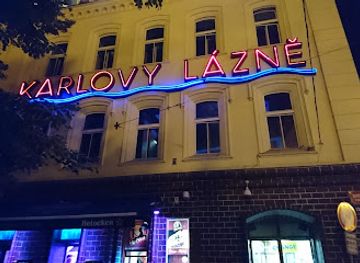
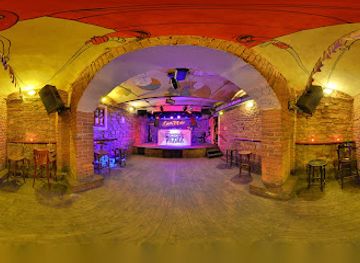
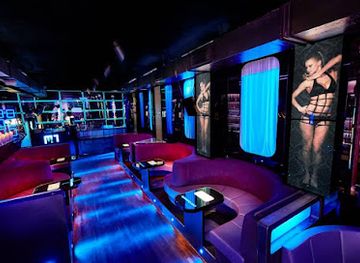
Karlovy Lazne - Nightclub
Discover the ultimate nightlife at Karlovy Lazne, Prague's largest and most iconic nightclub featuring multiple floors of music and dancing.
-
Night club
Chapeau Rouge
Experience the electric nightlife at Chapeau Rouge, a top dance club in Prague's Old Town, known for its vibrant atmosphere and eclectic music.
-
Night club
M1 Lounge Bar & Club - RnB & Hip Hop
Dive into the pulsating nightlife of Prague at M1 Lounge Bar & Club, where RnB and Hip Hop reign supreme in an unforgettable atmosphere.
-
Bar
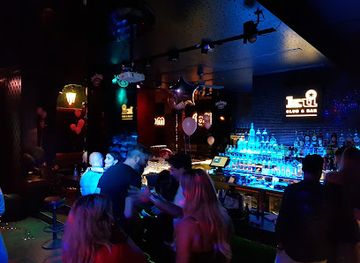
KU Club & Bar
Experience the vibrant nightlife of Old Town at KU Club & Bar, where great cocktails and lively music create unforgettable nights.
Best shops in Czech Forest
Shopping in the Czech Forest is concentrated in Domažlice, Tachov, Přimda and other market towns rather than in large retail complexes. Domažlice is the strongest centre for browsing independent shops, bakeries, cafés, local food and items associated with Chod culture, including decorated ceramics and folk-inspired crafts. Small galleries and craft outlets may offer pottery, woodwork, textiles or regional artwork, although selection and opening days vary. Town markets and seasonal events are useful for bread, preserves, honey, cheeses and other products from western Bohemian farms. Tachov provides practical everyday shopping for visitors staying in the northern part of the range, while villages generally have only limited provisions. When buying souvenirs, look for locally produced goods rather than generic items labelled with the region’s name. The most useful purchases for a walking trip are also often the simplest: bakery goods, fruit, drinks and picnic supplies obtained before heading into the forest.
-
Shopping mall
PALLADIUM
Discover shopping bliss at PALLADIUM, Prague's vibrant shopping mall with top brands, delicious dining, and exciting events in a historic setting.
-
Shopping mall
Westfield Chodov
Explore Westfield Chodov, Prague's largest shopping mall, featuring over 300 stores, diverse dining options, and entertainment for the whole family.
-
Shopping mall
Nový Smíchov Shopping Centre
Discover the ultimate shopping experience at Nový Smíchov Shopping Centre, where fashion, food, and fun come together in Prague.
-
Outlet mall
Fashion Arena Prague Outlet
Explore unbeatable deals at Fashion Arena Prague Outlet, your ultimate shopping destination for designer brands at discounted prices.



Get your free copy of our complete guide to Czech Forest, delivered straight to you.
Everything on this page, from attractions and restaurants to essentials and local phrases, in one PDF you can read offline, print or share.
Already have an account? Sign in
Your Czech Forest guide is ready.
We'll send it to · Not you? Sign out

Getting your guide ready…
We are putting together a fresh copy of the Czech Forest guide. This can take up to a minute.
This can take a few moments. If your browser asks, choose Allow so the download can start. You'll find the guide in your Downloads folder.
Nothing happened? Download it again
Sorry, the guide is taking longer than usual. Please try again in a minute, or get it by email instead.
Czech Forest essentials
Currency and Payment
Safety
Emergency Situations
Do's and Don'ts
Local Tips
From Eve
Local phrases worth knowing
You don't need to get them perfect. A few words go a long way, and locals appreciate the effort.
Basics
| English | Local | Say it |
|---|---|---|
| Hello | Ahoj | [ahoy] |
| Goodbye | Na shledanou | [nah skhledanoh] |
| Yes | Ano | [ahnoh] |
| No | Ne | [neh] |
| Please/You're welcome | Prosím | [pro-seem] |
| Thank you | Děkuji | [dyeh-koo-yee] |
| Excuse me/Sorry | Omlouvám se | [om-loh-vahm seh] |
| How are you? | Jak se máš? | [yak seh mahsh] |
| Fine. And you? | Dobře. A ty? | [dob-zhay. ah tee?] |
| Do you speak English? | Mluvíš anglicky? | [mlue-veesh ahn-glitskee?] |
| I don't understand | Nerozumím | [neh-roh-zoo-meem] |
Eating & Drinking
| English | Local | Say it |
|---|---|---|
| I'd like to see the menu, please | Chtěl bych vidět menu, prosím | [khtyel beek veed-yet menu, pro-seem] |
| I don't eat meat | Nejím maso | [nay-eem mah-so] |
| Cheers! | Na zdraví! | [nah zdra-vee] |
| I would like to pay, please | Chtěl bych zaplatit, prosím | [khtyel beek zah-pla-teet, pro-seem] |
Emergencies
| English | Local | Say it |
|---|---|---|
| Help! | Pomoc! | [poh-mots] |
| Go away! | Jdi pryč! | [yee preech] |
| Call the Police! | Zavolejte policii! | [zah-vo-lay-teh poh-lit-see-ee] |
| Call a doctor! | Zavolejte doktora! | [zah-vo-lay-teh doh-kto-ra] |
| I'm lost | Ztratil jsem se | [ztra-teel ysem seh] |
| I'm ill | Jsem nemocný | [ysem neh-mots-nee] |
Shopping
| English | Local | Say it |
|---|---|---|
| I'd like to buy... | Chtěl bych koupit... | [khtyel beek koh-pit...] |
| I'm just looking | Jen se dívám | [yen seh dee-vahm] |
| How much is it? | Kolik to stojí? | [koh-leek toh stoy-ee?] |
| That's too expensive | To je příliš drahé | [toh yeh pree-leesh drah-heh] |
| Can you lower the price? | Můžeš snížit cenu? | [moo-zhesh snee-zheet tseh-noo?] |
Time & Numbers
| English | Local | Say it |
|---|---|---|
| What time is it? | Kolik je hodin? | [koh-leek yeh ho-deen?] |
| It's one o'clock | Je jedna hodina | [yeh yed-na ho-dee-na] |
| Half past (10) | Půl (10) | [pool (10)] |
| Morning | Ráno | [rah-no] |
| Afternoon | Odpoledne | [od-po-led-neh] |
| Evening | Večer | [veh-cher] |
| Yesterday | Včera | [vcheh-ra] |
| Today | Dnes | [dnes] |
| Tomorrow | Zítra | [zeetra] |
| 1 | 1 | [1] |
| 2 | 2 | [2] |
| 3 | 3 | [3] |
| 4 | 4 | [4] |
| 5 | 5 | [5] |
| 6 | 6 | [6] |
| 7 | 7 | [7] |
| 8 | 8 | [8] |
| 9 | 9 | [9] |
| 10 | 10 | [10] |
Transport & Directions
| English | Local | Say it |
|---|---|---|
| Where's a/the...? | Kde je...? | [kdeh yeh...?] |
| What's the address? | Jaká je adresa? | [yak-ah yeh ah-dre-sah?] |
| Can you show me (on the map)? | Můžeš mi to ukázat (na mapě)? | [moo-zhesh mee toh oo-kah-zat (nah mah-peh)?] |
| When's the next (bus)? | Kdy jede další (autobus)? | [kdih yeh-deh dal-shee (au-to-boos)?] |
| A ticket (to ....) | Jeden lístek (do ....) | [yeh-den lees-tek (do ....)] |
History of Czech Forest
Early Settlement and the Border Forest
The wooded uplands of the Czech Forest formed part of a broader frontier zone between Bohemia and Bavaria. Archaeological evidence indicates prehistoric activity in the surrounding lowlands and valleys, while the mountains themselves remained comparatively sparsely settled because of their terrain and dense woodland. Routes crossing the borderlands connected communities on both sides, and clearings gradually supported pasture, forestry and small settlements. The forest was never an empty space, but its history was shaped by the balance between difficult access, natural resources and the political importance of western Bohemia’s frontier.
Přimda Castle and Medieval Frontier Power
Přimda Castle stands on a rocky hill above the town of Přimda and is generally regarded as one of the oldest stone castles in the Czech lands. Established in the early twelfth century, it guarded an important route between Bohemia and the Bavarian lands and expressed the Přemyslid rulers’ interest in controlling the western frontier. Although now a ruin, its elevated position still explains its strategic value. The castle is a visible reminder that the Czech Forest was not merely a rural hinterland but a corridor through which armies, merchants and political authority moved.
The Chods and the Domažlice Borderlands
From the late medieval period, the Chods became closely associated with the frontier around Domažlice. These hereditary border guards were granted particular rights and obligations in return for protecting routes and passes along the Bohemian edge. Their status later became contested, contributing to the Chod rebellion against the authorities in the seventeenth century. The movement acquired lasting importance in Czech cultural memory, especially through the literary treatment of the Chod leader Jan Sladký Kozina. Domažlice and nearby communities continue to present Chod traditions through museums, music, costume and regional crafts.
Trade, Forestry and Rural Transformation
For centuries, the Czech Forest economy combined agriculture in the settled valleys with timber production, charcoal making, craft work and movement along regional roads. Market towns such as Domažlice, Tachov and Přimda linked upland communities with larger centres in Bohemia and Bavaria. Modern forestry altered the composition and management of the woodland, while improving roads and later rail connections reduced the isolation of some settlements. The result was a landscape of managed forest, meadows, villages and historic towns rather than untouched wilderness.
Twentieth-Century Border Restrictions
The twentieth century brought profound disruption to the Czech Forest. After the Second World War, the expulsion of the German-speaking population transformed many communities along the western border. Under communist rule, the frontier became part of the restricted Iron Curtain zone, with fences, patrols and controlled access limiting ordinary movement. Some villages disappeared or declined, and former military areas left traces in the countryside. The restricted zone also reduced development in places, helping preserve extensive quiet landscapes that later became important to conservation and low-impact tourism.
Protected Landscape and Cross-Border Renewal
The modern Czech Forest emerged from the border’s opening after 1989 and from growing recognition of the area’s ecological and historical value. The Český les Protected Landscape Area was established in 2005 to protect forests, upland meadows, wetlands and cultural landscapes across much of the range. Former border paths have become walking and cycling routes, while cooperation with neighbouring Bavaria has encouraged a more connected approach to nature protection and heritage. Tourism remains relatively dispersed, reflecting an effort to preserve the region’s rural character rather than create a large resort landscape.
Czech Forest in Photos
Browse through our photo collection highlighting the charm and character of the destination.
Neighbouring regions of Czech Forest
The closest regions to Czech Forest, if you have time for more than one.
-

-

-
-
-


Swipe for more regions
Explore more

Explore more of Czechia
Discover Czechia: A European gem with historic towns, stunning landscapes, and cultural delights. Perfect for travelers seeking charm, history, and adventure.
Explore Czechia