

Free Central Bohemia Travel Guide & Mobile App
Explore Central Bohemia with free travel guides. Discover regional history, expert tips, proposed trips, and audio guides on web or mobile app.


Explore Central Bohemia beyond Prague, from medieval Kutná Hora and royal castles to vineyard towns, wooded hills and river valleys.
Read more about Central Bohemia
When is the best time to visit Central Bohemia?
Best: June–August · 22–24°C| Month | High (°C) | Rainfall (mm) |
|---|---|---|
| January | 3 | 25 |
| February | 4 | 25 |
| March | 9 | 30 |
| April | 14 | 35 |
| May | 19 | 45 |
| June (best) | 22 | 55 |
| July (best) | 24 | 65 |
| August (best) | 24 | 60 |
| September | 19 | 50 |
| October | 13 | 40 |
| November | 7 | 35 |
| December | 2 | 30 |
Getting to and around Central Bohemia
How to get there
Transportation
Top city travel guides in Central Bohemia
The cities of Central Bohemia, and the easiest places to base yourself.
-

-

-
-

-


Swipe for more cities
Destinations in Central Bohemia
Resorts, valleys and scenic spots worth a trip of their own.
-

-
-

-


Swipe for more destinations
Best attractions in Central Bohemia
Central Bohemia’s attractions range from royal castles and medieval towns to river valleys, forests and protected limestone landscapes. Karlštejn and Křivoklát offer contrasting visions of royal power: the former is a carefully planned Gothic stronghold south-west of Prague, while the latter is embedded in the wooded Křivoklátsko region. Kutná Hora provides the region’s most concentrated historic experience, combining the Cathedral of St Barbara, the Italian Court and the former mining landscape. Mělník, Poděbrady and Nymburk add distinctive townscapes, river scenery and spa or vineyard traditions. Nature-focused visitors can explore Český kras, the Brdy hills and the Sázava valley on foot or by bicycle, while canoeing is popular on suitable sections of the region’s rivers. Mladá Boleslav’s Škoda Museum presents the area’s industrial and automotive story, and Příbram offers mining and religious heritage near the Brdy uplands. The attraction landscape is strongest when heritage visits are combined with the countryside between them.
-
Museum
Národní Muzeum
Discover the heart of Czech history and culture at the Národní Muzeum in Prague, a treasure trove of knowledge and artistry.
-
Karlštejn Castle
Explore the breathtaking Karlštejn Castle, a Gothic masterpiece and a symbol of Czech heritage, nestled in the serene Bohemian countryside.
-
Castle
Křivoklát Castle
Discover Křivoklát Castle, a majestic Gothic fortress with centuries of royal history, stunning architecture, and captivating legends in the heart of Bohemia.
-
Sightseeing tour agency
Free Walking Tour Prague
Experience the beauty and history of Prague with a captivating Free Walking Tour led by local guides, perfect for every traveler.


Best landmarks in Central Bohemia
Karlštejn Castle is Central Bohemia’s most recognisable medieval landmark, rising above a wooded valley and reflecting the authority of Charles IV, who founded it to safeguard royal treasures and relics. Kutná Hora’s Cathedral of St Barbara dominates the town with its late Gothic architecture, while the Italian Court represents the administrative and monetary power created by silver mining. Křivoklát Castle has a different setting and character: its long history as a royal residence is inseparable from the surrounding hunting forests. At Mělník, the historic town sits above the confluence of the Vltava and Elbe, providing one of the region’s clearest geographical landmarks. Poděbrady Castle and its spa park express a later, more leisurely phase of regional history, while the remnants and museums of Příbram’s mining landscape recall the industrial importance of the Brdy foothills. The Elbe and Sázava valleys themselves are also defining geographical features, shaping settlement, transport and views across the region.
-
Bridge
Charles Bridge
Explore the enchanting Charles Bridge in Prague, a historic Gothic marvel adorned with statues, offering stunning views and vibrant street life.
-
Castle
Prague Castle
Explore the rich history and stunning architecture of Prague Castle, a breathtaking landmark in the heart of the Czech Republic.
-
Plaza
Old Town Square
Explore the enchanting Old Town Square in Prague, where history, culture, and stunning architecture unite in the heart of the city.
-
Tourist attraction
Prague Astronomical Clock
Discover the Prague Astronomical Clock, a stunning medieval marvel in the heart of the city, showcasing intricate design and a captivating hourly spectacle.


Explore Central Bohemia on the map
Plan your trip on one map. See where the top cities, national parks and sights are, and book hotels and experiences in a few clicks.
Best hotels in Central Bohemia
Best restaurants in Central Bohemia
Dining in Central Bohemia is grounded in the broader cooking of Bohemia, with filling soups, roast meats, dumplings, freshwater fish, fruit-based desserts and sweet or savoury pastries appearing in traditional restaurants, inns and cafés. Towns such as Kutná Hora, Mělník, Poděbrady, Beroun and Mladá Boleslav offer the widest range, from modern Czech cooking to international meals, while villages are more likely to centre on a pub or simple restaurant. Mělník and the lower Vltava area are associated with local vineyards and wines, and farm shops and seasonal markets provide opportunities to buy regional produce. Beer remains common, but it is not the only local drink: cafés, wineries and non-alcoholic choices are increasingly easy to find. Look for seasonal menus featuring mushrooms, game or river fish, particularly in rural districts, and expect opening patterns to be more limited away from the larger towns.
-
Czech
Lokál Dlouhááá
Discover Lokál Dlouhááá: A Culinary Gem in Prague's Old Town Offering Traditional Czech Flavors.
-
Meat
Kantýna
Experience the essence of Czech cuisine at Kantýna in New Town, where modernity meets tradition in every delicious bite.
-
Grill
Sad Man's Tongue Bar & Bistro
Experience authentic American cuisine at Sad Man's Tongue Bar & Bistro in Prague's historic Old Town—where great taste meets vibrant atmosphere.
-
Czech
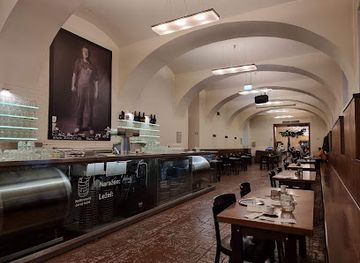
Restaurace Dačický
Experience authentic Czech cuisine at Restaurace Dačický in Kutná Hora - where tradition meets flavor.


Best bars in Central Bohemia
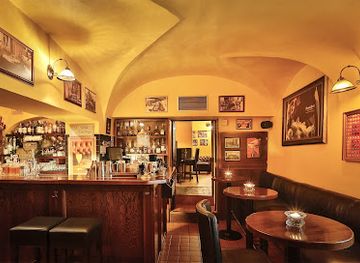
Nightlife in Central Bohemia is generally local and town-based rather than defined by a large club scene. Historic pubs and contemporary beer bars provide the main evening focus in places such as Kutná Hora, Mělník, Beroun, Poděbrady and Mladá Boleslav, while cafés and wine bars are especially relevant in Mělník and other vineyard communities. Larger towns may have live music, theatres or small dance venues, but programmes and opening arrangements change regularly. In rural areas, evenings usually centre on a pub, restaurant or seasonal community event rather than late-night entertainment. Poděbrady’s spa setting brings a calmer café and restaurant culture, whereas student and cultural activity is more closely connected to nearby Prague. Check local listings for concerts and performances instead of assuming that a venue operates every night.
-
Bar
Hemingway Bar
Experience the literary charm of Hemingway Bar in Prague, where creative cocktails meet an elegant atmosphere in the heart of the Old Town.
-
Tour operator
Drunken Monkey Pub Crawl & Boat Party
Join Drunken Monkey Pub Crawl & Boat Party for an unforgettable night in Prague, blending bar hopping with a scenic boat party experience.
-
Cocktail bar
Anonymous Bar
Experience the vibrant cocktail culture of Prague at Anonymous Bar, where creativity meets a captivating atmosphere in the heart of Old Town.
-
Wine bar
U Sudu Wine Bar
Experience the best of Prague at U Sudu Wine Bar, where exquisite wines meet a cozy atmosphere, perfect for any occasion.


Best nightclubs in Central Bohemia
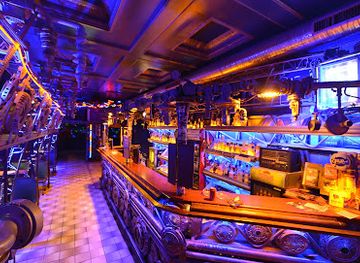
Nightlife in Central Bohemia is generally local and town-based rather than defined by a large club scene. Historic pubs and contemporary beer bars provide the main evening focus in places such as Kutná Hora, Mělník, Beroun, Poděbrady and Mladá Boleslav, while cafés and wine bars are especially relevant in Mělník and other vineyard communities. Larger towns may have live music, theatres or small dance venues, but programmes and opening arrangements change regularly. In rural areas, evenings usually centre on a pub, restaurant or seasonal community event rather than late-night entertainment. Poděbrady’s spa setting brings a calmer café and restaurant culture, whereas student and cultural activity is more closely connected to nearby Prague. Check local listings for concerts and performances instead of assuming that a venue operates every night.
-
Night club
Duplex
Discover Duplex, a premier nightclub in Prague offering stunning views, electrifying music, and an unforgettable nightlife experience.
-
Night club
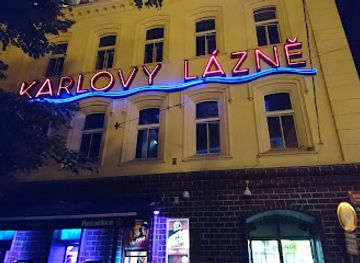
Karlovy Lazne - Nightclub
Discover the electrifying atmosphere of Karlovy Lazne Nightclub in Prague, where vibrant music and lively dance floors create unforgettable nightlife experiences.
-
Night club
Chapeau Rouge
Experience the vibrant nightlife at Chapeau Rouge, a premier night club in Old Town Prague, where music, dance, and unforgettable memories await.
-
Night club
Cross Club
Discover Cross Club: A Unique Night Club Experience in Prague with Eclectic Vibes and Lively Entertainment.


Best shops in Central Bohemia
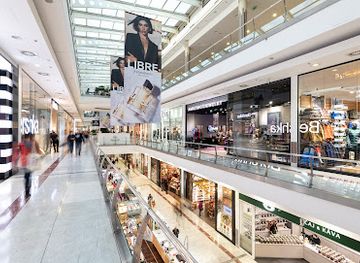
Shopping in Central Bohemia is concentrated in historic market towns rather than in a single regional retail district. Kutná Hora, Mělník, Beroun, Poděbrady and Nymburk have central streets with independent shops, cafés, galleries and practical everyday retail, while larger commercial centres and branded stores are more common in Mladá Boleslav and towns close to Prague. Farmers’ markets and seasonal stalls offer fruit, vegetables, preserves, baked goods, honey and other local produce when operating. Mělník is a natural place to look for regional wine, and specialist food shops across the region may stock Czech beer, spirits and confectionery. Visitors interested in crafts can find ceramics, glass, woodwork, textiles and locally made gifts in town-centre galleries or museum shops, though selection varies. Antique shops and second-hand bookshops are most likely in established historic centres; shop opening patterns outside major towns can be limited, particularly on Sundays.
-
Shopping mall
PALLADIUM
Discover PALLADIUM in Prague, a vibrant shopping destination with over 200 stores, diverse dining options, and a unique blend of local culture.
-
Shopping mall
Nový Smíchov Shopping Centre
Discover an all-in-one shopping, dining, and entertainment experience at Nový Smíchov Shopping Centre in Prague.
-
Outlet mall
Fashion Arena Prague Outlet
Shop until you drop at Fashion Arena Prague Outlet, where fashion meets fantastic discounts in a vibrant setting for all style seekers.
-
Clothing store
Arkády Pankrác
Explore Arkády Pankrác: Your Ultimate Shopping Destination in Prague with Fashion, Beauty, and Tasty Eats.



Get your free copy of our complete guide to Central Bohemia, delivered straight to you.
Everything on this page, from attractions and restaurants to essentials and local phrases, in one PDF you can read offline, print or share.
Already have an account? Sign in
Your Central Bohemia guide is ready.
We'll send it to · Not you? Sign out

Getting your guide ready…
We are putting together a fresh copy of the Central Bohemia guide. This can take up to a minute.
This can take a few moments. If your browser asks, choose Allow so the download can start. You'll find the guide in your Downloads folder.
Nothing happened? Download it again
Sorry, the guide is taking longer than usual. Please try again in a minute, or get it by email instead.
Central Bohemia essentials
Currency and Payment
Safety
Emergency Situations
Do's and Don'ts
Local Tips
From Eve
Local phrases worth knowing
You don't need to get them perfect. A few words go a long way, and locals appreciate the effort.
Basics
| English | Local | Say it |
|---|---|---|
| Hello | Ahoj | [ahoy] |
| Goodbye | Na shledanou | [nah skhledanou] |
| Yes | Ano | [ahno] |
| No | Ne | [neh] |
| Please/You're welcome | Prosím | [proseem] |
| Thank you | Děkuji | [dyeh-koo-yee] |
| Excuse me/Sorry | Omlouvám se | [om-loh-vahm seh] |
| How are you? | Jak se máš? | [yak seh mahsh] |
| Fine. And you? | Dobře. A ty? | [dob-zheh. ah tee] |
| Do you speak English? | Mluvíš anglicky? | [mluh-veesh ang-litskee] |
| I don't understand | Nerozumím | [neh-roh-zoo-meem] |
Eating & Drinking
| English | Local | Say it |
|---|---|---|
| I'd like to see the menu, please | Chtěl bych vidět menu, prosím | [kh-tyel bikh vid-yet menu, pro-seem] |
| I don't eat meat | Nejím maso | [ney-eem mah-so] |
| Cheers! | Na zdraví! | [nah zdrah-vee] |
| I would like to pay, please | Chtěl bych zaplatit, prosím | [kh-tyel bikh zah-plah-teet, pro-seem] |
Emergencies
| English | Local | Say it |
|---|---|---|
| Help! | Pomoc! | [poh-mots] |
| Go away! | Jdi pryč! | [yee preech] |
| Call the Police! | Zavolejte policii! | [zah-voh-lay-teh poh-li-tsi-ee] |
| Call a doctor! | Zavolejte doktora! | [zah-voh-lay-teh dok-toh-rah] |
| I'm lost | Ztratil jsem se | [ztrah-teel ysem seh] |
| I'm ill | Jsem nemocný | [ysem neh-mots-nee] |
Shopping
| English | Local | Say it |
|---|---|---|
| I'd like to buy... | Chtěl bych koupit... | [kh-tyel bikh koh-pit...] |
| I'm just looking | Jen se dívám | [yen seh dee-vahm] |
| How much is it? | Kolik to stojí? | [koh-lik toh stoh-yee] |
| That's too expensive | To je příliš drahé | [toh yeh pree-leesh drah-heh] |
| Can you lower the price? | Můžeš snížit cenu? | [moo-zheesh sneez-it tseh-noo] |
Time & Numbers
| English | Local | Say it |
|---|---|---|
| What time is it? | Kolik je hodin? | [koh-lik yeh ho-din] |
| It's one o'clock | Je jedna hodina | [yeh yed-nah ho-di-nah] |
| Half past (10) | Půl (10) | [pool (10)] |
| Morning | Ráno | [rah-no] |
| Afternoon | Odpoledne | [od-po-leh-dneh] |
| Evening | Večer | [veh-cher] |
| Yesterday | Včera | [v-cheh-rah] |
| Today | Dnes | [dnes] |
| Tomorrow | Zítra | [zee-trah] |
| 1 | 1 | [1] |
| 2 | 2 | [2] |
| 3 | 3 | [3] |
| 4 | 4 | [4] |
| 5 | 5 | [5] |
| 6 | 6 | [6] |
| 7 | 7 | [7] |
| 8 | 8 | [8] |
| 9 | 9 | [9] |
| 10 | 10 | [10] |
Transport & Directions
| English | Local | Say it |
|---|---|---|
| Where's a/the...? | Kde je...? | [kdeh yeh...?] |
| What's the address? | Jaká je adresa? | [yak-ah yeh ah-dreh-sah] |
| Can you show me (on the map)? | Můžeš mi to ukázat (na mapě)? | [moo-zheesh mee toh oo-kah-zaht (nah mah-peh)?] |
| When's the next (bus)? | Kdy jede další (autobus)? | [kdee yeh-deh dal-shee (ow-toh-boos)?] |
| A ticket (to ....) | Jeden lístek (do....) | [yeh-den lees-tek (doh....)] |
History of Central Bohemia
Prehistoric Settlement and Celtic Heritage
Central Bohemia has been inhabited since prehistoric times, benefiting from fertile soils, river corridors and routes across the Bohemian interior. Archaeological evidence from sites including the fortified settlement at Závist, south of Prague and within the Central Bohemian region, records an important Iron Age hillfort associated with the Celtic world. Later communities continued to use the same strategic valleys and elevated sites. Although much of the archaeological landscape is not immediately visible to visitors, it helps explain the region’s long-standing importance as a place of settlement, exchange and movement.
Roman Contacts and Early Medieval Bohemia
Central Bohemia lay beyond the Roman Empire’s permanent frontier, but trade and cultural contact reached the area through routes linking the Danube basin with Bohemia. In the early medieval period, fortified settlements and market sites developed along rivers and strategic elevations. The wider region became central to the emergence of the Přemyslid polity, whose rulers gradually consolidated power around Prague and the surrounding lands. Remnants of early fortifications, churches and settlement patterns survive in several historic towns, even where later medieval construction has transformed the original sites.
Medieval Towns, Monasteries and Royal Power
From the twelfth to the fourteenth centuries, Central Bohemia was reshaped by colonisation, monastic foundations, royal estates and the growth of legally chartered towns. Places such as Beroun, Nymburk and Mělník benefited from trade and river transport, while royal castles guarded routes and hunting territories. Karlštejn Castle, founded by Emperor Charles IV in 1348, was built to protect royal treasures and sacred relics. Křivoklát, whose origins are earlier, became an important royal residence within extensive hunting forests. Their surviving architecture illustrates the political and economic strength of medieval Bohemia.
Kutná Hora and the Silver Economy
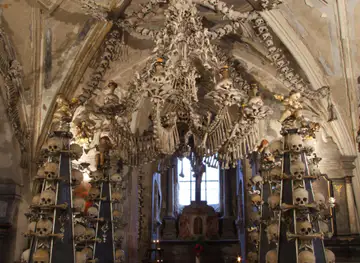
Silver mining transformed Kutná Hora from the late thirteenth century, when rich ore deposits attracted miners, merchants and royal administration. The town became one of the most prosperous centres in the Kingdom of Bohemia and an important source of the silver used for the famous Prague groschen. The Italian Court served as a royal mint and administrative centre, while the Cathedral of St Barbara expressed the wealth of the mining community. Mining declined over subsequent centuries, but Kutná Hora’s medieval street plan, churches and mining heritage remain among Central Bohemia’s most significant historical legacies.
Hussite Conflict and Religious Change
The religious reform movement associated with Jan Hus had a powerful impact across Bohemia in the fifteenth century, including towns and estates in Central Bohemia. The Hussite Wars disrupted royal authority, trade and ecclesiastical institutions, while fortified settlements and castles acquired renewed military importance. Later religious developments under the Habsburg monarchy brought Catholic reconstruction, new churches and Baroque transformations to historic towns and estates. The region’s architecture consequently reflects several layers of religious history rather than a single confessional tradition.
Industrialisation, Railways and New Town Economies
During the nineteenth century, Central Bohemia was connected more closely to Prague and the wider Habsburg economy through railways, improved roads and expanding river commerce. Sugar refining, brewing, engineering, mining and agricultural processing developed in different districts. Mladá Boleslav became associated with automobile production after the founding of Laurin & Klement in 1895, a business that later became part of Škoda. Spa development also changed Poděbrady, where mineral springs encouraged a new urban identity of colonnades, parks and health tourism.
Twentieth-Century Transformation and Protected Landscapes
The twentieth century brought political upheaval, industrial expansion, collectivised agriculture and major changes in settlement around Prague. After 1989, private enterprise, suburban growth and tourism altered the region again, while former industrial and mining sites gained new cultural interpretations. At the same time, protected landscapes such as Český kras, Křivoklátsko and the Brdy hills helped conserve forests, limestone habitats and traditional countryside. Central Bohemia today combines a strongly urbanised metropolitan fringe with historic market towns, working landscapes and extensive areas managed for nature conservation.
Central Bohemia in Photos
Browse through our photo collection highlighting the charm and character of the destination.
Neighbouring regions of Central Bohemia
The closest regions to Central Bohemia, if you have time for more than one.
-

-

-

-

-


Swipe for more regions
Explore more

Explore more of Czechia
Discover Czechia: A European gem with historic towns, stunning landscapes, and cultural delights. Perfect for travelers seeking charm, history, and adventure.
Explore Czechia