

Free Bohemia Travel Guide & Mobile App
Explore Bohemia with free travel guides. Discover regional history, expert tips, proposed trips, and audio guides on web or mobile app.


Explore Bohemia through Prague, medieval towns, spa heritage, castles, forests, sandstone landscapes and the enduring traditions of Czech food and beer.
Read more about Bohemia
When is the best time to visit Bohemia?
Best: June–August · 23–25°C| Month | High (°C) | Rainfall (mm) |
|---|---|---|
| January | 2 | 25 |
| February | 4 | 25 |
| March | 9 | 30 |
| April | 14 | 35 |
| May | 20 | 45 |
| June (best) | 23 | 55 |
| July (best) | 25 | 65 |
| August (best) | 24 | 60 |
| September | 20 | 50 |
| October | 15 | 40 |
| November | 8 | 35 |
| December | 4 | 30 |
Getting to and around Bohemia
How to get there
Transportation
Top city travel guides in Bohemia
The cities of Bohemia, and the easiest places to base yourself.
-

-

-

-

-
-


Swipe for more cities
Destinations in Bohemia
Resorts, valleys and scenic spots worth a trip of their own.
-

-

-

-

-
-


Swipe for more destinations
Best attractions in Bohemia
Bohemia offers a broad mixture of urban heritage, fortified sites, museums, landscapes and living cultural traditions. Prague provides the densest concentration of historic attractions, from Prague Castle and the Old Town to the National Museum, galleries and neighbourhoods shaped by modern architecture. Beyond the capital, Český Krumlov combines a preserved historic town with a major castle complex, while Kutná Hora reflects the wealth created by medieval silver mining. Karlovy Vary, Mariánské Lázně and Františkovy Lázně present distinctive spa architecture and landscaped promenades. The Gothic castle at Karlštejn, the fortress at Terezín and the aristocratic interiors of Hluboká nad Vltavou add different historical perspectives. Outdoor attractions range from the sandstone formations of the Bohemian Paradise and České Švýcarsko to the forests and upland lakes of Šumava and the winter resorts of the northern mountains. South Bohemia's fishponds, river valleys and Baroque villages suit cycling and gentle walking, while Plzeň offers brewing and industrial heritage. Museums, open-air villages, botanical gardens and regional galleries ensure that the attraction landscape is not limited to famous monuments.
-
Tourist attraction
Prague Castle
Discover the majestic Prague Castle, a UNESCO World Heritage site, and explore centuries of history, stunning architecture, and breathtaking city views.
-
Tourist attraction
Prague Astronomical Clock
Discover the magic of the Prague Astronomical Clock, a stunning medieval timepiece that showcases the beauty of astronomy and history.
-
Tourist attraction
Vyšehrad
Discover the enchanting Vyšehrad fortress in Prague, where history meets breathtaking views and lush gardens, perfect for a serene escape.
-
Church
St Barbara's Cathedral
Discover the enchanting St. Barbara's Cathedral in Kutná Hora, an architectural wonder steeped in history and Gothic artistry.


Best landmarks in Bohemia
Prague Castle is Bohemia's most recognisable architectural landmark, occupying a historic hill above the Vltava and incorporating St Vitus Cathedral, royal buildings and defensive structures. Charles Bridge provides a symbolic link between the castle district and Prague's medieval Old Town, while the Old Town Hall and its astronomical clock express the civic importance of the capital. Outside Prague, Karlštejn Castle stands on a wooded height southwest of the capital and reflects the power of Charles IV; its position and medieval architecture make it one of Bohemia's most familiar monuments. Český Krumlov's castle and later Baroque theatre dominate the town above the Vltava, while Kutná Hora's Church of St Barbara represents the wealth of the medieval silver-mining centre. In western Bohemia, the colonnades of Karlovy Vary define a distinctive spa townscape, and Plzeň Cathedral's tower is a prominent urban marker. Natural landmarks include the sandstone towers of the Bohemian Paradise, the forested ridges of Šumava and the dramatic river gorge at Děčín, each showing how geology and settlement have shaped the regional image.
-
Bridge
Charles Bridge
Discover the enchanting Charles Bridge in Prague, an iconic 14th-century landmark adorned with stunning statues and breathtaking views.
-
Castle
Prague Castle
Experience the grandeur of Prague Castle, a UNESCO World Heritage site, rich in history, stunning architecture, and breathtaking views of the city.
-
Plaza
Old Town Square
Experience the enchanting allure of Old Town Square, a historical plaza in the heart of Prague known for its stunning architecture and vibrant atmosphere.
-
Cathedral
St. Vitus Cathedral
Discover the breathtaking Gothic architecture and rich history of St. Vitus Cathedral, a must-see landmark located in the heart of Prague Castle.


Explore Bohemia on the map
Plan your trip on one map. See where the top cities, national parks and sights are, and book hotels and experiences in a few clicks.
Best hotels in Bohemia
Best restaurants in Bohemia
Bohemian dining is built around hearty soups, roast meats, sauces, bread and potato dumplings, with svíčková na smetaně, roast duck and goulash commonly encountered in restaurants across the region. These dishes belong to the wider Czech culinary tradition, but Bohemia gives them a strong regional setting through its historic pubs, rural inns and brewing towns. Fish from the ponds of South Bohemia appears on local menus, while Prague offers the widest range of contemporary Czech cooking, international food and cafés. Plzeň is closely associated with lager culture, and smaller towns often feature independent breweries or traditional beer halls. Sweet specialities include fruit dumplings, koláče and pastries, alongside cakes and spa wafers in western Bohemia. Farmers' markets and specialist food shops are useful places to find cheeses, preserves, smoked products and seasonal produce. Service styles vary from informal hospody to polished restaurants, and menus may be more limited in rural areas than in the main cities.
-
Czech
Lokál Dlouhááá
Experience authentic Czech cuisine at Lokál Dlouhááá in Old Town Prague – where tradition meets flavor in every dish.
-
Restaurant
U Glaubiců
Discover U Glaubiců: A must-visit restaurant in Malá Strana offering authentic Czech cuisine in a charming setting.
-
Czech
Kozlovna Apropos
Discover authentic Czech cuisine at Kozlovna Apropos in Old Town, where tradition meets flavor in every dish.
-
Meat
Kantýna
Discover Kantýna in New Town - where traditional Czech cuisine meets modern culinary excellence in a warm and inviting atmosphere.


Best bars in Bohemia
Bohemian evening life ranges from Prague's extensive choice of pubs, cocktail bars, wine bars, live music venues and clubs to the more measured rhythms of regional towns. Prague's historic centre has busy nightlife, while districts such as Vinohrady, Žižkov, Karlín and Holešovice offer a broader mix of neighbourhood bars, breweries, cultural venues and late-opening restaurants. Plzeň has a strong pub and beer culture, and České Budějovice, Liberec, Karlovy Vary and other regional centres provide local bars, music venues and seasonal events without matching the capital's scale. In spa towns, evenings often centre on promenade cafés, hotel bars, concerts and restaurants. Rural Bohemia is more likely to offer a traditional pub, village gathering place or brewery taproom than a nightclub. Check current arrangements locally, particularly outside summer, and use licensed taxis or established transport when returning from remote venues.
-
Czech
U Fleků
Discover the rich flavors of Czech cuisine and beer at U Fleků, a historic brewery in the heart of Prague.
-
Bar
Vzorkovna Dog Bar
Discover Vzorkovna Dog Bar, a delightful spot in Old Town Prague where you can enjoy drinks in the company of adorable dogs and fellow dog lovers.
-
Irish pub
The Dubliner Irish Bar
Experience authentic Irish hospitality at The Dubliner Irish Bar in Old Town Prague, featuring traditional cuisine, live music, and a welcoming atmosphere.
-
Bar
Hemingway Bar
Discover the elegance of Hemingway Bar in Old Town Prague, where exquisite cocktails and a sophisticated ambiance await every visitor.


Best nightclubs in Bohemia
Bohemian evening life ranges from Prague's extensive choice of pubs, cocktail bars, wine bars, live music venues and clubs to the more measured rhythms of regional towns. Prague's historic centre has busy nightlife, while districts such as Vinohrady, Žižkov, Karlín and Holešovice offer a broader mix of neighbourhood bars, breweries, cultural venues and late-opening restaurants. Plzeň has a strong pub and beer culture, and České Budějovice, Liberec, Karlovy Vary and other regional centres provide local bars, music venues and seasonal events without matching the capital's scale. In spa towns, evenings often centre on promenade cafés, hotel bars, concerts and restaurants. Rural Bohemia is more likely to offer a traditional pub, village gathering place or brewery taproom than a nightclub. Check current arrangements locally, particularly outside summer, and use licensed taxis or established transport when returning from remote venues.
-
Night club
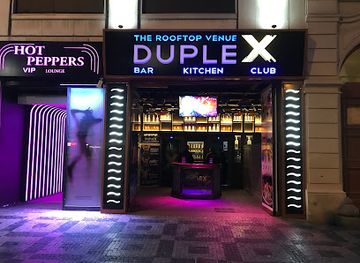
Duplex
Discover the electrifying nightlife at Duplex, Prague's premier night club offering stunning views and top-notch entertainment.
-
Night club
Karlovy Lazne - Nightclub
Discover Prague's largest nightclub, Karlovy Lazne, a lively venue blending history with modern nightlife in the heart of the city.
-
Night club
Chapeau Rouge
Experience the vibrant nightlife of Prague at Chapeau Rouge, a lively night club and bar in the heart of Old Town, perfect for dancing and socializing.
-
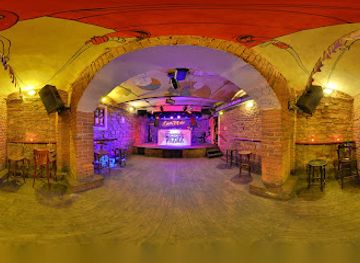
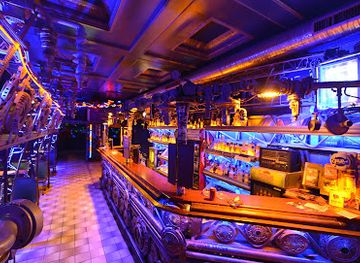
Night club
Cross Club
Experience Prague's nightlife at Cross Club, where eclectic music, unique design, and vibrant culture come together for an unforgettable evening.

Best shops in Bohemia
Shopping in Bohemia is centred on Prague's historic streets, regional high streets, market halls, specialist food shops and the independent businesses found in restored town squares. Prague offers the broadest selection of Czech design, books, glass, jewellery, fashion and galleries, while smaller towns are better for locally made foods, antiques, ceramics and craft objects. South Bohemia is associated with pond-country produce, traditional pastries and workshops serving visitors to Český Krumlov, České Budějovice and Tábor. Karlovy Vary is known for spa-related goods, porcelain, glass and packaged spa wafers, although buyers should distinguish established local products from generic souvenirs. Plzeň and other brewing centres provide opportunities to buy regional beer and brewery merchandise. Markets vary by town and season, so confirm current days locally rather than relying on a fixed schedule. Look for labelled Czech glass, ceramics, textiles, woodwork and food products, and favour independent makers when provenance matters.
-
Shopping mall
PALLADIUM
Explore PALLADIUM in Prague, a premier shopping mall with over 200 stores, diverse dining options, and family-friendly entertainment.
-
Shopping mall
Westfield Chodov
Explore Westfield Chodov, Prague's premier shopping mall with over 250 stores, diverse dining options, and entertainment for all ages.
-
Shopping mall
Nový Smíchov Shopping Centre
Explore the dynamic Nový Smíchov Shopping Centre in Prague, a shopping paradise with a mix of fashion, food, and entertainment for every traveler.
-
Market
Havelské tržiště
Experience the heart of Prague at Havelské tržiště, where local flavors and artisanal crafts come alive in a historic market setting.


Get your free copy of our complete guide to Bohemia, delivered straight to you.
Everything on this page, from attractions and restaurants to essentials and local phrases, in one PDF you can read offline, print or share.
Already have an account? Sign in
Your Bohemia guide is ready.
We'll send it to · Not you? Sign out

Getting your guide ready…
We are putting together a fresh copy of the Bohemia guide. This can take up to a minute.
This can take a few moments. If your browser asks, choose Allow so the download can start. You'll find the guide in your Downloads folder.
Nothing happened? Download it again
Sorry, the guide is taking longer than usual. Please try again in a minute, or get it by email instead.
Bohemia essentials
Currency and Payment
Safety
Emergency Situations
Do's and Don'ts
Local Tips
From Eve
Local phrases worth knowing
You don't need to get them perfect. A few words go a long way, and locals appreciate the effort.
Basics
| English | Local | Say it |
|---|---|---|
| Hello | Ahoj | [ahoy] |
| Goodbye | Sbohem | [sbohem] |
| Yes | Ano | [ah-no] |
| No | Ne | [neh] |
| Please/You're welcome | Prosím | [pro-seem] |
| Thank you | Děkuji | [dyeh-koo-yee] |
| Excuse me/Sorry | Omlouvám se | [om-loh-vahm seh] |
| How are you? | Jak se máš? | [yak seh mahsh] |
| Fine. And you? | Dobře. A ty? | [doh-bzheh. ah tee] |
| Do you speak English? | Mluvíš anglicky? | [mloo-veesh ahn-glitskee] |
| I don't understand | Nerozumím | [neh-roh-zoo-meem] |
Eating & Drinking
| English | Local | Say it |
|---|---|---|
| I'd like to see the menu, please | Chtěl bych vidět menu, prosím | [khtyel beekh veedyet meh-nu, pro-seem] |
| I don't eat meat | Jím maso | [yeem mah-so] |
| Cheers! | Na zdraví! | [nah zdrah-vee] |
| I would like to pay, please | Chtěl bych zaplatit, prosím | [khtyel beekh zah-pla-teet, pro-seem] |
Emergencies
| English | Local | Say it |
|---|---|---|
| Help! | Pomoc! | [poh-mots] |
| Go away! | Jdi pryč! | [yee preech] |
| Call the Police! | Zavolejte policii! | [zah-voh-lay-teh poh-li-tsee-ee] |
| Call a doctor! | Zavolejte doktora! | [zah-voh-lay-teh dok-toh-rah] |
| I'm lost | Jsem ztracený | [ysem ztra-tsen-ee] |
| I'm ill | Jsem nemocný | [ysem neh-mo-tsnee] |
Shopping
| English | Local | Say it |
|---|---|---|
| I'd like to buy... | Chtěl bych koupit... | [khtyel beekh koh-peet...] |
| I'm just looking | Jen se dívám | [yen seh dee-vahm] |
| How much is it? | Kolik to stojí? | [koh-leek toh stoy-ee] |
| That's too expensive | To je příliš drahé | [toh yeh pree-leesh drah-heh] |
| Can you lower the price? | Můžeš snížit cenu? | [moo-zesh snee-zheet tseh-noo] |
Time & Numbers
| English | Local | Say it |
|---|---|---|
| What time is it? | Kolik je hodin? | [koh-leek yeh ho-din] |
| It's one o'clock | Je jedna hodina | [yeh yed-nah ho-dee-nah] |
| Half past (10) | Půl (10) | [pool (10)] |
| Morning | Ráno | [rah-no] |
| Afternoon | Odpoledne | [od-poh-led-neh] |
| Evening | Večer | [veh-cher] |
| Yesterday | Včera | [v-cheh-rah] |
| Today | Dnes | [dnes] |
| Tomorrow | Zítra | [zee-trah] |
| 1 | 1 | [1] |
| 2 | 2 | [2] |
| 3 | 3 | [3] |
| 4 | 4 | [4] |
| 5 | 5 | [5] |
| 6 | 6 | [6] |
| 7 | 7 | [7] |
| 8 | 8 | [8] |
| 9 | 9 | [9] |
| 10 | 10 | [10] |
Transport & Directions
| English | Local | Say it |
|---|---|---|
| Where's a/the...? | Kde je...? | [kde yeh...?] |
| What's the address? | Jaká je adresa? | [yah-kah yeh ah-dreh-sah?] |
| Can you show me (on the map)? | Můžeš mi to ukázat (na mapě)? | [moo-zesh mee toh oo-kah-zaht (nah mah-peh)?] |
| When's the next (bus)? | Kdy jede další (autobus)? | [kdee yeh-deh dal-shee (ow-to-boos)?] |
| A ticket (to ....) | Jeden lístek (do ....) | [yeh-den lees-tek (doh ....)] |
History of Bohemia
Prehistoric Settlement and Celtic Bohemia
Bohemia has been inhabited since prehistoric times, with archaeological evidence of Neolithic farming communities, Bronze Age settlements and Iron Age trade. The region's Latin name, Bohemia, derives from the Boii, a Celtic people associated with the area before Roman-era population changes. Hillforts, burial sites and long-distance trade routes show that the landscape was integrated into wider central European networks well before the emergence of the Czech state. Although many remains are archaeological rather than monumental, they provide the earliest evidence of the settled communities, cultivation and exchange that shaped Bohemia's later development.
The Přemyslid State and Christianisation
From the ninth and tenth centuries, the Přemyslid dynasty consolidated power around Prague and gradually incorporated much of Bohemia into a Christian polity. Prague became the seat of dukes and later kings, while churches, monasteries and fortified settlements established the institutional foundations of medieval society. The bishopric founded in Prague in 973 strengthened the region's links with the wider Latin Christian world. Remnants of early fortifications and ecclesiastical foundations survive in Prague and other historic settlements, although much of the medieval landscape has been built over or transformed.
The Luxembourg Kings and Medieval Prague
Bohemia reached major political and cultural prominence under the Luxembourg dynasty, particularly during the reign of Charles IV in the fourteenth century. Charles made Prague the capital of the Holy Roman Empire, founded Charles University in 1348 and commissioned major building projects, including the expansion of Prague Castle and the construction of Charles Bridge. New Town, cathedral building and improved roads expressed the ambitions of a court that drew artists, scholars and merchants from across Europe. The surviving historic core of Prague owes much of its scale and architectural character to this period.
The Hussite Revolution and Religious Change
The reformist preaching of Jan Hus, who was associated with Prague's Bethlehem Chapel and the university, helped trigger a religious and political movement that transformed Bohemia in the early fifteenth century. After Hus was executed at the Council of Constance in 1415, his supporters challenged ecclesiastical authority, and the Hussite Wars brought prolonged conflict across the region. Towns, castles and churches were affected, while Tábor became an important centre of radical Hussite organisation. The movement left a lasting mark on Bohemian religious memory and contributed to the region's complex confessional history.
Habsburg Rule and the Baroque Transformation
After the defeat of the Bohemian estates at the Battle of White Mountain in 1620, Bohemia was incorporated more tightly into the Habsburg monarchy and subjected to political reorganisation and re-Catholicisation. The seventeenth and eighteenth centuries saw the rebuilding or remodelling of churches, monasteries, castles and aristocratic residences in Baroque styles. Prague, South Bohemia and many smaller towns retain this legacy in church interiors, pilgrimage sites, gardens and village architecture. The period also brought closer administrative links with Vienna and a stronger integration of Bohemia into the Habsburg imperial economy.
Industrialisation, Railways and Brewing
During the nineteenth century, Bohemia became one of the most industrialised parts of the Habsburg lands. Coal mining, glassmaking, textiles, engineering and food production expanded, while railways connected Prague with Plzeň, the Elbe valley, northern industrial districts and neighbouring regions. Plzeň became a major centre of engineering and brewing, and the development of pale lager there had an international influence. Industrial growth also encouraged urban expansion, a Czech national revival and the creation of museums, theatres and civic institutions that remain important to the region's identity.
Bohemia in Czechoslovakia and Modern Czechia
The creation of Czechoslovakia in 1918 ended Habsburg rule and made Prague the capital of a new state. Bohemia's industrial and cultural importance continued through the interwar period, the German occupation, post-war political change and the communist era. The expulsion of most of the German-speaking population after the Second World War profoundly altered border districts and many historic towns. After 1989, restoration, tourism and European integration reshaped Prague and regional heritage sites, while the peaceful division of Czechoslovakia in 1993 placed Bohemia within the modern Czech Republic, now commonly called Czechia.
Bohemia in Photos
Browse through our photo collection highlighting the charm and character of the destination.
Neighbouring regions of Bohemia
The closest regions to Bohemia, if you have time for more than one.
-
-

-

-

-


Swipe for more regions
Explore more

Explore more of Czechia
Discover Czechia: A European gem with historic towns, stunning landscapes, and cultural delights. Perfect for travelers seeking charm, history, and adventure.
Explore Czechia