

Free Šumava Travel Guide & Mobile App
Explore Šumava with free travel guides. Discover regional history, expert tips, proposed trips, and audio guides on web or mobile app.


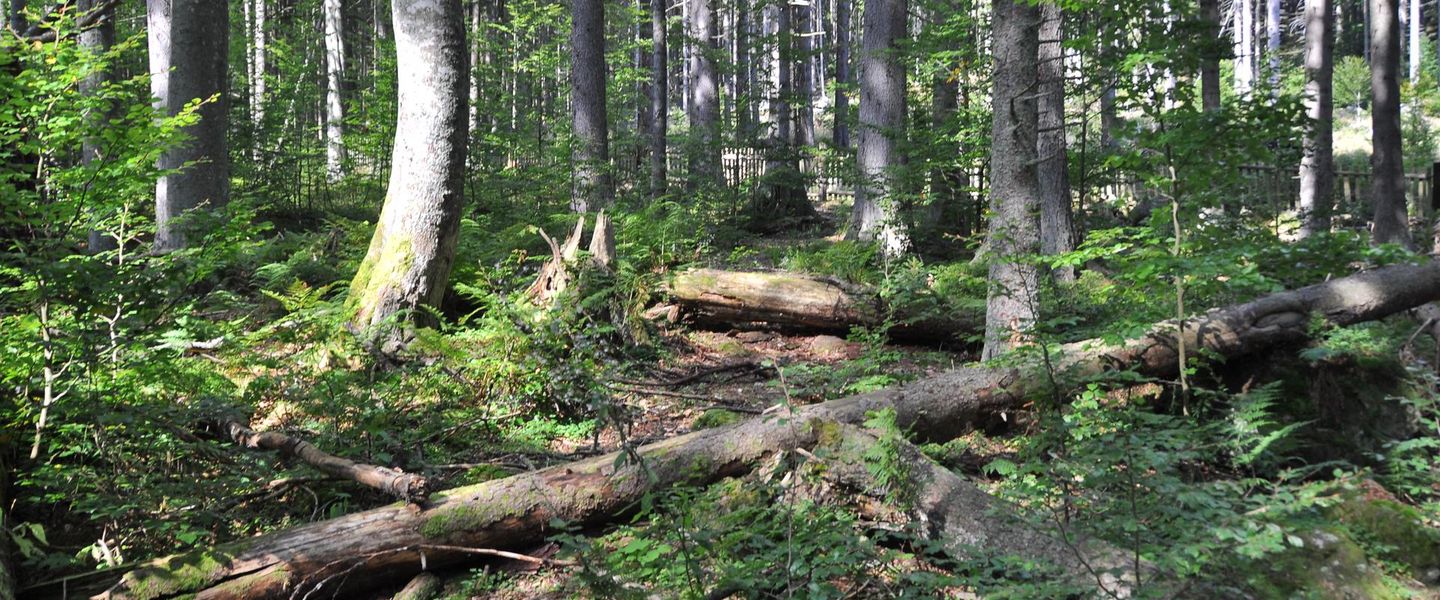


Explore Šumava in Czechia for forested mountains, glacial lakes, historic villages, castle ruins, peatlands and rewarding walking and cycling routes.
Read more about Šumava
When is the best time to visit Šumava?
Best: June–August · 19–21°C| Month | High (°C) | Rainfall (mm) |
|---|---|---|
| January | 1 | 40 |
| February | 3 | 35 |
| March | 6 | 45 |
| April | 10 | 50 |
| May | 15 | 60 |
| June (best) | 19 | 70 |
| July (best) | 21 | 80 |
| August (best) | 20 | 80 |
| September | 18 | 70 |
| October | 12 | 60 |
| November | 6 | 50 |
| December | 2 | 45 |
Getting to and around Šumava
How to get there
Transportation
Top city travel guides in Šumava
The cities of Šumava, and the easiest places to base yourself.

Swipe for more cities
Destinations in Šumava
Resorts, valleys and scenic spots worth a trip of their own.
-

-


Swipe for more destinations
Best attractions in Šumava
Šumava’s attractions are dispersed through a large mountain landscape rather than concentrated in one city. The national park and protected landscape area provide the main experience, with marked paths leading through spruce forests, upland meadows, peat bogs and glacial lakes such as Černé jezero, Čertovo jezero and Plešné jezero. Viewpoints at Poledník and Pancíř offer broad perspectives when weather permits, while the Boubín Forest reserve introduces visitors to an older woodland environment. Around Modrava, Kvilda, Srní and Stožec, walking and cycling routes connect natural sites with former settlements and information centres. The region also has substantial cultural attractions: Kašperk Castle, the museums of Kašperské Hory and Vimperk, the Schwarzenberg Navigation Canal and historic churches and chapels reveal the area’s mining, forestry and borderland past. Winter brings cross-country skiing on upland trails, while warmer months suit hiking, cycling, wildlife watching and visits to open-air or local-history exhibitions. Families can choose shorter nature trails and educational routes, but many of Šumava’s strongest experiences depend on patience, weather awareness and willingness to travel between valleys.
-
Zoo
Zoo Hluboká
Discover diverse Palearctic wildlife at Zoo Hluboká, a family-friendly destination in South Bohemia with engaging exhibits and conservation efforts.
-
National park
Šumava National Park
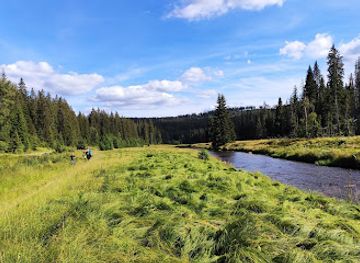
Explore the breathtaking landscapes and rich biodiversity of Šumava National Park, a stunning natural wonder in the Czech Republic.
-
Scenic spot
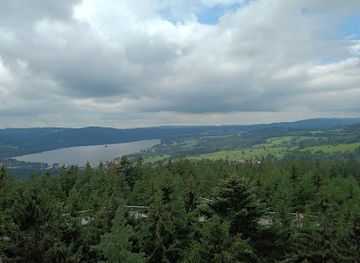
Treetop Trail Lipno
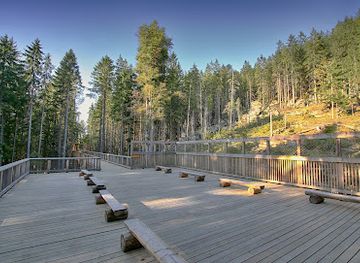
Discover the breathtaking views and natural beauty of Treetop Trail Lipno, a unique scenic spot in the heart of the Czech Republic perfect for families and nature lovers.
-
Castle
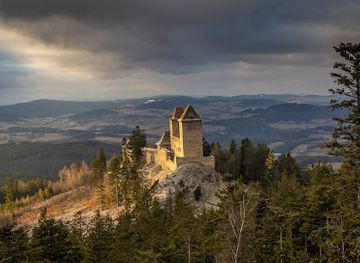
Castle Kašperk
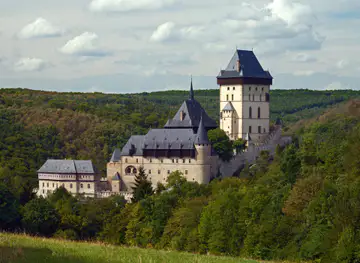
Explore Kašperk Castle, the highest royal castle in Bohemia, offering stunning views and a glimpse into medieval history.

Best landmarks in Šumava
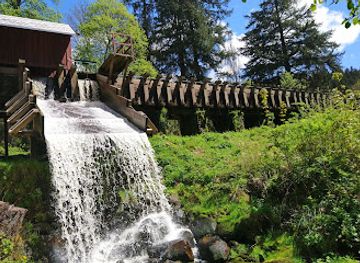
Kašperk Castle is Šumava’s most recognisable medieval landmark, standing on a wooded ridge above Kašperské Hory and reflecting the strategic importance of the gold-mining frontier. In the west, Černé jezero and Čertovo jezero are distinctive glacial lakes set among the high forests near Železná Ruda, while Plešné jezero provides a dramatic eastern counterpart beneath the slopes of Plechý. The Boubín Forest and its observation tower represent the region’s best-known woodland landmarks, although access and routes should be checked before travel. Near the south-eastern border, the Schwarzenberg Navigation Canal is an impressive industrial monument whose channels and engineering structures recall the historic movement of timber towards the Danube. Poledník’s former military tower, now associated with a viewing platform, reflects the twentieth-century border landscape. Historic townscapes in Kašperské Hory, Vimperk and Sušice add churches, squares and civic buildings to the region’s visual identity, while roadside chapels, crosses and remnants of vanished settlements give the countryside a more intimate historical dimension.
-
National park
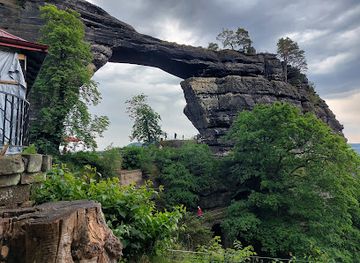
Bohemian Switzerland National Park
Explore the stunning landscapes and natural wonders of Bohemian Switzerland National Park, a must-visit destination in the Czech Republic for nature lovers and adventurers.
-
National park
Šumava National Park
Discover the untouched beauty of Šumava National Park, a paradise of lush forests, serene lakes, and diverse wildlife in the heart of the Czech Republic.
-
Scenic spot
Treetop Trail Lipno
Explore the breathtaking Treetop Trail Lipno in the Czech Republic, where nature meets adventure with stunning views and immersive experiences.
-
National park
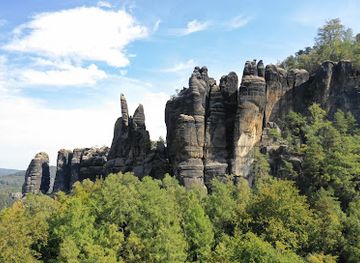
Saxon Switzerland National Park
Explore the breathtaking landscapes of Saxon Switzerland National Park, where stunning sandstone cliffs meet lush forests in a paradise for nature lovers.
Explore Šumava on the map
Plan your trip on one map. See where the top cities, national parks and sights are, and book hotels and experiences in a few clicks.
Best hotels in Šumava
Best restaurants in Šumava
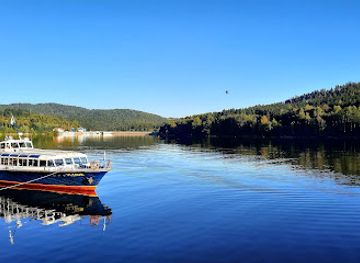
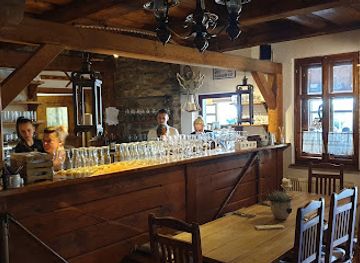
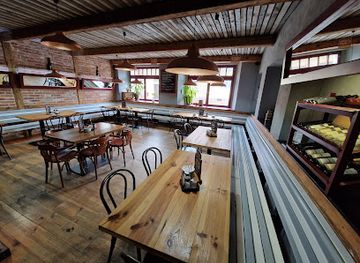
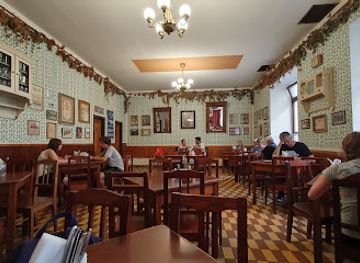
Šumava’s food reflects a cool mountain climate and a history of forestry, farming and borderland exchange. Traditional menus often include potato dishes, soups, mushrooms, cabbage, game and trout, with fruit dumplings, yeast pastries and other substantial desserts appearing in village inns and family-run restaurants. Local specialities are not always exclusive to Šumava, but they express the region’s relationship with upland agriculture and woodland produce. In Železná Ruda, Kašperské Hory, Sušice, Vimperk and the larger eastern towns, visitors will find a wider choice of Czech cooking, cafés and contemporary restaurants; smaller settlements tend to rely on pubs, mountain hotels and seasonal dining rooms. Regional beers are common, while cafés and bakeries provide useful stops on cycling and walking days. Farmers’ markets and local food shops, where available, are good places to look for honey, preserves, mushrooms, herbal products and baked goods, though the range varies with the season. Reservations are sensible at popular rural restaurants during summer and winter weekends.
-
Recreation center
Landal Marina Lipno
Experience adventure and relaxation at Landal Marina Lipno – your ultimate family-friendly retreat by Lake Lipno.
-
Restaurant
Hospůdka U Štěpána
Discover authentic Czech cuisine at Hospůdka U Štěpána - where tradition meets flavor in a cozy village setting.
-
Brewpub
Pivovar U Švelchů, restaurace
Discover Pivovar U Švelchů: A delightful brewpub in Sušice offering craft beers and authentic Czech cuisine for every palate.
-
Restaurant
Restaurace U Šumavy
Discover the heart of Czech cuisine at Restaurace U Šumavy - where tradition meets flavor in New Town, Prague.
Best bars in Šumava
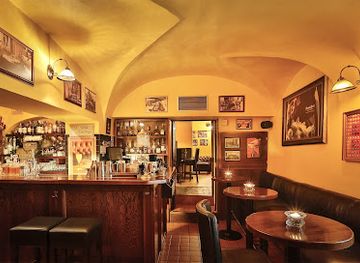
Evening life in Šumava is generally quiet and community-oriented rather than club-based. Traditional pubs, hotel bars and restaurant lounges form the main social spaces in mountain towns such as Železná Ruda, Kašperské Hory, Sušice and Vimperk, with Czech beer, local conversation and simple food more common than late-night entertainment. Železná Ruda has the strongest resort atmosphere, particularly during winter and summer holidays, while smaller villages usually become still after dinner. Some venues host occasional live music or seasonal events, but programmes and opening arrangements change. Visitors looking for cocktails, theatre or a larger choice of late-night venues will find more options in the regional cities outside Šumava, such as Plzeň or České Budějovice. In the mountains, evenings are better suited to a meal, a drink by the fire, stargazing or an early start for the following day’s walk.
-
Bar
Hemingway Bar
Experience the charm of Hemingway Bar in Prague's Old Town, where literary elegance meets exquisite cocktails in a cozy atmosphere.
-
Tour operator
Drunken Monkey Pub Crawl & Boat Party
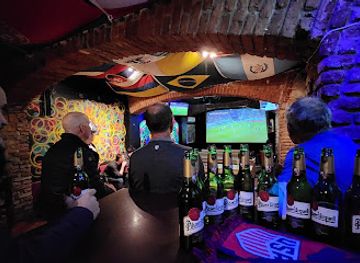
Join the thrilling Drunken Monkey Pub Crawl & Boat Party in Prague for an unforgettable night of fun, music, and new friendships along the Vltava River.
-
Cafe
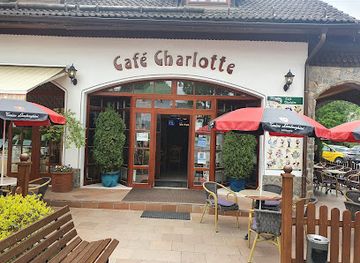
Café Charlotte
Discover Café Charlotte in Železná Ruda: a cozy café offering delicious pastries and stunning mountain views for an unforgettable experience.
-
Restaurant
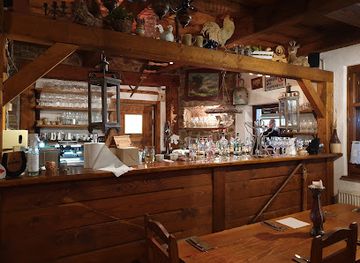
Hospůdka U Štěpána
Experience the rich flavors of traditional Czech cuisine at Hospůdka U Štěpána in Petrovice u Sušice, where every meal is a delightful journey.
Best nightclubs in Šumava
Evening life in Šumava is generally quiet and community-oriented rather than club-based. Traditional pubs, hotel bars and restaurant lounges form the main social spaces in mountain towns such as Železná Ruda, Kašperské Hory, Sušice and Vimperk, with Czech beer, local conversation and simple food more common than late-night entertainment. Železná Ruda has the strongest resort atmosphere, particularly during winter and summer holidays, while smaller villages usually become still after dinner. Some venues host occasional live music or seasonal events, but programmes and opening arrangements change. Visitors looking for cocktails, theatre or a larger choice of late-night venues will find more options in the regional cities outside Šumava, such as Plzeň or České Budějovice. In the mountains, evenings are better suited to a meal, a drink by the fire, stargazing or an early start for the following day’s walk.
-
Night club
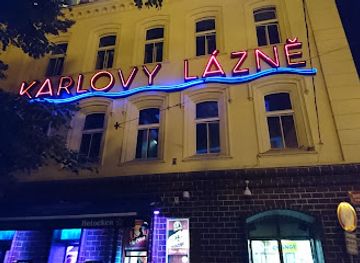
Karlovy Lazne - Nightclub
Discover the electrifying nightlife of Prague at Karlovy Lazne, a premier nightclub with multiple floors of music and vibrant energy.
-
Disco club
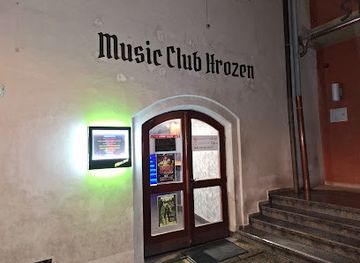
Music Club Hrozen Prachatice
Dance the night away at Music Club Hrozen in Prachatice, where vibrant energy meets unforgettable musical experiences in a lively atmosphere.
-
Bar
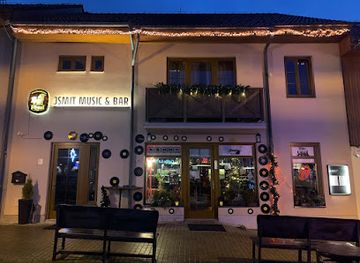
J.Smit Music & Bar & Apartments
Discover the vibrant nightlife of J.Smit Music & Bar & Apartments in Lipno nad Vltavou, where live music and cocktails create unforgettable memories.
-
Night club
Nightclub Laguna
Discover the vibrant nightlife of Aš at Nightclub Laguna, where electrifying music and an energetic atmosphere await party enthusiasts.
Best shops in Šumava
Shopping in Šumava is centred on historic market towns, small resort centres and local producers rather than large retail complexes. Kašperské Hory, Sušice, Železná Ruda, Vimperk and Volary offer everyday shops, bakeries, cafés, outdoor equipment and independent outlets, while their markets and seasonal stalls may carry honey, preserves, mushrooms, herbal products, ceramics, woodwork and locally made gifts. Visitors should distinguish regional products from generic Czech souvenirs, particularly when buying glass, textiles or wooden objects sold in tourist areas. Farm shops and small food producers can be a more meaningful source of mountain specialities, though opening patterns are often seasonal. The larger towns on Šumava’s approaches provide broader supermarkets and practical supplies before heading into remote valleys. Antiques, local-history books, postcards and craft goods are especially appropriate purchases in a borderland region where forestry, glassmaking, mining and vanished villages have left a strong material heritage.
-
National park
Šumava National Park
Explore Šumava National Park, a breathtaking natural wonder in the Czech Republic, with stunning landscapes, diverse wildlife, and endless outdoor adventures.
-
National forest
Vlčí výběh Srní (podívání zvenku)
Explore the breathtaking landscapes and diverse wildlife of Vlčí výběh Srní, a serene national forest in the heart of the Czech Republic.
-
Hotel
OREA Resort Horizont
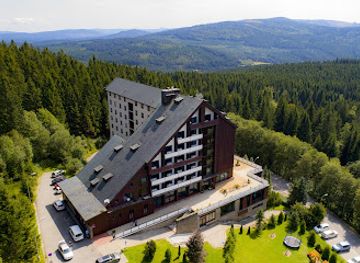
Discover tranquility and adventure at OREA Resort Horizont, nestled in the heart of the Czech mountains, perfect for relaxation and exploration.
-
Shopping mall
Travel Free Shop
Discover the Travel Free Shop in Železná Ruda, where shopping meets cultural exploration, offering unique souvenirs and local treasures.

Get your free copy of our complete guide to Šumava, delivered straight to you.
Everything on this page, from attractions and restaurants to essentials and local phrases, in one PDF you can read offline, print or share.
Already have an account? Sign in
Your Šumava guide is ready.
We'll send it to · Not you? Sign out

Getting your guide ready…
We are putting together a fresh copy of the Šumava guide. This can take up to a minute.
This can take a few moments. If your browser asks, choose Allow so the download can start. You'll find the guide in your Downloads folder.
Nothing happened? Download it again
Sorry, the guide is taking longer than usual. Please try again in a minute, or get it by email instead.
Šumava essentials
Currency and Payment
Safety
Emergency Situations
Do's and Don'ts
Local Tips
From Eve
Local phrases worth knowing
You don't need to get them perfect. A few words go a long way, and locals appreciate the effort.
Basics
| English | Local | Say it |
|---|---|---|
| Hello | Ahoj | [ahoy] |
| Goodbye | Na shledanou | [nah sh-leh-dah-noh] |
| Yes | Ano | [ah-no] |
| No | Ne | [neh] |
| Please/You're welcome | Prosím | [pro-seem] |
| Thank you | Děkuji | [dyeh-koo-yee] |
| Excuse me/Sorry | Omlouvám se | [ohm-loh-vahm seh] |
| How are you? | Jak se máš? | [yak seh mahsh] |
| Fine. And you? | Dobře. A ty? | [dob-rzeh. ah tee] |
| Do you speak English? | Mluvíš anglicky? | [mluh-veesh ahn-glits-kee] |
| I don't understand | Nerozumím | [neh-roh-zoo-meem] |
Eating & Drinking
| English | Local | Say it |
|---|---|---|
| I'd like to see the menu, please | Chtěl bych vidět menu, prosím | [kht-yehl bikh veed-yet meh-noo, pro-seem] |
| I don't eat meat | Jím maso | [yeem mah-so] |
| Cheers! | Na zdraví! | [nah zdrah-vee] |
| I would like to pay, please | Chtěl bych zaplatit, prosím | [kht-yehl bikh zah-plah-teet, pro-seem] |
Emergencies
| English | Local | Say it |
|---|---|---|
| Help! | Pomoc! | [poh-mots] |
| Go away! | Jdi pryč! | [yee preech] |
| Call the Police! | Zavolej policii! | [zah-voh-lay poh-lit-see-ee] |
| Call a doctor! | Zavolej doktora! | [zah-voh-lay dok-toh-rah] |
| I'm lost | Ztratil jsem se | [ztrah-teel ysem seh] |
| I'm ill | Jsem nemocný | [ysem neh-mots-nee] |
Shopping
| English | Local | Say it |
|---|---|---|
| I'd like to buy... | Chtěl bych koupit... | [kht-yehl bikh koh-oop-it] |
| I'm just looking | Jen se dívám | [yen seh dee-vahm] |
| How much is it? | Kolik to stojí? | [koh-leek toh stoh-yee] |
| That's too expensive | To je moc drahé | [toh yeh mots drah-heh] |
| Can you lower the price? | Můžeš snížit cenu? | [moo-zesh sneez-it tseh-noo] |
Time & Numbers
| English | Local | Say it |
|---|---|---|
| What time is it? | Kolik je hodin? | [koh-leek yeh hoh-deen] |
| It's one o'clock | Je jedna hodina | [yeh yed-nah hoh-dee-nah] |
| Half past (10) | Půl (10) | [pool (10)] |
| Morning | Ráno | [rah-no] |
| Afternoon | Odpoledne | [od-poh-led-neh] |
| Evening | Večer | [veh-cher] |
| Yesterday | Včera | [vcheh-rah] |
| Today | Dnes | [dnes] |
| Tomorrow | Zítra | [zee-trah] |
| 1 | 1 | [1] |
| 2 | 2 | [2] |
| 3 | 3 | [3] |
| 4 | 4 | [4] |
| 5 | 5 | [5] |
| 6 | 6 | [6] |
| 7 | 7 | [7] |
| 8 | 8 | [8] |
| 9 | 9 | [9] |
| 10 | 10 | [10] |
Transport & Directions
| English | Local | Say it |
|---|---|---|
| Where's a/the...? | Kde je...? | [kdeh yeh] |
| What's the address? | Jaká je adresa? | [yah-kah yeh ah-dreh-sah] |
| Can you show me (on the map)? | Můžeš mi to ukázat (na mapě)? | [moo-zesh mee toh oo-kah-zaht (nah mah-peh)] |
| When's the next (bus)? | Kdy jde další (autobus)? | [kdee ydeh dahl-shee (ow-toh-boos)] |
| A ticket (to ....) | Jeden lístek (do ....) | [yeh-den lees-tek (doh ....)] |
History of Šumava
Early Settlement and Medieval Borderlands
Šumava’s high forested interior was settled more lightly than the surrounding valleys, but routes across the mountains connected Bohemia with Bavaria and the Danube lands. Medieval colonisation brought new villages, fields and religious foundations into the valleys and lower slopes. The Otava and Vltava headwaters supported communities whose livelihoods depended on woodland, grazing and trade. The region’s position at the edge of the Bohemian lands also gave it a lasting frontier character, visible in old roads, fortified sites and the distribution of historic settlements.
Gold Mining around Kašperské Hory
Gold mining became especially important around Kašperské Hory in the late Middle Ages, when the town developed under royal protection and benefited from deposits in the surrounding hills. Mining shaped local wealth, administration and settlement patterns, although extraction was technically difficult and fluctuated over time. Kašperk Castle, founded by King George of Poděbrady in the fifteenth century, helped guard routes through this strategically important part of the borderland. The town’s layout and mining landscape still express the importance of medieval mineral wealth.
Timber, Glass and Mountain Industries
From the early modern period onwards, Šumava’s economy increasingly relied on timber, water power, charcoal production and glassmaking. Forest resources supplied workshops and furnaces, while streams powered mills and helped move materials. Glassworks operated in several parts of the Bohemian Forest and created specialist communities whose products travelled well beyond the mountains. Seasonal farming remained essential, but forestry and craft industries connected remote settlements to wider commercial networks. Historic industrial traces and surviving mountain farmsteads recall this mixed economic system.
The Schwarzenberg Navigation Canal
The Schwarzenberg Navigation Canal was built in the late eighteenth century to move timber from the Šumava forests towards the Austrian side of the mountains and onward to the Danube basin. Its engineered channels, tunnels and water-control structures demonstrate the scale of early modern forestry and transport planning. Although commercial use later declined, preserved sections near the south-eastern Šumava border remain an important industrial and environmental heritage site. The canal also illustrates how the mountain range functioned as a shared economic space despite political borders.
A Multilingual Borderland before 1945
Before the Second World War, many Šumava settlements had predominantly German-speaking populations, while Czech-speaking communities were more prominent in other towns and valleys. This cultural geography produced distinctive local traditions, architecture and place names. The war and its aftermath brought profound change: the German-speaking population was expelled after 1945, and many settlements were resettled or declined. Some villages in the restricted border zone disappeared altogether. Chapels, cemeteries, ruins and altered field patterns preserve evidence of a society that was largely dismantled.
The Iron Curtain and Restricted Border Zone
During the Communist period, the frontier with West Germany and Austria became a heavily controlled border zone. Barbed-wire barriers, military installations and access restrictions limited movement through large areas of Šumava, while some former villages were demolished or left to decay. The restrictions also reduced intensive development in parts of the landscape, though this was achieved through coercion rather than conservation. After 1989, access was restored, border crossings reopened and the remaining traces of the Iron Curtain became part of the region’s modern historical interpretation.
National Park and Conservation since 1991
Šumava National Park was established in 1991, following the political changes that ended the restricted border regime. Together with the pre-existing Šumava Protected Landscape Area and neighbouring protected areas in Germany and Austria, it created a major conservation landscape in central Europe. Management has involved recurring debates about forest intervention, bark beetles, access and the balance between natural processes and local interests. For visitors, the result is a large network of marked routes through forests, wetlands, meadows and mountain valleys, accompanied by a stronger emphasis on ecological interpretation.
Šumava in Photos
Browse through our photo collection highlighting the charm and character of the destination.
Neighbouring regions of Šumava
The closest regions to Šumava, if you have time for more than one.
-

-

-

-

-


Swipe for more regions
Explore more

Explore more of Czechia
Discover Czechia: A European gem with historic towns, stunning landscapes, and cultural delights. Perfect for travelers seeking charm, history, and adventure.
Explore Czechia