

Free Ore Mountains Travel Guide & Mobile App
Explore Ore Mountains with free travel guides. Discover regional history, expert tips, proposed trips, and audio guides on web or mobile app.


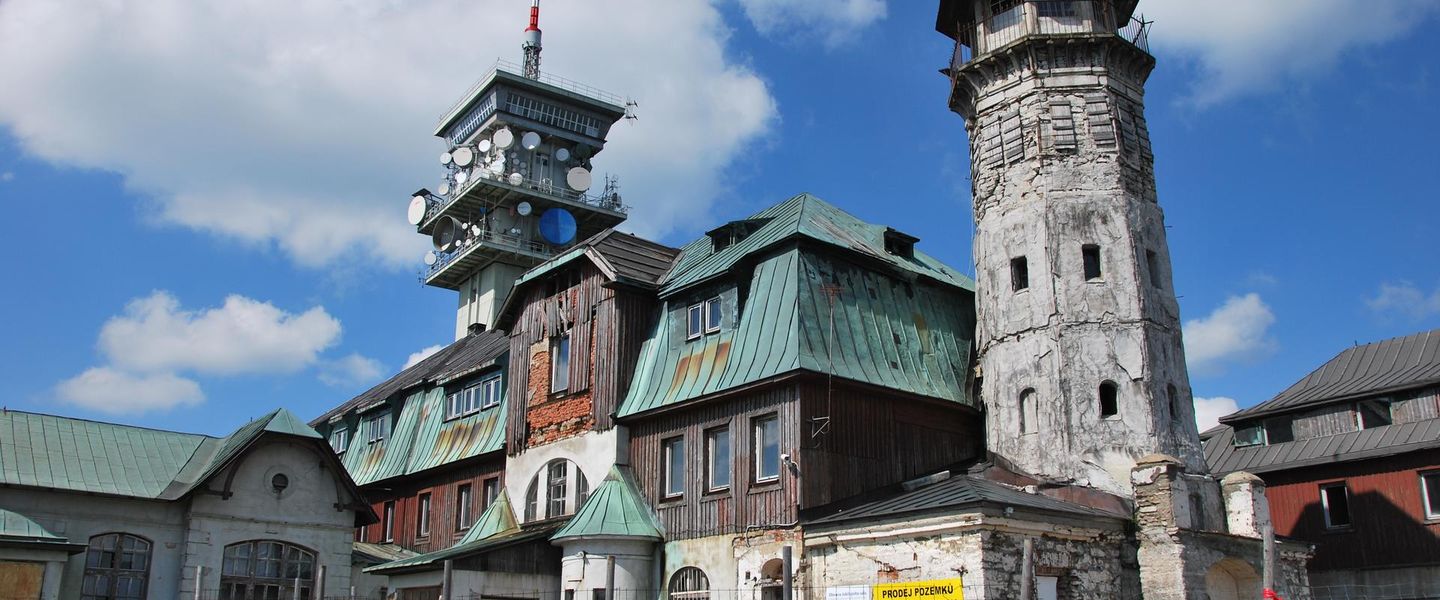


Explore Czechia’s Ore Mountains for forested ridges, mining towns, peatlands, winter sports and cross-border heritage around Klínovec and Jáchymov.
Read more about Ore Mountains
When is the best time to visit Ore Mountains?
Best: June–August · 18–20°C| Month | High (°C) | Rainfall (mm) |
|---|---|---|
| January | 1 | 40 |
| February | 2 | 35 |
| March | 6 | 40 |
| April | 10 | 45 |
| May | 15 | 55 |
| June (best) | 18 | 70 |
| July (best) | 20 | 75 |
| August (best) | 19 | 70 |
| September | 16 | 55 |
| October | 12 | 50 |
| November | 6 | 45 |
| December | 2 | 40 |
Getting to and around Ore Mountains
How to get there
Transportation
Top city travel guides in Ore Mountains
The cities of Ore Mountains, and the easiest places to base yourself.

Swipe for more cities
Best attractions in Ore Mountains
Attractions in the Czech Ore Mountains range from protected upland nature to an unusually concentrated legacy of mining. Around Boží Dar and Klínovec, visitors find marked walking, cycling, cross-country skiing and downhill routes, while the Božídarské rašeliniště nature reserve offers an accessible introduction to peatland ecology. Jáchymov combines a historic mining town with spa architecture, museums and traces of silver and uranium extraction. Horní Blatná, Abertamy, Měděnec and other settlements provide further insight into the UNESCO-listed mining landscape through old workings, churches, slag heaps and interpretive sites. In the eastern part of the range, Krupka’s mining heritage and hillside setting complement the ridge scenery. The foothills add a different group of experiences: Jezeří Chateau overlooks the transformed Most Basin, while reservoirs, forests and reclaimed industrial landscapes create opportunities for walking and cycling. Winter sports are concentrated around Klínovec, Boží Dar, Plešivec and other established resorts, although conditions are seasonal. The region’s attractions are best approached as a combination of outdoor recreation, industrial archaeology, historic settlements and environmental education rather than as a succession of isolated monuments.
-
Castle
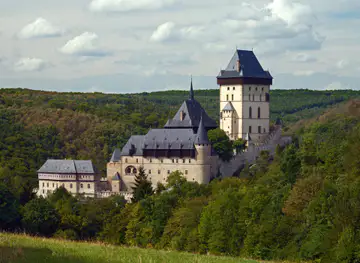
Karlštejn Castle
Visit Karlštejn Castle, a stunning Gothic fortress in the Czech Republic, rich in history and surrounded by breathtaking landscapes.
-
Tourist attraction
Punkva caves
Experience the breathtaking beauty of Punkva Caves, a natural wonder in the Czech Republic, perfect for exploration and adventure.
-
Nature preserve
Zdarski Mountains
Explore the breathtaking Zdar Hills in the Czech Republic, a nature preserve offering scenic landscapes, outdoor adventures, and rich biodiversity.
-
Nature preserve
Moravian Karst
Explore the stunning Moravian Karst, a natural preserve rich in biodiversity, featuring captivating caves and breathtaking landscapes in Czechia.

Best landmarks in Ore Mountains
Klínovec, the highest summit of the Ore Mountains in Czechia, is the region’s best-known natural landmark and a prominent viewpoint near the German border. Its summit tower and communications structures stand above a landscape of forests, ski slopes and open ridges. Boží Dar is significant not simply as a resort but as one of the highest settled places in the country, with the surrounding peatlands forming an important highland landscape. Jáchymov’s historic centre and mining remains represent the silver boom that gave the town international importance, while its later spa buildings reflect a different chapter of local history. In the east, Krupka’s hillside mining landscape and the old mining workings around Měděnec demonstrate how extraction shaped settlement and terrain. Jezeří Chateau is a particularly striking foothill landmark: its historic architecture and elevated position face the heavily altered Most Basin, making the site a vivid reminder of the tension between heritage and industrial development. Forested ridges, peat bogs, reservoirs and former mine landscapes are collectively as important to the region’s identity as its individual buildings.
-
Nature preserve
Železné hory
Experience the serene beauty of the Iron Mountains, a nature preserve perfect for hiking and immersing yourself in the Czech Republic's stunning landscapes.
-
Tourist attraction
Central Bohemian Highlands
Explore the stunning landscapes and rich history of the Central Bohemian Highlands, a must-visit destination for nature lovers and adventure seekers.
-
Mountain peak
Medvědí skála
Discover the breathtaking beauty of Medvědí skála, a majestic mountain peak in the Czech Republic, perfect for hiking, wildlife watching, and stunning vistas.
-
Mountain peak
Iron Mountains
Discover the breathtaking beauty of the Iron Mountains, a perfect destination for outdoor adventures, serene landscapes, and rich cultural heritage in the Czech Republic.
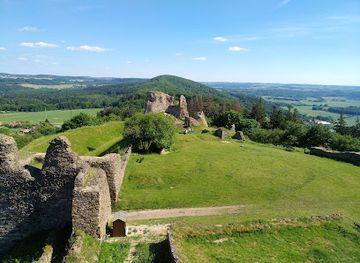
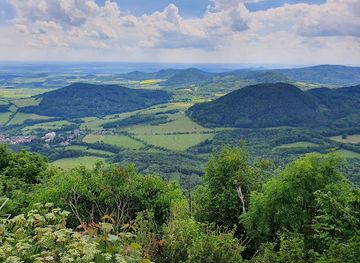
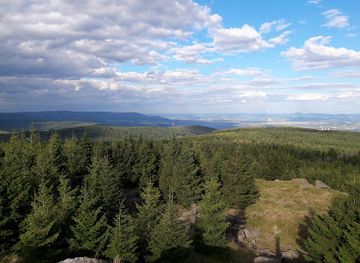
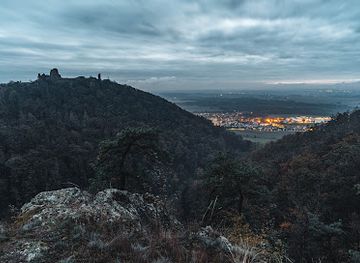
Explore Ore Mountains on the map
Plan your trip on one map. See where the top cities, national parks and sights are, and book hotels and experiences in a few clicks.
Best hotels in Ore Mountains
Best restaurants in Ore Mountains
Dining in the Ore Mountains reflects the hearty cuisine of western and northern Czechia, adapted to a cool upland climate and a history of mining communities. Mountain restaurants, guesthouses and pubs commonly serve soups, potato dishes, dumplings, pork, game and filling stews, alongside familiar Czech pastries and cakes. Around Boží Dar and the ski resorts, cafés and informal restaurants cater to walkers and winter visitors, while Jáchymov, Horní Blatná and the foothill towns offer a broader choice of traditional and contemporary cooking. Local menus may include mushrooms, forest berries and game when seasonally available, although these are regional ingredients rather than a single defining Ore Mountains cuisine. Beer is widely available, and non-alcoholic drinks and warming teas are useful after highland walks. Farmers’ stalls and small food shops are practical places to find Czech bread, cheese, smoked products and regional confectionery. In remote villages, choice can be limited and kitchen hours may be seasonal, so planning meals around the day’s route is sensible.
-
Czech
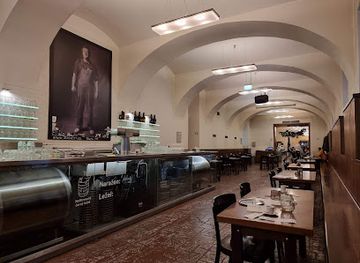
Lokál Dlouhááá
Discover the heart of Czech cuisine at Lokál Dlouhááá - where tradition meets flavor in the vibrant Old Town.
-
Restaurant
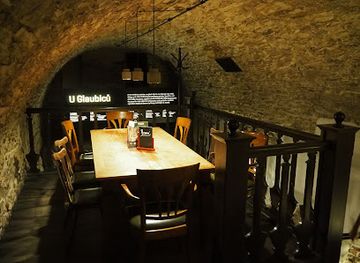
U Glaubiců
Experience authentic Czech cuisine at U Glaubiců in Malá Strana – where tradition meets taste in a charming setting.
-
Meat
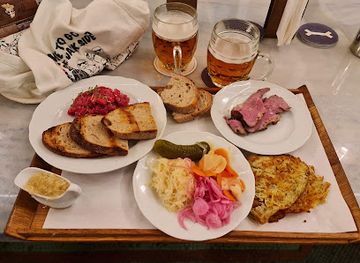
Kantýna
Discover Kantýna: A premier Czech restaurant in New Town specializing in exquisite meat dishes within a charming atmosphere.
-
Czech
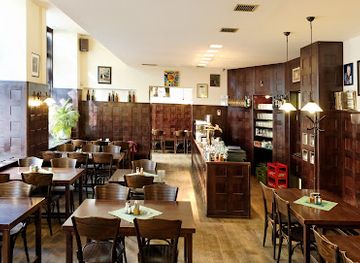
U Parlamentu
Experience authentic Czech cuisine in the heart of Prague's Old Town at U Parlamentu - where tradition meets taste.
Best bars in Ore Mountains
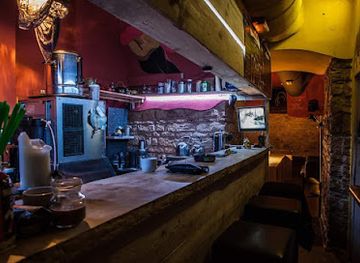
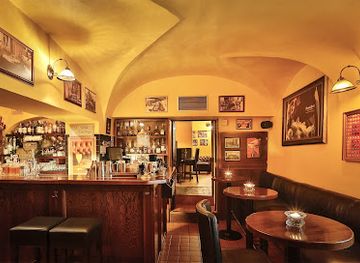
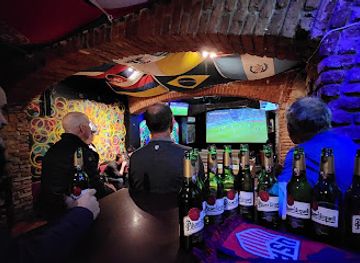
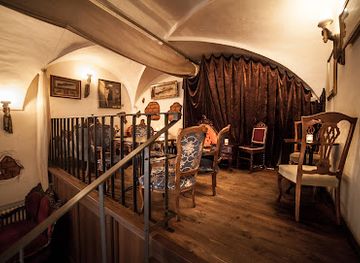
Evening life in the Czech Ore Mountains is generally low-key and centred on traditional pubs, hotel bars, cafés and restaurants rather than a large nightclub scene. Boží Dar and the Klínovec area become livelier during winter weekends and holiday periods, when visitors gather after skiing, while Jáchymov and the larger foothill towns provide a more year-round choice of pubs and cultural venues. Historic inns and local pubs are places for beer, simple food and conversation, but they should not be treated as staged folklore attractions. Some resorts and towns host occasional live music or seasonal events, though programming changes and should be checked locally. Teplice, Most, Chomutov and Karlovy Vary, outside or on the margins of the mountain area, offer broader late-night options than the remote ridge settlements. In small villages, cash, limited opening hours and a quieter atmosphere are normal; an evening walk, spa visit or meal is often more realistic than staying out late.
-
Bar
Vzorkovna Dog Bar
Vzorkovna Dog Bar in Old Town offers a unique pet-friendly bar experience where dog lovers can enjoy great drinks and cozy ambiance.
-
Bar
Hemingway Bar
Discover Hemingway Bar in Old Town for innovative cocktails, literary charm, and a cozy ambiance that invites you to unwind and savor every moment.
-
Tour operator
Drunken Monkey Pub Crawl & Boat Party
Join the Drunken Monkey Pub Crawl & Boat Party for an unforgettable nightlife adventure in Old Town, Prague, blending bars, fun, and stunning views.
-
Cocktail bar
Anonymous Bar
Experience the innovative cocktails and vibrant atmosphere at Anonymous Bar, a must-visit cocktail haven in Prague's Old Town.
Best nightclubs in Ore Mountains
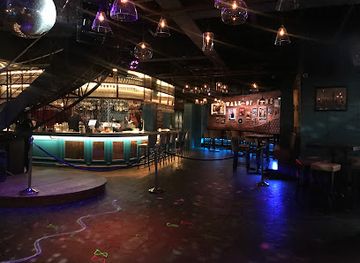
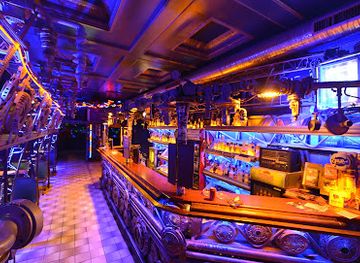
Evening life in the Czech Ore Mountains is generally low-key and centred on traditional pubs, hotel bars, cafés and restaurants rather than a large nightclub scene. Boží Dar and the Klínovec area become livelier during winter weekends and holiday periods, when visitors gather after skiing, while Jáchymov and the larger foothill towns provide a more year-round choice of pubs and cultural venues. Historic inns and local pubs are places for beer, simple food and conversation, but they should not be treated as staged folklore attractions. Some resorts and towns host occasional live music or seasonal events, though programming changes and should be checked locally. Teplice, Most, Chomutov and Karlovy Vary, outside or on the margins of the mountain area, offer broader late-night options than the remote ridge settlements. In small villages, cash, limited opening hours and a quieter atmosphere are normal; an evening walk, spa visit or meal is often more realistic than staying out late.
-
Night club
Duplex
Discover Duplex: A premier night club in New Town, Prague, offering stunning views, vibrant dance floors, and an unforgettable nightlife experience.
-
Night club
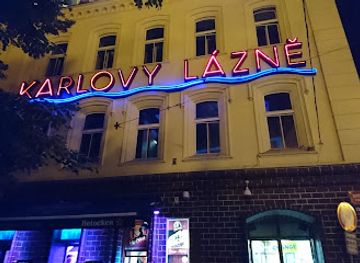
Karlovy Lazne - Nightclub
Discover the iconic Karlovy Lazne nightclub in Prague, where vibrant music and dance come together in a historic setting, creating unforgettable nightlife experiences.
-
Night club
Chapeau Rouge
Experience the vibrant nightlife at Chapeau Rouge in Old Town, Prague, where music, dance, and affordable drinks create unforgettable memories.
-
Night club
Cross Club
Discover the vibrant nightlife of Prague at Cross Club, an artistic hub for music, dance, and unforgettable experiences.

Best shops in Ore Mountains
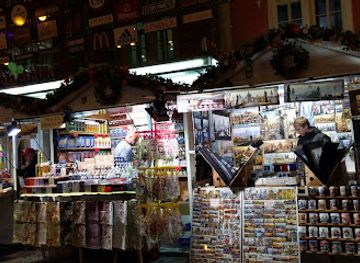
Shopping in the Ore Mountains is modest in scale but closely connected with local food, outdoor recreation and mining heritage. Boží Dar, Jáchymov and the larger resort settlements have shops for walking, skiing and cycling equipment, as well as cafés and small stores selling Czech food products and practical supplies. Historic towns such as Horní Blatná and Krupka are better suited to browsing independent businesses, galleries, museums and occasional craft outlets than to conventional retail shopping. Look for regional honey, preserves, smoked products, cheese, baked goods and locally made beer, while mining museums often provide more meaningful souvenirs than generic tourist stalls. Traditional markets and seasonal fairs may appear in foothill towns, but dates and locations vary. Most extensive high-street and shopping-centre options are in nearby towns such as Teplice, Most, Chomutov and Karlovy Vary rather than on the remote ridges. Visitors should carry cash for small producers and village shops, and remember that opening arrangements can be limited outside the main tourist seasons.
-
Shopping mall
PALLADIUM
Explore PALLADIUM in Prague, a premier shopping mall with over 200 stores, diverse dining options, and vibrant entertainment in the city's heart.
-
Shopping mall
Nový Smíchov Shopping Centre
Experience the ultimate shopping and entertainment at Nový Smíchov Shopping Centre in Prague, where modern design meets a vibrant atmosphere.
-
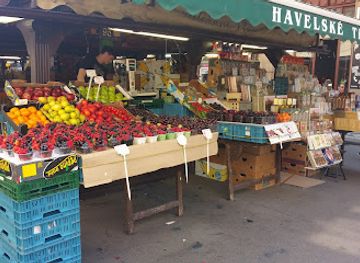
Market
Havelské tržiště
Explore the vibrant Havelské tržiště in Prague, a historic market filled with local crafts, fresh produce, and authentic Czech flavors.
-
Children's amusement center
The Playground
Experience the magic of play at The Playground, an enchanting amusement center for kids and families in the heart of Prague.


Get your free copy of our complete guide to Ore Mountains, delivered straight to you.
Everything on this page, from attractions and restaurants to essentials and local phrases, in one PDF you can read offline, print or share.
Already have an account? Sign in
Your Ore Mountains guide is ready.
We'll send it to · Not you? Sign out

Getting your guide ready…
We are putting together a fresh copy of the Ore Mountains guide. This can take up to a minute.
This can take a few moments. If your browser asks, choose Allow so the download can start. You'll find the guide in your Downloads folder.
Nothing happened? Download it again
Sorry, the guide is taking longer than usual. Please try again in a minute, or get it by email instead.
Ore Mountains essentials
Currency and Payment
Safety
Emergency Situations
Do's and Don'ts
Local Tips
From Eve
Local phrases worth knowing
You don't need to get them perfect. A few words go a long way, and locals appreciate the effort.
Basics
| English | Local | Say it |
|---|---|---|
| Hello | Ahoj | [ahoy] |
| Goodbye | Nashledanou | [nash-leh-dah-noh] |
| Yes | Ano | [ah-noh] |
| No | Ne | [neh] |
| Please/You're welcome | Prosím | [pro-seem] |
| Thank you | Děkuji | [dyeh-koo-yee] |
| Excuse me/Sorry | Omlouvám se | [ohm-lohv-ahm seh] |
| How are you? | Jak se máš? | [yak seh mahsh] |
| Fine. And you? | Dobře. A ty? | [dob-zheh. ah tee?] |
| Do you speak English? | Mluvíš anglicky? | [mloo-veesh ahn-glits-kee?] |
| I don't understand | Nerozumím | [neh-roh-zoo-meem] |
Eating & Drinking
| English | Local | Say it |
|---|---|---|
| I'd like to see the menu, please | Chtěl bych vidět menu, prosím | [khtyel bikh veed-yet meh-noo, pro-seem] |
| I don't eat meat | Nejím maso | [ney-eem mah-so] |
| Cheers! | Na zdraví! | [nah zdrah-vee] |
| I would like to pay, please | Chtěl bych zaplatit, prosím | [khtyel bikh zah-plah-teet, pro-seem] |
Emergencies
| English | Local | Say it |
|---|---|---|
| Help! | Pomoc! | [poh-mots] |
| Go away! | Jdi pryč! | [yee preech] |
| Call the Police! | Zavolejte policii! | [zah-voh-ley-teh poh-lee-tsee-ee] |
| Call a doctor! | Zavolejte doktora! | [zah-voh-ley-teh dok-tor-ah] |
| I'm lost | Ztratil jsem se | [ztrah-teel ysem seh] |
| I'm ill | Jsem nemocný | [ysem neh-mots-nee] |
Shopping
| English | Local | Say it |
|---|---|---|
| I'd like to buy... | Chtěl bych koupit... | [khtyel bikh koh-pee-t...] |
| I'm just looking | Jen se dívám | [yen seh dee-vahm] |
| How much is it? | Kolik to stojí? | [koh-leek toh stoy-ee?] |
| That's too expensive | To je příliš drahé | [toh yeh pree-leesh drah-heh] |
| Can you lower the price? | Můžeš snížit cenu? | [moo-zesh snee-zit tseh-noo?] |
Time & Numbers
| English | Local | Say it |
|---|---|---|
| What time is it? | Kolik je hodin? | [koh-leek yeh hoh-deen?] |
| It's one o'clock | Je jedna hodina | [yeh yed-nah hoh-dee-nah] |
| Half past (10) | Půl jedenácté | [pool yeh-dee-nah-steh] |
| Morning | Ráno | [rah-no] |
| Afternoon | Odpoledne | [od-po-leh-dneh] |
| Evening | Večer | [veh-cher] |
| Yesterday | Včera | [v-cheh-rah] |
| Today | Dnes | [dnes] |
| Tomorrow | Zítra | [zee-trah] |
| 1 | 1 | [1] |
| 2 | 2 | [2] |
| 3 | 3 | [3] |
| 4 | 4 | [4] |
| 5 | 5 | [5] |
| 6 | 6 | [6] |
| 7 | 7 | [7] |
| 8 | 8 | [8] |
| 9 | 9 | [9] |
| 10 | 10 | [10] |
Transport & Directions
| English | Local | Say it |
|---|---|---|
| Where's a/the...? | Kde je...? | [kde yeh...?] |
| What's the address? | Jaká je adresa? | [yak-ah yeh ah-dreh-sah?] |
| Can you show me (on the map)? | Můžeš mi ukázat (na mapě)? | [moo-zesh mee oo-kah-zat (nah mah-peh)?] |
| When's the next (bus)? | Kdy přijede další (autobus)? | [kdee pree-yeh-deh dal-shee (ow-toh-boos)?] |
| A ticket (to ....) | Jeden lístek (do ....) | [yeh-den leesehk (do ....)] |
History of Ore Mountains
Medieval Settlement and the First Mining Economy
Before large-scale mining, the Ore Mountains were a sparsely settled borderland of forests, upland meadows and small agricultural communities. From the later Middle Ages, monasteries, noble landowners and colonists from both Bohemia and Saxony encouraged settlement and the exploitation of mineral resources. Tin mining became especially important in districts such as Krupka and Horní Blatná, while routes across the ridges connected northern Bohemia with Saxony. The resulting pattern of market towns, villages and mining landscapes still shapes the region’s cultural geography.
Silver and the Rise of Jáchymov in the Sixteenth Century
The discovery of rich silver deposits around present-day Jáchymov, known historically as Joachimsthal, transformed the western Ore Mountains during the early sixteenth century. The town grew rapidly, attracted miners and merchants, and became an important centre of mining administration and technology. Silver from the district was used for the production of the Joachimsthaler, whose name ultimately gave rise to the word ‘dollar’. Jáchymov’s Renaissance townscape, mining remains and later spa tradition preserve the legacy of this period of rapid wealth and urban development.
Mining Districts, Technologies and the Erzgebirge Cultural Landscape
Over several centuries the Ore Mountains supported the extraction of silver, tin, cobalt, iron and other minerals. Mining required shafts, drainage systems, mills, smelting works, transport routes and administrative settlements, leaving an extensive cultural landscape on both sides of the Czech-German border. Distinctive mining towns such as Horní Blatná, Krupka and the settlements around Boží Dar developed alongside the workings. The continuing visibility of this industrial heritage led to the inscription of the Mining Region Erzgebirge/Krušnohoří on the UNESCO World Heritage List in 2019.
War, Population Change and the Borderland After 1945
The Ore Mountains were deeply affected by the political upheavals of the twentieth century. During and after the Second World War, the German-speaking population of the Czech borderlands was expelled, and many villages lost inhabitants or changed character. The newly controlled frontier also restricted traditional cross-border movement. Some settlements declined, while others were reshaped by state-directed economic and social policies. This history explains the region’s dispersed settlement pattern, abandoned traces and complex Czech-German cultural inheritance.
Uranium Mining and Forced Labour in the Jáchymov District
After 1945, uranium became strategically important to the Czechoslovak state and the Soviet-led nuclear programme. Intensive extraction took place around Jáchymov and other parts of the western Ore Mountains. Political prisoners and other forced-labour detainees were held in a network of camps associated with the mines, enduring harsh conditions and dangerous work. The period left lasting environmental and social consequences. Jáchymov’s museums and memorial sites now address both the earlier silver economy and the difficult history of twentieth-century uranium mining.
Industrial Transformation in the Foothills
The southern and eastern foothills were transformed during the nineteenth and twentieth centuries by coal mining, chemical production, power generation and expanding transport links. The Most Basin became one of the Czech lands’ major industrial areas, bringing employment and urban growth but also extensive landscape damage. Villages were moved or demolished as open-cast mines expanded, while places such as Jezeří Chateau came to symbolise the conflict between industrial development and historic landscapes. Reclamation has since created new lakes, forests and recreational areas in parts of the former mining zone.
Heritage Conservation and Cross-Border Recreation
Since the late twentieth century, the Ore Mountains have increasingly combined heritage conservation with outdoor tourism. Mining museums, preserved workings, marked trails and restored historic buildings interpret the region’s industrial past, while ski areas and cycling routes draw visitors to the ridges. Cooperation between Czech and German communities has strengthened the presentation of the mountains as a shared cultural landscape, without erasing the distinct political histories on either side. UNESCO recognition has reinforced the importance of protecting both tangible mining remains and the wider settlement environment.
Ore Mountains in Photos
Browse through our photo collection highlighting the charm and character of the destination.
Neighbouring regions of Ore Mountains
The closest regions to Ore Mountains, if you have time for more than one.
-

-

-
-

-


Swipe for more regions
Explore more

Explore more of Czechia
Discover Czechia: A European gem with historic towns, stunning landscapes, and cultural delights. Perfect for travelers seeking charm, history, and adventure.
Explore Czechia