

Aalborghus Castle, Aalborg Travel Guide
Half-timbered fortress, leafy park and atmospheric dungeons at the heart of Aalborg’s historic waterfront.
Aalborghus Castle is a low-slung, half-timbered fortress set in leafy grounds just steps from Aalborg’s harbour. Built in the mid‑16th century under King Christian III, it traded soaring towers for practical Renaissance buildings that served as royal residence and later as the governor’s seat. Today, visitors wander the cobbled courtyard, grassy ramparts and tranquil park for free, and in summer can descend to atmospheric dungeons and casemates that hint at the site’s more turbulent past.
A brief summary to Aalborghus Castle
- Aalborghus Slot, Slotspladsen 1, Aalborg, Aalborg Centrum, 9000, DK
- Click to display
- Click to display
- Duration: 0.5 to 1.5 hours
- Free
-
 Outdoor
- Mobile reception: 5 out of 5
- Monday 8 am-9 pm
- Tuesday 8 am-9 pm
- Wednesday 8 am-9 pm
- Thursday 8 am-9 pm
- Friday 8 am-9 pm
- Saturday 8 am-9 pm
- Sunday 8 am-9 pm

Know before you go
Hi, I'm Eve. Here are a few practical things to know before exploring Aalborghus Castle.
- Plan at least 45–60 minutes to explore the courtyard, ramparts and park; add extra time in summer if you want to visit the dungeons and underground passages.
- Bring a light jacket: the casemates and dungeon stay noticeably cool and damp even on warm days.
- Check current seasonal hours for dungeon access, as interior underground areas typically open only from May to October on weekday daytimes.
- Use the castle park as a picnic stop; pick up snacks in central Aalborg and enjoy them on the lawns overlooking the half-timbered wings.
- Combine a visit with a stroll along the nearby harbourfront and the old town streets to appreciate how the castle anchors Aalborg’s historic core.
Do you manage this location?
Take control to get all the benefits, like improved information, better appearance, and stronger visibility across AI-powered discovery. Learn more about listing your business on Evendo
Activate your presenceOther nearby places you may find interesting
The closest places of the same kind, if this one is not quite what you had in mind.
Explore Aalborghus Castle on the Map
A handpicked selection of must-see spots near Aalborghus Castle, mapped for you.
Unlock the Best of Aalborghus Castle
Buy tickets
-
No tickets available
Book tours with entry
-
No tours available


Getting There
-
Train and walking from Aalborg Station
From Aalborg Station, Aalborghus Castle is roughly a 10–15 minute walk through the city centre on generally flat, paved streets suitable for most visitors. Regional and intercity trains connect Aalborg with major Danish cities; for example, the journey from Copenhagen typically takes about 4–5 hours in total, with standard second-class fares usually in the range of 400–700 DKK one way depending on departure time and advance booking. The station has lifts and ramps, making this option convenient if you prefer step-free access to the city core before continuing on foot.
-
Local bus within Aalborg
Several city bus lines run through central Aalborg with stops a short walk from the castle, often within 5–10 minutes on foot across level urban terrain. Typical journeys from residential districts to the centre take 10–25 minutes, and single tickets within Aalborg generally cost around 24–30 DKK, with discounts available via travel cards or mobile tickets. Services operate frequently during the day but may be reduced in the late evening and on Sundays, so it is worth checking the latest timetable before you set out.
-
Car or taxi to central Aalborg
Arriving by car, you can target public parking areas in Aalborg’s centre within about 5–10 minutes’ walk of the castle; driving times from nearby North Jutland towns are typically 30–60 minutes, while from Aarhus you should allow around 1.5–2 hours. Expect to pay in the region of 10–25 DKK per hour for central parking, with some time-limited free zones farther out. Taxis within Aalborg commonly start around 50–70 DKK plus 10–15 DKK per kilometre, so a short ride from the station or harbour area will usually fall between 80 and 150 DKK depending on traffic and waiting time.
For the on-the-go comforts that matter to you
-
 Restrooms
-
 Seating Areas
-
 Trash Bins
-
 Information Boards
Discover more about Aalborghus Castle
Renaissance stronghold by the Limfjord
Aalborghus Castle sits almost at the water’s edge of the Limfjord, a compact half‑timbered complex framed by lawns, trees and the gentle hum of central Aalborg. Commissioned by King Christian III in 1539 and finished around 16 years later, it was positioned here to oversee trade and shipping rather than to dominate the skyline. Instead of lofty keeps, you find long, dark‑timbered wings with white infill, red‑tiled roofs and small‑paned windows that feel distinctly North Jutland.Though conceived as a fortress, Aalborghus never truly fulfilled that role. Cannon and ramparts once guarded the fjord, but its destiny became administrative rather than military, anchoring royal authority in northern Jutland. The sense of a working seat of power still lingers in its orderly façades and robust, almost austere lines.Layers of power, grain and governance
The story of Aalborghus reaches further back than the current walls. A medieval royal residence stood just south of here and was linked to the Danish crown in the 14th and 15th centuries. After Christian III ordered the old building demolished, his architect Morten Bussert created a modern stronghold with a broad defensive platform and sturdy casemates below.In the 1630s, King Christian IV reshaped the complex by adding the north wing facing the harbour, used as a granary for storing grain and provisions destined for the region. Later, a detached southern building followed in the early 1800s, extending the castle’s working footprint. In the 20th century the granaries were carefully converted into offices, reflecting a continued role in regional administration rather than as a romantic ruin.Court-yard calm and green ramparts
For today’s visitor, the greatest appeal lies in the freely accessible outdoor spaces. You pass under low roofs into a cobbled courtyard enclosed by timbered walls, with the original east wing the most historic surviving part of the 16th‑century castle. The setting is surprisingly intimate: pigeons coo in the eaves, bicycles roll quietly past, and the scent of cut grass drifts in from the park.Around the courtyard spreads a ribbon of greenery, including stretches of the original rampart. The castle park feels like a pocket of calm in the city centre, with benches dotted along paths and glimpses of the Limfjord between trees. Locals slip through on their daily routines, while visitors pause to photograph the distinctive green‑turfed roofs that make the building instantly recognisable.Dungeons, casemates and a hint of legend
Beneath the quiet surface, Aalborghus hides a stark underbelly. From May to October, weekday access is usually granted to the dungeon and casemates, where barrel‑vaulted brick chambers once functioned as storage and prison cells. The air is cooler, the light dimmer, footsteps echo off old stone, and simple displays outline the castle’s evolution from fortification to administrative hub.Local folklore adds a spectral layer in tales of a mysterious “White Lady” said to haunt the underground spaces, a noblewoman wronged and unable to leave. Whether you believe the story or not, the shifting play of light in the passageways makes it easy to imagine the castle’s more dramatic chapters unfolding down here.Everyday life at a working castle
Uniquely, Aalborghus remains very much part of contemporary civic life. Office windows look out over the same courtyard where royal officials once walked, and the complex still houses state administration. This dual identity shapes the visitor experience: there is no grand museum circuit, yet you gain a sense of a living institution embedded in the city.That mix of quiet bureaucracy and deep history is part of the castle’s charm. In the span of an hour you can trace Denmark’s shift from medieval monarchy to modern state, all while standing within a few steps of waterfront promenades, old merchant houses and church towers that share the same story‑rich skyline.












Your all‑in‑one travel companion app
Explore expert travel guides, compare and book tours, experiences, hotels, and more—all from the palm of your hand. Download now for seamless trip planning wherever your wanderlust takes you.


Explore More of Aalborg

Looking beyond Aalborghus Castle? Discover Aalborg for broader travel guides, local hot-spots, and regional highlights.
Explore Aalborg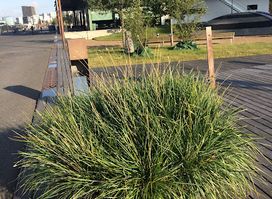
An easygoing fjordfront viewpoint where Aalborg’s working harbour, bold waterfront architecture and wide promenades come together in one relaxed, scenic panorama.
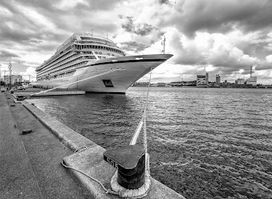
Ceremonial fjordside quay at the foot of Aalborghus Castle, blending royal cruise berth, open water views and relaxed public waterfront life in central Aalborg.
