
Church of Our Lady (Vor Frue Kirke), Aalborg
Thousand-year faith on a city square: a Romanesque Revival church with medieval carvings, noble chapels and a calm interior in the heart of old Aalborg.
Set on Vor Frue Plads in the heart of Aalborg’s old town, the Church of Our Lady (Vor Frue Kirke) combines deep medieval roots with a 19th‑century Romanesque Revival exterior. Once the church of a Benedictine abbey founded around 1100, it now stands as a red‑brick landmark with a preserved west‑gable granite portal, considered one of Aalborg’s oldest artworks. Inside, bright, pared‑back interiors, historic chapels and a replacement altar from 1908 create a calm, contemplative space that contrasts with the surrounding city streets.
A brief summary to Church of Our Lady
- Vor Frue Pl. 1, Aalborg, Aalborg Centrum, 9000, DK
- +4596311180
- Visit website
- Duration: 0.5 to 1.5 hours
- Free
-
 Indoor
- Mobile reception: 5 out of 5
- Tuesday 10 am-2 pm
- Wednesday 10 am-2 pm
- Thursday 10 am-2 pm
- Friday 10 am-2 pm
- Saturday 10 am-12 pm
- Sunday 9 am-1 pm
Local tips
- Plan your visit for weekday late mornings when the church is typically open to the public and quieter than during services.
- Walk around to the west gable outside to study the granite portal, considered one of the oldest surviving artworks in Aalborg.
- Take a moment in the chapels to look for the 1615 epitaph and other historic details saved from the earlier church.
- Combine your stop here with visits to nearby Budolfi Cathedral and the Abbey Church to trace the three towers on Aalborg’s city crest.

For the on-the-go comforts that matter to you
- Restrooms
- Seating Areas
- Information Boards
Getting There
-
Train and short walk from Aalborg Station
From Aalborg Station, reach the Church of Our Lady on foot in about 8–10 minutes along central, mostly level city streets, suitable for most visitors and pushchairs. Trains connect Aalborg with cities such as Aarhus and Copenhagen, with journeys from Aarhus typically taking about 1.5–2 hours and from Copenhagen around 4–4.5 hours, depending on service. Standard second‑class tickets on these routes usually range from about 120–220 DKK if bought in advance and more at peak times. Once in Aalborg, no additional public transport is needed to reach the church.
-
Local bus within Aalborg
Several city bus lines run through Aalborg Centrum with stops within a 5–10 minute walk of Vor Frue Plads, making the church easy to include as part of a wider trip around town. Typical journey times from residential districts or shopping areas are 10–20 minutes, depending on traffic and route. Single tickets bought on board or via local ticketing apps usually cost around 22–30 DKK for an adult within the city zone. Buses run more frequently on weekdays than late evenings or Sundays, so check current timetables if travelling at off‑peak times.
-
Car or taxi within Aalborg
Reaching the Church of Our Lady by car from most parts of central Aalborg normally takes 5–15 minutes, traffic permitting. There is no large dedicated car park directly on the square, so drivers rely on nearby public parking garages and street parking within a few hundred metres; charges typically range from about 10–25 DKK per hour in the city centre, with maximum stays and payment hours varying by zone. Taxis in central Aalborg usually have a starting fare around 40–50 DKK and a total cost of roughly 80–150 DKK for short inner‑city trips, depending on distance and time of day.
Church of Our Lady location weather suitability
-
 Any Weather
-
 Rain / Wet Weather
-
 Cold Weather
-
 Mild Temperatures
Discover more about Church of Our Lady
From Benedictine Abbey to City Parish
Vor Frue Kirke traces its story back to about 1100, when a Benedictine abbey was founded on this spot in what was then the eastern edge of Aalborg. The original church, known as Mariakirken, served both the monastic community and the growing town that clustered around the Limfjord trading routes. Over the centuries the monastery was dissolved, but its church survived as a parish church, anchoring religious life in this quarter of the city. By the 19th century the medieval structure had become dangerously dilapidated. In 1878 it was demolished and replaced with the present building, inspired by Romanesque Revival architecture and laid out amid the tight weave of old streets and gabled houses. Though much of what you see is 19th‑century, the site itself carries nearly a thousand years of Christian worship and civic history.Romanesque Revival in Red Brick
The current Church of Our Lady makes an immediate impression with its warm red‑brick walls and robust, rounded forms. The design takes cues from Romanesque churches, with solid masonry, round‑arched windows and a strong, simplified tower that rises above the surrounding roofs. The church can accommodate around 600 people, reflecting its role as a major parish church in central Aalborg. When the new structure was built, the existing tower was retained but faced with the same stone used for the rest of the church, creating a unified appearance while quietly preserving an earlier core. This blend of old and new gives the exterior an understated character: dignified rather than ornate, and very much in harmony with the low‑rise historic cityscape around Vor Frue Plads.The Oldest Artwork in Aalborg
Look closely at the west gable and you will find the church’s most precious survivor from the medieval building: a granite portal adorned with Romanesque stone carvings. These sculpted blocks, with their worn but expressive motifs, are widely regarded as the oldest work of art in Aalborg. They once framed the entrance to the abbey church and now act as a tangible bridge back to the 12th century. Alongside the portal, other fragments of the original church fabric were integrated into the 19th‑century building. The Scheelske chapel, attached to the church, was refaced with matching stone, while the Pentzske chapel was rebuilt to house a richly carved epitaph from 1615. Together, these details turn a walk around the exterior into a quiet lesson in local art and family patronage.Interiors Marked by Fire and Continuity
Inside, Vor Frue Kirke feels bright and welcoming, with pale surfaces, clear sightlines and a calm, uncluttered nave. A significant portion of the interior fittings—such as selected furnishings and decorative pieces—originates from the earlier church, carefully transferred when the old structure was taken down. This continuity helps the interior feel older than its brick walls suggest. One major exception is the altar. The original altar was destroyed in a fire in 1902, a dramatic episode that left a lasting mark on parish memory. In 1908 a new altar was installed, reflecting early 20th‑century tastes while respecting the church’s overall style. Organ, pulpit and seating work together to create a space suited both to Lutheran services and to quiet individual reflection during open visiting hours.A Symbol on Aalborg’s Crest
Beyond its architectural interest, the Church of Our Lady carries symbolic weight for the city. Its tower is one of three church towers represented on Aalborg’s official crest, alongside Budolfi Cathedral and the Abbey Church. This emblematic role underlines how closely the church is tied to the city’s identity and skyline. Today, the church stands within easy walking distance of other historic sites, yet its interior remains notably peaceful. Soft daylight filters through tall windows, footsteps echo on the floor, and the faint scent of old stone and wood lingers in the air. Whether you step inside briefly during a stroll through Aalborg Centrum or linger longer to explore its chapels and carvings, Vor Frue Kirke offers a concise introduction to the city’s layered religious and architectural history.Visiting the Church Today
Vor Frue Kirke operates as an active Lutheran parish, with regular services and limited but consistent opening hours for visitors on weekdays and Saturday mornings. Access is generally straightforward, with a level approach from the surrounding square and a simple entrance leading into the nave. Photography is usually allowed, and there is no admission fee, making it easy to include as a cultural stop during time in the old town. The surrounding area invites a slower pace: narrow streets, nearby squares and other historic churches form a compact network of sights. From a practical perspective, the church’s central location means amenities such as cafés, shops and public facilities are within a short walk, allowing you to combine a visit here with wider exploration of Aalborg’s historic core.Iconic landmarks you can’t miss

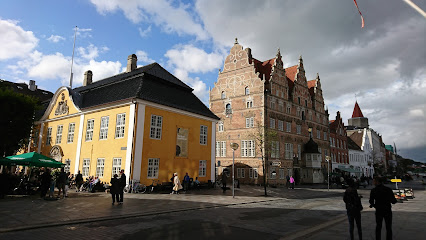
Old City Hall
0.3 km
Aalborg’s tiny Baroque town hall on Gammeltorv, where a vivid yellow façade, royal motto and intimate interiors tell the story of centuries of civic life.
Limfjordsbroen
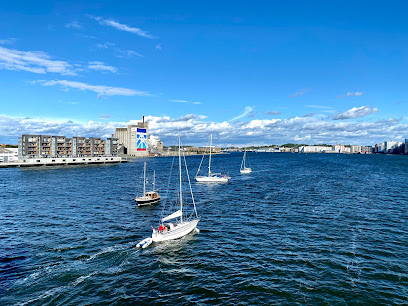
0.9 km
Historic bascule bridge linking Aalborg and Nørresundby, offering everyday Danish life, harbor views, sea air and classic Limfjord light in all seasons.
Aalborgtårnet
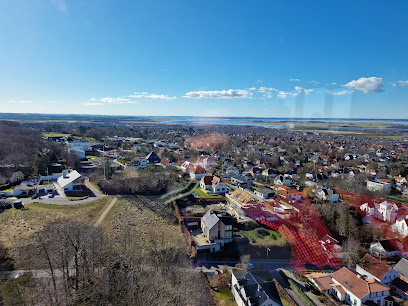
1.3 km
A classic 1930s steel tower lifted above a wooded hill, Aalborgtårnet combines a thrilling outdoor elevator ride with 360° views and a cosy sky-high bistro.
Limfjordstunnelen
2.4 km
Denmark's pioneering underwater motorway tunnel connecting North Jutland's vital regions since 1969.
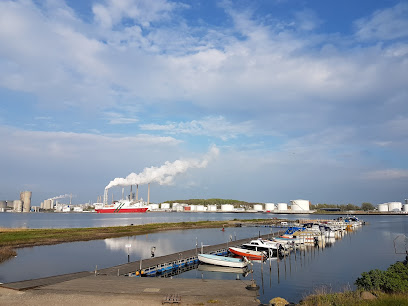
Selskabet for Aalborgs Historie
2.7 km
Architectural marvel and musical powerhouse in Ørestad, DR Koncerthuset offers world-class acoustics and performances from Copenhagen’s cultural heart.
Rold Storkro
25.1 km
Discover tranquility at Rold Storkro, nestled between Denmark's largest forest and scenic hills, offering a blend of historic charm and modern comfort for an unforgettable escape.

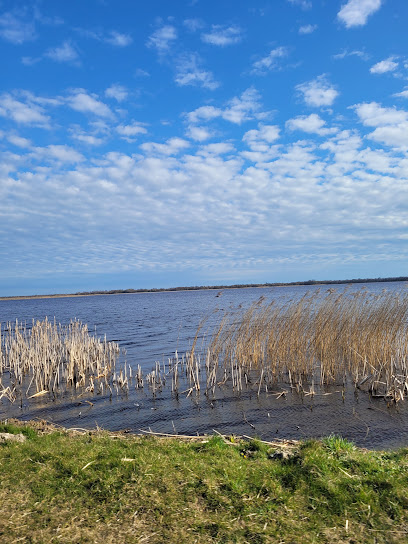
Lille Vildmosecentret
25.2 km
Uncover the wild heart of Denmark at Lille Vildmosecentret, where immersive exhibits, rare wildlife, and scenic boglands await beside Limfjord.
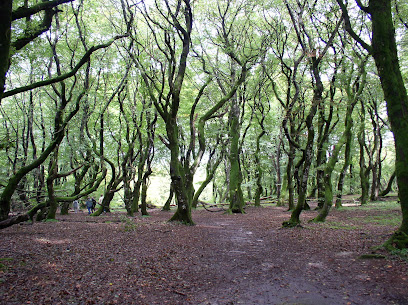
Troldeskoven
25.3 km
Discover the mystical allure of Troldeskoven near Skørping, where ancient, gnarled beech trees create a magical landscape steeped in Danish folklore and natural beauty within Rold Skov.
Rold Forest
25.6 km
Discover Denmark's largest forest: Hike through ancient woodlands, explore unique geological formations, and uncover the legends of Rold Forest near Skørping.
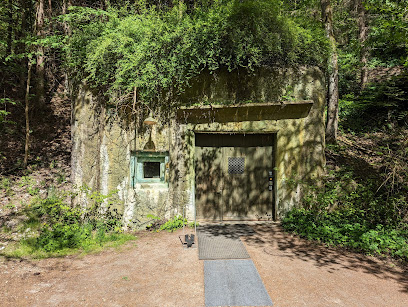
Koldkrigsmuseet REGAN Vest
25.9 km
Explore Denmark's best-preserved Cold War bunker at Koldkrigsmuseet REGAN Vest: an immersive journey into a secret world hidden beneath the forest, revealing a pivotal era in history.
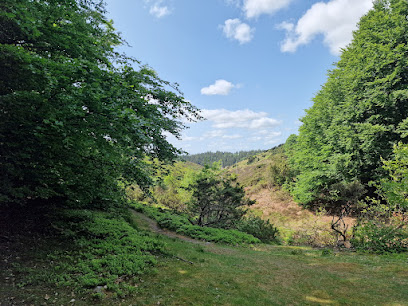
Naturstyrelsen
26.2 km
Explore the natural beauty and cultural heritage of Rold Skov and Rebild Bakker with guidance from Naturstyrelsen Himmerland, your gateway to outdoor adventures in Northern Jutland.
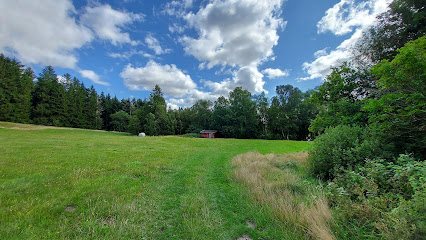
Midt inde i Rold Skov
26.4 km
Discover Denmark's largest forest: Hike through ancient woodlands, explore hidden springs, and experience the tranquility of Rold Skov, a natural treasure trove in Himmerland.
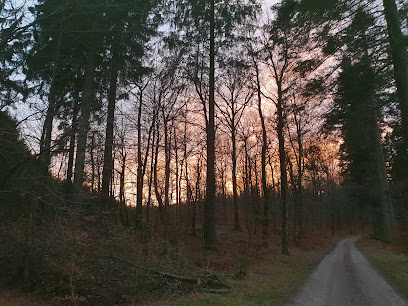
Springkilden
26.8 km
Discover the mesmerizing Springkilden in Rold Forest: an artesian spring offering a tranquil escape into nature's beauty near Skørping, Denmark.

Madum Lake
26.8 km
Discover the pristine beauty of Madum Lake in Himmerland, Denmark: swim in crystal-clear waters, hike through ancient forests, and explore a haven for nature and history.
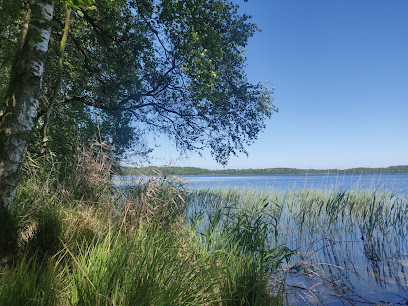
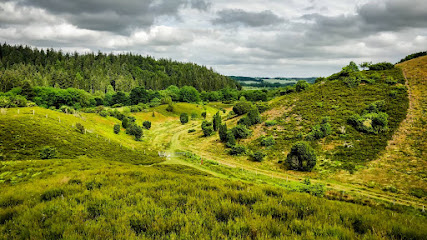
Rold Skov
27.0 km
Discover Denmark's largest forest: Hike through ancient woodlands, explore rolling hills, and uncover the captivating history and folklore of Rold Skov.
Unmissable attractions to see

Hjelmerstald
0.1 km
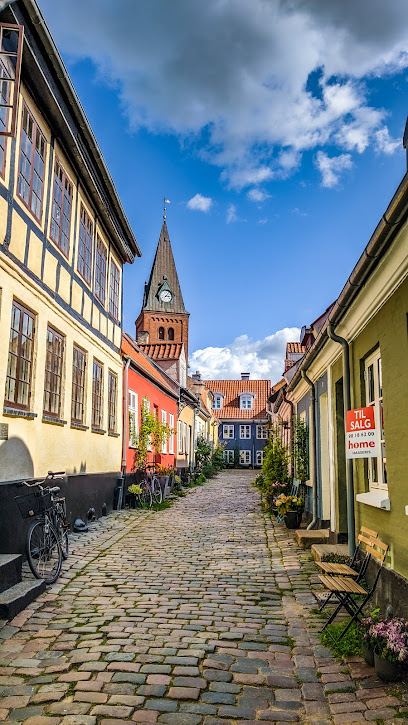
A short, cobbled lane of colourful houses and quiet courtyards, Hjelmerstald offers an intimate glimpse of old Aalborg life hidden in the city centre.
Gråbrødrekloster Museum
0.2 km
Step three metres beneath Aalborg’s busiest shopping street into an in situ medieval monastery, where ruins, burials and artefacts reveal the city’s deep past.
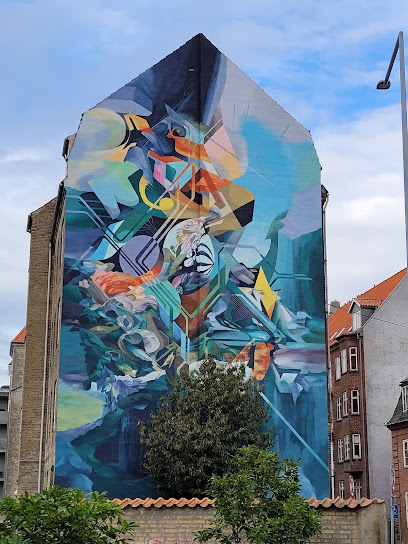
Street Art Mural - Nändo Väzquez
0.2 km
A vivid Nändo Väzquez mural splashes bold color across a central Aalborg streetscape, turning an ordinary wall on Danmarksgade into a small but striking urban landmark.
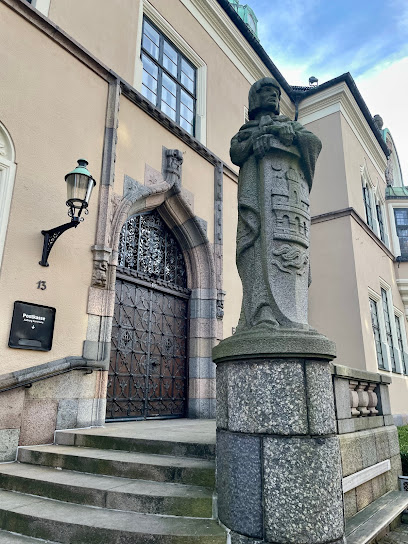
Aalborgmanden
0.3 km
Compact granite sculpture in central Aalborg, Aalborgmanden quietly embodies the city’s historic trading spirit and enduring civic pride on lively Boulevarden.
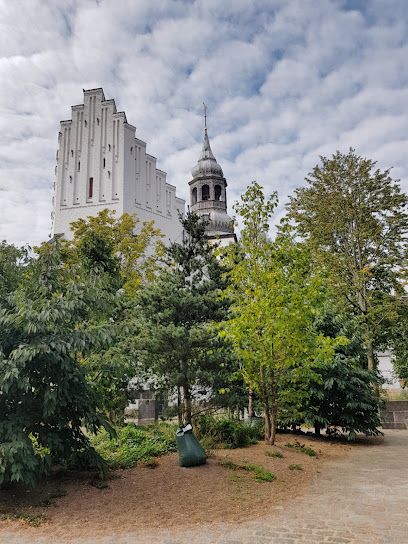
Budolfihaven
0.3 km
Aalborg's verdant heart where medieval cathedral bells mark time and history meets contemporary urban life.
Apotekersamlingen
0.3 km
Step into a creaking attic above Jens Bang’s Stone House and explore centuries of pharmacy history in Aalborg’s atmospheric Apotekersamlingen.
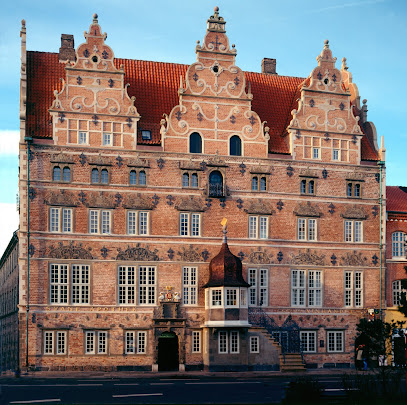
Jens Bangs Stonehouse
0.3 km
Aalborg’s grand Dutch Renaissance mansion, where a wealthy merchant’s 17th‑century ambitions still dominate the old town’s skyline in carved stone and gables.
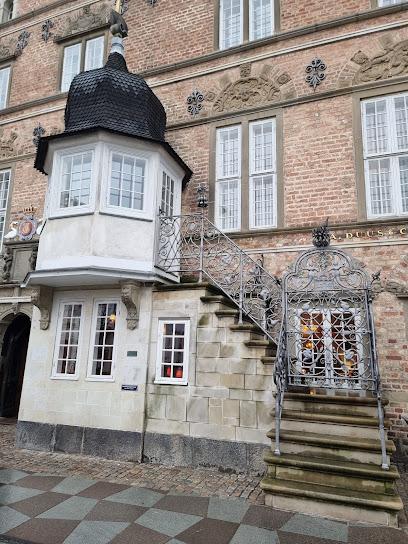
Klostertorvet
0.3 km
Aalborg’s cherished Kildeparken combines historic gardens, musical installations, and year-round events into a vibrant green oasis at the center of the city.
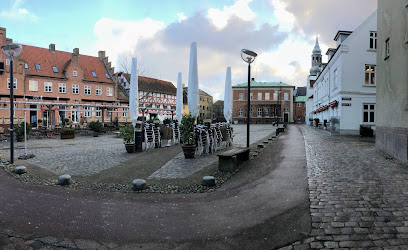
Budolfi Church
0.3 km
Aalborg’s snow‑white cathedral, where Gothic stone, Baroque woodwork and a singing carillon weave a thousand years of seafaring, faith and city life into one intimate space.
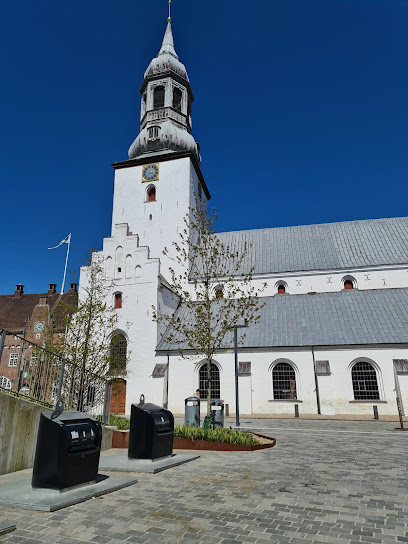
Bispengade
0.3 km
Aalborg’s wide, bustling shopping artery, lined with fashion, outdoor gear and gadgets, linking central squares and side streets full of food and nightlife.
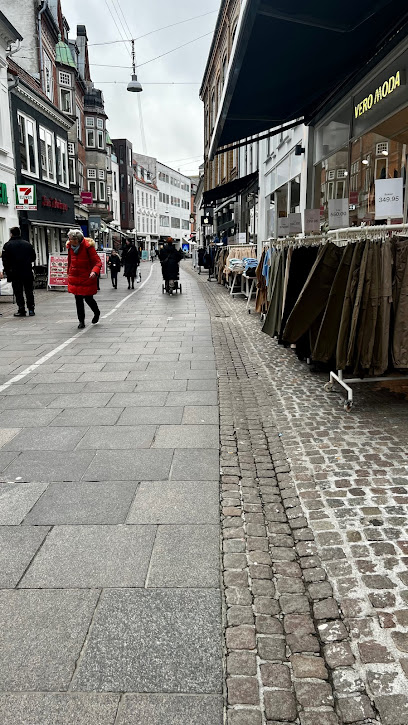
Nytorv
0.4 km
A historic crossroads square where Aalborg’s trading past, busy shopping streets and everyday city life come together in one open, welcoming space.
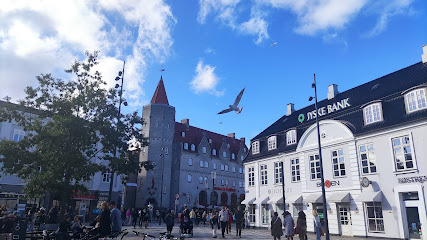
Aalborghus Castle
0.4 km
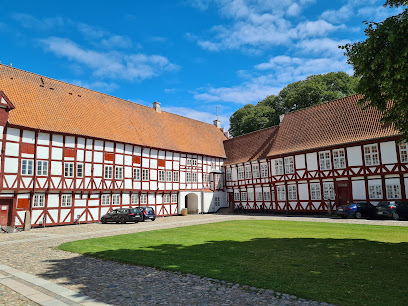
Half-timbered fortress, leafy park and atmospheric dungeons at the heart of Aalborg’s historic waterfront.
Boulevarden
0.4 km
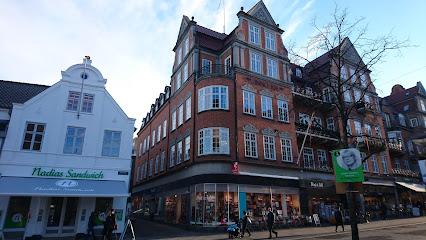
A broad, café‑lined pedestrian street at the heart of Aalborg, where everyday city life, relaxed shopping and easy people‑watching come together in one walkable stretch.
Jørgen Olufsens House
0.4 km
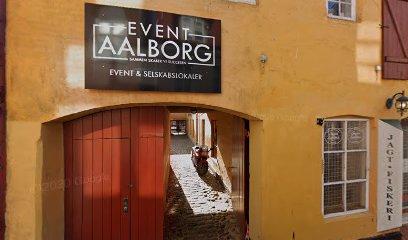
Aalborg’s finest Renaissance merchant’s house, where sandstone, brick and half‑timbering reveal the city’s 17th‑century wealth and waterfront history.
Klosterhaven
0.4 km
A quiet cloister garden tucked inside Aalborg’s medieval monastery, where simple greenery and ancient walls create a rare pocket of calm in the city centre.
Essential places to dine

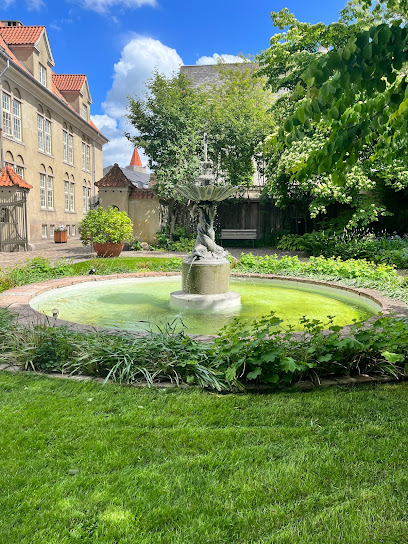
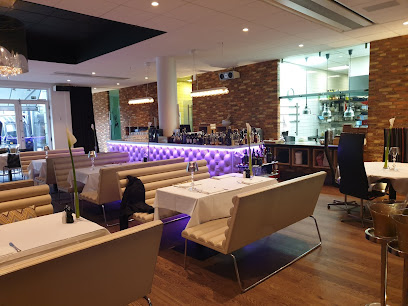
Mortens Kro Restaurant & Boutique hotel
0.1 km
Fine dining and intimate suites under one roof in central Aalborg, where contemporary Nordic cuisine and spa-touched boutique comfort create a full gourmet getaway.
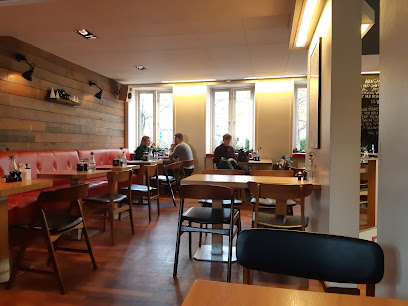
Caféministeriet
0.2 km
Casual all‑day café and restaurant on Mølle Plads in central Aalborg, known for generous brunches, modern comfort food and a lively, laid‑back urban atmosphere.
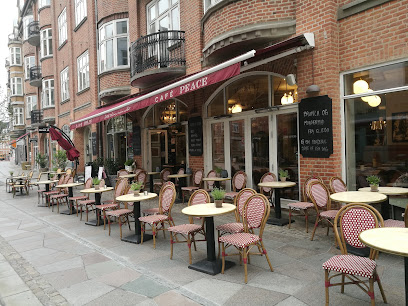
Café Peace
0.2 km
Lively all‑day café and restaurant on Aalborg’s Boulevarden, serving generous brunches, casual bistro dishes and drinks with prime street‑side terrace seating.
Duus Vinkjælder
0.3 km
Historic 1918 wine cellar blending Nordic cuisine, live jazz, and immersive dining experiences in atmospheric Aalborg.
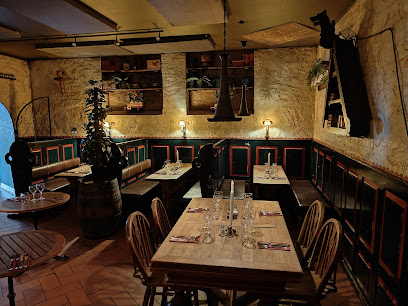
Bistro59
0.3 km
Intimate French bistro in Aalborg's heart, serving authentic cuisine with impeccable technique and curated wines.
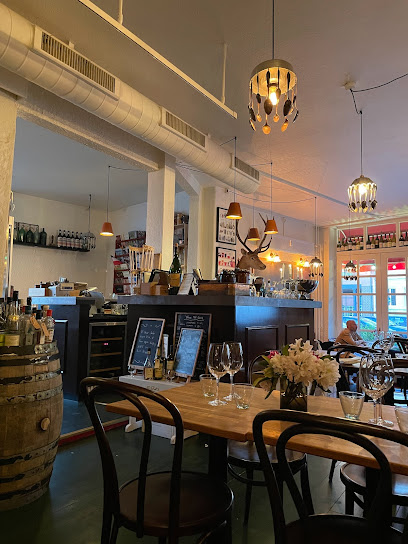
Hos Henius
0.3 km
Classic Danish smørrebrød, beer and schnapps served with warm hygge and aquavit heritage in a cozy lunchtime restaurant in the heart of Aalborg.
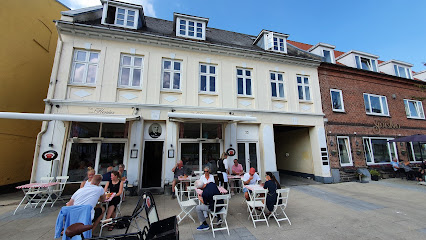
Den Bette Kro
0.3 km
Traditional Danish smørrebrød, hearty kro cooking and a warm, red-tablecloth atmosphere in the very heart of Aalborg.
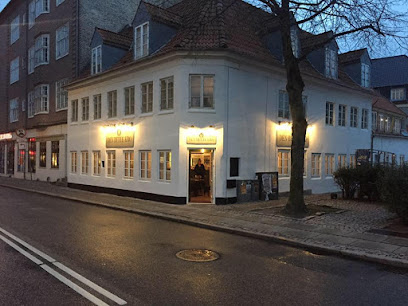
Alimentum
0.3 km
Fine-dining Nordic tasting menus in a discreet Aalborg corner spot, where local North Jutland produce and thoughtful pairings create an intimate, slow-paced experience.
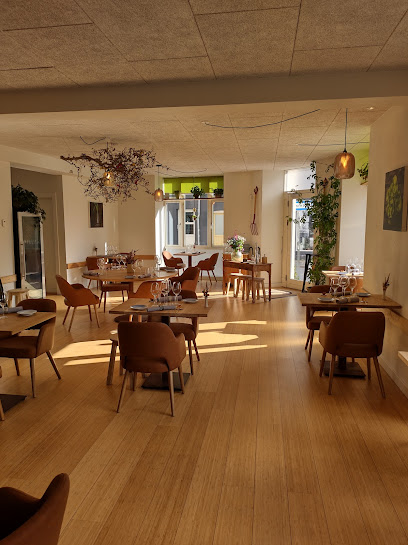
TraPo
0.3 km
Relaxed Italian trattoria in central Aalborg, serving crisp pizzas, comforting pastas, and Roman-inspired classics in warm, rustic surroundings.
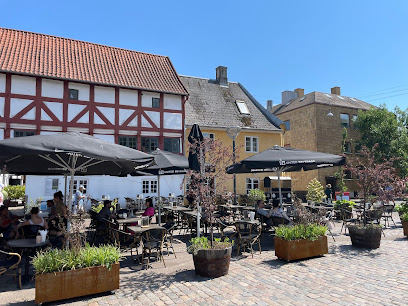
Taverna Zorba Aalborg
0.3 km
Cozy Greek taverna in the heart of Aalborg, serving generous plates, warm hospitality and a splash of Mediterranean atmosphere on relaxed Nordic evenings.
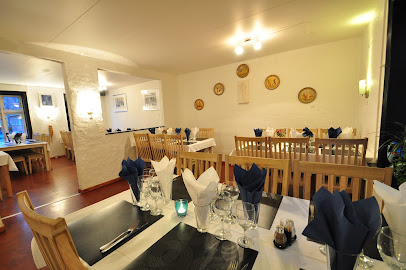
La Locanda
0.4 km
Cosy Roman-inspired dining in a historic Aalborg courtyard, where multi-course Italian menus, personal service and candlelit charm turn dinner into an evening event.
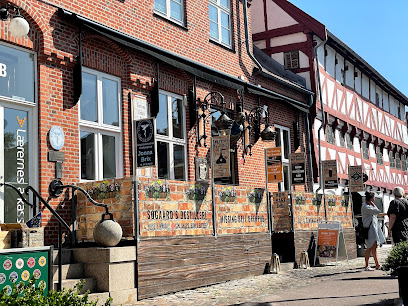
Søgaards Bryghus
0.4 km
Family-run copper-kettle brewpub in central Aalborg, where in-house beer, Italian-inflected food and a working cellar brewery animate historic C. W. Obels Plads.
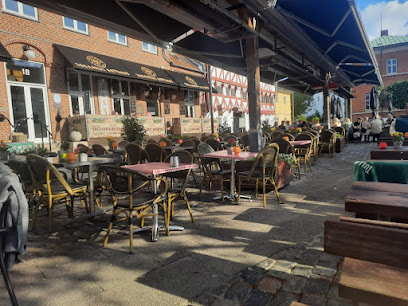
Helmut Aalborg
0.4 km
Modern brunch, dinner and cocktails under one roof in central Aalborg, blending casual dining, social drinking and late‑night energy in a single stylish venue.
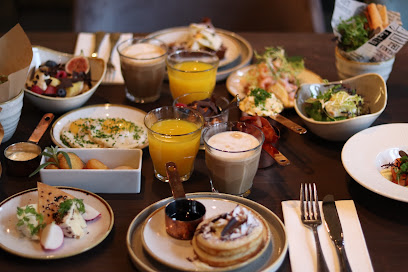
Det Glade Vanvid - Aalborg
0.4 km
All-inclusive gourmet dining where seasonal excellence meets informal elegance in Aalborg's heart.
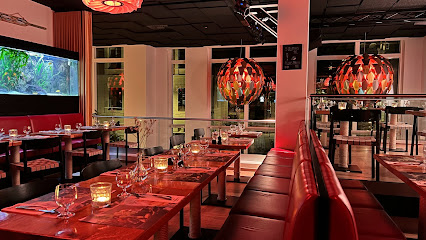
Restaurant Det Tredje Sted
0.4 km
An elegant French-inspired brasserie on Aalborg’s Bispensgade, where marble tables, fine wines and relaxed hygge turn everyday meals into lingering occasions.
Markets, malls and hidden boutiques

Kilo Vintage Sale Aalborg
0.0 km
Playful weight-based vintage shopping in central Aalborg, where European second-hand style, sustainability and treasure-hunt browsing all come together by the kilo.
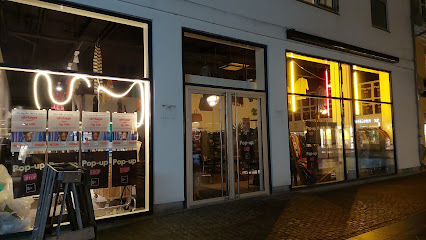
Billig-Billy. Costumes and dollar store
0.1 km
A lively central Aalborg discount and costume shop packed with party gear, decorations and quirky bargains, ideal for quick themed fixes and fun, low-cost finds.
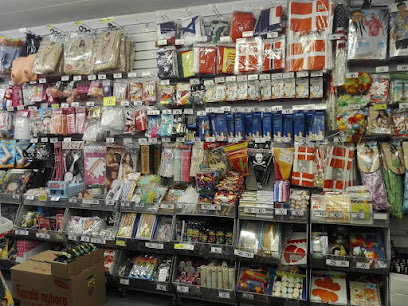
Flying Tiger Copenhagen
0.1 km
A bright, budget‑friendly Danish design store in central Aalborg, packed with playful gifts, colorful homeware and quirky everyday essentials.
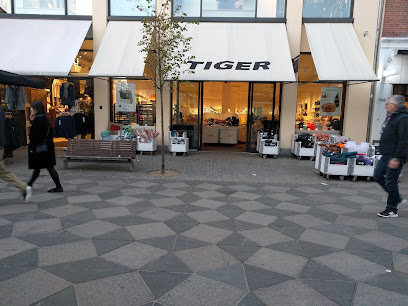
MSCH Copenhagen
0.1 km
A modern Scandinavian womenswear boutique in the heart of Aalborg, blending minimalist design, versatile wardrobe staples and relaxed, downtown shopping vibes.

Weekday
0.1 km
Contemporary fashion hub in Aalborg's shopping district, featuring statement denim and trend-forward basics.
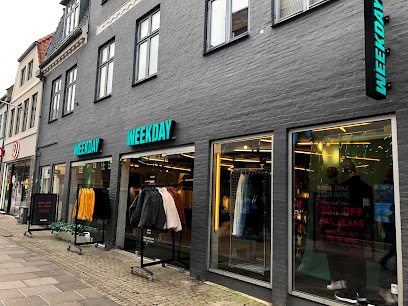
Butik Kraes
0.1 km
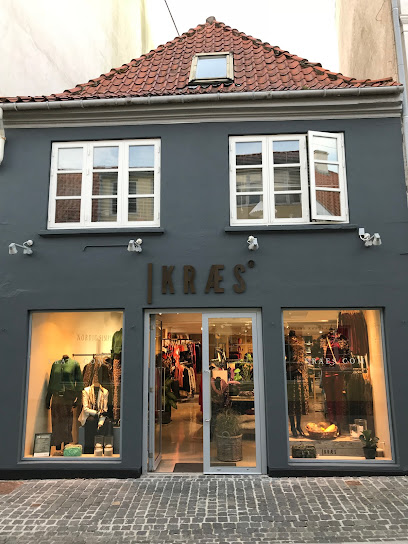
Intimate Aalborg boutique blending Scandinavian women’s fashion with curated home accents in a calm, design-led setting on central Nørregade.
Sinnerup Aalborg
0.1 km
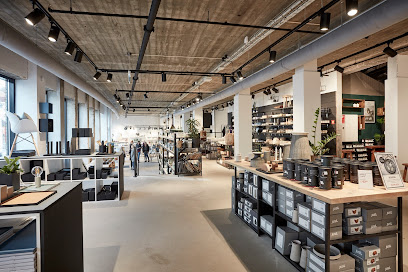
Stylish Danish lifestyle store on Aalborg’s Nytorv, uniting Nordic furniture, home décor and women’s fashion in a single inspiring multi-level design universe.
Filuca V
0.2 km
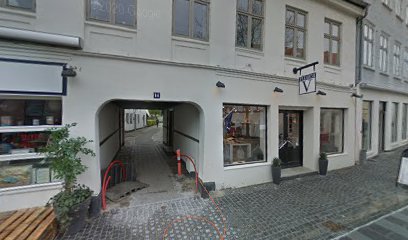
Intimate Aalborg boutique blending luxury vintage with contemporary Scandinavian womenswear, where curated rails and personal styling help you uncover a distinctive, lasting look.
Magasin Aalborg
0.2 km
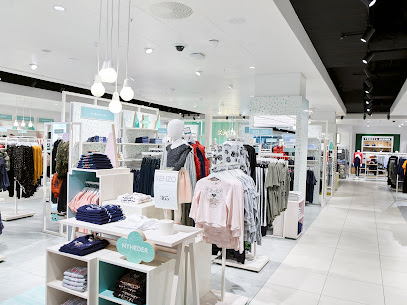
A sleek, three-level department store in central Aalborg, blending Scandinavian style, curated brands and calm interiors for an easy, all-in-one shopping stop.
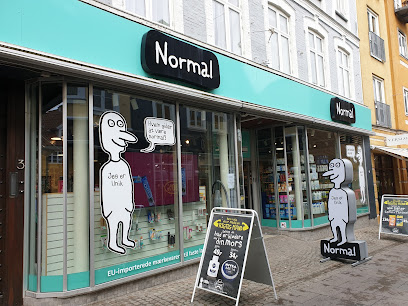
NORMAL Aalborg, Algade
0.2 km
Everyday essentials and branded goods at fixed low prices in Aalborg's largest NORMAL store.
Sirup
0.2 km
Central Aalborg women’s fashion boutique offering curated Scandinavian style, personal service and a relaxed shopping pause on lively Nytorv square.
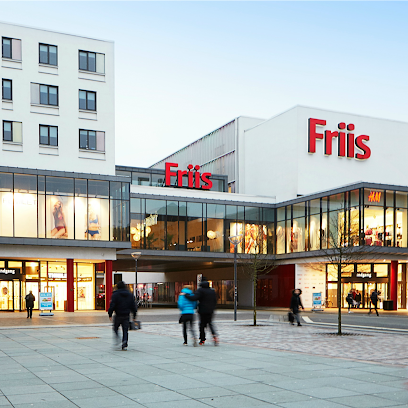
Friis Shopping Center
0.2 km
Modern Aalborg shopping hub blending retail, dining, and urban culture in Denmark's vibrant city centre.
SEPHORA MAGASIN AALBORG
0.2 km
A polished, fashion-forward beauty hub inside Magasin at Nytorv, where international makeup, skincare and fragrance brands meet Aalborg’s city-center shopping buzz.

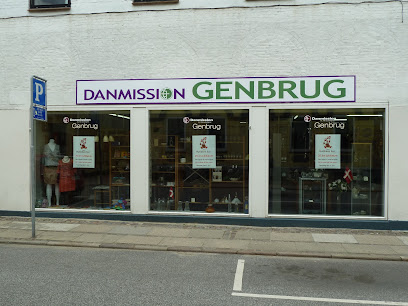
Danmission Op Shop
0.2 km
Treasure hunting with purpose—secondhand shopping that supports vulnerable communities worldwide.
Monki
0.2 km
Trendy women's fashion with bold, expressive style in Aalborg's vibrant city center.
Essential bars & hidden hideouts

Douro Wine Bar
0.1 km
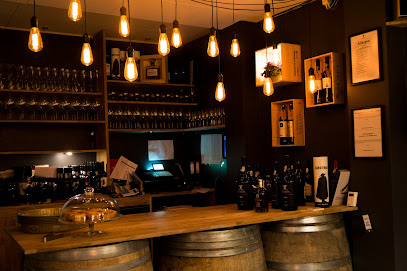
Cozy Portuguese wine hideaway in central Aalborg, pairing hand-picked Douro bottles with relaxed tapas, candlelight and unhurried evening conversations.
London Pub
0.2 km
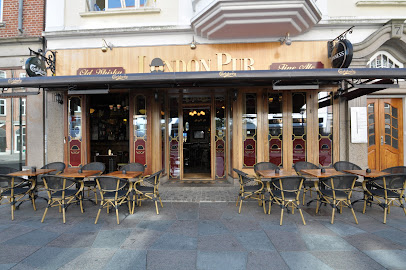
Classic British-style pub in central Aalborg pouring dozens of beers, ciders and whiskies in a cosy, wood-panelled setting from lunchtime until late.
Quist Wine v/Lene Quist Berggreen
0.3 km
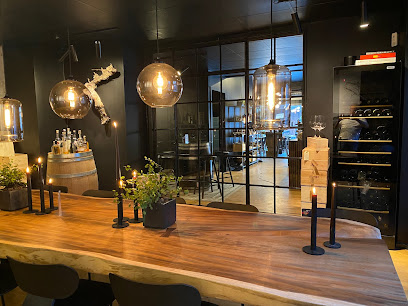
Authentic Italian wines in Aalborg's historic heart, curated by passionate wine experts.
Basement Beer Bar
0.3 km
Aalborg's craft beer sanctuary with 20 rotating taps and weekly discoveries.
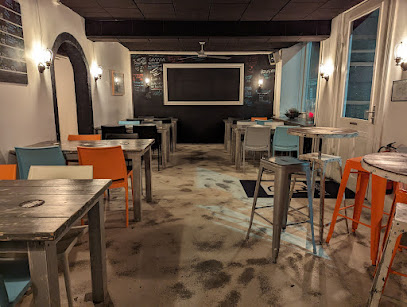
Hjerter Dame ApS
0.3 km
Cosy brown-bar charm in the heart of Aalborg, where local beer, fair prices and intimate, wood-panelled surroundings create an easy-going evening retreat.
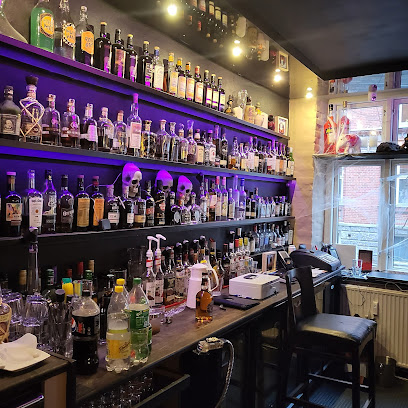
Kontiki Bar
0.4 km
Unpretentious beer hall on Ågade offering inexpensive drinks, local atmosphere, and a relaxed, central Aalborg hangout from midday to late night.
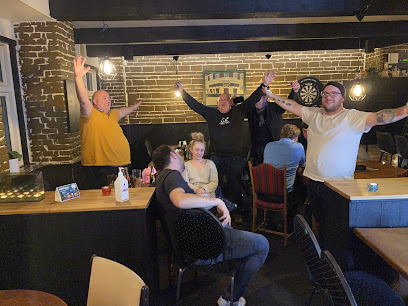
The Irish House
0.4 km
Authentic Irish pub in Aalborg with live music, traditional cuisine, and an extensive beer and whiskey selection.
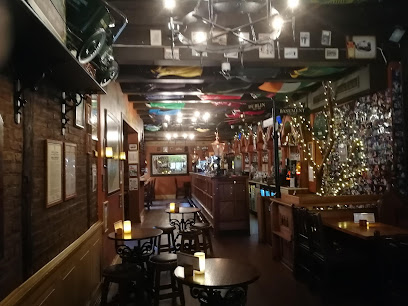
Cozy Bar Aalborg
0.4 km
A snug, no‑nonsense bar in central Aalborg, perfect for relaxed drinks, conversational evenings and a budget‑friendly pause between the city’s livelier nightspots.
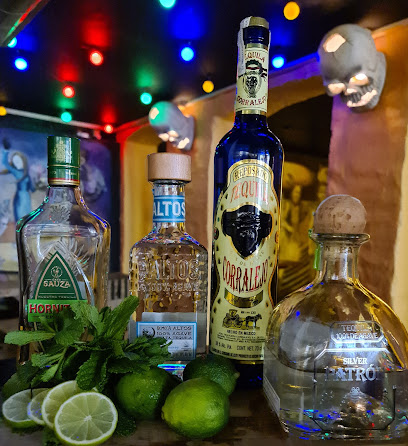
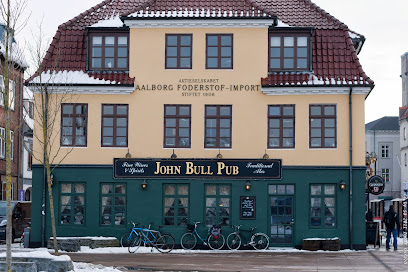
John Bull Pub Aalborg
0.4 km
Classic English-style pub in central Aalborg, pouring a huge range of beers and whiskies with live music, sports and a spacious terrace facing the Limfjord.
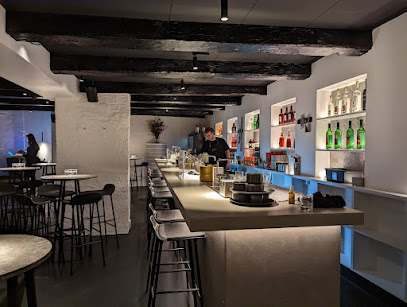
Gedulgt
0.4 km
Dimly lit, discreet and devoted to serious cocktails, Gedulgt brings speakeasy charm and Nordic flair to a tucked-away corner of Aalborg’s city center.
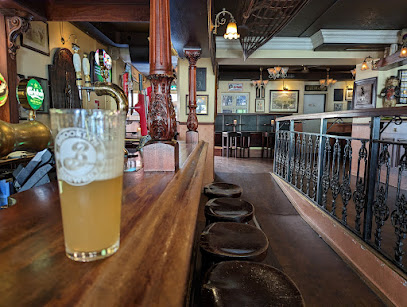
Old Games Pub ApS
0.5 km
Cozy weekend pub in central Aalborg mixing cold beers, retro-style fun and live music for laid-back, late-night socializing by the waterfront.
D'Wine Bar
0.5 km
Spanish-inspired wine and tapas bar on Aalborg’s Algade, pouring Iberian wines and cocktails in a candlelit, urban-hygge atmosphere perfect for relaxed evenings.
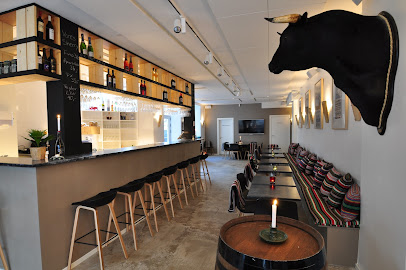
Proud Mary Pub Aalborg
0.5 km
Lively pub on Aalborg’s Jomfru Ane Gade, mixing classic bar charm, sport on big screens, live music and late-night drinks in the city’s most famous party street.
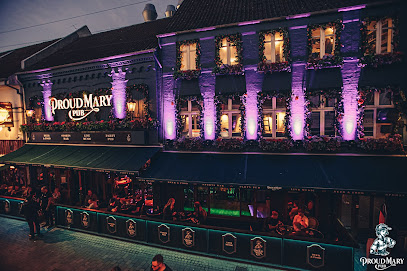
Heidi's Bier Bar Aalborg
0.5 km
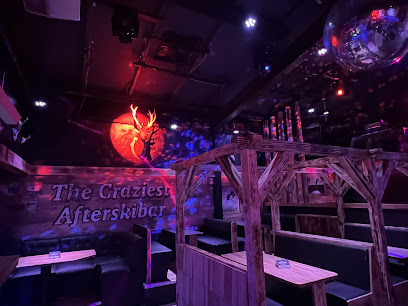
High-energy Alpine-style beer hall in Aalborg’s nightlife lane, serving big steins, loud party tunes and late-night table dancing in a rustic lodge setting.
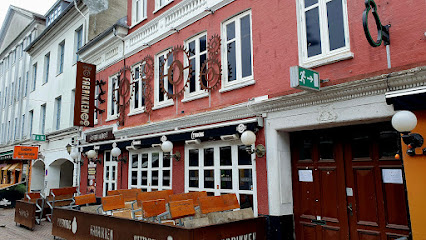
Zwei Grosse Bierbars Aalborg ApS
0.5 km
High-energy alpine-style beer bar bringing après-ski vibes, big steins and party soundtracks to Aalborg’s legendary Jomfru Ane Gade nightlife strip.
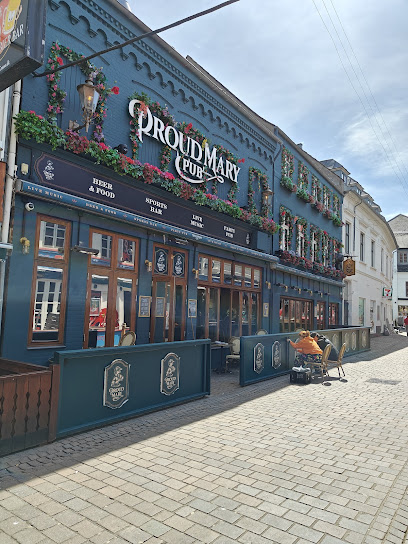
Nightclubs & after hour spots

Night Cirque
0.1 km
Compact, high-energy nightclub in central Aalborg, where pulsing beats, bold lighting and a stylish crowd keep the dance floor alive late into the night.
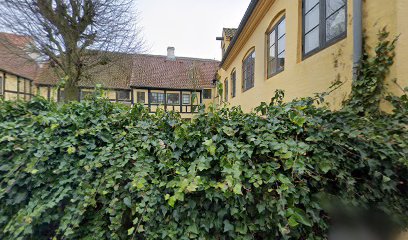
LouLou Aalborg
0.5 km
Polished cocktails and high-energy club vibes collide at this compact, late-night hotspot on Aalborg’s legendary Jomfru Ane Gade.
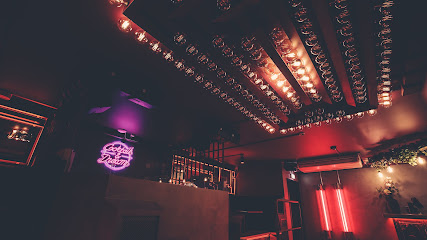
CLUB MOONLIGHT Aalborgs dansested for voksne
0.5 km
Compact, nostalgic and unapologetically dance‑focused, Club Moonlight brings 80s, 90s and today’s hits to a mature over‑21 crowd in central Aalborg.
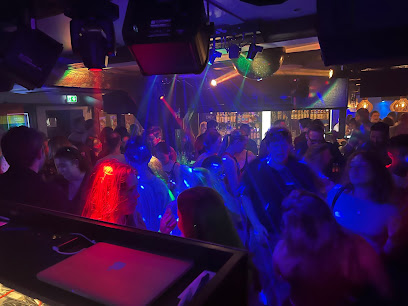
ESCAPE CLUB & Shisha Lounge
0.5 km
Intimate nightclub and shisha lounge in the heart of Aalborg’s Jomfru Ane Gade, mixing DJ-driven dancing, drinks and hookah corners late into the night.
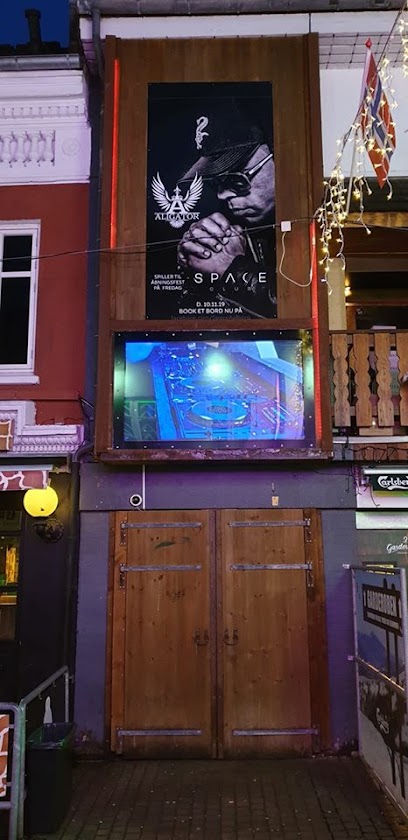
Club Wolf
0.5 km
Compact, late-night nightclub on Aalborg’s Jomfru Ane Gade, blending chart hits, strong weekend energy and a tightly packed dance floor in the city’s bar street hub.

Rocken
0.5 km
Aalborg's premier basement rock and metal nightclub, hosting live bands and DJ sets Friday through Sunday.
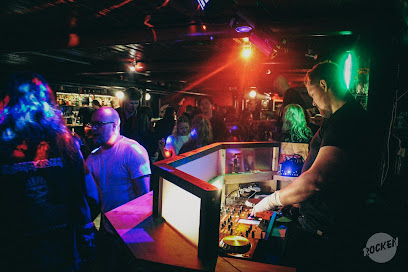
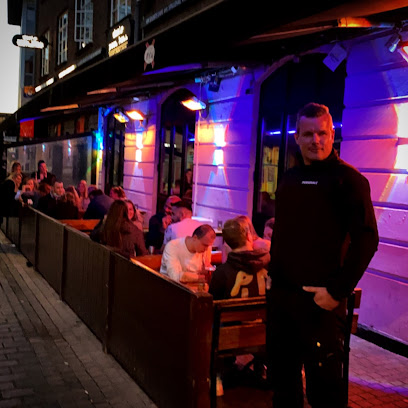
Club Stygge
0.5 km
Compact, late-night Aalborg nightclub with loud party hits, simple cocktails and a tightly packed dance floor on bustling Vesterå.
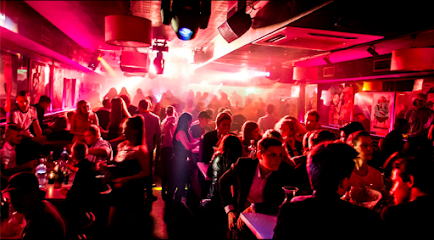
C Night Club
0.5 km
Craft cocktails meet dance floor energy on Aalborg's premier nightlife street.
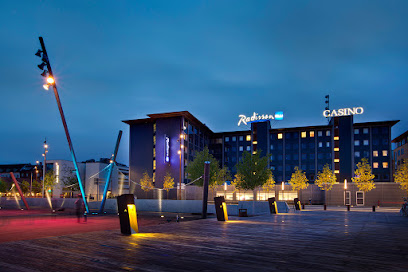
Casino Aalborg
0.6 km
Compact, adult-only casino in the heart of Aalborg, pairing classic table games and slots with a relaxed Nordic nightlife atmosphere inside a city-center hotel.
Mjølner
23.5 km
Small-town Nibe’s late-night heartbeat, where a compact dance floor, loud party tunes and local crowds turn a quiet fjord town into a lively night out.
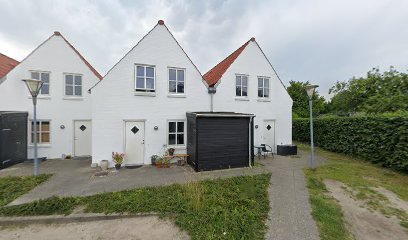
Mariager Fjord Golf
41.2 km
Mariager Fjord Golf blends a challenging 18-hole course with spectacular fjord views, laid-back Danish charm, and a welcoming clubhouse overlooking North Jutland’s scenic waters.
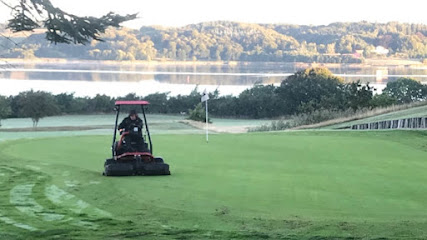
Mariager Sejlklub
43.8 km
Experience the laid-back maritime charm of Mariager Sejlklub, where local sailing culture meets tranquil fjord views on Denmark’s scenic Mariager Fjord.
Buddy Holly
46.0 km
Late-night disco hub in central Hobro, where locals and visitors pack the dance floor to chart hits, lights and drinks until the early hours.

Jazz Hobro
46.2 km
Experience the soulful melodies of live jazz in the heart of Hobro at Jazz Hobro.
Flying Hirsch
56.9 km
Experience the unique après-ski atmosphere at Flying Hirsch, Frederikshavn's vibrant bar with live music and diverse drinks.
For the vibe & atmosphere seeker
- Tranquil
- Scenic
- Unique
- Casual
For the design and aesthetic lover
- Minimalist Designs
- Vintage Styles
For the architecture buff
- Historic
- Sacred Sites
- Landmarks
For the social media creator & influencer
- Photo Spots
- Architectural Shots
For the eco-conscious traveler
- Low Impact
- Public-Transport Accessible
- Locally Managed
For the kind of experience you’re after
- Mindfulness
- Meditation Spot
- Spiritual / Energy Spot
- Cultural Heritage
- Photowalk
- Day Trip
- Roadtrip Stop
For how adventurous you want the journey to be
- Easy Access
Location Audience
- Family Friendly
- Senior Friendly
- Child Friendly
- Teen Friendly
- Wheelchair Access
- Solo Friendly
- Couple Friendly
- Solo Female Friendly


