
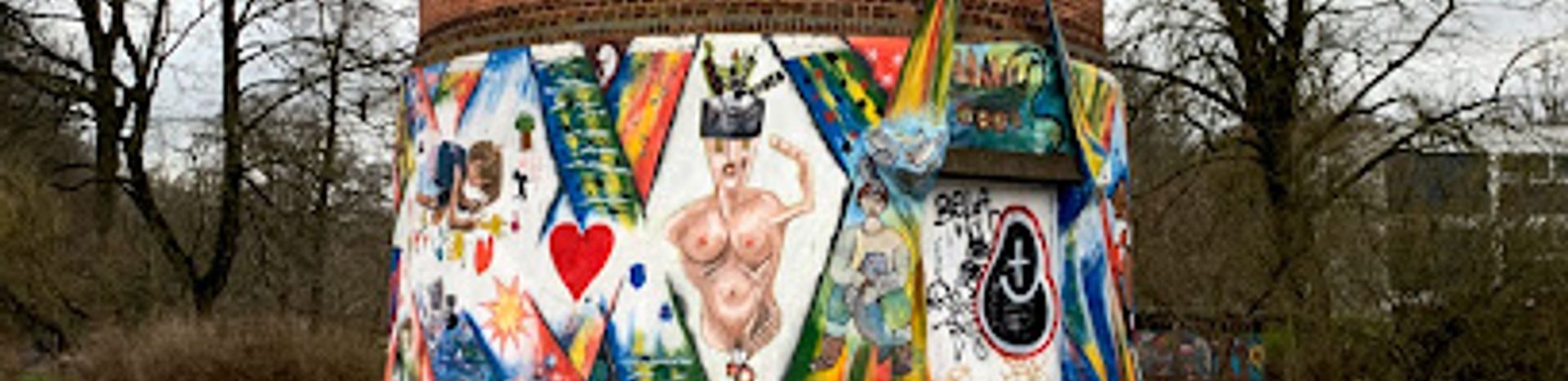
De Syngende Træer – Park of Music, Aalborg
A leafy hall of fame where international stars have planted trees that play their music, turning Aalborg’s Kildeparken into a gently singing city oasis.
Hidden within Aalborg’s Kildeparken, De Syngende Træer (Park of Music) is a quirky fusion of green space and sound art. Since 1987, international stars performing at Aalborg Kongres & Kultur Center have planted commemorative cherry and oak trees here, many paired with buttons that trigger short medleys of their music. Wandering the lawns, you can seek out names like Elton John, Sting or Mariah Carey, press play at the discreet pedestals, and listen as the park quite literally starts to sing around you, especially atmospheric on long Nordic evenings and in the festive Christmas season.
A brief summary to De Syngende Træer (Park of Music)
- Aalborg, Aalborg Centrum, 9000, DK
- Visit website
- Duration: 0.5 to 2 hours
- Free
-
 Outdoor
- Mobile reception: 5 out of 5
- Monday 12 am-12 am
- Tuesday 12 am-12 am
- Wednesday 12 am-12 am
- Thursday 12 am-12 am
- Friday 12 am-12 am
- Saturday 12 am-12 am
- Sunday 12 am-12 am
Local tips
- Bring a list of your favourite participating artists so you can seek out their trees and turn your visit into a musical treasure hunt.
- Visit in the evening light from late spring to early autumn, when the park is still bright, the air is mild, and the music feels extra atmospheric.
- In the Christmas season, check the trees again: many buttons trigger special festive tracks recorded by the same artists.
- Wear comfortable shoes; you will likely cover a fair bit of lawn and pathways as you wander between the different musical trees.

For the on-the-go comforts that matter to you
- Restrooms
- Drink Options
- Drinking Water
- Food Options
- Seating Areas
- Sheltered Areas
- Trash Bins
- Information Boards
Getting There
-
On foot from central Aalborg
From the pedestrian heart of central Aalborg around Nytorv, allow about 10–15 minutes’ walk to reach Kildeparken, where De Syngende Træer is located beside Aalborg Kongres & Kultur Center. The route is flat and paved, suitable for wheelchairs and strollers, and you simply follow main city streets toward the congress centre without any demanding terrain.
-
Local bus within Aalborg
Several city bus lines stop near Aalborg Kongres & Kultur Center, typically taking 5–15 minutes from the inner city depending on your starting point. Single tickets on local buses in Aalborg usually cost in the range of 20–30 DKK, and services run frequently throughout the day, with reduced frequency in late evenings and on Sundays.
-
By train to Aalborg Station
If you are arriving from elsewhere in North Jutland, regional and intercity trains serve Aalborg Station, which is roughly a 10‑minute walk from Kildeparken. Travel times vary from about 30 minutes from nearby towns to over an hour from more distant cities in Jutland, with prices typically from around 80–200 DKK one way depending on distance and ticket type.
-
Bicycle within the city
Aalborg is generally bike‑friendly, and cycling from most central neighbourhoods to Kildeparken takes about 5–10 minutes along marked bike lanes or calm streets. There is informal bike parking near the park and around the congress centre, and the terrain is mostly flat, though you should be prepared for typical Danish wind and wet weather at times.
De Syngende Træer (Park of Music) location weather suitability
-
 Any Weather
-
 Mild Temperatures
-
 Cold Weather
-
 Hot Weather
-
 Clear Skies
-
 Rain / Wet Weather
Discover more about De Syngende Træer (Park of Music)
Aalborg’s Living Hall of Fame in the Trees
De Syngende Træer sits in a corner of Kildeparken, just beside Aalborg Kongres & Kultur Center, yet it feels like its own small world. The idea was born in the late 1980s, when visiting performers were invited to mark their appearance not with a plaque, but by planting a tree. Over time the grove grew into a leafy hall of fame, now counting dozens of bird cherry and other trees, each linked to a specific artist, orchestra or performer who once took to the nearby stage. The first tree was planted in 1987 by Sir Cliff Richard, setting a precedent that soon attracted big names from across genres. Classical orchestras stand alongside pop icons, rock legends near jazz greats. The result is an unusually democratic collection, where fame manifests not as marble statues but as living trunks and canopies changing with the Danish seasons.How the Singing Trees Actually Sing
What transforms this from a ceremonial grove into the Park of Music is a simple but charming sound installation. Beside many trees stands a low pedestal with a name plate and a weatherproof button. Press it and short medleys or signature tracks by that artist drift from hidden speakers, filling the air for a brief moment before fading back into birdsong and rustling leaves. The technology is deliberately unobtrusive: cables are tucked away, speakers are small, and there is no flashing screen to distract from the greenery. Instead, you read the inscription, picture the concert that inspired the planting, and then hear a carefully chosen snippet of music. It feels intimate rather than loud, like sharing someone’s headphones in the open air.Famous Names Among the Branches
As you wander the paths, you can spot an impressive roll‑call of international stars. Over the years artists such as Sting, Elton John, Rod Stewart, Stevie Wonder, Prince, Bob Dylan and Beyoncé have all contributed trees. Big vocalists, pop groups, orchestras and comedians are represented too, tracing decades of performances at the congress and culture centre next door. Each pedestal usually lists the artist’s name and the year the tree was planted, turning a stroll into a journey through late 20th‑ and early 21st‑century entertainment history. Some visitors treat it like a treasure hunt, searching out a particular favourite, then letting curiosity lead them to unfamiliar names and sounds they might not otherwise discover.Atmosphere Through the Seasons
Part of the park’s charm is how different it feels throughout the year. In spring the bird cherry trees erupt in white blossom, and the music mingles with the sweet scent and fresh leaves. Summer brings long, pale evenings, when families, friends and solo wanderers linger on the lawns, punctuating the ambient quiet with the occasional burst of a chorus or guitar solo. Autumn paints the grove in reds and golds, making the metal pedestals stand out more starkly among fallen leaves. In winter, when daylight is short and the branches bare, the installation takes on a slightly magical quality. Around Advent and Christmas, a selection of tracks switches to seasonal songs recorded by the same artists, so the grove becomes a low‑key open‑air jukebox of carols and festive pop beneath the cold Nordic sky.Experiencing the Park at Your Own Pace
There is no formal route through De Syngende Træer; it is best enjoyed by drifting along the paths and lawns at a leisurely pace. Benches and open grass patches invite short breaks, and the wider Kildeparken with its trees, sculptures and water features blends seamlessly with the musical grove. You can spend a brief quarter‑hour pressing a few favourite buttons, or settle in for longer and let chance decide which melodies accompany your time outdoors. Because it is a public park area, there are no entrance barriers or ticket checks, and you can drop by from early morning to late evening. The experience is low‑intensity and relaxed, making it easy to combine with other sightseeing in central Aalborg or a simple breather between activities. For music lovers, it offers a quiet, offbeat way to feel close to artists without any of the noise or crowds of a concert night.Aalborg’s Playful Blend of Culture and Green Space
Beyond its novelty, De Syngende Træer captures something about Aalborg’s approach to culture. Instead of separating performances indoors and nature outdoors, it lets the two spill into each other. The trees are both a symbolic thank‑you from visiting stars and a long‑term gift to the city, growing bigger and more shade‑giving with every decade. At the same time the sound installation keeps the site alive even on days with no events at the nearby halls. Children experiment with the buttons, locals cut through on daily walks, and travellers chance upon a familiar song in an unfamiliar place. It is an attraction without fanfare: modest in scale, but memorable in its concept, and one that quietly turns an ordinary city park into a gently singing landscape.Iconic landmarks you can’t miss

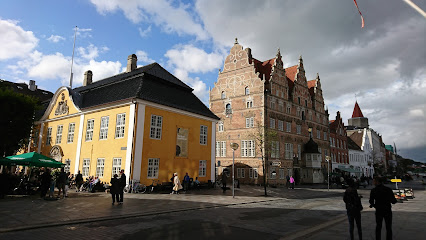
Old City Hall
0.7 km
Aalborg’s tiny Baroque town hall on Gammeltorv, where a vivid yellow façade, royal motto and intimate interiors tell the story of centuries of civic life.
Aalborgtårnet
0.7 km
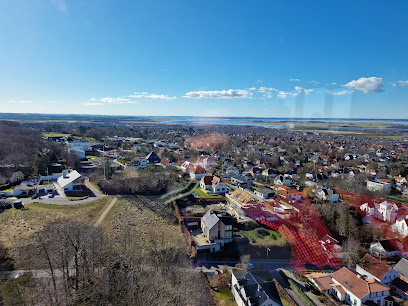
A classic 1930s steel tower lifted above a wooded hill, Aalborgtårnet combines a thrilling outdoor elevator ride with 360° views and a cosy sky-high bistro.
Limfjordsbroen
1.3 km
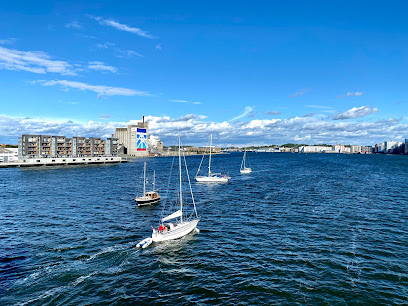
Historic bascule bridge linking Aalborg and Nørresundby, offering everyday Danish life, harbor views, sea air and classic Limfjord light in all seasons.
Selskabet for Aalborgs Historie
3.0 km
Architectural marvel and musical powerhouse in Ørestad, DR Koncerthuset offers world-class acoustics and performances from Copenhagen’s cultural heart.
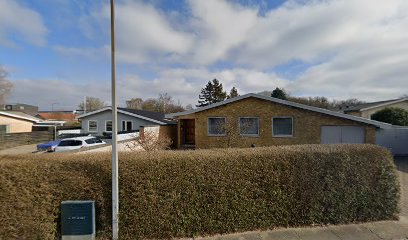
Limfjordstunnelen
3.0 km
Denmark's pioneering underwater motorway tunnel connecting North Jutland's vital regions since 1969.
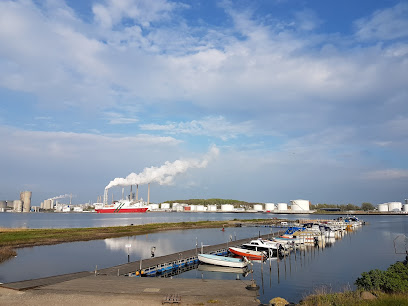
Troldeskoven
24.8 km
Discover the mystical allure of Troldeskoven near Skørping, where ancient, gnarled beech trees create a magical landscape steeped in Danish folklore and natural beauty within Rold Skov.
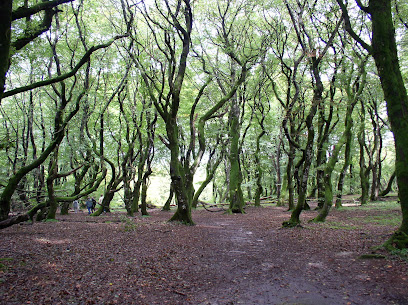
Rold Forest
25.1 km
Discover Denmark's largest forest: Hike through ancient woodlands, explore unique geological formations, and uncover the legends of Rold Forest near Skørping.
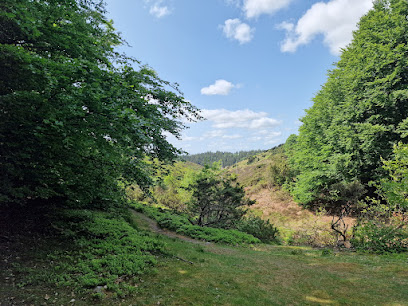
Lille Vildmose
25.1 km
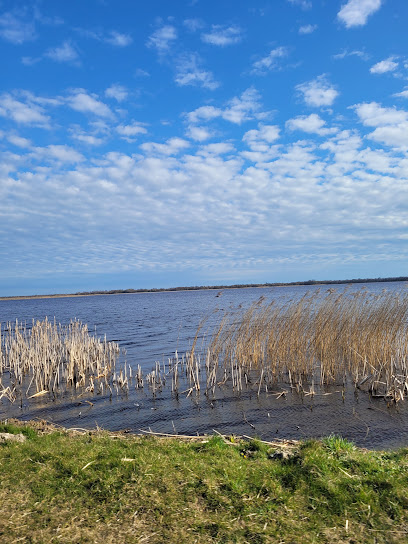
Discover Denmark's largest protected area, Lille Vildmose, a haven for wildlife and a unique raised bog ecosystem, offering immersive nature experiences and conservation insights.
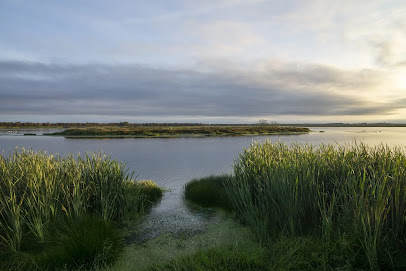
Lille Vildmosecentret
25.3 km
Uncover the wild heart of Denmark at Lille Vildmosecentret, where immersive exhibits, rare wildlife, and scenic boglands await beside Limfjord.
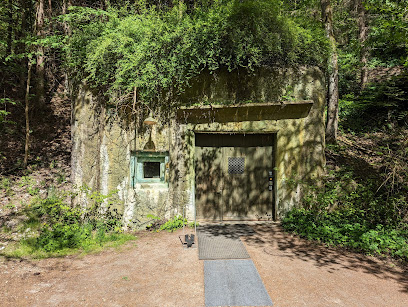
Koldkrigsmuseet REGAN Vest
25.4 km
Explore Denmark's best-preserved Cold War bunker at Koldkrigsmuseet REGAN Vest: an immersive journey into a secret world hidden beneath the forest, revealing a pivotal era in history.
Naturstyrelsen
25.8 km
Explore the natural beauty and cultural heritage of Rold Skov and Rebild Bakker with guidance from Naturstyrelsen Himmerland, your gateway to outdoor adventures in Northern Jutland.
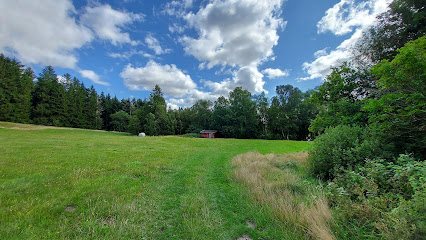
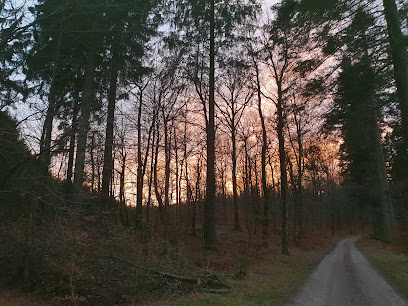
Midt inde i Rold Skov
25.9 km
Discover Denmark's largest forest: Hike through ancient woodlands, explore hidden springs, and experience the tranquility of Rold Skov, a natural treasure trove in Himmerland.
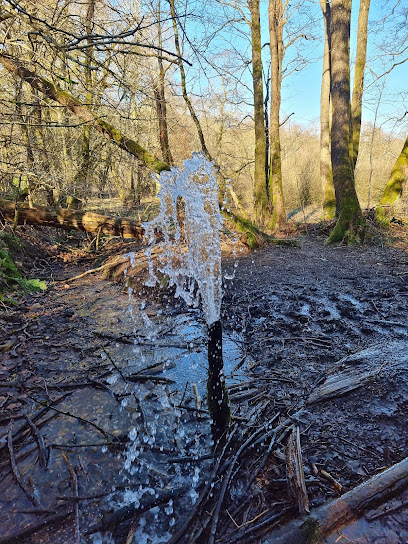
Springkilden
26.3 km
Discover the mesmerizing Springkilden in Rold Forest: an artesian spring offering a tranquil escape into nature's beauty near Skørping, Denmark.
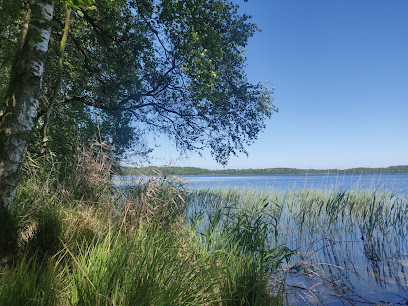
Madum Lake
26.5 km
Discover the pristine beauty of Madum Lake in Himmerland, Denmark: swim in crystal-clear waters, hike through ancient forests, and explore a haven for nature and history.
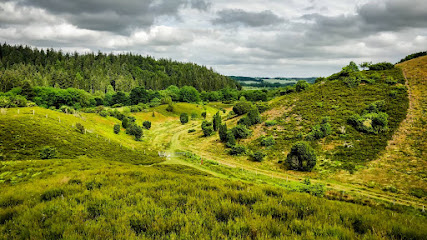
Rold Skov
26.6 km
Discover Denmark's largest forest: Hike through ancient woodlands, explore rolling hills, and uncover the captivating history and folklore of Rold Skov.
Unmissable attractions to see

Aalborg Station
0.1 km
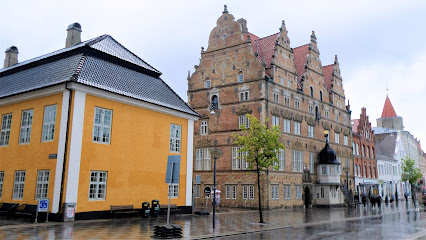
Northern Jutland’s compact rail and bus hub, Aalborg Station links city streets and green parkland with intercity lines that connect Aalborg to the rest of Denmark.
Banegårdspladsen
0.1 km
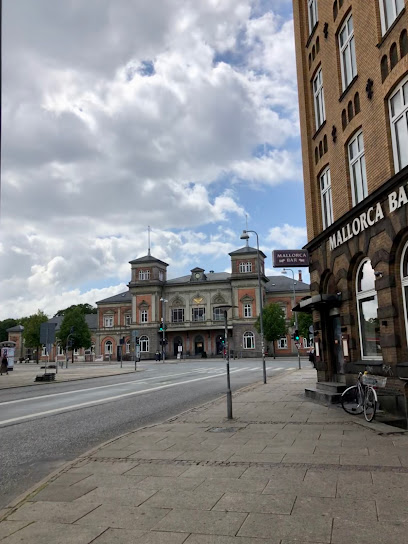
Aalborg’s busy station forecourt and everyday meeting point, where trains, buses and city life converge on the square named for John F. Kennedy.
Kildeparken
0.1 km
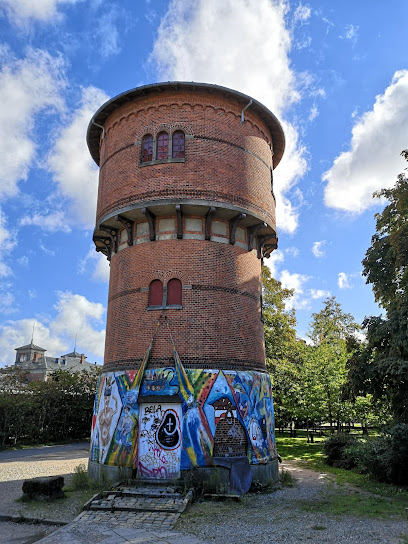
Historic Kildeparken is Aalborg’s leafy cultural stage, where classical art, singing trees, lakeside calm and carnival energy share the same central-city green space.
Kennedy Arkaden
0.2 km
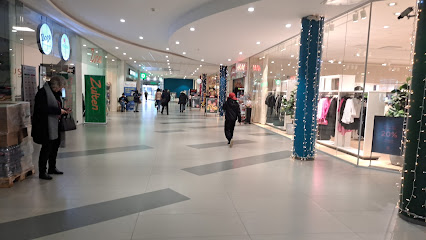
Compact city-center arcade in Aalborg, combining everyday shopping, casual dining and the city’s largest cinema right beside the main station.
Boulevarden
0.3 km
A broad, café‑lined pedestrian street at the heart of Aalborg, where everyday city life, relaxed shopping and easy people‑watching come together in one walkable stretch.
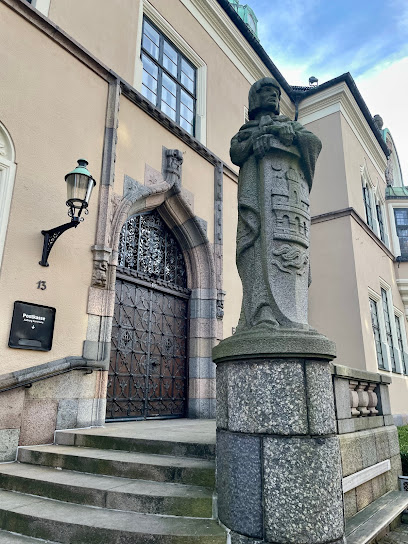
Aalborgmanden
0.4 km
Compact granite sculpture in central Aalborg, Aalborgmanden quietly embodies the city’s historic trading spirit and enduring civic pride on lively Boulevarden.
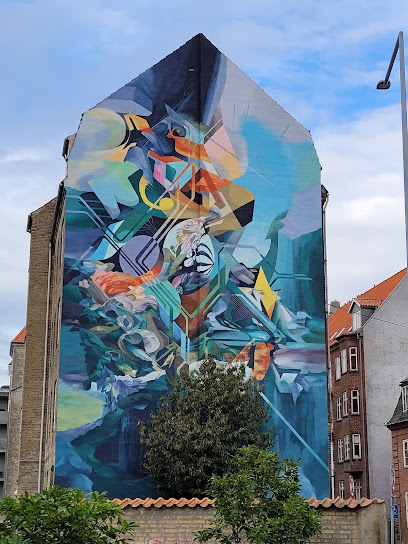
Street Art Mural - Nändo Väzquez
0.5 km
A vivid Nändo Väzquez mural splashes bold color across a central Aalborg streetscape, turning an ordinary wall on Danmarksgade into a small but striking urban landmark.
Urbans Kælder
0.5 km
An atmospheric underground chamber in Aalborg’s Hasseris district, where brick, earth and greenery meet to create a small but memorable blend of history, legend and open‑air culture.
Gåsepigen af Gerhard Henning
0.5 km
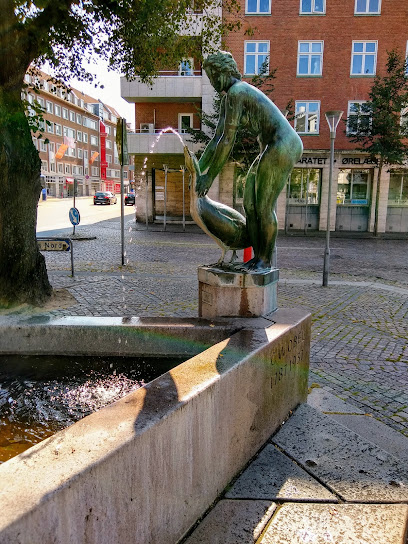
A small bronze girl and her unruly goose bringing poetic calm to busy Vesterbro, Gåsepigen is Aalborg’s charming 1937 fountain sculpture and urban landmark.
Hjelmerstald
0.6 km
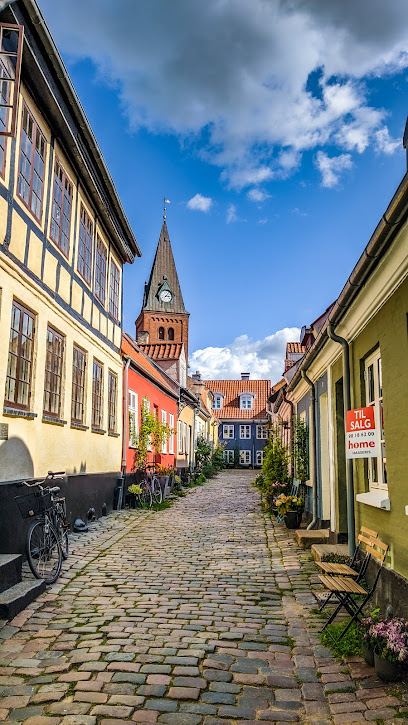
A short, cobbled lane of colourful houses and quiet courtyards, Hjelmerstald offers an intimate glimpse of old Aalborg life hidden in the city centre.
Aalborg Historical Museum
0.6 km
Aalborg's thousand-year story told through Renaissance interiors, Viking artifacts, and industrial heritage.
Budolfi Church
0.6 km
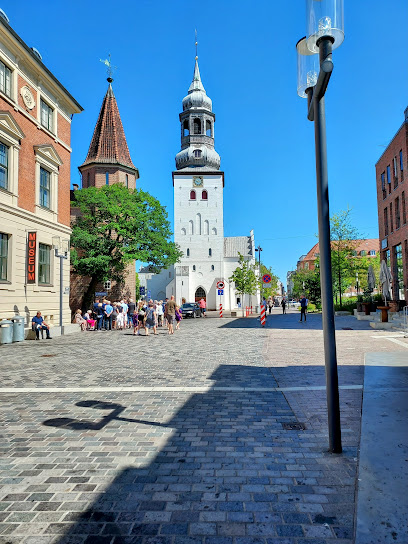
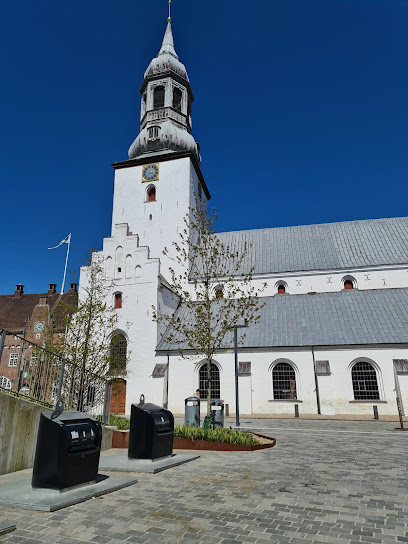
Aalborg’s snow‑white cathedral, where Gothic stone, Baroque woodwork and a singing carillon weave a thousand years of seafaring, faith and city life into one intimate space.
Kunsten Museum of Modern Art Aalborg
0.6 km
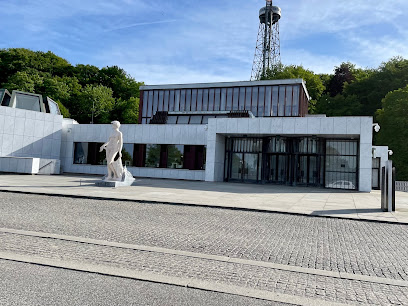
A luminous Alvar Aalto masterpiece where Scandinavian modernist architecture, parkland sculpture and bold 20th‑century art meet on the edge of central Aalborg.
Gråbrødrekloster Museum
0.6 km
Step three metres beneath Aalborg’s busiest shopping street into an in situ medieval monastery, where ruins, burials and artefacts reveal the city’s deep past.
Budolfihaven
0.6 km
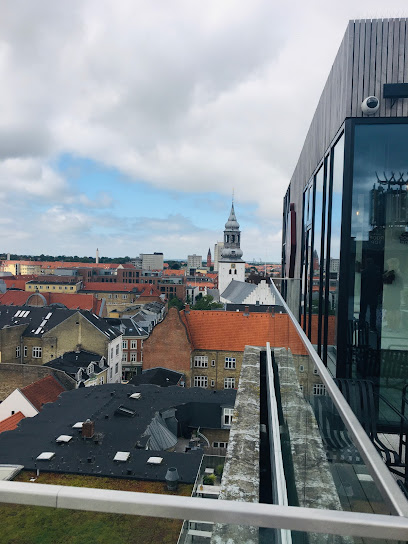
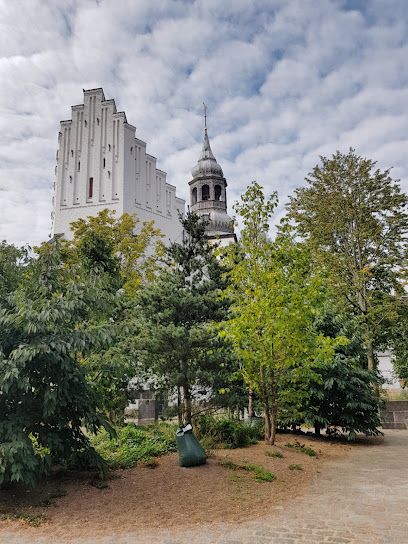
Aalborg's verdant heart where medieval cathedral bells mark time and history meets contemporary urban life.
Essential places to dine

Gastronomia Napolitana
0.2 km
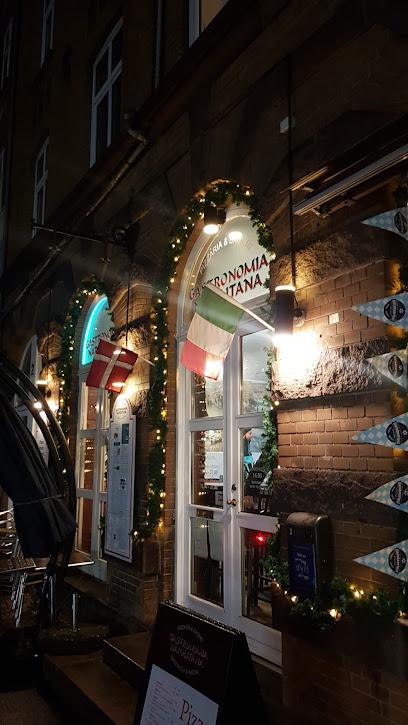
Authentic Neapolitan pizzas with crispy crusts and fresh ingredients in cozy central Aalborg.
Helmut Aalborg
0.3 km
Modern brunch, dinner and cocktails under one roof in central Aalborg, blending casual dining, social drinking and late‑night energy in a single stylish venue.

Bistro59
0.3 km
Intimate French bistro in Aalborg's heart, serving authentic cuisine with impeccable technique and curated wines.
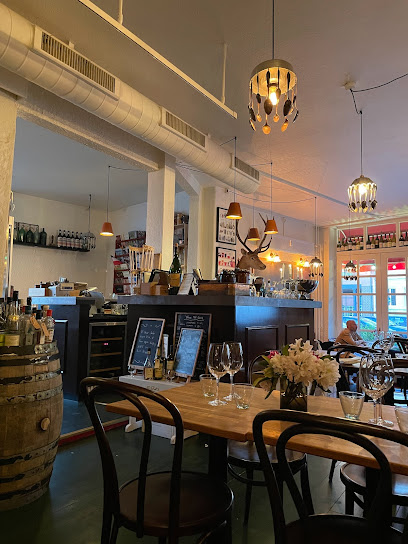
The South Indian Aalborg
0.4 km
A cosy Aalborg Centrum restaurant serving bold South Indian curries, biryani and parotta, with plentiful vegetarian and vegan choices in a relaxed setting.
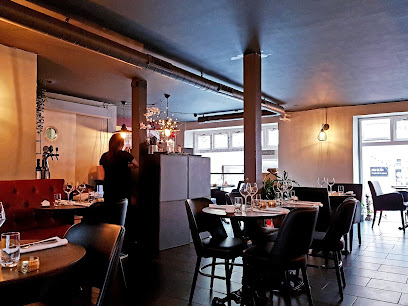
Taverna Zorba Aalborg
0.4 km
Cozy Greek taverna in the heart of Aalborg, serving generous plates, warm hospitality and a splash of Mediterranean atmosphere on relaxed Nordic evenings.
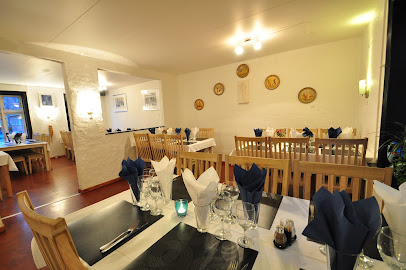
Den Bette Kro
0.5 km
Traditional Danish smørrebrød, hearty kro cooking and a warm, red-tablecloth atmosphere in the very heart of Aalborg.
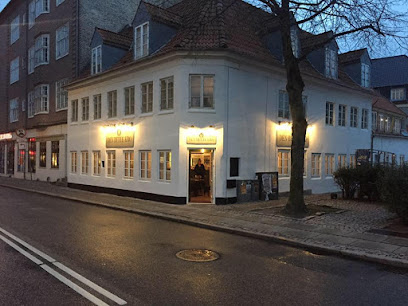
Caféministeriet
0.5 km
Casual all‑day café and restaurant on Mølle Plads in central Aalborg, known for generous brunches, modern comfort food and a lively, laid‑back urban atmosphere.
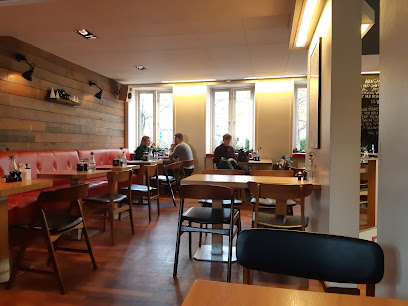
Mortens Kro Restaurant & Boutique hotel
0.5 km
Fine dining and intimate suites under one roof in central Aalborg, where contemporary Nordic cuisine and spa-touched boutique comfort create a full gourmet getaway.
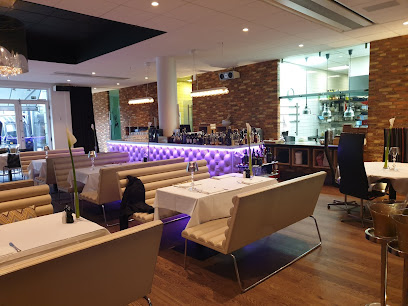
SanGiovanni
0.5 km
Atmospheric basement Italian restaurant celebrated for ingredient quality, classical technique, and wine expertise.
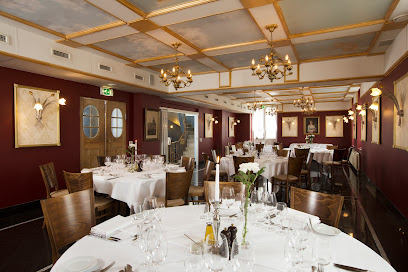
Det Glade Vanvid - Aalborg
0.5 km
All-inclusive gourmet dining where seasonal excellence meets informal elegance in Aalborg's heart.
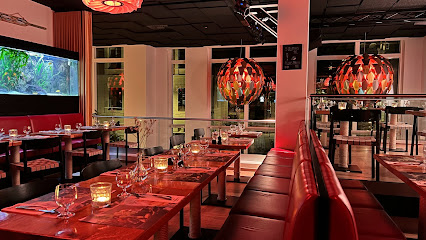
Restaurant Emil
0.5 km
Award-winning Nordic seafood in the heart of Aalborg, pairing ultra-fresh Strandby catch with seasonal flavors, intimate ambience and thoughtful tasting menus.
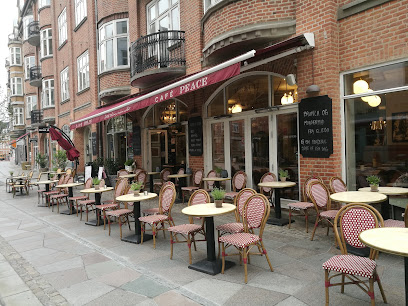
Café Peace
0.5 km
Lively all‑day café and restaurant on Aalborg’s Boulevarden, serving generous brunches, casual bistro dishes and drinks with prime street‑side terrace seating.
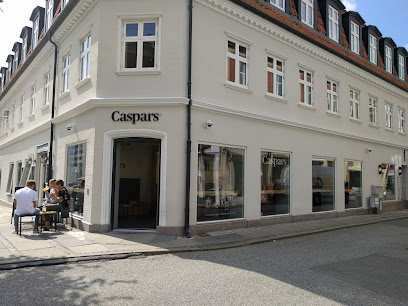
Caspars
0.6 km
Healthy bowls, bright juices and sourdough toasts with an Asian twist, served fast and casual on lively Algade in the very centre of Aalborg.
TraPo
0.7 km
Relaxed Italian trattoria in central Aalborg, serving crisp pizzas, comforting pastas, and Roman-inspired classics in warm, rustic surroundings.
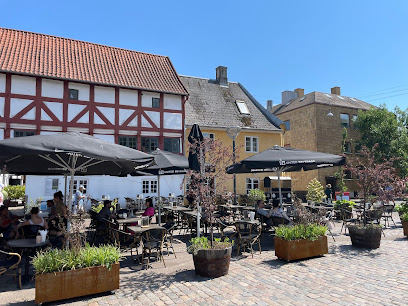
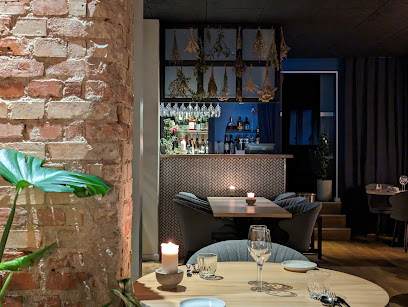
La Locanda
0.7 km
Cosy Roman-inspired dining in a historic Aalborg courtyard, where multi-course Italian menus, personal service and candlelit charm turn dinner into an evening event.
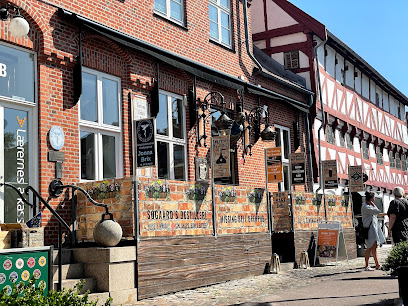
Markets, malls and hidden boutiques

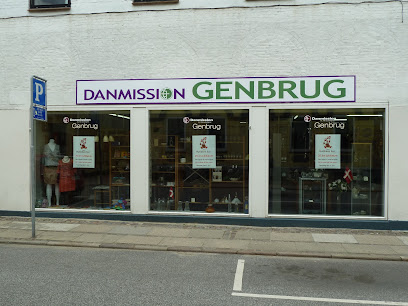
Danmission Op Shop
0.5 km
Treasure hunting with purpose—secondhand shopping that supports vulnerable communities worldwide.
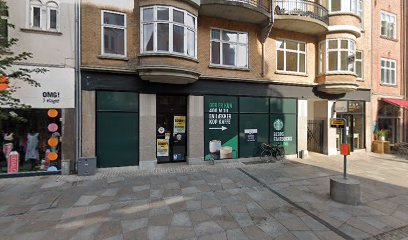
TheNewNew
0.5 km
A compact Boulevarden boutique showcasing curated contemporary fashion and minimalist Scandinavian style in the heart of Aalborg’s lively city centre.
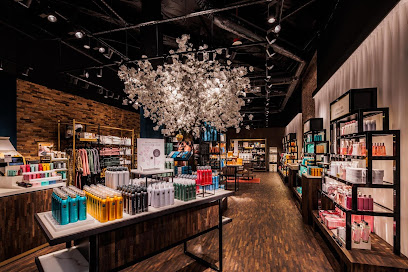
Rituals
0.6 km
A calm, fragrant Rituals boutique on Aalborg’s Boulevarden, blending Eastern-inspired wellbeing, modern Dutch design and gift-ready luxuries in the city centre.
NORMAL Aalborg, Algade
0.6 km
Everyday essentials and branded goods at fixed low prices in Aalborg's largest NORMAL store.
STÆHR Aalborg
0.6 km
Established women’s fashion boutique on Aalborg’s Gravensgade, offering curated Scandinavian‑leaning designer clothing in a calm, central city shopping setting.
Weekday
0.6 km
Contemporary fashion hub in Aalborg's shopping district, featuring statement denim and trend-forward basics.
Shaping New Tomorrow Aalborg
0.6 km
Comfort-first menswear engineered for modern life, where Scandinavian design meets advanced fabric innovation.
MSCH Copenhagen
0.6 km
A modern Scandinavian womenswear boutique in the heart of Aalborg, blending minimalist design, versatile wardrobe staples and relaxed, downtown shopping vibes.

NordicAfroDesign
0.6 km
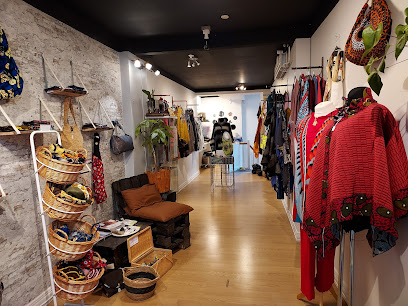
Sustainable African-inspired fashion in the heart of Aalborg's city center.
Kilo Vintage Sale Aalborg
0.7 km
Playful weight-based vintage shopping in central Aalborg, where European second-hand style, sustainability and treasure-hunt browsing all come together by the kilo.
Billig-Billy. Costumes and dollar store
0.7 km
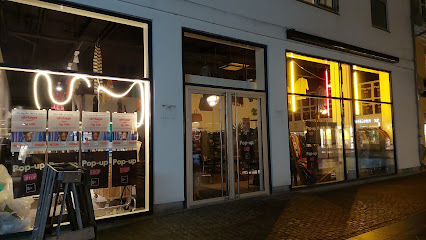
A lively central Aalborg discount and costume shop packed with party gear, decorations and quirky bargains, ideal for quick themed fixes and fun, low-cost finds.
Guld&Rod
0.7 km
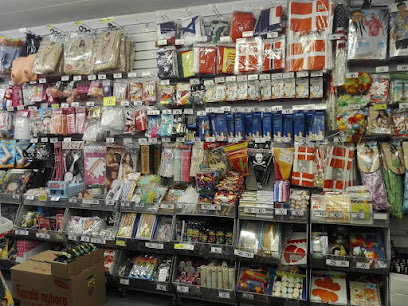
Indoor flea-market style treasure hunt in central Aalborg, blending vintage charm, everyday bargains and easy second-hand selling under one lively roof.
Flying Tiger Copenhagen
0.7 km
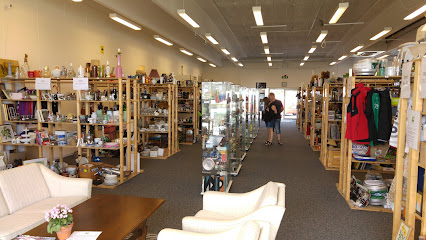
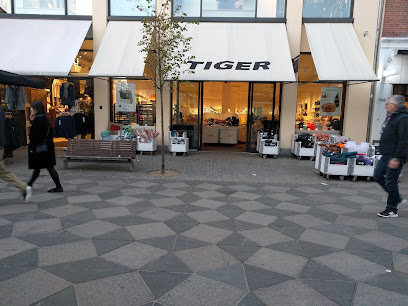
A bright, budget‑friendly Danish design store in central Aalborg, packed with playful gifts, colorful homeware and quirky everyday essentials.
Sinnerup Aalborg
0.7 km
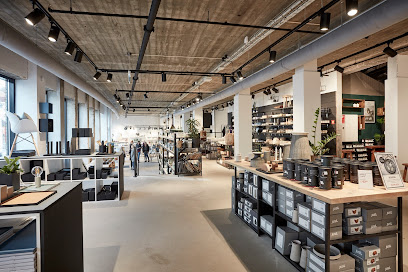
Stylish Danish lifestyle store on Aalborg’s Nytorv, uniting Nordic furniture, home décor and women’s fashion in a single inspiring multi-level design universe.
Salling Department Store
0.7 km
Flagship department store in central Aalborg, combining Danish fashion, lifestyle and food with a panoramic rooftop terrace overlooking the city.

Essential bars & hidden hideouts

Kontiki Bar
0.4 km
Unpretentious beer hall on Ågade offering inexpensive drinks, local atmosphere, and a relaxed, central Aalborg hangout from midday to late night.
London Pub
0.5 km
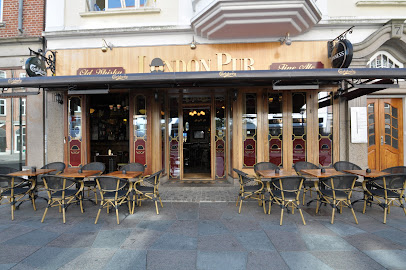
Classic British-style pub in central Aalborg pouring dozens of beers, ciders and whiskies in a cosy, wood-panelled setting from lunchtime until late.
Gl. Aalborg
0.5 km
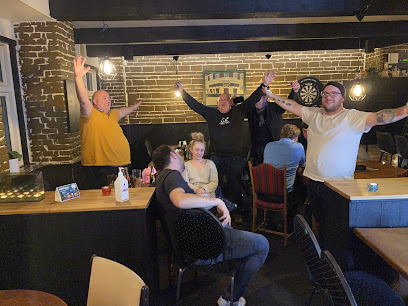
Classic Danish bar with gaming machines, inexpensive drinks and a cozy, old-school vibe in the heart of Aalborg Centrum’s nightlife streets.
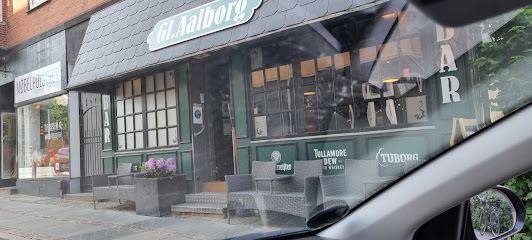
Vingaards Bar
0.5 km
Intimate, old-school bodega bar in central Aalborg, where a big counter, small space and easygoing regulars create a quietly authentic local nightlife stop.
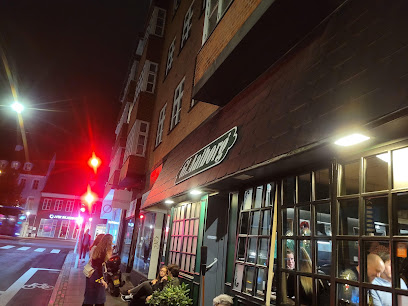
Quist Wine v/Lene Quist Berggreen
0.5 km
Authentic Italian wines in Aalborg's historic heart, curated by passionate wine experts.
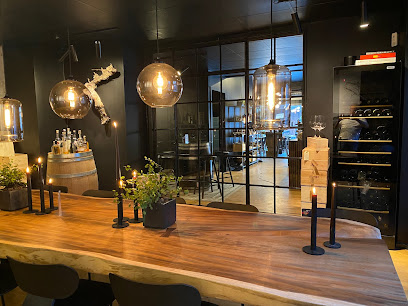
D'Wine Bar
0.6 km
Spanish-inspired wine and tapas bar on Aalborg’s Algade, pouring Iberian wines and cocktails in a candlelit, urban-hygge atmosphere perfect for relaxed evenings.
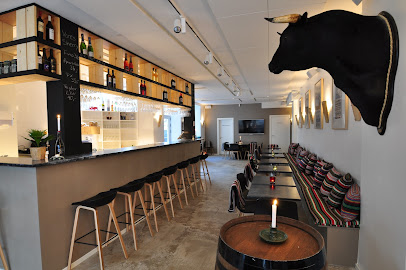
Susan Sky Blue
0.6 km
A cozy, budget-friendly bar on Aalborg’s Vesterbro, blending Danish hygge, easygoing drinks, and late-night buzz in an intimate neighborhood setting.
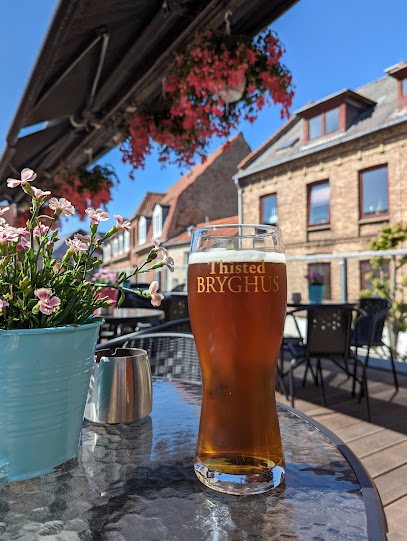
Douro Wine Bar
0.7 km
Cozy Portuguese wine hideaway in central Aalborg, pairing hand-picked Douro bottles with relaxed tapas, candlelight and unhurried evening conversations.
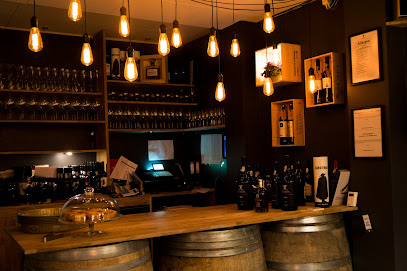
Proud Mary Pub Aalborg
0.8 km
Lively pub on Aalborg’s Jomfru Ane Gade, mixing classic bar charm, sport on big screens, live music and late-night drinks in the city’s most famous party street.
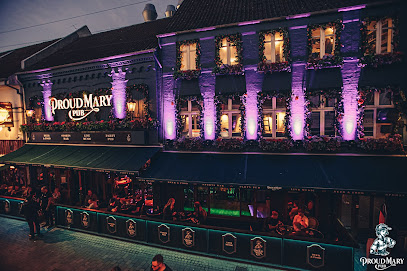
Andy's Jomfru Ane Gade
0.8 km
Straightforward, sociable bar right on Aalborg’s legendary Jomfru Ane Gade, ideal for late-night drinks, warm‑ups and bar‑hopping in the city’s party heart.

Sprutten
0.8 km
Laid-back maritime bodega with a fishing-boat bar, pool tables and inexpensive beers in the heart of Aalborg’s legendary Jomfru Ane Gade nightlife street.
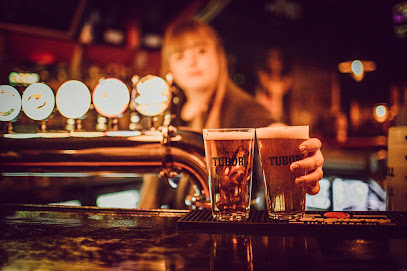
Under Buret
0.8 km
Two floors of neon-lit energy on Aalborg’s Jomfru Ane Gade, mixing laid-back bar vibes downstairs with a DJ-fuelled dance floor and late-night party upstairs.
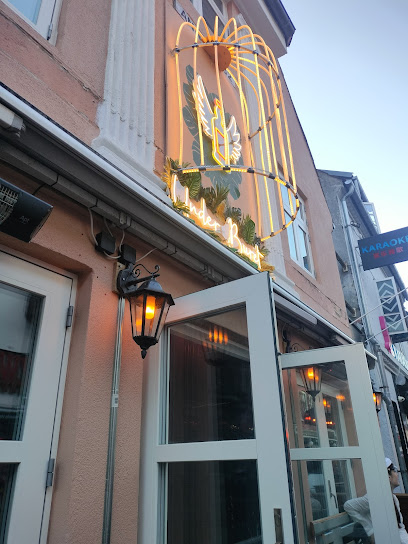
Zwei Grosse Bierbars Aalborg ApS
0.8 km
High-energy alpine-style beer bar bringing après-ski vibes, big steins and party soundtracks to Aalborg’s legendary Jomfru Ane Gade nightlife strip.
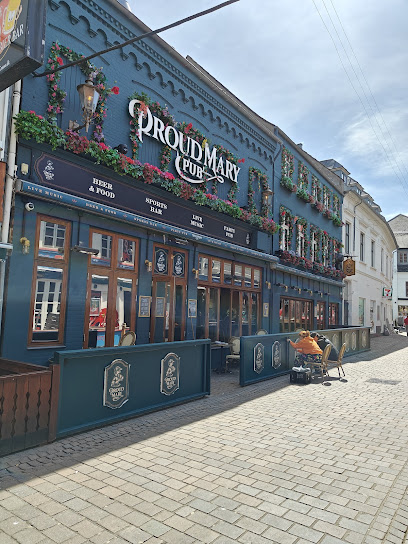
Cozy Bar Aalborg
0.8 km
A snug, no‑nonsense bar in central Aalborg, perfect for relaxed drinks, conversational evenings and a budget‑friendly pause between the city’s livelier nightspots.

Heidi's Bier Bar Aalborg
0.8 km
High-energy Alpine-style beer hall in Aalborg’s nightlife lane, serving big steins, loud party tunes and late-night table dancing in a rustic lodge setting.
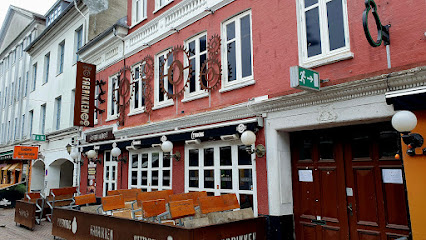
Nightclubs & after hour spots

Night Cirque
0.7 km
Compact, high-energy nightclub in central Aalborg, where pulsing beats, bold lighting and a stylish crowd keep the dance floor alive late into the night.
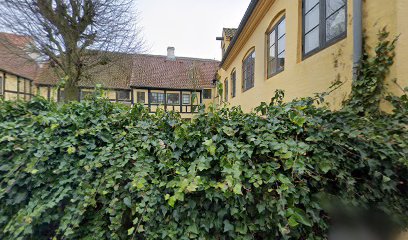
LouLou Aalborg
0.7 km
Polished cocktails and high-energy club vibes collide at this compact, late-night hotspot on Aalborg’s legendary Jomfru Ane Gade.
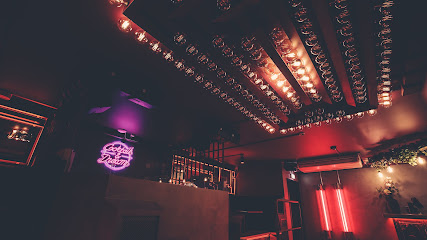
Club Stygge
0.8 km
Compact, late-night Aalborg nightclub with loud party hits, simple cocktails and a tightly packed dance floor on bustling Vesterå.
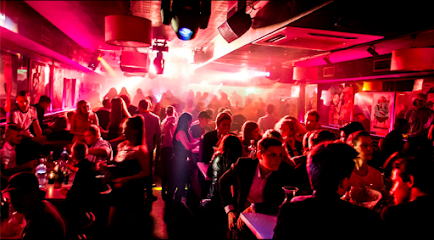
ESCAPE CLUB & Shisha Lounge
0.8 km
Intimate nightclub and shisha lounge in the heart of Aalborg’s Jomfru Ane Gade, mixing DJ-driven dancing, drinks and hookah corners late into the night.
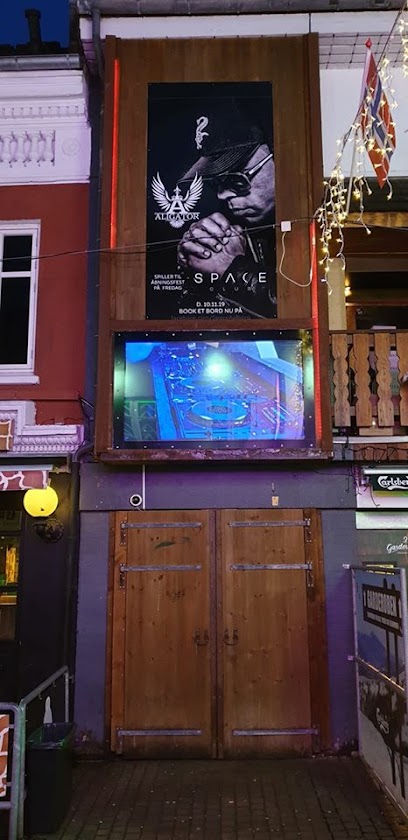
Club Wolf
0.8 km
Compact, late-night nightclub on Aalborg’s Jomfru Ane Gade, blending chart hits, strong weekend energy and a tightly packed dance floor in the city’s bar street hub.

C Night Club
0.8 km
Craft cocktails meet dance floor energy on Aalborg's premier nightlife street.
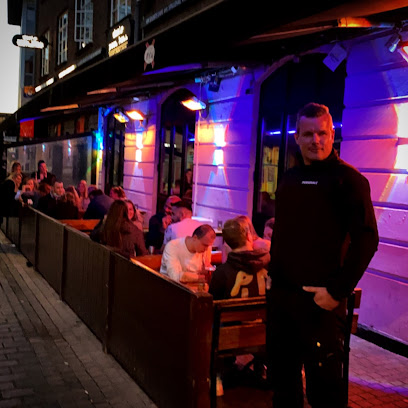
CLUB MOONLIGHT Aalborgs dansested for voksne
0.9 km
Adult‑only dance bar in central Aalborg, mixing 80s, 90s, 00s and current hits with cocktails and late‑night energy in an intimate courtyard setting.
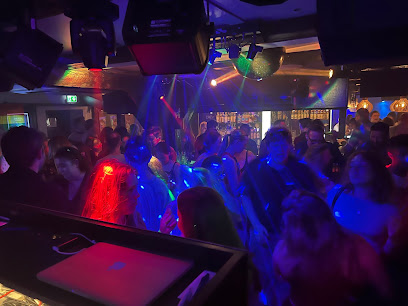
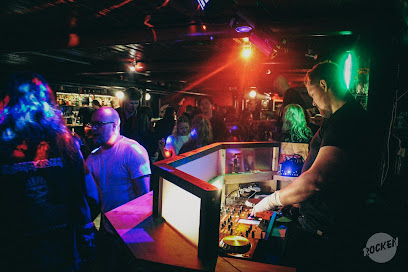
Rocken
0.9 km
Aalborg's premier basement rock and metal nightclub, hosting live bands and DJ sets Friday through Sunday.
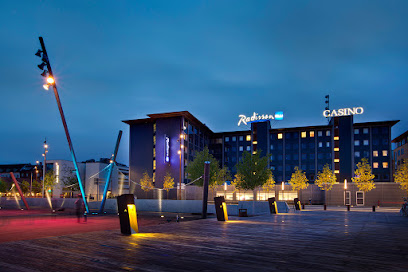
Casino Aalborg
0.9 km
Compact, adult-only casino in the heart of Aalborg, pairing classic table games and slots with a relaxed Nordic nightlife atmosphere inside a city-center hotel.
Mjølner
22.9 km
Small-town Nibe’s late-night heartbeat, where a compact dance floor, loud party tunes and local crowds turn a quiet fjord town into a lively night out.
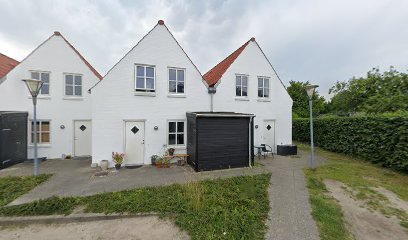
Mariager Fjord Golf
41.0 km
Mariager Fjord Golf blends a challenging 18-hole course with spectacular fjord views, laid-back Danish charm, and a welcoming clubhouse overlooking North Jutland’s scenic waters.

Mariager Sejlklub
43.5 km
Experience the laid-back maritime charm of Mariager Sejlklub, where local sailing culture meets tranquil fjord views on Denmark’s scenic Mariager Fjord.
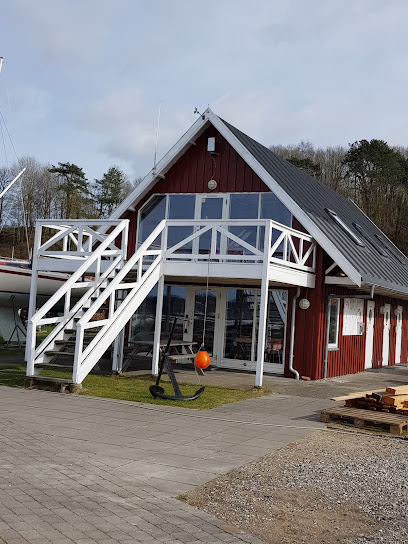
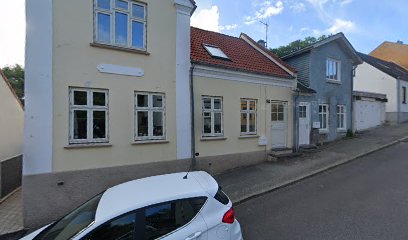
Buddy Holly
45.6 km
Late-night disco hub in central Hobro, where locals and visitors pack the dance floor to chart hits, lights and drinks until the early hours.

Jazz Hobro
45.8 km
Experience the soulful melodies of live jazz in the heart of Hobro at Jazz Hobro.
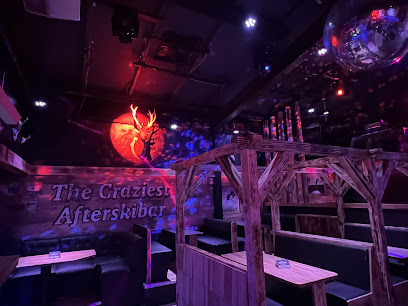
Flying Hirsch
57.5 km
Experience the unique après-ski atmosphere at Flying Hirsch, Frederikshavn's vibrant bar with live music and diverse drinks.
For the vibe & atmosphere seeker
- Scenic
- Fun-filled
- Quirky
- Unique
- Casual
- Relaxing
For the design and aesthetic lover
- Colorful Aesthetics
- Modern Designs
For the architecture buff
- Parks & Gardens
- Landmarks
- Art & Design
For the view chaser and sunset hunter
- Iconic Views
- Panoramas
For the social media creator & influencer
- Instagrammable
- Photo Spots
- Selfie Spots
- Aesthetic Corners
- Architectural Shots
- Reel-Friendly
For the eco-conscious traveler
- Low Impact
- Public-Transport Accessible
- Locally Managed
For the kind of experience you’re after
- Cultural Heritage
- Photowalk
- Adventure Photo Shoot
- Day Trip
- Mindfulness
For how adventurous you want the journey to be
- Easy Access
Location Audience
- Family Friendly
- Senior Friendly
- Child Friendly
- Teen Friendly
- Solo Friendly
- Couple Friendly
- Solo Female Friendly
- LGBT Friendly
- Vegetarian Friendly
- Vegan Friendly
- Business Friendly
- Wheelchair Access


