

Vikingemuseet Lindholm Høje, Aalborg Travel Guide
Free Guide: Viking stones and stories on a windswept hill above the Limfjord, where a vast burial ground and immersive museum bring Iron Age and Viking life vividly into focus.


A brief summary of Vikingemuseet Lindholm Høje
Viking stones and stories on a windswept hill above the Limfjord, where a vast burial ground and immersive museum bring Iron Age and Viking life vividly into focus.
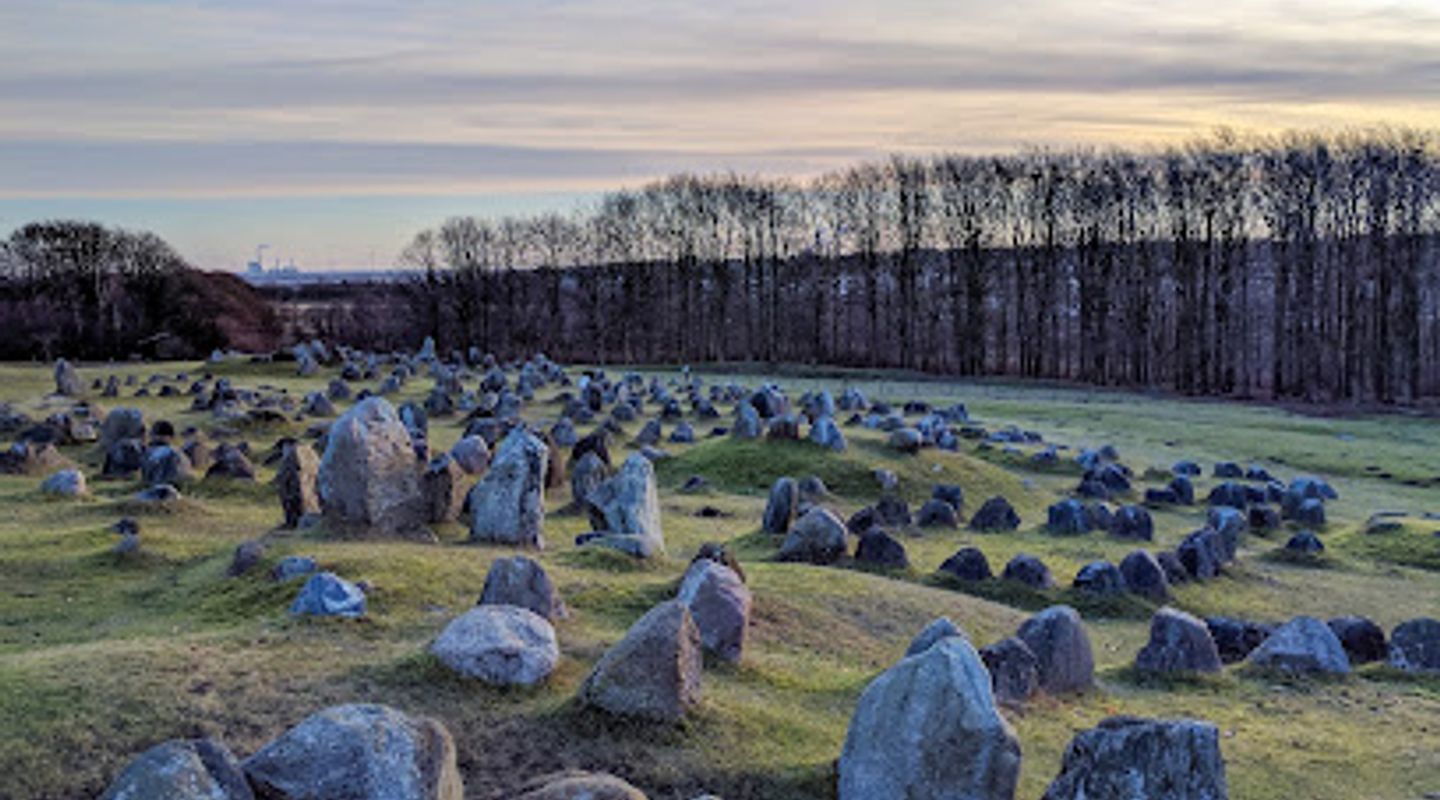
Set on a wind-swept hill above the Limfjord in Nørresundby, Vikingemuseet Lindholm Høje combines one of Northern Europe’s largest Viking and late Iron Age burial grounds with a modern archaeological museum. Outside, nearly 700 stone settings trace ship-shaped and oval graves from around 400–1000 CE, preserved under centuries of drifting sand. Inside, atmospheric exhibitions bring to life everyday farming, trade, craftsmanship and burial rituals around the fjord, using original finds, reconstructions and interactive installations to illuminate how people once lived, worked and voyaged from this dramatic vantage point.
On-site amenities
 Restrooms
 Drinking water
 Food options
 Seating areas
 Sheltered areas
 Trash bins
 Information boards
 Visitor centre
Opening hours
- MonClosed
- Tue10 am–5 pm
- Wed10 am–5 pm
- Thu10 am–5 pm
- Fri10 am–5 pm
- Sat10 am–5 pm
- Sun10 am–5 pm
Opening hours as listed on the venue’s Google Business Profile. Hours can change for services and special events, so check with the venue before you go.
- Address
- Vendilavej 11, 9400 Nørresundby
- Phone
- Website
Getting there
City bus from central Aalborg
Car or rental car within Greater Aalborg
Bicycle from Aalborg city
Walking from nearby Nørresundby districts
Discover more about Vikingemuseet Lindholm Høje
Hilltop burial landscape over the Limfjord
Perched on a rounded hill north of Aalborg, Lindholm Høje is one of Denmark’s most evocative prehistoric sites. The slope falls away towards the Limfjord, so wherever you stand you catch glimpses of water, fields and city, much as people did over a thousand years ago. The elevated position was no accident: the dead were laid to rest where the living could see both the graves and the sailing routes below.What appears today as a stone-studded meadow was once an active cremation cemetery. The low boulders that dot the grass form outlines of ships, triangles and ovals, each marking a single grave. The site was used from around the 4th century CE until close to the year 1000, spanning the late Iron Age into the Viking era. For centuries afterwards, shifting sand buried the area, sealing the graves and their plan in remarkable detail until archaeologists uncovered them in the mid‑20th century.
Reading the stones and traces of the living
Walking among the stones you can begin to read them as a kind of open‑air diagram of society. Some settings form long, slender ships, often interpreted as graves of men connected with seafaring. Others are rounder or more modest in scale, possibly indicating women or children. Although the burial pyres left only fragments of objects, the stone shapes hint at roles, status and beliefs in an afterlife tied to boats and journeys.Just beyond the cemetery once lay the associated settlement. Excavations have revealed longhouses, fences, wells and cooking pits, showing a farming community that kept livestock, cultivated nearby fields and used the fjord as its highway. Interpretive boards help you picture where houses stood and how the village related to the cemetery above. The same sandstorms that eventually forced the inhabitants to move on also preserved plough marks and household traces beneath the dunes.
Museum galleries of Vikings and deep prehistory
At the foot of the hill, the museum building gathers together decades of archaeological finds from Lindholm Høje and the wider Limfjord region. One exhibition focuses on daily life in the village: tools, jewellery, ceramics and weapon fragments are arranged to tell stories of farming, weaving, cooking and trade. Reconstructions of interiors and clothing help you imagine the sound of grinding grain or the glow of a hearth on a winter morning.Another exhibition steps back further into prehistory, tracing thousands of years of human presence around the fjord. Carefully lit cases hold objects from bogs, settlements and earlier burial sites. Large wall illustrations and multimedia installations recreate scenes from Iron Age villages and ritual landscapes, while seasonal imagery evokes how light, weather and vegetation shaped people’s routines. Together, the galleries link the hilltop graves to a much longer human story in northern Jutland.
Interactive encounters with Viking-age life
The museum leans on hands‑on elements to keep the past tangible. Digital stations let you try on a virtual Viking helmet or row an interactive ship, giving a playful sense of coordination needed to power a longboat. Other displays invite you to trace textile patterns, study building techniques or match artefacts to their uses. Sounds, visuals and models are designed to appeal to both adults with a keen interest in archaeology and younger visitors drawn to Vikings through myth and legend.Complementing the exhibitions is a museum shop with books, replicas of jewellery found on the site, woollen goods and mead, echoing historic trade in a contemporary form. From the terrace and nearby paths you can step back outside, where the modern building recedes and the stony patterns of the cemetery take over again.
Atmosphere, seasons and practical comforts
The ambiance of Lindholm Høje shifts with the weather and time of day. On clear days, sunlight picks out long shadows between the stones and the view stretches along the Limfjord. In mist or low cloud, the cemetery feels more intimate, the stones emerging only a few rows ahead. Wind is a frequent companion, reminding you of the exposed conditions that once made sand drift such a force here.Paths across the burial ground are mostly grass and compacted earth, with some gentle gradients, while the museum interior is modern and comparatively level. Information boards outdoors and detailed texts inside help you explore at your own pace, whether you spend just an hour on the hill or delve into every case and display. Benches and sheltered indoor areas offer chances to pause, reflect and simply look back across one of Scandinavia’s most distinctive Viking‑age landscapes.
Evendo Review Centre
 Google
Guest reviews
Best time to go
Quietest: Jan, Feb & Mar · before 8am or from 7pm
Busy times are Evendo estimates for a typical year, to help you plan. Actual crowds vary with events, school holidays and the weather.
Explore Vikingemuseet Lindholm Høje on the map
A handpicked selection of must-see spots near Vikingemuseet Lindholm Høje, mapped for you.
Get your free copy of our complete guide to Vikingemuseet Lindholm Høje, delivered straight to you.
Everything on this page, from opening hours and how to get there to Eve’s tips and the best time to go, in one PDF you can read offline, print or share.
Already have an account? Sign in
Your Vikingemuseet Lindholm Høje guide is ready.
We'll send it to · Not you? Sign out

Getting your guide ready…
We are putting together a fresh copy of the Vikingemuseet Lindholm Høje guide. This can take up to a minute.
This can take a few moments. If your browser asks, choose Allow so the download can start. You'll find the guide in your Downloads folder.
Nothing happened? Download it again
Sorry, the guide is taking longer than usual. Please try again in a minute, or get it by email instead.
Unlock the best of Vikingemuseet Lindholm Høje
Skip-the-line tickets, guided tours with entry, and walking tours of the area, booked in a few clicks.

Other nearby places you may find interesting
The closest places of the same kind, if this one is not quite what you had in mind.
-
-
-
-
-


Swipe for more places
More to explore near Vikingemuseet Lindholm Høje
-
 Best experiences near Vikingemuseet Lindholm Høje
-
 Best hotels near Vikingemuseet Lindholm Høje
-
 Best landmarks near Vikingemuseet Lindholm Høje
-
 Best attractions near Vikingemuseet Lindholm Høje
-
 Best shops near Vikingemuseet Lindholm Høje
-
 Best restaurants near Vikingemuseet Lindholm Høje
-
 Best bars near Vikingemuseet Lindholm Høje


Do you manage this location?
Take control to get all the benefits, like improved information, better appearance, and stronger visibility across AI-powered discovery.
Explore more
Explore more of Aalborg
Discover Aalborg, Denmark's northern gem, where medieval charm meets modern vibrancy. Enjoy rich history, cultural landmarks, and a lively culinary scene.
Explore Aalborg
Explore more of Denmark
Discover Denmark: A perfect blend of history, modern design, and the cozy concept of hygge. Explore vibrant cities, serene landscapes, and world-class cuisine.
Explore Denmark
