Springeren - Maritime Experience Centre, Aalborg Travel Guide
Free Guide: Climb aboard a real submarine, explore torpedo boats and model fleets, and dive into Danish seafaring history on Aalborg’s atmospheric waterfront.


A brief summary of Springeren - Maritime Experience Centre
Climb aboard a real submarine, explore torpedo boats and model fleets, and dive into Danish seafaring history on Aalborg’s atmospheric waterfront.
Springeren – Maritime Experience Centre is Aalborg’s hands‑on gateway to Danish seafaring, spread across a 15,000 m² waterfront site at Vestre Fjordvej 81. Step aboard the retired submarine Springeren, explore one of the world’s largest torpedo boats, peek into an Alouette helicopter and wander halls filled with hundreds of intricate model ships. Indoors and out, interactive simulators, play zones and a miniature city make this an engaging stop for families and maritime enthusiasts alike.
On-site amenities
 Restrooms
 Drink options
 Food options
 Seating areas
 Picnic areas
 Trash bins
 Information boards
 Visitor centre
Opening hours
- Every day10 am–5 pm
Opening hours as listed on the venue’s Google Business Profile. Hours can change for services and special events, so check with the venue before you go.
- Address
- Vestre Fjordvej 81, 9000 Aalborg
- Phone
- Website
Getting there
Local bus from central Aalborg
Taxi from Aalborg city centre or station
Cycling from inner Aalborg
Bus or taxi from Aalborg Airport
Discover more about Springeren - Maritime Experience Centre
Life below the surface aboard the submarine Springeren
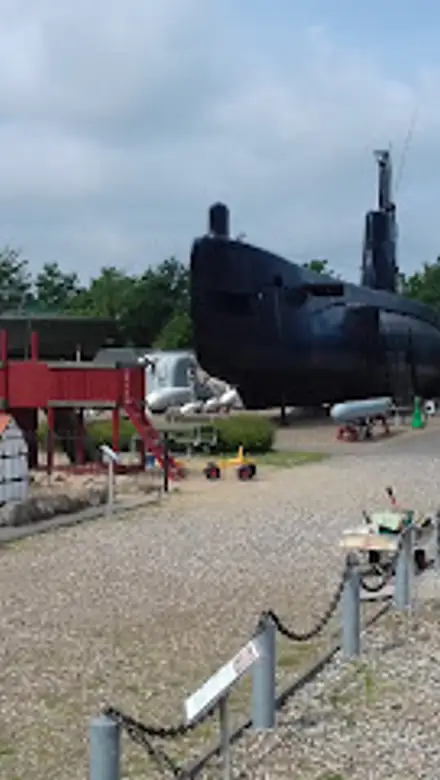
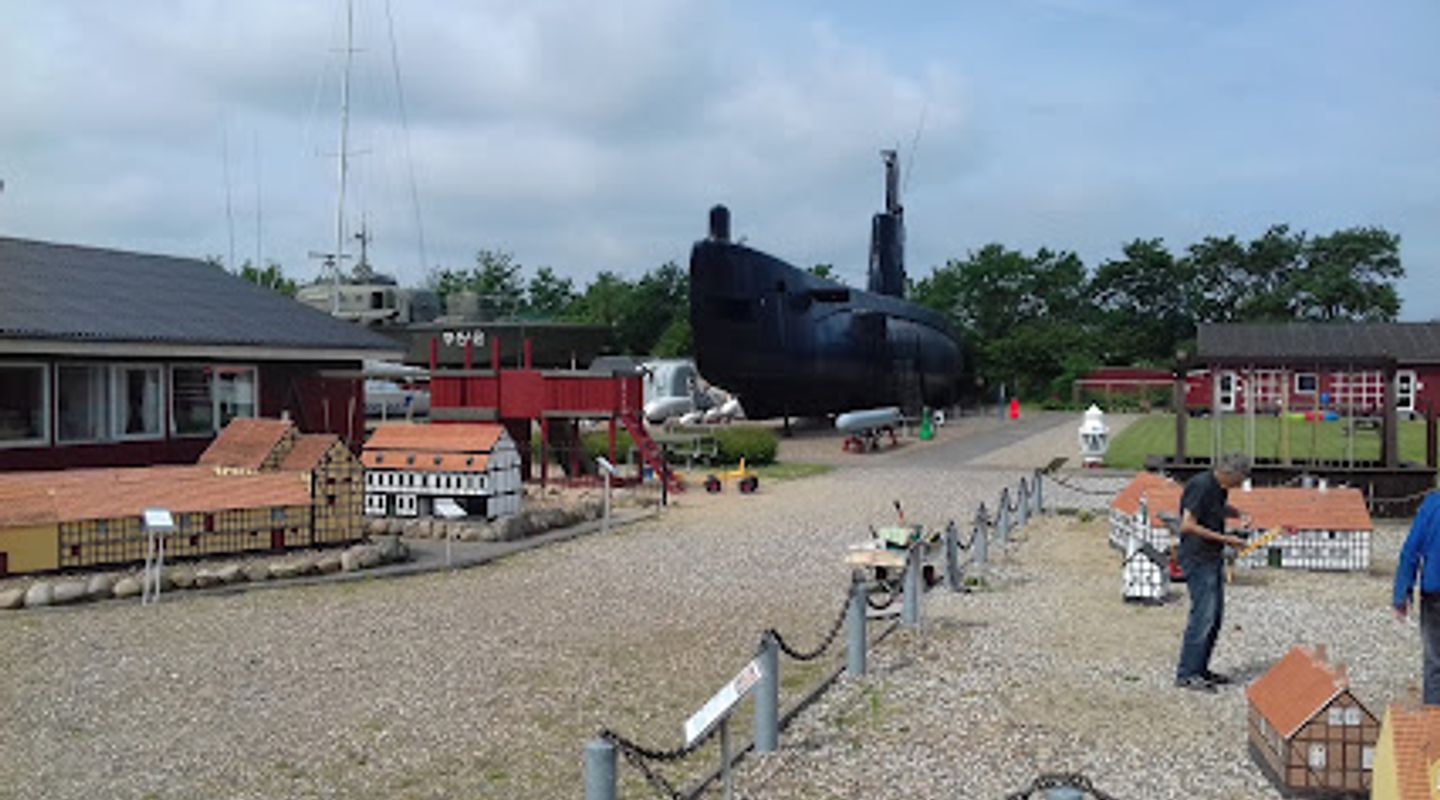
Step out onto the museum forecourt and the first thing that catches your eye is the sleek hull of the submarine Springeren, hauled up on land as if mid‑emergence from the Limfjord. Built for the Royal Danish Navy and stretching almost 54 metres, it is now the undisputed star of the centre. Inside, you weave through tight corridors lined with pipes, bunks and valves, getting an unusually tangible feel for how cramped and controlled submarine life could be.Peer through the periscope and you do not just see the present‑day harbour; you also glimpse decades of Cold War tension and North Atlantic patrols. Control panels, gauges and dials remain almost as they were in service, and interpretive displays explain how the crew navigated, communicated and lived for weeks at a time beneath the waves.
Ships, torpedo boats and an airborne lookout
Move back outside and the scene shifts from underwater warfare to fast‑moving surface action. Moored beside the submarine is Søbjørnen, once among the world’s fastest motor torpedo boats. Its angular deck and torpedo tubes reveal how speed and surprise were key weapons in Denmark’s coastal defence strategy. Nearby, a compact Alouette helicopter, which spent years operating over the North Atlantic, illustrates the aerial side of maritime patrols.Across the outdoor grounds, smaller naval craft, lifeboats and workboats round out the picture of everyday seafaring. You can stroll between hulls, climb short gangways and study propellers and rudders up close, tracing how different vessels were adapted to the challenges of fjords, open seas and harbour work.
Galleries of model ships and stories from the sea
Inside the main exhibition hall, the tone turns from hardware to history. More than 600 detailed model ships are displayed in glass cases, some representing famous ocean liners such as Titanic and its rescue ship Carpathia, others depicting legendary Danish vessels like the vanished training ship København. These models act as miniature time capsules, showing how ship design evolved from tall‑masted sailers to modern cargo carriers and warships.Alongside them, uniforms, navigation instruments and archival photographs tell human stories of shipyards, harbour labour and long voyages. Panels in both Danish and English guide you through episodes from Aalborg’s shipbuilding heyday, the risks of North Atlantic convoys, and the quieter routines of coastal ferries and pilot boats.
Hands‑on fun for curious minds and younger sailors
Springeren is designed with participation in mind. In one zone, a ship simulator lets you take the virtual helm and steer a large vessel through Aalborg’s harbour, complete with tight turns and changing conditions. Elsewhere, interactive games challenge you to identify signals, avoid hazards or „shoot down” enemy craft in digital scenarios based on real navigational principles.For children, there are LEGO building stations, a generous outdoor playground and plenty of space to run between exhibits. Activity tables, dressing‑up corners and themed tasks turn maritime technology into approachable, playful learning, making it easy to keep both younger and older visitors engaged for several hours.
Harbour atmosphere and miniature Aalborg outdoors
The museum’s waterfront setting adds its own quiet drama. From the paths around the submarine and boats, you look out over the Limfjord and the redeveloped harbourfront, connecting the exhibits with the active shipping channel just beyond the fence. On breezy days the smell of salt and diesel drifts across, underscoring that this is still a working maritime landscape.In one corner of the grounds, Aalborg Miniature City recreates historical streets and houses at 1:10 scale, offering a different sort of time travel. You can circle tiny merchants’ homes, warehouses and gabled roofs, comparing them with the modern skyline across the water. Benches and grassy patches invite you to linger with a picnic, extending your visit beyond the museum halls.
Planning your visit to make the most of Springeren
The centre covers roughly 15,000 square metres, with more than 2,000 square metres under cover, so a visit rewards unhurried exploration. Opening hours vary by season, typically extending into the evening on midsummer days and shortening during the darkest months, so it is worth checking times in advance. Admission is charged per person, with reduced rates for children and concessions, and you can purchase simple souvenirs in the on‑site shop.Level paths and ramps around much of the outdoor area, combined with step‑free entrances to key halls, help make the experience accessible, though some vessel interiors remain narrow or steep by nature. Most interpretive text is available in English as well as Danish, and guided tours can be arranged, particularly valuable if you want a deeper insight into the submarine’s engineering and service history.
Evendo Review Centre
 Google
Guest reviews
Best time to go
Quietest: Jan, Feb & Nov · before 8am or at 8pm
Busy times are Evendo estimates for a typical year, to help you plan. Actual crowds vary with events, school holidays and the weather.
Explore Springeren - Maritime Experience Centre on the map
A handpicked selection of must-see spots near Springeren - Maritime Experience Centre, mapped for you.
Get your free copy of our complete guide to Springeren - Maritime Experience Centre, delivered straight to you.
Everything on this page, from opening hours and how to get there to Eve’s tips and the best time to go, in one PDF you can read offline, print or share.
Already have an account? Sign in
Your Springeren - Maritime Experience Centre guide is ready.
We'll send it to · Not you? Sign out

Getting your guide ready…
We are putting together a fresh copy of the Springeren - Maritime Experience Centre guide. This can take up to a minute.
This can take a few moments. If your browser asks, choose Allow so the download can start. You'll find the guide in your Downloads folder.
Nothing happened? Download it again
Sorry, the guide is taking longer than usual. Please try again in a minute, or get it by email instead.
Other nearby places you may find interesting
The closest places of the same kind, if this one is not quite what you had in mind.
-
-
-
-
-


Swipe for more places
More to explore near Springeren - Maritime Experience Centre
-
 Best experiences near Springeren - Maritime Experience Centre
-
 Best hotels near Springeren - Maritime Experience Centre
-
 Best landmarks near Springeren - Maritime Experience Centre
-
 Best attractions near Springeren - Maritime Experience Centre
-
 Best shops near Springeren - Maritime Experience Centre
-
 Best restaurants near Springeren - Maritime Experience Centre
-
 Best bars near Springeren - Maritime Experience Centre


Do you manage this location?
Take control to get all the benefits, like improved information, better appearance, and stronger visibility across AI-powered discovery.
Explore more

Explore more of Aalborg
Discover Aalborg, Denmark's northern gem, where medieval charm meets modern vibrancy. Enjoy rich history, cultural landmarks, and a lively culinary scene.
Explore Aalborg
Explore more of Denmark
Discover Denmark: A perfect blend of history, modern design, and the cozy concept of hygge. Explore vibrant cities, serene landscapes, and world-class cuisine.
Explore Denmark