Kunst i Frischparken, Aarhus Travel Guide
Free Guide: Quiet pockets of contemporary art woven into a former industrial complex, where brick façades, creative studios and murals tell a subtle Aarhus story.


A brief summary of Kunst i Frischparken
Quiet pockets of contemporary art woven into a former industrial complex, where brick façades, creative studios and murals tell a subtle Aarhus story.
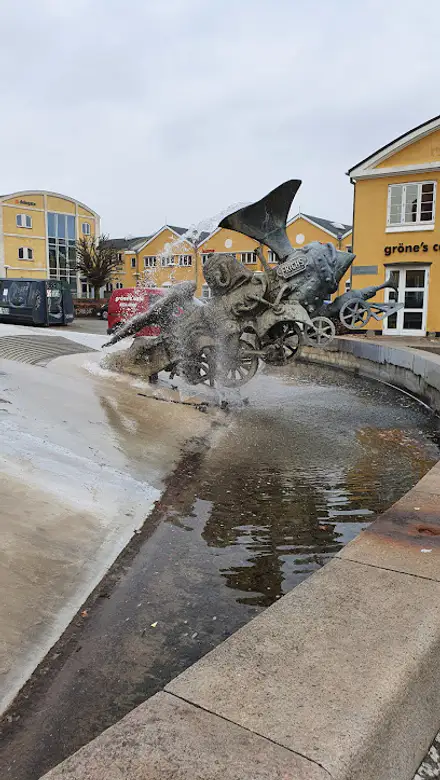
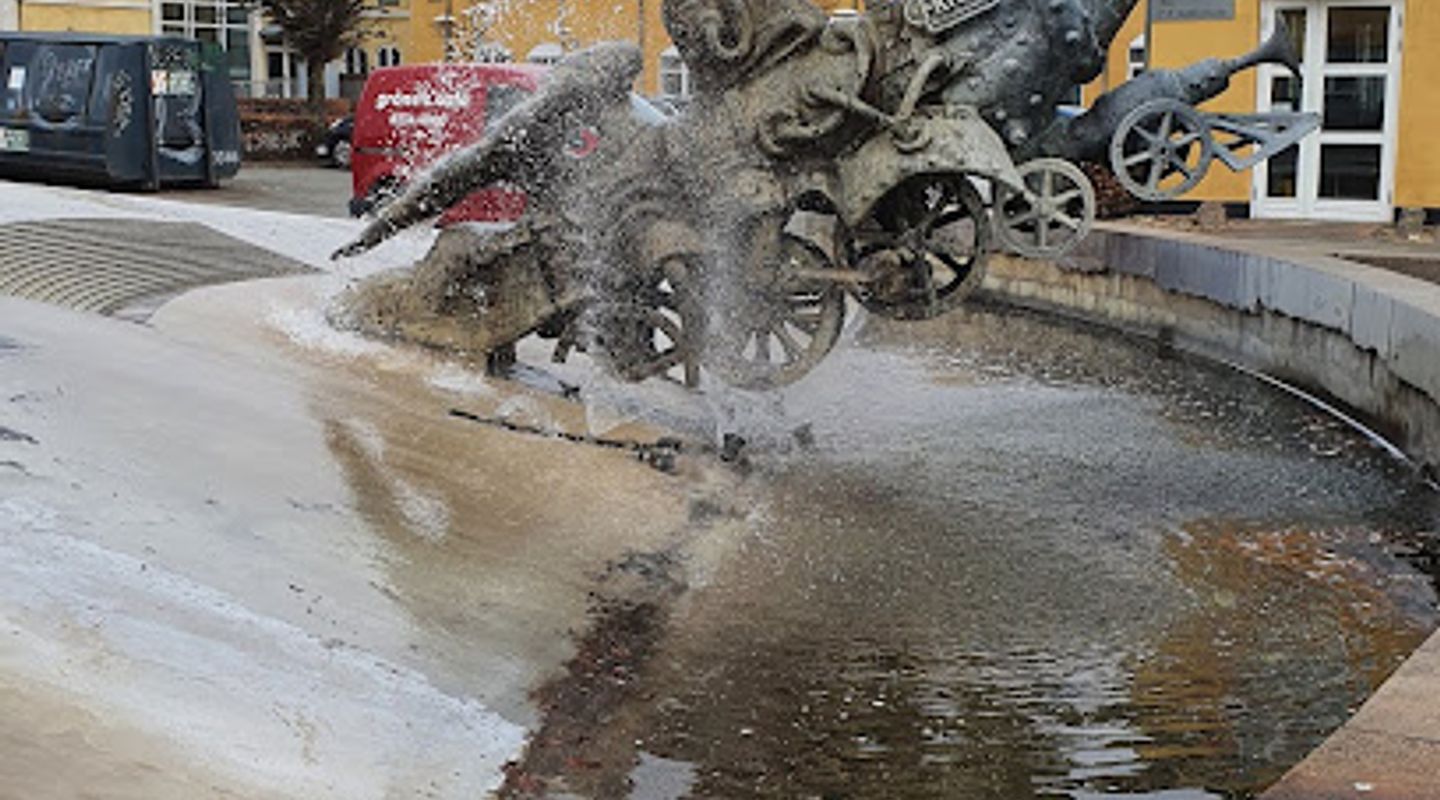
Kunst i Frischparken is a small open-air art spot tucked into the former industrial area of Frichsparken along Søren Frichs Vej in Aarhus’ Aabyhøj district. Once dominated by factories and workshops, the area has evolved into a mixed creative quarter where brick warehouses, offices and studios sit beside pockets of greenery. Here, outdoor artworks and changing pieces bring splashes of colour to courtyards and paths, creating a low-key but characterful stop for design fans, urban explorers and anyone interested in Aarhus’ blend of industry and culture.
On-site amenities
 Restrooms
 Drink options
 Food options
 Seating areas
 Trash bins
 Information boards
Opening hours
- Every dayOpen 24 hours
Opening hours as listed on the venue’s Google Business Profile. Hours can change for services and special events, so check with the venue before you go.
- Address
- Søren Frichs Vej, 8230 Aarhus
Getting there
City bus from central Aarhus
Bicycle from central Aarhus
Taxi or ride-hail within Aarhus
Discover more about Kunst i Frischparken
Art amid the red-brick legacy of Frichsparken
Kunst i Frischparken sits in the middle of Frichsparken, a former railway and industrial compound along Søren Frichs Vej in Aabyhøj. The area’s red-brick halls, steel structures and wide internal streets still hint at its manufacturing past, but today many of these buildings have been converted into offices, studios and education spaces. The art here is woven directly into this context: murals on gables, installations in small lawns, and sculptural details anchoring corners that might otherwise be overlooked.Rather than a single monumental artwork, you encounter a loose constellation of pieces as you move through the complex. The effect is subtle but rewarding, especially if you appreciate the way contemporary art can transform everyday architecture. It feels less like a formal sculpture park and more like an evolving outdoor gallery embedded in a working neighbourhood.
Industrial atmosphere with creative energy
Part of the appeal of Kunst i Frischparken is the atmosphere. The old industrial sheds and brick façades give the site a slightly rugged, urban edge, softened by trees, planters and the occasional lawn between the buildings. On weekdays you might see office workers on breaks and students carrying portfolios, a reminder that design and creative education have found a home here alongside businesses.The art responds to this environment: bold colours play against weathered brick, graphic lines echo the geometry of windows, and smaller interventions reward a slower look. The scale is intimate, so you are always close enough to notice textures, brushstrokes or the way a piece has been fitted to a wall or plinth. It feels like a glimpse into the broader art and design culture of Aarhus without the formality of a museum.
A relaxed stop on a wider Aarhus itinerary
Kunst i Frischparken is rarely a standalone destination for a whole day, but it works very well as a short detour when exploring the western side of the city or moving between central Aarhus and the suburbs. Because it is open at all hours and freely accessible, you can simply wander in, spend some time with the artworks and the architecture, then continue your journey.The site is compact and largely flat, making it easy to stroll around at your own pace. There are a few places where you can sit on low walls or benches, and the semi-sheltered courtyards can offer a bit of protection from wind and light rain. Plan around half an hour to an hour to explore, longer if you enjoy sketching, photography or simply watching the life of the complex unfold.
Details for a smoother visit
As an outdoor, unfenced area within a business and education complex, Kunst i Frischparken does not have a ticket office, formal visitor centre or fixed route. Access is free, and there are typically basic city amenities within walking distance, such as restrooms inside nearby institutions or cafés where you can find drinks and snacks. Mobile reception is generally good, so you can look up information about specific artists or buildings while on site.Because this is a working urban area rather than a dedicated park, there is little in the way of signage or interpretation next to the artworks themselves. The experience relies on your own curiosity: slowing down, circling a wall painting for different angles, or stepping back to see how a piece lines up with the old industrial lines of the buildings. Comfortable shoes and a weather-appropriate jacket are recommended, especially outside the summer months.
When light and weather shape the artworks
The character of Kunst i Frischparken changes noticeably with the light. On bright days, colours pop against the brick and concrete, and shadows carve strong patterns across façades. Overcast skies bring out more subdued tones and textures, highlighting subtle details in painted surfaces and the patina of old materials. Early evening can be especially atmospheric, when interior lights flicker on inside the buildings and the art becomes part of a softer, more cinematic streetscape.The site can be visited in most weather conditions, though wind and heavy rain may shorten your stay. In colder months, the raw industrial setting feels starker but also more dramatic, while in warmer seasons it becomes an appealing, low-key place to linger outdoors. Whenever you come, it offers a quiet, slightly hidden window onto Aarhus’ ongoing transformation from working port and rail city to a hub for design and culture.
Evendo Review Centre
 Google
Guest reviews
Best time to go
Quietest: Jan, Feb & Nov · before 7am or from 9pm
Busy times are Evendo estimates for a typical year, to help you plan. Actual crowds vary with events, school holidays and the weather.
Explore Kunst i Frischparken on the map
A handpicked selection of must-see spots near Kunst i Frischparken, mapped for you.
Get your free copy of our complete guide to Kunst i Frischparken, delivered straight to you.
Everything on this page, from opening hours and how to get there to Eve’s tips and the best time to go, in one PDF you can read offline, print or share.
Already have an account? Sign in
Your Kunst i Frischparken guide is ready.
We'll send it to · Not you? Sign out

Getting your guide ready…
We are putting together a fresh copy of the Kunst i Frischparken guide. This can take up to a minute.
This can take a few moments. If your browser asks, choose Allow so the download can start. You'll find the guide in your Downloads folder.
Nothing happened? Download it again
Sorry, the guide is taking longer than usual. Please try again in a minute, or get it by email instead.
Other nearby places you may find interesting
The closest places of the same kind, if this one is not quite what you had in mind.
-
-
-
-
-


Swipe for more places
More to explore near Kunst i Frischparken

 Best experiences near Kunst i Frischparken
 Best hotels near Kunst i Frischparken
 Best landmarks near Kunst i Frischparken
 Best attractions near Kunst i Frischparken
 Best shops near Kunst i Frischparken
 Best restaurants near Kunst i Frischparken
 Best bars near Kunst i Frischparken
Do you manage this location?
Take control to get all the benefits, like improved information, better appearance, and stronger visibility across AI-powered discovery.
Explore more

Explore more of Aarhus
Discover Aarhus, Denmark's second-largest city, where ancient history meets modern culture. Explore historical sites, vibrant arts, and a thriving food scene in the City of Smiles.
Explore Aarhus
Explore more of Denmark
Discover Denmark: A perfect blend of history, modern design, and the cozy concept of hygge. Explore vibrant cities, serene landscapes, and world-class cuisine.
Explore Denmark