The Old Town, East Jutland Travel Guide
Walk through 400 years of Danish town life as entire streets, homes and shops from 1600 to today come alive in an open‑air museum inside Aarhus’ botanical gardens.
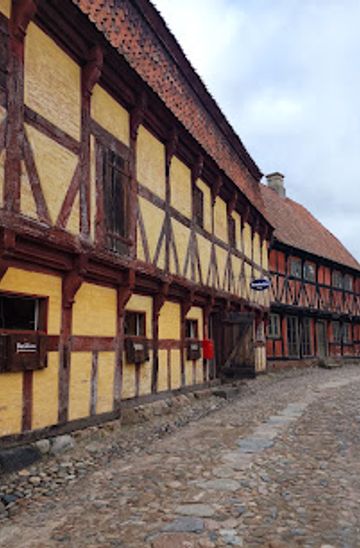
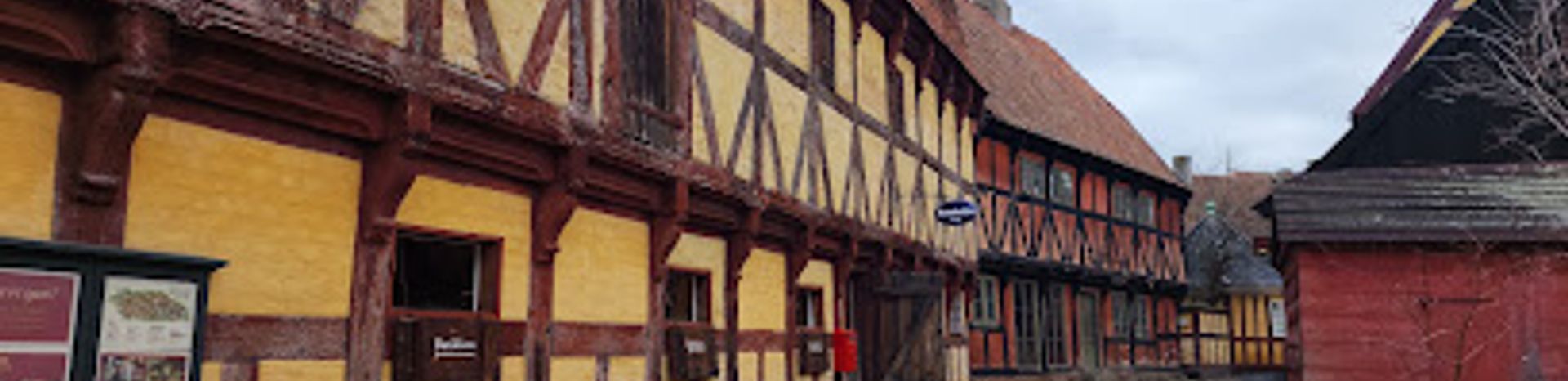
Set inside Aarhus’ botanical gardens, Den Gamle By is a sprawling open‑air museum that lets you walk through 400 years of Danish urban life. Historic buildings from across the country have been reconstructed as full streets and squares, from half‑timbered merchants’ houses and watermills to 1920s shops, 1970s courtyards and a contemporary 2014 high street. Costumed interpreters, working workshops, traditional eateries and changing exhibitions turn this recreated town into a vivid, hands‑on journey through Denmark’s everyday history.
A brief summary to The Old Town
- Viborgvej 2, Aarhus C, Aarhus C, 8000, DK
- Click to display
- Click to display
- Duration: 3 to 6 hours
- Mid ranged
-
 Outdoor
- Mobile reception: 5 out of 5
- Monday 10 am-5 pm
- Tuesday 10 am-5 pm
- Wednesday 10 am-5 pm
- Thursday 10 am-5 pm
- Friday 10 am-5 pm
- Saturday 10 am-5 pm
- Sunday 10 am-5 pm

Know before you go
Hi, I'm Eve. Here are a few practical things to know before exploring The Old Town.
- Allow at least half a day and start early; the town is extensive and many of the most atmospheric interiors and side streets are easy to miss if you rush.
- Wear comfortable footwear for cobbled streets and uneven surfaces, and consider a stroller‑friendly or wheelchair‑friendly route if mobility is limited.
- Plan meal breaks around the historic eateries to sample traditional Danish dishes and baked goods prepared with period recipes and local produce.
- If visiting in the warmer months, check ahead for days with costumed activities or special events, as these add extra life to the streets and workshops.
- Combine your visit with a gentle stroll through the adjacent Aarhus Botanical Gardens for a quiet contrast to the busy museum streets.
Do you manage this location?
Take control to get all the benefits, like improved information, better appearance, and stronger visibility across AI-powered discovery. Learn more
Activate your presenceOther nearby places you may find interesting
The closest places of the same kind, if this one is not quite what you had in mind.
Explore The Old Town on the Map
A handpicked selection of must-see spots near The Old Town, mapped for you.
Getting There
-
City bus within Aarhus
From central Aarhus, regular city buses run towards Viborgvej with stops close to Den Gamle By, typically taking around 10–20 minutes depending on traffic. Services operate frequently throughout the day and tickets can be purchased via travel apps or on board in Danish kroner; expect a one‑way adult fare in the range of 20–30 DKK. Buses are low‑floor with space for prams and wheelchairs, but they can be crowded at peak times and on popular weekends.
-
Taxi from city centre or Aarhus H
Taxis from Aarhus H train station or the main pedestrian shopping streets usually reach Den Gamle By in about 5–10 minutes in normal traffic. Fares are metered; for this short urban journey you can expect to pay roughly 80–140 DKK one way, with supplements in the evening or on public holidays. Taxis are convenient if you are travelling as a family, carrying luggage or have limited mobility, though availability may be tighter during major events.
-
Walking from central Aarhus
From the central shopping district and Aarhus H area, Den Gamle By is reachable on foot with a pleasant urban walk of roughly 20–30 minutes through city streets and parkland. The route has some gentle gradients but no steep climbs, and most of it follows paved paths and sidewalks suitable for strollers. This option is free and flexible, though in winter or wet weather you should dress for wind and rain and allow extra time for slower progress on damp surfaces.
-
Bicycle within Aarhus
Aarhus is cycle‑friendly, and Den Gamle By sits within easy reach of the inner‑city cycle network. From many central neighbourhoods the ride takes around 10–15 minutes at a relaxed pace. You can use your own bike or a local bike‑share service, which typically charges either a small unlock fee plus per‑minute rate or a flat short‑term rental in DKK. Cycle lanes cover much of the route, but be prepared for sharing some stretches with traffic and remember to park only in designated bicycle areas near the museum.
For the on-the-go comforts that matter to you
-
 Restrooms
-
 Drink Options
-
 Drinking Water
-
 Food Options
-
 Seating Areas
-
 Sheltered Areas
-
 Trash Bins
-
 Information Boards
-
 Visitor Center
Discover more about The Old Town
A Town-Sized Time Capsule in the Heart of Aarhus
Den Gamle By, literally “The Old Town”, is an open‑air museum laid out as a full Danish market town inside the Aarhus Botanical Gardens. Instead of isolated galleries, you step straight into cobbled streets, town squares and narrow alleys framed by historic buildings relocated from all over Denmark. Many date back to the 17th and 18th centuries and have been dismantled, transported and re‑erected here piece by piece to preserve authentic details.The result feels less like a museum and more like a small town where time has fractured. Around one corner you find a mill stream and half‑timbered warehouses, around the next a 20th‑century shopfront or a jazz bar from the early 2000s. Gardens, courtyards and the backdrop of the surrounding park add greenery and birdsong to the constant sense of discovery.Streets from the Age of Hans Christian Andersen
The oldest quarter evokes a provincial Danish town before 1900, roughly the era of Hans Christian Andersen. Here you wander past crooked timber frames, tiled roofs and painted facades that lean over cobbled lanes. Inside, interiors are furnished as they would have been when merchants, craftsmen and townsfolk lived and worked in these rooms.Workshops demonstrate traditional crafts, from baking and brewing to carpentry and printing, often using period tools and methods. An old schoolroom, a customs booth, a watermill and the atmospheric Helsingør Theatre hint at the institutions that shaped town life. Kitchen gardens outside some houses supply herbs, fruit and heirloom vegetables used in the site’s own bakeries and kitchens.Modernity Arrives: Cars, Shopfronts and Telephones
In the 1927 quarter the townscape suddenly feels wider and brighter. Streetlights, pavements and overhead telephone lines appear, and vintage cars are parked outside formal brick buildings. Here you can step into a hardware store, a bookshop, a soap house, a post office and a functioning telephone exchange, all staged with original fittings and products from the interwar years.A reconstructed car dealership with its own workshop showcases gleaming early automobiles, spare‑parts counters and engine tools, capturing the excitement of motoring’s early days. Apartment interiors reveal how everyday life changed as consumer goods became more accessible, from radios and electric lamps to new styles of furniture and decoration.From Hippies to Welfare Denmark and Into the 21st Century
Further on, streets from the 1970s and early 21st century bring the story of Danish urban life almost up to the present. In the 1970s neighborhood, graffiti‑marked backyards, a moped workshop and backyard toilets with period poetry sit beside a kindergarten, convenience store and hairdresser. Apartments show contrasting lives: a nuclear family, a communal collective, a hippie couple and a single mother, each interior carefully staged down to wallpaper, record collections and kitchen cupboards.On Queen Margrethe’s Street, set around 2014, you encounter a familiar high street with a tanning salon, mini‑market, cash machine, pizzeria and the legendary Bent J pub. Even a video rental store and electronic games recall very recent history, underlining how quickly everyday culture changes. These newer streets highlight social diversity, including contemporary family models, and invite reflection on what “our time” will look like to future generations.Living History, Food Traditions and Practicalities
Den Gamle By is a living museum: from spring through much of the year, staff in historical dress chop wood, bake, tend gardens, run shops and engage visitors in character. Horse‑drawn carriage rides, seasonal events and special exhibitions add further layers. Eateries scattered through the town serve traditional Danish dishes in period‑styled interiors, from an 18th‑century tavern cellar to a guesthouse with rooms furnished in styles from around 1900 to the mid‑20th century.The site is extensive and best explored at an unhurried pace, with frequent stops to step inside houses and exhibitions. Paths include cobbled surfaces and some uneven ground, but there are accessible routes, several restrooms and baby‑changing facilities, and mobility scooters can be borrowed by prior arrangement. Combined with the surrounding botanical gardens, Den Gamle By can easily fill a substantial part of a day for anyone curious about how Danish cities and everyday lives have evolved over four centuries.












Your all‑in‑one travel companion app
Explore expert travel guides, compare and book tours, experiences, hotels, and more—all from the palm of your hand. Download now for seamless trip planning wherever your wanderlust takes you.


Explore More of East Jutland
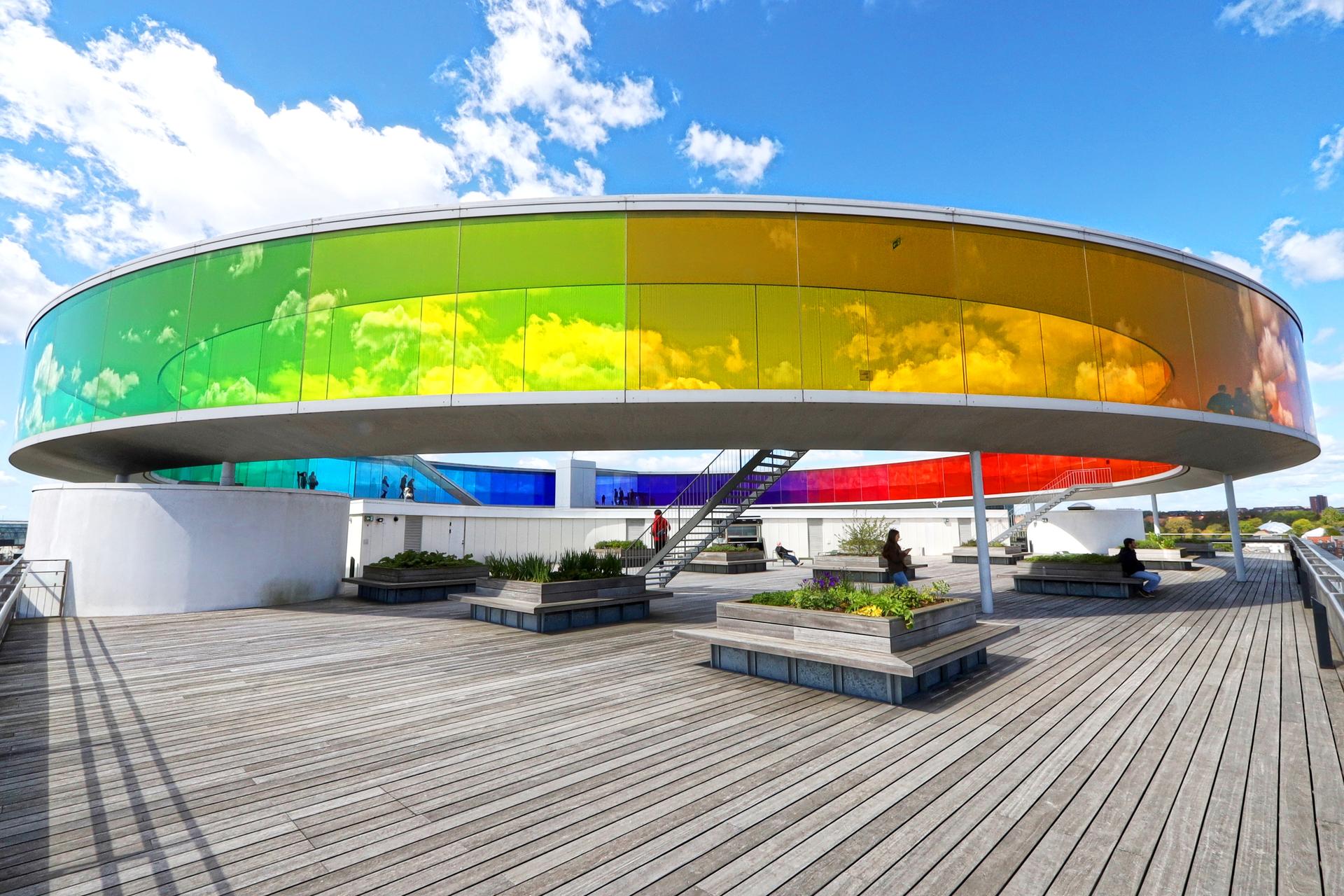
Looking beyond The Old Town? Discover East Jutland for broader travel guides, local hot-spots, and regional highlights.
Explore East Jutland