

Herregården Hessel Farm Manor Museum
Step into one of Denmark’s last thatched four-winged manors, where Limfjord breezes, creaking barns and lived-in interiors bring country life of a century ago to life.
Herregården Hessel, set on a headland near the Limfjord by Farsø, is one of Denmark’s last fully thatched, four-winged manor farms. Dating back to at least 1391, it now serves as a living agricultural museum, with original late‑19th‑century interiors, barns, stables and traditional breeds. Seasonal events, working demonstrations and a cosy museum café immerse you in country life as it once was on a prosperous Danish estate.
A brief summary to Hessel
- Hesselvej 40, Farsø, 9640, DK
- +4520582201
- Visit website
- Duration: 1.5 to 4 hours
- Budget
-
 Mixed
Mixed
- Mobile reception: 4 out of 5
- Tuesday 10 am-4 pm
- Wednesday 10 am-4 pm
- Thursday 10 am-4 pm
- Friday 10 am-4 pm
- Saturday 10 am-4 pm
- Sunday 10 am-4 pm
Local tips
- Plan your visit between May and late September, when the museum is open and many of the farm demonstrations and themed activity days take place.
- Allow at least two hours so you can explore the house, barns and stables, then relax in the café or walk a short stretch of the nearby countryside trails.
- Bring a light jacket: even in summer, the coastal location near the Limfjord can feel breezy, especially when you are out in the yard and fields.
- Families with children can focus on the animal areas and outdoor demonstrations, which are especially engaging on scheduled activity and harvest days.
- Check ahead for any ongoing restoration work on the main farmhouse, as specific rooms or wings may occasionally be closed while conservation is underway.

For the on-the-go comforts that matter to you
- Restrooms
- Drink Options
- Drinking Water
- Food Options
- Seating Areas
- Picnic Areas
- Trash Bins
- Information Boards
- Visitor Center
Getting There
-
Car from Aalborg
From Aalborg, driving to Herregården Hessel typically takes about 1–1.5 hours depending on traffic, following regional roads through Vesthimmerland. The route is straightforward, mostly on paved two-lane roads, and suitable for any standard car. There is usually free parking near the manor, but spaces can fill on major event days, so arriving earlier in the day is wise.
-
Car from Viborg
If you are coming from Viborg, allow around 1–1.25 hours by car on main and regional roads across central Jutland toward Farsø and the Limfjord. The drive passes through gently rolling farmland, with good surfaces and no special vehicle requirements. Parking at Hessel is generally without charge, though you may need to walk a short distance from your space to the courtyard.
-
Public transport via Farsø or Aars
Reaching Hessel by public transport usually involves taking a regional bus from larger towns such as Aalborg, Viborg or Aars to Farsø or the Hvalpsund area, then a local taxi for the final leg. Total travel time commonly ranges from 1.5 to 2.5 hours depending on connections. Expect typical Danish regional bus fares in the range of 40–120 DKK per adult for longer journeys, plus a short taxi ride from the bus stop to the manor.
-
Cycling in the Hvalpsund area
For those already staying in the Hvalpsund or Farsø area, cycling to Hessel is an appealing option. Quiet country roads and gentle hills make for a pleasant ride of roughly 20–45 minutes from many nearby accommodations. Surfaces are mostly paved, though short stretches may be on gravel farm tracks, so a touring or hybrid bike is ideal. There is space to leave bicycles near the entrance while you explore.
Hessel location weather suitability
-
 Mild Temperatures
-
 Clear Skies
-
 Any Weather
-
 Cold Weather
Discover more about Hessel
Manor on the Limfjord Headland
Herregården Hessel sits on a gentle rise above the Limfjord, surrounded by fields, shelterbelts and distant water views that explain why this spot has been occupied since the Middle Ages. The manor is recorded as early as 1391, and its strategic position near the narrow Hvalpsund crossing once made it a natural lookout over passing ships. Walking through the gate into the cobbled courtyard, you step into a self-contained farm world that feels removed from modern Himmerland. Hessel is one of the last four-winged, thatched manor farms in Denmark, its buildings forming a closed rectangle around the central yard. The low whitewashed wings, heavy oak beams and golden thatch give the place a distinctly rural character, more working farm than aristocratic palace. Beyond the courtyard, open fields and grazing paddocks reinforce that this was always a place of livestock, crops and practical labour.Surviving Fire, Rebuilding and Renewal
Although the estate’s history stretches back over six centuries, much of what you see today reflects both disaster and resilience. Large parts of Hessel burned in the early 1700s, and the current ensemble is the result of careful rebuilding blended with older surviving structures. The great barn, a high-timbered structure with oak dating from around 1650, is the most tangible link to the 17th century, its mighty roof timbers and plank floors still dominating one side of the courtyard. Over time the manor passed through a long succession of owners, from medieval nobles to later landowners who shaped the surrounding fields and shoreline. In the 20th century the estate gradually shifted from private residence to heritage site, eventually becoming an agricultural museum. Today, ongoing restoration work – including periodic renewal of the thatch and stabilisation of the old walls – ensures that the buildings remain both authentic and structurally sound.Rooms Frozen in a Rural Past
Inside the farmhouse, time appears to pause around the turn of the 20th century. The rooms are furnished much as they were during the tenure of the last private owners, the Elle family, with heavy wooden tables, tiled stoves, painted chests and patterned textiles. Everyday objects – lamps, crockery, work clothes and toys – sit where they would have been used, suggesting that their owners have only just stepped outside. Explanatory texts in English help you interpret details you might otherwise miss, from the layout of the kitchen range to the subtle hierarchy of parlours and bedrooms. Rather than grand state rooms, the emphasis is on lived-in domestic spaces that illustrate how a prosperous rural household combined comfort with strict routines and hard work.A Living Agricultural Museum
Out in the yard and surrounding buildings, Hessel presents itself as an open-air manual of traditional Danish farming. The estate was historically a steer farm, and you still find stalls for cattle alongside stables for horses, sheep pens and poultry runs. Seasonal activities bring the site to life: on selected days volunteers demonstrate ploughing with horses, haymaking with old machinery, and crafts such as blacksmithing, butter-churning or textile work. Animal pens, farm implements and wagons tell the story of how food was produced and transported before tractors became commonplace. You can trace the route of grain from field to barn, and see how the pond served livestock while drinking water for people came from a spring. The emphasis throughout is on conveying the rhythms of work over the year and the close relationship between manor, tenant farmers and the surrounding landscape.Café, Trails and Fjordside Calm
The museum café offers coffee, tea, cakes, light lunches and cold drinks, providing a relaxed break in between exploring buildings and exhibits. Brought food can be enjoyed outdoors or in the café when you buy something to drink, making it easy to linger for a few hours. Outside the core manor area, waymarked paths and longer hiking trails thread through fields and woodland on the nearby peninsula, inviting you to extend your visit into a half-day in the countryside. Manor Hessel is open seasonally from early May to late September, generally from late morning to mid-afternoon, with children under 18 admitted free and adults paying a modest entrance fee with slightly higher prices in peak summer weeks. Special event days devoted to harvest, old crafts or themed activities add extra layers of storytelling, but even on a quiet day the blend of historic buildings, rural scenery and gentle Limfjord air makes Hessel a rewarding pause in any Himmerland itinerary.Iconic landmarks you can’t miss

SOLTEGNET af billedhugger og professor Bjørn Nørgaard
21.7 km
A radiant sculpture of oyster shells celebrating art, sustainability, and fjord culture.
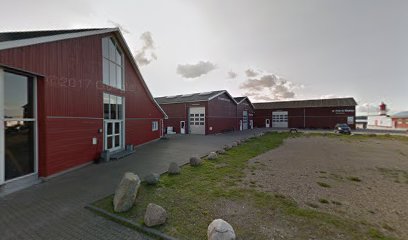
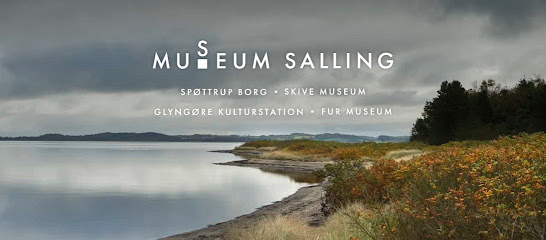
Museum Salling
22.9 km
Dive into Denmark's past at Museum Salling, where Limfjord's heritage comes alive through interactive exhibits, ancient artifacts, and engaging storytelling in scenic Skive.
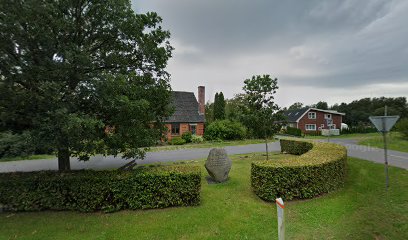
Befrielsessten i Ravnstrup
26.5 km
A modest countryside liberation stone near Viborg, quietly commemorating Denmark’s freedom in 1945 amid open fields and a peaceful village setting.
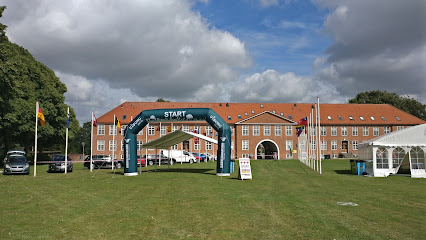
Oberst J.C. Lunds Plads
28.8 km
Historic public square anchoring Viborg's Cathedral Quarter and medieval city center.
Vi er Viborg
29.5 km
Experience Danish innovation at Dokk1, Aarhus’ renowned waterfront library and cultural hub, blending architecture, technology, and vibrant community life.
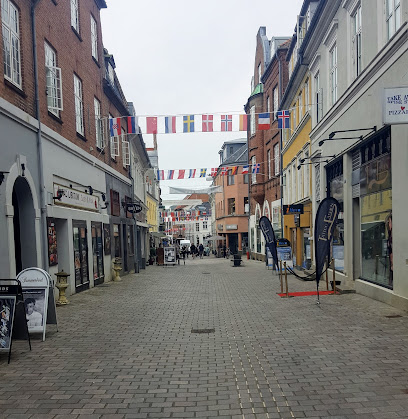
Viborg View
30.1 km
Experience Dokk1, Aarhus’ state-of-the-art library and cultural center, where pioneering architecture meets urban vitality on the scenic waterfront.
The Manor House of Hald
34.1 km
Five centuries of Danish history and architecture nestled beside a glacial lake near Viborg.
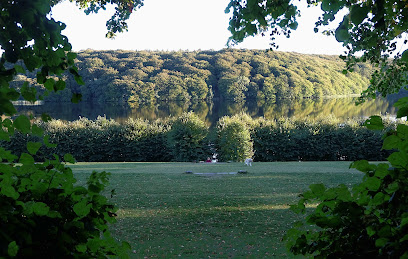
De Fem Halder
34.1 km
Dokk1: Aarhus' premier cultural hub blending modern architecture with community engagement on the waterfront.
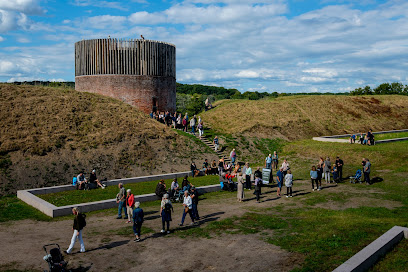
Æ Fywerhus
34.1 km
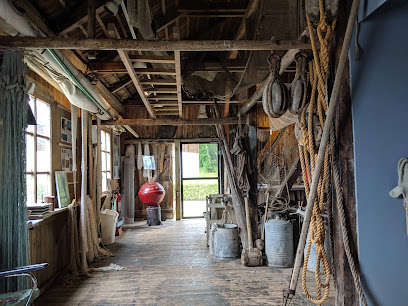
Discover the captivating history of Limfjord fishing at Æ Fywerhus on Jegindø, a charming museum showcasing traditional techniques, tools, and the lives of local fishermen.
Aggersborg
34.4 km
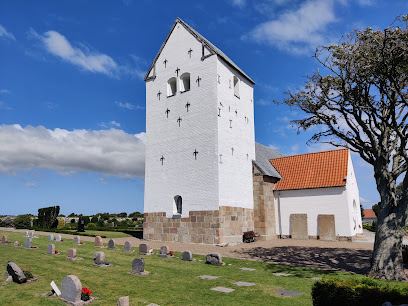
Experience the awe-inspiring scale of Aggersborg, Denmark’s best-preserved Viking ring fortress, set amid sweeping Limfjord landscapes and centuries of history.
Tørreladen ved Moler Museet
35.0 km
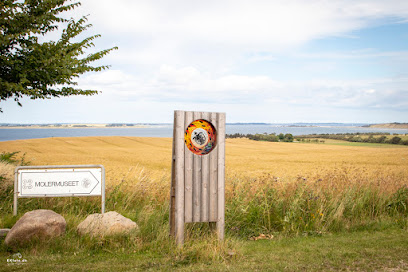
Denmark's longest industrial barn, restored and reimagined as a monument to Mors's moler brick heritage.
Hanklit
35.0 km
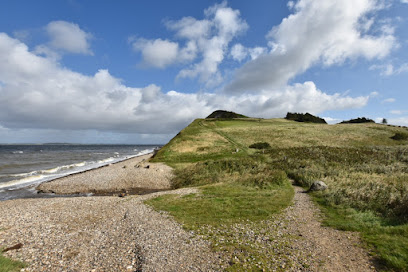
Discover Hanklit’s soaring clay cliffs, rich fossil layers, and breathtaking Limfjord panoramas—a geological marvel and hiking highlight on Mors island.
Jegindø
35.3 km
Discover the tranquil beauty of Jegindø, Limfjord’s peaceful island retreat, celebrated for its rich fishing heritage, scenic coastal walks, and abundant birdlife.
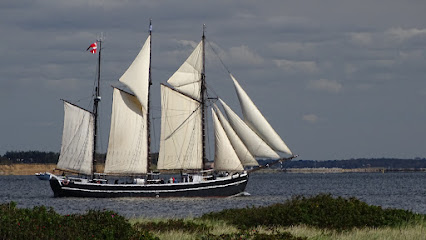
Dollerup Bakker
36.5 km
Dokk1: Aarhus' award-winning cultural center blending modern architecture with community engagement.
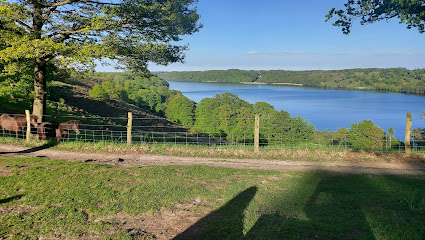
Fyrkat Viking Museum
36.8 km
Explore the rich Viking heritage at Fyrkat Viking Museum in Hobro, Denmark, featuring interactive exhibits and authentic Viking reconstructions.
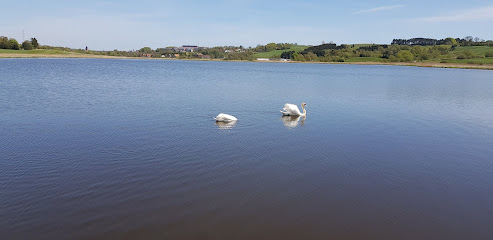
Unmissable attractions to see

Skulpturlandsby Selde
12.3 km
A tiny Limfjord village transformed into a free, open-air gallery where contemporary sculptures mingle with everyday life in streets, gardens and fields.
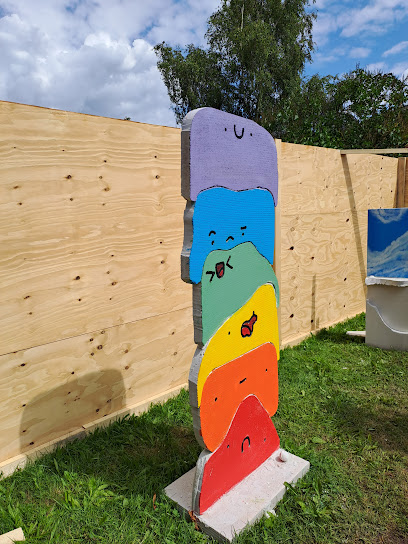
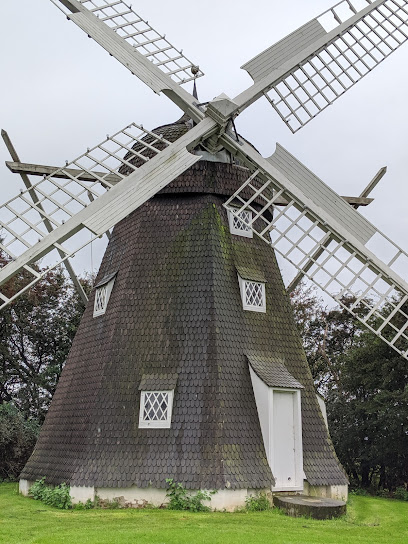
Roslev Mølle
13.3 km
A classic Danish countryside windmill rising above the fields of Salling, recalling the days when wind and grain shaped everyday life in Roslev.
Ertebølle Lille badebro
14.6 km
A simple wooden bathing jetty on the Limfjord, Ertebølle Lille Badebro offers calm waters, big skies and quiet moments framed by Stone Age history and fjord views.
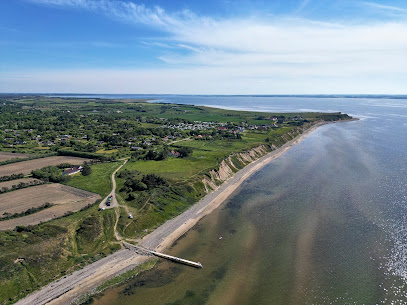
Hjerk Stortorv
16.5 km
Discover wild volcanic cliffs, glassy waters, and ancient geological wonders at Ejerslev Lagoon, one of Limfjord’s most evocative and peaceful natural destinations.
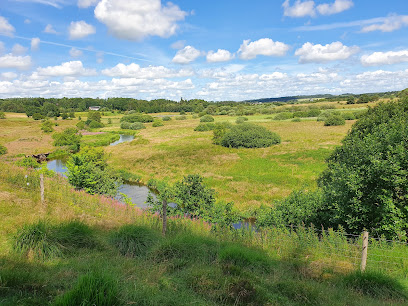
Borup Hede
16.6 km
Rolling heath, a winding river valley and quiet traces of Denmark’s deep past create a peaceful nature escape at Borup Hede near Møldrup.
Troldeskoven Fur - Skattejagt for børn og fantasifulde voksne
17.0 km
A small Danish pine forest on Fur transformed each summer into a troll-filled treasure-hunt universe for curious kids and playful grown-ups.
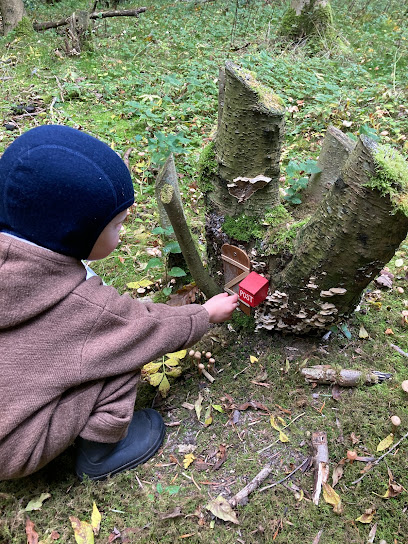
Fur Museum
17.7 km
Dive into deep time and island life at Fur Museum, where world‑class fossils and intimate local history meet in a charming Limfjord village setting.
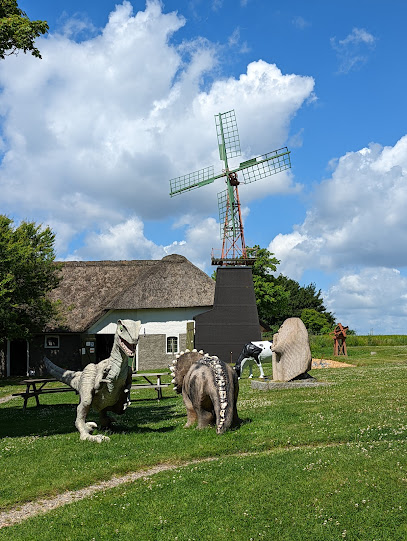
Fur
18.7 km
A compact Danish island where ancient moler cliffs, fossil-rich clay pits and soft Limfjord horizons create a quietly dramatic landscape for slow exploration.
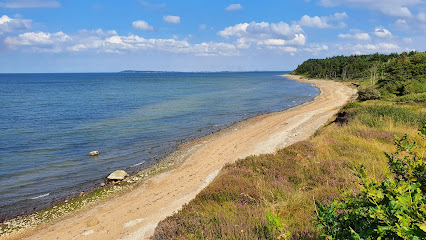
Gammel Havn
18.9 km
A modest 1911 harbour on Sydfur where a short coastal loop, wide Limfjord views and quiet maritime history create a gentle, atmospheric stop.
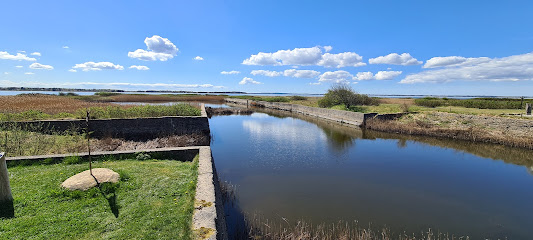
Birkesø Telt Plads
19.7 km
Simple lakeside tent camping on a grassy lawn by Birkesø, offering quiet, back-to-basics overnights in rural Viborg for cyclists, hikers and nature lovers.
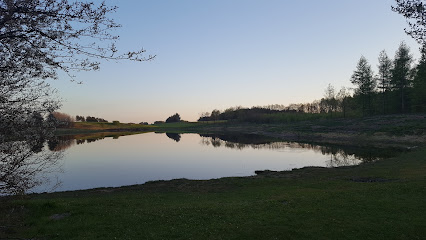
Molermanden
19.9 km
Bronze tribute to Fur’s moler workers, standing above the quarries with sweeping views across the Limfjord, where industrial heritage meets ancient geology and open skies.
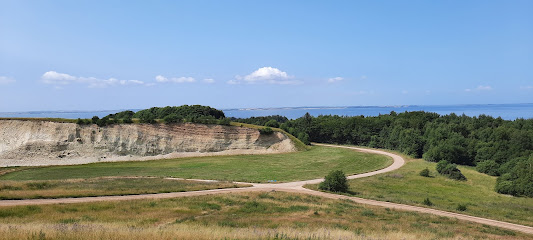
Bispehuen
20.0 km
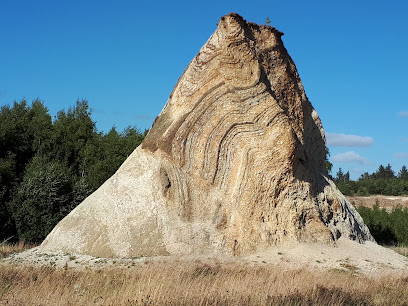
A solitary “Bishop’s Hat” of folded diatomite rising from Fur’s largest quarry, where volcanic ash layers, fossils and sculpture meet in an open-air lesson in deep time.
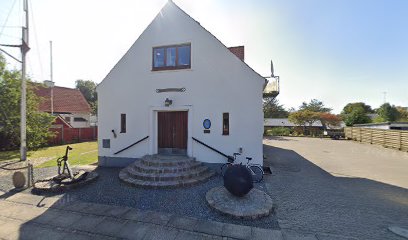
Glyngøre Marineforening
21.0 km
Intimate naval clubhouse in a Limfjord village, where Danish seafaring traditions live on through memorabilia, stories and local maritime camaraderie.
Nedlagt smalsporsbane
21.3 km
Lindholm Høje—Denmark’s largest Viking burial site and museum—offers breathtaking views over Limfjord, awe-inspiring ancient graves, and immersive insights into Viking life.
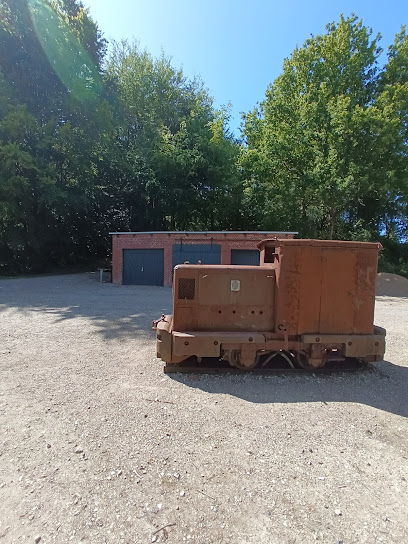
Smalsporslokomotiver
21.3 km
Vintage narrow-gauge steam locomotives preserving Denmark's industrial railway heritage on scenic Fur Island.
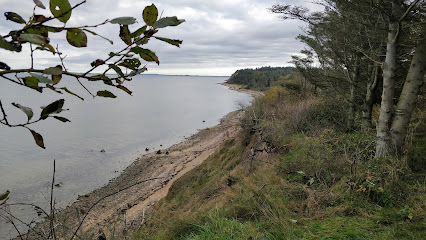
Essential places to dine

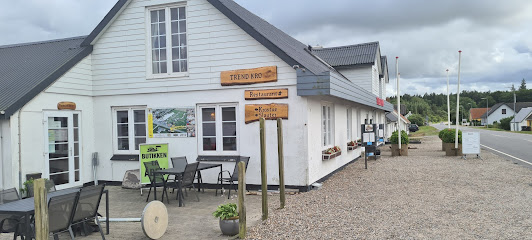
Trend Kro
16.9 km
Traditional Danish roadside inn near the Limfjord, famed for hearty stegt flæsk, a cosy converted-stable krostue and simple motel rooms for easy overnight stays.
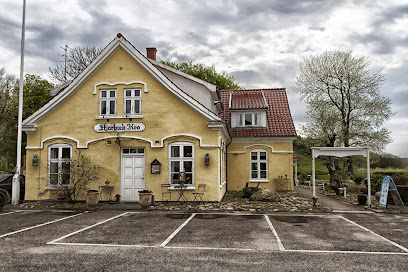
Hjarbæk Kro 2021 Aps
19.2 km
Modern Danish inn cuisine and candlelit hygge on the edge of Hjarbæk Fjord, where classic kromad meets wide water views and glowing Jutland sunsets.
Fur Bryghus
21.2 km
Craft beer, local Nordic cuisine and Limfjord views come together in a historic red brewery on the tiny island of Fur.
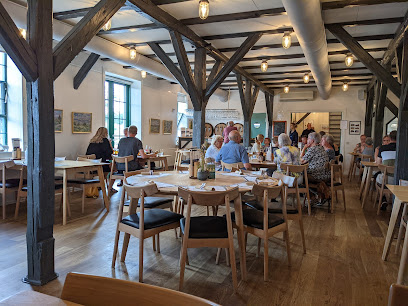
Limfjordens Pizzaria og Grill
21.5 km
Authentic waterfront pizzeria with harbor views and warm Danish hospitality in charming Glyngøre.
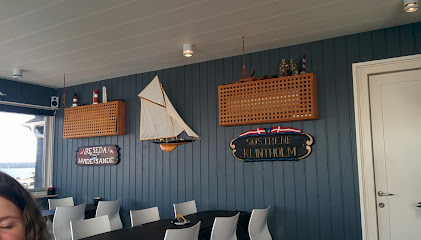
Kjøwenhavner Kokken
21.7 km
Casual harborfront barbecue and Danish comfort food with generous portions, sea air and Limfjord views in the small coastal town of Glyngøre.
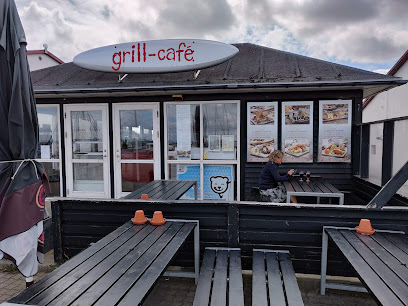
Danish Oyster Bar - Østersbar & Glyngøre Shellfish
21.7 km
A tiny Limfjord-side oyster bar where wild Danish shellfish, working harbour life and fjord views come together in a quietly memorable tasting experience.
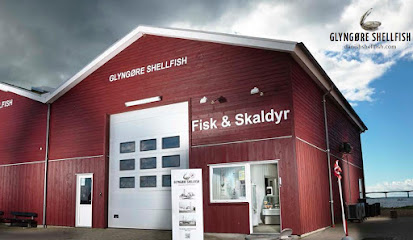
Limfjordens hus
21.8 km
Modern Nordic coastal dining on the very tip of Glyngøre, where Limfjordens Hus pairs local seafood and fjord produce with sweeping views of water, sky and Mors.
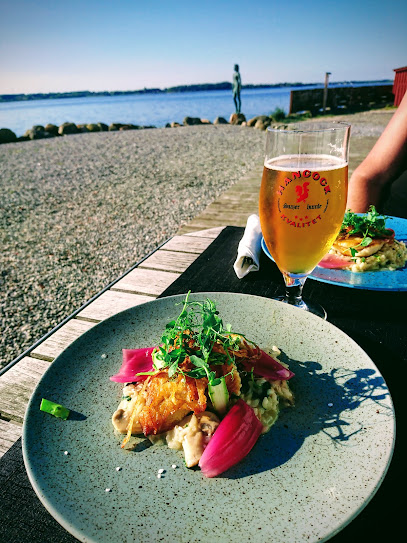
Limfjorden
22.1 km
Casual fjordside dining on the island of Mors, where local seafood, simple Nordic comfort and wide Limfjorden views meet at the edge of the water.
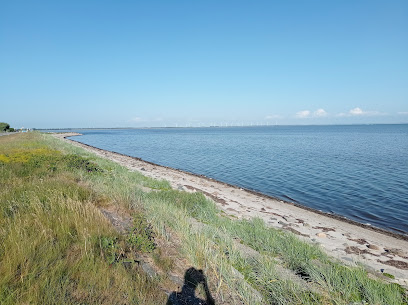
Cafe Holmen
23.2 km
Historic waterfront café in a charming old station building with Mediterranean summer terrace and homemade Danish cuisine.
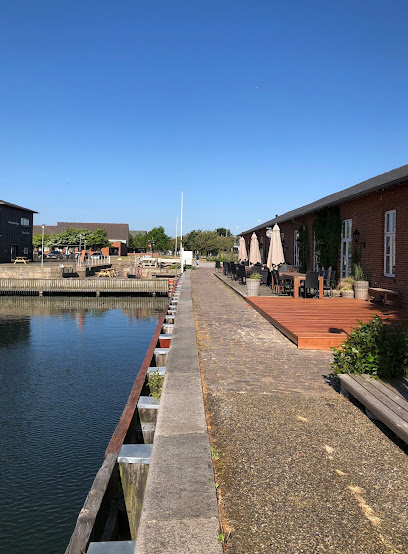
Restaurant Limfjorden - Byens Bøfhus
23.3 km
Grilled perfection and fresh seafood by the harbor in charming Nykøbing Mors.
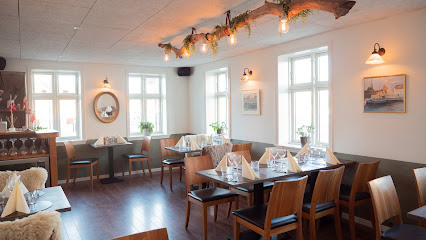
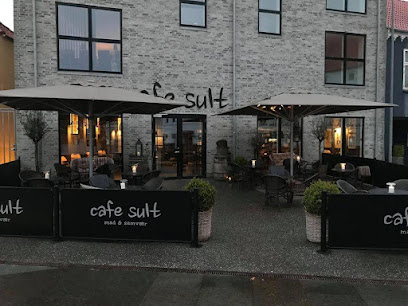
Cafe Sult
23.3 km
Harbourside brasserie in the heart of Nykøbing Mors, serving modern comfort food, vegetarian options and seasonal dishes in a relaxed Nordic-style setting.
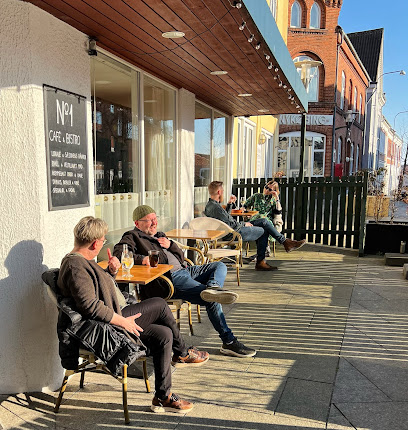
No.1 cafe og bistro
23.6 km
Cosy French-inspired bistro on Lilletorv in Nykøbing Mors, pairing Limfjord seafood and classic dishes with candlelit charm and a carefully chosen wine list.
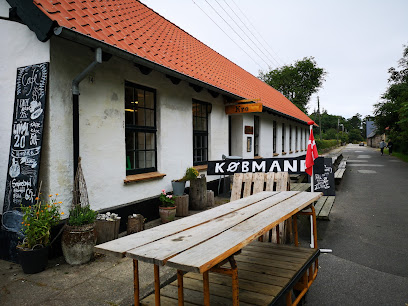
Livø Kro & Købmandscafe
23.6 km
Cozy island inn and café at the heart of car-free Livø, serving comforting Danish fare, simple treats and fjord views to walkers, sailors and overnighters.
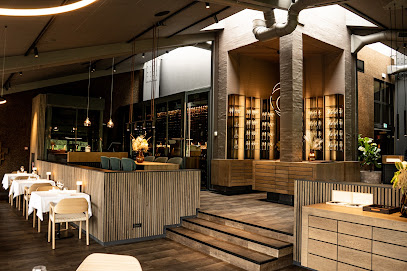
HimmerRiget
24.0 km
Modern Nordic fine dining in the heart of HimmerLand’s golf and spa resort, where seasonal tasting menus meet intimate Scandinavian design.
Næsbydale Badehotel
25.0 km
Historic Limfjord badehotel in a secluded valley, blending nostalgic charm, fjord views and ambitious Nordic dining in Baronens Hus above the shoreline.

Markets, malls and hidden boutiques

HomeHearts
22.9 km
Thoughtfully curated furniture and home décor for contemporary living spaces in Aars.
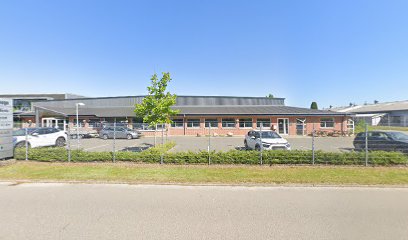
Rum by Kri-stense
23.1 km
Cosy mother–daughter interior and lifestyle boutique in Aars, blending Scandinavian design, hygge-inspired styling and welcoming advice for your home.
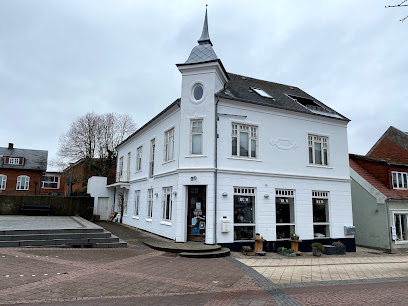
Teen Shop
23.2 km
Trendy teenage fashion in the heart of Aars—where style meets community.
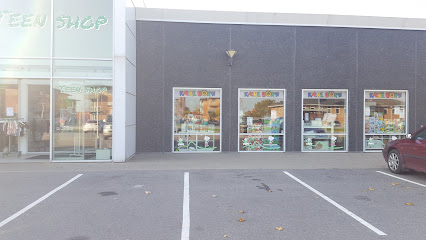
Forever Aars
23.4 km
A cozy countryside herb shop on the edge of Aars, where Nordic wellness traditions, dried plants and quiet conversation create a gentle pause in your Himmerland journey.
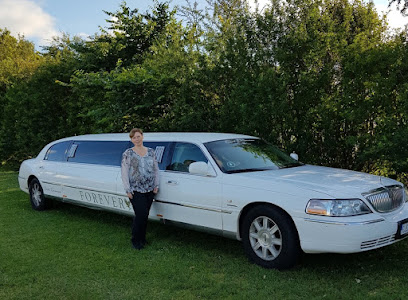
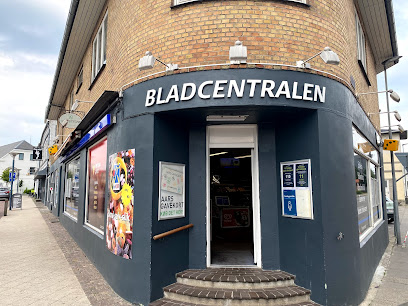
Bladcentralen
23.5 km
Your neighborhood convenience stop in central Aars, open early to late with newspapers, snacks, and everyday essentials.
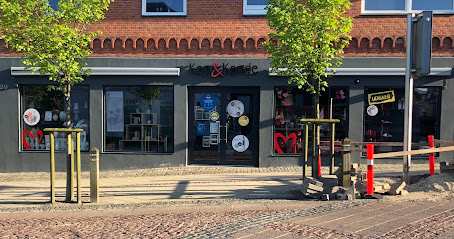
Kop & Kande Aars
23.5 km
Homeware and gifts for creating warmth and comfort in your Danish home.
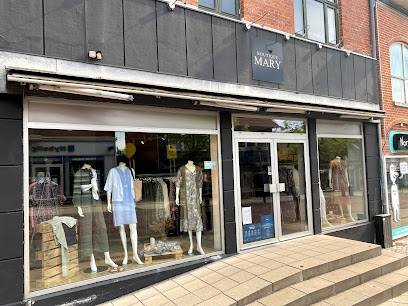
Boutique Mary Aars
23.6 km
A cosy women’s fashion boutique in central Aars, offering Scandinavian-inspired everyday style and plus-size options in a friendly, personal setting.
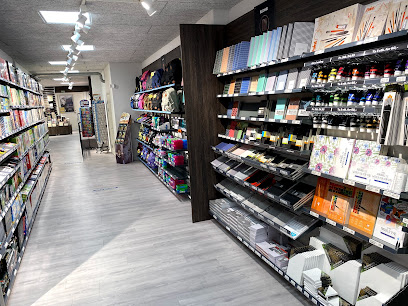
Bog & idé
23.6 km
Bookshop, gift store and stationery hub on Aars’ main street, offering books, games and everyday essentials in a calm, local-friendly atmosphere.
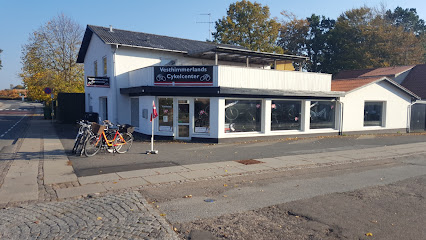
Vesthimmerlands Cykelcenter
23.7 km
Premier cycling shop and workshop serving Vesthimmerland with expert service and quality bikes.
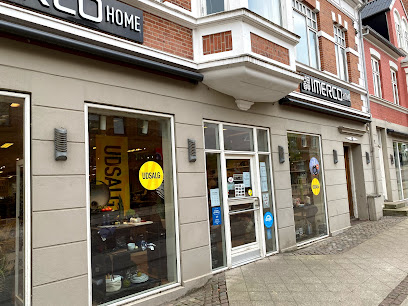
Imerco
23.7 km
Compact Danish homeware store in central Aars, blending practical kitchen tools, stylish tableware and gift‑ready design pieces in a relaxed, small‑town setting.
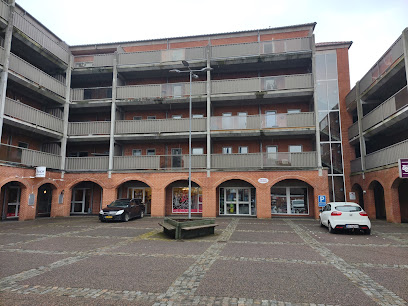
Aktiv Hobby
23.7 km
Cosy local hobby and gift shop on Aars’ main street, offering Danish-style décor, seasonal ornaments and personal service in a compact, welcoming space.
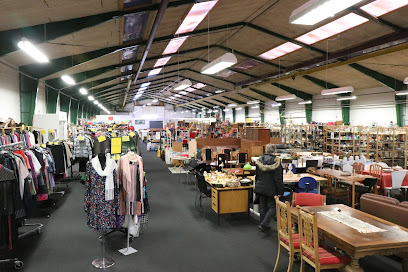
Danmission Op Shop
27.7 km
Spacious Viborg charity thrift warehouse where bargain-hunting, reuse and global-minded giving come together under one practical, volunteer-run roof.
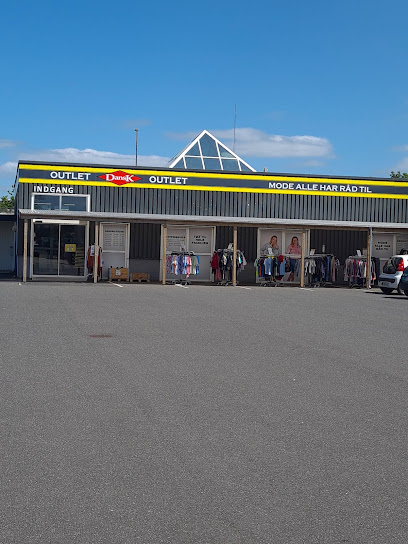
Dansk
28.6 km
Accessible, family-focused fashion in Viborg, offering practical Danish everyday clothing, outerwear and basics for all ages under one roof on Livøvej.
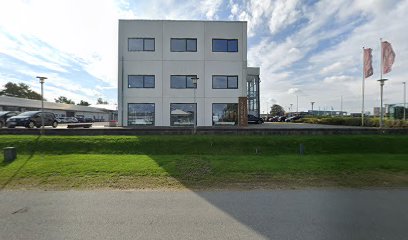
COW CONCEPT I / S
28.7 km
A cozy Viborg showroom where an online design shop comes to life through tactile bags, jewelry and accessories in a calm, curated studio setting.
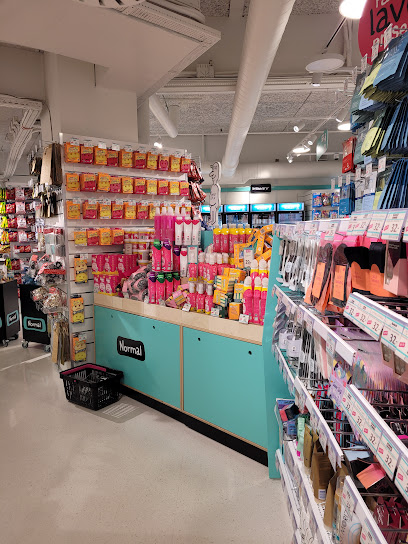
NORMAL Viborg, Viborg Storcenter
28.8 km
Bright, budget-friendly and packed with everyday essentials, NORMAL Viborg in Viborg Storcenter offers a quick, quirky shopping stop inside a modern Danish mall.
Essential bars & hidden hideouts

Kapias bodega
8.9 km
Cosy Gedsted neighborhood bodega offering cold beers, local company and unpretentious Danish hygge from quiet afternoons to lively weekend nights.
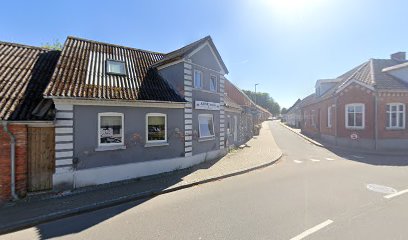
Tordenkalven
13.0 km
Cozy, no-frills bar in central Farsø, serving cold beer, simple drinks and plenty of small-town atmosphere in the heart of Himmerland.
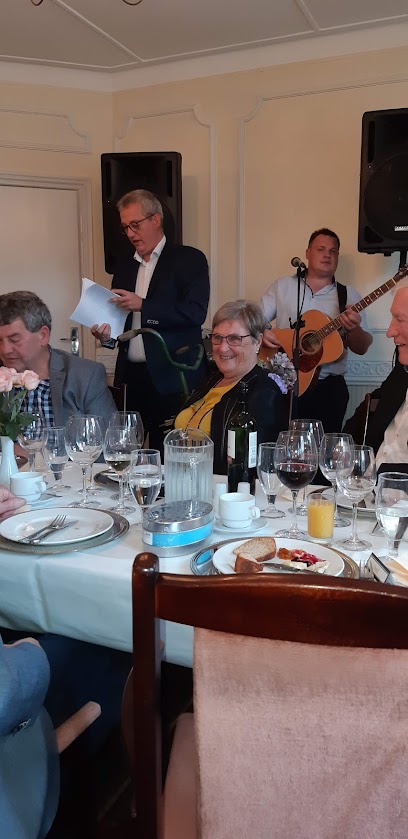
My Way Pub
18.6 km
A cosy small-town Danish pub where darts, pool, bingo and the occasional live band create easygoing evenings in the heart of Aalestrup.
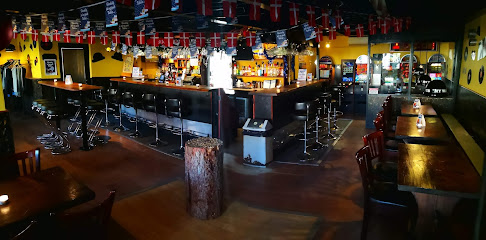
FJORD Bryggeri og Destilleri
23.3 km
Harbourfront microbrewery and distillery in Nykøbing Mors, serving small-batch beer and gin that capture the flavour of Mors in a cosy historic setting.
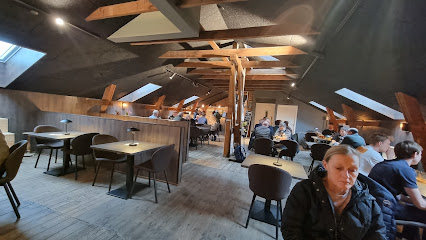
Don Muss
23.3 km
Cozy harborfront bar in Nykøbing Mors, blending everyday beers, late-night live music and local Limfjord charm in one unpretentious hangout.
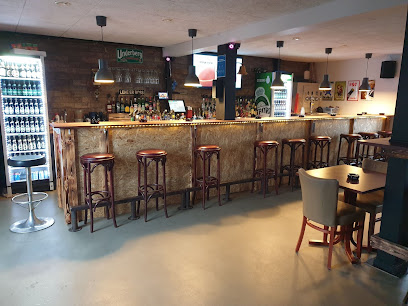
Farmors Bodega
23.4 km
Authentic Danish bodega where locals gather for beers, aquavit, and genuine Limfjord hospitality.
Hjørnet
23.4 km
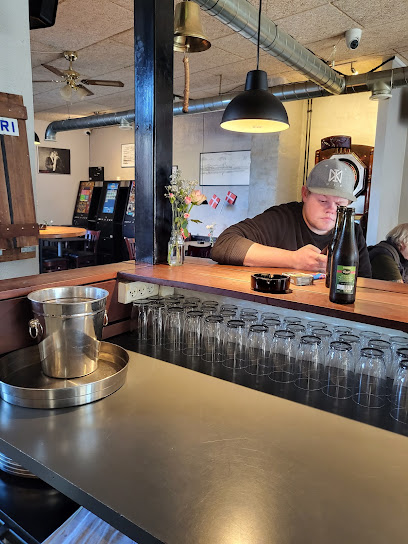
Casual Italian beer hall in Ranum's town center—affordable, welcoming, and open late on weekends.
Nabo
23.6 km
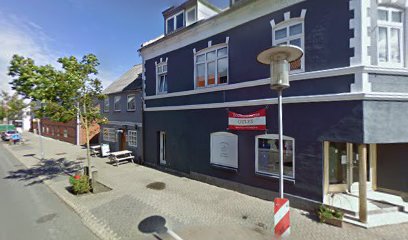
Cozy neighbourhood wine bar on Nykøbing Mors’ Lilletorv, pouring characterful wines, easygoing drinks and relaxed hygge in an intimate, candlelit setting.
si
23.7 km
Low-key neighborhood bar in the small North Jutland town of Ranum, offering simple drinks, local character, and an unhurried village atmosphere on Vestergade.
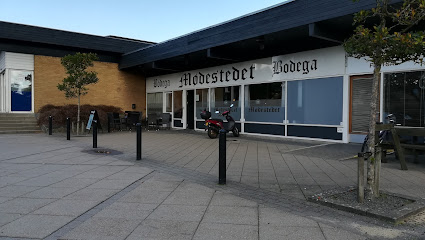
Mødestedet Viborg ApS
28.1 km
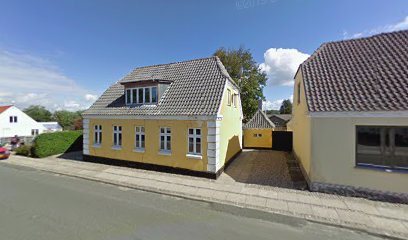
Cosy local bar and meeting place in Viborg, blending classic Danish pub vibes with flexible space for social events, dance evenings and everyday gatherings.
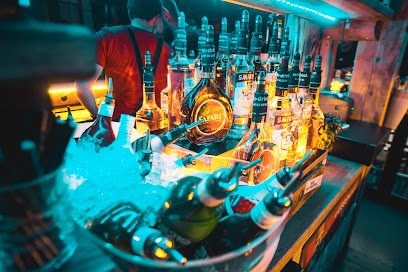
Zwei Grosse Bier Bar
29.1 km
High-energy après-ski style beer bar in central Viborg, pouring big drafts, loud music and late-night party vibes with free entry and group-friendly seating.
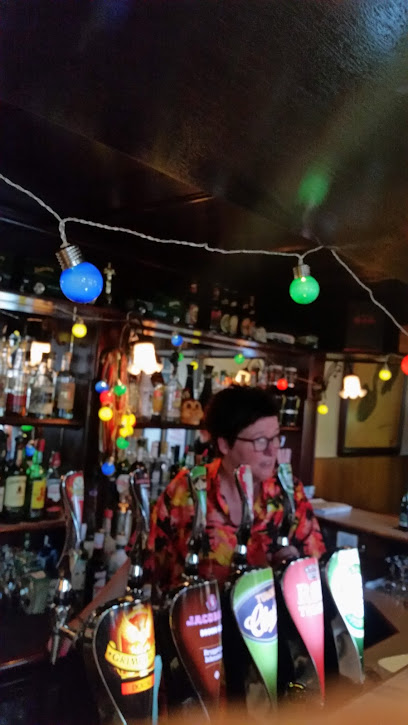
Café Børsen
29.4 km
A long‑standing Viborg café‑bar where Danish hygge, history and late‑night drinks meet in one cozy, central hangout on Gravene.
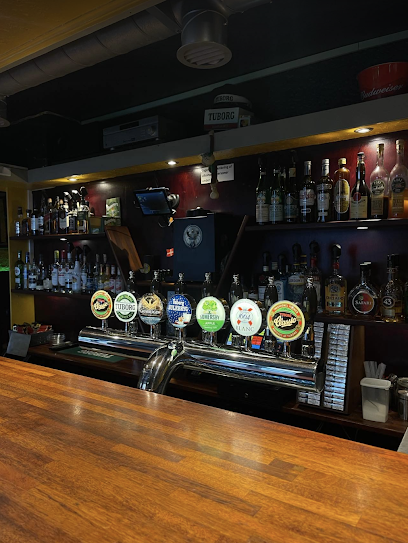
Sportspub Målet
29.4 km
Classic Danish sports bodega in central Viborg, where cold beer, big matches, karaoke and late-night hygge keep the lights on long after the final whistle.
Bodega Hegnet
29.4 km
Viborg's cozy neighborhood bar where affordable drinks, free pool, and live music create genuine local warmth.
Roxy Malt Viborg
29.4 km
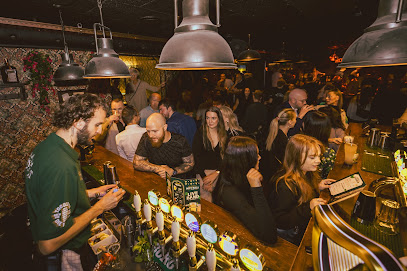
Cosy Irish-style pub in central Viborg with specialty beers, cocktails, live music and a relaxed, grown-up atmosphere for unhurried nights out.
For the vibe & atmosphere seeker
- Tranquil
- Scenic
- Unique
- Relaxing
- Fun-filled
For the design and aesthetic lover
- Rustic Designs
- Vintage Styles
For the architecture buff
- Historic
- Landmarks
- Parks & Gardens
- Heritage Neighborhoods
For the view chaser and sunset hunter
- Iconic Views
- Panoramas
- Sunset Spots
For the social media creator & influencer
- Photo Spots
- Instagrammable
- Architectural Shots
- Reel-Friendly
For the eco-conscious traveler
- Low Impact
- Public-Transport Accessible
- Locally Managed
For the kind of experience you’re after
- Cultural Heritage
- Photowalk
- Day Trip
- Roadtrip Stop
- Adventure Photo Shoot
For how adventurous you want the journey to be
- Easy Access
Location Audience
- Family Friendly
- Senior Friendly
- Child Friendly
- Teen Friendly
- Solo Friendly
- Couple Friendly
- Solo Female Friendly
- Vegetarian Friendly
- Vegan Friendly


