Tvis Abbey Travel Guide
Free Guide: Foundations in a “Safe Valley”: subtle ruins, a historic mill and a peaceful river landscape reveal the long, quiet story of medieval Tvis Abbey near Holstebro.


A brief summary of Tvis Abbey
Foundations in a “Safe Valley”: subtle ruins, a historic mill and a peaceful river landscape reveal the long, quiet story of medieval Tvis Abbey near Holstebro.
Set in a tranquil river valley just outside Holstebro, Tvis Abbey marks the site of a once-powerful Cistercian monastery founded in 1163 by Prince Buris. Today, only foundations, low walls and subtle earthworks hint at the large four-winged complex that once dominated the landscape, but evocative information boards, the nearby historic watermill and the peaceful woodland paths make this a quietly atmospheric stop for history-minded travelers and contemplative walkers alike.
On-site amenities
 Seating areas
 Information boards
 Trash bins
Opening hours
- Every dayOpen 24 hours
Opening hours as listed on the venue’s Google Business Profile. Hours can change for services and special events, so check with the venue before you go.
- Address
- Tvis Møllevej, 7500 Holstebro
- Website
Getting there
Car from central Holstebro
Local bus from Holstebro
Cycling from Holstebro
Discover more about Tvis Abbey
Medieval monastery in a quiet Danish valley
Tvis Abbey began life in 1163, when Prince Buris Henriksson founded a Cistercian monastery in the fertile valley by the Tvis River. The monks called it Tuta Vallis – the Safe Valley – and from here they cultivated land, managed water power and anchored Christian life in this corner of West Jutland. Over the centuries, Tvis grew into a sizeable four‑winged cloister complex with church, dormitories, refectory and workshops.The abbey’s fortunes followed the broader religious shifts of Denmark. After the Reformation in the 16th century, its monastic role faded, and the community was gradually dissolved. Buildings were reused, reshaped and finally dismantled, their bricks carried off to new projects. By the late 17th century the original church was gone, and only a makeshift parish church in one wing kept the site active before that too disappeared in the 19th century.
Reading the ruins in the landscape
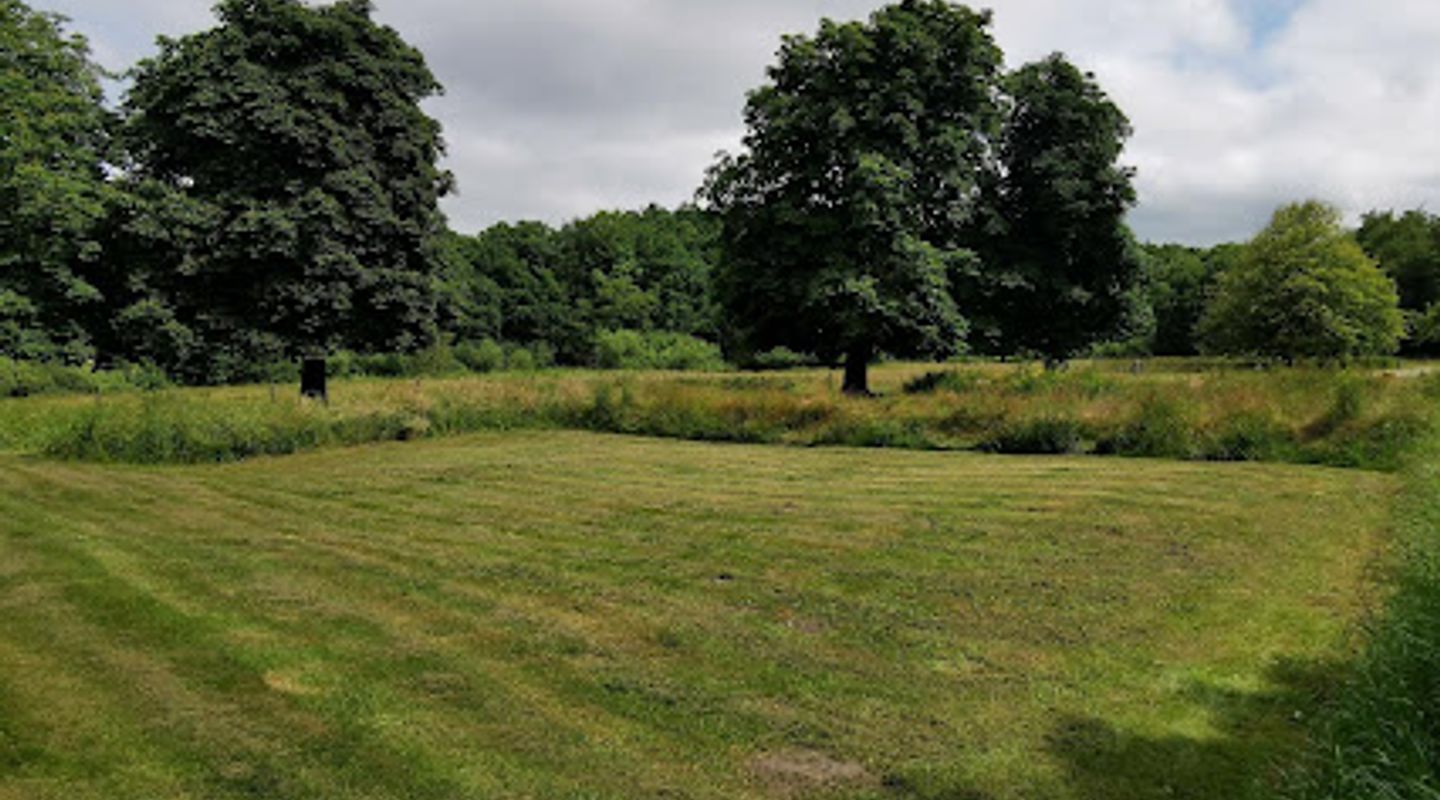
At first glance, Tvis Abbey appears modest: grassy outlines, small masonry fragments and subtle changes in ground level. Yet as you wander the mown paths and low banks you begin to trace the monastery’s plan. Foundations mark where the nave once stood, while rectangular footprints indicate cloister ranges that enclosed the monks’ daily life.Information boards help you interpret these quiet forms, showing reconstructions of the complex and explaining how each space was used. With a little imagination, the lawns become vaulted halls, the river a vital power source, and the breeze through the trees a faint echo of chanting from the long-vanished church.
Watermills and the power of the river
The Tvis River was central to the abbey’s prosperity, and the nearby watermill site underlines that story. A mill has stood here since the days of Prince Buris, harnessing the steady flow to grind grain and support the monastery’s estates. The surviving mill buildings and channels reveal how carefully the Cistercians engineered watercourses to serve both economic needs and everyday life.Walking between the abbey foundations and the mill, you can picture wagons arriving with harvests from surrounding lands and monks overseeing work in a rhythm tied to both liturgy and seasons. The riverbanks, now edged with trees and wild plants, once framed an industrious, well-managed estate, part of a wider network of Cistercian houses across northern Europe.
A contemplative stop near Holstebro
Despite its layered history, the atmosphere at Tvis Abbey today is gentle and unhurried. Birds call from the surrounding woods, the river moves quietly below, and benches invite you to pause. The absence of grand standing ruins gives the place an unexpectedly intimate feel; the story unfolds slowly as you read, walk and look.The site lends itself well to unstructured exploration. Families can combine a history lesson with a short nature walk, while anyone interested in medieval monasticism will appreciate the chance to experience how Cistercians chose remote yet fertile landscapes. The open setting also makes it easy to visit at different times of day, whether you prefer the soft light of early morning or long summer evenings.
Exploring trails and local heritage
Tvis Abbey forms part of a broader heritage landscape around Holstebro. Waymarked walking routes link the monastery area, the mill and the surrounding countryside, tracing what is often called an ancient trail through time. Along these paths you may encounter additional panels that place the abbey in context with other historic sites in the region.Even without following a dedicated route, simply looping around the abbey’s footprints offers a sense of progression: from river to foundations, from mill to meadow, from the practical world of agriculture to the spiritual world that once centered on this quiet valley. It is a modest but engaging stop that rewards a curious eye and a willingness to let the landscape tell its story.
Evendo Review Centre
 Google
Guest reviews
Best time to go
Quietest: Jan, Feb & Mar · before 7am or from 9pm
Busy times are Evendo estimates for a typical year, to help you plan. Actual crowds vary with events, school holidays and the weather.
Explore Tvis Abbey on the map
A handpicked selection of must-see spots near Tvis Abbey, mapped for you.
Get your free copy of our complete guide to Tvis Abbey, delivered straight to you.
Everything on this page, from opening hours and how to get there to Eve’s tips and the best time to go, in one PDF you can read offline, print or share.
Already have an account? Sign in
Your Tvis Abbey guide is ready.
We'll send it to · Not you? Sign out

Getting your guide ready…
We are putting together a fresh copy of the Tvis Abbey guide. This can take up to a minute.
This can take a few moments. If your browser asks, choose Allow so the download can start. You'll find the guide in your Downloads folder.
Nothing happened? Download it again
Sorry, the guide is taking longer than usual. Please try again in a minute, or get it by email instead.
Other nearby places you may find interesting
The closest places of the same kind, if this one is not quite what you had in mind.
-
-
-
-
-


Swipe for more places
More to explore near Tvis Abbey

 Best experiences near Tvis Abbey
 Best hotels near Tvis Abbey
 Best landmarks near Tvis Abbey
 Best attractions near Tvis Abbey
 Best shops near Tvis Abbey
 Best restaurants near Tvis Abbey
 Best bars near Tvis Abbey
Do you manage this location?
Take control to get all the benefits, like improved information, better appearance, and stronger visibility across AI-powered discovery.
Explore more

Explore more of Central Jutland
Explore Central Jutland in Denmark: A perfect blend of natural beauty, cultural heritage, and family-friendly attractions.
Explore Central Jutland
Explore more of Denmark
Discover Denmark: A perfect blend of history, modern design, and the cozy concept of hygge. Explore vibrant cities, serene landscapes, and world-class cuisine.
Explore Denmark