Jens Vejmands gravsted, Herning Travel Guide
A humble grave in a rural churchyard where the real life of road worker Jens Nielsen meets the enduring power of Jeppe Aakjær’s song “Jens Vejmand.”
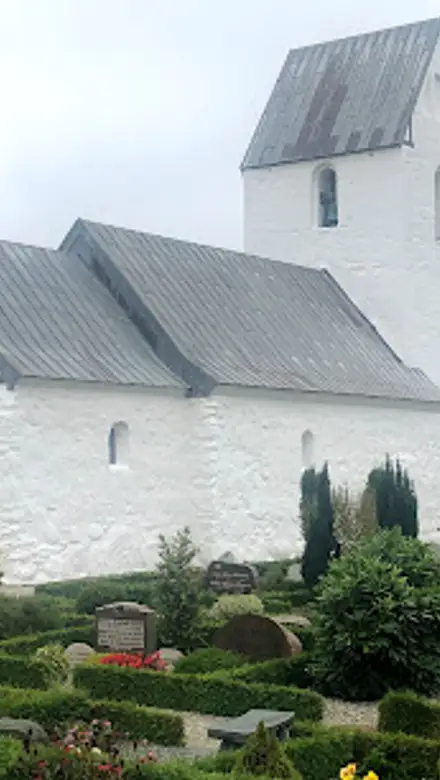
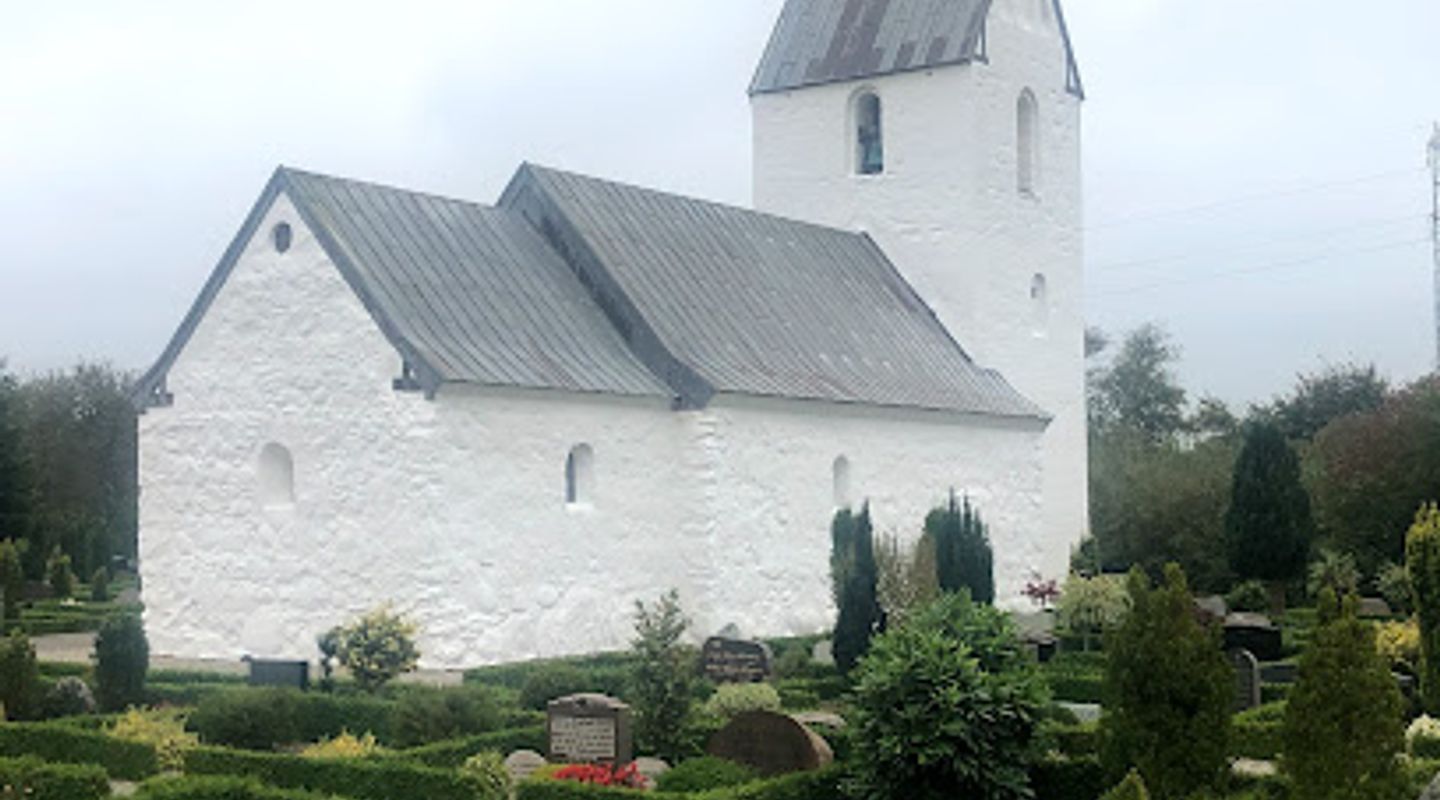
On the quiet churchyard in Tjørring near Herning, the modest grave of road worker Jens Nielsen – better known from Jeppe Aakjær’s song as Jens Vejmand – offers a powerful, tangible link between literature and real life. A simple grave marker and the surrounding headstones tell the story of a man who spent a lifetime maintaining the road between Herning and Holstebro, and whose hard, anonymous toil inspired one of Denmark’s most enduring social‑realist songs about poverty, dignity and everyday labour.
A brief summary to Jens Vejmands gravsted
- Herning, 7400, DK
- Duration: 0.5 to 1.5 hours
- Free
-
 Outdoor
- Mobile reception: 4 out of 5

Know before you go
Hi, I'm Eve. Here are a few practical things to know before exploring Jens Vejmands gravsted.
- Read or listen to the lyrics of “Jens Vejmand” before you arrive; knowing the verses adds depth to the otherwise very modest grave and churchyard.
- Combine a visit to the grave with a stop at the roadside monument north of Tjørring to understand both the personal and symbolic sides of Jens’ story.
- Wear sturdy shoes; paths in the churchyard are gravel and grass, which can be uneven or slippery in wet or icy weather.
- Keep noise low and behave respectfully, as this is an active burial ground where people come for remembrance and quiet.
Do you manage this location?
Take control to get all the benefits, like improved information, better appearance, and stronger visibility across AI-powered discovery. Learn more about listing your business on Evendo
Activate your presenceOther nearby places you may find interesting
The closest places of the same kind, if this one is not quite what you had in mind.

Explore Jens Vejmands gravsted on the Map
A handpicked selection of must-see spots near Jens Vejmands gravsted, mapped for you.
Getting There
-
Car from central Herning
From central Herning, driving to Tjørring churchyard typically takes about 10–15 minutes, depending on traffic. The route follows main local roads through the northern part of town and out toward Tjørring. Parking is usually available close to the churchyard entrance at no charge, but spaces can be limited during services, funerals or weekend ceremonies. There are no tolls, and standard car hire or private vehicles are suitable year-round, though winter drivers should be prepared for occasional icy conditions common in rural west Jutland.
-
Local bus from Herning area
Regional and local buses connect Herning with Tjørring and surrounding neighbourhoods, with journey times typically around 15–25 minutes depending on the specific line and time of day. Tickets on local buses in the Herning area are generally in the range of 20–40 DKK for a short trip, with options to pay via travel card or mobile ticketing. Services run more frequently on weekdays than at weekends, and evening departures can be limited, so it is sensible to check the latest timetable before planning a visit to the churchyard.
-
Bicycle from Herning
Cycling from central Herning to Tjørring is a realistic option for confident riders, with typical travel times of 20–30 minutes each way along a mix of urban streets and local roads. West Jutland is relatively flat, but expect some wind, especially in open stretches. There is no cost beyond bike rental if needed, and several shops in Herning offer bicycle hire at day rates that commonly range from about 80–150 DKK. This option suits visitors who are comfortable riding near traffic and who do not mind changing weather.
For the on-the-go comforts that matter to you
-
 Restrooms
-
 Seating Areas
-
 Trash Bins
-
 Information Boards
Discover more about Jens Vejmands gravsted
A modest grave behind a famous song
Jens Vejmands gravsted in Tjørring churchyard is a small, unassuming plot with a large cultural shadow. Here lies Jens Nielsen, the road worker whose life inspired Jeppe Aakjær’s powerful song “Jens Vejmand,” a cornerstone of Danish folk and high school song traditions. The contrast between the modest grave and the fame of the figure in the song is striking, and that tension is part of what makes a visit here so thought‑provoking.The grave sits in a traditional rural churchyard setting, among low hedges, gravel paths and weathered stones. There is no grand monument; instead, the emphasis is on simplicity and quiet remembrance. Knowing the text of the song, you cannot help but recall its closing lines about a man who never received a stone in life, as you stand by the grave that now finally acknowledges his story.The real man behind the literary figure
Behind the poetic name “Jens Vejmand” stood Jens Nielsen, born in 1832 in Herning and employed as a road worker from the 1870s. He was responsible for a stretch of the road between Herning and Holstebro, working outdoors in all weathers, breaking and laying stone to keep the route passable. His life was marked by physical hardship, age‑worn limbs and little social security, typical of the rural working poor at the turn of the 20th century.Jens died in 1901 and was buried here in Tjørring, at a time when a road worker’s grave was not expected to carry more than the simplest of markers. The churchyard setting still reflects that modest background: this is not a hero’s tomb, but the resting place of a man who represented an entire class of labourers whose work made modern transport possible yet rarely earned recognition.Jeppe Aakjær’s indignation and inspiration
The site gains its special significance from Jeppe Aakjær, the socially engaged writer who turned Jens’ harsh existence into a poetic protest against injustice. Aakjær heard about the road worker by the Tjørring road and transformed his story into a song that highlighted cold, hunger, exhaustion and social neglect. Over time the song became a moral touchstone, reminding listeners that roads and prosperity were built on the backs of people like Jens.Standing by the grave, it is easy to sense the writer’s indignation and empathy. The simple marker becomes a kind of physical footnote to the song: here lies the man whose anonymous life underpins a text sung by generations of schoolchildren and choirs. Rather than a dramatic memorial, the power of the place lies in how it lets you connect verses you may know by heart with the very ordinary ground in front of you.A quiet churchyard with layered symbolism
Tjørring churchyard itself contributes to the mood. It is a small, peaceful rural cemetery, where the soundscape is more likely to be wind in the trees and distant traffic than voices. Gravel crunches underfoot, birds move between the trees, and hedges enclose family plots that span decades. Jens’ grave is just one among many, but for those who know his story, it acquires extra weight.The symbolism here operates on several levels: the grave as a reminder of physical toil, the song as a voice of protest, and the simple marker as a statement about how society chooses to remember – or overlook – its workers. Some see later efforts to mark the grave more clearly as a belated act of recognition, a way of saying that the message of the song has been heard.Connecting grave, road and monument
The grave does not stand alone in the landscape. North of Tjørring, beside the former main road between Herning and Holstebro, a separate monument marks the spot where Aakjær met or heard about the road worker who became Jens Vejmand. That roadside sculpture, created many decades after Jens’ death, speaks the language of public art and national memory.By contrast, the grave in Tjørring offers a more intimate experience. Visiting both locations in the same day allows you to trace a small personal geography: from the stretch of road where inspiration struck to the quiet churchyard where the real man was laid to rest. Even if you only visit the grave, you stand at the most personal point in that story – the place where literature, social history and a single worker’s life intersect.A reflective stop for lovers of history and song
For many, a visit to Jens Vejmands gravsted is a brief but memorable stop, easily combined with time in Herning or a drive through west Jutland. It will especially appeal to those interested in Danish literature, social history or churchyards as historical documents. There is no visitor centre or curated exhibition; your experience is shaped by what you bring with you in terms of knowledge, curiosity and perhaps the melody of the song echoing in your mind.Taking a few quiet minutes here invites reflection on themes that remain relevant: work, dignity, poverty, recognition and the stories that survive us. In that sense, the humble grave succeeds in what grander monuments sometimes fail to do – it gently prompts you to consider the lives behind the roads you travel every day.












Your all‑in‑one travel companion app
Explore expert travel guides, compare and book tours, experiences, hotels, and more—all from the palm of your hand. Download now for seamless trip planning wherever your wanderlust takes you.


Explore More of Herning

Looking beyond Jens Vejmands gravsted? Discover Herning for broader travel guides, local hot-spots, and regional highlights.
Explore Herning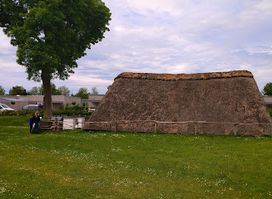
Step from central Herning straight into a thatched 1800s village, where open‑air farmsteads, soundscapes and intimate exhibits bring Jutland’s heathland past to life.
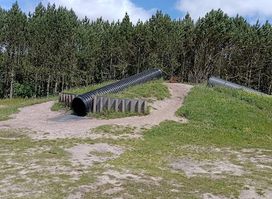
Family-friendly nature hub north of Herning, where fallow deer, forest trails, playgrounds and fire pits turn a simple woodland into an easy all-day escape.